
The 1985 BMW motorcycle fairing symbolizes a pivotal innovation in motorcycle design, bridging aesthetics with functionality. In the realm of motorcycle engineering, the fairing serves not just to elevate the look of a bike, but significantly influences its performance by improving aerodynamics and enhancing rider comfort. This exploration pivots around the fairings crafted for the 1985 BMW K100 and R80RT models, assessing their role in shaping the future of motorcycle design. Each subsequent chapter will delve into specific dimensions: from how these fairings enhance aerodynamics, the market for replacement parts, the evolution of design seen in these models, and their impact on rider experience, all of which underscore the enduring legacy of these iconic motorcycles.
Winds of Change: The 1985 BMW Motorcycle Fairing and the Quiet Revolution of Speed
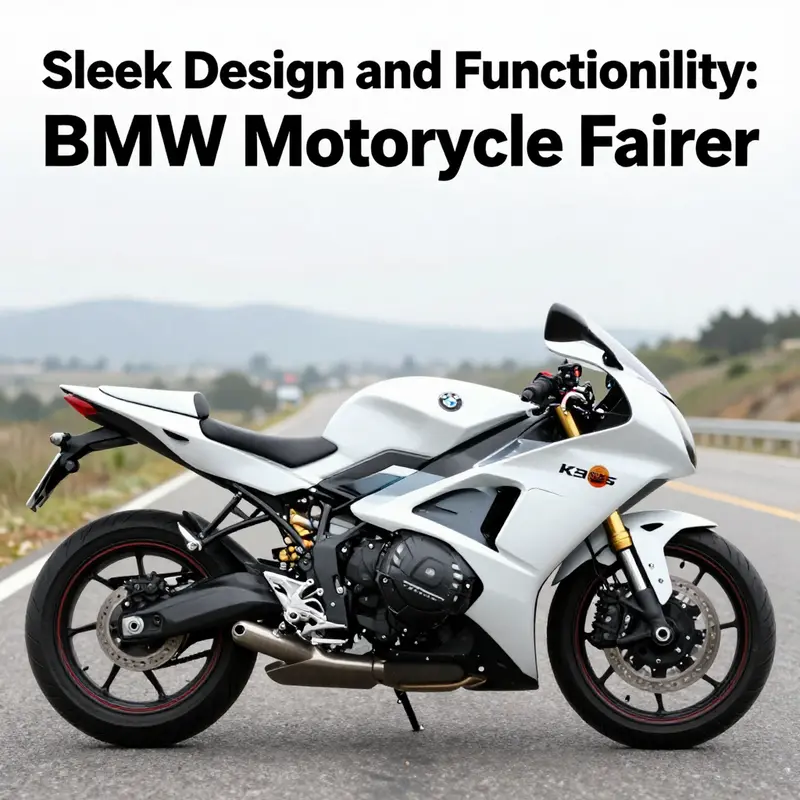
In the mid-1980s, motorcycles entered a phase where form and function began to align with a more deliberate understanding of what aerodynamics could do for a rider on the open road. The 1985 BMW motorcycle fairing stands as a quiet but pivotal milestone in that shift. It arrived not as a mere styling flourish but as a calculated response to the demands of longer journeys, higher speeds, and the expanding culture of sport-touring. Models like the K-series and the R80RT carried the fairing with them into a new era where wind, weather, and fatigue became variables that riders could manage with greater predictability. The fairing did more than wrap the bike in a glossy shell; it shaped how the rider experienced speed, comfort, and even the relationship between rider and machine over distances that once felt daunting on simpler, naked frames. It was, in many respects, a negotiation between the rider’s body, the bike’s heart, and the atmosphere through which both traveled.
What immediately strikes the observer about the 1985 BMW fairing is its integration. The front profile is sculpted to cut through air with a minimal amount of turbulence, a feature that matters at speed less for its silhouette and more for the stability it lends the chassis. The fairing’s clean lines extend along the sides, guiding the eye toward the mechanical drama hidden beneath—engine, radiator, control cables, and the inevitability of road grime. This integration is not just aesthetic; it is a design language that communicates intention: the machine is prepared to face the wind, so the rider can focus on the road. In the context of BMW’s engineering ethos, the fairing embodies a philosophy that performance is as much about protecting the rider from the elements as it is about extending top-end speed. When a rider sits at highway pace or threads through a mountain pass, the fairing’s presence becomes a tacit agreement—that wind noise, buffeting, and fatigue will be managed rather than endured.
From a technical standpoint, the aerodynamic intent of the 1985 fairing rests on several deliberate principles. The streamlined front minimizes abrupt airflow separation, which translates into reduced turbulence around the rider’s helmet and shoulders. This is not simply about reducing drag for the sake of numbers; it is about creating a more controllable riding environment. With less wind pressure acting on the torso and head, the rider maintains finer posture with less attention diverted to bracing against the elements. The fairing also contributes to engine and component protection. In rain, gravel, or spray, the lower portions of the fairing shelter vital lines and mechanisms from direct exposure, preserving performance and reducing maintenance headaches over time. The cumulative effect is a ride that feels more planted, more predictable, and more capable of supporting confident decisions at speed on a variety of road surfaces.
Material choices for the era reinforced these aerodynamic gains with durability. ABS plastic emerged as a practical compromise between rigidity, weight, and resilience. Lightweight by design, ABS offered sufficient stiffness to hold its shape against wind pressures, yet enough give to absorb minor impacts without fracturing. It resisted corrosion from weather exposure and held color and gloss through many miles and many seasons. In the context of a machine that often traveled far from pristine showroom floors, this combination mattered. A fairing that could weather sun, rain, sunburnt paint, and road debris was essential to sustaining long-term performance while remaining approachable for owners who practiced DIY maintenance and periodic refinishing as part of classic-bike restoration culture.
The fairing’s influence extended beyond the immediate physics of wind and weather. It shaped rider psychology and the practical realities of long-distance riding. With improved wind protection, riders experienced less fatigue on multi-hour stints, enabling more time in the saddle and more miles logged without the same toll on back and neck. The result was a broader appeal for sport-touring as a viable riding lifestyle rather than a niche experience. A rider could enjoy a balance of speed, comfort, and efficiency, which, in turn, encouraged adoption of touring habits—careful route planning, steady throttle management, and deliberate clothing choices that complemented the overall aerodynamics rather than working against them. The fairing’s presence thus helped redefine what riders could expect from a motorcycle when it came to endurance and comfort alike.
Design sensibilities from this period also spoke to an aesthetic of aerodynamic seriousness. The 1985 fairing carried a purposeful silhouette that communicated capability at a glance. It was not merely about making a bike look faster; it was about projecting an ethos of reliability and rational engineering. In a marketplace where style and function were often treated as separate tracks, BMW’s approach suggested that elegance could be achieved through disciplined geometry and purposeful integration. The aesthetic therefore reinforced the performance narrative: the machine was designed to inhabit the wind rather than fight it. This philosophy resonated with riders who valued stability on long straights and confidence in corners, where the wind can become a volatile collaborator or a destabilizing adversary.
The legacy of the 1985 fairing cannot be reduced to its immediate performance metrics alone. It seeded a broader culture of aftermarket and restoration interest that continues to this day. Enthusiasts seeking to revive or upgrade vintage machines are drawn to the clean lines and proven aerodynamic logic of those early BMW fairings. The aftermarket ecosystem—from reproduction panels to authentic used parts—reflects a sustained demand for components that preserve the original riding experience while allowing improvements in upkeep and customization. The fairing thus becomes a focal point of restoration projects, a tangible link to a pivotal moment when road-dynamics shifted in favor of rider comfort without compromising the thrill of speed. The availability of parts in online marketplaces, including ongoing discussions in dedicated biker communities, underscores this enduring appeal. The fairing is as much a cultural artifact as a mechanical one—a reminder of how a single polygon of plastic can change how riders perceive distance, weather, and time on the road.
In exploring the broader influence, it is useful to situate the 1985 BMW fairing within the larger arc of motorcycle aerodynamic development. The principles it embodies—minimize turbulent flow, shield the rider from the worst wind forces, and maintain a stable platform at speed—would echo in subsequent generations of fairings across brands and engine configurations. The fundamental advantages—reduced fatigue, improved stability, and better fuel economy on long trips—remain touchstones for modern designs. Contemporary riders who seek to honor the vintage look while embracing newer performance standards often find themselves drawn to aftermarket options that echo the original fairing’s principles. The lineage is clear: the 1985 design did not vanish with the next model year; it transformed into a durable blueprint that continues to inform how riders balance speed, comfort, and practicality.
For enthusiasts contemplating what the 1985 fairing represents, it is helpful to consider the fairing as more than a component. It is a study in how form supports function. The lines were conceived to capture air responsibly; the materials chosen were meant to endure; and the overall effect was to give the rider a sense of control that extends beyond the handlebars to the entire riding arc. In this sense, the fairing demonstrates how mid-1980s engineering pragmatism could produce a lasting aesthetic and a tangible performance advantage. It tells a story of a period when manufacturers started to recognize that wind is not merely a nuisance to be shielded from but a variable to be managed—an insight that would grow into sophisticated computational-aided designs in later decades, but which began with the practical, manual iterations of ABS plastics and carefully tuned profiles.
The discourse around this fairing also intersects with the broader public fascination with vintage motorcycles. Restorers and collectors increasingly value bikes that embody a particular moment in design history—the point at which aerodynamics and rider comfort became inseparable from everyday riding. The availability of fairing kits and replacement parts on resale platforms mirrors a cultural investment in preserving the riding experience. It is not just about appearance; it is about the continuity of performance characteristics that allow a vintage bike to be enjoyed with consistent reliability. In this sense, the 1985 fairing becomes a bridge between the past and present, a reminder that the pursuit of speed and distance is a continuum shaped by incremental improvements that, taken together, redefine what is possible on two wheels.
As modern riders reflect on these themes, the fairing’s legacy continues to influence design thinking and restoration practice. It offers a template for how to approach aerodynamics through a balanced triad: front-end efficiency, rider protection, and practical durability. The same ethos can be detected in contemporary fairings designed for today’s high-performance machines, where the emphasis remains on lightweight construction, anti-corrosion resilience, and the ability to withstand the constant exposure of real-world riding. The essence of the 1985 design—achieving a stable, comfortable, and efficient ride without compromising the machine’s aesthetic integrity—persists as a guiding principle for anyone reimagining or restoring vintage machines in a world that increasingly equates speed with smart, wind-aware engineering.
In the end, the 1985 BMW motorcycle fairing is a story of how one design choice can ripple through decades. It encapsulates a moment when engineering thinking matured enough to recognize wind as a partner rather than an adversary, and when riders learned to expect comfort and control as a standard, not a luxury. The K100 and R80RT platforms, among others, carried that vision forward, inviting riders to explore longer horizons with confidence and style. The fairing’s influence extends beyond its own era, shaping the way enthusiasts approach restoration, modification, and ongoing dialogue about what constitutes an optimal riding experience. It is a reminder that aviation-derived principles can become everyday realities on the road, and that, in the hands of designers who understand balance and purpose, wind can become a collaborator rather than a volatile force that erodes endurance.
For those drawn to the technical and cultural threads of this history, the conversation around the 1985 fairing remains open and vibrant. It stands as a touchstone for understanding how a single component can alter the rhythm of travel, the texture of a ride, and the relationship between rider and machine. In the evolving map of motorcycle aerodynamics, the 1985 fairing holds a steady position: a testament to the idea that good design reduces effort and expands possibility, letting riders glide through the wind with renewed confidence and the promise of even longer journeys ahead. And as restoration projects continue to populate garages and forums with questions, the fairing remains a living archive, inviting new generations to experience what it felt like to ride with a wind-sculpted partner at your side.
Internal link for further context on aftermarket fairings: Honda fairings collection.
External resource for broader aerodynamic philosophy in modern motorcycles: BMW Motorrad official page.
Riding the Wind: The 1985 BMW Fairing as a Catalyst for Aerodynamics, Comfort, and a Vibrant Aftermarket
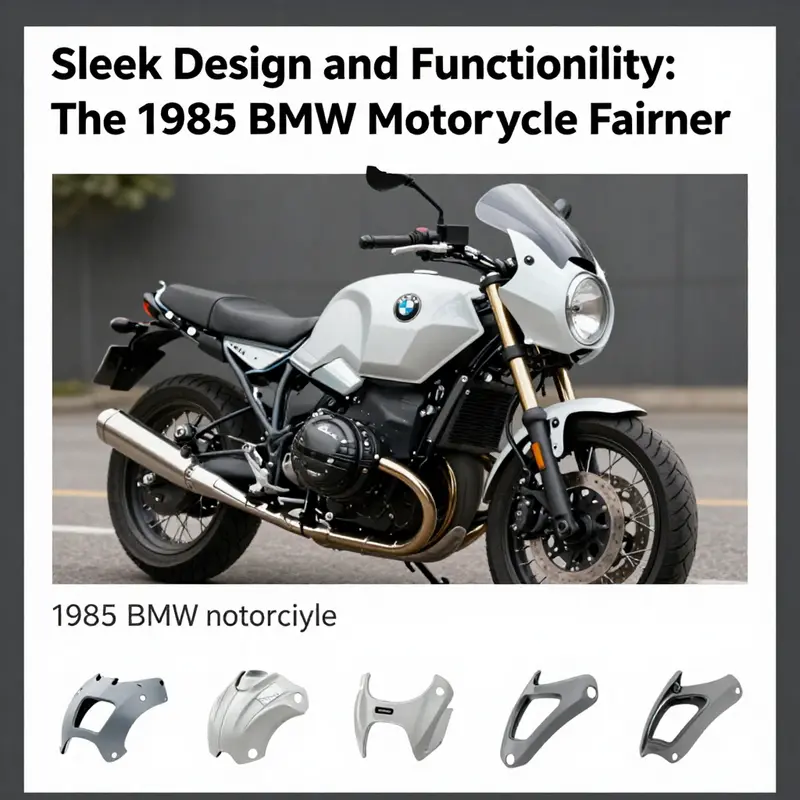
The 1985 BMW motorcycle fairing stands as more than a cosmetic flourish. It is a deliberate integration of form and function that reshaped how the K100 and the R80RT behaved on the highway and how riders perceived long-distance capability. This fairing, with its clean planes and purposeful contours, worked with the engine’s boxer layout to guide air in a way that reduced buffeting, increased stability, and made high-speed cruising less fatiguing. For riders who spent hours in the saddle, the change was measurable: a calmer steering feel, a more settled wind pressure on the chest and shoulders, and a sense that the machine possessed a more mature maturity at speed. The aesthetic, too, spoke of a design language that valued efficiency without sacrificing identity. In a decade obsessed with performance, the 1985 BMW fairing offered a concise statement: you could have both speed and comfort without choosing one over the other.
The fairing’s influence extended beyond the rider’s immediate comfort. Aerodynamics play a subtle yet decisive role in how efficiently a motorcycle uses power and how it behaves in crosswinds or at the edge of the speed envelope. The 1985 design emphasized a balance between drag reduction and the rider’s protection, a balance that can be traced in many later BMW touring silhouettes. This was a moment when wind management moved from being merely a practical detail to becoming a contributor to performance and reliability over long distances. The result was not only a more confident ride but also the impression that the machine was engineered with the rider’s endurance in mind. The integration of wind deflection with readability of the cockpit and instrument cluster reflected an understanding that performance is a composite experience, built from mechanical, aerodynamic, and ergonomic threads woven together into a single, coherent whole.
As with many design decisions of the era, materials and manufacturing choices left a lasting imprint. The fairing families of the mid-80s leaned on fiberglass and early composites, chosen for a balance of stiffness, weight, and formability. The contouring had to accommodate the geometry of a boxer engine and the bike’s overall package, with careful space for mounting points, the headlight assembly, and the instrument panel. The result was a silhouette that could be recognized in a crowd and still perform in variable conditions. The aesthetic choice—sharp, economical lines that suggested speed—also helped define a modern look that owners and prospective buyers could identify with long after the first showroom doors closed. This was not just about looking fast; it was about looking like progress. The fairing’s geometry influenced how the bike projected itself to onlookers, and it set a visual benchmark that later models would echo, reinforcing a lineage that enthusiasts continue to discuss in restoration circles.
The market for replacement fairings from this period is nuanced and sometimes challenging. Original 1985-specific pieces are sparse, and the passage of time has intensified the need to differentiate between recoverable pieces and those beyond practical repair. Worn shells with cracks, delamination, or warp require careful assessment, and many riders find themselves weighing the value of restoration versus replacement. Yet scarcity has not dried up opportunity. Specialized suppliers and dedicated marketplaces have emerged to bridge the gap between memory and rideable reality. The availability now spans genuine OEM components, as well as reproduction panels that faithfully reproduce the lines, curves, and join lines of the original design while using modern materials that resist UV exposure and fatigue. In other words, riders can pursue authenticity without sacrificing durability. The nuanced choice between original parts and high-fidelity reproductions depends on the build goal, the budget, and the desired level of concours integrity. Even within the same project, a rider might mix authentic pieces with high-quality replicas to achieve a visually faithful result while ensuring robust performance on the road.
Enthusiasts often source through official channels that curate vintage BMW components. For those who wish to explore the available catalog, bmw-motorrad-classic-parts.com serves as a focal point for access to genuine OEM and reproduction parts, with diagrams and guidance that help clarify compatibility. This discipline of sourcing is essential when attempting to recreate the 1985 look without guesswork. The community around these bikes emphasizes precise matchment of model year, sub-model, and mounting hardware. Others turn to larger marketplaces and forums where collectors share measurements, photos, and tips about restoration. The conversations often illuminate subtle differences between early and late variants, and they help buyers to avoid misfitting panels or incompatible windscreen arrangements. The process is a blend of archival accuracy and practical fitment, a synthesis that underpins successful restoration projects.
The practical realities of restoration stretch beyond aesthetics. A fairing is not a single-shell object; it is part of a larger ecosystem that includes mounting points, inner surfaces, trim pieces, and the windscreen geometry. Assessing the interior at a granular level matters because inner textures and insert surfaces influence air flow and comfort in ways that are not immediately visible from the exterior. A degraded inner surface can disrupt the intended airflow, creating subtle turbulence that undermines the benefits the exterior contouring promises. In response, modern reproductions have moved toward materials that resist UV damage and maintain rigidity, while refinishing options allow old shells to be refreshed with durable coatings that mimic the original gloss but resist cracking and fading. The practical payoff is a fairing that feels as solid on a two-hour highway ride as it does on a weekend-long tour, with lines that still speak to the period’s design vocabulary.
The cultural dimension surrounding the 1985 fairing also deserves attention. Vintage BMW riders tend to view their machines as more than transportation; they are curated artifacts that invite ongoing dialogue about technique, history, and shared experience. The fairing, in particular, marks a transitional moment when aerodynamic thinking started to influence common riding expectations. The idea that a well-designed body panel could concurrently improve speed, wind management, and rider comfort became a touchstone for how these bikes were perceived and discussed. This shared appreciation sustains a robust aftermarket and resale ecosystem, in which owners learn from each other’s trials and triumphs. The fairing is a tangible link between past engineering ambitions and present-day restoration realities, a bridge that keeps the narrative alive while enabling riders to experience the tactile thrill of a classic machine with the confidence of modern materials and techniques.
In the marketplace, the resilience of the fairing category reflects a broader commitment within the vintage BMW community to preservation with practical use in mind. The ongoing demand for body panels, braces, and trim pieces is driven by both show-oriented restorations and daily riders who value the character of the 1985 silhouette. It is not merely about replacing what is broken; it is about maintaining the bike’s story, ensuring that the wind continues to guide the rider along a route that feels timeless. This dual motivation—authenticity for the eyes and reliability for the road—drives careful sourcing, thoughtful fitment, and a willingness to engage with a network of specialists who bring long-standing knowledge to contemporary builds. Whether the aim is to display a pristine show bike or to enjoy a well-kept daily rider, the fairing’s presence remains central to the experience.
A final layer of consideration centers on the balance between fidelity and modern practicality. The 1985 fairing embodies a moment when design teams anticipated longer and more demanding rides. Restorers today honor that intention by selecting parts and finishes that respect the original geometry while leveraging contemporary paints, sealants, and finishing processes. The aim is not to recreate an exact snapshot of 1985 but to evoke the same harmony of wind, form, and function that defined the period. In pursuing this balance, riders become custodians of both memory and performance. The result is a machine that communicates its vintage roots through silhouette and texture while offering the dependability expected from modern-day engineering. The ongoing availability of parts and the flourishing restoration community together ensure that the 1985 BMW fairing remains a living centerpiece of a respectful, dynamic culture rather than a museum piece frozen in time.
External resource: https://www.ebay.com
Shaped by the Wind: The 1985 BMW Fairings and the Making of Modern Sport-Touring
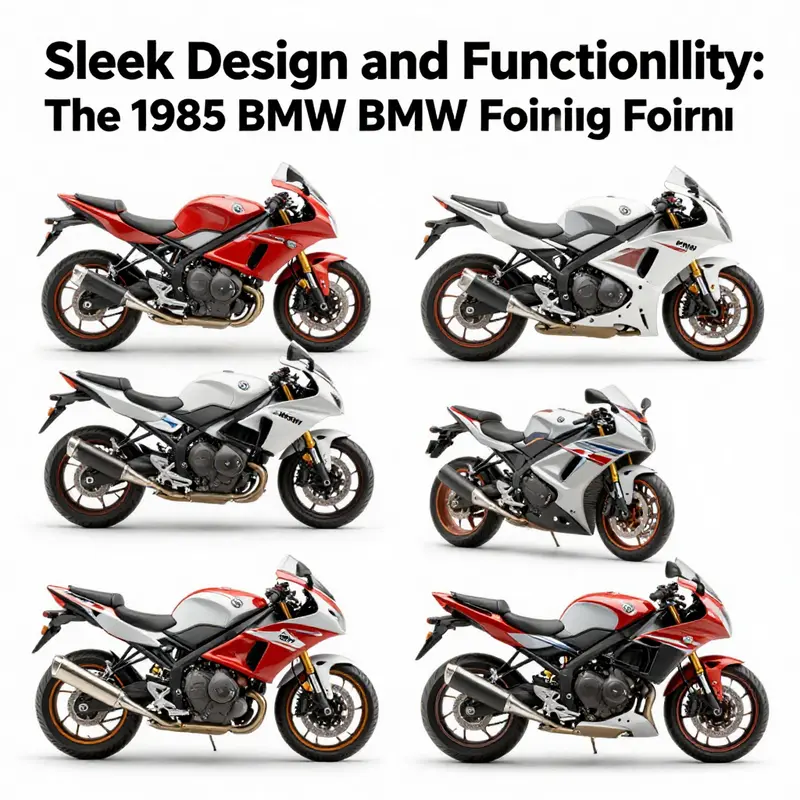
Wind has long been the invisible partner of riding, shaping pace, fatigue, and focus. In 1985, BMW treated fairings not as a decorative shell but as an integrated system—air, rider, and machine working in concert.\n\nThe K100’s fairing was at the center of this evolution, not merely a shell but a streamlined enclosure designed to minimize drag while cocooning the rider in a calm, predictable breeze. It wrapped around the front of the bike, guiding air toward the engine and along the rider’s torso, reducing buffeting and fatigue and creating a cockpit that encouraged longer, more confident rides.\n\nThe R80RT followed with its larger shield offering protection for a taller, more upright posture, preserving accessibility while shielding the rider from wind and weather. Together, these models demonstrated how integrated bodywork could be functional and expressive, marrying engineering intent with a refined aesthetic that made long-distance travel more comfortable.\n\nFrom a performance perspective, the 1985 fairings pursued several goals: lower drag, steadier airflow, and improved stability at speed. By shaping a smoother cross-section, they reduced wind noise and fatigue, letting riders focus on line, speed, and cornering. Ergonomics were a priority, so riders of different statures could enjoy a more predictable wind profile and a calmer cockpit.\n\nThe language of the design spoke as much as the engineering. Clean lines, deliberate transitions between windshield, front cover, and side panels, and a sense that the bike and its shell belonged to a single form. This restrained elegance signaled BMW’s belief that beauty in a motorcycle could come from efficient, purposeful form as much as from capability.\n\nA crucial aspect of the fairings’ value was rider well-being on long tours: wind protection, noise reduction, and more precise throttle and steering inputs. They also interacted with heat management and engine cooling in subtle ways, contributing to a softer ride without compromising access for maintenance.\n\nManufacturing realities mattered too. The 1985 fairings were designed for serviceability, with panels that could detach without turning routine maintenance into a scavenger hunt. The result was a set of parts aging riders and collectors could still source and fit, keeping fidelity to the original geometry and look.\n\nCulturally, the period marked a shift toward the sport-touring category as a defined, purpose-built segment. The 1985 fairings helped anchor that identity, and the market for OEM and aftermarket bodywork remains a testament to their enduring appeal. For restorers, the fairings are more than metal or plastic; they are a vocabulary for preserving a particular way of riding longer, farther, more comfortably.\n\nToday, the legacy is visible not only in the bikes themselves but in how designers think about wind, rider comfort, and the relationship between form and function. The 1985 BMW fairings remain a milestone—proof that shaping the wind can also shape the rider’s experience.\n\nExternal resource: For authentic OEM and restoration parts, see the Fairings & Bodywork for 1985 BMW K100 on eBay — https://www.ebay.com/sch/i.html?nkw=1985+BMW+K100+fairings+bodywork&sacat=0&LHTitleDesc=0&from=R40&rt=nc&LH_PrefLoc=1
Wind, Comfort, and a Turning Point: The 1985 BMW K100 Fairing and the Quiet Revolution in Motorcycle Aerodynamics
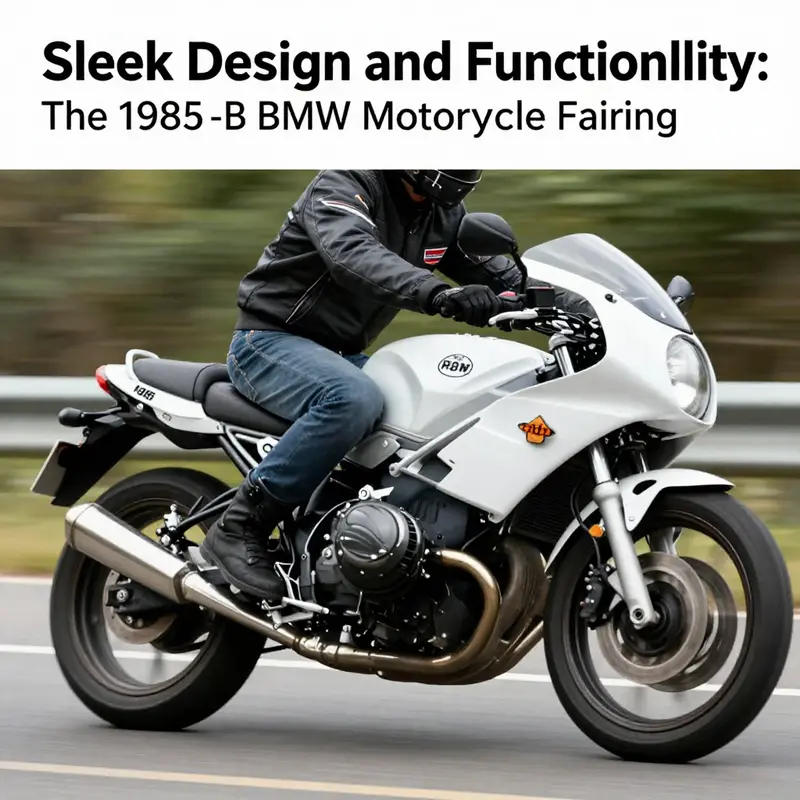
If you imagine the first ride of the 1985 BMW K100, the scene is less about the machine alone and more about the way air is invited to behave around it. The bike arrives not only with a new engine layout and chassis philosophy but with a world-first move in bodywork: a full fairing developed in a wind tunnel, integrated into the bike’s silhouette as if it were always there. This was more than a cosmetic upgrade. It was a deliberate engineering choice aimed at shaping the rider’s experience in a way that had not yet become standard in production motorcycles. In one stroke, BMW reframed what riding long distances could feel like, turning the wind from an adversary into a companion that supported speed, stability, and stamina. The impact of that design choice extended beyond a single model and began to ripple through the entire touring and sport-touring category, echoing in later trends toward integrated bodywork and rider-focused aerodynamics that would define motorcycle aesthetics and performance for years to come.
What the wind tunnel revealed—and what the fairing embodied—was a philosophy of riding that balanced two core goals: minimize the droning, fatigued sensation that accompanies sustained high-speed travel, and maximize the rider’s sense of control and confidence as the bike slices through air. The 1985 K100’s full fairing was not merely a shield; it was a carefully sculpted airframe that managed boundary layers, reduced drag, and coaxed a steadier wake behind the bike. Riders stood to gain not only higher cruising speeds and better fuel economy but also a more predictable ride at the edge of the machine’s performance envelope. The fairing’s influence on comfort is often underappreciated in catalogs and nostalgia posts, but it is precisely this fusion of wind management and ride quality that makes the K100’s introduction a turning point in how engineers and riders perceived the potential of integrated bodywork.
From the rider’s seat, the benefits are tangible. The direct oncoming airstream that used to buffet a helmet or helmet-mounted microphones now arrives as a gentler, more even flow around the head, shoulders, and torso. The bike’s profile acts like a carefully tuned airfoil meeting a rider who is seated in an upright-to-slightly-reclined posture. Buffeting—a tug-of-war between wake turbulence and rider input—diminishes, and the rider can hold a steady line without fighting the geometry of the wind. In practical terms, this translates to less fatigue after hours on the road, less neck strain, and a higher likelihood of keeping longer legs of highway cruising in comfortable alignment. The patched-together experience of “weather as obstacle” gives way to a more confident endurance ride, where the body isn’t fighting the air but gliding with it.
That sense of ease extends into handling at highway speeds. A well-designed fairing does more than keep the rider warm or shielded from rain; it stabilizes the bike’s air-supported balance. You feel the front end breathe with less abruptness as crosswinds push and pull, which in turn diminishes the need for constant micro-corrections at high speed. This is not about turning the K100 into a drag racer; it’s about enabling a rider to focus on line choice, cadence, and long-distance comfort rather than fighting the physics of air and inertia. The aerodynamic precision of the K100’s fairing—developed with wind tunnel insights—paved the way for a class of motorcycles that valued the harmony between aerodynamic efficiency and rider well-being, a balance that would shape touring-oriented designs for years to come.
The empirical benefits of the fairing also found their way into the bike’s broader performance narrative. Improved aerodynamics tended to yield a bit less energy spent pushing air aside, which translates into fuel efficiency gains, especially noticeable on long climbs or sustained high-speed runs. When a motorcycle can travel farther on a gallon or liter, the design language shifts from mere speed to sustained performance over distance. The K100’s reputation as a pioneer in performance-oriented touring rests not only on its engine architecture or chassis geometry but in the way its bodywork interacts with the entire powertrain and rider ecosystem. The fairing’s role in smoothing airflow reduces the overall drag coefficient, and that, in turn, helps the engine work less to maintain speed. The effect is a virtuous circle: better aerodynamics encourage longer, more relaxed rides while preserving the machine’s ability to reach respectable top speeds without straining the engine or the rider.
For owners and restorers today, keeping or restoring the original fairing takes on a significance that goes beyond aesthetics. The fairing is a keystone of the bike’s identity and performance narrative. Replacement parts—universal fairing bolts kits, screws, and related fasteners—are commonly sought after on platforms for restorations, underscoring the ongoing demand to preserve the aerodynamic integrity that the original design achieved. The care surrounding these components is not merely about keeping things attached; it is about maintaining the delicate balance between the rider’s comfort and the machine’s aerodynamic character. When a fairing is properly secured, the ride remains quiet, smooth, and stable; when it is not, unwanted vibration can creep in, accompanied by increased wind noise and perceptible changes in handling feel. This is why the restoration community treats the K100’s fairing not as a decorative shell but as a critical, performance-affecting element that must be preserved and maintained with the same attention given to engine internals or suspension geometry.
The broader industry’s recognition of the K100’s fairing as a benchmark is clear in the way it’s referenced in historical narratives and design retrospectives. The decision to advance a full, wind-tunnel-developed fairing reflected a shift toward integrated bodywork as a functional necessity rather than a stylistic flourish. That mindset—viewing the bodywork as an active participant in the bike’s performance rather than a passive wrapper—became a template for later models across the touring and sport-touring spectrum. It encouraged designers and engineers to think about airflow not as an afterthought but as an essential element of comfort, stability, and efficiency. The K100’s aerodynamic package thus helped redefine what riders could expect from long-distance motorcycles: bikes that could sustain high-speed travel with less fatigue, deliver improved efficiency, and offer a poised, confident ride through a broad range of weather and road conditions.
In the decades since, the legacy of this fairing has shown up in subtle, yet meaningful, evolutions. Many touring motorcycles that followed carried features and silhouettes that echoed the K100’s approach—an emphasis on integrated lines that manage air with the rider in mind, a design language that values quiet stability at speed, and a market where authenticity and period-correct restoration carry real resonance for enthusiasts. Today’s restorers, when they choose to reproduce or replace fairing sections, still weigh the same questions that guided BMW in the 1980s: how can a fairing protect the rider from the worst of the wind while preserving the bike’s identity and performance envelope? The balance remains delicate, but the K100 set a precedent that shows the aerodynamics of a motorcycle can be an intimate, rider-centered feature rather than a mere exterior adornment.
The official chronicles of BMW Motorrad, which recount the K100’s development and its lasting influence on rider comfort and motorcycle design, reinforce this narrative. They frame the 1985 fairing as a turning point, a moment when science and style converged to improve the everyday experience of riding. It was a moment that did not merely alter a single model’s fate; it shifted industry thinking about what a motorcycle body could and should do for the rider who spends hundreds of miles in contact with the machine. The K100’s fairing is thus a story about more than wind management; it is a story about how a machine can be engineered to be more than the sum of its parts, how the experience of riding can be shaped by an intelligent, purpose-built silhouette that respects the rider’s body and the road ahead.
For readers following this exploration of the 1985 BMW motorcycle fairing, the next chapters will extend the discussion to how these principles translated into design choices across different BMW models and how the community of riders and restorers continues to honor this heritage. The K100’s wind-tunneled success informs not only the technical vocabulary of fairings but also the emotional vocabulary of what a well-designed motorcycle can feel like on a long, uninterrupted ride. In a sense, the fairing was a quiet revolution—one that reshaped expectations about comfort, efficiency, and control on the road, and which keeps inspiring the ongoing work of engineers, artists of form, and passionate riders who chase both history and excellent ride quality.
External resource: https://www.bmw-motorrad.com/en/brand/history/k100.html
Final thoughts
The 1985 BMW motorcycle fairing exemplifies how thoughtful design can enhance both aesthetics and performance in motorcycling. As a keystone in motorcycle history, effectively integrating aerodynamics, availability of parts, and rider comfort, this fairing has significantly impacted the riding experience. Understanding its evolution sheds light on the continuous advancement in motorcycle technology and design. The ongoing demand in the market for replacement parts underscores the cultural appreciation for these vintage models, ensuring that their legacy lives on among enthusiasts. As businesses in the motorcycle industry, recognizing this trend and catering to the needs of vintage motorcycle enthusiasts can lead to fruitful opportunities.