
For motorcycle enthusiasts and business owners in the automotive aftermarket, the pursuit of quality parts can be as thrilling as the ride itself. The quest for the perfect fairing outer for the 2012 Kawasaki Vulcan involves understanding compatibility, material options, and market availability. The fairing outer not only enhances the aesthetics of the bike but also plays a vital role in improving aerodynamics and rider comfort. By delving into the intricacies of selecting the right fairing, this article guides you through crucial aspects that enable you to make informed purchasing decisions, whether you’re sourcing for your shop or upgrading your own machine.
Shaping the Ride: Navigating Compatibility and Craft for the 2012 Cruiser Fairing Outer
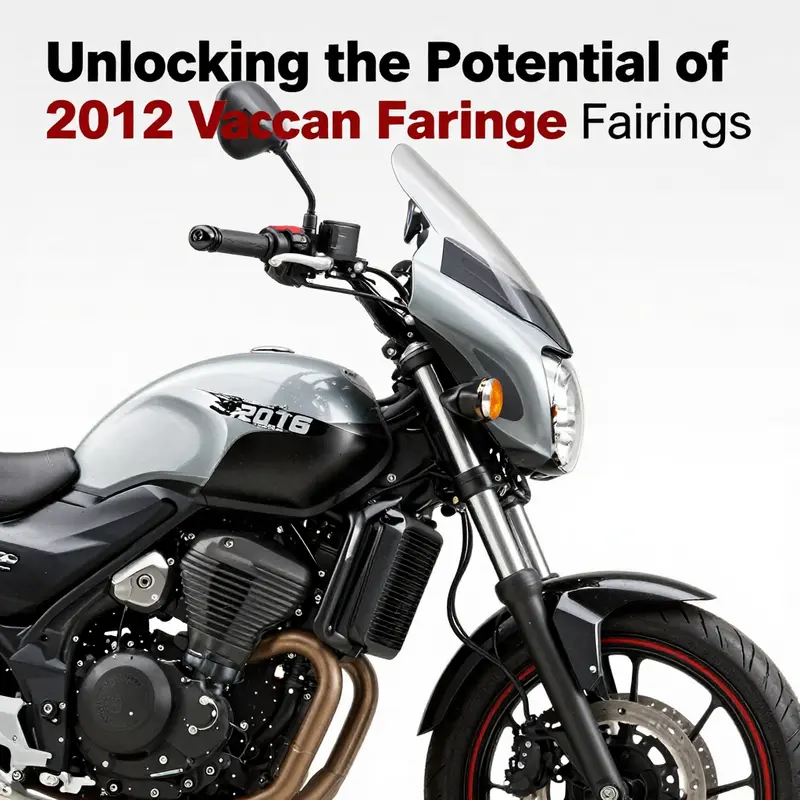
The outer fairing of a touring or cruiser motorcycle is more than a cosmetic shell. It is a sculpted shield against wind, a canvas for personality, and a component that can alter the bike’s aerodynamics, balance, and ride feel. When the model year in question is a 2012 cruiser from a well-known lineup, the search for the right outer batwing fairing becomes a blend of fitment science and stylistic judgment. The journey from stock silhouette to a modern, aggressive, or classically clean look centers on one core truth: a well-chosen fairing outer is a cohesive extension of the motorcycle, not an aftermarket add-on that sits at odds with the rest of the bike’s lines. In this chapter, we follow that logic through the concerns riders typically weigh, offering a grounded perspective on compatibility, installation, and the array of options available to anyone who wants to reframe the front end without compromising the ride or the structure of the bike.
The batwing silhouette has long been a staple in the cruiser lexicon. Its broad, wing-like spread provides wind deflection that can dramatically reduce rider fatigue on long highway slogs and short endurance rides alike. When you’re contemplating a 2012 model year cruiser, the fairing outer specifically designed for that generation promises a factory-feel fit and a visual harmony with the bike’s bodywork and chassis geometry. Yet the market outside the factory is populated with a spectrum of designs—some engineered for exact fit, others designed as universal solutions intended to cross-brand boundaries. For many riders, that distinction matters as much as the look itself. The precision of a dedicated fairing outer—one that slots into the same mounting points as the original and cooperates with the same waistlines, windshields, and cockpit openings—offers the most seamless transition. On the other hand, a universal batwing can deliver a bold aesthetic quickly and at a potentially lower price, with the caveat that fit might require adjustments, tweaks, or additional hardware.
From a design and engineering standpoint, the 2012 cruiser’s outer shell often centers on a few stable principles: a fairing that captures airflow in front of the rider and, ideally, channels it around the shoulders and torso; a shape that mirrors the bike’s radiator or engine bay aesthetics; and a mounting framework that aligns with the chassis, minimizing the number of modifications required. A well-made outer fairing is light enough to avoid altering the bike’s front-end weight distribution in ways that would require suspension recalibration, while being sturdy enough to resist flex at highway speeds and during abrupt wind gusts. The material choice—commonly ABS plastics in aftermarket versions—offers a practical balance between rigidity, impact resistance, and the ease of paint matching or clear coating. It is not merely a cosmetic cover; it is a structural element that, when executed properly, contributes to the overall feel of the front of the motorcycle.
The path to compatibility begins with precise fitment information. In an ideal scenario, a 2012 model year outer fairing is designed to align with the original mounting hardware, with the same points at the front, sides, and top that previously anchored the stock piece. The promise of “guaranteed fit” or similar assurances becomes the rider’s first signpost. It signals that the piece is tested against the bike’s geometry and that no drilling or permanent modifications are needed to install it. In practice, however, the landscape is more nuanced. Some listings advertise a complete front fairing package that deliberately ships without new mounting hardware, expecting the buyer to reuse the existing brackets and fasteners. For a rider who values a clean, factory-like installation, that can be a strong rationale to opt for a manufacturer-verified option rather than a universal model. For others, the absence of hardware is a minor hurdle—one easily overcome with standard shop tools and a careful inventory check to ensure compatibility with the bike’s frame, triple tree, and fender arrangements.
The 2012 model year in this cruiser segment often presents a straightforward silhouette that many aftermarket options can respect. The batwing fairing’s width, height, and contour must harmonize with the bike’s wheelbase and rake, while the windshield’s curve must align with the cockpit’s vertical opening so that the rider’s line of sight and air path remain undisturbed. When a fairing is designed with a particular model year in mind, it usually means the manufacturer has measured the bike’s mount points, the tank line, and the instrument cluster’s position. This specificity is what many riders seek, because it minimizes surprises during installation. Yet as with any aftermarket part, a margin of variation exists. Some universal batwings claim broad compatibility but require trimming or mounting adapters to avoid clashes with the fuel tank cap, the instrument panel, or the ignition wiring harness. In these cases, the rider must decide whether the potential adjustment time and the risk of gaps or misalignment are acceptable in exchange for the look they want.
In contemplating compatibility, a practical approach is to begin with the bike’s key reference points: the fairing’s top edge alignment with the cockpit, the mounting arc that mirrors the factory brackets, and the clearance around the windshield and instrument cluster. If a listing promises a snug fit without drilling, it is worth verifying that the piece uses the same contour lines along the inner edge where it meets the fuel tank and the radiator shroud. A mismatch in those junctures often manifests as an unseated edge, a visible gap along the tank seam, or interference with the windshield’s mounting hardware. The rider’s eye should not be misled by a glossy finish on a piece that sits a millimeter off in critical contact points. In practice, the best way to confirm compatibility is to consult a trusted retailer with a robust fitment guide, and to cross-check the bike’s exact year, trim, and any factory changes that could influence the fairing’s sitting position or cable routing. When in doubt, it is prudent to select a product labeled with explicit year compatibility and to request a guaranteed-fit assurance from the seller.
The appeal of a batwing fairing extends beyond a single model year. The design language—broad, sweeping lines and a generous fairing surface—transfers across multiple cruiser platforms. In many cases, a batwing outer designed for a 2012-era cruiser can be adapted to other bikes that share similar chassis geometries or mounting philosophies. This is where the narrative of compatibility broadens from a single year into a cross-model conversation. For riders who own or plan to acquire multiple bikes from the same class, a universal or partially universal fairing may offer a coherent aesthetic across machines. It is important to recognize that adaptation has its limits. While universal designs can be surprisingly accommodating, some platforms require careful attention to the gauge cluster’s clearance, the fuel tank’s curvature, and the headlight housing’s diameter. The discipline of adaptation—measuring, mocking up, and test-fitting—becomes as important as the final paint and finish.
The installation experience itself deserves attention, because it can be the difference between a satisfied rider and a project that feels compromised. The typical outer fairing package is presented as a complete front solution, including the outer batwing piece and the necessary factory-style mounting brackets. What is not always included is the mounting hardware itself, which the rider may need to source separately. The absence of hardware can be a minor inconvenience or a considerable time sink, depending on how closely the fairing’s mounting points line up with the bike’s factory hardware. The installation generally requires standard hand tools or a basic motorcycle lifting setup, a stable workspace, and the patience to align multiple points for a precise seating. The goal is to achieve a level plane across the edge that sits flush with the fuel tank and does not push against the windshield or instrument cluster. If the fairing is a true-in-fit piece, the first test ride will feel like a seamless extension of the bike rather than a bolt-on component with a visible seam.
Aesthetics, as much as fit, shapes the decision. The outer fairing’s sheen, texture, and color compatibility influence the final presentation. A high-quality ABS fairing can be painted to match the bike’s color precisely, then clear-coated to maintain a durable, showroom-like finish. The integration of painted surfaces with the bike’s chrome or satin metal finishes can yield a modern, cohesive front end or a more classic, understated look depending on the rider’s taste. The way light plays across the fairing’s convex surfaces, the subtle curves that pull the eyes toward the cockpit, and even the edge treatment along the inner profile all contribute to a sense that the fairing belongs to the machine rather than sitting on top of it. For riders who want a bold transformation, a batwing design paired with a tall windshield and a color-matched tank cover or meter fairing panel can create a unified silhouette from the headlights to the rider’s line of sight.
Speaking of related components, many riders consider complementary pieces to complete the overall aesthetic and aerodynamic package. Tank covers, meter fairing panels, and compatible windshields are commonly offered in sets, allowing a coordinated look without mismatched lines or abrupt visual breaks. When browsing, it is wise to consider these additional pieces as part of one design language rather than as separate upgrades. In some listings, you will encounter a package that includes a tank cover and a meter panel along with the outer fairing, giving you a ready-to-go styling kit. The price spectrum for these supplemental pieces varies, but some listings provide a practical point of reference—for instance, a tank cover and meter panel set may sit in the modest, mid-range portion of the market. This kind of bundled option can help ensure a cohesive finish, especially when the base fairing’s color and texture align with the rider’s paint plan.
To navigate these choices, riders often turn to trusted retailers who publish fitment guides and compatibility notes. A reliable source in this space emphasizes year-specific fitment and offers high-quality fairing components tailored to the articulated 2012-era cruiser. It is helpful to review such references not only for the exact piece you want but also for guidance on whether a universal option could be a worthy alternative given your bike’s configuration and your goals for style and wind management. When you encounter a listing promising compatibility, cross-reference the model year with the mount points and the cockpit layout. If the listing mentions compatibility with other cruisers, take that as an invitation to verify whether those other models share a similar mounting scheme, frame geometry, and windscreen attachment methods. In short, the search is as much about confirming the bike’s constraints as it is about imagining the resulting silhouette.
Beyond the mechanics of fitment and the romance of the batwing’s lines, there is a practical discipline that riders should bring to the process. Take a careful inventory of the bike’s existing front-end assembly before you order. Confirm the condition of the mounting brackets, the integrity of the fasteners, and the consistency of the fender-to-fairing gaps that may affect the fairing’s alignment. The customer experience of purchasing a fairing outer—especially one intended for a specific year—can hinge on the seller’s transparency about fit, the inclusion or exclusion of mounting hardware, and the availability of guidance if the install reveals a variance from the expected interface. A seller who communicates clearly about what is and isn’t included and who can provide a quick confirmation of fitment after you provide your bike’s year and trim is a valuable ally in the process. For riders who are exploring multiple sources, it is reasonable to request a confirmation of compatibility in writing or to seek a retailer that offers a “guaranteed fit” pledge. This reduces the risk of ending up with a piece that looks right but sits awkwardly against the tank, or worse, interferes with the windshield’s operation.
The broader takeaway is that there is a spectrum of options for a 2012 cruiser fairing outer, from model-year-specific, guaranteed-fit pieces to versatile batwing designs that promise broad aesthetic appeal with varying degrees of install complexity. The right choice depends on your priorities: the comfort of a precise, bolt-on installation and an exact color match, or the flexibility and breadth of a design that can adapt across platforms with some careful tailoring. Either path, embraced with attention to fitment details, can yield a front-end presentation that feels integrated rather than improvised. And when you pair the fairing with complementary components like a matched tank cover or a tidy meter panel, the entire front of the motorcycle presents as a single, cohesive sculpture rather than a patchwork of aftermarket parts.
As you move from concept to concrete, the decision to pursue a 2012 cruiser fairing outer will inevitably lead you toward trusted resources that can help you confirm fitment, select compatible options, and plan the installation process. A thoughtful approach begins with a clear picture of your preferred outcome—whether you want a subtle, stock-leaning improvement or a bold reinvention that redefines the bike’s personality. It continues with careful measurement, a meticulous check of mounting points, and a readiness to adapt a universal solution when a model-year-specific piece isn’t available. In the end, the goal is not simply to attach a new shell but to achieve a front end that harmonizes with the bike’s lines, preserves or enhances wind management, and reflects the rider’s taste with the quiet confidence of a factory finish.
Internal linking note: For a curated collection of compatible fairings that align with the front-end design language of this class of bikes, you can explore the Kawasaki fairings collection. This resource can offer a starting point for evaluating fitment notes, finish options, and the mounting architecture that underpins a successful upgrade. Kawasaki fairings offers a structured view of what is often possible when the goal is a cohesive, integrated look that respects the bike’s original geometry.
In the realm of options, the search is as important as the selection. The landscape rewards a careful reader who checks the compatibility statements, asks clarifying questions about included hardware, and weighs the benefits of a year-specific piece against a broader, universal approach. The 2012 cruiser’s outer fairing remains an appealing canvas for those who want to blend performance with style, and the path to that outcome lies in disciplined due diligence, thoughtful assembly, and a clear vision of how the front of the bike should feel when the road opens up ahead.
External resource for further reading and detailed fitment guidance: For detailed fitment guides and high-quality fairings tailored to this era, consult motorcycle-focused technical resources and shop-level fitment notes. A widely consulted reference is https://www.motorcyclefairings.com, which provides practical guidance and product selections that align with the goals of a clean, accurate front-end upgrade.
Batwing Shield: Material, Form, and Purpose in the 2012 Vulcan’s Outer Fairing
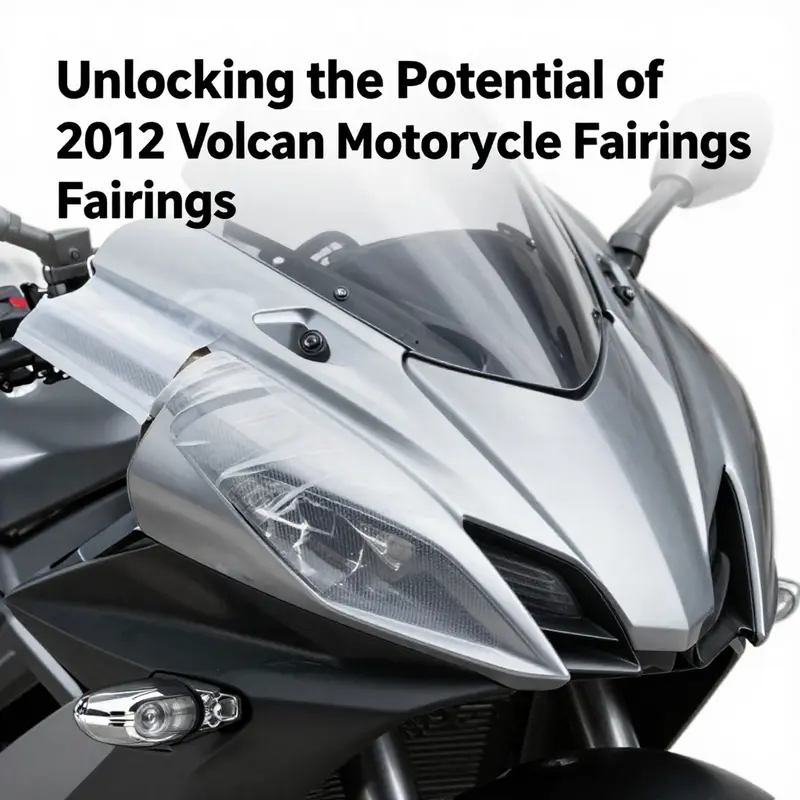
The outer fairing of a motorcycle is more than a cosmetic shell; it is a carefully engineered blend of aerodynamics, protection, and visual presence. In the 2012 Vulcan, the batwing silhouette is not merely a nod to cruiser heritage. It is a deliberate design choice that shapes a rider’s experience at speed, in rain, on sunlit stretches, and through crosswinds. The outer fairing acts as a first line of defense for the engine and its ancillary systems, while also shaping the atmosphere around the rider. To understand its material and design features is to understand how a modern cruiser combines performance with enduring style. The most common materials found in this class of outer fairing are durable plastics, notably ABS (Acrylonitrile Butadiene Styrene) and, in some cases, high-density polyethylene (HDPE). Both materials offer a balance of rigidity, impact resistance, and manufacturability. ABS is prized for its ability to be moulded into complex shapes, a critical factor when engineers want that distinctive batwing curvature to meet the angular lines of the Vulcan’s frame. HDPE, on the other hand, is valued for toughness and flexibility, which translates into superior resistance to impact and fatigue when the fairing is subjected to road debris or sudden temperature shifts. These materials are chosen not only for strength but also for cost-effectiveness in manufacturing. They enable the production of smooth, continuous curves that reduce flow separation and, by extension, drag. The ability to maintain shape under a wide range of weather conditions is essential; a fairing must not warp or crack with temperature swings or ultraviolet exposure. Hence, UV stabilizers are often added to plastics of this class to preserve color and rigidity over many seasons of riding. In the 2012 Vulcan, the choice of a tough, weather-resistant plastic not only preserves the investment in the fairing but also ensures that the overall ride quality remains consistent from spring dew to late‑season frost.
When we talk about the fairing’s profile, the batwing form immediately signals its dual role in aesthetics and function. The broad, sweeping sides of the fairing wrap around the rider, creating an enveloping visual mass while also shaping the air that flows over and around the bike. This profile is not a simple silhouette; it is a carefully tuned geometry. The wide crown of the batwing deflects wind away from the rider’s chest and head, which reduces fatigue on long highway stints. At the same time, the lower edges and the inner contours of the fairing are designed to guide the airstream toward the engine bay and beneath the bike, minimizing turbulent wake and thereby contributing to stability at speed. This aerodynamic work translates into tangible benefits: smoother handling in gusty conditions, a steadier surge of forward momentum, and a marginal but meaningful improvement in fuel efficiency when cruising at sustained highway speeds. The design also serves a protective purpose. A rugged outer shell helps deflect stones, rain, and minor projectiles away from the engine, wiring, and radiator. The trade-off is that the rider must balance a fairing that looks bold with one that remains serviceable. The chosen plastics have to resist abrasions and chipping without becoming brittle in cold weather.
The finish of the fairing is more than a surface treatment. A solid black finish is common in this class of aftermarket or OEM replacements because it has universal appeal, forgives minor scratches, and pairs well with many paint schemes. Yet color options do exist, especially when owners replace a damaged fairing with aftermarket parts that offer a broader palette. The finish process often involves multi-coat painting or pre-colored shells that minimize the amount of work needed to achieve a cohesive look with the bike’s other panels. A durable clear coat is typically applied to guard against UV degradation and to preserve gloss across seasons. The finish must also be resilient to cleaning fluids and highway grime. The fairing’s surface accepts scuffs and minor abrasions but should remain visually appealing with routine care. For owners who wish to keep the factory look or who want to maintain resale value, matching the original shade or selecting a close‑enough tone helps preserve continuity with the bike’s overall presence on the road. In practice, some owners choose to pair the batwing with accents or pinstriping that echoes the line of the tank or the curve of the fenders, reinforcing a sense of unity across the machine’s exterior.
A critical element of the fairing’s design is its compatibility with the rest of the motorcycle’s bodywork. OEM and aftermarket components often specify material types like ABS or various plastics to ensure the branding, weight, and stiffness align with the rest of the bike. This matters because even small deviations in thickness or stiffness can alter the way the fairing deflects wind or how securely it mounts to the frame. The mounting points must align with the instrument cluster, the headlight assembly, and the turn signals if those features ride within or adjacent to the fairing. The fit also influences vibration transmission. A well-coupled fairing can dampen some of the vibrations that originate in the engine bay, or at the very least it can avoid resonances that would otherwise make riding uncomfortable over long distances. The overall result is a unit that feels integrated rather than tacked on, a factor that contributes to rider confidence, especially on less-than-perfect road surfaces. In this way, the outer fairing is as much about tactile experience as it is about visual identity.
From a sourcing perspective, the market for 2012 Vulcan outer fairings includes both OEM replacements and aftermarket variants. OEM fairings are designed to replicate the exact geometry and mounting geometry of the original, ensuring a precise fit and a minimal risk of misalignment or rattling. Aftermarket options, by contrast, often emphasize a particular aesthetic or a specific shade, and they may incorporate different thicknesses of material to adjust weight and stiffness. The decision between OEM and aftermarket is guided by factors like budget, willingness to customize, and the importance of a guaranteed fit. In practice, many riders search for compatibility notes that confirm fitment across model years or across a family of models sharing a common chassis. The language used in product descriptions frequently includes phrases such as “guaranteed fit” or “direct replacement,” which can provide some reassurance to buyers who are navigating cross-year variations in mounting hardware or weather sealing. It is prudent to read the seller’s notes carefully, check the listed compatibility matrix, and seek multiple photos that reveal the attachment points, the scissor joints, and the alignment with the headlamp casing. The broader point is that fitment is not a mere afterthought; it is a prerequisite for a fairing that looks right and feels right when the rider is in motion.
For riders who wish to explore the breadth of compatibility and the nuances of design, a quick path to understanding is to browse within a curated collection of Kawasaki fairings. This resource aggregates the range of options that fit a family of cruisers and sport-tourers alike. The collection is a practical starting point for anyone seeking to compare batwing silhouettes, mounting hardware, and finish options, all within a single repository. It also offers a sense of what the aftermarket landscape looks like, including the trade-offs between lighter weight, higher impact resistance, and price. For a curated range of Kawasaki fairings, you can explore the Kawasaki fairings collection. Kawasaki fairings collection
In this context, the 2012 Vulcan’s outer fairing is a product of both engineering and taste. Its material choice, shape, and finish interact with the rider’s expectations of performance and style. ABS provides a formulation that can sustain the fairing’s curves under repeated heat cycles without losing the crisp lines that define the batwing profile. The potential alternatives, such as HDPE, offer a different balance of stiffness and resilience, which might be preferred by riders who ride in harsh climates or who value impact resistance for gravel roads. The end result is that the outer fairing becomes a durable shell that is both practical and expressive. It frames the rider’s field of view, wraps the machine in a silhouette that signals its identity, and performs a set of protective and aerodynamic functions that enhance the riding experience.
When it comes to the search for precise specifications, it is wise to verify compatibility with the specific motorcycle model and year. OEM and aftermarket parts frequently specify the material composition, the finish options, and the intended range of model years they fit. In some cases, parts from adjacent model years or slightly different engine configurations may share mounting geometry, but such cross-over should not be assumed without confirmation. This is why the phrase “guaranteed fit” appears in many listings; it is a signal that the seller has vetted the part against a defined set of factory specifications or a standardized fitment guide. The process of verification often includes cross‑checking the part numbers, inspecting the mounting points, and ensuring that the fairing clears the fuel filler, the instrument cluster, and the radiator grille without interference. And while the fairing’s beauty speaks for itself from the outside, the behind-the-scenes fit and finish work is what makes it truly useful on the road. The riders who care about this nuance tend to be meticulous about the details, including how the fairing integrates with the windscreen or any accessory lowers that might be installed as part of a broader multi-piece system.
Sourcing a front outer fairing for a 2012 Vulcan, or compatible iterations from nearby years, often involves looking beyond purely cosmetic concerns. The weight of the fairing, the stiffness of the mounting points, and the tolerance to weather cycles all factor into long-term performance. A fairing that is too heavy can introduce more vibration or stress on the mounting hardware, while one that is too flexible may not provide adequate protection or wind management. The ideal solution achieves a balance: a form that remains visually striking, a shell thick enough to resist impact yet not so heavy as to strain the bike’s frame, and a mounting system that remains secure through routine maintenance and occasional upgrades. The consumer’s path often traverses both the OEM space and the aftermarket landscape, with careful attention paid to compatibility-grade language in listings, and to seller reputations for delivering accurate fitments and high-quality finishes. In practice, most riders place a premium on a fairing that looks as though it belongs on the bike, not something retrofit that sits slightly misaligned along the upper fork or under the headlight. The best outcomes come from a thoughtful approach to sourcing: matching the material type to the riding conditions, confirming fitment via documented compatibility, and balancing aesthetic preferences with functional needs.
Finally, it is useful to consider the broader ecosystem surrounding fairings. The marketplace features a spectrum of options, from clean, factory‑style remakes to more aggressive, wind-deflecting shapes designed to maximize comfort at speed. Each option has a story about how it was engineered to meet certain rider needs—be it the desire for a quiet cockpit on a long tour, or the aesthetic thrill of a prominent silhouette that dominates the bike’s profile. The outer fairing, though perhaps underestimated by casual observers, is a key component of the motorcycle’s identity and performance envelope. It is the interface between the rider and the road, the shield that guards sensitive components, and the artistic skin that communicates the machine’s character to the world. The 2012 Vulcan’s batwing, with its combination of material science, aerodynamic intent, and stylistic boldness, stands as a testament to how modern cruisers negotiate the tension between tradition and engineering precision. As riders weigh their options—stock or aftermarket—the decision becomes about more than fit and finish. It is about how a single component can define the riding experience across hundreds of miles, shaping posture, breathing room, and even a rider’s sense of belonging within the open road.
External reference: https://www.ebay.com/itm/2009-2013-kawasaki-vn1700-vulcan-voyager-1700-front-outer-fairing/185473269794
Riding the Right Fit: Navigating Availability and Choosing an Outer Fairing for the 2012 Kawasaki Vulcan 1700
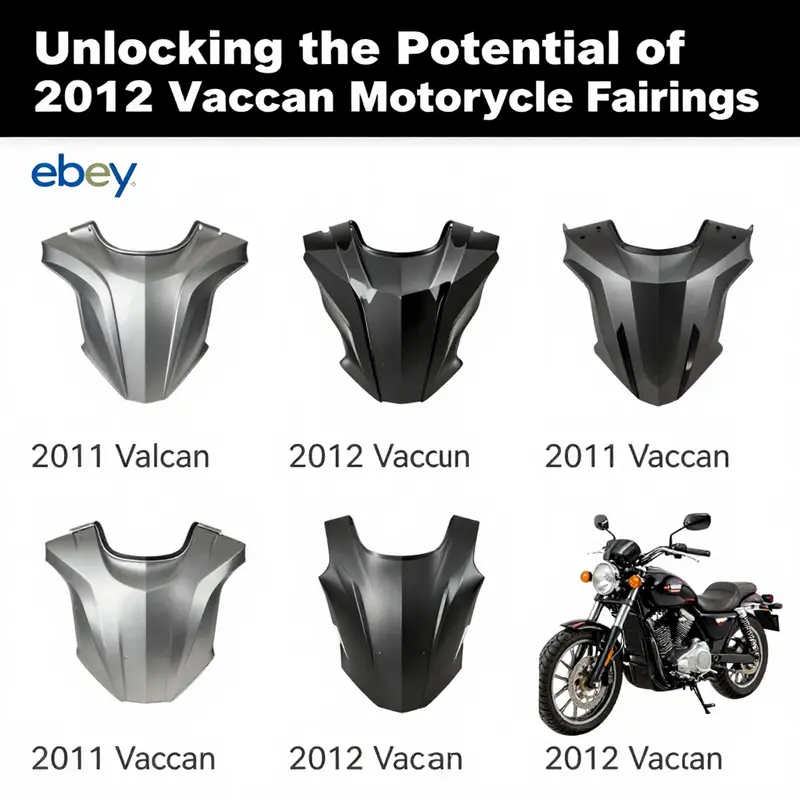
Finding the outer fairing for a 2012 Kawasaki Vulcan 1700 is less about chasing a single perfect SKU and more about navigating a broad ecosystem of parts, compatibility notes, and seller assurances. The market has matured around this model year, but it remains essential to separate certainty from convenience. A well-chosen fairing outer can transform wind protection, aesthetics, and even the acoustics of a cockpit, while a misaligned piece can turn a simple replacement into a costly, time-consuming frustration. The path to a satisfying purchase begins with a clear sense of what you actually need and then a disciplined search through both OEM and aftermarket offerings. In this landscape, the strongest strategy is to balance fitment fidelity, material quality, and practical installation considerations, all while keeping an eye on how closely a given option matches the distinctive lines of the 2012 Vulcan 1700.
Market availability for the 2012 Vulcan 1700 outer fairing spans two broad camps: OEM components and aftermarket alternatives. OEM parts offer the strongest guarantee of fit and color compatibility, but they often command a premium price and, in some cases, may be harder to source if you are hunting for a used or surplus piece. Within the aftermarket space, the spectrum runs from full, model-specific batwing configurations to universal Batwing fairings designed to cover a wider array of bikes with adjustable mounting hardware. This diversity is a benefit, but it also means buyers must be more deliberate about specifications and the seller’s notes. The upshot is that reliable options exist in abundance, and major online marketplaces make the search practical and efficient. What matters most is a methodical approach to confirm compatibility before you click the purchase button and open your wallet.
A practical starting point is to understand the language of fitment. Listings will often specify compatibility with a group of Vulcan models or with broader families within the same brand, sometimes mentioning variants such as touring editions or cruiser trims. It is surprisingly common to find entries that claim compatibility with a similar model year or with a nearby engine displacement, such as a variant of the Vulcan line. While those listings can be helpful, they also come with a risk: a fairing that looks visually close can differ in critical mounting points, clearance around the gauge cluster, or the contour of the fairing’s lower edge. Those subtle differences matter because the Vulcan 1700’s fairing outer carries a precise silhouette and an exact set of mounting tabs that align with the bike’s frame and upper bodywork. A misalignment can create gaps, require additional spacers, or demand plastic trimming that devalues the end result and can void any implied warranty.
The search environment itself is structured to support shoppers who want clarity and confidence. Platforms increasingly emphasize fitment guarantees, return policies, and seller responsiveness, which is especially valuable when you are dealing with a model that has fewer universally compatible parts than some sportbike families. The presence of a guaranteed fit option on listings—where the seller asserts compatibility with the 2012 Vulcan 1700—can be a strong signal that the part was vetted for your specific year. Nonetheless, even with guaranteed fit, the final step is your own due diligence: read the listing’s notes carefully, review the included photos for mounting holes, and confirm whether the mounting hardware is included or if you will need to source bolts, brackets, or gaskets separately. The more you confirm up front, the less time you spend chasing down missing components after the box arrives.
A critical distinction in the market is between full fairings that cloak most of the front of the bike and unibody shells that only partially cover the sides or the front cowl. For many Vulcan riders, a Batwing outer fairing is the reference point for bold styling and improved wind management. A Batwing can dramatically alter the rider’s exposure to crosswinds and cup the air to reduce fatigue on longer rides. But not every Batwing is created equal. Some versions are designed to hug the front of the bike with a tight, touring-oriented fit that mirrors the silhouette of the original equipment, while others are broader, more universal, and aimed at offering broad compatibility across several cruisers. The latter can be an excellent option if you enjoy customization or if you are missing the original design cues from the 2012 model. The material choice becomes relevant here as well. ABS plastics are common for ready-to-ship fairings due to their impact resistance, light weight, and colorability. Fiberglass is another choice, prized for its rigidity and potential for a closer panel fit when painted. Both materials offer durability, but the decision can influence both the installation effort and the long-term resistance to weathering and cracking.
Finding the right balance of fit, durability, and price requires mindful evaluation of the listing’s details. When you encounter a listing for a Batwing or outer fairing, the first task is to identify the model-year emphasis. Look for explicit statements such as compatibility with the 2012 Vulcan 1700 or with related models whose fairing geometry is known to be close. Listings that show an explicit compatibility with a wide family, such as a range of Vulcan variants, are not inherently bad, but they warrant additional verification about the exact mounting points and the contour where the fairing meets the curve of the fuel tank and the top triple clamp area. If the listing mentions other model codes or a range of years, use the seller’s messaging to reach out with a direct compatibility question. A concise, well-posed question often yields a quick answer from the seller about whether the part will align with your bike’s fairing anchors, the gauge cluster cutouts, and the bottom edge that sits above the engine casing.
Beyond the nuance of fitment, the material thickness and finish are topics worth a closer look. A fairing will endure road spray, temperature fluctuations, and occasional impacts. Cheaper units may use thinner wall sections or less robust mounting points, which can lead to flexing or cracks over time. A reliable seller often discloses the material, the paint finish, and whether the piece includes genuine mounting tabs or requires adapters. If you plan to upgrade or pair the outer fairing with speakers or a small audio system, consider whether the kit offers integrated speaker cutouts or open cavities that can be prepared for wiring. Some buyers appreciate the convenience of a kit that anticipates audio installation; still, this should not come at the cost of a poor overall fitment or a compromised seal against water intrusion.
The purchasing journey for a 2012 Vulcan outer fairing often threads through two primary procurement channels: marketplaces with large, diverse inventories and dedicated sellers who focus on fairings and bodywork. The marketplaces provide breadth—new and used, OEM and aftermarket, with price competition driving the market. The risk is variability in condition, color match, and certainty about fitment. The dedicated sellers, by contrast, may offer higher expertise and more explicit guidance on compatibility. They can also provide detailed pictures of mounting points and gauge the flex characteristics of the piece. For a buyer aiming to source a piece that looks and functions like the original, these sellers can be a better bet, provided their listings are transparent about fitment and condition. The key practice is to insist on clear photos from multiple angles, to request any available measurements of mounting tabs and overall width, and to ask about compatibility with a given production run if the seller can provide that data.
In most cases, you will be weighing several practical questions. Is the outer fairing you’re considering a direct match for the 2012 model’s dimensions and mounting points? Does it align with the bike’s windscreen, the instrument concentration area, and the lower edge near the engine cover? Are the color options and finish consistent with your bike’s paint and chrome details, or will you need to repaint to achieve a cohesive look? If color matching is a priority, a factory color or a close-match shade will minimize cosmetic modifications. In scenarios where color change is part of an aesthetic refresh, you might also evaluate whether the fairing arrives in a primed condition or with a finished coating to minimize the prep work before installation.
Another factor is the condition of the piece. Used fairings can be a logical path to cost savings, but they demand careful inspection. Look for cracks in the mounting flanges, stress marks along the edge profiles, and the integrity of the fastener holes. Even minor damage around the inner mounting zones can complicate a secure installation, cause alignment issues, or require additional reinforcement. When you buy new, you gain more predictable performance, but you may still encounter minor blemishes from handling during shipping. The seller’s packaging and shipping policy matter as well; well-packaged items reduce the risk of shipping damage, and a seller who offers a reasonable return window gives you recourse if the fitment proves imperfect.
If your goal extends beyond a simple replacement to a broader customization, the fairing’s adaptability becomes a central topic. Some riders prefer a universal Batwing that can be adapted to multiple bikes with adjustable brackets and a flexible mounting system. This approach offers the freedom to swap the same fairing across different models as you reconfigure your hardware. The trade-off is that universal kits can require more installation time and a careful alignment process to ensure the gaps between the fairing and the tank, the handlebars, and the forks are visually balanced and aerodynamically sound. In this context, it can be prudent to budget for professional installation if the mounting hardware demands precision alignment or if the fairing’s contours interact with the handlebars at full lock. A professional can also advise on the best mounting hardware, sealing strategies against water intrusion, and, if necessary, windscreen height adjustments that complement the new silhouette.
As you compare options, one practical tactic is to organize a short list of non-negotiables before you shop. These non-negotiables typically include explicit compatibility with the 2012 Vulcan 1700, the absence of irreversible damage to the fitment points, and a fairing that will not require extensive trimming or rework to install. Another non-negotiable is a clear return policy and documentation of the seller’s guarantee, especially for higher-priced items. The importance of reliable feedback cannot be overstated. A seller with a track record of positive reviews, transparent communication, and documented fitment questions answered before purchase tends to be a safer bet than a seller who is silent or vague about compatibility.
In the practical act of searching, you will likely turn to two well-known channels. First, point-in-time listings that emphasize guaranteed fit can yield a high-confidence starting point. Second, broader catalog listings that offer specialist fairings, including Batwing configurations, can help you understand the architectural choices available in the aftermarket. The balance between these channels hinges on your tolerance for risk and your willingness to invest in precision. When you find a promising listing, consider drawing a quick mental map of the bike’s geometry and conceptualize where each mounting point sits in relation to the fairing’s contoured edges. If in doubt, sending a concise message to the seller with your bike’s exact model year and confirming whether the part aligns with the VN1700’s front-end architecture can save time and demystify the fitment landscape.
In terms of availability, the modern market is robust enough that a buyer can typically expect a healthy pool of options. Auctions and fixed-price listings both populate the scene, and the presence of both new and used items gives you room to maneuver on price. A common reality is that the more closely a listing matches the 2012 Vulcan 1700’s specific body lines, the more likely it is to deliver a satisfactory aesthetic and aerodynamic performance once installed. If you are balancing cost against authenticity, you may choose a slightly newer or used fairing from within the same family that still shares the same mounting geometry. The key is not to let price alone guide the decision; you must verify the fundamentals: fitment, mounting hardware availability, and the level of cosmetic perfection you expect.
For readers who would like a broader entry point into compatible options, a gateway to a wide array of fairings is the Kawasaki fairings collection. This curated hub can help you survey generic and brand-agnostic options that share common mounting patterns with cruiser layouts. It is a useful starting point for gathering ideas about how a Batwing design might interact with the Vulcan’s front-end geometry. To explore options, visit the Kawasaki fairings collection and examine how different silhouettes and mounting philosophies align with the goals for your bike’s appearance and performance. This exploration can illuminate choices such as whether a slightly wider fairing, or a more compact profile, better serves your riding posture or reduces wind buffeting at highway speeds. By imagining the wind flow across your fairing in conjunction with your preferred rider position, you can form a more concrete sense of which design language resonates with your 2012 Vulcan’s persona.
As you carry the procurement forward, you may encounter a few explicit caveats that buyers often overlook. One common caution is to verify that the fairing’s lower edge will clear the engine case and the footpeg location during full steering lock. A fairing that sits too low or too broad can rub on the exhaust or contact the engine when the front wheel compresses on rough pavement. Another frequent issue is clearance with the windshield. Some Batwing configurations are designed to hug the windscreen tightly; if your bike’s windscreen is an aftermarket unit with a different curvature, the combined fitment can require minor adjustments to the fairing’s edge or the windscreen mounting. These are not insurmountable problems, but they do emphasize the value of asking explicit compatibility questions before purchasing and confirming the need for any hardware adapters.
The purchasing journey is as much about anticipation as it is about transaction. When the box arrives, set aside time to inspect the outer shell with the bike in a clean space. Compare the mounting holes to the bike’s frame and forks. Confirm that the top mounts align with the triple clamp bolts and that there is no warping along the face of the fairing. If you notice any surface flaws, address them with the seller as soon as possible so you can determine whether a return is warranted or if surface refinishing can restore the appearance. If you decide to install the fairing yourself, gather the required tools and plan your sequence of steps to avoid accidental scratches. A careful, methodical approach will help preserve the finish and ensure that every fastener sits flush. In marginal weather or in a dim garage, the process can be more challenging, but the result—a clean, secure, and properly aligned outer shell—will justify the time invested.
Even with careful preparation, some riders prefer professional installation or the guidance of a shop that specializes in cruiser bikes. The advantages here include precise alignment, proper gasket sealing, and a more predictable finish, especially if the job involves repainting or blending a new fairing with existing panels. A professional can also advise on how to optimize the fairing’s integration with your bike’s audio or navigation components, should you choose to augment the cockpit with separate electronics. The decision to enlist professional help often depends on your comfort with bodywork, your available workspace, and your timeline. In the end, the objective remains consistent: secure a fairing that matches the 2012 Vulcan 1700’s silhouette, fits reliably with the bike’s mounting framework, and contributes to an enjoyable riding experience rather than a frustrated one.
In sum, the market for an outer fairing for the 2012 Kawasaki Vulcan 1700 is mature enough to offer a spectrum of viable paths. Whether you opt for an OEM piece or a carefully chosen aftermarket alternative, the core criteria remain stable: explicit compatibility for the 2012 model, solid mounting points, durable materials, and a finish that complements the overall look of your bike. The more you invest in upfront verification—the exact model year, the precise mounting configuration, and the condition of the component—the more likely your purchase will deliver a satisfying upgrade. As you navigate the listings, let the practical realities of fitment guide your decisions rather than the allure of a glossy photo. And remember that a well-chosen fairing outside the Vulcan’s cockpit is not just about weather protection or aesthetics; it is about preserving rider comfort, maintaining control, and extending the enjoyment of every ride on a classic cruiser.
To support your search, consider using one targeted resource that aligns with the broader community of Vulcan owners who value fit and presentation. You can explore the Kawasaki fairings collection for a structured view of options that may align with cruiser geometry and mounting philosophies, which can provide a useful frame for comparing universals and precisions in fit. See the Kawasaki fairings collection for a curated entry point into compatible designs that share a common language with the 2012 Vulcan 1700’s front-end architecture. This approach can help you quickly distinguish the few truly model-specific offerings from the broader family of universal Batwing fairings. And for a practical, sample reference that illustrates how a listed item may be described in the wild, a recent listing on a major marketplace demonstrates how guaranteed fit can be declared and how the seller communicates about compatibility with a 2012 Vulcan 1700, offering a snapshot of the kind of information you should seek in your own shopping process.
Internal resource note: for a streamlined overview of compatible fairings from a respected source, visit the Kawasaki fairings collection. This resource can help you visually compare different Batwing shapes and identify features that best align with the 2012 Vulcan 1700’s branding and aerodynamics. The link provides a jumping-off point to gather ideas about mounting geometry and aesthetic direction while keeping your expectations aligned with the bike’s original character. Kawasaki fairings collection
External resource: https://www.ebay.com/itm/Fairings-Bodywork-for-2012-Kawasaki-Vulcan-1700/
Final thoughts
Understanding the various aspects of the 2012 Vulcan motorcycle fairing outer—from compatibility options and material choices to purchasing directions—provides significant insights for both business owners and motorcycle enthusiasts alike. Selecting the right fairing can enhance the bike’s overall performance and visual appeal, ensuring that riders not only enjoy their experience but also feel confident in the quality of their machine. With thorough research and a keen eye on market trends, enhancing your motorcycle’s aesthetics and functionality is well within reach.