
Introduction
Motorcycle front wheel fairings play a vital role in both the aesthetics and functionality of bikes, offering protection, enhancing aerodynamics, and allowing for customization options that appeal to riders. For business owners in the motorcycle industry, understanding these components is crucial for meeting customer preferences and promoting product offerings. This comprehensive guide delves into various types of fairings, materials used in their manufacturing, and their impact on aerodynamics and rider protection. Additionally, it will explore customization options, current market trends, and essential installation and maintenance practices to help you serve your clients better and elevate your business strategy.
Tables of Contents
Chapter 1: Exploring Full Front Fairings: The Ultimate Shield for Motorcycles
- Full Front Fairings: Comprehensive Protection and Performance Enhancement
- Half Fairings: The Perfect Balance Between Protection and Aesthetics
Chapter 2: Innovative Materials Driving Motorcycle Front Wheel Fairing Performance
- The Cutting-Edge Materials Transforming Motorcycle Front Wheel Fairings
- Assessing the Economic and Societal Repercussions of Motorcycle Fairing Materials
Chapter 3: Harnessing Aerodynamics and Protection with Motorcycle Front Wheel Fairings
- Unlocking Aerodynamic Efficiency: The Transformative Role of Front Wheel Fairings
- Vital Protection Features of Motorcycle Front Wheel Fairings for Rider Safety and Vehicle Longevity
Chapter 4: Exploring Material Choices for Motorcycle Front Wheel Fairings
- Diverse Materials and Finishes for Customized Fairings
- Innovative Structural Customization Strategies for Front Fairings
Chapter 5: The Evolution of Motorcycle Front Wheel Fairings in Performance and Style
- Cutting-Edge Advancements in Motorcycle Front Wheel Fairing Technology
- Understanding the Economic Forces Shaping Motorcycle Front Wheel Fairing Markets
Chapter 6: Precision Installation Practices for Motorcycle Front Wheel Fairings
- Mastering the Techniques for Securely Installing Motorcycle Front Wheel Fairings
- Essential Care Practices for Maintaining Motorcycle Front Wheel Fairings
Chapter 1: Exploring Full Front Fairings: The Ultimate Shield for Motorcycles
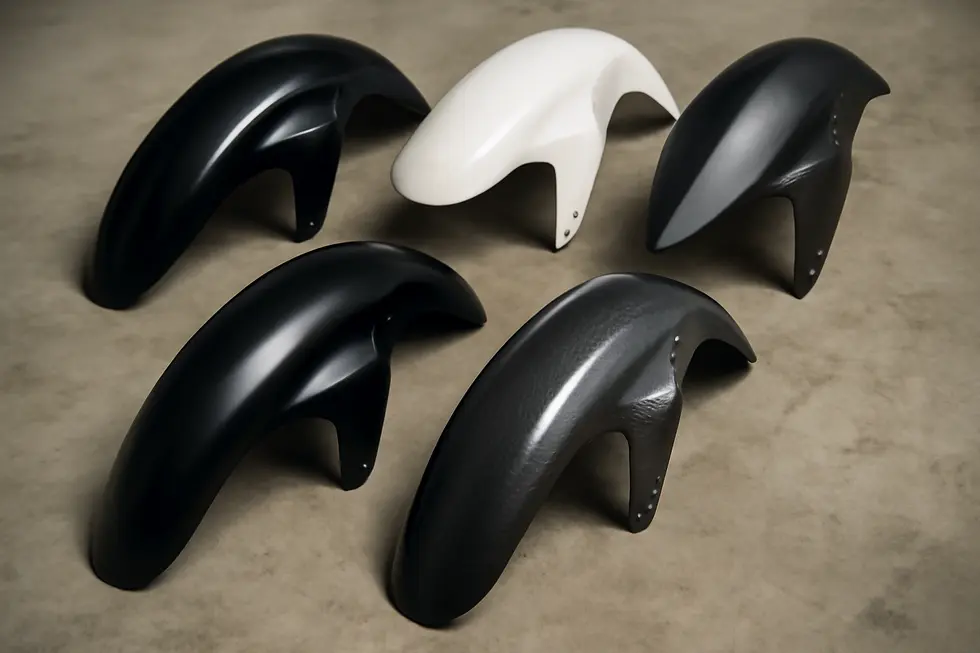
1. Full Front Fairings: Comprehensive Protection and Performance Enhancement
Full Front Fairings are designed to envelop a motorcycle’s entire front section, from the front wheel to the area behind the rider. This comprehensive coverage serves multiple purposes, primarily focusing on aerodynamic efficiency and rider comfort. By reducing drag and shielding the rider from wind and road debris, these fairings enhance both performance and the overall riding experience. Unlike smaller fairings, which may only cover the headlight or a portion of the front, full front fairings provide extensive protection, integrating features such as windshields and sometimes housing instruments or additional lights.
The aerodynamics of full front fairings are particularly refined, as they work to decrease air resistance effectively. This reduction translates into improved fuel efficiency and increased speed, making them essential for sportbikes and touring motorcycles where both performance and comfort are crucial. Moreover, the benefits extend beyond just aerodynamics; the wind deflection significantly reduces rider fatigue, allowing for longer, more enjoyable rides.
However, one must consider the weight implications; full front fairings can add an estimated 30 to 40 pounds to the motorcycle’s front end. While this can impact handling, the additional weight often improves stability by generating downforce at higher speeds. Manufacturers like Honda and various aftermarket suppliers offer tailored full fairings to fit specific models, ensuring riders can choose options that suit both their aesthetic preferences and performance needs. To explore a wide range of choices in motorcycle fairings, visit Summit Fairings.
2. Half Fairings: The Perfect Balance Between Protection and Aesthetics
Half fairings represent a unique solution in the array of motorcycle front wheel fairings, bridging the gap between complete coverage and open riding. Unlike full fairings that envelop the bike entirely, half fairings focus on protecting the upper front part of the motorcycle, including vital components like the headlight, instruments, and windshield, while allowing for an exhilarating, exposed riding experience. This design reduces wind resistance and effectively shields the rider from airborne debris, bugs, and inclement weather, contributing to enhanced comfort during extended rides.
The aerodynamic advantages offered by half fairings are significant; by covering critical areas of the motorcycle, they work to minimize air drag, which can lead to improved performance and enhanced fuel efficiency over those bikes sporting minimal or no fairing. This makes half fairings a favored choice among sport-touring enthusiasts who wish to maintain speed without sacrificing comfort.
In terms of aesthetics, half fairings impart a sleek, sporty appearance that resonates with many riders, as they provide a unique style without the overwhelming bulk of a full fairing. Furthermore, their relatively lightweight construction reduces the overall weight of the motorcycle, simplifying installation or modifications. This appeals particularly to riders keen on making personal adjustments while prioritizing functionality.
Available on various models, these fairings represent a blend of utility and style, making them an essential consideration for those wanting to optimize their riding experience. By selecting half fairings, motorcycles achieve a perfect balance—enhanced protection and aerodynamics, all while preserving the open feel that defines motorcycling.
Chapter 2: Innovative Materials Driving Motorcycle Front Wheel Fairing Performance
1. The Cutting-Edge Materials Transforming Motorcycle Front Wheel Fairings
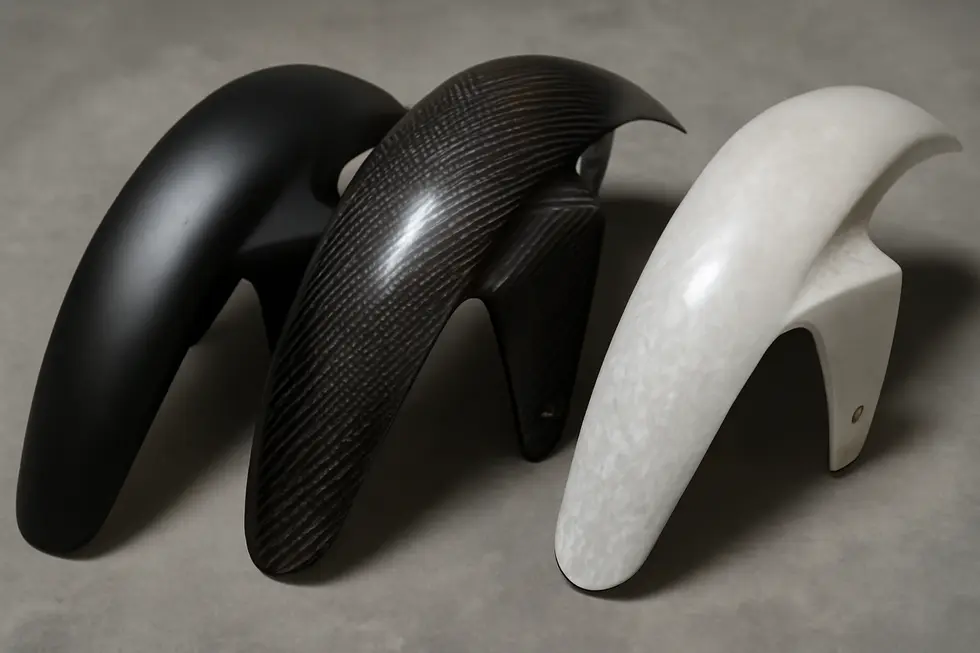
Motorcycle front wheel fairings are not merely aesthetic additions; they are the result of sophisticated material science aimed at enhancing both performance and protection. The choice of materials—such as fiberglass, carbon fiber, and Kevlar composites—is crucial in achieving an optimal balance between lightweight construction and robust durability. Fiberglass is a popular choice due to its economical production and molding capabilities, providing decent strength without excessive weight, making it an ideal candidate for standard fairings.
In contrast, carbon fiber stands out for its exceptional strength-to-weight ratio and rigidity, though it demands a higher price point. Its manufacturing process involves advanced techniques such as vacuum forming and autoclave curing, which precisely align the fibers and cure the resin to maximize the material’s performance attributes. This results in lightweight fairings that are significantly stronger than their fiberglass counterparts, perfect for high-performance needs in racing settings.
Furthermore, combining carbon fiber with Kevlar enhances impact resistance, a quality highly sought after in racing environments where every ounce of durability counts. The integration of these materials also involves innovative manufacturing processes, enabling the fairings to be molded specifically to motorcycle models for aerodynamic efficiency.
Manufacturers experimenting with composite layering are pushing the boundaries of what is achievable, creating fairings that not only meet the demands of speed and handling but also ensure rider comfort through integrated windscreens made from impact-resistant materials. As technology evolves, the motorcycle fairing landscape continues to transform, driven by advancements in material science that elevate performance while providing riders with the protection they need.
2. Assessing the Economic and Societal Repercussions of Motorcycle Fairing Materials
The choice of materials for motorcycle front wheel fairings not only influences production dynamics but also echoes throughout economic and societal landscapes. For example, aluminum fairings like those produced by specialized manufacturers balance cost-effectiveness with durability, presenting moderate pricing and savings on weight—up to 60% lighter than steel options. In contrast, carbon fiber and keval-carbon composites, favored by high-performance bike enthusiasts, incur higher material costs owing to complex manufacturing processes, such as autoclave curing, ultimately raising retail prices. This variance in material costs leads to distinct market segmentation, with carbon fiber appealing mainly to aficionados engaged in racing and premium markets, whereas fiberglass and ABS plastic cater to broader consumer bases, which speaks to economic inclusivity in motorcycle customization.
On a societal front, the lightweight characteristics of top-tier materials significantly enhance motorcycle handling and fuel efficiency, contributing not only to improved performance and rider safety but also to broader public health benefits by potentially decreasing accident rates and reducing healthcare loads. Yet, the environmental footprint of manufacturing processes for materials like carbon fiber raises concerns due to their high energy consumption. Conversely, lighter materials also promote better fuel efficiency, indirectly alleviating emissions during use.
Culturally, advanced fairing materials resonate with notions of exclusivity and performance, shaping social identity within motorcycling circles. Meanwhile, the affordability of materials like ABS or fiberglass encourages wider engagement with the motorcycling community, promoting diversity in rider demographics. Therefore, the implications of material choices in motorcycle fairings stretch beyond production to encapsulate vital aspects of economic vitality, safety advancements, and community representation.
Chapter 3: Harnessing Aerodynamics and Protection with Motorcycle Front Wheel Fairings
1. Unlocking Aerodynamic Efficiency: The Transformative Role of Front Wheel Fairings
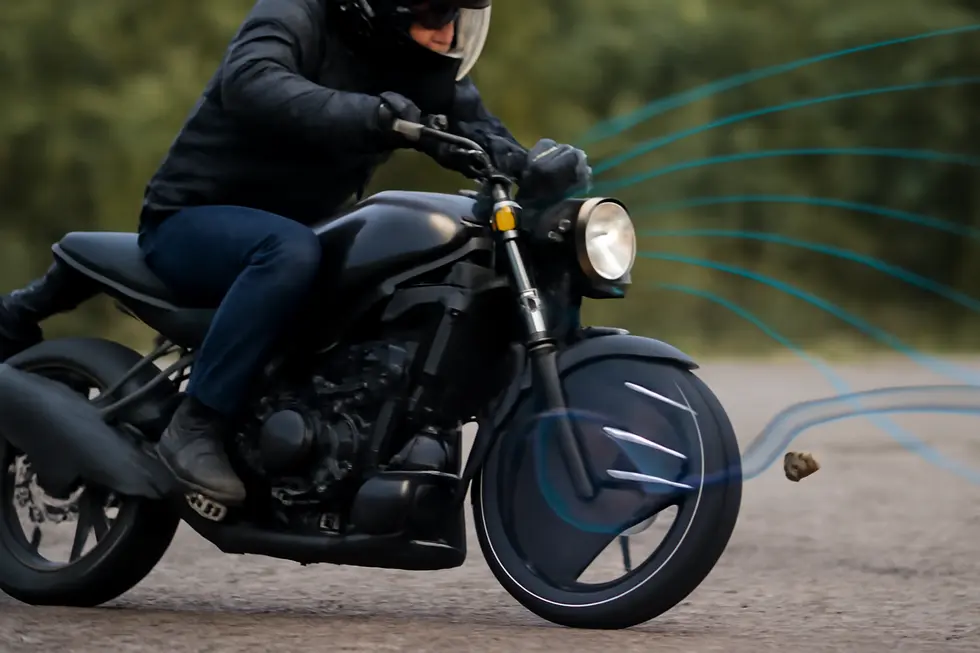
The front wheel fairing holds a pivotal role in optimizing the performance and efficiency of motorcycles by enhancing their aerodynamic properties. By streamlining the airflow around the front wheel and fork assembly, these fairings significantly reduce air resistance, commonly referred to as drag. This reduction in drag not only enables the engine to operate more efficiently but also translates to improved acceleration and top speed, making the riding experience more exhilarating.
As the front wheel fairing cuts through the air, it diminishes turbulence and wind buffeting, which are crucial for maintaining stability at higher speeds. Riders notice an increase in control as the fairing facilitates a smoother ride, allowing for better handling and overall safety. Furthermore, the aerodynamic design often incorporates features such as integrated brake cooling ducts, which promote enhanced airflow to the brake components. This cooling effect is vital during aggressive riding sessions, as it helps keep brake temperatures in check, maintaining performance and reliability.
Modern advancements have introduced features like aerodynamic winglets in some fairings, creating downforce that enhances tire grip, particularly when cornering at speed. This combination of drag reduction, stability enhancement, and rider comfort culminates in a significant elevation of a motorcycle’s performance profile. The thoughtful design found in models like the 2025 BMW S1000RR exemplifies how effective front wheel fairings can be in pushing the boundaries of speed and efficiency, ensuring riders fully leverage their machines’ capabilities.
2. Vital Protection Features of Motorcycle Front Wheel Fairings for Rider Safety and Vehicle Longevity
The motorcycle front wheel fairing functions as a critical shield, providing a broad array of protection that enhances both rider safety and vehicle integrity. By acting as a barrier, the fairing effectively deflects debris, water, and harsh weather elements that could otherwise compromise the riding experience and damage vital bike components. In doing so, it helps preserve the motorcycle’s front end, including essential parts such as the engine, radiator, and electronic systems, from grueling impacts and environmental wear.
Moreover, the fairing’s aerodynamic design plays a pivotal role. By reducing drag and air turbulence, it contributes to a more stable ride, enabling the motorcycle to handle better, especially during sharp turns and acceleration. This stability is crucial for preventing accidents, as it allows for a smoother transition through various riding conditions, thereby enhancing overall control. The downforce generated by the design of the fairing increases tire grip on the road, a subtle yet significant factor in achieving safer riding habits.
Another pertinent feature of modern motorcycle fairings is their contribution to fuel efficiency. By streamlining airflow and lessening the engine’s workload, these fairings enable longer rides on less fuel, allowing riders to enjoy extended journeys without frequent stops. Lightweight materials like carbon fiber ensure that protection does not come at the cost of added weight, enhancing maneuverability.
In summary, the motorcycle front wheel fairing is indispensable for protecting both the rider from elements and the motorcycle from damage, facilitating a safer and more efficient riding experience. For an in-depth exploration of various styles, consider visiting Summit Fairings.
Chapter 4: Exploring Material Choices for Motorcycle Front Wheel Fairings
1. Diverse Materials and Finishes for Customized Fairings
Motorcycle front wheel fairings are not only functional but also serve as significant elements of style and personal expression for riders. The choice of material and finish can elevate the aesthetic appeal while impacting the performance. One of the most common materials is ABS plastic, known for its durability and lightweight nature. Gentle to repair with heat, it is an economical option often used in everyday street riding. In contrast, carbon fiber stands out for its ability to reduce weight while enhancing stiffness, making it favorable for sport and performance-oriented motorcycles despite a higher cost and difficulty in repair.
Kevlar offers another alternative, renowned for its robust impact resistance and strength, frequently utilized in racing applications where performance is paramount. For many custom builds and race bikes, fiberglass strikes a balance between weight and cost, delivering solid durability as a popular choice among enthusiasts.
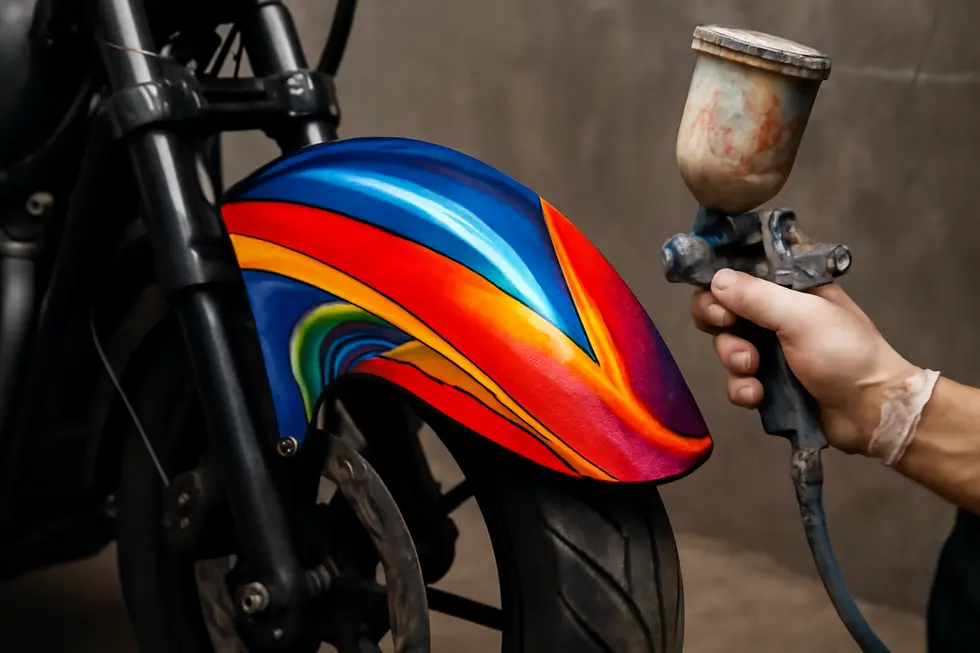
When considering aesthetics, finishes play an equally crucial role. Anodized aluminum, available in vibrant colors, not only enhances the appearance but also provides resistance to corrosion. Additionally, both ABS and fiberglass fairings can be custom-painted, allowing riders to match their bike’s theme seamlessly. Textured finishes can also be combined with glossy surfaces, providing versatility in design.
Moreover, carbon fiber fairings often come with clear coats that protect while showcasing the beautiful weave pattern of the material underneath. Custom fabrication opens doors for tailored solutions, allowing enthusiasts to create mounts and brackets that meet their specific style and fitment preferences. Ultimately, the decision surrounding the material and finish for motorcycle front wheel fairings hinges on personal style, performance needs, and budget.
2. Innovative Structural Customization Strategies for Front Fairings
Innovative structural customization strategies for motorcycle front wheel fairings encompass various techniques that allow riders to enhance both the aesthetics and performance of their bikes. The materials chosen for these fairings significantly impact performance; for example, carbon fiber offers an intriguing blend of light weight and exceptional strength, making it a popular choice for those seeking a distinctive look without compromising durability. Riders can opt for custom molds that fit specific designs, enhancing aerodynamic capabilities while providing heat shielding benefits.
Steel fabrication stands out as another robust option, as steel fairings deliver superior strength, essential for enduring the rigors of the road. Custom fabrication processes allow builders to achieve precise shaping and structural reinforcement, ensuring that these fairings withstand impacts and vibrations seamlessly during rides. Techniques such as welding and bending metal or composite materials enable the creation of unique and functional designs, from incorporating intake inserts to customized heat shields that cater to the motorcycle’s cooling requirements.
Moreover, design integration is crucial for achieving an aesthetically pleasing outcome. Each fairing can be crafted to match the motorcycle’s style, whether it is vintage, chopper, or scrambler. This often involves meticulous measurement and, in many cases, advanced techniques such as 3D modeling for accuracy in fit and finish. Once the structural work is complete, a variety of painting and finishing methods—from layering paints to sleek clear coats—can be employed to enhance the visual appeal, ensuring every customized piece stands out.
By merging functional customization with artistic expression, riders can craft front wheel fairings that are not only visually striking but also tailored precisely to their individual preferences and riding needs. For inspiration and insights on these processes, enthusiasts can explore resources that offer hands-on fabrication techniques and material sourcing tips.
Chapter 5: The Evolution of Motorcycle Front Wheel Fairings in Performance and Style
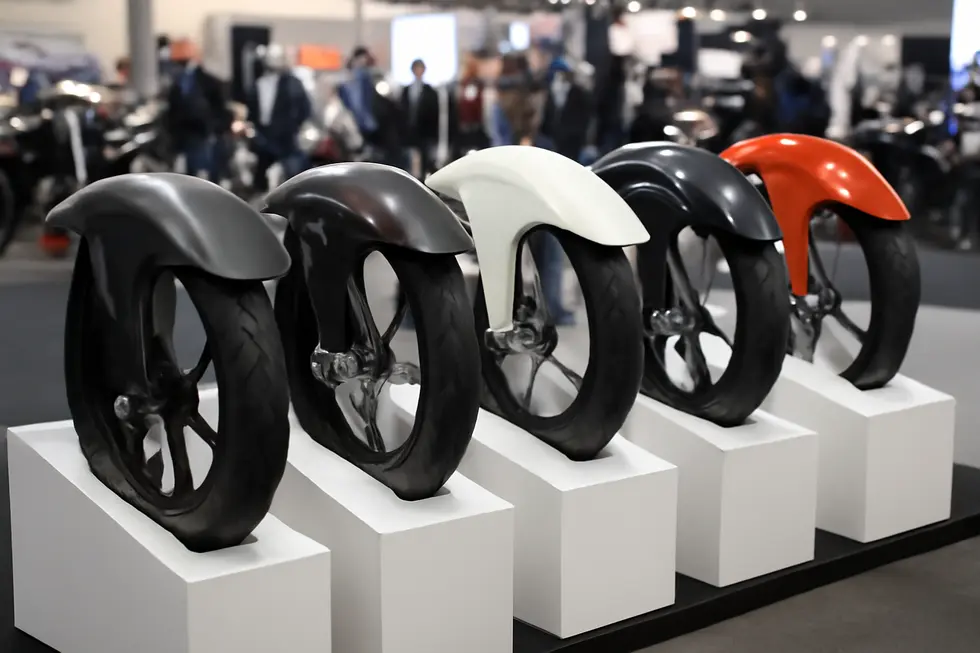
1. Cutting-Edge Advancements in Motorcycle Front Wheel Fairing Technology
Recent advancements in motorcycle front wheel fairing technology reflect a fusion of performance-driven design and rider-focused innovation. Key developments in this sector herald a new era where materials, aerodynamic shapes, and integrated functionality shape the motorcycle experience. One standout innovation is the introduction of monolithic wheel designs, such as those by Lyndall Brakes. Their patented Lug-Drive system results in a lightweight, boltless front wheel that enhances rigidity and handling characteristics. This is vital as it influences how the front fairing interacts with the bike’s dynamics, ultimately affecting maneuverability.
Other manufacturers are drawing inspiration from the high-performance realm of MotoGP. KTM, for instance, integrates aerodynamic improvements that have been tested in racing environments directly into its production models. The 2026 990 RC R boasts bodywork and wing systems designed to optimize airflow and stability, providing a glimpse into how racing informs consumer-grade motorcycles.
Integrated lighting systems are increasingly becoming standard; Harley-Davidson’s 2025 Street Glide showcases an innovative Batwing fairing with built-in LED lighting, enhancing both visibility and aerodynamics. Additionally, advances in fairing design are extending to rider comfort through sophisticated adjustments in airflow management, as seen in models from Yamaha. They are focusing on mechanical design that minimizes drag while ensuring thermal efficiency. Kawasaki’s KLE 500 ABS demonstrates how practical designs that protect the fork and enhance durability are now expected from motorcycle fairings. Overall, these trends signal a growing emphasis on lighter, more integrated, and aerodynamically refined front fairings, enhancing not only style but also safety and rider experience. For more insights into the evolving landscape of motorcycle fairings, check out the offerings detailed at Summit Fairings.
2. Understanding the Economic Forces Shaping Motorcycle Front Wheel Fairing Markets
The economic landscape surrounding motorcycle front wheel fairings is notably influenced by trends in materials, consumer preferences, and overall market dynamics. One of the most significant shifts is the growing utilization of advanced materials such as carbon fiber. Although the introduction of these high-performance materials often entails increased costs, it simultaneously creates a market for premium offerings that attract performance-driven riders. This segment thrives on the appeal of lightweight, durable, and customizable fairings, driving growth in specialized markets and aftermarket sales.
In the realm of market dynamics, fluctuating consumer demand and brand competition significantly influence the adoption of various front fairing designs. For instance, brands that successfully innovate and align their products with consumer interests, like Kawasaki, which reported a 14.2% increase in sales, tend to capture a larger market share. Conversely, the motorcycle market occasionally faces downturns, such as those experienced in the United States, where economic conditions may limit discretionary spending, thereby stifling wider adoption of premium fairing designs.
Moreover, the rise of electric motorcycles is further reshaping the landscape. As companies like LiveWire focus on making motorcycles more accessible, there is a potential shift in fairing designs to integrate seamlessly with electric powertrains. This could broaden appeal, inviting a new wave of consumers who may prioritize aesthetics and affordability.
Finally, evolving ownership trends, especially in urban areas with increasing reliance on ride-sharing services, are likely to continue stimulating demand for both cost-effective and customizable front wheel fairings. In summary, the interplay of premium offerings and broader market shifts will define the path for future innovation in motorcycle fairing design.
Chapter 6: Precision Installation Practices for Motorcycle Front Wheel Fairings
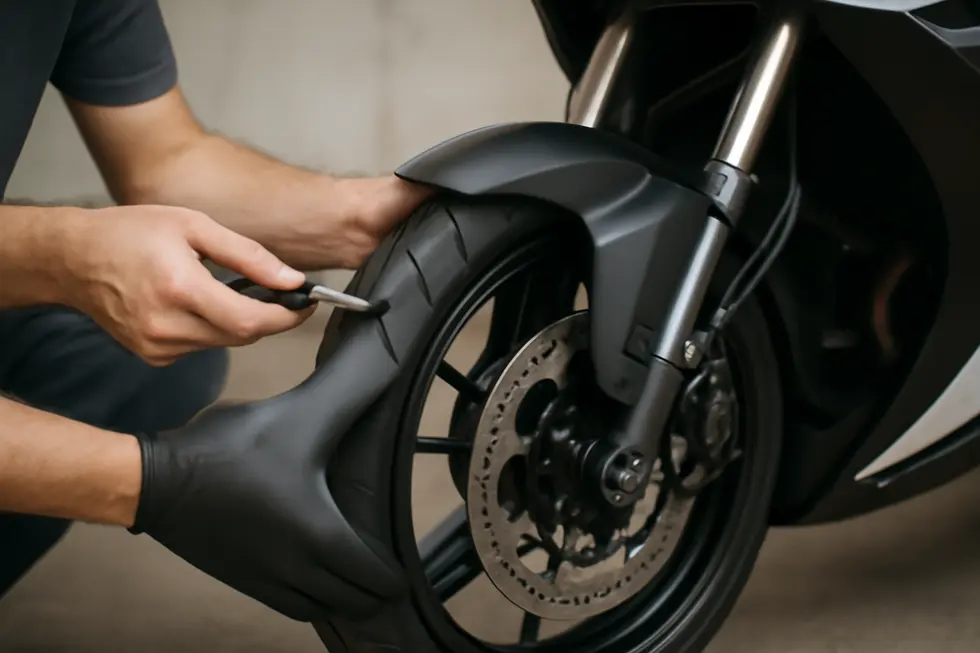
1. Mastering the Techniques for Securely Installing Motorcycle Front Wheel Fairings
Installing motorcycle front wheel fairings requires a blend of precision and technique to ensure stability and optimal fit. Begin by utilizing a dedicated adapter bracket or mounting kit tailored for your motorcycle model. This fundamental step guarantees that the fairing’s weight is adequately supported by the frame instead of the handlebars, which is critical for maintaining handling and maneuverability, particularly during high-speed riding.
Once you have your mounting equipment, it is imperative to pre-fit and align all components before tightening anything permanently. Loosely installing bolts allows you to make necessary adjustments, ensuring consistent gaps and sufficient clearance around the wheel and forks. Without this adjustment process, you might encounter stress points leading to damage or vibration that can compromise fasteners’ integrity over time.
If your installation involves modifications to the bike’s suspension or forks, such as extending fork tubes, inspect those components carefully. Using high-quality OEM or aftermarket parts that are pre-drilled and compatible with your bike simplifies the installation process and minimizes errors. To aid your installation process, refer to manufacturer guides or community-shared videos, which provide necessary details on torque specifications and proper sequences.
Lastly, double-check for any interference with the wheel or brake components, and secure all fasteners with a suitable thread locker to mitigate any vibration-related loosening. After installation, a cautious test ride will confirm stability and ensure the absence of any unusual noises, rounding out a successful fairing installation. This thorough approach adheres to the principles found at Summit Fairings, ensuring that your motorcycle not only looks great but performs optimally.
2. Essential Care Practices for Maintaining Motorcycle Front Wheel Fairings
Maintaining a motorcycle front wheel fairing is crucial not only for the aesthetic appeal of the bike but also for rider safety and performance. Riders should establish a regular inspection routine to ensure that the fairing remains in optimal condition. This includes examining the fairing for any cracks, scratches, or loose fittings that may compromise its integrity or the rider’s safety. Catching minor issues early can prevent them from escalating into larger, more expensive problems.
Cleaning the fairing is another pivotal aspect of maintenance. Using a mild soap solution and water helps preserve the fairing’s finish without the risk of corrosive damage often caused by harsh chemicals. After washing, thoroughly drying the fairing is necessary to avoid unsightly water spots and potential corrosion.
To safeguard the finish, applying a protective wax or a plastic-safe polish will not only enhance its appearance but also shield it from UV rays that can degrade materials over time. Proper preparation, especially before painting or refinishing, is equally important; this typically requires sanding, washing, and applying a primer to ensure the longevity of the finish.
Additionally, checking fasteners is essential to avoid vibrations that could lead to detachment during rides. Riders should also regularly inspect the tire pressure and tread, as the fairing’s proximity to the wheel means that tire wear can directly affect the overall performance of the motorcycle.
Incorporating these straightforward maintenance practices can significantly extend the life of a motorcycle’s front wheel fairing while enhancing the safety and comfort of the ride. For those seeking replacement parts or enhancements, quality options are available from reputable dealers.
Final thoughts
Understanding the nuances of motorcycle front wheel fairings is essential for anyone involved in the motorcycle segment. They serve not just as protective elements but also as key components in enhancing the bike’s performance and aesthetic appeal. By offering a range of types, materials, and customization options, business owners can cater to diverse consumer needs, ensuring riders can express their individuality while enjoying safety. Keeping abreast of installation techniques and maintenance practices further empowers businesses to deliver value-added services that enhance customer experiences. Channeling this knowledge into your operations can unlock new opportunities for growth in the competitive motorcycle market.
Ready to elevate your ride? Summit Fairings delivers premium, custom-fit fairings that blend style and durability. Whether you’re chasing speed or turning heads, we’ve got your bike covered. Don’t wait—transform your machine today. Click, customize, and ride with confidence. Your perfect fairing is just a few clicks away. Act now!
About us
undefined