
Introduction
Motorcycle tail fairings play a pivotal role in enhancing both the aesthetics and functionality of bikes, particularly in racing and performance contexts. By understanding the aerodynamic advantages they offer, the various materials used in their construction, and the rich landscape of aftermarket customization, business owners can better serve their clients and elevate their offerings. Each chapter of this article delves into these crucial aspects, providing insights that will empower motorcycle enthusiasts and business owners alike.
Tables of Contents
Chapter 1: Streamlined Performance: The Vital Role of Tail Fairings in Motorcycles
- Unlocking Performance Through Aerodynamics in Motorcycle Tail Fairings
Chapter 2: Maximizing Performance: The Role of Tail Fairings in Motorcycle Aerodynamics
- The Crucial Role of Tail Fairing Design in Enhancing Fuel Efficiency and Stability
Chapter 3: Unlocking the Potential of Motorcycle Tail Fairings Through Material Innovation
- Choosing the Right Materials for Optimal Motorcycle Tail Fairing Performance
Chapter 1: Streamlined Performance: The Vital Role of Tail Fairings in Motorcycles
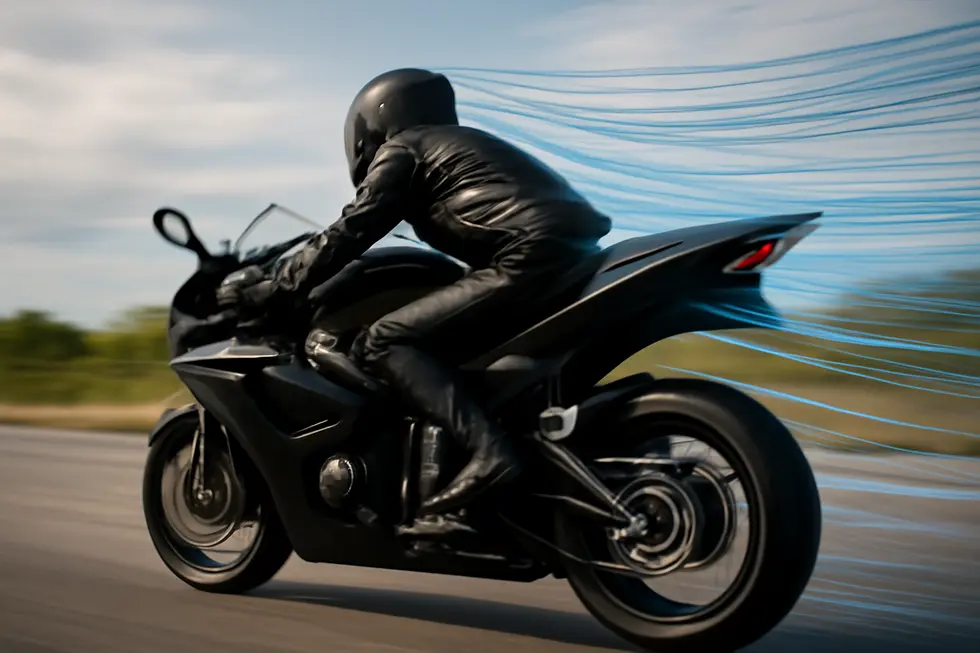
1. Unlocking Performance Through Aerodynamics in Motorcycle Tail Fairings
Aerodynamic principles are paramount in the design and functionality of motorcycle tail fairings, significantly impacting efficiency and performance. The tail fairing—often considered the rear bodywork—serves an essential role in managing airflow as it exits the motorcycle, effectively reducing turbulence and drag, which enhances the overall ride experience for the operator. A well-crafted tail fairing actively minimizes wind resistance, contributing to improved fuel efficiency and higher top speeds by ensuring a smoother airflow flow over the structure.
Moreover, as speed increases, the importance of stability cannot be overstated. A streamlined tail fairing mitigates airflow separation at the motorcycle’s rear, leading to reduced buffeting. This stabilization is particularly crucial for sport and racing motorcycles, where each increment of drag reduction translates into palpable performance enhancements. Advances in motorcycle aerodynamics have introduced features such as tail spoilers and wings, borrowing directly from the technological innovations seen in professional MotoGP. These additions function to increase downforce, especially during high-stakes scenarios like braking and cornering, which boosts grip and steadiness.
An exemplary model here is the Aprilia RSV4 X-GP, which boasts leg and tail wings engineered to enhance aerodynamic downforce, instilling greater confidence in riders during spirited maneuvers. The fairing employs ground-effect principles that create suction near the pavement, further elevating grip while ensuring superior control during intense riding conditions. Tail fairings, therefore, are not solely focused on reducing drag; they are integral in shaping airflow around the bike, contributing positively to handling and overall performance.
Additionally, the materials used in constructing tail fairings play a pivotal role in their aerodynamic prowess. High-performance motorcycles frequently utilize lightweight, yet incredibly strong materials like carbon fiber. This not only significantly decreases weight but also facilitates more refined shaping to optimize airflow. For instance, the integrated carbon seat support seen in models like the Aprilia RSV4 X-GP serves both structural and aerodynamic necessities, aligning the motorcycle’s ergonomics with exemplary high-speed performance.
In conclusion, the implementation of aerodynamic principles in the design of motorcycle tail fairings is crucial for enhancing efficiency and performance. By lessening wind resistance, reducing buffeting effects, and promoting downforce, tail fairings become invaluable assets in achieving the pinnacle of motorcycle performance.
Chapter 2: Maximizing Performance: The Role of Tail Fairings in Motorcycle Aerodynamics
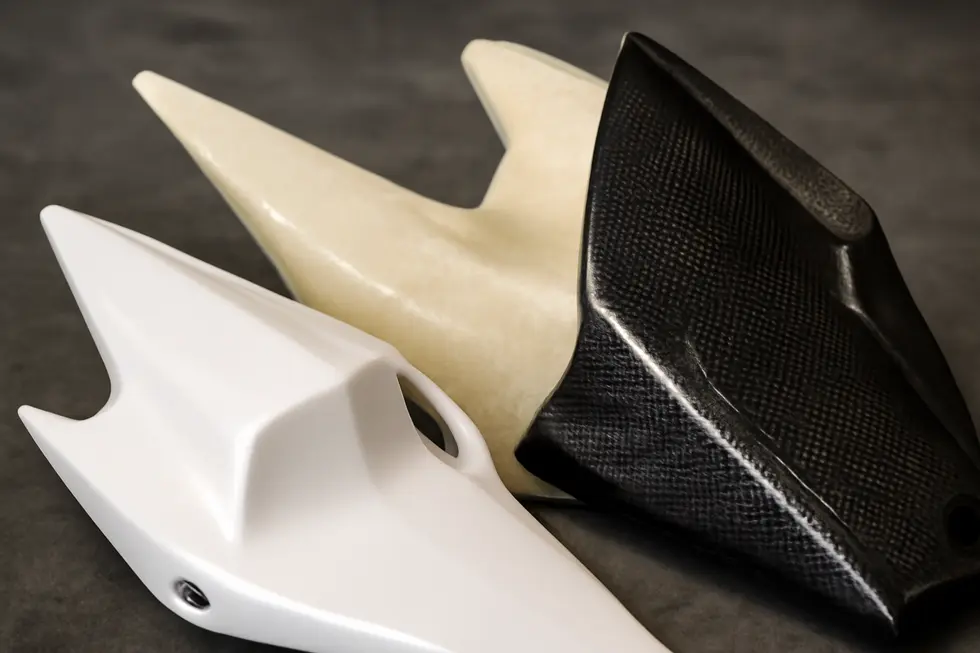
1. The Crucial Role of Tail Fairing Design in Enhancing Fuel Efficiency and Stability
The design of a motorcycle tail fairing plays a pivotal role in enhancing both fuel efficiency and stability. This is primarily achieved through its effects on aerodynamics, weight distribution, and airflow management. Tail fairings are meticulously crafted to streamline the motorcycle’s rear section, thereby significantly reducing turbulence and drag that could otherwise elevate fuel consumption while jeopardizing the bike’s stability at high speeds.
By smoothing airflow over the motorcycle’s rear, tail fairings create a consistent pressure distribution that minimizes aerodynamic resistance. This efficiency is particularly notable during highway riding, where the force of wind is most pronounced. As a result, riders often experience a remarkable 5–15% improvement in fuel economy by upgrading to a well-designed tail fairing. Less energy is required to maintain cruising speed, leading to increased efficiency that translates not only to fuel savings but also to a reduced environmental footprint.
In terms of stability, effective tail fairing design is instrumental in improving handling and control. By mitigating rear-end lift and smoothing airflow, the tail fairing keeps the motorcycle steadier, particularly under challenging conditions like crosswinds or during rapid maneuvers. It promotes enhanced tracking and balance through corners, allowing riders to navigate with confidence, even at elevated speeds.
Weight distribution also factors prominently into the overall design of tail fairings. The use of lightweight materials, such as carbon fiber, not only decreases the motorcycle’s overall weight but also positively affects the bike’s center of gravity. This results in improved agility and responsiveness, making the motorcycle easier to handle across various riding scenarios.
By addressing these aerodynamic and structural aspects, tail fairings significantly contribute to a safer, more efficient, and enjoyable riding experience. For those interested in delving deeper into the nuances of motorcycle fairing options, exploring aftermarket solutions can reveal numerous customization possibilities.
Chapter 3: Unlocking the Potential of Motorcycle Tail Fairings Through Material Innovation
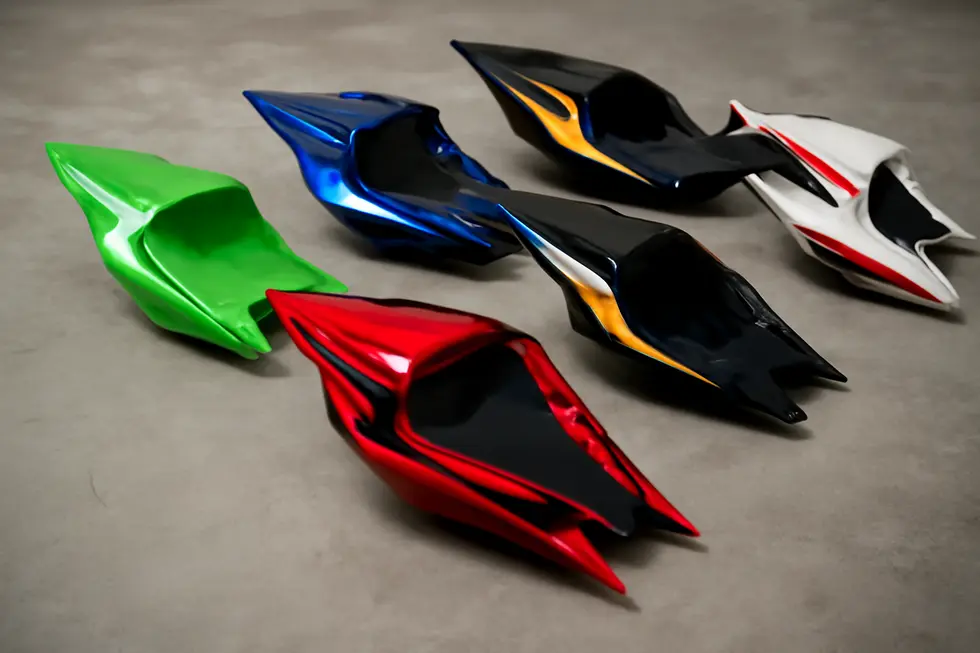
1. Choosing the Right Materials for Optimal Motorcycle Tail Fairing Performance
The selection of materials for motorcycle tail fairings plays a crucial role in defining not just the aesthetics but also the functionality of the motorcycle. Riders looking for performance, durability, or cost-effectiveness must navigate a diverse range of options, each presenting unique benefits. Among the most favored materials are carbon fiber, fiberglass, and ABS plastic, along with emerging advanced composites.
Carbon Fiber stands out as a top-tier choice, particularly for high-performance and racing motorcycles. Its remarkable strength-to-weight ratio allows for significant weight reductions without compromising structural integrity, making it ideal for those who demand the utmost from their machines. Carbon fiber’s durability is another significant advantage, as it resists fatigue and corrosion, ensuring longevity even under extreme conditions. Additionally, it brings an aesthetic edge, available in various finishes and customizable weave patterns that enhance the overall look of the motorcycle. However, its premium price can make it a less accessible option for some riders.
Fiberglass presents an appealing alternative, striking a balance between cost and performance. It is renowned for its impact resistance, making it suitable for a variety of applications, from street riding to off-road adventures. Fiberglass is also easier to repair than carbon fiber, allowing for efficient fixes after boisterous rides. While it may be heavier than carbon fiber, it offers a robust solution that does not compromise significantly on performance, making it a popular choice for custom builds.
Meanwhile, ABS Plastic remains the go-to material for mass-produced motorcycles. Its lightweight nature, combined with shock-absorption capabilities, makes it ideal for everyday use. ABS offers the advantage of being cost-effective while ensuring adequate protection against impacts and the elements. Though it might lack the extreme weight-saving potential of carbon fiber, its resilience and affordability keep it relevant in the market.
Lastly, advanced materials like Kevlar and aluminum composites are increasingly being experimented with in specialized applications, though they are less common in traditional tail fairings. Ultimately, the choice of material significantly influences the motorcycle’s performance, appearance, and cost, highlighting the need for riders to align their choices with their riding goals.
Final thoughts
In summary, motorcycle tail fairings offer significant benefits that extend beyond aesthetics; they enhance performance, provide protection, and allow for extensive personalization. Understanding the integral role of these components can help business owners attract customers who value both form and function. By prioritizing options that include aerodynamic efficiency, quality materials, and customization, businesses can position themselves as go-to experts in the motorcycle industry.
Ready to elevate your ride? Summit Fairings delivers premium, custom-fit fairings that blend style and durability. Whether you’re chasing speed or turning heads, we’ve got your bike covered. Don’t wait—transform your machine today. Click, customize, and ride with confidence. Your perfect fairing is just a few clicks away. Act now!
About us
undefined