
Introduction
Memphis Shades motorcycle fairings sit at the intersection of performance and style in the aftermarket wind protection segment. For business owners—retailers, distributors, and service shops—their Batwing and Gauntlet lines offer more than cosmetic upgrades; they deliver aerodynamic efficiency, durable construction, and a broad compatibility footprint across Harley-Davidson, Indian, and other cruiser platforms. The product stack combines a rigid Lucite outer shell with a textured ABS inner fairing, a finish that can be painted to match dealer inventory or customer bikes, and a range of accessories from wind deflectors to speaker systems that support higher ticket sales and cross-selling opportunities. This four-chapter guide unpacks why Memphis Shades are compelling from a business perspective: the core design and materials that underpin durability, the windshields and aero features that influence rider satisfaction, the mounting ecosystem and installation workflow that affect service times and returns, and the manufacturing and market realities that govern availability and margins. Together, these dimensions inform smarter stocking, better customer conversations, and more reliable fulfillment for dealer networks.
Tables of Contents
Chapter 1: Memphis Shades motorcycle fairings: Design, materials, and core models
- Memphis Shades motorcycle fairings: Design, materials, and core models — Technological and design implications
Chapter 2: Memphis Shades motorcycle fairings: Design, materials, and core models
- Memphis Shades motorcycle fairings: Design, materials, and core models — Economic, geopolitical, and societal dimensions
Chapter 3: Memphis Shades aero-integrated windshields and fairings
- Shaping air: edge geometry, deflectors, and rider comfort
Chapter 4: Memphis Shades wind protection: design, manufacture, and U.S. aftermarket impact
- Engineering and manufacturing choices that shape the rider experience
Chapter 1: Memphis Shades motorcycle fairings: Design, materials, and core models
1. Memphis Shades motorcycle fairings: Design, materials, and core models — Technological and design implications
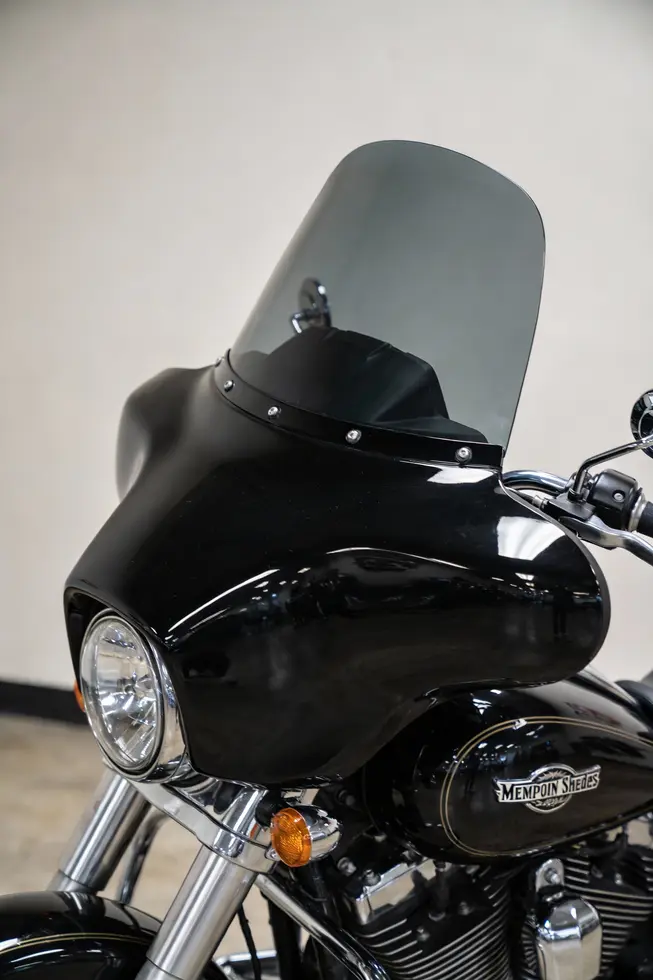
The design language behind Memphis Shades motorcycle fairings sits at the intersection of form and function, where clean lines and purposeful geometry translate into practical wind protection, rider comfort, and a front-end feel that complements a wide range of cruisers and tourers. This subchapter examines how the brand’s design philosophy materializes in three core models, how the materials chosen contribute to durability and personalization, and what those choices mean for riders who seek both performance and a canvas for customization. The overarching aim is to reveal how these fairings balance aerodynamics, aesthetics, and user friendliness in a way that resonates across models and riders, from weekend cruise enthusiasts to long-haul adventurers. At the heart of the discussion is a recognition that every line, every surface, and every mounting interface is chosen not merely for looks, but to shape a rider’s experience in real-world riding, where wind, weather, and road texture interact with speed and posture to create comfort or fatigue over hours of riding.\n\nDesign starts with the silhouette. The fairings in question are built around a clean, aerodynamic shape that directs airflow smoothly around the rider’s torso and upper body while keeping the head in relatively clean air. Dimensions like 33.5 inches of width and 17 inches of height (excluding the windshield) establish a broad, enveloping shelter that preserves shoulder and torso comfort without engulfing the rider’s line of sight. In some configurations, a wider 36.5-inch version with a slightly altered height exists, reflecting a design compromise between maximum wind deflection and rider visibility. The emphasis on a streamlined profile is not merely aesthetic; it is a deliberate engineering choice intended to curb turbulent wake and reduce buffeting at highway speeds. To further refine this balance, spoiler windshields are offered in several heights—5 inches, 6.5 inches, and 9 inches—and in smoke or dark-tinted variations. These spoilers are not cosmetic add-ons; they are CFD-validated tools for altering the airflow diffusion in a way that minimizes buffeting and channels air to reduce downward jetting that can disrupt the rider’s helmet line and helmet ventilation. The CFD underpinning these choices is a telling sign of a mature approach: aerodynamics is tested in silico before any real-world adjustment is made, ensuring that each combination of fairing and windshield yields a measurable improvement in stability and comfort.\n\nThe design language is complemented by a practical, modular mindset. The fairings are designed to be painted or finished to a Class A gloss, providing a high-quality surface for personalization and matching with the bike’s paint scheme. The outer shell, made from Lucite, presents a durable yet customizable finish, while the inner structure uses a black textured ABS that supplies mechanical rigidity and a robust anchor for mounting systems. The visual contrast between the textured inner and the glossy outer not only enhances the aesthetic depth of the fairing but also helps hide minor surface blemishes that are inevitable in outdoor riding. The Windshield material—also Lucite—with options for smoke or dark smoke tints, offers clear visibility while contributing to a cohesive, high-end look that can be accentuated with contrasting trim or color-matched accents. The hardware, designed for durability in the face of vibrations and occasional weather exposure, features rust-proof electrocoated aluminum and stainless steel, with glass-filled nylon latches that provide reliable, low-friction operation.\n\nThe range of integrated features reflects a design that anticipates user needs. Pre-drilled holes and standardized mounting interfaces enable straightforward installation and compatibility with a variety of add-ons, including wind deflectors, fairing trims, tri-pouch storage, speaker systems, and headlight risers or extension blocks. This modularity is more than a convenience; it is a design strategy that embraces the realities of aftermarket customization. Riders who want to tailor their fairing to a particular ride—whether it’s a long highway slog or a spirited canyon ride—can swap or expand components without a complete rebuild. The Trigger-Lock mounting system, a hallmark of Memphis Shades’ approach, makes windshield changes tool-free and rapid. In practice, this means a rider can switch to a different windshield height or type to adapt to changing weather conditions or lighting, or to suit a different riding scenario, and do so with minimal downtime. This feature underscores a design ethos that prizes adaptability as a core performance lever rather than a periodic upgrade.\n\nBeyond the silhouette and finish, the materials selected are deliberate choices that support both performance and customization. The inner ABS structure provides a solid, impact-resistant backbone that can endure road debris and minor impacts while preserving the fairing’s shape and alignment over time. The outer Lucite shell offers a glossy, paintable surface that makes color matching or bespoke finishes feasible, which is particularly appealing for riders who want their fairings to seamlessly blend with or deliberately contrast against their bikes’ paint schemes. The windshields follow the same logic of durability and clarity, with Lucite ensuring long-lasting optical quality even in sun exposure and temperature variations. The combination of black textured ABS and opaque black Lucite achieves a visually cohesive, stealthy look that also offers a ready-made canvas for customization—be it a bold color integration, graphics, or subtle shade transitions that accentuate the bike’s lines. The weather resistance and corrosion resistance of the hardware are not mere afterthoughts; they are embedded in the engineering, reflecting a commitment to longevity in a market where exposure to rain, road salt, and UV light can degrade components that are meant to last for years.\n\nThe core models themselves—typically including a Batwing, a Gauntlet, and a Bullet configuration—represent distinct design intents that map onto rider needs without demanding a different bike archetype. The Batwing, with its wide shoulder coverage and torso-deflecting profile, is a versatile platform across a broad spectrum of cruiser and touring bikes. Its size and shape are tuned to protect the rider from crosswinds while maintaining a cockpit feel that keeps the helmet in cleaner air, thereby reducing fatigue on longer rides. The Gauntlet flavor emphasizes a more focused wind deflection profile and often integrates with model-specific headlight extensions, reflecting a design emphasis on compatibility with modern, feature-rich front ends. The Bullet, optimized for highway wind deflection, showcases the ability to pare down mass while still achieving effective air management at cruising speeds. Collectively, these core models reveal a design strategy that seeks to cover primary riding contexts—ample torso protection for long hauls, optimized deflection for dynamic urban cruising, and streamlined profiles for riders who prioritize weight-conscious setups and a sharper front end.\n\nThe implied design implications extend into the OEM-to-aftermarket ecosystem in which these fairings exist. A crucial outcome of the design choices is a balancing act between aerodynamics and rider perception. The wind shaping is intentionally engineered to reduce buffeting at high speeds, which directly translates into less helmet whiplash, lower cognitive fatigue, and a more stable stance for the rider. This is not just about quieting wind noise, though that is a welcome byproduct; it is about aligning the rider’s natural posture with a balanced wind stream that does not fight against the rider’s body geometry. In this sense, the fairings are not merely appendages; they function as aerodynamic partners that influence how a rider sits, breathes, and perceives the ride. The emphasis on high-speed stability is complemented by comfort-driven features such as paintable finishes and modular add-ons, which empower riders to express themselves while ensuring the wind protection remains effective across a range of riding conditions.\n\nFrom a technological perspective, the design implications go deeper than the visual silhouette. The CFD work behind the spoiler windshields demonstrates an investment in virtual prototyping that translates into real-world performance. By simulating airflow through various windshield heights and tint configurations, the engineers can predict how air will diffuse around the rider’s torso and head. This predictive capability helps reduce buffeting and enhances stability, particularly on bikes where the fairing’s footprint is substantial enough to influence the flow around the front end. The implication for riders is clear: a well-designed spoiler windshield can improve comfort without necessitating a heavier windscreen or more aggressive mounting hardware. The materials and assembly choices are also part of this technological thread. ABS and Lucite are not merely affordable or lightweight options; they are materials with predictable thermo-mechanical responses, enabling a stable fit across temperature swings. A paintable surface further means that the rider can maintain the glossy, seamless look as the bike ages or as their taste evolves, which is an important contributor to long-term ownership satisfaction.\n\nManufacturing choices reinforce the design implications. These fairings are made in the USA, a decision with multiple consequences. It supports tight tolerances, consistent finishes, and reliable supply chains for components like the Trigger-Lock systems and the carefully engineered mounting hardware. The rust-proof electrocoated aluminum and stainless steel hardware, along with glass-filled nylon latches, indicate a respect for the long-term exposure that touring riders encounter. This is not about a fleeting aesthetic; it is about a durable, repeatable product that maintains alignment and structural integrity after repeated installation and removal, a common scenario for riders who adjust setups for different seasons or road trips. The core models’ compatibility statements—spanning Harley variants, Indian models, and several Japanese brands—also reveal a design philosophy oriented toward broad-stroke universality, tempered by model-specific fitment considerations. The result is a family of products that share a common design DNA while accommodating the unique geometries and mounting realities of different bikes.\n\nIn terms of user experience, the design choices translate into practical advantages. The need for a separate Trigger-Lock mounting kit and a windshield is a deliberate trade-off: it adds an extra step at installation, but it enables tool-free on/off changes that can be performed on the roadside or in a hotel parking lot. The per-bike fitments and pre-drilled holes reduce the guesswork and the number of modifications required to install the fairing on a given chassis. For riders who enjoy customizing their ride, standardized interfaces and a paintable surface become an invitation to personalization. The balance here—between a robust, aerodynamically refined shell and the flexibility to personalize—speaks to a design intent that values rider agency as much as wind management. The optional accessories, from wind deflectors to speaker systems and headlight risers, are not mere add-ons; they are extensions of the design language that let riders tune how the air moves around them, how they hear the road, and how they see the front of the bike in changing light and weather.\n\nTo connect the design and material choices more explicitly to the riding experience, consider the practical implications of compatibility and installation. The core models are offered with a modular ecosystem that supports quick changeovers and rapid adaptation to rider needs. The Trigger-Lock system simplifies windshield swaps, which is particularly valuable for riders who travel across climates or who participate in multiple riding events that require different wind protection configurations. The availability of different windshield heights means riders can calibrate the wind impact to their seating position, their helmet type, and their preferred wind noise level. Wind deflectors and trims further refine the micro-aerodynamics around the rider’s chest and shoulders, providing an opportunity to fine-tune how wind energy interacts with the rider’s torso. The tri-pouch storage and optional speaker systems add a practical, psychological dimension to the overall riding experience: the rider feels prepared, organized, and connected to the bike, which can reduce fatigue and increase confidence on longer trips.\n\nIn sum, the design, material choices, and core models of these fairings reveal a cohesive strategy that marries aerodynamic efficiency with personal expression. The use of black textured ABS for the inner structure and opaque black Lucite for the outer shell delivers a durable, paint-ready platform that can be tailored to individual bikes and tastes. The windshield system, especially when coupled with spoiler windshields validated by CFD, demonstrates a commitment to high-speed stability and rider comfort. The modular mounting system and pre-drilled interfaces reflect an understanding of rider workflow, enabling straightforward installation and customization without compromising performance. Finally, the US-based manufacturing and rust-resistant hardware provide reassurance about longevity and reliability, values that are essential for riders who view their motorcycle as a long-term companion rather than a quick, one-season upgrade. For readers seeking a deeper dive into the broader ecosystem of motorcycle fairings and how design principles translate into everyday practicalities, the motorcycle fairings guide offers a comprehensive, grounded perspective that complements the insights here and can be accessed through the linked resource.\n\nMotorcycle fairings guide\n\nAs this exploration of Memphis Shades’ design and materials progresses, the next subsection will delve into the nuanced interactions between these elements and model-specific fitment, detailing how the same design language adapts to diverse chassis geometries and rider preferences across the Harley, Indian, and other cruiser families. The discussion will bridge the practical installation realities with performance outcomes, illustrating how a thoughtful combination of shape, material, and modular interfaces can yield a cohesive, high-value wind protection solution that remains coherent across generations of bikes and riders.
Chapter 2: Memphis Shades motorcycle fairings: Design, materials, and core models
1. Memphis Shades motorcycle fairings: Design, materials, and core models — Economic, geopolitical, and societal dimensions
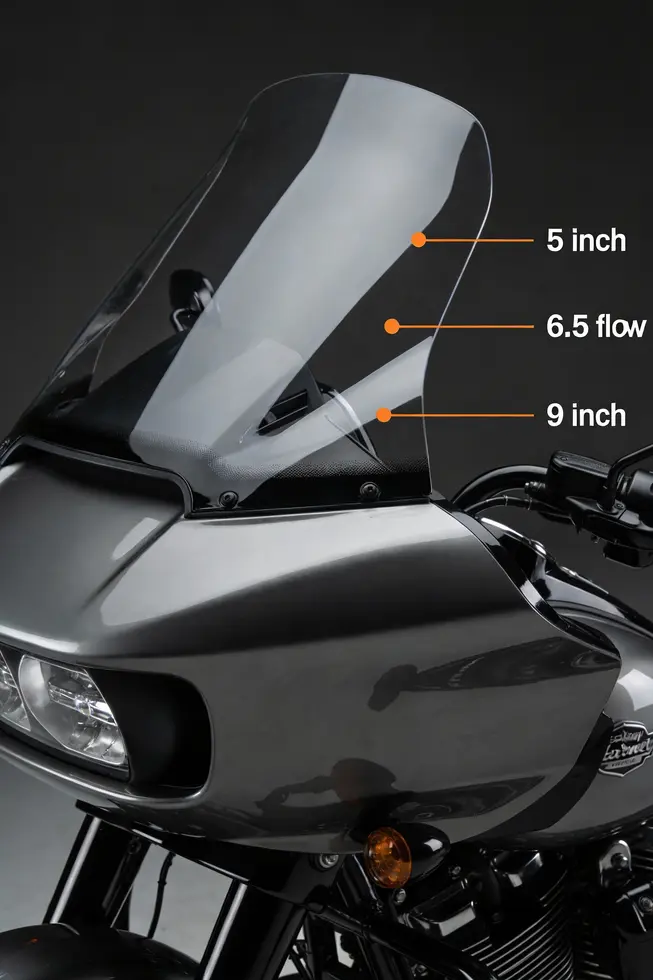
Memphis Shades has built its reputation by marrying form and function in a way that speaks to riders who see wind as both a barrier and a canvas for personal expression. The design philosophy behind its Batwing and Gauntlet fairings is not just about a distinctive silhouette; it is about achieving a precise balance between wind deflection, rider comfort, and the tactile satisfaction of a product that feels both rugged and refined. Across models and platforms, the design language remains consistent: clean, aerodynamic lines that minimize buffeting while maximizing the aesthetic authority of a motorcycle’s profile. The company’s workflow reflects this emphasis on airflow as a scientific concern, not merely a stylistic preference. CFD, or computational fluid dynamics, is employed to analyze how air moves around complex three-dimensional shapes before a single piece is cut or molded. Designers review hundreds of variations, testing subtle changes in curvature, edge treatment, and fairing depth to refine the path of the air column around the rider. The end result is a product that looks fast even when the bike is standing still, thanks to a shape that compels the eye to follow a shallow arc from the leading edge to the trailing line. The Spoiler Windshields, a standout feature in the Memphis Shades ecosystem, exemplify this engineering mindset. They are not mere aesthetic upgrades; they are components designed to be looked over while diffusing the air stream in a controlled fashion. The result is a calmer ride with reduced buffeting, a characteristic that is especially noticeable at highway speeds or on long touring days. The available heights—5 inches, 6.5 inches, and 9 inches—provide options for different rider statures and wind protection preferences, while the choices of Smoke and Dark Smoke finishes offer an immediate visual integration with many paint schemes. These windshields are not bolted onto a static shell; they are integral to the overall aerodynamics, and their tinted finishes also contribute to visual depth, reducing glare and enhancing perceived line-of-sight comfort for the rider.
Material choices further underscore the design intent. Memphis Shades relies on a dual-material construction that serves both durability and aesthetics. The inner fairing uses a black textured ABS substrate, chosen for its rigidity, impact resistance, and ease of integration with mounting hardware. The outer shell, crafted from opaque black Lucite, delivers a Class A finish that looks polished as delivered and can be painted to suit custom schemes without compromising the underlying form. This combination achieves a refined exterior while preserving practical attributes such as paintability and weather resistance. The dual-material approach also pays dividends in the real-world context of aftermarket parts, where exposure to sunlight, rain, road debris, and temperature cycling can take a toll on performance. The ABS core provides a forgiving substrate that helps resist impact while keeping weight reasonable, and the Lucite shell adds that premium, durable surface that is visible to riders and onlookers alike.
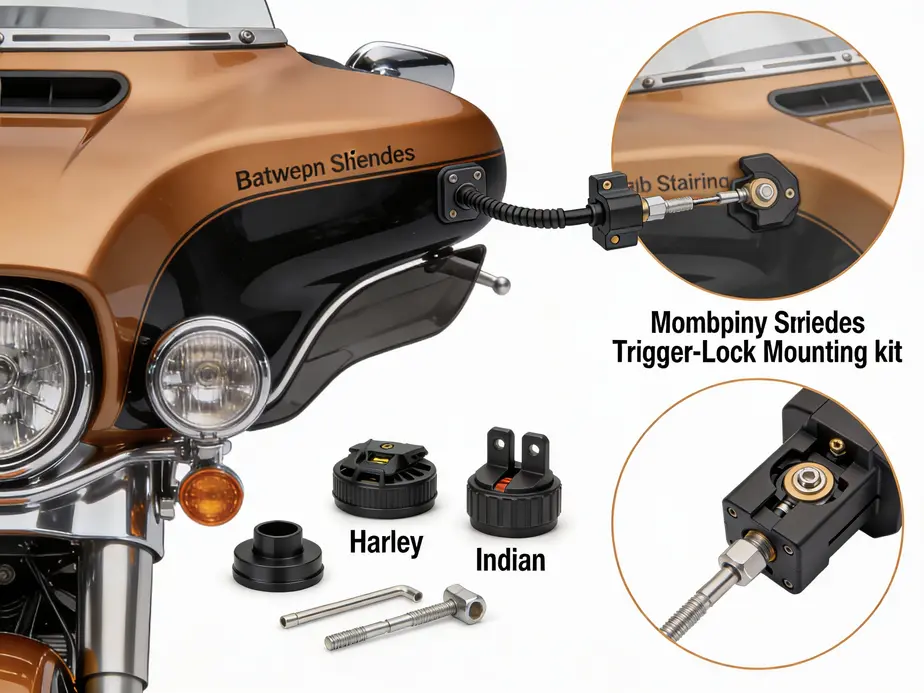
The hardware accompanying these fairings is a point of pride in its own right. The Trigger-Lock mounting system—exclusive to Memphis Shades—uses electrocoated aluminum and stainless steel with stainless fasteners. This hardware is designed to resist rust and tarnish, ensuring that the mounting points retain their integrity after years of exposure to the elements. The practical benefit is straightforward: tool-free removal and installation of windshields and fairings, enabling riders to swap configurations quickly for different riding scenarios or for seasonal storage without the need for a full toolkit or a service appointment. The mounting interface is not an afterthought; it is a core part of the riding experience, contributing to the sense of modularity that has become a hallmark of the Memphis Shades lineup. The pre-drilled holes for wind deflectors and other accessories, including deflectors, windshield trim, tri-pouch storage, speaker systems, and even headlight risers or extension blocks, speak to a philosophy that acknowledges the rider’s desire to tailor a ride to both comfort and purpose. The result is a system that can be as simple as a windscreen change or as involved as a fully integrated audio and deflection package, enabling a spectrum of configurations that suit individual preferences.
Turning to the core models and fitment, the Batwing Fairing sits at the heart of the Memphis Shades offering. Its dimensions—33.5 inches wide by 17 inches high, excluding the windshield—frame a silhouette that is instantly recognizable on a wide range of machines. The Batwing is compatible with Harley-Davidson FX Softail, Dyna, and Sportster models spanning a broad production window from 1985 to 2018, and it also fits Indian Scout and Chief models (with evolving compatibility in 2022 and up, including select Indian Chief variants). There is even a notable cross-compatibility story with Yamaha’s V-Star 950 during a specific model window, which underscores how a well-engineered fairing can extend beyond a single brand ecosystem while preserving the intended performance characteristics. For riders, this breadth of fitment translates into a freedom to re-home the same aerodynamic philosophy across different motorcycles, letting the look and the ride feel cohesive even when the bikes themselves are dissimilar in chassis geometry or character.
The Gauntlet Fairing Package, by contrast, is framed as a complete solution for the 2022-up Indian Chief lineup. It embodies the same attention to fitment and aerodynamic intent but with model-specific considerations that accommodate Indian Chief’s distinctive headlight and frontend geometry. The Gauntlet package includes elements such as a headlight extension block and a mounting kit that is tuned to the Chief’s architecture, ensuring seamless integration without extensive modification. This approach to model-specific packaging is a telling example of how Memphis Shades navigates the tension between a universal design language and the realities of diverse motorcycle front ends. The design team does not attempt a one-size-fits-all solution; instead, they offer a cohesive system that respects the geometry of each platform while preserving the aspirational aesthetic and the functional benefits of wind protection.
Manufacturing and customization are equally central to the subchapter’s focus because they illuminate how theory becomes practice on the street. All Memphis Shades fairings are manufactured in the United States, with production anchored in Memphis itself. This geographic specificity matters beyond branding—it ties into manufacturing discipline, supply chain considerations, and the economic ecosystem that supports a premium aftermarket product. The stated emphasis on Made in the USA carries implications for lead times, labor standards, and the ability to sustain high-touch processes such as pre-drilled wind deflector holes and model-specific mounting holes. The combination of domestic production with a robust customization toolkit creates a product line that is not merely a single SKU but a modular system capable of reflecting rider identity. Customization options extend beyond the core shell; wind deflectors, windshield trim, tri-pouch storage, and speaker systems allow riders to craft a cockpit environment that aligns with how they ride and where they ride. The compatibility of these components with a broad range of bikes is not accidental; it is an intentional strategy to broaden the accessible ecosystem around a single design language while preserving performance outcomes.
The design language is also about the sensory cues a rider experiences while advancing through traffic or cruising on a rural byway. The dual-material assembly is tactile: the ABS inner shell presents a durable, grippy texture that can handle nearby brush with branches or parking-lot scrapes, while the Lucite outer surface offers gloss, depth, and a finish that can be polished or painted to match or contrast with the motorcycle’s paintwork. Together, the materials convey a sense of solidity without excess weight, enabling the rider to perceive a balanced mass distribution that contributes to stability in wind and at speed. The hardware, too, is designed with long-term resilience in mind. Corrosion resistance is not an afterthought, but a design criterion embedded in the electrocoating and stainless fasteners. The result is a product line that presents a premium, polished public face while performing robustly in the field—whether that field is a sun-scorched highway or a damp, tree-lined boulevard.
From an installation perspective, the Memphis Shades system is designed to minimize friction in the transition from box to ride. Model-specific mounting kits and the option for a headlight or headlight extension block reflect a practical acknowledgment that the front end of a motorcycle is not uniform across brands or even model years. This recognition translates into a more straightforward path for a rider who seeks to upgrade without an overhaul of the bike’s steering geometry or electrical harnesses. The tool-free, on/off capability of the Trigger-Lock system is not merely a convenience; it is a functional asset in a culture of frequent function checks, seasonal storage, and the practical need to reconfigure a fairing for different riding conditions or trips. The pre-drilled wind deflector hole plugs simplify installation further and demonstrate how design and production choices can reduce the cognitive load on the rider, allowing more attention to be paid to road conditions and wind comfort rather than to the fiddly mechanics of mounting.
The broader ecosystem around the fairings reinforces their role as an instrument of personal and practical enhancement. Memphis Shades positions wind deflectors, windshield trim, and tri-pouch storage as complementary add-ons rather than optional afterthoughts. In practice, a rider can move from a minimalist setup to a more elaborate touring configuration within a few minutes, with each element contributing to a tailored experiencescape. The option to add speaker systems speaks to the modern rider’s appetite for in-ride connectivity, while headlight risers or extension blocks acknowledge the need to preserve visibility and instrument legibility when the fairing is fitted. This modularity, coupled with the domestic manufacturing backbone, makes the product line not only a set of parts but an integrated, ride-ready system that invites ongoing adaptation as riding priorities evolve.
The Batwing and Gauntlet fairings also stand as a testimony to a broader market dynamic—the demand for aftermarket components that can transform how a bike communicates its identity and how a rider experiences performance. The aesthetic vocabulary—bold lines, broad shoulders, and a confident stance—resonates with riders who pursue a blend of protection, style, and pride in ownership. The fairings’ size and presence contribute to a sense of confidence on the road, particularly when riding two-up or long-distance. Yet the engineering is not merely about making the bike look substantial; it is about shaping the rider’s interaction with air, noise, vibration, and heat. The aerodynamic shaping translates into less wind fatigue, enabling a more relaxed posture on longer rides. The sonic environment can also be affected by the mounting and the potential integration of audio systems. All these tangible effects dovetail with the intangible satisfaction riders seek: a sense that the machine is an extension of their own intent, capable of delivering comfort, control, and character in equal measure.
The design and materials story naturally leads to considerations of how these products live within the economic, geopolitical, and societal landscapes that define contemporary motorcycling. Economically, the choice to manufacture in the United States situates the product within a robust, albeit sometimes volatile, domestic industrial ecosystem. This choice supports a supply chain and a labor market with known quality controls and a track record for durability, even as it may influence pricing relative to offshore alternatives. The domestic production narrative also intersects with the broader discourse around manufacturing resilience, regional specialization, and the character of premium aftermarket brands that emphasize craftsmanship and long-term value. The From-Memphis origin also carries freight and distribution implications, shaping lead times and serviceability across a North American customer base. The geopolitical layer, while nuanced and context-dependent, invites reflection on how a brand rooted in one national economy negotiates global markets—export potential, import duties, and the ever-shifting calculus of trade policies that affect components, resins, and coatings used in fairing production. In a world of lean manufacturing and global supply chains, the ability to sustain a domestic production line for a niche category of motorcycle parts is a strategic statement about resilience, quality assurance, and the role of regional manufacturing hubs in the premium aftermarket ecosystem.
Societally, the Memphis Shades offering fits within a culture that prizes customization, ride comfort on long journeys, and the social identity of motorcycle living. The modular nature of the system aligns with a rider market that seeks to express individual style without compromising safety or efficiency. The emphasis on wind deflection and noise reduction resonates with riders who spend many miles on highways and backroads alike, where wind drag and fatigue can erode enjoyment. The customization options—ranging from deflectors and trim to storage components and audio upgrades—mirror a broader consumer tendency toward personalization as a form of self-expression. The fact that these products are marketed as “Made in the USA” also taps into a societal impulse to support domestic craftsmanship and to derive pride from owning equipment that reflects a particular industrial heritage. Yet this identity is not isolated from the diverse, global community of riders who value interoperability and compatibility across brands. The Batwing’s cross-platform fitment, including Harleys and Indians, acknowledges a modern riding culture that experiences mobility and brand loyalty as fluid rather than fixed. In this sense, the Memphis Shades design language becomes a shared vocabulary for riders who value both autonomy and belonging—an aesthetic that can be adopted by riders who vote with their wallets for performance, durability, and personal storytelling.
If there is a throughline in this subchapter, it is the realization that design, material choices, and core models are inseparable from the lived experience of riding. The Batwing’s broad compatibility, the Gauntlet’s tailored fit for the Indian Chief, the dual-material construction, and the sophisticated mounting system all work in concert to deliver a product line that is more than the sum of its parts. The engineering decisions—airflow management, surface finish, hardware corrosion resistance, and modular upgrade paths—are driven not only by performance metrics but by an understanding of how riders interact with their machines in daily life and on ambitious tours alike. The market’s appetite for customization does not reduce to a single option; it creates a dynamic that rewards versatility, simplifies maintenance, and elevates the riding experience by reducing the friction of installation, adjustment, or adaptation to different bikes. In this sense, Memphis Shades fairings are as much about enabling a lifestyle as they are about delivering a particular aerodynamic profile.
For readers seeking a concise, navigable entry into how these components fit into the broader picture of motorcycle fairings, a compact overview of the landscape can be found at Motorcycle fairings overview. This resource offers a grounded entry point into the function of fairings, the kinds of materials typically used, and the ways in which modern wind protection systems integrate with contemporary bikes and rider needs. Motorcycle fairings overview
In sum, Memphis Shades’ design, materials, and core models reflect a coherent philosophy: protect the rider from wind and weather while amplifying the machine’s character and the rider’s sense of control. The choice of dual-material construction, the emphasis on a Class A finish, the integration of a tool-free mounting system, and the commitment to model-specific fitment all contribute to a compelling product narrative. This narrative is not merely about a single piece of equipment but about a modular ecosystem that supports customization, durability, and ongoing adaptability. It speaks to riders who demand both refinement and resilience, the kind of riders who want equipment that remains visually striking and functionally reliable across the miles and the seasons. As the riding community continues to evolve—with new models, new materials, and new forms of rider expectation—the Memphis Shades portfolio appears well positioned to translate design intention into riding experience, one wind-deflecting line at a time.
Chapter 3: Memphis Shades aero-integrated windshields and fairings
1. Shaping air: edge geometry, deflectors, and rider comfort
Memphis Shades treats wind protection as an integrated aerodynamic system rather than a single screen. The windscreen geometry is designed to deflect air outward and downward at its edge, reducing helmet buffeting and maintaining a clear sightline. A venturi-like top edge guides air over the rider, allowing a shorter shield to deliver effective protection without forcing the rider to crane the neck. Side wings extend the boundary layer and help create a calm air pocket around the rider, lowering wake turbulence and wind noise. The mounting hardware and material choices emphasize rigidity, durability, and consistent aero performance across speeds and seasons. Practical installation, pre-drilled holes for deflectors, and compatibility with multiple bikes make the system adaptable. The result is a calmer cockpit, reduced fatigue on long rides, and a more confident, controlled riding experience.
Chapter 4: Memphis Shades wind protection: design, manufacture, and U.S. aftermarket impact
1. Engineering and manufacturing choices that shape the rider experience
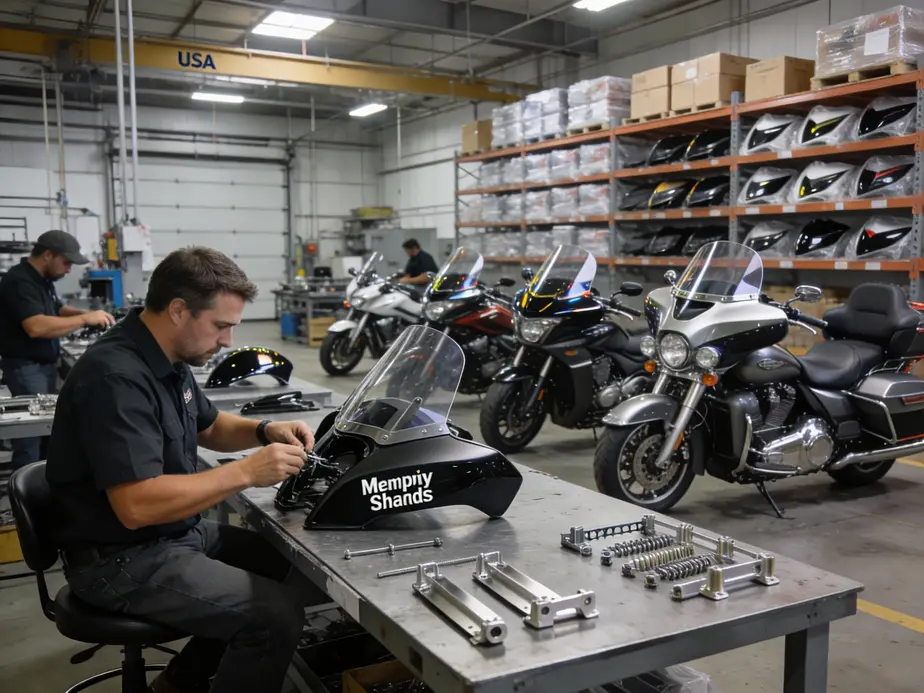
Memphis Shades blends aerodynamic insight with a U.S.-based production model to deliver windshields that minimize buffeting while preserving visibility. The system uses a robust inner core and a paint-ready outer shell for a durable, glossy finish that riders can customize over time. Domestic manufacturing supports tight quality control and quick iteration, translating into reliable performance and faster parts availability. The modular kit approach—base fairing, windshields, spoilers, and compatible accessories—lets riders tailor wind management and aesthetics in stages without a bespoke, high-cost process.
Final thoughts
Memphis Shades motorcycle fairings offer a compelling business case for dealers seeking durable, design-forward wind protection that resonates with a wide rider base. By understanding the core design and materials, retailers can confidently explain value and customization options; by leveraging spoiler windshields, they can highlight performance benefits that align with rider expectations for comfort and style; by embracing the installation ecosystem and model-specific mounting kits, service teams can reduce install times and improve customer satisfaction; and by aligning with USA-made manufacturing and strong stock availability, they can optimize margins and fulfillment speeds. In short, Memphis Shades fairings enable a differentiated, scalable offering that supports higher-ticket sales, stronger repeat business, and a more resilient parts portfolio for dealer networks.
Ready to elevate your ride? Summit Fairings delivers premium, custom-fit fairings that blend style and durability. Whether you’re chasing speed or turning heads, we’ve got your bike covered. Don’t wait—transform your machine today. Click, customize, and ride with confidence. Your perfect fairing is just a few clicks away. Act now!
About us
We are one of the leading motorcycle fairing export sites, with over 3,000 styles across almost all motorcycle models. Buy from summitfairings.com, and pay 10-40% less than the prices on other sites. If you have any questions, we promise we will have your answer within six hours.