
Introduction
Front fairings are often viewed as cosmetic shells, but for the motorcycle industry they are strategic assets that shape performance, cost, and the customer value proposition. For business owners—from manufacturers and aftermarket sellers to ride-hail fleets and riding schools—understanding how fairings influence aerodynamics, supply chains, regulatory compliance, and consumer customization translates into better product design, pricing, and market positioning. This four-part examination reveals how technology constrains and enables market opportunities, and how decisions about materials, mounting styles, and finishes ripple through margins and customer satisfaction. The first chapter shows how modern fairings improve rider comfort at highway speed by smoothing the wind pocket around chest and helmet, reducing drag and noise. The second dives into economics: the cost of raw materials such as ABS plastic and fiberglass, the labor and tooling for different mounting styles (fork-mounted vs nacelle-mounted), and how global supply chains affect lead times and warranty risk. The third explores geopolitics and standards—from tariffs to safety certifications—that determine which markets you can serve and at what price. The fourth explores societal trends in customization, where gloss, matte, metallic finishes, and graphic overlays transform a product into a personal statement and a competitive differentiator. Together, these chapters provide business leaders with a practical framework to align R&D, sourcing, marketing, and after-sales strategies around the core value of the motorcycle front fairing.
Tables of Contents
Chapter 1: Chapter 1: Motorcycle Front Fairing Technologies and Aerodynamics
- From Race-Bred Aero to Road-Ready Performance: Innovations, Modeling, and Optimization of Front Fairings
- Front Fairings Under the Lens: Economic, Geopolitical, and Societal Currents Shaping Aerodynamic Innovation
Chapter 2: Chapter 2: Motorcycle Front Fairing Industry Economics and Supply Chains
- Chapter 2: Motorcycle Front Fairing Industry Economics and Supply Chains — From Carbon Fiber to Global Factories: How Tech Advances and Global Production Shape Performance and Price
- Economic, Geopolitical, and Societal Impacts on Global Front Fairing Supply Chains
Chapter 3: Chapter 3: Global Rules and Market Dynamics in Motorcycle Front Fairings
- Chapter 3: Geopolitics and Regulation of Motorcycle Front Fairings — Technological Standards, Intellectual Property, and Global Trade Implications
- Regulation in the Wind: How Geopolitics Shapes Safety, Standards, and Social Outcomes for Front Fairings
Chapter 4: Chapter 4: Societal Impacts and Customization of Motorcycle Front Fairing
- Chapter 4: Societal Impacts and Customization of Motorcycle Front Fairing — Technological and Economic Dimensions Shaping Adoption, Design, and Access
- Geopolitics, Craft, and Cultural Canvas: Regulation, Production, and Style in Motorcycle Front Fairings
Chapter 1: Chapter 1: Motorcycle Front Fairing Technologies and Aerodynamics
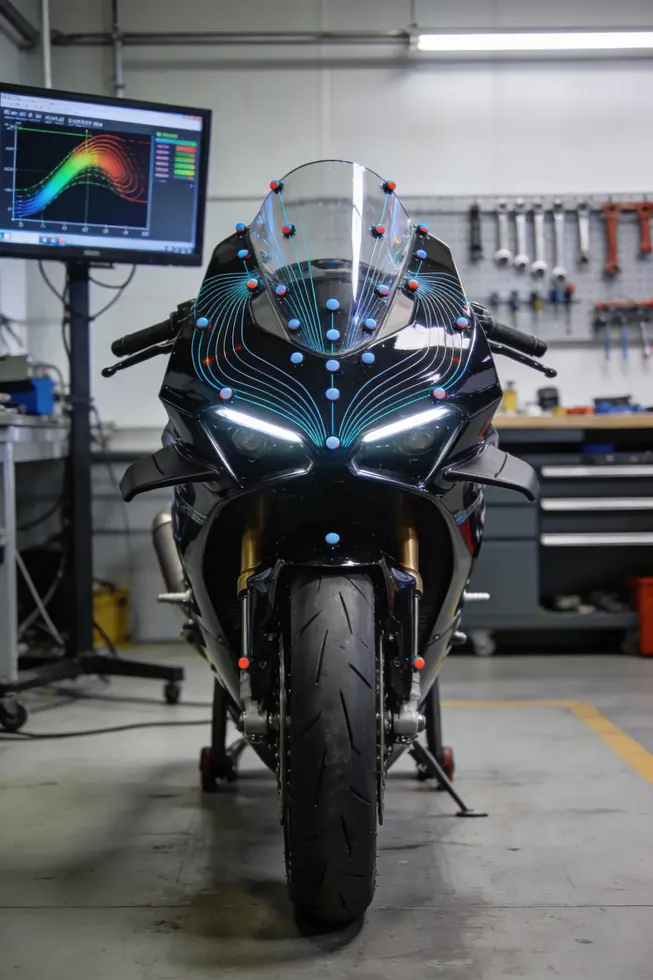
1. From Race-Bred Aero to Road-Ready Performance: Innovations, Modeling, and Optimization of Front Fairings
Front fairings sit at the crossroads of engineering precision and rider comfort. They are more than stylish shells; they are active aerodynamic devices that shape how a motorcycle cuts through air, directs wind around the rider, and maintains stability at high speeds. The evolution of front fairings mirrors a constant push from race engineering toward production viability. MotoGP-inspired aero concepts have filtered into production bikes not as flamboyant showpieces but as purposeful shapes and features that improve downforce, reduce drag, and streamline the rider’s wind experience without compromising usability. Modern designs increasingly reference sidepods and sculpted contours that channel air toward carefully chosen pressure gradients. These changes come with a clear aim: to deliver calmer, quieter ride experiences at highway velocities while preserving or enhancing steering feel and front-end grip. The result is a set of configurations that balance aggressive performance with everyday practicality, allowing riders to enjoy longer stretches of comfort without sacrificing the bike’s responsiveness on twisty roads.\n\nMaterial choices anchor these advances. ABS plastic remains a workhorse for production foreheads, offering durability, impact resistance, and ease of manufacturing. Fiberglass and carbon fiber composites orbit as lighter, stiffer alternatives when the design demands it. The push toward lighter, stiffer components helps maintain a predictable airfield around the rider and fork while enabling more aggressive geometries. Finishes follow suit, with gloss, metallic, and candy options delivering race-inspired aesthetics that endure the abuse of high-speed exposure and road grit. The aesthetic layer is not merely cosmetic; it supports practical longevity by providing illuminated surfaces and scratch resistance through multi-layer painting processes that preserve gloss and depth under heat and vibration.\n\nModeling and simulation lie at the heart of this forward march. Aerodynamic optimization now relies on a blend of computational fluid dynamics (CFD), wind-tunnel validation, and iterative testing with real-world data. Designers test reshaped front sections, deflectors, and even imagined “leg wings” or similar features to evaluate their impact on front-end behavior. The goal is not just lower drag but enhanced front-end stability, better hooding of the rider’s chest and helmet, and improved steering stability at lean. This modeling work must also anticipate regulatory scrutiny. Features that promise dramatic downforce or downwash control in theory may meet constraints once they move from the lab to the track, especially in competitive environments. In this sense, aerodynamic perfection becomes a negotiation between performance and policy, a dialogue that shapes which concepts reach the street.\n\nA key theme across innovation and modeling is integration. Front fairings are not standalone shapes; they must harmonize with the bike’s overall architecture, including the fork arrangement, steering geometry, and available cockpit adjustability. Fork-mounted fairings, for instance, are lauded for agile handling and ease of customization, while nacelle-mounted configurations emphasize stability and reduced wind gust impacts on long rides. This integration extends to the driver’s experience: adjustable windshields, cockpit ergonomics, and even tailored pressure zones above and around the rider’s helmet contribute to a calmer, more controlled riding envelope. It is here that performance and comfort converge: the motorcycle becomes easier to ride at tempo on highway asphalt and capable of delivering the rider’s intended performance without becoming a wrestling match with the wind.\n\nOptimization work proceeds in cycles. Iterative testing—combining ride sensations, on-track data, and rider feedback—drives refinements in airfoil shapes, deflectors, and fairing seams. In practice, this means designing for high-speed stability, predictable acceleration, and a quiet, confident cockpit, while preserving easy maintenance and serviceability. The materials and finishes play a supporting role in this optimization, with carbon fiber offering aero efficiency benefits and a visual language that communicates performance, and ABS-based components offering reproducible quality and repairability. Aesthetics, too, are engineered with purpose: colorways and finishes must complement the aero silhouette without introducing drag-inducing textures or unnecessary seams. The result is a production ecosystem where painting, coating, and surface treatments are integrated from the outset to ensure durability under heat, UV exposure, and road debris.\n\nAs these technologies mature, the implications extend beyond the bike itself. The trajectory from race engineering to street-legal performance touches manufacturing economics, supply chains for advanced composites, and the broader discourse on vehicle efficiency. The push for lighter, more efficient aero components interacts with pricing, availability of high-performance materials, and the global distribution of skilled labor in composite fabrication and precision assembly. In parallel, the industry’s ongoing dialogue about safety, rider comfort, and regulatory alignment shapes which innovations reach consumers and how they are adopted by different markets. The evolution of front fairings thus embodies a broader trend: performance-driven design that is simultaneously manufacturable, maintainable, and perceptible in everyday riding.\n\nFor readers seeking a concise overview of how fairing configurations influence both form and function, the motorcycle fairings guide provides a practical reference to the spectrum of fairing types, their aerodynamic rationale, and the trade-offs involved in production and customization. This guide anchors the discussion on how each shape translates into measurable gains in drag reduction, front-end stability, and rider comfort, while also highlighting the realities of installation, maintenance, and personalization. As the chapter on economic, geopolitical, and societal implications unfolds, these foundational design and optimization principles offer a lens through which to understand how innovations in front fairings ripple through markets, standards, and everyday riding experiences. (internal link: motorcycle fairings guide)\n\nIn sum, front fairings continue to evolve as a symbiosis of race-derived aero thinking and practical engineering. They translate complex fluid dynamics into tangible benefits—calmer air, steadier steering, and a more comfortable ride—without sacrificing the expressive character that makes motorcycles compelling. The ongoing work in materials, modeling, and optimization points toward a future where aero performance is not a single feature but an integrated condition of design, manufacturing, and rider experience, poised to influence not only how bikes are built, but how they are purchased, perceived, and governed in a changing world.
2. Front Fairings Under the Lens: Economic, Geopolitical, and Societal Currents Shaping Aerodynamic Innovation
The front fairing of a motorcycle is more than a shield against wind; it is a living interface where performance, perception, and policy converge. When engineers optimize a fairing, they are not only chasing a smaller drag coefficient or a calmer air pocket around the rider. They are negotiating a complex trade space that touches manufacturing costs, supply chains, and the societal contexts in which bikes circulate. Aerodynamics can translate into tangible benefits such as improved fuel efficiency, steadier handling at highway speeds, and reduced rider fatigue—outcomes that resonate with riders who spend long hours in motion and with policymakers seeking cleaner urban mobility. The technologies that enable these gains—carefully chosen materials, precision shaping, and the integration of sensors and lighting—also interact with broader economic and geopolitical forces. In this sense, front fairings are not merely components; they are nodes in a global system of design, production, and use that extend far beyond the wind tunnel test box.
From an economic perspective, material selection and manufacturing processes drive the price of fairings and the feasibility of different designs across market segments. Thermoplastic polymers such as ABS support high-volume production with consistent quality, while composites offer stiffness and weight advantages that appeal to performance models but demand more complex fabrication and longer lead times. The economics of scale matter: large production runs lower per-unit costs and enable richer feature sets, such as integrated lighting, vents for cooling, or housings for sensors. Conversely, smaller volumes—whether for niche bikes or custom builds—face steeper unit costs and longer development cycles. The aftermarket ecosystem thrives on modularity and customization, turning aesthetic expression into a revenue stream that often competes with OEM offerings. In this landscape, a well-designed fairing can add perceived value through aesthetics and aerodynamics while remaining cost-conscious in both materials and labor. To keep the discussion grounded, it helps to think of fairing development as a triad: the aerodynamic target, the manufacturing feasibility, and the market willingness to pay for the combination. For readers seeking a concise primer on the spectrum of fairing styles, a practical entry is the overview of fairings on a motorcycle, which situates full, quarter, and other designs within real-world constraints.
The geometric complexity of a front fairing is not merely a matter of form; it informs manufacturing choices and downstream performance. Advanced CAD and CFD workflows, wind tunnel validation, and rapid prototyping enable iterative refinement, but they also entail significant investment. These costs are weighed against potential gains in drag reduction, rider comfort, and the ability to integrate active components such as airflow management features or embedded sensors. The movement from passive to active aerodynamics—where surfaces may adapt to speed, rider posture, or weather conditions—illustrates how innovation is bounded by reliability and regulatory acceptance. Active concepts promise further efficiency but raise questions about maintenance burden, system redundancy, and lifecycle costs. For many riders, the bottom line is felt in fuel economy and ride quality, while for manufacturers it is reflected in a portfolio that can defend margins and appeal across diverse markets.
Geopolitics subtly guides what is feasible in fairing design and production. Carbon fiber, advanced resins, and precision tooling are often distributed across multiple regions with specialized suppliers. Tariffs, sanctions, and national strategies that favor domestic capabilities in high-performance materials can alter the cost curves and lead times for certain designs. The strategic importance of resilience becomes clear when supply disruptions threaten the cadence of new model rollouts or the continuity of service parts for existing bikes. Firms may respond by diversifying suppliers, localizing critical steps of production, or adopting modular architectures that ease cross-regional manufacturing while preserving design integrity. These choices influence everything from warranty coverage to resale value and determine how quickly riders around the world gain access to newer aerodynamic concepts.
Societal implications of front fairings extend beyond speed and efficiency. Safer, more comfortable riding experiences can shift urban mobility patterns and broaden the appeal of motorcycles to a wider audience, including riders who place a premium on reduced fatigue and lower noise levels at speed. The integration of lighting, sensors, and possibly connectivity features raises concerns about reliability, cybersecurity, and maintenance. Lifecycle considerations—the environmental footprint of production, use, and end-of-life disposal of composites and plastics—also come to the fore. Regulators may shape these trajectories through standards for lighting, reflectivity, and safety-rated components, while urban planners weigh the ripple effects of aerodynamics on ambient noise and microclimates around traffic corridors. In this sense, the aerodynamic design of a fairing becomes a social artifact as much as an engineering achievement, shaping how motorcycles are perceived, valued, and integrated into cities.
As the chapter advances, the conversation moves toward how research methodologies—from simulation to wind tunnel testing, and from lifecycle assessments to geopolitical risk modeling—inform a coherent strategy for front fairing development. The goal is not only to minimize drag but to harmonize performance with cost efficiency, supply-chain robustness, regulatory compliance, and rider safety. This integrated view underscores the central thesis: front fairings are a focal point where engineering ambition and societal context meet, producing innovations that ripple through markets, policy, and everyday riding. To connect these threads with concrete styles and applications, readers can refer to the broad spectrum of fairing types and transitions in the industry, as discussed in practical guides and design overviews available in industry resources.
Chapter 2: Chapter 2: Motorcycle Front Fairing Industry Economics and Supply Chains
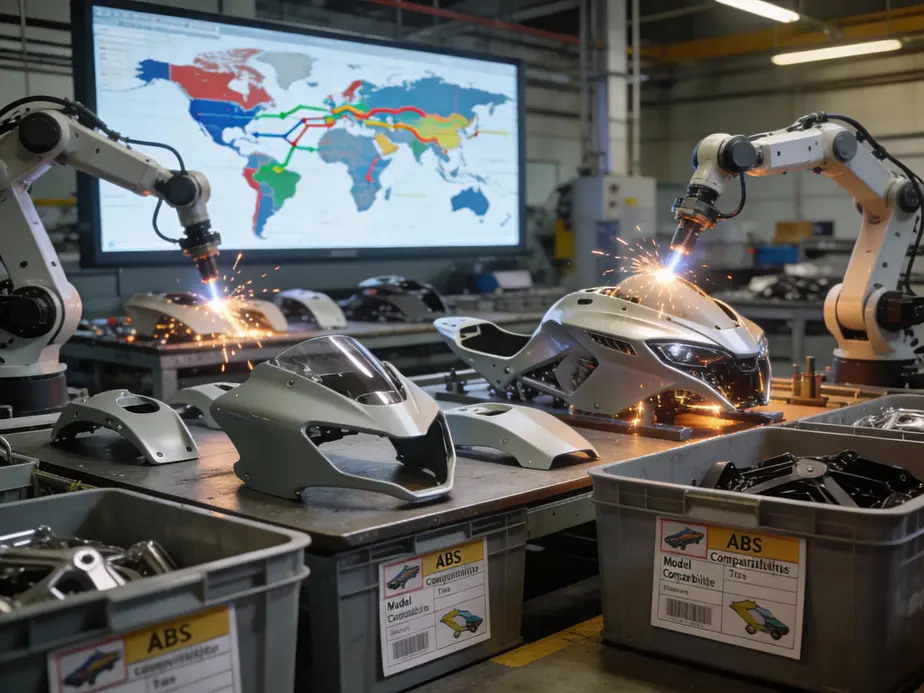
1. Chapter 2: Motorcycle Front Fairing Industry Economics and Supply Chains — From Carbon Fiber to Global Factories: How Tech Advances and Global Production Shape Performance and Price
The front fairing sits at the convergence of material science, manufacturing discipline, and rider expectations. Its evolution reflects how performance gains are bought, not merely by clever form, but by the choices made in the factory and the supply network that feeds it. At the heart of this trajectory is carbon fiber, which has become the benchmark for high‑performance fairings. Its exceptional strength‑to‑weight ratio translates into lower drag, calmer air around the rider, and steadier handling at speed. The aerodynamic payoff can be subtle in everyday riding, yet at highway velocity it compounds into noticeable gains in stability and fuel economy, often quoted as modest yet meaningful improvements such as 1–2 miles per gallon. But this performance edge comes with tradeoffs. Carbon fiber is UV sensitive, meaning extended exposure to sunlight can degrade resin systems unless protective coatings are maintained. More importantly, repairs can be expensive and time‑consuming, once the material has suffered impact damage or craze in the surface. Riders and manufacturers accommodate these realities with a broader design strategy: use carbon fiber where weight and stiffness bring the most benefit, and pair it with more economical composites or ABS panels in lower‑stress areas. The result is a layered approach to aero performance that aligns with budget and purpose, from race‑ready machines to long‑haul tourers.\n\nBeyond material choices, manufacturing advances and cost dynamics are reshaping what is possible for the average rider. The global supply chain now enables features once reserved for premium builds to appear in mid‑range fairings. Low‑cost, high‑volume production hubs around the world have driven down unit costs for components, enabling integrated options such as weather protection, GPS mounting points, and even weather‑sealed storage considerations to be included at price points that were unattainable a few years ago. In this environment, original equipment manufacturer (OEM) front fairings for commonly used cruiser and touring platforms range into the middle of the market in terms of installed price, while aftermarket variants push toward a broader spectrum of budgets. The economics are not simply about the sticker price; they hinge on total cost of ownership, including ease of installation, warranty coverage, and the perceived value of features that reduce rider fatigue on long miles. While exact numbers differ by region and model, the trend is clear: premium features are migrating downward in cost, and modular designs that support accessories—such as GPS mounts, auxiliary lighting, and weather protection—are becoming standard expectations rather than luxury add‑ons. A practical expectation for a typical front fairing system shows OEM installations in the range of a few hundred to around a thousand dollars, with comparable aftermarket options occupying a similar band, though substantial high‑tech or color‑matched setups can exceed those figures. As a rule of thumb, generic or non‑OEM parts often offer a compelling value proposition, particularly for riders prioritizing cost efficiency, while wholesale supply chain refinements ensure these parts meet standards for fit and durability when properly selected and installed. Custom configurations, especially those that require precise aerodynamic tuning or weather shielding tailored to a model year, can break the thousand‑dollar barrier, but they also bring specialized benefits such as bespoke wind protection, weather sealing, and enhanced mounting versatility. These cost tiers reflect a broader market dynamic: steady demand for touring and adventure configurations, coupled with a growing appetite for chrome or painted finishes and chrome‑like embellishments that enhance aesthetics without sacrificing aerodynamic integrity.\n\nThe market also reveals two practical mounting philosophies that influence both performance and economics. Fork‑mounted fairings, favored by riders seeking nimble handling and a cockpit that responds quickly to steering input, typically present lower upfront costs and simpler retrofits. Nacelle‑mounted options, anchored to the chassis, emphasize stability and a calmer riding environment at constant highway speeds, which is especially valuable for long‑distance commuters and touring crews. This division informs not only rider psychology but also the overall cost structure: fork mounts may incur savings on installation time and labor, while nacelle mounts often demand more precise alignment and additional hardware, influencing total project cost. The net effect is a nuanced balance between agility, protection, and budget, where engineering teams must decide how to allocate weight, stiffness, and weather protection to align with the intended riding profile.\n\nFor readers seeking a concise primer on fairing concepts and options, a broad overview can be found in the Motorcycle fairings guide. This resource provides context for the diversity of shapes—ranging from compact quarter fairings to full touring configurations—and the trade‑offs riders face when choosing among OEM versus aftermarket and carbon fiber versus fiberglass or ABS. The link serves as a practical companion to the discussion above, grounding the economics in real‑world choices and enabling readers to navigate the road from concept to install with a clearer sense of value and performance. Motorcycle fairings guide\n\nAll these threads—material science, manufacturing throughput, global labor dynamics, and rider preferences—coalesce into an industry framework where price and performance are increasingly decoupled from a single metric. As the market expands, value is defined not just by the raw drag reduction or weight savings, but by how a fairing integrates with a rider’s objectives: endurance, comfort, or aggressive aesthetics. The economic narrative thus centers on modularity, durability, and the ability to deliver certified performance through scalable production. In the next discussion, the focus sharpens on geopolitical and societal implications—how access to advanced materials, trade policies, and regional manufacturing ecosystems influence the availability and perception of front fairings worldwide, and how these forces reshape the economics of customization and protection for riders across markets.
2. Economic, Geopolitical, and Societal Impacts on Global Front Fairing Supply Chains
The supply chain for motorcycle front fairings sits at the intersection of design ambition, manufacturing discipline, and global logistics. It hinges on two broad streams: original equipment manufacturer (OEM) production, which integrates fairings into new models with precise fit, crash resistance, and wiring integration; and a robust aftermarket ecosystem that supplies replacements, styling options, and performance-oriented variants. This bifurcated structure creates a market that can rapidly adapt to shifting demand signals, yet remains exposed to material costs, energy prices, and policy shifts that ripple through both channels. The resulting economics are not simply a matter of unit price but of balance—between engineering rigor and the flexibility demanded by riders who seek customization, value, and reliability in weatherproof shells that protect and define their riding experience. At the heart of this balance is the choice of materials and finishes, which themselves reflect cost optimization, aspirational aesthetics, and lifecycle considerations. ABS plastic remains a workhorse for front fairings because it marries toughness with moldability and surface finish compatibility. Yet the industry increasingly experiments with bio-based polymers and recycled plastics as a way to curb environmental footprints and respond to regulatory pressures. These substitutions often require redesigns to align with production lines, paint compatibility, and end-of-life handling. In aftermarket segments, consumer demand for carbon-fiber-like aesthetics at accessible prices has driven finishes that simulate exotic materials without the corresponding premium, reshaping cost structures while challenging recyclability profiles. The economics of these choices extend beyond the parts themselves to the processes that deliver them: painting, coating, and post-finishing steps that determine long-term durability, gloss, and abrasion resistance. A multi-step, professional-grade process—encompassing surface prep, priming, base coats, decals, and layered clear coats—illustrates how cosmetic performance and weather resistance are engineered into the final product. This complexity translates into capital intensity and throughput considerations that affect both OEM and aftermarket players, as well as the willingness of buyers to pay for premium finishes. The market also reflects a tension between performance-driven design and environmental stewardship. While carbon-fiber aesthetics remain highly desirable, most riders encounter fairings that achieve similar visual impact through cost-effective composites and surface textures. As material science advances, the industry increasingly sources recycled feedstocks and plant-based polymers, aiming to reduce lifecycle impacts without sacrificing crash resistance or paint adhesion. This shift is not merely cosmetic; it reshapes the cost curve, supplier relationships, and recycling streams that feed back into remanufacturing and circular economy initiatives. For readers seeking a practical overview of fairing types and design considerations, the Motorcycle Fairings Guide provides a concise primer that complements these economics by linking form to function and fabrication realities. Motorcycle Fairings Guide
Geopolitical and macroeconomic factors cast a subtle, long-run shadow over supply chains. Publicly available data do not reveal a clear, recurring pattern of direct disruptions tied to trade tensions or conflicts specific to front fairings. Yet the global nature of resin supply, additives, and molding capabilities means that petroleum price volatility, export controls, and regional policy shifts can influence cost trajectories. Regions that dominate crude derivatives or high-volume plastic resins can exert outsized influence on input costs, prompting manufacturers to pursue diversification, regionalization of production, and closer alignment with recycling streams. In practice, this translates into a strategy that favors multiple supplier bases, in-region capacity where feasible, and enhanced collaboration with recyclers and remanufacturers. The resilience of front fairing supply chains thus rests on the ability to weather price shocks while maintaining consistent quality and fit across models and aftermarket offerings. Societal expectations around sustainability reinforce this trajectory, encouraging the adoption of recycled content and more easily refurbishable designs. Aesthetic demand—rendering premium looks with sustainable materials—drives manufacturers to innovate without locking in brittle, single-source dependencies. At the same time, aftermarket channels democratize access to styling and protection options, broadening the market for both affordable and premium-looking fairings and supporting a broader ecosystem of workshops and painters who can deliver consistent finishes. This broader access also raises questions about standardization and interoperability, where industry players benefit from shared specifications that streamline production and reverse logistics. In policy terms, incentives for recycled-content formulations, clear end-of-life recycling standards, and targeted support for sustainable material development can shift incentives toward circular design principles. Cross-sector collaboration among OEMs, suppliers, distributors, and recyclers accelerates standardization, interoperability, and efficient reverse logistics for fairings. In the longer view, resilience becomes less about avoiding disruption entirely and more about enabling rapid adaptation to material price shifts, regulatory evolutions, and evolving consumer values. The industry’s trajectory toward diversification, localizing certain steps in the value chain, and expanding recycling-enabled flows will shape both price discipline and environmental performance. Finally, the research agenda remains incomplete. Data gaps on region-specific disruptions, lifecycle assessments of ABS versus recycled polypropylene and bio-based polymers, and detailed mappings of fairing recycling streams constrain precise risk modeling. Quantitative scenario analyses that couple plastics and energy price volatility with regulatory trends toward recycled content would help manufacturers and distributors calibrate capacity, inventory, and investment priorities. In sum, the economics and supply chains of front fairings reveal a field at once practical and aspirational: a space where engineering excellence, material science, and sustainable policy intersect with global commerce to shape the way riders experience protection, form, and function on every highway and backroad.
Chapter 3: Chapter 3: Global Rules and Market Dynamics in Motorcycle Front Fairings
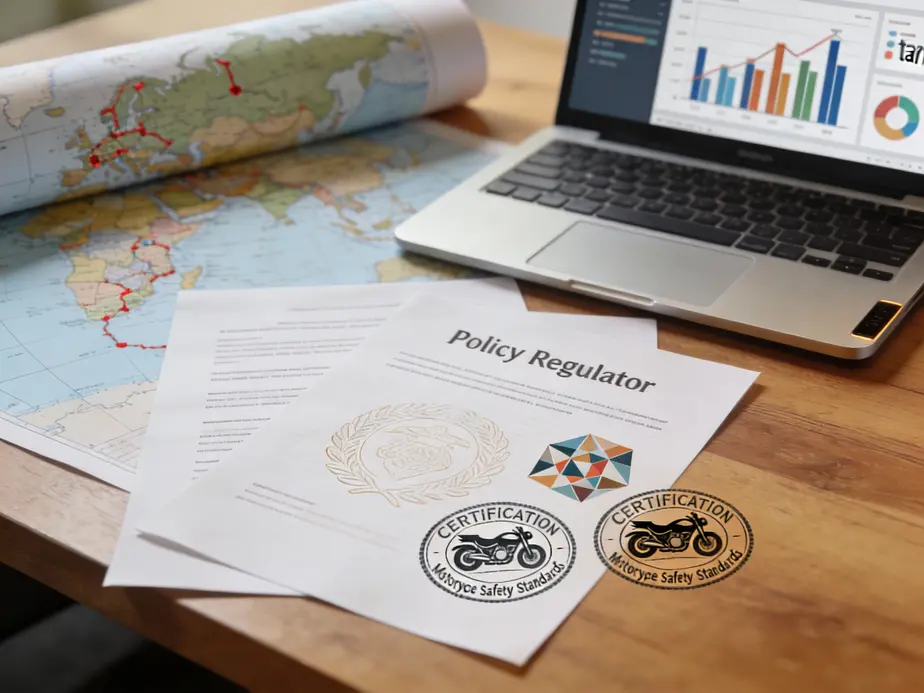
1. Chapter 3: Geopolitics and Regulation of Motorcycle Front Fairings — Technological Standards, Intellectual Property, and Global Trade Implications
Motorcycle front fairings sit at a surprising crossroad: they are not only aerodynamic shells and protective enclosures, but also objects shaped by a global web of standards, patents, and trade rules. As design teams push for lighter, stiffer, and more efficient composites, regulators and markets press back with safety mandates, emissions requirements, and intellectual property protections that travel across borders with every shipment. The result is a landscape where the appearance of a single fairing conceals a complex choreography of technology, law, and economics that ultimately guides what riders can buy, how it is manufactured, and where it may be sold.\n\nTechnological standards for front fairings foreground safety and performance in both road and motorsport contexts. Materials such as carbon fiber, polycarbonate, and thermoplastics are favored because they offer strength-to-weight advantages, impact resistance, and the potential for refined aerodynamics. Yet the same attributes that enable aggressive performance also invite regulatory scrutiny. In related high-speed domains like karting, governing bodies have demonstrated a willingness to recalibrate the risk profile of bodywork. For example, drooping front fairings were suspended in 2015 until non-removable fixed mounting kits could be validated, underscoring a global emphasis on crash safety and homologation before parts can be broadly approved. Road motorcycle standards diverge by region, with aftermarket components facing emissions and compatibility checks that can restrict or condition their use. In some markets, for instance, parts must comply with emissions regimes such as those enforced by state-level agencies, which can restrict certain aftermarket configurations or require specific materials and coatings to maintain compliance. These dynamics push manufacturers and tuners toward designs that satisfy both performance targets and the regulatory gatekeepers who arbitrate which parts may be sold or installed.\n\nMaterial choices also interact with regulatory expectations. Carbon fiber offers unparalleled strength with a light footprint, but its long-term durability under UV exposure and its behavior in different climates can influence both the performance and lifecycle costs of a fairing. UV degradation concerns, along with fitment variability across regional supply chains, shape decisions about where and how parts are produced and finished. Polycarbonate, especially when reinforced and hard-coated on both sides, can deliver robust, stable structures that resist weathering while maintaining clarity and gloss in appearances. The drive toward safer, more repeatable installations has, in turn, reinforced the value of standard mounting interfaces and verified assembly practices that reduce the risk of loosening or sudden detachment at speed. In this broader context, the regulatory environment acts as a persistent amplifier of quality control, compelling manufacturers to demonstrate consistent performance across a spectrum of operating conditions and jurisdictions.\n\nIntellectual property considerations intersect with design evolution and global manufacturing. Front fairings embody a nexus of protected designs, mounting systems, and branded innovations. As fairings migrate from single-region production to multinational supply chains, preserving the integrity of design patents, utility patents, and trade dress becomes essential for sustaining competitive advantage while avoiding infringement risk. The tension between original engineering and aftermarket replication is a constant feature of the market. While independent builders and suppliers emphasize in-house manufacturing and bespoke replicas, fitment variations and differences in thermoplastic formulations can complicate replication and may inadvertently raise patent or trademark concerns if not clearly differentiated from OEM designs. In practice, this means manufacturers must balance openness—allowing compatible mounting and serviceability—with vigilance to protect proprietary harness routes, rivet patterns, and integrated electrical interfaces that are core to a vehicle’s electrical architecture. The absence of explicit, well-publicized disputes in the public record does not erase the ongoing sensitivity around IP in this space; it remains an ongoing strategic risk for both legitimate OEMs and the aftermarket.\n\nGlobal trade implications extend this regulatory and IP logic to the international marketplace. Homologation barriers and regional emissions requirements shape whether a given fairing system can be imported and sold in particular countries. Shipping fiberglass and carbon kits across borders invites compliance checks that cover material origin, product safety, and environmental impact. When full fairings are marketed to high-performance or touring segments, the need to align with diverse regional safety tests—while preserving aesthetic appeal and aerodynamic function—becomes a logistical and financial hurdle. Trade tensions and tariff regimes further influence pricing, access to materials, and the availability of certified manufacturing capacities. Across the supply chain, issues such as material sourcing, factory certifications, and regional regulatory updates can create time lags between design intent and market realization. The result is a marketplace where the most successful fairing systems are those that harmonize design ambition with a robust strategy for regulatory compliance, intellectual property protection, and geographic reach.\n\nFor readers seeking a broader synthesis of how fairings fit into the broader landscape of motorcycle technology and culture, a comprehensive overview of fairing types and their roles can provide helpful context. See the motorcycle fairings overview for a concise map of the options, their functional trade-offs, and how designers balance aesthetics with aerodynamics and engineering requirements across different riding contexts.\n\nAs the chapter turns toward the economic and geopolitical consequences of these technologies, the next discussion will trace how regulatory harmonization, regional standards convergence, and trade policy interact with ongoing advances in materials science and smart integration. The evolving policy environment will continue to shape not only what is possible in front fairing design, but also which markets emerge as dominant centers of manufacture, innovation, and competition in the global motorcycle ecosystem.\n\nInternal link: motorcycle fairings overview
2. Regulation in the Wind: How Geopolitics Shapes Safety, Standards, and Social Outcomes for Front Fairings
Front fairings occupy a unique niche where engineering, safety, policy, and global economics intersect. They are not only the sculpted shell that carves through air but also a node where international trade, regulatory intent, and rider welfare meet. The geopolitical forces at play—trade regimes, supply chain resilience, and regional safety mandates—filter into the design choices, material availability, and ultimately the everyday rider experience. To understand regulation in this space is to trace how a seemingly technical component becomes a social artifact shaped by power, policy, and perception.
Material flows are the most visible conduit of geopolitics. Front fairings rely on a mix of plastics, composites, and coatings, each sourced from a network of global suppliers. Tariffs, export controls, and sanctions can alter the cost and cadence of material delivery, nudging manufacturers toward alternative resins, fibers, or recycled content. This, in turn, affects not only price but performance—how a panel resists impact, how it accepts paint and UV protection, and how long it sustains its aerodynamic integrity under sun, rain, and road grime. The push toward resilience often encourages nearshoring or regional diversification of suppliers, yet such shifts bring their own regulatory and certification footprints.
Regulatory landscapes operate as both arena and referee. International harmonization ambitions exist alongside persistent fragmentation. Type-approval processes, compatibility testing, and labeling requirements shape both original equipment production and aftermarket modification. Regulators weigh aerodynamic performance against visibility, noise, and heat management, ensuring that improvements in one domain do not compromise another. The authority to regulate extends beyond the factory floor to aftermarket adaptations that riders frequently pursue. Local rules about modifying bodywork, attaching auxiliary lighting, or altering wind protection can create a patchwork of compliance realities for riders who travel across borders. In this ecosystem, safety is not solely about a single crash scenario but about how a fairing integrates with the bike’s broader safety architecture: braking force distribution, stability control, and rider protection during a slide or impact. Standards discussions increasingly emphasize life-cycle impacts—how materials are produced, used, and disposed of—reflecting a societal shift toward sustainability that regulators and manufacturers must reconcile with performance requirements.
The safety implications of regulatory choices are nuanced. A front fairing must resist deformation enough to maintain rider clearance and protect vital areas during a collision or fall, yet it must not create unintended hazards by shedding shards or changing wind patterns around the rider in unpredictable ways. Aerodynamic optimization, while delivering comfort at highway speeds, can influence helmet buffeting and helmet tethering demands. Regulatory scrutiny often seeks to balance these factors, encouraging designs that dampen turbulent airflow without obstructing road visibility, mirror placement, or headlight efficiency. The integration with other safety systems—brakes, traction control, and lighting—demands a holistic approach to regulation, one that considers how a single component interacts with an entire safety ecosystem.
Beyond technical safety, regulation intersects with social equity. Access to regulation-compliant, durable fairings can vary by region and income, shaping rider safety and experience. The environmental footprint of manufacturing, the availability of recycled or recyclable materials, and the end-of-life handling of panels are increasingly part of regulatory deliberations. Urban mobility strategies further complicate the picture: cities pushing for safer, more efficient fleets may promote higher-quality fairings as part of a broader transport safety and pollution-reduction agenda, while pricing and trade barriers can limit adoption in lower-income markets. In this sense, geopolitics does not merely govern the cost of a part; it conditions the safety landscape that riders navigate daily.
Case-informed insights—though broad—illustrate how major market blocs approach regulation in practice. The European framework emphasizes harmonized safety testing and recall mechanisms, while North American policy tends to integrate with broader vehicle safety standards and consumer protection regimes. Across Asia and the Pacific, regulatory regimes often balance rapid market access with evolving safety benchmarks, creating a dynamic where manufacturers must adapt quickly to shifting expectations. The result is a continuous negotiation among safety, innovation, and cost, where geopolitics acts as a powerful determinant of which designs make it to the road and under what conditions they remain compliant.
From a design perspective, the path forward rests on policy that favored resilient, transparent standards without stifling innovation. Policymakers and industry players can pursue harmonized performance-based criteria, streamlined certification processes, and shared data on material performance under diverse climate and usage scenarios. Encouraging lifecycle analyses and end-of-life stewardship aligns safety with sustainability, ensuring that regulatory gains endure beyond a single vehicle generation. For riders, the outcome is a safer, more predictable experience that travels with fewer regulatory ambiguities across borders—a world where a fairing’s wind-slicing promise is matched by a predictable, governed framework that respects both safety and societal values.
To connect the broader narrative of safety, standards, and geopolitical influence with practical understanding, readers can explore a concise overview of motorcycle fairings that situates these components within the wider ecosystem of design and regulation: Motorcycle Fairings Overview. This reference offers a snapshot of how material choices, forms, and protective capabilities intersect with regulatory expectations across markets, reinforcing the thread that regulation is not an abstract script but a living dialogue between technology, policy, and people.
Chapter 4: Chapter 4: Societal Impacts and Customization of Motorcycle Front Fairing

1. Chapter 4: Societal Impacts and Customization of Motorcycle Front Fairing — Technological and Economic Dimensions Shaping Adoption, Design, and Access
The front fairing has emerged from a purely functional shell to a cultural artifact that mirrors who riders are and what communities value. In cities around the world, from Los Angeles to Bangkok, riders turn the fairing not just into a shield against wind but into a canvas for self-expression. Social media feeds glow with images of customized shapes, vivid paints, and intricate decals, transforming a mass-produced shell into an identity-defining feature. This transformation helps explain why the fairing market now supports niche, limited-edition components and a vibrant ecosystem of workshops, 3D designers, and small-batch fabricators. The consequence is a feedback loop: expressive designs spur demand for faster prototyping and more diverse inventories, while manufacturers and aftermarket suppliers respond with modular, adaptable systems that can be tailored to a rider’s aesthetic and their riding style. Among middle-aged touring enthusiasts, for whom comfort on long highway miles remains a priority, the fairing’s influence is clear: while it heightens wind protection and reduces fatigue, it also introduces subtle trade-offs in maneuverability at low speeds. Yet, as urban riding intensifies and congestion concentrates air flow around the bike, the value proposition shifts. Design and engineering converge to deliver both smoother air pockets for the chest and helmet and a more controlled, hum with the road in the rider’s ears. In this sense, the fairing becomes a locus where technology, craft, and everyday rider needs intersect, reshaping not only how bikes look but how they perform in the real world.
Technological momentum is central to this shift. Advances in lightweight materials, such as carbon fiber composites and advanced polymers, allow designers to build high-strength shells that offer better power-to-weight ratios without adding bulk. Innovations like integrated sensors tucked into the internal channels monitor airflow, temperature, and even rider comfort, feeding data into adaptive thermal management or rider-assist systems. The rise of rapid prototyping and 3D printing accelerates iteration, enabling shops and small manufacturers to test aerodynamics and fitment quickly, reducing waste and accelerating market response. Professional multi-layer painting processes—primers, decals, clear coats, and specialty finishes such as pearl or chameleon effects—open a wide spectrum of aesthetic possibilities. The result is a market where a bike can wear a fairing that blends race-inspired performance with a personal narrative, all while maintaining durability and ease of maintenance.
The economic landscape undergirding these developments is equally consequential. Global demand for fairings and body parts has surged as aftermarket upgrades extend model life, enhance aesthetics, and retrofit older bikes with modern aerodynamic features. Yet customization comes at a cost. Shorter production cycles, bespoke paint jobs, and artisanal collaborations can raise price points, challenging affordability for some riders and complicating warranty coverage for manufacturers. In response, modular systems and standardized interfaces are gaining traction, enabling riders to swap configurations without redesigning the entire assembly. Biodegradable materials and recyclable composites are not only better for the environment but also align with evolving regulatory regimes, potentially lowering long-term operating costs and creating new cycles of reuse and resale. Insurance classifications compound these dynamics: cosmetic fairings may fall into a lower-cost category, while substantive aerodynamic or structural mods can prompt higher premiums or scrutinizing inspections in certain regions. These financial considerations shape access, making the difference between a rider upgrading their wind protection or sticking with the stock shell more a matter of budget and risk tolerance than of capability alone.
The interplay of technology and economy feeds into the broader social fabric of motorcycling. Access to fairings is increasingly stratified by regional manufacturing scales, supply chains, and the availability of skilled labor for customization. Asia-Pacific and European markets show divergent trajectories in terms of materials sourcing, labor costs, and environmental compliance, each influencing design trends and the price of bespoke components. Nevertheless, the emerging ecosystem—comprising modular fairings, faster paint cycles, and digitally driven customization—suggests a democratization of design that broadens participation beyond a narrow cadre of hobbyist craftsmen. For many riders, this evolution translates into a more inclusive landscape where a wider array of styles, finishes, and functional configurations becomes accessible through thoughtful design, better logistics, and smarter procurement strategies. A single principle anchors these developments: the fairing is not merely a cover; it is a technological and economic signal about who rides, how they ride, and what they value in the ride itself.
For readers seeking practical paths through this evolving terrain, the literature and industry discourse increasingly emphasize learning and experimentation. Engaging with the broader community around fairing types and construction methods—such as exploring how different fairings influence airflow, weight distribution, and handling—can illuminate choices that align with both personal taste and riding goals. For example, riders curious about the spectrum of fairing configurations might explore foundational explanations of fairing types, their aerodynamic implications, and how to choose a setup that balances wind protection with city agility, available through dedicated deep-dives like Types of fairings on a motorcycle. Those who wish to dive deeper into the painting and finishing processes used in professional and custom shops can consult instructional resources that cover preparation, priming, and color application to achieve durable, showroom-grade finishes.
As this subchapter closes, the trajectory is clear: front fairings increasingly stand at the crossroads of culture, technology, and markets. They reflect how riders express identity, how designers leverage new materials and digital tooling, and how economic forces shape who can access advanced aerodynamic customization. The next chapter will extend this discussion into governance and policy dimensions, examining how regulations, trade, and safety standards further influence adoption, design, and access for front fairings across different societies. For readers building a practice or research agenda, a practical starting point is to engage with accessible guides that explain fairing evolution and customization pathways, such as the overview of fairing types and their role in shaping riding experiences, available here: Types of fairings on a motorcycle.
2. Geopolitics, Craft, and Cultural Canvas: Regulation, Production, and Style in Motorcycle Front Fairings
Front fairings are more than protective shells or aerodynamic aids; they are social artifacts that mirror how regulation, industry, and identity intersect on two wheels. Their form and function emerge from a web of standards, trade flows, and regional tastes, all converging in a single polymer or composite shell that riders choose, modify, and showcase. The path from raw material to mounted silhouette begins long before a rider belts into the seat. Global and regional safety regimes implicitly shape the fairing’s skeleton: where it attaches to the chassis, how it interacts with lighting and wind pressure, and how it behaves in a crash scenario. These requirements push designers toward certain mounting points, limit protrusions that could become hazards, and drive testing protocols that reveal, for instance, how a fairing behaves at high speeds or in contact with rain and debris. Environmental directives further steer material choices toward recyclability and cleaner production. Across borders, the balance between harmonization and local variation governs what can legally be sold and how it must be labeled, tested, and documented. In practice, this means that the same fairing concept can be deployed very differently from one market to another, even as visual cues—color palettes, line work, and branding motifs—signal a shared global language. The geopolitical texture thus enters not only through compliance costs, but through the aesthetic vocabulary that is legally permissible and commercially viable in each milieu. Production economics respond in kind. ABS plastics dominate mass-market fairings for their affordability and ease of fabrication, while fiberglass remains a cost-efficient option with predictable shaping properties. In higher-end segments, carbon fiber composites and advanced polymers enable lighter weight and sharper contours, yet they introduce supply and cost sensitivities tied to specialized tooling, skilled labor, and regional access to premium materials. These material ecosystems are deeply intertwined with regional manufacturing geographies. Asia-Pacific often serves as a hub for plastics processing and composite layup, while Europe and North America contribute design leadership, branding, and sophisticated finishing. Disruptions in supply—whether geopolitical tensions, shipping delays, or raw material shortages—tend to localize production or accelerate diversification of suppliers. Such shifts ripple through the cost structure and influence who can participate in the market, extending beyond OEMs to the aftermarket and DIY communities that crave rapid customization. The aftermarket scene thrives on modularity and ease of installation, a response to regulatory complexity and the desire for personal storytelling through hardware and graphics. Here, design becomes a form of cultural expression. Front fairings serve as canvases for subcultures—cafè racer, streetfighter, touring, or restoration aesthetics—where legends, team affiliations, and personal narratives are stitched into decals, paints, and sculpted curves. Social media accelerates this dynamic, turning a new silhouette into a trend overnight and enabling makers—whether a regional studio or a home workshop—to reach a global audience. The democratization of tooling, including digital fabrication and 3D printing, further flattens barriers to customization. A rider can sketch a shape, prototype a bracket, or swap a mounting system with increasing speed and decreasing cost, so long as the design respects mounting standards and safety boundaries. In this ecosystem, a balance must be struck between expressive potential and rider protection. Safety perceptions color what modifications are socially accepted. Aesthetic boldness is often tempered by concerns about visibility to other road users, wind noise, and the integrity of feed-throughs for electrical harnesses, vents, and lighting. The culture of customization thus becomes a dialogue about risk, reward, and responsibility, where communities celebrate clever engineering while insisting on sound attachment and predictable behavior at highway speeds. Sustainability considerations add another layer to the conversation. The environmental footprint of a fairing includes not only its production but its end of life. Designers increasingly favor modular designs that facilitate repair and replacement of individual components, as well as recyclable or recyclable-ready materials. Life-cycle thinking encourages take-back programs and the reuse of fasteners, reducing waste streams and reinforcing a circular economy narrative in a field where form often commands attention before function. For researchers, designers, and policymakers, the challenge is to translate this convergence into guidance that sustains innovation without compromising safety or equity of access. Harmonization of certain standards can reduce compliance costs and broaden lawful access to diverse markets, while preserving the flexibility that fuels customization in real-world riding contexts. IP frameworks must balance protection of distinctive, identity-evoking silhouettes with the openness that sustains affordable aftermarket options and collaborative design culture. The result is a dynamic ecosystem where geopolitical outcomes influence not only what can be produced, but what riders want to express through their machines. A holistic approach that respects safety, material stewardship, and cultural diversity can nurture a thriving landscape of front fairings that are as responsible as they are expressive. For readers seeking a concise orientation to how these ideas map onto practical design considerations and market pathways, the motorcycle fairings guide offers a structured overview of categories, installation logic, and evolving styling cues that support informed customization [motorcycle fairings guide]. As this chapter moves toward regional variations and case narratives, the ongoing negotiation between regulation, production ecosystems, and rider imagination remains central to understanding the social life of motorcycle front fairings.
Final thoughts
Across technology, markets, policy, and people, the motorcycle front fairing emerges as a multidimensional business asset rather than a simple body panel. By treating aerodynamics as a product differentiator, managing supply chain risk, tracking regulatory shifts, and embracing consumer-driven customization, companies can improve margins and grow share in a crowded market. The fairing is where engineering meets commerce, and where investments in components, finishes, and service support payoff in durable customer loyalty. For business leaders, the key takeaway is to integrate design intent with go-to-market strategy from day one, ensuring that every fairing decision supports reliability, cost discipline, and brand promise.
Ready to elevate your ride? Summit Fairings delivers premium, custom-fit fairings that blend style and durability. Whether you’re chasing speed or turning heads, we’ve got your bike covered. Don’t wait—transform your machine today. Click, customize, and ride with confidence. Your perfect fairing is just a few clicks away. Act now!
About us
We are one of the leading motorcycle fairing export sites, with over 3,000 styles across almost all motorcycle models. Buy from summitfairings.com, and pay 10-40% less than the prices on other sites. If you have any questions, we promise we will have your answer within six hours.