
Introduction
Motorcycle fairing fasteners are the unsung heroes in the world of motorcycle design and maintenance. For business owners involved in the motorcycle industry, understanding these specialized fasteners is paramount. Their role extends beyond mere functionality; they contribute to aesthetics, performance, and safety. This article will delve into a comprehensive overview of motorcycle fairing fasteners, the diverse materials and types used, and their practical applications across a variety of motorcycle models. By grasping the intricacies of this essential component, business owners can make informed decisions that enhance their offerings and cater to their clientele effectively.
Tables of Contents
Chapter 1: Exploring the Integral Components of Motorcycle Fairing Fasteners
- Understanding the Diversity and Purpose of Motorcycle Fairing Fasteners
- Fasteners at Work: Ensuring Fairing Longevity through Effective Maintenance
- Elevating Motorcycle Aesthetics Through Thoughtful Fastener Choices
Chapter 2: Exploring Essential Components: Understand Motorcycle Fairing Fasteners
- Fastener Fundamentals: Understanding Types, Functions, and Applications in Motorcycle Fairings
- Exploring the Backbone of Motorcycle Fairing Fasteners: Essential Materials
- Innovative Design Elements for Optimal Motorcycle Fairing Fasteners
Chapter 3: Unlocking Performance: The Integral Role of Motorcycle Fairing Fasteners
- Fasteners and Their Impact on Motorcycle Structure and Performance
- Navigating Compatibility: Ensuring Perfect Fit for Motorcycle Fairing Fasteners
- Navigating the Economic Landscape and Technological Advancements in Fastener Applications for Motorcycle Fairings
Chapter 1: Exploring the Integral Components of Motorcycle Fairing Fasteners
1. Understanding the Diversity and Purpose of Motorcycle Fairing Fasteners
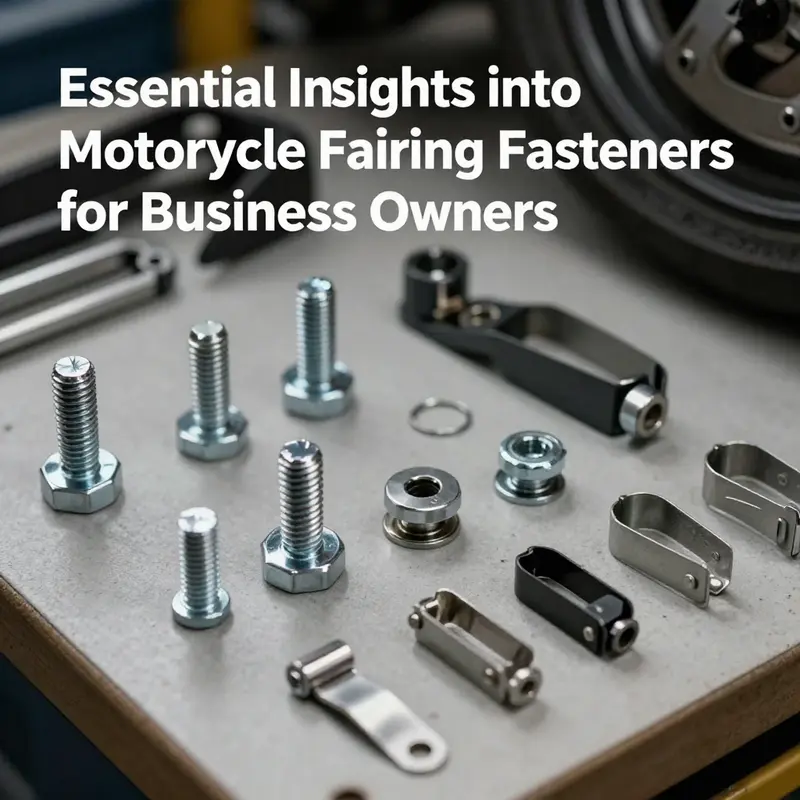
Motorcycle fairing fasteners play a crucial role in securing the aerodynamic body panels, known as fairings, to a motorcycle’s frame. These specialized fasteners are not merely bolts or screws; they encompass a variety of components that are necessary for both functionality and aesthetics in motorcycle design. Understanding the different types and functions of these fasteners helps in appreciating their importance in ensuring the bike’s performance and appearance.
One of the primary categories of fasteners utilized in securing fairings are bolts and screws. Among these, Torx T27 bolts are particularly notable due to their design, which provides a superior grip for precise alignment. This is vital when installing batwing fairings, where stability is paramount to avoid vibrations and misalignment during high speeds. Often, these installations require a specific number of bolts to securely attach each side, with some configurations necessitating up to seven bolts per side. The versatility of universal bolt kits, which include a range of sizes and types, further aids in accommodating various motorcycle models and components such as fenders, panels, and windshields.
Plastic rivets are another type of fastener frequently employed during the fairing installation process. These lightweight yet robust fasteners are particularly useful when dealing with aftermarket setups, as they provide a vibration-resistant attachment that can handle the rigors of motorcycle performance. Their ease of use makes them ideal for initial fairing removals, where quick access to underlying components is needed.
Additionally, motorcycles often benefit from the convenience of quick-release fasteners. Designed for swift detachments, these fasteners allow riders to remove and replace fairings without the need for tools. An example of this is the Trigger-Lock Mounting Kit, which utilizes CNC-machined aluminum for enhanced strength and a no-tool mechanism that simplifies the swapping of fairings. Different variants of these fasteners are available in various lengths and pressure ratings, allowing them to accommodate needs ranging from routine maintenance to racing modifications.
The primary function of these various fastener types is to provide a secure mounting system for fairings while allowing for customization and quick adjustments. This is particularly important in the motorcycle community, where riders frequently modify their machines for performance, aesthetics, or comfort. The attachment of fairings contributes not only to the bike’s cosmetic appearance and aerodynamics but also its handling. By integrating the fairings with the motorcycle’s structural components, these fasteners ensure that the motorcycle remains stable and balanced even at high speeds, affirming their role in both safety and performance.
When it comes to full fairings, the fasteners are engineered to support increased weight, which typically ranges between 15-25 lbs. This weight support is crucial for maintaining stability at speeds exceeding 70 mph. Conversely, half fairings employ a simpler configuration of bolt holes, resulting in lighter overall assemblies that usually weigh between 5-10 lbs. The design nuances between the two have implications not only for weight distribution but also for ease of installation and maintenance. For racing and touring applications, fasteners are specifically designed to minimize drag and enhance airflow, contributing to improved engine performance and rider comfort.
Installation of fasteners is a meticulous process that typically begins with the removal of existing components. This often involves unscrewing a prescribed number of bolts and disengaging plastic rivets, followed by disconnecting any wiring linked to electronic elements, such as lights or displays, that run through the fairings. During reinstallation, it is paramount to employ original equipment manufacturer (OEM) or compatible bolts to ensure both a secure fit and reliable performance. Alignment checks are essential; improper alignment can lead to premature wear or even structural failure of the fairing setup during operation. Some installations may even necessitate inserting additional plugs to accommodate deflectors or lighting systems, showcasing the complexity involved.
It is equally important to consider the compatibility of fasteners across different motorcycle models. Kits, like the K-Speed universals, claim to fit a range of bikes. However, users should remain cautious, as utilizing ill-fitting fasteners may result in increased noise levels at higher speeds or compromise the integrity of the fairing assembly. To prevent such issues, it is advisable to verify model-year specifications, as well as the specific application guidelines provided by the manufacturer. Furthermore, materials selected for the fasteners can significantly influence their longevity and effectiveness. Utilizing weather-resistant materials such as vinyl or EPDM bushings can enhance durability, ensuring the fasteners withstand various environmental conditions, including moisture and temperature fluctuations. Premium fastener kits often come with warranties, further testifying to the quality and engineering behind the components.
The world of motorcycle fairing fasteners is intricate, reflecting the diverse needs of riders and builders alike. Understanding their types and specific functionalities enables enthusiasts and professionals to make informed choices that enhance both performance and custom aesthetics on the road. With such a variety of fasteners available—from traditional bolts to advanced quick-release systems—bikers can efficiently manage their motorcycle’s fairings, ensuring safety and longevity while enjoying the thrill of the ride.
2. Fasteners at Work: Ensuring Fairing Longevity through Effective Maintenance
Motorcycle fairing fasteners are undoubtedly the unsung heroes of a motorcycle’s bodywork structure. These seemly insignificant components are paramount in maintaining the integrity and aesthetics of the bike. By securing bodywork panels and minimizing vibrations, the proper maintenance of these fasteners not only enhances the riding experience but also extends the life of the motorcycle’s fairings, ultimately delivering value and performance over time. The interplay of materials, design, and maintenance practices collectively reflect on how fairing fasteners can significantly determine the user experience informed by reliability and durability.
To appreciate the role that these fasteners play, it is important to understand that their primary purpose revolves around preventing wear and tear caused by common challenges such as vibrations, misalignments, and exposure to environmental elements. The integrity of fairings protects vital components like the engine and fuel systems; thus, compromised fasteners can lead to cascading failures that might affect performance. Ensuring these fasteners remain in top condition greatly mitigates risks associated with micro-dust penetrations and the resultant corrosion, particularly as the motorcycle is exposed to diverse climates.
Key Maintenance Practices for Fasteners
Routine inspections are the first step in a preventative maintenance strategy. Regularly checking the condition of fasteners after outings or cleaning sessions can uncover issues like loosening or wear at critical mounting points. These checks can be simple, yet they hold the potential to prevent serious damage down the line. For instance, forgetting to tighten a fastener after performing maintenance or servicing can lead to misalignments. Over time, misaligned fairings can cause components to rub against one another, resulting in unsightly paint wear and even potential structural failures.
Involving a more technical approach, it’s important to also consider thermal expansion. Materials used in fairing construction, such as ABS plastic or carbon fiber, react differently under varying temperature conditions. A fastener assembly designed for high thermal compatibility can cope better with extreme heat or cold, accommodating changes without causing cracks or detachments. Choosing fasteners specifically engineered for conditions that experience significant fluctuations minimizes stress and ensures optimal performance.
Furthermore, the integration of shock-absorbing bushings stands as an ingenious solution for handling the rigors of rough rides. Original equipment parts may become hard or even crack over time, increasing the risk of noise and structural failure. Replacing ineffective grommets with modern shock-absorbing bushings (like M6 size versions) helps to maintain proper fairing alignment while dampening vibrations. This innovation not only promotes a smoother ride but reduces fatigue on the body panels, significantly extending their life.
Securing fasteners does not merely serve functional purposes; it directly impacts the durability of motorcycle fairings. The aesthetics of motorcycle paint is often a reflective identity of the rider. Glossy or metallic finishes, along with protective clear coats, are vulnerable to wear from environmental factors. When fasteners are secured appropriately, they provide a protective barrier against the penetration of road grime and moisture, which can otherwise chip, fade, or flake paint.
Integrated Maintenance Routine
To effectively manage the long-term health of motorcycle fairings, inspections and maintenance of fasteners should be embedded into a more comprehensive maintenance schedule. This routine should resonate with the cadence of riding habits; for instance, performing checks after long-distance or physically demanding rides is prudent. By weaving inspections into cleaning sessions, both the aesthetics and safety of the motorcycle are preserved.
Touring bikes present unique challenges given their propensity for lengthy rides through variable terrain and conditions. The maintenance of fairing fasteners in these contexts is crucial not just for protection against debris invasion but also in combatting fatigue that arises from high mileage. In fact, frequent checks can prevent catastrophic failures born from the relentless stresses of the road.
The choice of materials for fasteners is equally as important. Durable materials like stainless steel or aluminum alloy not only offer corrosion resistance but also contribute to the overall comfort during rides. Fasteners with greater tensile strength and light weight reduce the overall bulk of the motorcycle, augmenting agility. Furthermore, many aftermarket kits come anodized or designed to resist rust, further extending their usability under harsh riding conditions.
In conclusion, the maintenance of motorcycle fairing fasteners is an ongoing commitment, integral to the bike’s aesthetics, performance, and longevity. Proper selection, routine inspections, alignments, and upgrades (such as the integration of shock-absorbing bushings) collectively ensure that the motorcycle not only boasts a visually appealing fairing but also one that can withstand the challenges of dynamic riding scenarios. With the right care, fasteners contribute to delivering a reliable, significant ride experience and preserving the motorcycle’s broader functional capabilities. To delve deeper into ideal maintenance practices, visit resources discussing comprehensive motorcycle care, where further insights on the upkeep of critical components are explored.
3. Elevating Motorcycle Aesthetics Through Thoughtful Fastener Choices
Motorcycle enthusiasts often seek ways to personalize their rides, and motorcycle fairing fasteners play a pivotal role in this creative endeavor. The customizable nature of these fasteners, available in various colors, materials, and finishes, allows riders to not only secure their bike’s bodywork but also express their identity and style. Each fastener serves a dual purpose: it is a functional component that assures the integrity of the motorcycle’s structure and an aesthetic touchpoint that enhances the overall look of the machine.
The Power of Color and Material
When it comes to customizing motorcycle fairing fasteners, the color and material options are extensive. Anodized aluminum bolts are a popular choice among riders looking to make a statement. Available in a variety of vibrant hues—including gold, red, black, and more—these fasteners can be tailored to match or contrast with the motorcycle’s paint job. For instance, a gold fastener set can add a striking accent to a sleek black fairing, offering a premium look that complements the motorcycle’s overall design theme. Riders can find specialty kits designed for specific models like the Honda Grom 2025+, which provides multiple color choices, allowing for an easy and enjoyable customization experience. This level of visual integration fosters a sense of cohesion on the bike, rounding out the biker’s aesthetic vision while keeping safety and performance paramount.
However, color is not the only factor that influences a rider’s choice. The material of the fastener has a significant impact on durability, weight, and style. For performance-focused models, titanium fasteners present an attractive option; they are remarkably lightweight yet strong, making them ideal for high-speed motorcycles where every ounce counts. Likewise, stainless steel options provide a classic look and exceptional corrosion resistance, ensuring that these fasteners endure the elements over time while adding an understated elegance to the motorcycle’s bodywork.
Seamless Integration into Aesthetics
The integration of fasteners into the motorcycle’s aesthetic goes beyond mere color choices. Fasteners can be engineered for engravings, such as logos or unique patterns, further personalizing the bike. This is particularly effective on models like the Kawasaki Ninja ZX-6R, where riders can select fasteners that not only match but also enhance the limited design opportunities presented by stock bodywork. Fasteners thus become not just functional components ensuring the fairing’s security but also artful expressions of individuality.
The precision of CNC-machined fasteners supports this creative expression; they can be tailored in shapes and designs that align with the aerodynamic profile of a motorcycle. The artistry lies in designing fasteners that not only provide structural integrity during rides but also maintain visual appeal, effortlessly blending into the bike’s contours. Such attention to detail ensures that fasteners play their part in the overall appearance and function of the motorcycle while protecting key components such as frame sliders from impact during a fall.
Supporting Diverse Motorcycle Styles
Customization doesn’t end with material and color; it extends into the very structure of fastener kits. Many manufacturers offer universal fastener kits that comprise an array of bolts, washers, clips, and screws designed to fit various models across major brands. This inclusivity empowers riders with options, making it possible to tailor fasteners to sport bikes, cruisers, and even electric models like Sur-Ron.
Universal kits often come equipped with tools that facilitate easy installation, enabling riders to effortlessly switch out stock hardware for visually appealing alternatives. For those who appreciate the detail, elements such as gold bolts on black fairings not only ensure a cohesive look but also elevate the bike’s high-end appearance without compromising safety. The robust construction of these fasteners means they stand resilient against vibrations, adverse weather conditions, and everyday wear, ensuring that the motorcycle remains as visually striking as it is functional.
Conclusion
In conclusion, motorcycle fairing fasteners do far more than merely hold bodywork together—they are integral to the personalization and visual appeal of the motorcycle. Through careful selection of colors, materials, and finishes, riders can shape their motorcycles into unique expressions of their style. Whether opting for anodized aluminum, durable stainless steel, or lightweight titanium, the choices available influence both the look and performance of the bike. The role of fasteners thus encapsulates a harmonious blend of form and function, affirming their position not only as essential motorcycle components but also as key players in the artistry of motorcycle customization. As riders continue to modify their machines to reflect personal aesthetics and ensure performance, the impact of well-chosen fasteners remains profound, establishing them as vital elements in the identity of contemporary motorcycling.
Chapter 2: Exploring Essential Components: Understand Motorcycle Fairing Fasteners
1. Fastener Fundamentals: Understanding Types, Functions, and Applications in Motorcycle Fairings
Motorcycle fairing fasteners serve as the invisible connectors that hold together the aesthetic and functional aspects of motorbikes. You might not realize it at first, but these small yet mighty components play a critical role in the structural integrity and aerodynamic performance of a bike. In understanding the various types of fasteners available, one can truly appreciate their importance in ensuring that motorcycles look sleek while also performing optimally.
At the core of motorcycle fairing fasteners are bolts and screws, specifically designed to secure bodywork panels made of materials like ABS, fiberglass, or polycarbonate. Common sizes such as M5 and M6 ensure compatibility with a wide array of bike models. For example, bolts come in different lengths, typically ranging from 15mm to 40mm. Among these, flange head bolts are particularly useful because they provide a flush fit against panels, enhancing not only the appearance but reducing wind resistance as well. On the other hand, truss screws offer a broader head for better distribution of load, making them excellent for attaching more extensive bodywork sections.
In addition to bolts and screws, nuts and washers complete the fastening scenario. Premium steel nuts are often used in conjunction with these bolts, ensuring a tight fit that can withstand the rigors of riding. To prevent damage to delicate fairings, plastic washers are frequently employed, providing a cushion that can minimize cracking during installation or maintenance.
Another essential type of fastener is the clip, which includes various designs such as speed clips and spire clips. Speed clips are often used in tandem with flange bolts to create a quick-release mechanism, allowing riders to remove or install components swiftly. This feature can be convenient for track-day enthusiasts who need to make rapid adjustments on the go. Spire clips, on the other hand, function as push-in retainers—offering a simple and effective solution for securing panels without the need for tools. This tool-free option is particularly essential for motorsport participants who might need to frequently access or adjust their machine’s bodywork.
In consideration of ease and versatility, fastener kits have gained significant popularity among motorcycle enthusiasts. These kits may contain between 10 and over 200 components, covering an extensive range of fasteners that cater to various motorcycles, from everyday scooters to high-performance sportbikes. Many kits feature assorted colors, including black, red, and gun-metal, allowing riders to inject a personal touch into their bikes while ensuring that the fasteners fulfill their functional roles effectively. One can find kits tailored specifically for models such as the Honda CBR600RR or Yamaha YZF-R1, attesting to the fitment precision that these assortments provide.
Choosing the right fasteners extends beyond mere aesthetics. Factors such as the material of the fastener become pivotal in determining not just compatibility, but also performance over time. Stainless steel fasteners are celebrated for their weather resistance, making them ideal for riders who encounter varying climates. On the flip side, aluminum fasteners are lighter and often preferred in racing scenarios where weight reduction can enhance performance. Fasteners made from premium steel might emphasize strength and durability, crucial for regular maintenance or rugged riding environments.
When selecting motorcycle fairing fasteners, it is also essential to consider the specific needs dictated by the type of fairings being utilized. For instance, injection-molded ABS fairings may require a different fastening approach than carbon fiber fairings, which are often more delicate and susceptible to stress fractures. The interplay of fairing material and fastener type can significantly influence both the assembly process and long-term durability.
Moreover, the availability of these components cannot be overlooked. The aftermarket has flourished with suppliers dedicated to providing fastener kits tailored for various motorcycles. Leading suppliers often have their products available online, catering to specific models such as the Yamaha FZ6 and the Kawasaki Ninja 300, making it easier than ever for riders to source the perfect fit for their machines. As the community of motorcycle enthusiasts grows, so does the accessibility of customized solutions aimed at enhancing performance and visual appeal.
In the realm of motorcycle fairing fasteners, there exists a unique combination of art and engineering. They are far more than just bolts, screws, or clips; they represent the connection between riders and their machines, ensuring that aesthetics and performance go hand-in-hand. Understanding the various types of fasteners and their applications provides valuable insights not just into the maintenance and customization of motorcycles but also into the ongoing safety and reliability of these thrilling machines.
As the conversation around motorcycle fasteners continues to evolve, the importance of choosing the right materials and manufacturers remains paramount. By doing so, riders can ensure that their motorcycles not only look great but also endure the test of time and performance demands. Exploring options from various suppliers like Monster Fairings provides further resources, facilitating informed decisions when it comes to critical components that keep motorbike bodywork intact.
2. Exploring the Backbone of Motorcycle Fairing Fasteners: Essential Materials
The success of motorcycle fairing fasteners hinges not only on their design but also on the superior materials employed in their construction. Fasteners must endure the rigors of high-speed rides, exposure to various environmental elements, and the intense vibrations of a powerful engine while maintaining the integrity of the motorcycle’s bodywork. As such, understanding the materials that comprise these fasteners can offer insight into their longevity, performance, and relevance across different motorcycle models.
Steel and Stainless Steel form the cornerstone of many fairing fastener assemblies. Steel, specifically high-strength variants, is often selected for its remarkable durability. These fasteners provide an excellent balance of strength and resistance to mechanical stress, making them ideal for securing components critical to safety and performance. For example, Yamaha FZ6 kits utilize premium steel to ensure that high-stress elements remain intact even during aggressive maneuvers.
On the other hand, stainless steel stands out due to its inherent rust resistance. Utilizing grades like 6061-T6, these fasteners offer not only the strength of traditional steel but also enhanced durability under adverse weather conditions. The resistive qualities of stainless steel make it a preferred option for bodywork screws and other hardware that need to withstand moisture and corrosive environments. By incorporating neoprene rubber in designs such as well nuts, manufacturers enhance the compatibility of stainless steel with various motorcycle body panels, promoting a tight seal and flexibility that prevents loosening over time. This combination is particularly beneficial for sport bikes like the Honda CBR954RR, where performance and aesthetics are paramount.
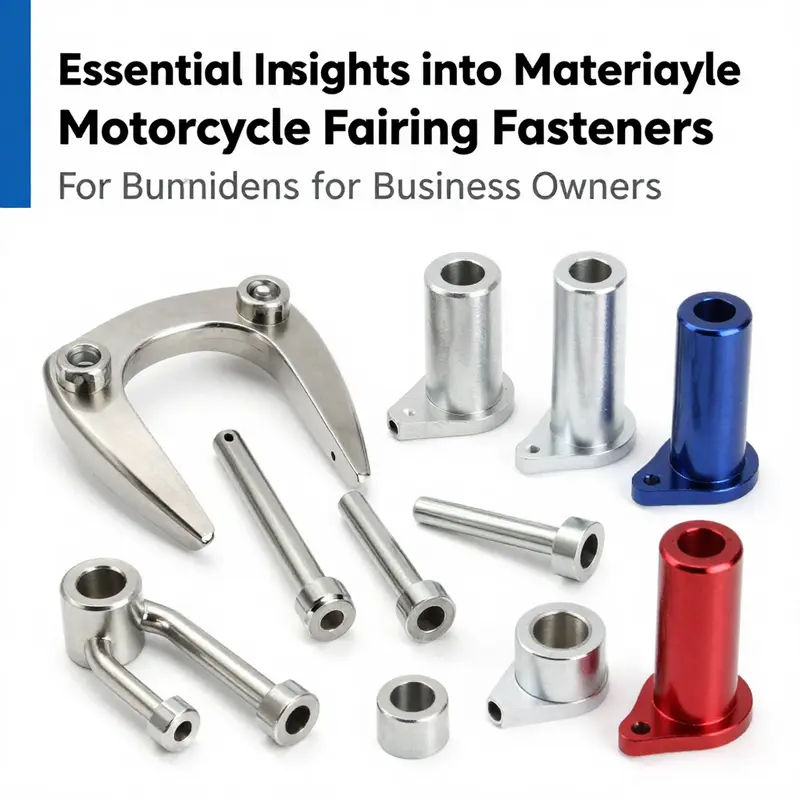
Aluminum Alloys represent another vital material in the landscape of motorcycle fasteners. Renowned for their lightweight properties, aluminum alloys, often CNC-machined or anodized, are integral in designs that prioritize weight reduction without compromising strength. Alloys such as 6061-T6 are frequently used due to their excellent structural integrity and corrosion resistance, making them ideal for applications where reducing weight can enhance overall speed and handling.
When anodized, aluminum fasteners can boast a range of vibrant colors, like black, red, or even gold, appealing to riders who value customization and aesthetics as much as functionality. Anodizing creates an oxide layer that increases oxidation resistance, ensuring that colors remain vivid and the underlying metal is protected from wear. A good example is the anodized fairing screw kits available for popular models like the Kawasaki Ninja 300. These fasteners exemplify both form and function, merging visual appeal with high-performance standards.
Beyond the commonly used metals, a variety of Other Materials come into play. For instance, fasteners may include components made from neoprene rubber, which enhance sealing properties and absorption of impact. These are particularly useful in applications that face significant vibrations or thermal changes, providing longevity to the assemblies and ensuring that fairings remain attached without compromising the motorcycle’s sleek lines.
Additionally, certain fasteners incorporate plastic elements, particularly in smaller bikes or areas where weight savings are paramount. Plastic clips or retainers can provide sufficient holding power for non-structural panels, particularly on lightweight motorcycles like the Chinese CRF50 pit bikes. The strategic use of these materials allows manufacturers to tailor fastener kits to specific models and their unique requirements, ensuring a precise fit and secure installation.
Furthermore, advancements in fastener technology mean that materials are not only functional but can offer aesthetic variations too. For example, bronze-finished fasteners provide both rust resistance and a custom look that appeals to riders looking for that ‘unique touch’ in their motorcycle’s appearance. This added option increases the personalization possibilities, allowing individuals to choose components that not only perform well but also enhance the bike’s visual appeal.
In summary, the choice of materials for motorcycle fairing fasteners goes beyond simple utility; it is crucial for performance, durability, and customization. By understanding the different types of materials available—steel, stainless steel, aluminum alloys, rubber, and plastic—motorcycle enthusiasts can make informed decisions for their bikes, ensuring that every ride is smooth, secure, and tailored to their personal style. As the motorcycle industry evolves, innovations in material science will continue to improve the functionality and aesthetics of fasteners, contributing to the overall riding experience.
For those looking to delve deeper into the aesthetics of motorcycle customization, exploring various assembly kits can provide valuable insights. Websites such as Summit Fairings offer a wide range of options from different manufacturers, making it easier for enthusiasts to find the right fit for their specific motorcycle models, coupled with a variety of color choices that align with personal taste.
3. Innovative Design Elements for Optimal Motorcycle Fairing Fasteners
When it comes to motorcycle fairing fasteners, the stakes are high. These components don’t just serve as securing elements; they are crucial for safeguarding both the aesthetics and performance of the bike at high speeds. The design of motorcycle fairing fasteners involves meticulous attention to several critical parameters, including vibration resistance, corrosion protection, secure mounting to withstand dynamic loads, and compatibility with various fairing materials used in today’s sportbikes, dirt bikes, and scooters.
One of the primary considerations is corrosion resistance, a non-negotiable feature for fasteners. Materials such as stainless steel and graded alloys are popular choices. These metals not only resist corrosion from environmental factors but also maintain the integrity and longevity of the fasteners. Given the extreme conditions faced by motorcycles—such as inclement weather and exposure to road elements—selecting fasteners that can withstand such challenges is imperative for both performance and safety.
Redundancy in fastening creates additional layers of security. By incorporating elements like riveted inserts at critical stress points on the motorcycle, designers enhance the reliability of the joints. This becomes particularly important during high-impact situations or when the bike is called to handle dynamic activities like racing or off-road riding. Ensuring that the fastener system won’t fail in these demanding scenarios requires insightful design, forethought, and rigorous testing.
Aerodynamic fastener designs are also essential. For motorcycles, where aerodynamics can significantly influence performance, flush or low-profile head designs—such as button or flat head screws—are preferable. They not only help in minimizing drag but also maintain the visual aesthetic of the motorcycle. In addition, the design of these fasteners should harmonize with the overall look of the motorcycle, providing a functional yet visually appealing solution.
Vibration control represents another critical design element in motorcycle fairing fasteners. Fasteners must effectively address the wear caused by vibrations that can arise during operation. For this reason, direct-frame mounting systems that incorporate rubber dampeners are highly favored. These systems outperform attachments that rely solely on handlebars or forks, significantly reducing instances of wobble and vibrations. Research has shown that vibrations account for nearly 68% of post-installation issues, so engineers must carefully consider this aspect when designing fasteners to ensure reliability and performance under varying operational conditions.
Equally important is adherence to torque specifications. Fasteners should align closely with Original Equipment Manufacturer (OEM) torque specs, which dictate how tightly fasteners should be secured. Avoiding overspecification—where high-strength bolts are used in applications for which their strength is unnecessary—can mitigate excess weight and prevent potential cracking of materials such as plastic fairings. Engineers need to strike the right balance between strength and practicality in their designs.
The inclusion of locking mechanisms is another architectural innovation in fastener design. Elements such as castle nuts with cotter pins provide substantial security by preventing loosening under various loads. This is particularly relevant in high-speed scenarios where aerodynamic forces might otherwise draw fasteners loose. Understanding the forces at play and effectively addressing them ensures the integrity of the assembly remains intact over time.
Additionally, material compatibility and interaction are paramount when designing fasteners for different fairing types. For instance, fasteners intended for ABS fairings best operate when paired with non-galling stainless fasteners that are lubricated during installation. On the other hand, fiberglass fairings necessitate edge reinforcement to prevent cracking at the mounting points, demanding a bespoke approach in fastener design to accommodate these variations in material characteristics.
Serviceability, particularly in racing environments, raises the profile for quick-release options. Fasteners that allow for rapid removal and reattachment optimize service during pit stops, enabling teams to work efficiently without being bogged down by excessive use of tools. Quick-release systems emphasize user-centric design, putting convenience at the forefront while maintaining safety standards and performance.
Moreover, alignment and adherence to regulatory standards cannot be overlooked. The design process must ensure that fasteners align correctly with the frame geometry and accessories, as any misalignment could lead to catastrophic failures during operation. Fasteners must also comply with regulations such as FMVSS 111 and ISO 11442, which provide guidelines for performance and safety standards in the transportation sector.
Implementing a comprehensive strategy that includes safety redundancies and custom engineering factors is vital in producing high-quality motorcycle fairing fasteners. Features such as multiple fasteners per mount, placement away from hot exhaust areas, and extensive testing for high-speed performance create a strong foundation for durability and reliability. Custom engineering that considers thread specifications, shear strength, and load distribution further enhances the fasteners’ effectiveness in harsh, dynamic environments.
In conclusion, the integration of thoughtful design elements in motorcycle fairing fasteners plays a pivotal role in ensuring a safe and reliable riding experience. From selecting materials that resist corrosion to optimizing designs for aerodynamics and vibration control, every aspect contributes to the overall functionality and integrity of motorcycle fairings—critical components that protect and enhance the motorcycles we cherish.
For further reading on specific motorcycle fairing applications, visit this link to various motorcycle fairings where you can explore a wide array of options.
Chapter 3: Unlocking Performance: The Integral Role of Motorcycle Fairing Fasteners
1. Fasteners and Their Impact on Motorcycle Structure and Performance
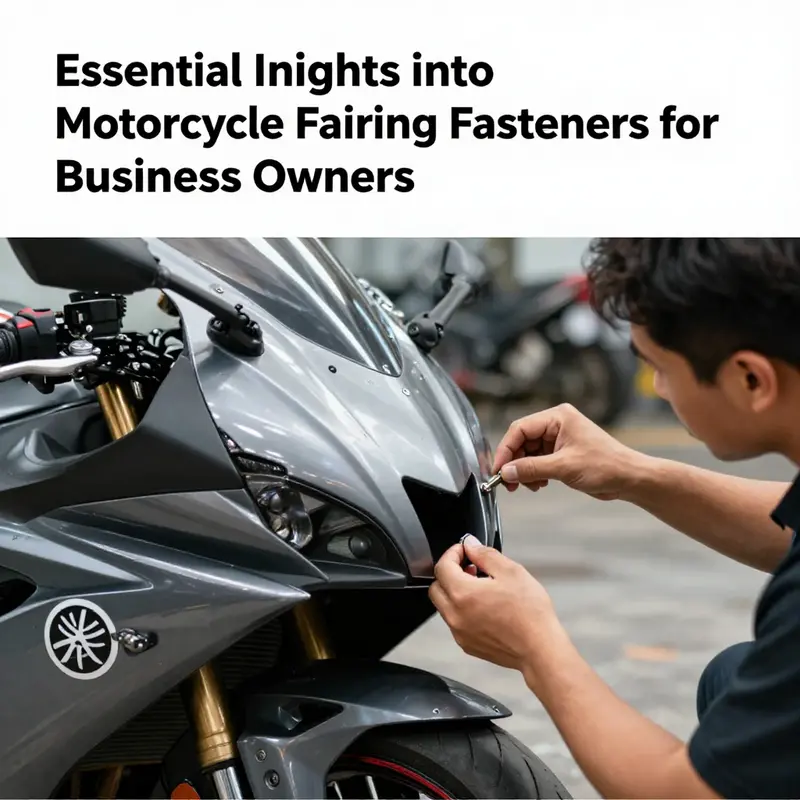
Motorcycle fairing fasteners play a pivotal role beyond mere hardware; they are the unsung heroes that maintain the integrity and performance of a motorcycle’s bodywork. These specialized components secure aerodynamic panels and other structural elements, impacting everything from performance optimization to aesthetic appeal. Understanding their applications reveals how critical these fasteners are in enhancing rider experience and ensuring safety.
Primary Applications
One of the foremost applications of motorcycle fairing fasteners is the attachment of aerodynamic panels. Fairings, which form the motorcycle’s outer shell, are designed not only for aesthetics but also for improving wind management and reducing drag. In sportbikes, full fairings allow for a sleek design that aids in slicing through the air, enhancing speed and stability at high velocities. Conversely, touring setups utilize fasteners that accommodate more extensive body coverage to provide comfort and weather protection during long rides. Here, fasteners must secure panels tightly to maintain structural integrity while being lightweight enough not to hinder the bike’s performance.
Race fairings present a different challenge, as they are engineered for extreme performance with features like close-fitting designs to enhance downforce and minimize weight. These applications necessitate fasteners that are not only rugged but also precise in their dimensions, given the harsh conditions faced on the track. Fasteners such as the M6 bolts are ideal for this purpose, providing reliable support for body panels while contributing to the overall weight efficiency of racing machines.
Another crucial application is the installation and securing of windscreens. Fasteners specifically engineered for windscreen attachment, like M5 kits, play an essential role in protecting both the rider and the motorcycle components. Windscreens are significant for touring motorcycles, where they act as shields against wind resistance and poor weather, reducing rider fatigue during long journeys. Here, the fasteners must resist vibrations and weather elements while providing a snug fit to prevent loosening over time.
Addressing Vibrational Challenges
Vibration is an inherent challenge in motorcycle operation, often leading to fastener loosening and potential structural issues. Motorcycle fairing fasteners combat this through specialized designs. For instance, M4 neoprene well nuts in conjunction with stainless steel screws prevent the fasteners from vibrating loose, ensuring stability. This innovation not only secures the fairings but also protects the surfaces of the motorcycle from damage that could occur due to constant movement and engine vibrations.
Hardware Specifications
Fasteners in the motorcycle realm are engineered for compatibility and standardization. M6 fasteners are most commonly used across a wide range of motorcycle manufacturers, including Japanese, European, and American designs, serving as universal replacements for factory-installed options. M5 versions, while lighter, are specific to applications like windscreens, underscoring the tailored approach to fastener design in the biking world. Moreover, the inclusion of quick-release types such as 1/4-turn Dzus fasteners enables swift fairing removal for maintenance, making them invaluable to mechanics and enthusiasts alike.
Customization and Aesthetic Enhancements
Beneath the surface of functionality, motorcycle fairing fasteners also cater to the growing trend of aesthetic customization. Riders increasingly seek not just performance but also personalization of their machines. Anodized fastener sets provide an easy avenue for enhancing a motorcycle’s visual appeal. Riders can replace dull stock fasteners with vibrant, color-matched alternatives that complement their bike’s paint job, thus merging functionality with style. This blend of aesthetics and engineering further promotes individuality among bikers and fosters a culture of customization where each motorcycle reflects the personal taste of its owner.
Mechanics and enthusiasts alike should understand the profound importance of fasteners in both structural integrity and visual appeal. The ability to enhance a bike’s performance and aesthetics simultaneously underscores the ingenuity behind these simple-looking components.
In summary, motorcycle fairing fasteners are critical to ensuring that structural components stay secure while also contributing to the overall aesthetic and performance of the motorcycle. Fasteners serve multiple roles across diverse applications—from securing aerodynamic panels and windscreens to reducing vibration effects and offering customization options. Understanding these elements is essential for any rider looking to optimize their machine, whether for competitive racing or everyday commuting. Ensuring that the correct fasteners are in place isn’t just about maintaining appearance; it’s about enhancing safety, stability, and performance on the road.
For further details on specific models and advanced applications, riders can explore a comprehensive collection of fairings, specializing in various makes and models.
2. Navigating Compatibility: Ensuring Perfect Fit for Motorcycle Fairing Fasteners
When it comes to upgrading or replacing motorcycle fairing fasteners, understanding compatibility across different motorcycle types is vital. Motorcycle enthusiasts often underestimate the complexities involved in selecting the right fasteners, but the nuances in specifications can significantly affect both performance and aesthetic appeal. This guide addresses how to navigate the landscape of fastener compatibility, ensuring that your motorcycle fairing remains secure and stylish.
Diverse Specifications of Thread Sizes
One of the foundational elements to consider is the thread size of the fasteners. Most motorcycles utilize either M5 or M6 bolts, with each thread size designated for specific models or types of motorcycles.
- M5 Bolts: These fasteners are prevalent among many Japanese and European sportbikes and typically have lengths of 20mm. With around 16mm of threading, they play a crucial role in securing the aesthetic and aerodynamic components of the bike, such as full fairing panels.
- M6 Fasteners: These are commonly found in pit bikes and various other models, often imported from markets like China. Although larger, M6 fasteners share a similar purpose in ensuring parts remain securely attached to your machine.
Notably, these thread sizes are not interchangeable. Using the incorrect thread size can lead to misalignment, weakening of the component, or even damage to the motorcycle. Therefore, pinpointing your motorcycle’s specific fastener specifications through the owner’s manual or manufacturer resources is essential.
Verifying Compatibility
To achieve optimal compatibility, start by cross-referencing your motorcycle’s make, model, and year with the product specifications of new fastener kits. Quality fastener kits will clearly indicate which motorcycle models are compatible, helping you make informed decisions. A product page should feature a list of compatible motorcycle brands and models, ensuring that enthusiasts can quickly verify accurate fits.
If you are considering replacement, an effective method is to measure your current fasteners. Taking note of both the thread size and the length will assist in finding the right replacements. If you have lost or damaged the original fasteners, prioritizing universal bolt kits with common sizes might seem appealing; however, it’s crucial to remember that universal fasteners are often more appropriate for aesthetic purposes rather than securing critical components firmly.
Installation Insights
Most aftermarket fairings made from carbon fiber or other durable plastic materials are designed to fit as direct replacements for stock parts. This ease of installation might seem simple on the surface, but nuances exist. Proper alignment is essential; improperly tightened fasteners can result in fairings that rattle or even dislodge entirely at high speeds, compromising both performance and rider safety.
If one lacks experience in fairing installation, it’s advisable to seek assistance from a professional or someone knowledgeable about your specific motorcycle type. They can provide valuable guidance on ensuring that fasteners are tightened appropriately and installed correctly, preventing shifts in the fairing that could affect aerodynamics or create safety risks on the road.
Special Consideration for Common Models
Compatibility varies not just by thread size but also by specific models. For instance, a thorough examination of popular models such as the Yamaha FZ6 (2009), Honda CBR954RR (2002–2003), and Kawasaki Ninja 300 is essential. Each of these models has distinct fastener requirements and designs. Aftermarket suppliers often provide extensive fairing kits compatible with these bikes, featuring a range of bolt lengths from 15mm to 40mm, ensuring the right fit for respective bikes.
Furthermore, many of these kits offer fasteners in a variety of appealing colors like gold, black, or red, allowing riders to customize their machine’s aesthetic. Such options enhance not only the look but also the perceived value of the motorcycle.
Corrosion Resistance and Weight Considerations
Given their importance, fasteners’ material composition is an aspect not to be overlooked. Fasteners made from stainless steel, aluminum alloy, or premium steel typically offer excellent strength and corrosion resistance, enhancing longevity. Lightweight aluminum fasteners are particularly sought after for sportbike applications, offering strength while reducing weight—a critical factor in enhancing handling and speed. Many of these options boast anodized finishes to prevent rust, further extending their lifespan.
For serious riders, ensuring the right fairing fasteners are used can make a noticeable difference in performance and maintenance ease. After all, achieving the ideal alignment and fit not only preserves the motorcycle’s aesthetics but also contributes to higher safety standards. The ultimate goal is seamless integration of fasteners with the bodywork, preserving the visual appeal while ensuring the motorcycle’s performance is not compromised.
For more specialized options or kits tailored to specific brands like Honda or Yamaha, visiting dedicated resources can provide clarity and access to the exact parts needed for your model. For example, a catalog of Honda fairing options can be explored further at relevant sites offering comprehensive fairing kits to suit a variety of models (Honda Fairings Collection). This ensures that every motorcycle enthusiast can find the right solution for their ride, enhancing compatibility and style while ensuring safety on the road.
3. Navigating the Economic Landscape and Technological Advancements in Fastener Applications for Motorcycle Fairings
Motorcycle fairing fasteners stand at a crucial intersection of cost management, structural integrity, and design versatility, directly impacting manufacturing efficiency and rider safety in the motorcycle industry. As the demand for high-performance motorcycles escalates, the selection and application of these specialized fasteners become pivotal not only on a technical level but also from an economic standpoint.
Technological Catalysts in Fastener Selection
At its core, the choice of motorcycle fairing fasteners shapes the entire assembly strategy for fairings, which serve as protective and aerodynamic components of a motorcycle’s body. The use of corrosion-resistant materials—such as stainless steel and aluminum alloys—enhances both the performance and longevity of motorcycles. These materials are not just a matter of preference; they are essential in ensuring that fasteners can withstand harsh environmental conditions, thus maintaining the structural reliability of fairings under various loads and stresses.
Particularly, the distinction between different fastening approaches—whether fork-mounted or nacelle-mounted—presents unique engineering constraints. Each mounting style necessitates its own tooling, machining processes, and material reinforcements, affecting both labor costs and design feasibility. As motorcycle speeds increase and performance standards rise, fastener integrity becomes a critical, non-negligible detail within the broader scope of motorcycle engineering.
The integration of advanced materials science in fastener design adds another layer of complexity to the engineering process. Fasteners are increasingly subjected to rigorous testing to confirm their ability to withstand significant aerodynamic forces. For instance, motorcycle builders often incorporate additional fiberglass layers or use riveted inserts at vital mount points to mitigate the risks of delamination or cracking during operation. As these margins between failure and reliability tighten, riding experiences and safety protocols are impacted directly by the technologies employed in fastener design.
Economic Considerations And Market Accessibility
From an economic viewpoint, the landscape surrounding fairing fasteners emphasizes modularity, durability, and scalable production. Manufacturers benefit significantly from standardizing fastener components, reducing overhead costs associated with tooling and accelerating the production cycle. This standardization not only enhances operational efficiency but also directly influences the affordability and availability of fasteners for consumers.
The rise of plug-and-play installation designs represents a substantial economic advantage. Such systems empower riders—particularly those with a penchant for DIY motorcycle repair and customization—by allowing them to install fairings without the need for professional assistance. This accessibility reduces labor costs and democratizes motorcycle maintenance, rendering it more appealing to a broader audience. The potential for personalized upgrades ensures a thriving aftermarket, drawing in hobbyists and everyday riders alike who wish to enhance their motorcycles’ performance and aesthetics without incurring exorbitant service charges.
Supply chain dynamics further complicate the economic landscape for motorcycle fasteners. Variations in regional manufacturing capabilities and the sourcing of raw materials create a tapestry of pricing and availability scenarios worldwide. For example, manufacturers in Asia-Pacific regions may face different economic conditions compared to their European counterparts, directly impacting the final pricing of corrosion-resistant fasteners.
As consumer expectations shift towards customization and personalization, the fastener market faces challenges in meeting both quality and cost-efficiency. Any emerging production techniques that allow for shorter cycle times are often accompanied by a rise in costs, especially when special or bespoke fastening solutions are necessary for niche motorcycle models. This balance between maintaining competitive pricing while responding to changing consumer demands represents a persistent challenge within the industry.
Strategic Impacts on Business and Customization Trends
For entrepreneurs exploring the realm of custom fairing programs, fastener selection can wield a considerable influence on their competitive edge in the market. Strategic choices in materials and robust mount design enable not only better control over production costs but also facilitate rapid prototyping. Enhanced material characteristics contribute to the overall perception of quality and performance, thereby fostering brand equity predicated on durability and craftsmanship, essential elements in a crowded and competitive market.
Manufacturers who prioritize high-quality fasteners alongside thoughtful design methodologies are likely to see better retention rates and heightened customer satisfaction. Attention to detail in fastener selection—paired with effective marketing—can elevate perceptions of quality and set a brand apart from competitors.
In conclusion, motorcycle fairing fasteners play a vital role not just in the mechanics of motorcycle design, but also in shaping the economic framework of the industry. Understanding the intricate relationship between fastener technology and economic implications can empower manufacturers, riders, and enthusiasts alike to make informed choices that enhance safety, operational efficiency, and personal satisfaction in the motorcycle riding experience. As the landscape continues to evolve, the focus on innovative fastener technology coupled with economic strategies will illuminate pathways for future growth and advancement within the motorcycle sector.
Final thoughts
The exploration of motorcycle fairing fasteners reveals their vital role in the motorcycle industry. They not only ensure the structural integrity of the bike’s bodywork but also allow for personalization through various colors and finishes. By choosing high-quality fasteners, business owners can enhance the performance, safety, and aesthetics of motorcycles, meeting the demands of their customers. Understanding the types, materials, and compatibility of these fasteners can drive better purchasing decisions, ultimately leading to satisfied customers and a thriving business.
Ready to elevate your ride? Summit Fairings delivers premium, custom-fit fairings that blend style and durability. Whether you’re chasing speed or turning heads, we’ve got your bike covered. Don’t wait—transform your machine today. Click, customize, and ride with confidence. Your perfect fairing is just a few clicks away. Act now!
About us
We are one of the leading motorcycle fairing export sites, with over 3,000 styles across almost all motorcycle models. Buy from summitfairings.com, and pay 10-40% less than the prices on other sites. If you have any questions, we promise we will have your answer within six hours.