
Introduction
Motorcycle fairing wind deflectors play a crucial role in enhancing the riding experience by managing airflow, reducing turbulence, and improving comfort for riders. For business owners in the motorcycle industry, understanding these components can lead to better product offerings and customer satisfaction. This article will explore the aerodynamics and performance of wind deflectors, the various types and materials available, installation and maintenance tips, comparisons between aftermarket options and OEM products, and the overall impact on riding comfort and safety. Each chapter will provide valuable insights to help you better serve your customers and improve your business solutions in the motorcycle market.
Tables of Contents
Chapter 1: Harnessing the Wind: How Fairing Wind Deflectors Transform Motorcycle Aerodynamics
- Unleashing Performance and Stability: The Aerodynamic Role of Wind Deflectors
- Revolutionizing Rider Experience: Materials and Design Progress in Motorcycle Wind Deflectors
Chapter 2: Understanding Fixed Wind Deflectors: Enhancing Comfort and Performance on Two Wheels
- The Essential Role of Fixed Wind Deflectors and Their Materials in Motorcycle Fairing Performance
- Understanding the Strengths and Weaknesses of Wind Deflector Materials
Chapter 3: Mastering the Art of Installing Motorcycle Fairing Wind Deflectors for Optimal Comfort
- Step-by-Step Guide to Installing Your Motorcycle Fairing Wind Deflectors
- Essential Upkeep for Longevity of Wind Deflectors
Chapter 4: Navigating the Choices: OEM and Aftermarket Wind Deflectors for Motorcycle Fairings
- Quality, Cost, and Performance: Unpacking the OEM vs. Aftermarket Wind Deflector Debate
- Making Informed Decisions: Key Factors in Choosing Aftermarket vs. OEM Motorcycle Fairing Wind Deflectors
Chapter 5: Enhancing the Ride: The Critical Role of Motorcycle Fairing Wind Deflectors
- Aerodynamics and Comfort: How Motorcycle Fairing Wind Deflectors Relieve Rider Fatigue
- Stability and Serenity: How Wind Deflectors Transform Motorcycle Safety
Chapter 1: Harnessing the Wind: How Fairing Wind Deflectors Transform Motorcycle Aerodynamics

1. Unleashing Performance and Stability: The Aerodynamic Role of Wind Deflectors
The influence of aerodynamics on motorcycle performance and stability is profound, particularly when it comes to the integration of wind deflectors into their fairing systems. These accessories are not merely cosmetic; they are pivotal components designed to manage airflow efficiently, resulting in significant improvements in fuel efficiency, ride comfort, and overall bike control.
One of the primary functions of wind deflectors is their ability to alter the airflow pattern around the motorcycle and rider. A well-engineered wind deflector minimizes wind turbulence, dramatically decreasing buffeting—a common problem at higher speeds. This reduction translates into a more stable ride, enabling the motorcycle to handle better under various conditions, including windy weather and high-speed travel. Essentially, the deflectors act as a barrier, guiding the air away from the rider’s body, which helps maintain a consistent and ergonomic riding posture.
The aerodynamic design of a motorcycle has far-reaching implications not only for ride stability but also for fuel consumption. By reducing air resistance, or drag, wind deflectors enhance fuel efficiency rates. Riders can experience improved mileage, allowing for longer trips between fuel stops, a considerable advantage for those who favor long-distance journeys. Studies indicate that even minor adjustments in a motorcycle’s airflow can lead to noticeable benefits, proving that every detail counts when it comes to performance metrics like drag coefficient.
Adding to the riding experience, the decrease in wind pressure on a rider’s torso and upper body lessens physical fatigue, especially during extended rides. Riders often face the challenge of wind resistance that requires physical exertion to counterbalance. This is where wind deflectors shine: by reducing the strain from wind resistance, they allow motorcyclists to enjoy longer periods of travel with less discomfort. Riders can maintain focus, conserve energy, and ultimately enjoy the journey more fully.
The functionality of wind deflectors extends beyond mere comfort. When properly placed, these devices optimize airflow management while preserving the motorcycle’s original aerodynamic profile, ensuring that the overall design remains sleek and efficient. Strategically located deflectors can direct airflow away from critical areas, such as the rider’s chest and neck, which is essential for maintaining a balanced and controlled ride.
Moreover, the impact of crosswinds is significantly mitigated through the use of wind deflectors. Riding at high speeds or navigating along highways often means dealing with sudden gusts of wind that can disrupt handling. Here, wind deflectors enhance stability, actively counteracting the effects of side winds and ensuring that the rider maintains control of their motorcycle. The improved handling becomes particularly noticeable during high-speed cornering, where aerodynamic efficiency plays a crucial role.
Durability is another essential factor in the effectiveness of wind deflectors. Constructed from high-strength materials designed to withstand the rigors of wind and road debris, these accessories maintain their structural integrity over time. Riders can count on their deflectors to perform consistently, regardless of the conditions they encounter.
The integration of wind deflectors is not just about enhancing performance; it is about merging form and function. High-quality deflectors designed with aerodynamic principles are practical enhancements that improve both ride quality and safety. Recent advancements in design technology have led to innovations in adjustable air deflectors and fixed windshields, allowing for personalized adjustments suited to various riding conditions. Riders are empowered to tailor their motorcycles’ aerodynamic characteristics, further enhancing their riding experience.
From classic models to contemporary designs, manufacturers have effectively recognized the importance of aerodynamics in motorcycle engineering. For instance, iconic brands have incorporated wind deflectors into their designs, ensuring that every motorcycle offers a blend of comfort, efficiency, and superior dynamics. Riders can explore options such as adjustable deflectors, optimizing their motorcycle for speed and stability in diverse environments.
In conclusion, wind deflectors significantly enhance the aerodynamic performance of motorcycles, bringing forth a multitude of benefits that extend from efficiency to comfort. For enthusiasts and casual riders alike, the thoughtful addition of wind deflectors can transform the riding experience. By alleviating fatigue and improving control, these unsung heroes of motorcycle design serve as a testament to the fusion of engineering and rider-centric design. As riders consider upgrades or redesigns, investing in high-quality wind deflectors is a strategic move that enhances both the joy of riding and the profound connection with the open road.
For a deeper dive into motorcycle fairing options tailored to various models, check out the collection of Honda fairings that showcases a variety of aerodynamic enhancements.
2. Revolutionizing Rider Experience: Materials and Design Progress in Motorcycle Wind Deflectors
The evolution of motorcycle fairing wind deflectors represents a significant leap forward in the quest for enhanced aerodynamics and rider comfort. This convergence of material science and design ingenuity addresses the needs of modern motorcyclists who crave both performance and a comfortable riding experience. Over the years, advancements in material technology have brought forth a variety of options that not only serve a functional purpose but also contribute to the overall aesthetic of the motorcycle.
Traditionally, wind deflectors were crafted from basic materials that offered limited durability and efficiency. However, modern deflectors often utilize high-strength materials, such as steel, which provide exceptional robustness while maintaining resistance to deformation. Products like the fork-mount wind deflectors from leading manufacturers demonstrate how steel can enhance structural integrity, permitting riders to experience reduced turbulence and wind resistance even at higher speeds. These deflectors ensure that the rider enjoys a smoother experience, translating into less fatigue and more enjoyable long-distance journeys.
In parallel with metal technologies, advancements in polymer sciences have transformed the landscape of motorcycle accessories. Materials like Acrylonitrile Butadiene Styrene (ABS) plastic are becoming more commonplace, especially in custom and sport-oriented motorcycles. This material offers a lightweight alternative that does not compromise on impact resistance and durability. The adoption of ABS allows manufacturers to create deflectors that not only streamline airflow but also significantly decrease the weight of the motorcycle, contributing to improved handling characteristics. For instance, the Qiilu motorcycle windscreen showcases these advantages by minimizing wind noise while optimizing airflow, providing riders with an enhanced comfort level particularly beneficial at freeway velocities.
The design of wind deflectors has also witnessed substantial innovations, directly affecting their performance and the comfort of riders. Adjustable windshields have emerged as a leading trend, allowing for real-time customization of aerodynamic profiles. This adaptability means that riders can alter the angle of their deflector according to specific requirements—whether based on their riding posture, the speed at which they are traveling, or current weather conditions. Such personalized adjustments not only enhance stability but also dramatically improve the overall riding experience.
Another exciting development in wind deflector design is the trend toward integrated styling features. Profiles like the flared or “Batwing” shapes are not just attractive; they are crafted to optimize performance by directing airflow away from the rider’s body efficiently. Models that integrate these beautiful, dynamic lines into their fairing systems often illuminate the balance manufacturers strive for between aesthetics and aerodynamics. This melding of form and function is key in modern motorcycle design, as riders appreciate the combined visual appeal and improved performance of their machines.
The construction techniques used in wind deflector production have similarly evolved, employing advanced manufacturing processes such as injection molding for plastics or precision machining for metals. This evolution enables not only ever-increasing quality but also the possibility of intricate designs that appeal to a wide variety of motorcycling enthusiasts. The increased availability of aftermarket options means that riders can find perfect fits for their specific models. For example, classic bikes like the 1985 Honda GL1200 Goldwing can be retrofitted with wind deflectors that balance functional integrity with stylistic flair, bringing a new life to vintage models.
Overall, the progressive developments in materials and design of motorcycle fairing wind deflectors illustrate an industry that is keenly attuned to the needs of its riders. With every innovation, manufacturers work to better harness airflow dynamics, enhance rider comfort, and mitigate the fatigue associated with long rides. These advancements reveal a deeper understanding of the relationship between rider ergonomics and motorcycle dynamics. Today’s deflectors serve not merely as accessories but as pivotal components that elevate the overall motorcycling experience.
For riders looking to explore more about their options in today’s market, resources like manufacturer websites provide comprehensive insights into warranties and product lines available. Exploring platforms that specialize in motorcycle fairing accessories can lead to valuable discoveries that suit the unique needs of each rider. For instance, comprehensive catalogs of popular fairings can be found at various online retailers, allowing enthusiasts to search for the perfect match for their motorcycle model.
Chapter 2: Understanding Fixed Wind Deflectors: Enhancing Comfort and Performance on Two Wheels
1. The Essential Role of Fixed Wind Deflectors and Their Materials in Motorcycle Fairing Performance
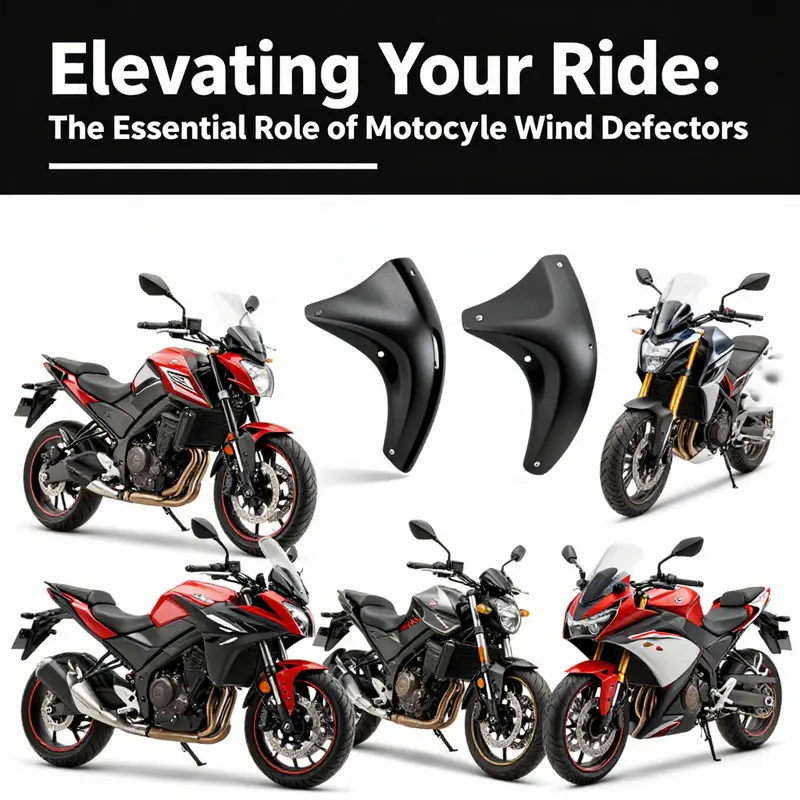
Fixed wind deflectors represent a pivotal advancement in motorcycle design, significantly impacting the rider’s experience by reducing wind resistance, turbulence, and overall fatigue. These deflectors, often referred to as windshields, are seamlessly integrated into a motorcycle’s fairing system or fixed onto the handlebars, serving as a reliable front barrier against the relentless forces of nature encountered during high-speed rides.
As riders navigate increasingly demanding landscapes at higher velocities, the need for effective wind deflection becomes paramount. Fixed wind deflectors are engineered to manage airflow efficiently, directing wind away from the rider’s body. This not only enhances comfort but also contributes to improved control and stability, fundamentally transforming the long-distance riding experience. The absence of adjustable elements in fixed deflectors allows for a clean design that integrates smoothly with the motorcycle’s aesthetics while maintaining structural integrity under dynamic conditions.
Materials that Enhance Performance and Durability
The effectiveness of fixed wind deflectors is largely attributable to the materials from which they are constructed. Manufacturers favor specific substances to ensure that these deflectors not only withstand high-speed airflow but also endure the wear and tear of environmental elements such as UV radiation, precipitation, and temperature fluctuations.
-
Hard-Coated Polycarbonate:
One of the most popular choices, hard-coated polycarbonate stands out for its remarkable balance between weight and strength. Renowned brands like Harley-Davidson utilize this material in their wind deflectors due to its superior impact resistance compared to traditional glass. This characteristic is particularly relevant for motorcyclists frequently exposed to debris on the road, where safety is a significant concern. Additionally, the hard coating enhances scratch resistance, ensuring that clarity remains uncompromised over time. For instance, the rigid structure allows the deflector to sustain its form without warping under stress, thus maintaining optimal aerodynamics. -
ABS (Acrylonitrile Butadiene Styrene):
Known for its robustness and versatility, ABS is commonly utilized in various motorcycle accessories, including wind deflectors. This thermoplastic polymer can be molded into intricate shapes, enabling manufacturers to create designs that conform closely to the motorcycle’s fairing for maximum efficiency. While ABS wind deflectors may not offer the same level of impact resistance as polycarbonate counterparts, they compensate with cost-effectiveness and significant durability for everyday use. Models like the BMW R1200GS and F650GS utilize ABS-based deflectors, showcasing the material’s widespread acceptance in the motorcycle industry. -
Steel Components:
While steel is less frequently used for the wind deflector surface itself, it plays a crucial role in the structural components of wind deflector systems. In certain configurations, such as fork-mounted systems, steel provides strength and durability against the forces exerted during operation. Specific models from Harley-Davidson incorporate steel in their design, enhancing the resilience of wind protection systems while balancing the bulkiness that metal introduces. The strategic incorporation of steel ensures that the critical elements of stability and longevity are addressed, even if it adds weight compared to plastic options.
Considerations for Installation and Compatibility
Ensuring the proper fitment of fixed wind deflectors is essential for their performance. Typically sold as single units or pairs, compatibility is a central consideration. Riders must choose a wind deflector suited to their specific motorcycle model to guarantee effective installation and optimal functionality. For instance, motorcycles equipped with Fairing Lowers may present challenges in accommodating certain wind deflector types due to their unique structural configurations. Thus, attention to the model-specific requirements is vital for seamless integration.
Installation procedures generally come with detailed instructions tailored for the model at hand, sometimes necessitating specialized hardware. This attention to detail not only enhances ease of installation but also assures riders of the deflector’s reliability once fitted. Proper installation can drastically affect performance, as a misaligned deflector might lead to increased turbulence rather than the desired wind reduction.
Additional Resources
For riders interested in delving deeper into material specifications, warranty terms, and installation resources, the official websites of manufacturers provide invaluable insights. Harley-Davidson, for instance, offers extensive product pages detailing their batwing fairing wind deflectors, ensuring prospective buyers have access to all necessary information for informed purchasing decisions. Such resources empower riders to enhance their motorcycle experience while maximizing comfort and performance on their journeys.
Fixed wind deflectors, made from innovative materials and crafted for compatibility, not only protect riders from adverse weather conditions but also contribute to an easier and more enjoyable ride. As manufacturers continue to pioneer advancements in design and materials, the future of motorcycle fairing wind deflectors will likely see even greater improvements, maintaining the focus on rider satisfaction and safety on the open road.
2. Understanding the Strengths and Weaknesses of Wind Deflector Materials
When delving into the world of motorcycle fairing wind deflectors, the choice of materials emerges as a critical factor influencing not only the effectiveness of these devices but also their longevity and overall performance on the road. Different materials cater to varied needs and preferences among riders, each with unique properties, advantages, and disadvantages. This synthesis of strengths and shortcomings highlights how wisely selecting materials can enhance the riding experience.
Polycarbonate (PC) stands at the forefront as the premium material choice for motorcycle fairing wind deflectors. Its exceptional impact resistance and high transparency make it a favorite among performance-oriented riders. The clarity it offers is comparable to that of glass, ensuring that visibility remains uncompromised even at high speeds. Notably, many high-quality imported PC deflectors come coated with a protective layer that resists scratches and UV degradation, allowing them to maintain clarity for up to six years or more under normal operating conditions. This longevity is particularly appealing for long-distance riders who seek reliable wind protection over extended periods.
However, while polycarbonate excels in several areas, it can also be prone to minor scratches if not maintained properly. Riders must exercise care, as the material can dull if subjected to abrasive cleaning techniques. Yet, the benefits usually far outweigh these minor drawbacks, reinforcing the perception of PC as the top choice among materials for wind deflectors.
In contrast, Polymethyl Methacrylate (PMMA), commonly known as acrylic, shines when it comes to optical clarity and aesthetics. Its glossy finish is visually appealing, often preferred by those who prioritize looks alongside functionality. Despite this, PMMA is notably more brittle than polycarbonate, making it less capable of withstanding impact or significant temperature fluctuations. This brittleness can pose a risk in rugged environments or during the rigors of high-speed riding, causing potential safety concerns for riders who may inadvertently strike objects on the road.
Meanwhile, Polyvinyl Chloride (PVC) offers good flexibility and toughness, making it a versatile option for various applications. Wind deflectors made from PVC usually weigh less, which can help in enhancing a motorcycle’s agility. However, this material often falls short in terms of optical clarity, which can lead to a compromised view for riders. Additionally, PVC is susceptible to yellowing over time and degrades when exposed to elevated temperatures. These drawbacks might make PVC a less ideal choice for riders focused on optimal performance and visibility.
Another option, Polyethylene Terephthalate (PET), has gained attention for its lightweight properties, which can contribute to improved motorcycle maneuverability. However, when it comes to durability, PET lacks the strength needed for high-speed applications or sustained exposure to adverse weather conditions. Riders who often find themselves riding in harsh environments may want to steer clear of PET in favor of more robust materials that guarantee better protection.
Acrylonitrile Butadiene Styrene (ABS) presents itself as a common choice in aftermarket wind deflectors and showcases a balance between durability and cost-effectiveness. While ABS is generally more robust and easier to manufacture, it does have drawbacks, particularly in terms of impact resistance when compared to polycarbonate. Additionally, ABS typically does not offer the same level of optical clarity, which can be a significant deterrent for those seeking an unobstructed view while navigating the open road.
When selecting a material for motorcycle fairing wind deflectors, riders must weigh their priorities carefully. Performance-oriented individuals often benefit from investing in high-quality polycarbonate options. Those leaning toward aesthetics may appreciate the glossy allure of PMMA despite its fragility. On the other hand, budget-conscious riders might find the affordability of PVC or ABS appealing, albeit with the understanding of their limitations.
Ultimately, the choice will boil down to personal preferences regarding aesthetics, durability, and budget considerations. Each material offers a unique blend of advantages that cater to different riding styles and conditions. Understanding these nuances equips riders with the knowledge to make informed decisions tailored to their specific needs. For those interested in exploring available options, official manufacturer websites and authorized dealers provide a wealth of resources, from warranty details to installation instructions. Such resources can further assist in making choices aligned with intended use, enhancing both comfort and riding safety.
Whether upgrading an existing setup or embarking on a new project, the material selection for motorcycle wind deflectors remains a fundamental aspect of achieving optimal aerodynamic performance. As riders consider their options, recognizing the strengths and weaknesses of each material will ultimately enrich their riding experience, making every journey more enjoyable and memorable.
Chapter 3: Mastering the Art of Installing Motorcycle Fairing Wind Deflectors for Optimal Comfort
1. Step-by-Step Guide to Installing Your Motorcycle Fairing Wind Deflectors
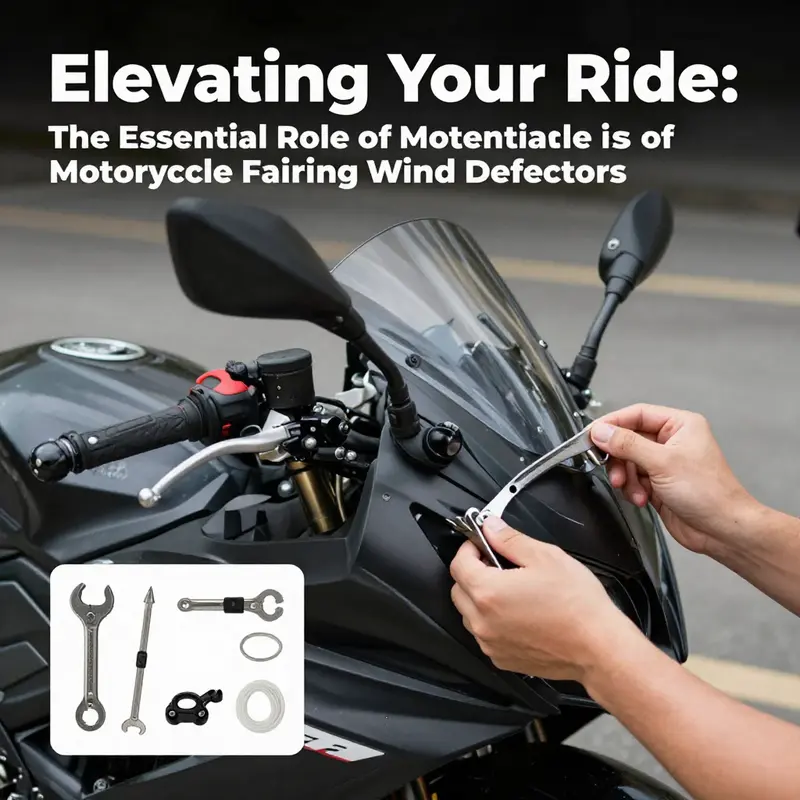
Installing motorcycle fairing wind deflectors is crucial for enhancing your riding experience, particularly when it comes to reducing wind buffeting and improving aerodynamics. These components, designed to integrate seamlessly with a motorcycle’s fairing, require careful attention to detail during the installation process. This guide outlines each step necessary to install your wind deflectors effectively, ensuring that you can enjoy long rides with maximum comfort.
1. Verify Compatibility and Gather Materials
Before beginning the installation, ensure that the wind deflectors you purchased are compatible with your motorcycle model. Check the manufacturer’s fitment chart to avoid any surprises. For instance, if you own a Harley-Davidson, note that their wind deflectors are tailored specifically for various models, including the 1995-later FLHR and similar families. Make sure to read the installation instructions that accompany your deflector kit carefully.
In addition to the wind deflectors, gather all necessary installation hardware, including bolts, washers, brackets, and spacers. A well-organized workspace stocked with the right tools—such as wrenches and screwdrivers—will make the installation much smoother.
2. Remove Existing Components (If Necessary)
If you are replacing an old wind deflector, you’ll need to remove the existing component first. Begin by carefully loosening and detaching any mounting bolts that hold the old wind deflector in place. It’s essential to be gentle during this process to avoid damaging the paintwork or adjacent parts of your motorcycle. Ensure that you keep track of the hardware, as you may need it for reinstallation of the new deflectors.
3. Position the New Wind Deflectors
With the original component removed, it’s time to position the new deflectors. Hold them against the fork brackets or fairing lower assembly and align the mounting holes with the pre-drilled ones on your motorcycle. Proper positioning is critical; ensure that the scooped shape of the deflectors is facing forward to effectively channel the airflow over and around your body while riding. The fit should be flush and symmetrical on both sides, contributing to the aesthetic and functional integrity of your motorcycle.
4. Secure Mounting Hardware
Once aligned, gently insert the provided bolts through the deflectors and into the frame or fork bracket of your motorcycle. As you begin tightening, do so gradually and evenly to avoid distorting the materials or stripping the threads. Utilize washers specified in the kit to ensure a secure and stable fit. For models equipped with chrome wind deflectors, the combination of styling and functional stability enhances the overall look of your bike.
5. Conduct a Test Fit and Make Final Adjustments
After securing the wind deflectors, gently rock them to check for any movement or looseness. It is crucial to ensure that the newly installed components do not interfere with your handlebars, front tire, or suspension systems. If you notice any misalignment, take a moment to recheck the hole alignment and the tightness of the bolts. A correctly installed deflector should sit firmly in place with no excessive movement.
6. Install Additional Accessories (If Applicable)
If your wind deflector kit includes optional components, such as windshield trim or storage compartment lids, these should be installed after securing the primary deflectors. Carefully align and apply these additional elements to ensure continuity in design and functionality, using the included adhesive or fasteners as needed. Proper installation of trim not only completes the appearance but can also serve a practical purpose in smoothing out airflow around your motorcycle frame.
7. Final Inspection and Ride Test
Before hitting the road, conduct a thorough inspection of all mounting points. Confirm that everything is fastened securely and that the new wind deflectors are performing as intended. It’s wise to take a short test ride at low speeds, listening for any rattling noises, which may indicate loose fittings or improper alignment. This step is crucial to ensure that the deflectors provide the air management benefits they’re designed for.
In summary, while installing motorcycle fairing wind deflectors might seem straightforward, attention to detail in each step will result in an optimal setup that enhances your riding experience. Proper installation not only improves comfort but also contributes to the safety and longevity of both the rider and the motorcycle. Always refer to the official instructions provided by the manufacturer for the most tailored guidance.
For those seeking a quality source for affordable motorcycle fairings and deflectors, consider browsing through specialized sites to find a range of options tailored to your specific model. Ensuring that you have the best fittings can significantly enhance your riding pleasure and safety.
2. Essential Upkeep for Longevity of Wind Deflectors
Motorcycle fairing wind deflectors play a crucial role in ensuring comfort and efficiency while riding, but their performance and appearance can significantly diminish without proper maintenance. Establishing a routine care regimen is vital for prolonging the life of these essential components. Ultimately, maintaining your wind deflectors will not only enhance their protective abilities but will also keep your motorcycle looking great.
Regular Cleaning is Key
The first step in maintaining motorcycle wind deflectors is establishing a regular cleaning routine. It is essential to remove dirt, dust, and other contaminants that can accumulate over time and potentially damage the material. For optimal cleaning, use a mild soap and water solution, which will effectively lift grime without harming the surface. Harsh chemicals and abrasive cleaners should be avoided entirely as they not only compromise the aesthetic quality but can also weaken the hard-coated polycarbonate materials commonly utilized in high-quality deflectors.
Using a soft microfiber cloth ensures that you clean gently without scratching the surface. Regular cleaning not only helps maintain clarity for better visibility but also allows you to inspect the surface for any imperfections that may need attention. After cleaning, allow the wind deflectors to dry naturally; avoid direct sunlight as this can lead to heat damage.
Periodic Inspections for Structural Integrity
In addition to regular cleaning, periodic inspections are essential. Take time to examine your wind deflectors for signs of cracks, warping, or any loose hardware. Regular checks should ideally coincide with cleaning, allowing you to monitor the integrity of the deflectors while performing routine care.
Cracks or warping, even minor ones, can influence airflow management and diminish the deflectors’ effectiveness against turbulent winds. If left unaddressed, small issues can rapidly escalate, leading to more significant and expensive damage. It is advisable to address any damages immediately by either repairing or replacing the components as needed.
Secure and Tighten Mounting Hardware
Over time, the mounting hardware that attaches wind deflectors to the motorcycle can become loose due to vibrations during riding. Regularly inspect all bolts and fasteners to ensure they are securely tightened. Confirm that the fasteners are within the manufacturer’s torque specifications to prevent unnecessary wear from excessive vibration. Taking this precaution not only prolongs the lifespan of the wind deflector but also ensures rider safety by preventing components from detaching during operation.
Follow Model-Specific Guidelines
Each motorcycle model has unique requirements, prompting the need for specific maintenance practices. For instance, Harley-Davidson’s Batwing 7 in. Wind Deflector comes with an official installation and maintenance guide. Referring to this will allow owners to follow tailored guidelines pertinent to their model. Adhering to manufacturer instructions ensures proper fitment and supports the effective performance of the wind deflection system. These guides often contain vital tips specific to the materials used, enhancing your care approach.
Protective Measures Against Environmental Factors
Beyond cleaning and inspections, protecting wind deflectors from environmental damage extends their useful life. Applying a UV-protective wax or coating made explicitly for plastics can significantly shield the surface from harmful sun rays. This measure can help prevent fading as well as brittleness that often results from prolonged exposure to intense sunlight.
Additionally, consider how and where you store your motorcycle. Whenever possible, store the bike in a covered area or garage to reduce exposure to adverse weather conditions such as rain, hail, or excessive sunlight. This simple step plays a crucial role in extending the life of the fairing and its components, including the wind deflectors.
Concluding Thoughts on Maintenance Practices
In summary, maintaining motorcycle fairing wind deflectors requires a multifaceted approach that includes regular cleaning, ongoing inspections, and preventive measures against environmental wear. By putting into practice these simple yet effective maintenance best practices, riders can ensure that their fairing wind deflectors continue to deliver comfort and protection during long journeys on the road. For more detailed resources or product-specific insights, riders are encouraged to visit manufacturer support pages or trusted dealerships to enhance their understanding of care and fitment.
This cohesive maintenance strategy will help ensure that wind deflectors not only perform at their best but also look great on your motorcycle for years to come. Riders can visit trusted resources to explore more about relevant parts specific to their models, which may include aftermarket options to enhance their riding experience. For instance, check out the full range of fairings here for various motorcycle models.
Chapter 4: Navigating the Choices: OEM and Aftermarket Wind Deflectors for Motorcycle Fairings
1. Quality, Cost, and Performance: Unpacking the OEM vs. Aftermarket Wind Deflector Debate
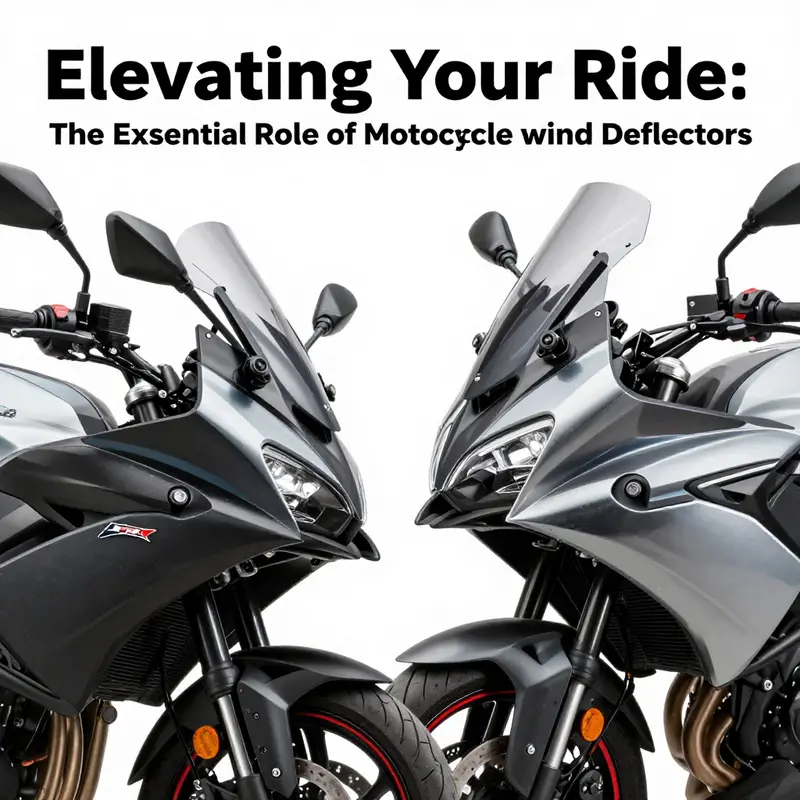
When it comes to enhancing the riding experience through the use of motorcycle fairing wind deflectors, riders often find themselves choosing between Original Equipment Manufacturer (OEM) options and aftermarket alternatives. Each choice represents a distinct philosophy regarding quality, cost-effectiveness, and performance, and understanding these differences is crucial for any motorcycle enthusiast seeking both comfort and functionality.
Quality and Fitment stand as the cornerstone in this comparison. OEM wind deflectors are crafted by the motorcycle’s manufacturer to fit specific models. They are designed with a deep understanding of the bike’s aerodynamics, ensuring perfect fit and optimal airflow management corresponding with the manufacturer’s safety standards and durability expectations. These components go through a rigorous series of tests during the vehicle development phase, leading to reliable wind protection and reduced levels of vibration and wind noise. For riders focused on reassurance, the factory integrity of OEM deflectors cannot be overstated; they’re engineered to offer a seamless ride, enhancing comfort on long-distance journeys.
On the other hand, aftermarket parts present a broader spectrum of cost implications. Generally, OEM products carry a premium price due to brand value, extensive testing, and limited distribution networks. For instance, while single OEM wind deflectors may start at several hundred dollars, complete fairing sets can exceed $800. This makes them a considerable investment for any budget-conscious rider. In contrast, aftermarket options leverage competitive pricing strategies, with a diverse catalog ranging from hard-coated polycarbonate options to various plastics like acrylic and ABS. An aftermarket windshield might only cost around $55.95, making it an attractive option for those looking to boost wind protection without hefty expenses.
This variance is further amplified when considering performance and features. While OEM wind deflectors effectively channel wind and minimize buffeting, aftermarket products often come loaded with advanced features. These may include adjustable mounting systems that allow riders to modify the deflector position according to their preferences, enhancing comfort levels. Additionally, many aftermarket designs utilize improved aerodynamic shapes that might surpass the functionality offered by OEM models under specific riding conditions. Some manufacturers also prioritize rider comfort by creating fairing solutions that not only guard against wind but also address issues of heat management and airflow dynamics during varied weather conditions. This adaptability can be a gamechanger for riders tackling different environments.
Moreover, the global production landscape has shifted dramatically, particularly in regions such as Guangdong and Chongqing in China. These markets harness advanced injection molding technologies to produce aftermarket fairing wind deflectors at a scale that, in turn, facilitates accessibility and pricing benefits. This democratization of part availability has widened the horizon for customization and personalization in the riding community. Bike enthusiasts can match their fairings to their unique aesthetic or functional demands without being limited to OEM offerings that often lack customization options.
It’s also essential to recognize that while aftermarket parts can provide impressive performance, there are nuances around quality assurance. Many aftermarket manufacturers lack the rigorous testing that OEM parts undergo. Thus, riders may find themselves navigating a maze of reliability and quality control variances when investing in these alternatives. Some aftermarket wind deflectors sourced from older models, such as those from the 1985 Honda GL1200 Goldwing, may require repairs due to material degradation, such as broken acrylic. This can lead to additional costs and potential safety hazards if not carefully considered.
Deciding between OEM and aftermarket options ultimately hinges on personal variables such as budget, desired aesthetics, and priority on long-term reliability versus immediate cost savings. Riders looking for guaranteed fitment, brand authenticity, and a consistent experience over time may naturally gravitate toward OEM parts. Alternatively, those who prioritize value, diversity in design, and innovation will likely find aftermarket solutions to be more aligned with their preferences.
As demand for aftermarket fairings continues to grow—especially amidst popular compact performance bikes like the Honda Grom—it reflects a significant shift in consumer behavior toward seeking both affordability and adaptability. Motorcyclists are increasingly inclined to tailor their riding experience to fit their specific needs, steering away from the one-size-fits-all approach of traditional OEM parts.
While riders chart their course through this vital aspect of motorcycle enhancement, gaining perspective on the available options will better inform their decisions. For a deeper dive into product specifications and compatibility, exploring reputable resources or authorized dealerships can illuminate the best choices tailored for individual needs. Accessible platforms like Summit Fairings also provide an expansive range of options to fit various models, catering to both aesthetic desires and functional requirements at accessible price points. This represents an exciting time in motorcycle customization, where each rider has the opportunity to optimize their riding experience through informed choices.
2. Making Informed Decisions: Key Factors in Choosing Aftermarket vs. OEM Motorcycle Fairing Wind Deflectors
When riders consider upgrading or replacing their motorcycle’s wind deflectors, a pivotal choice lies between aftermarket options and OEM (Original Equipment Manufacturer) parts. Each category embodies unique advantages and disadvantages grounded in design philosophy, compatibility, performance, and aesthetics. As motorcycle enthusiasts traverse the multitude of choices available, making an informed decision hinges on understanding these critical distinctions and aligning them with personal riding objectives.
OEM fairing wind deflectors represent the gold standard in terms of precision engineering. Tailored specifically for designated motorcycle models, they ensure a snug fit that harmonizes seamlessly with the bike’s design. This compatibility is paramount not only for aesthetic reasons but also for functionality; OEM parts are created to meet strict manufacturer specifications, which means they typically comply with legal regulations regarding vehicle modifications. Furthermore, OEM materials, commonly high-grade ABS plastic, provide exceptional durability and impact resistance—qualities any rider would appreciate during long journeys or inclement weather conditions.
However, the premium price tag associated with OEM deflectors can deter budget-conscious cyclists. Riders might find themselves enticed by the variety of aftermarket options that promise more than just utility—they offer opportunities for customization and personal expression. With a plethora of styles and designs available, aftermarket deflectors can enhance a motorcycle’s appearance while also providing improved aerodynamics and comfort. The allure of a more aggressive look or the potential to match a rider’s personal style can be compelling as well, especially in a community where individuality is celebrated.
Yet, what the aftermarket market provides in options it sometimes lacks in consistency. While many aftermarket manufacturers engineer their products to rival OEM counterparts, the quality can vary significantly. Therefore, riders must carefully vet the reliability of the brands they consider. Examining user reviews, seeking recommendations from fellow riders, and ensuring that the chosen parts have credible warranties can mitigate risks and help ensure longevity and performance. Not all aftermarket wind deflectors are designed with the same care or attention to detail that factory-made products receive.
Another essential consideration is compatibility and installation. Ensuring that an aftermarket wind deflector is specifically crafted for a rider’s unique motorcycle make and model is crucial; a poor fit can lead to undesirable outcomes such as increased wind noise or even safety hazards due to compromised aerodynamics. Some riders take the risk of fitting aftermarket parts without confirming compatibility, only to find out later that their choice diminishes performance or, worse, affects the motorcycle’s handling characteristics. Therefore, rigorous research and the assurance that installation instructions are available and clear are necessary to avoid the pitfalls of improper fitment.
Local regulations surrounding motorcycle modifications warrant further attention, especially for riders living in areas with strict laws governing vehicle construction. In many jurisdictions, changes that significantly alter the original design of a motorcycle can lead to legal repercussions, particularly regarding visibility, lighting, and safety features. It stands to reason that riders should check local laws to ensure compliance before proceeding with any aftermarket alterations. This could mean the difference between a thrilling ride and legal troubles down the road.
For riders who prioritize affordability without aimlessly sacrificing durability and safety, aftermarket fairings from reputable manufacturers can present a sound alternative. However, they require careful selection. Looking for products with glowing user reviews and clear compatibility information is vital, and opting for those that come with warranties is always a prudent decision to safeguard against potential defects.
Ultimately, the choice between aftermarket and OEM fairing wind deflectors transcends mere function. It intertwines with personal preferences, riding habits, climate considerations, and financial capacity. Riders might enjoy the thrill of an OEM solution that guarantees unwavering quality, yet others may find joy in the freedom of customization that aftermarket parts afford—each option tells a different story, and the best choice is often the one that aligns most closely with individual needs and desires.
As enthusiasts weigh their decisions, first-hand experiences documented through forums and riding groups, such as those delving into motorcycle aerodynamics or related performance discussions, can provide invaluable insights. For a more structured overview, guides like “How to Choose Motorcycle Fairings: Expert Buying Guide 2024” serve as useful resources for navigating the intricate landscape of fairing components. By facilitating an understanding of material types, fitment verification, and the critical pros and cons of both OEM and aftermarket fairings, riders can fortify their knowledge and make significant choices that enhance their riding experience.
In summary, whether you lean toward the tried and true reliability of OEM or the diverse options offered by aftermarket brands, careful consideration of all associated factors will ensure that your choice of motorcycle fairing wind deflectors aligns perfectly with your unique riding aspirations.
Chapter 5: Enhancing the Ride: The Critical Role of Motorcycle Fairing Wind Deflectors
1. Aerodynamics and Comfort: How Motorcycle Fairing Wind Deflectors Relieve Rider Fatigue
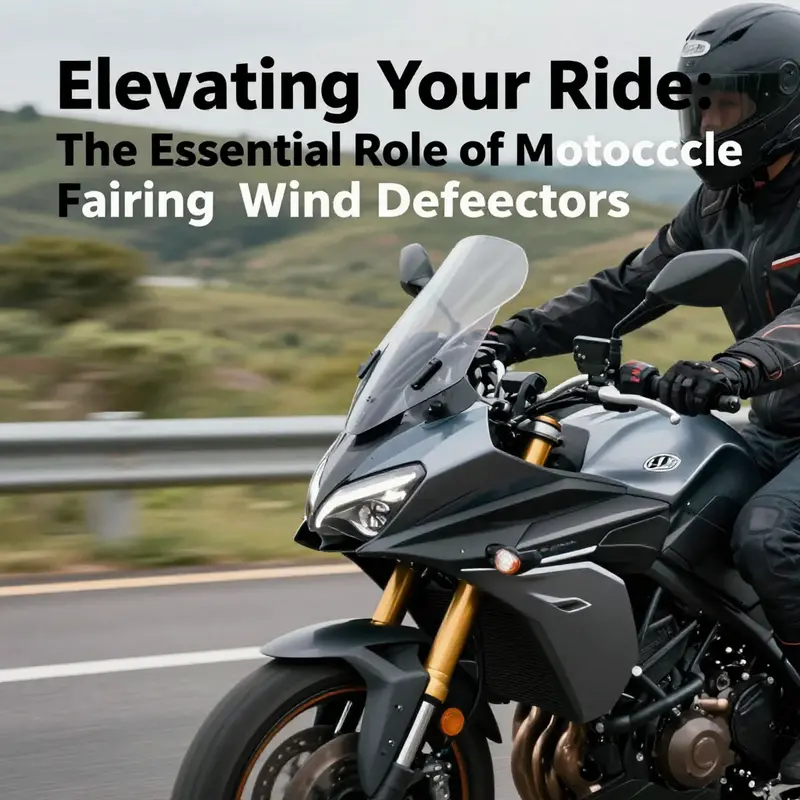
The design and function of motorcycle fairing wind deflectors play a pivotal role in enhancing riding comfort through their aerodynamic properties. As riders navigate through varying speeds and conditions, the importance of sustaining an enjoyable experience cannot be overstated. The primary objective of these accessories is to effectively manage the flow of air around the rider, which has been proven to alleviate both fatigue and discomfort during lengthy journeys.
A crucial aspect of riding comfort is the rider’s interaction with the slipstream created by the motorcycle. At higher speeds, the air pressure experienced by the rider can lead to significant turbulence, which not only creates discomfort but can also cause fatigue due to the continuous resisting forces. In essence, riders are often forced to exert extra physical energy to maintain control against these harsh gusts. Motorcycle fairing wind deflectors address this issue by strategically altering the airflow to form a more stable environment around the rider.
Understanding Aerodynamics
Through advanced aerodynamic designs, these wind deflectors redirect airflow in a manner that minimizes turbulent conditions. Studies utilizing sophisticated pressure sensing technologies highlight that riders equipped with effective wind deflectors experience notably lower airspeed and pressure at the level of their helmets. This optimization significantly reduces the stress placed on the neck and shoulders, as riders can adopt a more relaxed riding posture while maintaining control.
Moreover, the scientific principle of creating downward and lateral airflow drastically reduces turbulence generated behind the rider’s body. The result is a calmer atmosphere that allows riders to escape the fatigued, hunched positions they often adopt when battling against opposing winds. In scenarios where wind deflectors operate optimally, the airflow bypasses the head and torso, redirecting it away from the rider and thereby creating a buffer against the elements. This enhanced airflow stability sets the stage for longer rides without the associated discomfort of wind-related issues.
Noise Reduction and Mental Fatigue
Another critical contribution of motorcycle fairing wind deflectors is their role in mitigating wind noise—a significant factor related to mental fatigue. Studies have shown that unregulated wind can produce high decibel levels that disturb riders, particularly on lengthy highways where the continuous exposure to these sounds can detract from focus and enjoyment. By guiding the airflow away from the rider, wind deflectors efficiently dampen the high-frequency noise generated from turbulent air, promoting a quieter and more peaceful riding experience.
Reduced noise levels lead to increased concentration, ultimately enhancing not only safety but also the overall cruising experience. Consequently, riders can engage with their environment and navigate with precision without the distraction of irritating wind sounds. Many riders have reported that adding effective wind deflectors to their motorcycles transformed their experience, enabling longer, fatigue-free travels while they savor the open road.
Design Considerations for Enhanced Performance
The benefits of wind deflectors hinge on several design considerations, including shape, angle, and integration with the motorcycle’s aerodynamic profile. A well-engineered wind deflector must align harmoniously with the motorcycle’s overall design, capitalizing on aerodynamics while ensuring that functionality complements aesthetics. Varying heights and inclinations result in distinctly different airflow patterns; thus, it’s crucial to tailor these components to different motorcycle models and riding conditions.
Options range from fixed units that provide consistent performance to adjustable models that allow riders to customize their comfort based on environmental conditions or personal preference. For example, installers of aftermarket wind deflectors often examine historical designs from classic motorcycles, ensuring that modern versions can capture and improve the inherent benefits once enjoyed by earlier generations of riders. Enhanced rider comfort is also reflected in the developing trend of integrated designs that blend seamlessly with the motorcycle’s fairing.
The interrelationship of form and function in wind deflectors is clear—what may seem like a simple accessory is, in fact, a critical component that can significantly improve riding comfort and safety. By understanding the nuanced ways in which fairing wind deflectors interact with aerodynamics, riders can make informed choices about enhancements that will not only improve their comfort but also elevate their overall riding performance.
In conclusion, motorcycle fairing wind deflectors empower riders to conquer distance with an invigorating sense of comfort. Acknowledging their substantial influence on air management, noise reduction, and rider ergonomics affirms why investing in quality wind deflectors should be a priority for anyone looking to enhance their motorcycling experience. For additional options on fairing designs and components to suit various motorcycle models, check out the Honda fairings collection for customized solutions that enhance both performance and style.
2. Stability and Serenity: How Wind Deflectors Transform Motorcycle Safety
The integration of motorcycle fairing wind deflectors presents a profound impact on rider safety that transcends mere convenience, focusing primarily on the critical enhancements they bring to aerodynamic stability and the acoustic environment during rides. As many riders will attest, the sheer thrill of motorcycle riding is often accompanied by the challenges posed by unpredictable wind forces that can significantly affect handling and comfort. Recent findings from wind tunnel tests demonstrate that optimized wind deflectors are not just accessories; they are essential components that fundamentally enhance the riding experience.
Wind deflectors, when meticulously designed, serve to mitigate the turbulence created by high-speed airflow. Advanced testing methodologies, including smoke flow visualization and multi-point electronic pressure scanning, have allowed researchers to explore airflow patterns around riders clad in standard protective gear. The results from these studies highlight a notable decrease in air pressure and velocity around the rider’s head and upper torso. Riders equipped with effective deflectors experience significantly reduced fatigue on long rides, primarily because turbulent air can create physical strain over time. By reducing these strains, wind deflectors play a vital role in improving overall comfort, which subsequently supports safer handling of the motorcycle. Riders who can maintain their focus and comfort are inherently more capable of navigating complex traffic scenarios, thereby enhancing overall safety.
Equally important is how the presence of wind deflectors affects the formation of turbulent vortices behind the rider. Achieving an optimal angle and profile for these deflectors can drastically limit the generation of these unpredictable airflow zones. This reduction leads to a riding experience that feels more predictable and stable. Related testing has also revealed that well-engineered deflectors allow for smooth airflow over the entire motorcycle body. This streamlined airflow helps reduce resistance, enhancing the balance of the motorcycle at higher speeds. An improvement in balance not only boosts fuel efficiency but also lowers the risk of instability caused by crosswinds, which can be particularly detrimental for less experienced riders prone to losing control in gusty conditions.
Beyond the elemental aspects of stability, wind deflectors play a pivotal role in shaping the acoustic environment for the rider. A common concern among motorcyclists is the loud buffeting noise that accompanies fast riding; a symptom of uncontrolled air turbulence that originates from unregulated airflow. By effectively redirecting wind around the rider, wind deflectors can significantly lower wind noise levels, minimizing the high-frequency whistling and chaotic sounds that can contribute to auditory fatigue. As the wind noise subsides, riders benefit from increased concentration and focus—two critical factors that enhance safe riding practices, particularly over extended journeys or through densely populated urban areas.
While many aftermarket modifications attempt to replicate the benefits of factory-installed wind deflectors, they can introduce serious safety hazards. For instance, designs resembling unwieldy ‘wind blankets’ have been shown to increase resistance and restrict movement, with the potential for entanglement creating unnecessary risks. In stark contrast, professionally designed and factory-installed wind deflectors are backed by rigorous testing and engineering standards, assuring riders of both safety and effectiveness when integrated within the motorcycle’s structure.
This distinction underlines the growing need for standardized testing protocols that ensure the performance and quality of wind deflectors across various motorcycle models. Initiatives like the proposed Wind Tunnel Test Method for Motorcycle Occupant Wind Protection Performance aim to establish consistent metrics for testing, setting a baseline that manufacturers can adhere to when designing their products. As the motorcycle riding community continues to expand, the emphasis on scientifically validated, performance-oriented designs is paramount not just for enhancing rider comfort, but for amplifying safety measures integral to the motorcycling experience.
In conclusion, motorcycle fairing wind deflectors are indispensable for enhancing safety on the roads. They offer improved aerodynamic stability, which is crucial for maintaining rider control, and effectively reduce distracting noise levels that can lead to fatigue. As riders embrace the freedom of two-wheeled travel, the focus on reliable and tested wind deflector technology will be central to ensuring that these adventures remain as safe and enjoyable as possible. Thus, when considering components for motorcycle comfort and safety, investing in a quality wind deflector is not merely about a smoother ride; it is about prioritizing rider security and well-being on every journey.
Final thoughts
In conclusion, motorcycle fairing wind deflectors are essential elements that significantly enhance riding comfort, performance, and safety. For business owners, recognizing the value of these components not only helps in providing better products to customers but also fosters a culture of safety and enjoyment in motorcycling. By investing in quality wind deflectors, whether OEM or aftermarket, businesses can respond to the needs of riders who seek both adventure and comfort on the road.
Ready to elevate your ride? Summit Fairings delivers premium, custom-fit fairings that blend style and durability. Whether you’re chasing speed or turning heads, we’ve got your bike covered. Don’t wait—transform your machine today. Click, customize, and ride with confidence. Your perfect fairing is just a few clicks away. Act now!
About us
We are one of the leading motorcycle fairing export sites, with over 3,000 styles across almost all motorcycle models. Buy from summitfairings.com, and pay 10-40% less than the prices on other sites. If you have any questions, we promise we will have your answer within six hours.