
Introduction
Exploring the significance of motorcycle fairings in the Cafe Racer community reveals an intersection of culture, innovation, and personal expression that continues to evolve. Originating from the fervent riders of 1950s and 60s Britain, Cafe Racers not only transformed the motorcycle landscape but also carved a niche that embodies freedom, speed, and individuality. As we delve into this world, we’ll uncover the cultural significance behind these fairings, the technical advancements that have revolutionized their design, the comparative analysis of materials transforming the market, and the economic impact these innovations have on the motorcycle customization industry. Join us in navigating the intricate layers of Cafe Racer fairings, understanding how they serve not just as enhancements, but as essential components of a lifestyle steeped in passion.
Tables of Contents
Chapter 1: The Dynamic Intersection of Design, Performance, and Identity in Cafe Racer Fairings
- The Evolution of Motorcycle Fairings: Bridging Heritage and Modern Innovation in Cafe Racer Culture
- Crafting Identity Through Fairings: The Social Dynamics of Cafe Racer Culture
Chapter 2: Engineering the Essence of Cafe Racer Fairings: The Intersection of Tradition and Technology
- Revolutionary Materials and Aerodynamic Design in Modern Cafe Racer Fairings
- Crafting Individuality: The Customization Landscape of Cafe Racer Fairings
Chapter 3: Crafting Performance and Aesthetic: Material Choices in Cafe Racer Fairings
- Beyond Aesthetics: The Material Showdown Between Fiberglass and ABS Plastic for Cafe Racer Fairings
- Weighing the Pros and Cons: A Comparative Analysis of Carbon Fiber and Polycarbonate for Cafe Racer Fairings
Chapter 4: Navigating the Economic Landscape of Cafe Racer Fairings and Motorcycle Customization
- Evolving Production and Supply Chain Dynamics in the Cafe Racer Fairing Industry
- Cafe Racer Fairings: Shaping Choices and Trends in the Custom Motorcycle Market
Chapter 1: The Dynamic Intersection of Design, Performance, and Identity in Cafe Racer Fairings
1. The Evolution of Motorcycle Fairings: Bridging Heritage and Modern Innovation in Cafe Racer Culture
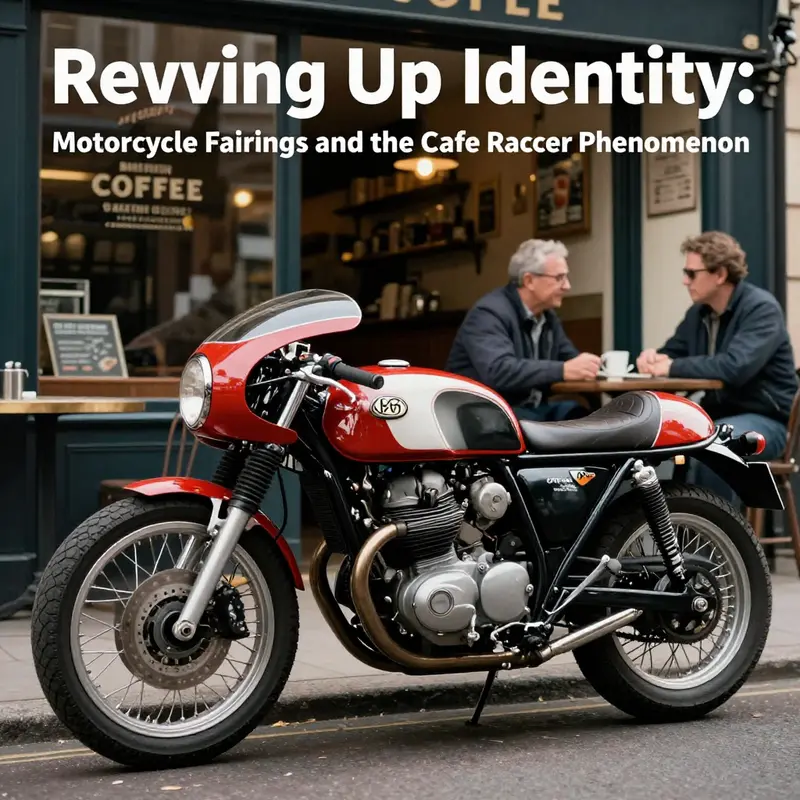
The evolution of motorcycle fairings has played a pivotal role in the development of the cafe racer culture, merging technological advancements with a rich aesthetic heritage. Emerging from the vibrant streets of 1950s and 1960s Britain, cafe racers became a canvas for personal expression and rebellion. The initial lack of fairings was a key characteristic of these early models, as riders stripped down their machines to achieve minimum weight for maximum speed. The absence of bodywork symbolized a raw, mechanical purity that resonated with the ethos of the cafe racer movement, inviting a deeper cultural exploration of individuality and defiance against mass production.
As motorcycle technology advanced through the 1970s and 1980s, so too did the role of fairings within this subculture. Riders began integrating full and semi-fairings into their designs, driven by the dual desires for speed and comfort. Materials gradually transitioned from the simpler fiberglass to more sophisticated composite polymers that allowed for lighter, more aerodynamic designs. This shift was more than just practical; it marked a significant transformation in visual identity for motorcycling. The sleek contours of these fairings began redefining what a motorcycle could look like—elegantly marrying form with function in a way that was unprecedented in previous decades.
These fairings not only enhanced aerodynamics, allowing for reduced wind resistance and improved rider comfort at high speeds, but they also contributed to a burgeoning modern sportbike aesthetic. No longer merely auxiliary components, fairings became central to a bike’s identity. The iconic racing look, characterized by sharp angles and streamlined silhouettes, captured the imaginations of manufacturers and enthusiasts alike, setting a new standard in motorcycle design.
The ensuing decades saw the rise of the sportbike, with manufacturers globally adopting the fairing style as essential to performance. However, as the 2000s arrived, nostalgia for the simplicity of earlier cafe racers surged. Custom builders and boutique manufacturers began to strip away the excess, returning to a more minimalist aesthetic reminiscent of the originals. This movement was not solely about recapturing the past; it was also a rejection of the industrialization that had become synonymous with modern motorcycle production. The resurgence of the fairing-free cafe racer highlighted a cultural yearning for craftsmanship, individuality, and a tactile connection to motorcycle heritage.
In this shifting landscape, the cultural significance of fairings took on new dimensions. The debate between functional appendages and minimalist aesthetics exemplified a broader tension within the motorcycle community. Riders began to embrace not only the style but the philosophy that came with it. A stripped-down bike, devoid of fairings, became a statement of personal identity, a symbol of freedom from the constraints of mass manufacturing. It articulated a desire to return to a motorcycle culture that prioritized the rider’s connection to their machine and the road. This tension reflects the deeper narratives present within cafe racer culture: a balance between embracing progress and honoring history.
Today, modern cafe racer fairings are a meld of contemporary performance features intertwined with the classic aesthetic that made them iconic. Designed from high-strength, lightweight materials, modern fairings not only capture the retro look but also serve functional roles in enhancing performance. These advanced designs facilitate an approximate 15% reduction in wind resistance compared to traditional fairings, further enhancing the riding experience through improved handling and comfort. Each piece becomes a meticulous work of art, capturing the spirit of rebellion that defined the original cafe racer ethos.
The customizability of motorcycle fairings has further elevated their cultural importance. Platforms offering a diverse range of finishes and styles enable riders to tailor their machines according to their unique visions. For instance, the vibrant “Hilarious Red” hues seen on some modern cafe racers illustrate how far the aesthetic has evolved while keeping the core principles alive. The ability to select components like modular fairings, adjustable features, and even personalized graphics has created a subculture where riders express their identities through artfully crafted machines.
This delicate balance of technology and tradition extends beyond mere appearances. The fairing also serves essential protective functions, safeguarding critical components from wind and debris while solidifying a race-ready look. The artistic elements incorporated into fairings—like aggressive graphics inspired by the lion’s power—reinforce the confident persona of the rider. They embody the boldness and individuality that are intrinsic to motorcycle culture.
In light of these advancements, it is imperative to recognize the underlying cultural currents driving the evolution of motorcycle fairings. As cafe racers continue to inspire a new generation of riders, the dialogue between aesthetic heritage and technological innovation remains ever-relevant. This complex fabric of change and continuity within cafe racer culture serves as a testament to motorcycling’s enduring allure—one that couples speed with style, heritage with innovation, and individual expression with a shared community. As these captivating machines reshape personal identities and redefine cultural landscapes, the fairing stands as a powerful symbol, embodying the principles of freedom and creativity that lie at the heart of the cafe racer legacy. For those looking to explore the technical and aesthetic variations in fairings even further, resources like those found at Summit Fairings illustrate the diverse offerings currently available in the motorcycle market.
2. Crafting Identity Through Fairings: The Social Dynamics of Cafe Racer Culture
The love affair with motorcycle fairings in the cafe racer movement embodies a rich tapestry of cultural identity, individualism, and social nuance. This relationship burgeoned in the post-war context of 1950s and 60s Britain, when a group of young enthusiasts began to redefine not only how motorcycles were built but also how they were perceived culturally. The cafe racer was born from a desire for speed, agility, and a break from the constraints of the conventional motorcycle scene. Fairings, originally not standardized but custom-made, became an emblem of this new ethos. They symbolized a hands-on approach to motorcycle modification, giving riders the freedom to personalize their machines and inject their unique interpretations of style and performance.
This DIY culture stood resistant to the sterile homogeneity of mass-produced motorcycles. Riders meticulously crafted fairings that suited their functional needs and aesthetic desires, often turning to local garages or their own workshops to fashion parts that reflected their vision. One can see this act not merely as customization, but as a form of rebellion against the binding norms of society—an assertion that individuals could shape their identity and social standing through their machines.
As the cafe racer community flourished, so too did the significance of fairings evolve from mere utility to essential design elements. The rise of these aerodynamic panels directly mirrored the shifting societal landscape of Britain. As the nation transitioned into a modern era, these bikes became canvases for expressing autonomy, individuality, and rebellion. Riders embraced the cafe racer as a vehicle for challenging social norms and showcasing a unique blend of British engineering ingenuity and American muscle aesthetic. The sleekness of fairings complemented the raw energy of the machines, making them iconic symbols of youthful exuberance and defiance.
The integration of fairings in cafe racer designs also paved the way for nuanced discussions about class and identity. By challenging the elitist perceptions surrounding speed and engineering, these modifications democratized performance. Whether an individual was from a working-class background or affluent roots, everyone could participate in this culture by personalizing their motorcycle. Fairings, through their aesthetic allure, became a means of carving out a space within this subculture that valued both skill and expression. Aesthetics aside, they also represented a tangible link to heritage and craftsmanship, echoing the labor of love that went into every motorcycle—reminding riders of the pivotal role community played in the cafe racing scene.
In the present day, the legacy of cafe racer fairings continues to thrive, providing contemporary motorcycle manufacturers and custom builders with inspiration. Brands are reviving classic fairing designs while embracing innovative materials and cutting-edge technology to further enhance this storied aesthetic. However, this revival transcends mere visual appeal; it indicates a pressing human need for self-definition and belonging. In an increasingly digital and homogenized world, the tactile and personal nature of handcrafted fairings stands as a profound symbol of authenticity—marking a striking contrast with the facelessness that technological advancement often embodies.
The emerging trend of bespoke customization reflects a growing desire among riders to connect with their motorcycles on a personal level—transforming these machines from simple vehicles into extensions of their identity. This customization harkens back to the cafe racers’ roots, emphasizing individual narratives and personal expressions that range from paint finishes to elaborate graphic schemes. As the modernization of the cafe racer fairing continues, so does the deep-seated connection riders have with their machines, asserting the role these fairings play in defining their identity amidst societal change.
Moreover, fairing designs often encapsulate deeper themes within the cafe racer community. The vibrant color palettes and bold designs can resonate with a rider’s personal philosophy or a broader cultural commentary, often drawing inspiration from art, music, and even regional pride. This is paired with an appreciation for craftsmanship that reflects not just functionality but also aesthetic appeal, thus forging a potent connection between the rider and their bike. The evolution of fairing designs—morphing from rudimentary panels to striking, sculptural forms—speaks volumes about how motorcycle culture itself has transformed, yet remains steadfastly entrenched in its roots.
Today, as riders continue to push the envelope of customization, motorcycle fairings stand at the forefront of blending modern technology and classic aesthetics. The current crop of fairings, utilizing materials that are lighter and more durable than previous generations, captures not only a nostalgic spirit but also caters to contemporary demands for performance and safety. For example, customizable fairings allow for universal fitment across various models, presenting an immense canvas for individual creativity. This accessibility further democratizes the cafe racer experience, enabling a new generation of riders to engage in this rich tradition in their own unique ways.
The rich history and cultural significance of motorcycle fairings in the cafe racer movement weave a complex narrative of identity, rebellion, and community. They serve not only to enhance the aesthetic value and performance of motorcycles but also to reflect broader social dynamics that transcend the machines themselves. As the cafe racer culture evolves, so too does the role of fairings, encapsulating a compelling study of personal expression that resonates with riders around the world. The ongoing dialogue between the individual and the collective identity continues to sculpt the legacy of the cafe racer, proving that, at heart, these motorcycle fairings are much more than mere accessories—they are the embodiment of a lifestyle steeped in heritage, innovation, and the unyielding quest for personal freedom.
For those keen on further exploring the world of fairings, a visit to Summit Fairings can unveil a plethora of options tailored for various models, allowing riders to find the perfect fairing that reflects their identity in this enduring culture.
Chapter 2: Engineering the Essence of Cafe Racer Fairings: The Intersection of Tradition and Technology
1. Revolutionary Materials and Aerodynamic Design in Modern Cafe Racer Fairings
The evolution of café racer fairings has been transformed by remarkable advancements in materials and aerodynamic design, advancing their role from mere stylistic embellishments to essential high-performance components. This transformation reflects a deeper understanding of both rider comfort and the demands of modern motorcycle performance.
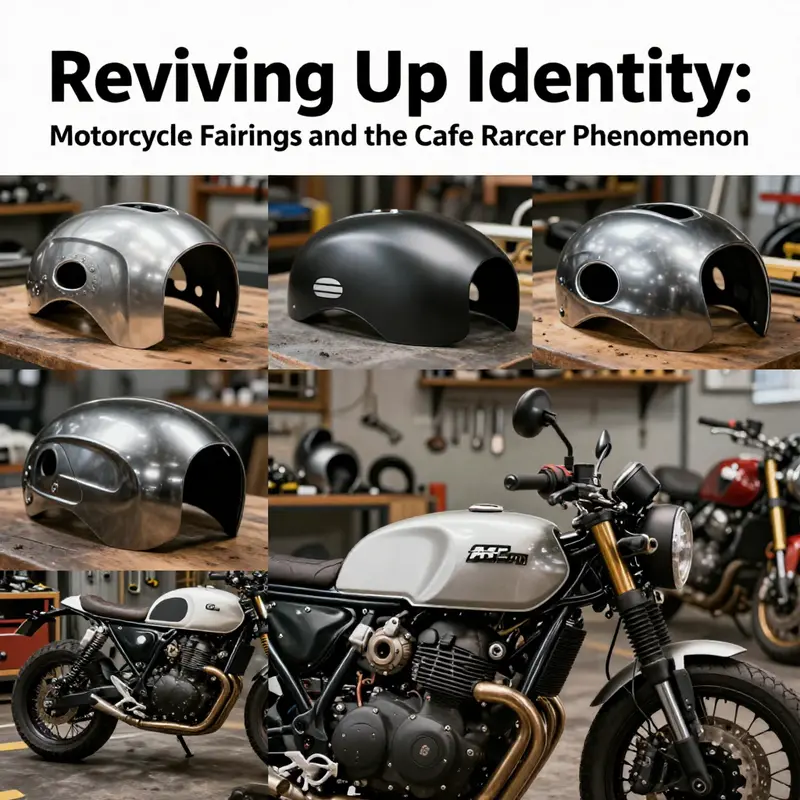
At the heart of this evolution is materials innovation. The traditional fairings, which often succumbed to the wear and tear of time, have been replaced with cutting-edge composite materials such as carbon fiber and reinforced fiberglass. These materials boast extraordinary strength-to-weight ratios, allowing manufacturers to create fairings that are not only lightweight but incredibly durable. By achieving a weight reduction that can reach up to 30% when compared to traditional metal parts, modern fairings enhance motorcycle dynamics, resulting in better acceleration, handling, and improved fuel efficiency. Riders can now experience a noticeable difference in performance, making every ride more exhilarating and responsive.
In tandem with materials innovation, the art of aerodynamic engineering has taken center stage in the design of café racer fairings. The integration of advanced computational fluid dynamics (CFD) simulations into the design process has revolutionized how manufacturers approach wind resistance. Contemporary fairings are meticulously designed to streamline airflow, reducing drag and enhancing the bike’s overall stability during high-speed maneuvers. The result is a fairing system that minimizes wind resistance by nearly 15%, promoting not just speed but also enhanced control and rider comfort. These developments are particularly significant for long-distance rides where reduced fatigue is paramount.
Moreover, the modern café racer fairings come equipped with features that accommodate the evolving needs of riders. Integrated LED lighting serves both functional and aesthetic purposes, ensuring that riders are visible to others while navigating both urban streets and winding rural roads. The inclusion of built-in mounting points for additional accessories enables riders to tailor their bikes to suit personal preferences, creating a unique blend of style and practicality.
Customization has become a cornerstone of the café racer ethos. The contemporary market offers an extensive range of options, allowing riders to personalize every aspect of their machines. Fairings come in a variety of finishes—matte, gloss, or custom-painted—that cater to individual tastes and ensure that each motorcycle retains an identity all its own. Modular assembly kits have simplified the customization process, enabling enthusiasts to mix and match components seamlessly, from the windshields to the side panels, achieving a bespoke aesthetic that is quintessentially their own. This modular approach not only enhances the visual appeal of the bike but also allows for easy installation and maintenance, making the café racer experience more accessible for riders of varying skill levels.
Furthermore, compatibility with a variety of popular motorcycle models has surged in recent years, with numerous brands ensuring that fairings are designed to be model-specific. Riders of iconic bikes, such as the Triumph Bonneville, Yamaha MT-07, and Ducati Scrambler, can easily find fairings tailored to their machines. This dedication to engineering has expanded the café racer community, offering more enthusiasts the chance to participate in this rich and vibrant culture.
As innovation continues to drive the motorcycle industry, the future of café racer fairings looks incredibly promising. Manufacturers are investing in smarter materials that respond dynamically to airflow or change rigidity under varying conditions. The next generation of fairings may incorporate integrated smart technology that can adapt aerodynamics in real-time, enhancing performance further and ensuring that every café racer remains as relevant tomorrow as it is today. There’s no doubt that as the demand for personalized, high-performance motorcycles rises, advancements in aerodynamic efficiency and material science will continue to intersect, cementing the café racer’s position as a symbol of freedom and individual expression.
Ultimately, the journey of café racer fairings through the realms of innovative materials and aerodynamic design is a testament to a broader narrative of transformation in motorcycle culture—one that celebrates legacy while embracing innovation. This balance reflects not just a pursuit of speed and style, but an entire lifestyle that resonates with the core values of the motorcycle community: freedom, craftsmanship, and identity. For those ready to embark on their customization journey, platforms that offer diverse options, like those found in today’s expansive market, become invaluable resources. Whether an enthusiast is aiming for a timeless retro look or pushing boundaries with contemporary designs, the right fairing is essential to fully realize the potential of their motorcycle. The table is set for the next chapter in the evolution of café racers, and riders are invited to take their place at the frontlines of this exhilarating adventure.
2. Crafting Individuality: The Customization Landscape of Cafe Racer Fairings
The allure of the cafe racer style cannot be understated—its blend of nostalgia and modernity appeals to a diverse range of motorcycle enthusiasts. At the heart of this phenomenon lies an evolving trend towards customization that not only captures individual expression but also leverages the latest technological advancements in cafe racer fairings. As riders embrace this unique subculture, their quest for personalization drives innovations that elevate both aesthetics and performance of their machines. Modular fairings have emerged as a hallmark of this movement, allowing enthusiasts to craft motorcycles that resonate with their personal tastes while enhancing functionality. These fairings, exemplified by offerings such as the versatile 5.75-inch universal fitment models, represent a step forward in motorcycle design, integrating sleek aerodynamic profiles that can reduce drag by approximately 15%. This is no longer merely about appearance; it’s about crafting a bike that is as efficient as it is stylish. The customization options available today transcend what was once possible, offering riders the ability to modify every detail—from shape and size to color and even branding. The advent of high-strength, lightweight materials has bolstered the customization trend; many modern fairings are crafted from advanced plastics and composites, resulting in structures that are roughly 30% lighter than traditional metal alternatives. Consequentially, this design philosophy not only enhances maneuverability but also minimizes stress on the motorcycle’s frame, allowing for a smoother ride without compromising stability. Such advancements highlight the intricate balance between form and function, an essential tenet for contemporary cafe racers. Additionally, one significant growth area in the customization landscape is the concept of universal fitment across various models. Unlike fixed-design fairings that restrict creative freedom, modern modular solutions possess inherent flexibility, adeptly fitting a multitude of motorcycle platforms. This adjustment capability empowers builders to achieve a harmonized cafe racer aesthetic irrespective of their base model, thereby fostering creativity and inspiring a sense of community among riders. Different finishes further enrich the personalization experience; enthusiasts can choose from matte black, gloss white, or even vibrant hues, tailoring their fairings to align seamlessly with their bike’s overall aesthetic. This attention to detail in style directly correlates to a rider’s identity, inviting a deeper connection between the motorcycle and the rider. Moreover, integral advancements in technical craftsmanship have led to fairings that not only optimize performance but also embody the identity of the rider. This includes features such as adjustable fork tubes or advanced engine cover designs that work in synergy with the fairings, enhancing overall handling and cornering precision. As a result, the cafe racer motorcycle evolves into a vehicle of expression—every modification, from the fairing’s structure to its finish, is a reflection of who the rider is. The aesthetic choices extend into intricate graphic designs, often inspired by animalistic power and aggression. For instance, the inclusion of striking motifs like “lion claw” graphics or the “lion eye” turn signals as seen in select models resonates deeply with the rider’s desire to project strength and individualism. Elements such as these not only amplify the bike’s look but also forge a lasting impression that echoes the rider’s persona. In a market where identity defines community, these components are more than mere accessories; they are badges of honor that encapsulate freedom and a spirited lifestyle. As remote working, e-commerce, and various online platforms, including Alibaba.com, continue to thrive, the democratization of motorcycle customization accelerates. Riders can now access a treasure trove of customizable options at their fingertips—from selecting unique styles to specifying individual logos and packaging, aligning their vision of a perfect cafe racer with ease. This significant shift allows individuals to transform their motorcycles into personalized masterpieces, far surpassing traditional limitations set by manufacturers. Ultimately, the rising trends in cafe racer fairings encapsulate more than the technical advancements; they symbolize a movement rooted in individuality, passion, and the adrenaline of speed. Fairings now represent the confluence of personal taste, modern engineering, and a spirited nod to the heritage of motorcycle culture. Each customized bike, with its distinctive aesthetic and performance, serves to reaffirm the biker’s identity within the broader landscape of motorcyclists—a community built on the love of craft and the open road. As practitioners of the cafe racer ethos continue to innovate, the journey of customization remains dynamic, promising exciting developments that will define the next generation of this iconic style. For those eager to delve into the vast world of customizable options, platforms like this resource for fairings showcase a myriad of possibilities, allowing each rider to embark on their quest toward the ultimate expression of personal style.
Chapter 3: Crafting Performance and Aesthetic: Material Choices in Cafe Racer Fairings
1. Beyond Aesthetics: The Material Showdown Between Fiberglass and ABS Plastic for Cafe Racer Fairings
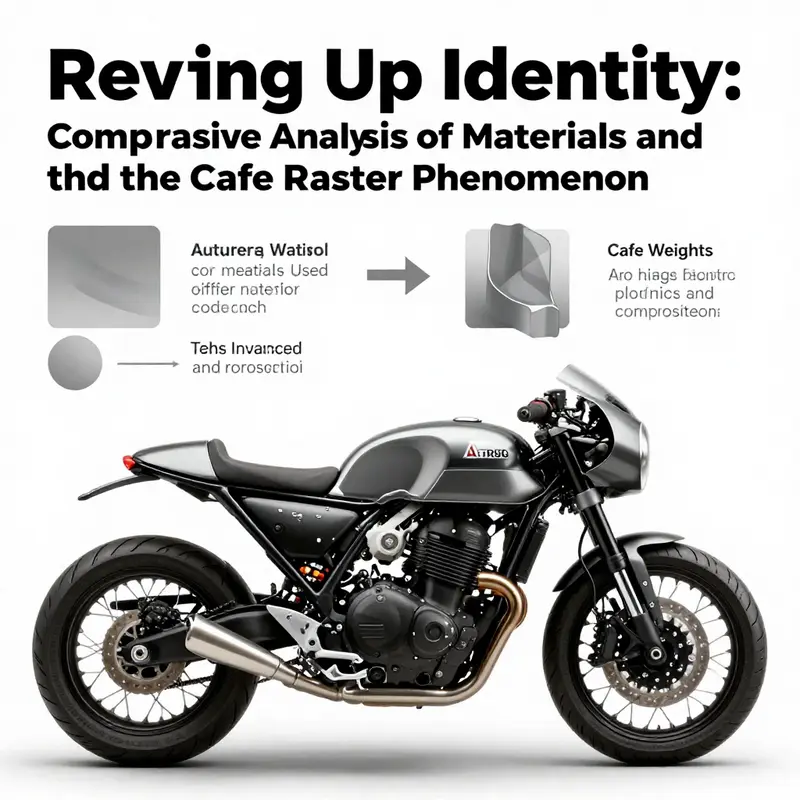
When it comes to customizing a Cafe Racer, the choice of materials for the fairings is one of the most influential decisions that a builder faces. Two primary contenders dominate this landscape: fiberglass and ABS plastic. Each material has unique attributes that significantly affect the performance, durability, and aesthetic appeal of these essential components. Understanding these properties is crucial for enthusiasts who wish to achieve the perfect blend of style and function on their motorcycles.
ABS Plastic has become the go-to material for many OEM (original equipment manufacturer) and after-market fairings. Known for its remarkable toughness and lightweight characteristics, ABS provides a superior balance of durability and flexibility. This combination ensures that in the event of minor collisions, the fairings can endure impacts without the risk of catastrophic failure—a crucial factor for the spirited riding inherent in the Cafe Racer culture. Its inherent flexibility allows it to absorb energy during impacts, which is particularly advantageous for urban riders who frequently contend with the unpredictability of city streets. Moreover, ABS exhibits excellent paint adhesion properties, allowing for vibrant finishes that maintain their appeal over time. This aesthetic adaptability is vital for riders looking to enhance their bike’s visual allure while keeping in line with the sleek, minimalist lines that define the Cafe Racer identity.
In contrast, fiberglass is often embraced for its rigidity and classic customization potential. This material tends to be more cost-effective than ABS and allows designers to create intricate shapes easily, making it a popular choice among artisans devoted to crafting unique, traditional-style fairings. The stiffer structure of fiberglass can enhance a bike’s aesthetic, capturing the old-school vibe that many enthusiasts seek. However, this strength comes at a cost; fiberglass is inherently more brittle. In moments of stress, particularly around areas susceptible to impact, it can crack or shatter, which ultimately reduces its effectiveness as a protective layer on the motorcycle. This brittleness brings into question its suitability for everyday riding experiences, particularly for those venturing into more aggressive or high-speed scenarios common in Cafe Racer culture.
When evaluating which material best meets the needs of a Cafe Racer, several key factors must be considered. Longevity is paramount. Riders invariably desire fairings that will stand the test of time, battling the elements and minor mishaps along the road. In this regard, the impact resistance of ABS plastic stands out, making it a more resilient choice under typical riding conditions. Riders who frequently navigate through bustling streets will appreciate how ABS demonstrates superior performance in absorbing shocks compared to the more rigid fiberglass, which, while visually appealing, may prove inadequate in protecting against real-world riding hazards.
Another crucial consideration is safety. As Cafe Racers are designed to deliver an exhilarating riding experience, the materials employed should inspire confidence. ABS plastic’s ability to withstand impacts allows riders to push limits while feeling secure in the knowledge that their fairings can endure more strenuous scenarios without yielding. Riders emphasizing performance may find ABS to be the superior choice, as it caters to the demands of aggressive riding while still offering the aesthetic flexibility necessary for personalization.
However, the allure of bespoke craftsmanship cannot be overlooked. Fiberglass remains a popular choice among those passionate about tailoring their motorcycles with a handcrafted touch. For experienced builders, the material allows for a range of creative expressions, supporting the classic look that many Cafe Racers embody. Its reputation for being a more traditional choice aligns with the current culture of vintage motorcycle enthusiasts who desire to maintain authenticity in their builds. In this sense, while the drawbacks of fiberglass are noteworthy, its unique charm keeps it relevant in the custom motorcycle community.
Ultimately, the decision between fiberglass and ABS plastic for Cafe Racer fairings is not simply about materials; it embodies the broader ethos of the Cafe Racer community. Riders must weigh their priorities carefully—whether they are pursuing the impressive craftsmanship sought by custom builders or the reliable performance expected by daily riders. As a matter of preference, the choice may also reflect individual tastes: some may lean towards the modern conveniences and safety of ABS, while others might opt for the nostalgic allure of fiberglass. Both materials have carved niches within the Cafe Racer scene, catering to diverse aesthetics and needs, adhering to an unwritten code that celebrates personalization.
For those looking to enhance their bike’s performance without sacrificing visual appeal, exploring options on e-commerce platforms can guide them towards finding the most suitable material. Resources available online showcase a range of styles and finishes that cater specifically to Cafe Racer enthusiasts aiming for a balance of ruggedness and aesthetic finesse.
In conclusion, the material decisions for Cafe Racer fairings shape more than just the motorcycle’s performance and aesthetic appeal. They echo the personal narrative of the rider, intertwining safety, craftsmanship, and individuality into a singular expression of automotive passion. Embracing the right material transforms not just the machine but also the rider’s experience, unlocking the full potential of freedom that is central to the Cafe Racer lifestyle.
2. Weighing the Pros and Cons: A Comparative Analysis of Carbon Fiber and Polycarbonate for Cafe Racer Fairings
When it comes to enhancing the design and functionality of Cafe Racer motorcycles, selecting the right materials for fairings is crucial. In this arena, carbon fiber and polycarbonate have emerged as the top contenders, each bearing unique characteristics that cater to different preferences and riding styles. The comparison of these materials not only illuminates their respective advantages but also emphasizes how they align with the Cafe Racer ethos of speed, style, and individuality.
Carbon Fiber: The Pinnacle of Performance and Aesthetics
Carbon fiber is often heralded as the material of choice for high-performance motorcycles. Its exceptional strength-to-weight ratio makes it an ideal candidate for riders seeking to shave off unnecessary pounds while maintaining maximum durability. Carbon fiber fairings are renowned for their rigidity, allowing them to resist deformation under stress, which is particularly beneficial at high speeds. The emergence of carbon fiber technology has enabled manufacturers to design parts that not only withstand the rigors of racing but also enhance aerodynamic efficiency. As a result, carbon fiber fairings expertly maintain precise shapes that contribute to the motorcycle’s overall performance.
In terms of visual appeal, carbon fiber is unmatched. The woven texture and glossy finish impart a sleek, high-end look that elevates any Cafe Racer’s aesthetic to modern standards while staying true to its retro roots. For many riders, the allure of carbon fiber lies not merely in function but in the statement it makes. However, the prestige of carbon fiber often comes at a cost. High-quality carbon fiber fairings can reach upwards of $500, making them a significant investment not only in terms of money but also commitment to a specific performance-oriented lifestyle.
Moreover, as appealing as carbon fiber may be, it brings with it certain challenges. The repairability of carbon fiber is a noteworthy concern; once damaged, fairings may require a specialized process for restoration, often involving costly and time-consuming methods. Additionally, the marketplace is rife with counterfeit products that mimic the aesthetic of genuine carbon fiber but lack the associated structural benefits. Thus, discerning between authentic offerings and imitation goods becomes imperative when considering this material.
Polycarbonate: A Practical and Versatile Option
On the other hand, polycarbonate presents a compelling alternative that balances affordability with performance. This highly durable plastic boasts impressive impact resistance and weather resilience, making it an excellent choice for motorcycle fairings that must endure the unpredictability of road conditions. Polycarbonate fairings are significantly lighter than traditional metal options—by as much as 30%—which enhances bike handling and reduces strain on the entire frame. For Cafe Racer enthusiasts who prioritize agility alongside aesthetic appeal, polycarbonate emerges as a practical solution.
One of the key advantages of polycarbonate lies in its resistance to cracking and its ability to absorb minor impacts better than some rigid plastics. This characteristic is increasingly relevant as motorcycle riders navigate urban environments where unexpected challenges, such as potholes or debris, are commonplace. Furthermore, polycarbonate can be easily molded into slick, aerodynamic designs that reduce drag up to 15% compared to standard fairings, making it an effective choice for both retro styling and high-speed capability.
Polycarbonate also provides a level of accessibility that carbon fiber cannot match. In terms of cost, polycarbonate fairings are generally more affordable and, as such, may appeal to a wider audience of riders and custom builders who love to modify their bikes without breaking the bank. This democratization of performance allows more enthusiasts to align their motorcycles with the Cafe Racer spirit of creative expression and customization.
Harmony between Tradition and Modern Needs
The evolution of motorcycle fairings reflects both a return to vintage ideals and an embrace of contemporary advancements. Riders are increasingly focused on achieving a balance between the authenticity of the classic Cafe Racer style and the demands of modern performance. As such, the decision between carbon fiber and polycarbonate is not merely about preference; it’s an alignment with one’s riding philosophy.
While the prestigious allure of carbon fiber suits those who wish to make an uncompromising statement, polycarbonate resonates with riders who seek practicality without sacrificing style. The modularity inherent in many polycarbonate designs allows for customization that aligns with individual identities and can accommodate the rapid evolution of Cafe Racer culture. Furthermore, platforms abound that enable riders to personalize their fairings further, from size and shape to colors and finishes, reinforcing the sense of individuality that underpins the Cafe Racer lifestyle.
Ultimately, the choice between carbon fiber and polycarbonate reflects a philosophy beyond mere material selection; it embodies the rider’s personal journey and connection to the motorcycle. Whether opting for the prestige of carbon fiber or the practicality of polycarbonate, Cafe Racer enthusiasts are united in their quest for a motorcycle that genuinely resonates with their sense of freedom, speed, and individuality. This age-old pursuit remains consistently vibrant, igniting passion across generations of riders and pushing the boundaries of what their machines can achieve. For those interested in exploring the wide range of fairing options available for specific models, resources like Summit Fairings provide comprehensive selections that meet various aesthetic and functional needs.
Chapter 4: Navigating the Economic Landscape of Cafe Racer Fairings and Motorcycle Customization
1. Evolving Production and Supply Chain Dynamics in the Cafe Racer Fairing Industry
The modern landscape of motorcycle fairings, especially within the captivating Cafe Racer niche, illustrates a profound economic impact that reverberates through production and supply chain dynamics. As global demand for custom and retro-styled motorcycles continues to surge, cafe racer fairings are becoming a focal point of specialized manufacturing ecosystems. This growth, particularly evident in China’s industrial hubs such as Guangdong, Jiangsu, and Zhejiang, has significantly transformed the approach to motorcycle customization, reflecting not just a shift in consumer preferences but an evolution in the global manufacturing strategy.
In Guangdong, the emphasis on rapid prototyping and integrated manufacturing leverages the province’s export-focused supply chain and proximity to major shipping ports. This geographic advantage allows manufacturers not only to meet current demands efficiently but also to remain agile in generating innovative designs that embody both style and function. Rapid prototyping facilitates immediate alterations based on market feedback, leading to quicker product launches and refined designs that resonate with the discerning tastes of Cafe Racer enthusiasts.
Moving to Jiangsu, this province’s specialization in high-precision engineering and advanced injection molding caters to a segment increasingly defined by quality. Cafe racer fairings, often requiring tight tolerances and superior finish, benefit greatly from Jiangsu’s capabilities. The intersection of high-tech processes with skilled craftsmanship in this region serves to elevate the overall standard of fairing production. As these components must endure high-speed conditions while also appealing visually, manufacturers rely on Jiangsu’s technological advancements to ensure both durability and design integrity.
Zhejiang adds a complementary dimension to this manufacturing triad, focusing on cost-efficient mass production. Supported by government-backed initiatives aimed at enhancing the automotive supply chain, Zhejiang manufactures lightweight materials that are essential for modern fairing production. This cost-effective approach has positioned Zhejiang as a critical player in meeting the fluctuating international demands for cafe racer fairings. The balance of low production costs while maintaining quality allows manufacturers to enhance their profit margins while still appealing to a broad market segment.
The creation of such a concentrated supply chain around cafe racer fairings engenders a resilient and scalable economic model. Fluctuations in global economic conditions—including currency variations, shifting trade policies, and consumer purchasing patterns—are intricately linked to the operational stability of these supply chains. For example, changes in import tariffs can dramatically alter pricing strategies for manufacturers targeting Western markets, compelling them to either absorb costs to remain competitive or adjust product designs to accommodate new financial realities. This fluid economic environment demands manufacturers maintain not just flexibility in production but also a keen awareness of broader market trends.
The rise of the cafe racer culture has not only affected supply chain structures but has driven significant innovation within the industry as well. Aesthetic trends often shift rapidly, with modern product launches, such as Peugeot’s DJANGO CAFERACER showcasing vibrant new color variants and distinctive lion-inspired graphics. These releases reflect market demand for not just functional components but aesthetic expressions of identity and style. This dual focus on performance and visual appeal pushes suppliers to invest in advanced tooling and innovative material processing technologies, enhancing overall production efficiency and elevating product quality.
The evolving market dynamics are crucial for businesses in the motorcycle parts industry, particularly for those sourcing fairings from established Chinese manufacturers. Cafes, races, and collectors are showing a growing interest in bespoke customization options. This demographic shift is not merely a trend but a signal of deeper changes in how riders interact with their machines. A move away from one-size-fits-all solutions toward customized fairings that resonate with individual rider identities marks a new chapter in the customization of motorcycles. Riders are increasingly demanding not only functional upgrades but also unique styling that reflects personal tastes, further driving demand for specialized manufacturers capable of meeting these bespoke requests.
As B2B buyers strive to navigate these changes, sourcing reliable suppliers from China’s manufacturing clusters emerges as a strategic imperative. Companies that can align their product lines with consumer preferences stand to benefit immensely from this growing market. The demand for high-quality, customized fairings calls for agility in sourcing strategies, underscoring the need for manufacturers to partner with suppliers who can deliver on both cost-effectiveness and quality.
Moreover, the rise of online platforms has drastically affected how these fairings are marketed. Websites that offer extensive catalogs of customizable options allow enthusiasts to find the perfect fairing tailored to their specifications—whether they are looking for the grit of retro aesthetics or the sleekness of modern performance. For instance, companies like Summit Fairings present an assortment of customized options across different brands, catering to the unique preferences embedded in the cafe racer culture. Such platforms not only enhance the accessibility of motorcycle fairings but also spur competitive pricing, keeping indirect costs manageable.
Ultimately, the economic impact of cafe racer fairings extends well beyond mere production and supply chains; it embodies a deep-seated transformation in how motorcycles are appreciated, customized, and valued in today’s market. With the continued intertwining of heritage and innovation reflected in these components, the cafe racer fairing segment emerges not only as a viable economic niche but as a vital contributor to the motorcycle customization industry at large. As the passion for this unique motorcycle style persists, the ability of manufacturers to adapt to economic fluctuations, consumer desires, and technological advancements will dictate their success in this vibrant market.
2. Cafe Racer Fairings: Shaping Choices and Trends in the Custom Motorcycle Market
Cafe racer fairings have transcended their functional roots, evolving into significant cultural touchstones that influence consumer behavior and market trends in the motorcycle customization arena. Originally a byproduct of the countercultural cafe racer movement of 1950s and 60s Britain, these fairings capture more than just wind; they embody a lifestyle defined by nostalgia, performance, and individuality. In this modern era, they serve as key drivers of economic activity within the custom motorcycle sector, drawing interest from a broad spectrum of consumers—from seasoned enthusiasts revamping classic models to newcomers seeking their first taste of customization.
The aesthetic appeal of cafe racer fairings is undeniable. With their sleek lines, low profiles, and minimalist designs, they enhance the intrinsic beauty of motorcycles while also providing aerodynamic benefits. These features resonate with riders who prioritize not only performance but also personal expression. The versatility of fairings, available in finishes ranging from matte black to glossy hues, allows riders to customize their machines to reflect distinct identities or commune with the retro-modern zeitgeist of cafe racers.
When it comes to purchasing decisions, consumers increasingly seek products that signify more than mere utility. They desire components that encapsulate a lifestyle and fit seamlessly into a community steeped in shared values. The broadening appeal of cafe racer fairings has led to a noticeable shift in the market, where customization has become synonymous with self-identity. According to recent market data, manufacturers have reported an uptick in orders for tailored, high-quality components specifically designed for cafe racer builds. These trends reveal that consumers are willing to invest significantly in premium aftermarket parts that resonate with their personal aesthetics and values, thereby driving sales in a burgeoning market.
This growing demand reflects a significant transformation in consumer behavior; motorcycle enthusiasts today are increasingly empowered by the information available on social media platforms and dedicated online marketplaces. As riding culture gains visibility throughout these channels, the inspiration garnered from shared images, videos, and discussions is sparking interest and spurring new riders to invest in bespoke motorcycle designs. The online motorcycle community serves not only as a platform for peer inspiration but also as a marketplace for product discovery, further elevating the significance of cafe racer fairings within the custom motorcycle realm.
The economic implications are clear: brands that can establish their cafe racer fairings as lifestyle statements—rather than just functional accessories—enjoy enhanced customer loyalty and market differentiation. An effective marketing narrative can position fairings as a crucial choice that captures not just aesthetic appeal but also a rider’s ethos. It’s a dynamic interplay that goes beyond simple brand representation and delves into the realm of community allegiance; when consumers feel their fairing selection resonates with their identity, they are more likely to advocate for that brand within their circles.
Moreover, cafe racer fairings are frequently marketed with an emphasis on high-quality designs and materials—the lasting durability of ABS plastics, for instance, fosters confidence among users concerned about wear and tear. In fact, high-grade materials reduce the likelihood of damage while satisfying demands for sustainability, as consumers increasingly favor durable products that are crafted to last. This aligns with the ongoing trend toward environmentally conscious consumerism, further impacting the purchasing choices made by modern riders.
Interestingly, the rising popularity of contemporary cafe racers and fairing modifications are echoing broader shifts within the motorcycle industry. Motorcycles that blend vintage aesthetics with modern performance attributes have captured the imagination of enthusiasts and casual riders alike. Market analyses highlight that fairings enhancing fuel efficiency and comfort appeal extensively to performance-oriented riders by mitigating wind resistance. Reports indicate that such riders experience an increase in comfort and control, inspiring them to invest further in performance-enhancing components that elevate their riding experience.
This duality—balancing functionality with expressive design—continues to shape the dynamics of market growth, as new riders are lured into the customization fold through captivating visual identities that encapsulate freedom and speed. As the demand for cafe racer fairings burgeons, it not only inspires innovation among manufacturers but also encourages a broader acceptance of motorcycle customization as a legitimate cultural phenomenon. Notably, this sector’s growth has created economic opportunities along the supply chain, promoting job creation from design to manufacturing and distribution.
Furthermore, the advent of online marketplaces simplifies the shopping experience, providing customers with diverse options at competitive prices. Platforms are noticeably saturating with products; fairings that were once considered rare aftermarket luxuries are now easily accessible to a growing audience. This democratization of custom parts plays a pivotal role in altering traditional purchasing behaviors, as consumers begin to view motorcycle customization as a personalized expression of their identity rather than an elitist hobby.
In summary, the impact of cafe racer fairings on consumer choices and market trends is profound. These components do more than enhance motorcycles; they symbolize a burgeoning lifestyle movement characterized by individuality and expression. As consumer values evolve, the market responds accordingly, producing innovative solutions that meet or exceed rider expectations. The influence of cafe racer fairings on economic trends emphasizes how deeply rooted culture can revive industries and reshape how consumers approach their choices. For enthusiasts looking to dive into the world of customization, a rich array of options exists—a testament to a vibrant, interconnected motorcycle economy that thrives on creativity and passion.
Final thoughts
The exploration of motorcycle fairings in the Cafe Racer niche showcases a dynamic interplay of culture, innovation, and economic growth. Emphasizing individual identity while balancing technical advancements, these fairings are not merely accessories; they encapsulate a broader lifestyle associated with speed, freedom, and customization. From their historical roots to modern designs that push the boundaries of possibility, Cafe Racer fairings continue to inspire riders around the globe. Understanding this evolution offers business owners insights into consumer desires and market trends, paving the way for strategic decisions that enrich the motorcycle customization landscape.
Ready to elevate your ride? Summit Fairings delivers premium, custom-fit fairings that blend style and durability. Whether you’re chasing speed or turning heads, we’ve got your bike covered. Don’t wait—transform your machine today. Click, customize, and ride with confidence. Your perfect fairing is just a few clicks away. Act now!
About us
We are one of the leading motorcycle fairing export sites, with over 3,000 styles across almost all motorcycle models. Buy from summitfairings.com, and pay 10-40% less than the prices on other sites. If you have any questions, we promise we will have your answer within six hours.