
Introduction
Motorcycle full fairings play a pivotal role in enhancing performance, providing protection, and serving the aesthetic preferences of riders. Their aerodynamic designs enable improved fuel efficiency and stability at high speeds, while also safeguarding both riders and critical motorcycle components from the elements and road debris. As business owners in the motorcycle industry, understanding the significance of full fairings, their construction and maintenance considerations, available aftermarket options, and evolving market trends can help you make informed decisions. This article delves into the intricacies of motorcycle full fairings—from their aerodynamic benefits to protection, aftermarket choices like the Yamaha FZ16 Full Fairing Kit, and insights into current market dynamics that shape their popularity.
Tables of Contents
Chapter 1: Harnessing Aerodynamics: The Critical Role of Full Fairings in Motorcycle Design
- Elevating Performance: The Aerodynamic Science Behind Motorcycle Full Fairings
- Fuel Efficiency and Rider Comfort: The Dual Benefits of Motorcycle Full Fairing Design
Chapter 2: Unveiling the Future: The Evolution of Protection and Durability in Motorcycle Full Fairings
- Revolutionizing Defense: The Role of Material and Design Innovations in Motorcycle Full Fairings
- Understanding the Economic Factors Behind Protection and Durability of Motorcycle Full Fairing
Chapter 3: Exploring Materials and Construction of Aftermarket Motorcycle Full Fairings
- Understanding the Materials Behind Aftermarket Motorcycle Full Fairings
- Unleashing Personal Expression and Performance: The Art of Aftermarket Full Fairing Design
Chapter 4: The Evolving Landscape of Motorcycle Full Fairing Technologies
- Revolutionizing Rider Experience: The Technological Frontier in Motorcycle Full Fairing
- Shifting Economic Currents: The Forces Shaping Full Fairing Demand and Pricing
Chapter 1: Harnessing Aerodynamics: The Critical Role of Full Fairings in Motorcycle Design

1. Elevating Performance: The Aerodynamic Science Behind Motorcycle Full Fairings
Motorcycle full fairings are not just aesthetic enhancements but pivotal elements in optimizing aerodynamic efficiency, which can transform the performance of a motorcycle. By engineering a seamless body panel that encapsulates the front, sides, and often transcends over the rider’s torso, these designs meticulously shape the flow of air around the motorcycle. The end result is a marked reduction in drag and an impressive improvement in stability at high speeds. With motorsport culture increasingly focused on performance metrics, understanding how full fairings achieve these benefits is essential.
One of the primary advantages of a full fairing is the significant drag reduction. Drag is the air resistance a motorcycle encounters while moving, and it has a profound impact on speed and energy consumption. When a motorcycle is equipped with a properly designed full fairing, it creates a smooth contour that allows air to flow more easily over the surface. This reduces the turbulence that typically occurs with exposed components, which otherwise lead to higher drag levels. The engineering behind these fairings often involves advanced tools like computational fluid dynamics (CFD) and wind tunnel testing, allowing designers to fine-tune each aspect for minimal drag.
For electric motorcycles, where maintaining precise energy usage is imperative, drag reduction plays an even more critical role. These motorcycles thrive on the efficiency of every watt-hour stored in their batteries. The streamlined shape a full fairing provides allows electric models to maintain higher velocities without excessive power loss, thereby maximizing battery range and enhancing overall riding dynamics. This efficiency translates into practical benefits for riders, providing longer ranges without the need for frequent charging stops, which becomes crucial for both daily commuters and long-distance travelers who rely on electric solutions.
High-Speed Stability is another crucial consideration in the design of full fairings. As motorcycles gain speed, they can become influenced by aerodynamic forces that lead to lift; this can make the vehicle feel unsteady and compromise handling. Full fairings actively mitigate these effects by guiding airflow smoothly around the motorcycle’s body, which stabilizes the bike and reduces buffeting experienced by the rider. This stable aerodynamic profile not only enhances comfort during long rides but also empowers riders to maintain control in high-speed situations, creating a safer and more enjoyable experience overall.
Beyond mere performance, there are also aesthetic and functional considerations in the design of full fairings. Manufacturers balance aerodynamic efficiency with the visual appeal of their motorcycles, as riders often seek machines that look sleek while delivering top-notch performance. The current trend in motorcycle design focuses on integrating technology with aesthetics, where full fairings can be crafted to offer stylish profiles, vibrant colors, and finishes, alongside their functional benefits. However, achieving this balance does not come without its challenges.
The complexity of full fairing construction poses unique challenges concerning other practical aspects of motorcycle design. The complete coverage can impact cooling systems; without adequate airflow to essential components, overheating becomes a genuine concern. Manufacturers must keep this in mind, optimizing air intakes and exhaust systems. They also consider servicing ease, as repairs may require disassembling extensive panels, which can add time and costs.
Despite these challenges, advancements in materials technology have made full fairings more accessible to a wider array of riders. The incorporation of lightweight composites and octane-rated plastics, often certified for safety, enhances both performance and durability. These materials are not only strong but also much lighter than traditional metals, allowing for the maintenance of structural integrity without sacrificing agility. For instance, aftermarket options, such as those available for popular motorcycle models like the Yamaha FZ16 or Honda CBR series, have been engineered to deliver high-quality aerodynamics while accommodating customization and repair needs effectively.
In popular marketplaces, like eBay, enthusiasts can find full fairing kits specifically designed for various motorcycle models. The convenience offered by platforms ensuring compatible fits, such as the ‘Guaranteed Fit’ feature, provides peace of mind for buyers. This significant selection from established manufacturers serves all riders, irrespective of whether they seek performance enhancements or simply wish to replace damaged panels post-incident. With competitively priced options available combining quality and functionality, the accessibility of these parts empowers more riders to improve their bikes with full fairings.
Finally, as the motorcycle market shifts toward electric vehicles, the design and efficiency of full fairings will continue to play a pivotal role in this evolution. Manufacturers are likely to prioritize aerodynamic innovations, as improved efficiency directly correlates with the growing demand for longer battery life and range in electric systems. The focus on enhancing both the mechanics of aerodynamic design and the materials used will ensure that full fairings remain integral to optimizing modern motorcycle performance, ultimately influencing rider comfort and safety on every journey.
In summary, the integration of full fairings is a testament to how vital aerodynamic efficiency is to motorcycle design. The balance of drag reduction, high-speed stability, and aesthetic appeal meld together, creating a motorcycle that not only performs well but also resonates with the rider’s desire for control, safety, and style. For those interested in discovering their options, comprehensive selections from trusted retailers can guide riders to find the perfect fairing to match their unique needs.
Explore high-quality motorcycle fairings tailored for various makes and models at Summit Fairings for enhanced performance and distinctive looks.
2. Fuel Efficiency and Rider Comfort: The Dual Benefits of Motorcycle Full Fairing Design
The significance of motorcycle full fairings extends beyond mere aesthetics, delving deep into the realms of fuel efficiency and rider comfort. As motorcycle enthusiasts and designers increasingly recognize, the aerodynamic advantages of employing full fairings can dramatically transform riding experiences while also optimizing performance metrics. At the heart of these benefits lies the principle of drag reduction, a foundational element in the study of motorcycle aerodynamics. By encapsulating the motorcycle’s front, sides, and upper sections, full fairings facilitate smoother airflow, effectively slicing through wind rather than resisting it. This streamlined design reduces the drag force that the motorcycle encounters at high speeds, an area where aerodynamic performance becomes increasingly paramount.
When a motorcycle is equipped with a full fairing, every groove and contour serves a purpose. For instance, the design minimizes air disturbances that lead to lift and turbulence, contributing to enhanced stability at elevated velocities. This stabilization is crucial for rider confidence, particularly during high-speed maneuvers where stability can significantly impact safety and handling. Additionally, the reduction in turbulence not only aids performance but significantly enhances the rider’s ability to maintain control over the motorcycle, allowing for a seamless experience on the road.
Moreover, the fuel efficiency gains associated with well-executed full fairing designs can be quite substantial. As the motorcycle encounters less resistance from the wind, the engine operates more efficiently, resulting in less fuel consumption. At highway speeds—where the effects of aerodynamics are most pronounced—riders can witness a noticeable increase in miles per gallon. In this regard, a full fairing pays for itself over time, providing owners with a return on investment that translates into reduced fuel costs and extended range per tank. Thus, the intuitive relationship between aerodynamic design and operational efficiency culminates in tangible economic benefits for the rider.
An essential aspect of full fairings is their contribution to rider comfort, particularly over longer journeys. Wind deflection is a primary feature of these aerodynamic covers, with designs that redirect airflow away from the rider’s body. This protective aerodynamic shield not only alleviates wind buffeting but also dramatically reduces the fatigue associated with prolonged exposure to the wind. Riders often report a more enjoyable experience due to the reduced physical strain placed on their bodies, enhancing their overall riding pleasure and enabling longer distances without discomfort.
The comfort achieved through full fairing designs extends beyond mere wind management. Maintenance of an optimal riding posture is aided as well since wind resistance is less of a factor, allowing riders to focus on the road ahead without excessive body adjustment to counteract buffeting. This is particularly beneficial for touring or sport-touring motorcycles, where rider comfort enhances the overall enjoyment of long rides.
In addition to these core benefits, modern full fairings are often equipped with integrated features that further elevate the riding experience. Innovations have led manufacturers to consider elements such as wind deflectors and cooling ducts within the fairing design. This incorporation not only maximizes aerodynamic efficiency but also improves functionality and safety. The use of LED lights, for instance, can enhance visibility while simultaneously contributing to the aesthetic profile of the motorcycle. Riders can thus expect a fairing that not only protects them from the elements but also enhances their visibility on the road, promoting a safer riding experience.
Technological advancements play a significant role in the evolution of full fairing designs. Manufacturers utilize computational fluid dynamics (CFD) to simulate and analyze airflow patterns over the motorcycle’s surface. This sophisticated approach allows designers to iterate on their designs with precision, leading to fairings that optimize for minimum drag with minimal weight penalties. Lightweight materials are preferred to maintain the overall agility of the motorcycle, ensuring that the benefits of aerodynamics do not compromise the nimbleness that riders cherish.
Notably, the advantages of full fairings can vary significantly between different motorcycle categories. Sport touring motorcycles and adventure bikes often benefit the most from the increased range and comfort afforded by full fairing designs, differentiating them from naked bikes that typically lack such aerodynamic enhancements. Furthermore, riders exploring the aftermarket for custom full fairings are presented with a broad selection of options that cater to personal aesthetics while embracing the benefits of improved performance. For those considering modifications, selections like the Yamaha FZ16 Full Fairing Kit highlight the blend of style, function, and safety, appealing to both seasoned motorcyclists and newcomers alike.
As the motorcycle industry continues to innovate, the value of full fairings remains relevant. Whether for professional racing or leisurely touring, the synergy between aerodynamics, fuel efficiency, and rider comfort underscores the essential nature of full fairing designs in modern motorcycles. Each ride becomes an interplay of engineering excellence and exhilarating experience, reflective of the designers’ dedication to maximizing performance while enhancing the joy of riding. As more riders embrace the benefits offered by these comprehensive body panels, the motorcycle community can anticipate exciting developments in both design and functionality moving forward.
Chapter 2: Unveiling the Future: The Evolution of Protection and Durability in Motorcycle Full Fairings
1. Revolutionizing Defense: The Role of Material and Design Innovations in Motorcycle Full Fairings
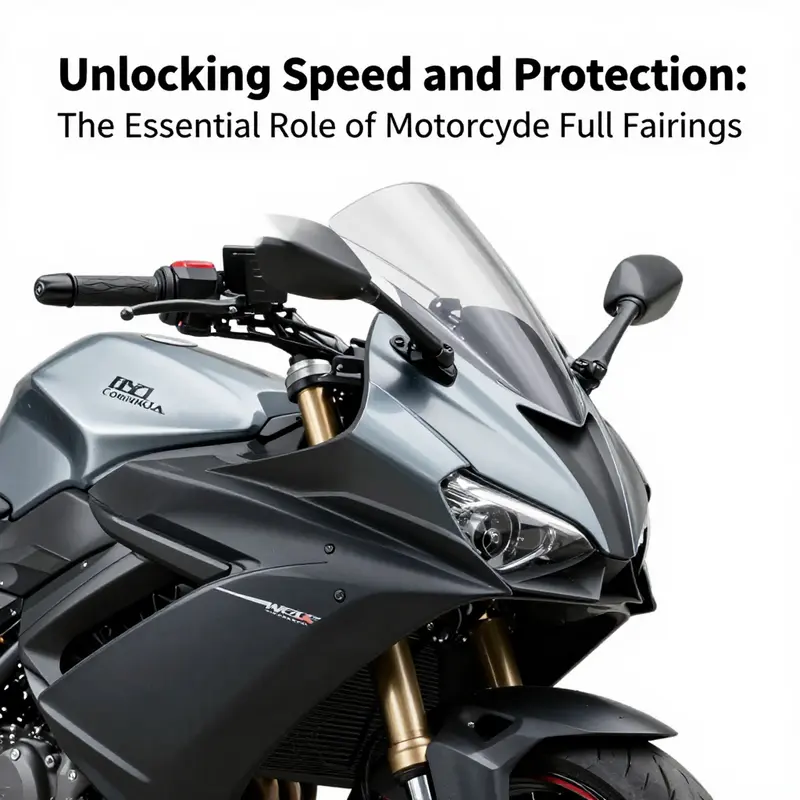
The evolution of motorcycle full fairings highlights a critical intersection where safety, durability, and advanced technology converge. These protective panels, which initially served the primary function of enhancing aerodynamics, have evolved significantly thanks to modern material science and sophisticated manufacturing techniques. This transformation aims not in merely creating lightweight structures but in redefining the very standards of rider safety and equipment longevity.
Material Innovations Driving Protection
In the realm of motorcycle full fairings, material selection plays a pivotal role. Innovations in composite materials, particularly carbon fiber and advanced polymers, have set a new precedent. These materials are favored for their exceptional strength-to-weight ratios that surpass traditional fiberglass. Riders appreciate both lightweight construction and increased durability, which contribute directly to performance and comfort during rides.
The benefits of these advanced materials extend beyond mere weight reduction. They offer enhanced resistance to impact and abrasion, critical for protecting riders in the event of an accident. Unlike their fiberglass counterparts, composite materials have a much higher modulus of elasticity, allowing them to deform and absorb impact energy rather than shatter. This crucial characteristic can mean the difference between minor injuries and serious harm during a fall.
Advanced Manufacturing Techniques
Equally influential are the manufacturing techniques being adopted across the industry. Processes like vacuum bagging and resin transfer molding have revolutionized the consistency and quality of fairings. These methods minimize internal flaws, resulting in a product that can withstand high-speed impacts while maintaining its integrity. The importance of high manufacturing standards cannot be overstated; a fairing that can endure harsh environmental conditions without warping or cracking is essential for any serious rider.
Moreover, these advanced techniques enable the creation of fairings that can be tailored to specific models without sacrificing quality. Such customization options allow manufacturers to enhance rider engagement through tailored experiences, accommodating individual style and preferences regarding color, design, and functionality.
Integrated Safety Features for Enhanced Protection
Beyond structural integrity, the incorporation of integrated safety features within modern fairings is changing the game for rider protection. Some manufacturers are now embedding impact-absorbing foam layers within the fairing structure. This foam acts as an energy dissipator during a crash, providing significant cushioning and decreasing the risk of severe injuries.
In addition, advancements in coatings have led to the development of scratch-resistant and UV-stable finishes. These finishes are not just aesthetic upgrades; they extend the fairing’s lifespan by protecting against environmental elements and wear and tear, ensuring that the fairing continues to look good while maintaining its protective qualities.
Looking Ahead: The Future of Motorcycle Full Fairings
As we glance towards the future, the trajectory of motorcycle fairing technology hints at some exciting innovations on the horizon. The potential development of smart materials, capable of self-repairing minor damages or adjusting their characteristics to adapt to various riding conditions, is particularly noteworthy. Imagine a fairing that could dynamically alter its aerodynamic properties depending on speed or weather, optimizing performance and safety in real time.
Moreover, the pursuit of dynamic aerodynamics promises to enhance rider comfort and fuel efficiency further. Fairings that can adjust airflow based on environmental conditions could lead to improved stability and reduced fatigue for the rider. These advancements mirror a broader industry trend where user experience and adaptive technology go hand in hand.
In conclusion, the future of motorcycle full fairings stands at a remarkable crossroads, blending innovative materials with the latest advances in engineering and design. As manufacturers continue to embrace cutting-edge technologies, the focus remains steadfast on protective measures that enhance both rider safety and performance. This evolution not only caters to the rigorous demands of riders looking for durability and safety but also opens doors to personalized riding experiences. For those looking to explore options for upgrading their bikes, a visit to specialty retailers can reveal an array of collections tailored to specific motorcycle models, ensuring compatibility and optimized performance. For example, Honda enthusiasts can discover tailored fairings through specialized outlets here. The synthesis of form and function in motorcycle fairings strongly reflects the future of riding — committed to safety, style, and innovation.
2. Understanding the Economic Factors Behind Protection and Durability of Motorcycle Full Fairing
When considering the purchase of a motorcycle, riders often weigh a multitude of factors, particularly those that concern the protection and durability of the vehicle. Motorcycle full fairings, with their ability to provide extensive coverage, play a pivotal role in influencing these economic considerations. While the initial investment for high-quality fairings can seem substantial, the long-term savings and advantages they offer frequently outweigh the costs, highlighting a critical aspect of motorcycle ownership that extends beyond aesthetics.
The construction of motorcycle full fairings typically employs materials designed to withstand the rigors of the road. High-impact ABS plastic and carbon fiber composites are two such materials that strike a balance between durability and weight. These materials enhance a motorcycle’s resilience against road debris, moisture, and harsh environmental elements, all of which can lead to costly repairs if left unprotected. In essence, the initial higher price tag associated with these durable fairings can translate to significant financial benefits down the line.
When examining the long-term economic impacts, one must consider the maintenance costs. A study published in the International Journal of Automotive Engineering highlighted that motorcycles equipped with durable fairings experienced up to 40% fewer bodywork repairs over a five-year period than those with standard fairings. This dramatic difference illustrates how investing in superior protection can markedly reduce the frequency and expense of repairs, which is particularly beneficial for riders who frequently navigate challenging terrains or variable weather conditions.
In addition to repair savings, the extended service life of high-durability fairings means that fewer replacements are necessary. For instance, riders often find themselves facing the dilemma of whether to opt for affordable yet less durable options or to invest in high-quality components that assure durability. While cheaper fairings may lower upfront costs, they typically lead to increased total ownership costs due to their propensity to break or diminish quickly. Over years of use, these inexpensive parts contribute to a cycle of regular replacements, resulting in a financial burden that outweighs the benefits of saving money upfront.
Another vital economic factor linked with motorcycle full fairings is their influence on resale value. Buyers are increasingly informed about what constitutes good quality and may shy away from models that feature subpar protective elements. A motorcycle equipped with premium fairings tends to retain its value better than those clad with cheaper alternatives. As a motorcycle’s condition is a significant determinant of its market price, the durability of its components is scrutinized by potential buyers. Therefore, opting for robust fairing choices can enhance the resale value when it comes time for an owner to sell their motorcycle.
Furthermore, many riders report that high-quality full fairings also contribute positively to the aerodynamics of the motorcycle, leading to improved fuel economy and performance. By reducing wind resistance, motorcycles with well-designed fairings not only offer a smoother riding experience but also greater fuel efficiency. This dual effect supports both the rider’s performance goals and economic considerations, reinforcing the value of investing in such protective components. With rising fuel costs, this improvement can yield substantial savings over time, adding a layer of justification to the higher upfront costs associated with durable fairings.
The availability of aftermarket options also influences the economic landscape regarding motorcycle full fairings. Platforms like Alibaba and eBay provide a wide selection of fairings, making it accessible for riders to find quality products that meet their specific needs and budgets. Tools like the ‘Guaranteed Fit’ feature on eBay further alleviate concerns about compatibility, making it an increasingly reliable marketplace for both enthusiasts and casual riders alike. Access to these platforms facilitates informed decision-making, allowing riders to evaluate options that best suit their economic priorities.
Decision-making in motorcycle ownership relies heavily on the balance between immediate costs and potential long-term savings. This dynamic is crucial when it involves critical safety components like full fairings that significantly impact a motorcycle’s longevity and performance. Riders must recognize that while economical choices may seem appealing initially, they may disguise hidden costs that manifest later.
In conclusion, the economic implications of protection and durability in motorcycle full fairings underscore the importance of investing thoughtfully. By selecting robust, high-quality fairings, riders can save significantly on future repairs and maintenance, enhance the resale value of their vehicle, and perhaps most crucially, enjoy a safer, more efficient riding experience. The initial investment reflects not just an expense but an intelligent decision that supports the pillars of motorcycle ownership—protection, performance, and financial prudence. Ultimately, the choice becomes clear: investing in quality motorcycle full fairings is not merely about aesthetics; it is a foundational aspect that influences every ride.
Chapter 3: Exploring Materials and Construction of Aftermarket Motorcycle Full Fairings
1. Understanding the Materials Behind Aftermarket Motorcycle Full Fairings
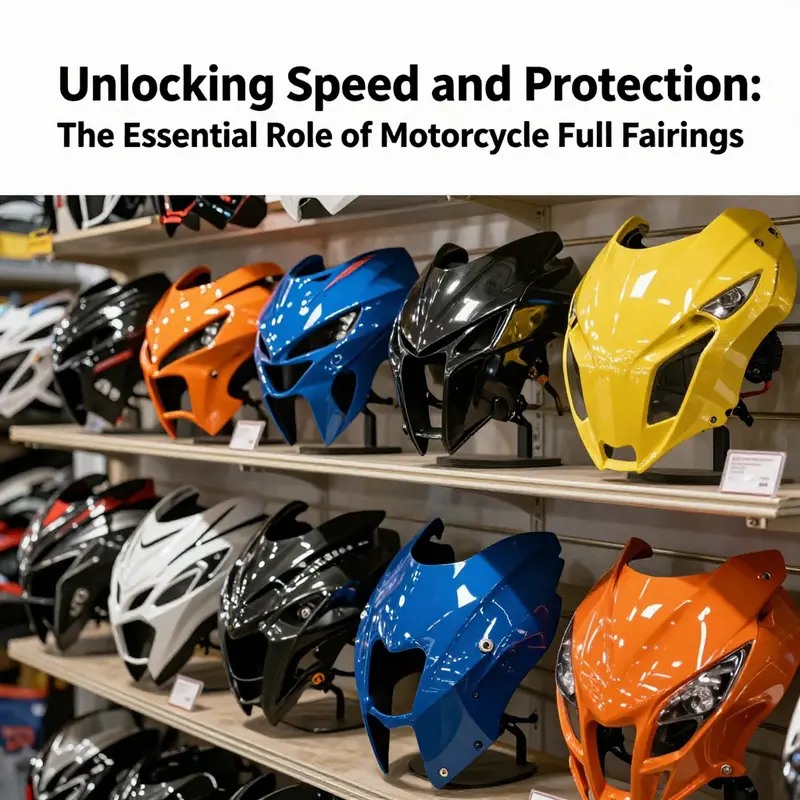
The world of motorcycle aftermarket parts is vast, but few components are as critical for performance and aesthetics as the full fairing. These comprehensive body panels enclose the front, sides, and top of a motorcycle, creating a streamlined profile that significantly reduces wind resistance. As riders seek to enhance their motorcycles, understanding the material options available for aftermarket full fairings becomes essential, especially when considering factors like durability, weight, cost, and style.
Types of Materials
Aftermarket full fairings are predominantly constructed from three key materials: ABS plastic, fiberglass, and carbon fiber. Each of these materials offers unique advantages and drawbacks, making them suited for different rider preferences and motorcycle types.
ABS Plastic
Among the choices available, ABS (Acrylonitrile Butadiene Styrene) plastic stands out as the most commonly used material for aftermarket full fairings. Renowned for its excellent balance of strength and impact resistance, ABS is favored for its affordability and durability under typical riding conditions. Riders who encounter minor mishaps find ABS particularly beneficial as it can absorb impact without cracking, allowing for a reliable shield against the everyday wear and tear of riding.
Additionally, the molding process for ABS allows for intricate designs and smooth finishes that closely match OEM specifications, appealing to those aiming for an aesthetically pleasing look without sacrificing performance. This versatility makes it a staple in the sport-touring and commuter bike segments, where a combination of durability and affordability is paramount.
Fiberglass
On the other end of the spectrum lies fiberglass, a material celebrated for its robustness and rigidity. Unlike ABS, fiberglass offers enhanced structural integrity, making it the preferred choice for custom or high-performance builds that require resilience under high-stress conditions. Although typically heavier and more expensive than ABS, the benefits of fiberglass extend into its repairability. When damaged, fiberglass fairings can often be patched up more easily than their ABS counterparts, further prolonging their lifespan and utility.
Moreover, fiberglass construction permits a greater design latitude compared to some plastics, allowing builders the freedom to create unique customizations that resonate with their vision. Riders looking for resilience in demanding situations embraced by racetracks or rigorous touring could find fiberglass fairings an excellent investment despite the higher upfront costs.
Carbon Fiber
At the pinnacle of performance materials, carbon fiber offers an unrivaled strength-to-weight ratio that appeals directly to speed enthusiasts and those focused on optimizing every ounce of their bike’s performance. The lightweight nature of carbon fiber significantly contributes to improved handling and acceleration, making it a common choice for sport bikes and track-specific models.
At first glance, the aesthetic appeal of carbon fiber is undeniable. Its unique weave patterns create a modern, high-tech appearance that many riders covet. However, the allure of carbon fiber comes at a steep price—both in initial costs and maintenance. Carbon fiber components typically require specialized care; they can also be more susceptible to impact damage compared to fiberglass or ABS. As such, they are ideal for riders willing to invest further into their machines’ performance and aesthetics, understanding the need for careful handling.
Choosing the Right Material
Riders face specific considerations when choosing among these materials, as their decisions hinge on several factors such as budget, intended use, and style preferences. An everyday commuter might prioritize ABS plastic for its reliability and reasonable cost, ensuring that their bike remains protected without breaking the bank. Conversely, those entering the world of custom builds often lean towards fiberglass, which offers the flexibility needed for personalization along with the strength required for longevity.
For the performance-driven rider who seeks ultimate efficiency coupled with an edgy look, nothing but carbon fiber suffices. This option is tailored for those whose passion extends beyond daily riding—individuals eager to enhance their motorcycles not only for performance metrics but also for the aesthetic appeal that can turn heads on the track or street.
In summary, selecting the right aftermarket full fairing material is about aligning the rider’s priorities with the specific benefits each material offers. Knowledge of ABS plastic, fiberglass, and carbon fiber allows motorcyclists to make educated decisions that meet their needs, balancing durability, performance, and budget together effectively. For a deeper dive into specific fairing options based on stock or customization needs, resources such as the Gen 1 Hayabusa Fairings Supplier Guide: Material Options, MOQs & Pricing may prove invaluable to streamline the buying process.
Riders aiming to customize their motorcycles can explore various aftermarket full fairings available through numerous platforms. Sites like eBay provide extensive selections and a “Guaranteed Fit” feature that ensures compatibility, while dedicated retailers like Summit Fairings specialize in specific brands, making the search easier for brand enthusiasts. Whether looking for ABS, fiberglass, or carbon fiber, understanding the benefits and limitations of each material provides the foundation for an informed purchase—ensuring the motorcycle not only performs well but also resonates with the rider’s personal style.
2. Unleashing Personal Expression and Performance: The Art of Aftermarket Full Fairing Design
The aftermarket motorcycle fairing market presents a captivating landscape of design and customization opportunities. Riders now have the tools to craft motorcycles that are not just modes of transport, but personal expressions of their identity and taste. A full fairing provides a foundational canvas for these transformations, enhancing both aesthetic charm and functional performance. This integration of artistry, technology, and rider personalization makes aftermarket full fairings an essential element of modern motorcycling.
At the heart of this customization revolution is the diversity of design options available in the aftermarket fairing segment. Riders can opt for sleek, aerodynamic shapes designed to minimize drag or bold art-inspired graphics that turn heads on the open road. Each choice reflects a combination of personal style and desired performance benefits, ranging from improved high-speed stability to enhanced visibility through integrated lighting systems. These features do not merely serve an aesthetic purpose—they contribute to overall safety and performance, making the ride not just faster, but smarter.
Modular designs are another key innovation in the aftermarket fairing landscape. Many manufacturers have developed interchangeable components that allow riders to mix and match various fairing elements. This modular approach means that different front cowls, side panels, and tail sections can be combined to create a bespoke motorcycle tailored to individual preferences. For instance, a rider may choose a particular front cowl that enhances airflow management while opting for a tail section that adds visual flair, effectively balancing performance with style. Such adaptiveness empowers riders to reflect their unique characteristics and modify their bikes according to their needs, moods, or even changing riding conditions.
Material advancements also play a significant role in this customization trend. Gone are the days when stock parts limited creativity; contemporary motorcycle fairings are now available in advanced materials like carbon fiber and high-impact plastics. These materials offer lightweight strength that is durable enough to withstand the rigors of daily riding while allowing for complex, intricate designs that were previously unattainable with standard fairing options. The lightweight nature of these materials directly contributes to better handling and improved high-speed performance, aligning perfectly with the goals of performance-oriented riders.
For those seeking a truly individualized ride, the rise of custom fabrication services has been a game-changer. Skilled artisans, often found at specialized shops, create one-of-a-kind fairings based on detailed rider specifications. This can include anything from custom designs that stem from personal sketches or 3D models, to completely unique concepts that incorporate advanced technology features. For example, smart displays can be integrated directly into the fairing, providing real-time performance data, while built-in USB charging ports or Bluetooth communication systems enhance the functionality of a rider’s cockpit. Such developments blend form with function, ensuring that riders not only look good but also remain connected on the go.
The advent of digital platforms has further democratized access to customization expertise. Riders can tap into global collaborations with designers and manufacturers, broadening their options for personalization. This connectivity allows enthusiasts to explore new international design trends and innovative engineering solutions, which may not have been available locally. For instance, an intricate Japanese graphic style or cutting-edge aerodynamic features pioneered by European engineers can easily find their way into a rider’s motorcycle, turning conventional customization into a rich, multicultural tapestry of global influences.
While customization can significantly enhance a motorcycle’s individuality and performance, it is crucial for riders to consider compatibility when selecting aftermarket parts. Many manufacturers offer detailed specifications to ensure that new full fairings will seamlessly fit existing models. Thanks to platforms like eBay, consumers can explore a wide array of options featuring compatibility assurance, which takes the guesswork out of the customization journey. This feature is particularly useful for those eager to combine form and function without the risk of investing in parts that may not fit their bikes.
In addition to the functional benefits, the community aspect of motorcycle customization cannot be overlooked. Participating in forums and social media groups allows riders to share their passion, showcase their completed projects, and exchange ideas about techniques and best practices. These engagements foster a culture of innovation and encouragement within the motorcycling community. Whether a novice rider learns to install a custom fairing from a YouTube tutorial or an experienced enthusiast showcases their intricate designs on social media, the collective knowledge helps everyone push the boundaries of what can be done with aftermarket full fairings.
As we navigate through a world where personalization is becoming the norm, aftermarket motorcycle full fairings symbolize far more than mere accessories. They embody the spirit of innovation, artistry, and the relentless pursuit of performance. With various designs at their disposal and a plethora of customization options, riders can completely redefine their motorcycling experience. Thus, investing in an aftermarket full fairing transforms the bike into an extension of the rider’s character, making every ride an embodiment of individuality. Explore the latest trends and remarkable selections available at reputable sources to find your ideal aftermarket full fairing and make the ultimate expression of your riding persona.
Chapter 4: The Evolving Landscape of Motorcycle Full Fairing Technologies
1. Revolutionizing Rider Experience: The Technological Frontier in Motorcycle Full Fairing
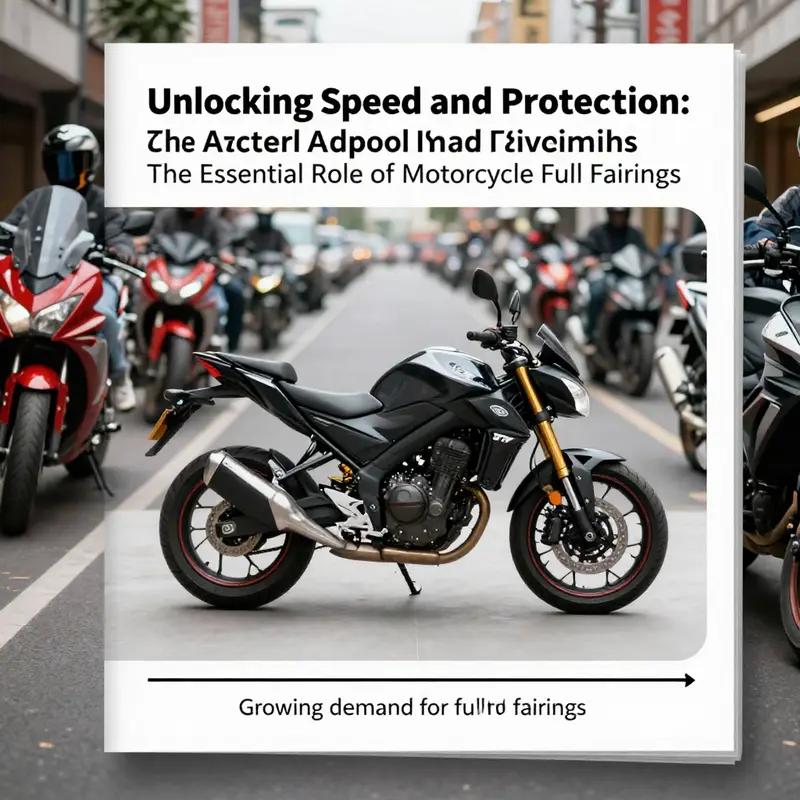
In the dynamic sphere of motorcycle design, full fairing technology is under transformation, influenced by continual advancements that elevate both performance and safety. At the heart of this evolution are innovations in material sciences and manufacturing processes that are pioneering new standards of efficiency, customization, and rider comfort.
One of the standout advancements in recent years is the adoption of lightweight composite materials. Riders have long recognized that weight reduction plays a vital role in performance, particularly when it comes to fuel efficiency and maneuverability. The integration of materials such as carbon fiber and specialized polymers into fairing designs has not only cut down on the overall heft of motorcycles but also significantly enhanced their aerodynamic profiles. This shift has resulted in a dual benefit: decreasing drag while improving responsiveness at high velocities. As manufacturers increasingly prioritize these materials, the market sees a gradual but definitive shift towards more agile, efficient motorcycles.
In conjunction with material advancements, advanced manufacturing processes are redefining how fairings are created. Technologies like 3D printing and CNC machining have revolutionized production, enabling manufacturers to craft complex shapes with remarkable precision and speed. These processes permit a level of customization previously unheard of in motorcycle manufacturing. Thus, riders can opt for bespoke fairing designs that cater to their unique style and functional needs. The agility afforded by these technologies also facilitates cost-effective production runs, allowing for a broader array of options in the aftermarket parts sector.
Comfort is another area where technological innovations manifest significantly. The latest advancements in fairing design actively combat wind noise and turbulence, offering a quieter ride and enhanced protection against adverse weather conditions. These developments extend beyond merely blocking wind; they contribute to better thermal regulation, ensuring that the motorcycle remains responsive to varying rider environments. As motorcycles with full fairings enhance their protective capabilities, riders find themselves better insulated from the elements, allowing for longer and more comfortable journeys.
Furthermore, the influence of motorsports cannot be understated. Professional racing environments serve as crucial laboratories for testing and refining fairing designs. The relentless pursuit of speed and efficiency under the constraints of racing formats has led to remarkable innovations—including the incorporation of active aerodynamics, integrated cooling ducts, and optimized airflow channels. These features, once exclusive to the racing elite, are now trickling down into consumer models. The result is a new generation of motorcycles that benefit from advanced aerodynamics and performance-oriented attributes, effectively bridging the gap between racetrack capabilities and street-legal applications.
The integration of digital technology in motorcycle fairings signifies a notable progression in rider connectivity and enhancement. Contemporary full fairings are increasingly designed to accommodate smart systems that integrate various communication tools, GPS navigation displays, and sensors. These features not only track performance metrics but also enable feedback on rider posture and environmental interactions, leading to an enriched riding experience that is as much about comfort as it is about safety. As riders demand more from their vehicles, the convergence of mechanical engineering and digital technology marks a critical turning point in how motorcycles are designed and operated.
Electric motorcycles are also reshaping the landscape of full fairings. As the market for electric-powered bikes expands, fairing designs are adapting to meet the requirements of differing battery layouts and cooling systems. This evolution showcases the adaptability necessary for future advancements; manufacturers are not only focusing on performance but are also implementing solutions that tackle the sustainable needs of tomorrow. This kind of innovation hints at a dual future where tradition and contemporary technological demands coexist.
In addition to these areas of focus, the aftermarket landscape evolves alongside these innovations. For instance, platforms like Alibaba and eBay now host a plethora of customizable fairing kits that allow riders to enhance the aesthetic and functional components of their motorcycles. One notable example includes the Yamaha fairing kits, which offer lightweight, CE-certified options designed for maximum performance. With minimal weight and enhanced aerodynamics, these kits exemplify how technological advancements are permeating all aspects of motorcycle customization and functionality.
Moreover, specialized retailers dedicate themselves to providing extensive selections that span various models across leading brands, such as Honda, Kawasaki, and Suzuki. This abundance of choice supports a vibrant aftermarket and reflects growing consumer expectations for personalization and performance efficiency. Shoppers can now rely on the “Guaranteed Fit” feature when selecting parts, ensuring compatibility and easing the decision-making process.
As technological innovations continue to reshape the motorcycle full fairing industry, riders find themselves at the intersection of design, performance, and enhanced safety. Riding evolves into an enhanced experience where comfort and capability meet creativity and customization. The implications of these advancements are profound—the market not only embraces a greener future through electric solutions but also fosters a culture of personalization that appeals to new generations of motorcycle enthusiasts. Looking forward, it’s clear that this technological evolution will be vital in defining the future landscape of motorcycling, blending the thrill of riding with the cutting-edge advancements of tomorrow.
2. Shifting Economic Currents: The Forces Shaping Full Fairing Demand and Pricing
The motorcycle full fairing market does not exist in isolation; it is deeply intertwined with fluctuating economic conditions, consumer behavior, and industry dynamics. Among the most influential factors shaping these trends are global economic conditions, currency fluctuations, trade policies, raw material prices, government investments, and competitive market scenarios. Understanding the interplay of these economic elements is vital for both stakeholders and consumers in this specialized domain.
Global economic conditions play a foundational role in determining consumer spending power. In periods of strong economic growth, consumers typically experience increased disposable income, which often translates to a higher demand for premium automotive accessories, including full fairings. Motorcyclists looking to enhance performance or aesthetics are more inclined to invest in comprehensive fairings when their financial situations allow for discretionary spending. Conversely, economic downturns, characterized by rising inflation and employment uncertainty, tend to curb this propensity, as consumers prioritize essential purchases over non-essential upgrades.
Furthermore, inflation functions as a twin-edged sword. While it generally erodes purchasing power, it can simultaneously elevate the perceived value of high-quality or technologically advanced motorcycle fairings in the eyes of consumers. For instance, riders may opt for durable and efficient designs from reputable brands, believing this investment will offset future maintenance costs. Such behavior underscores the nuanced relationship between pricing, quality, and consumer decision-making in adverse economic conditions.
Currency fluctuations also significantly alter the landscape for manufacturers and consumers alike. For companies relying on international supply chains for sourcing raw materials or finished products, the ever-changing values of currencies can cause costs to ascend or descend unexpectedly. A robust domestic currency can reduce import costs, providing manufacturers with the flexibility to set competitive prices that attract buyers. Conversely, a weakening currency may lead to inflated costs of cased materials, thereby necessitating adjustments in pricing strategies that could put products out of reach for budget-conscious consumers.
Trade policies and tariffs bring an additional layer of complexity to the economic factors affecting the motorcycle fairing market. Tariffs imposed on imported fairings and necessary production supplies can lead to higher prices, thereby impacting market accessibility and competition. Regions heavily reliant on imports may find themselves at a disadvantage, particularly if local manufacturers can produce similar quality goods at lower prices. Political shifts that introduce new trade agreements or restructure existing ones can cause ripple effects that redefine competitive advantages, creating a necessity for manufacturers to remain agile and adaptive in response to shifting political climates.
Compounding these challenges is the influence of raw material prices. The costs of essential components such as plastics, fiberglass, and composites can spike due to supply chain disruptions or increased global demand. Such fluctuations directly impact manufacturers’ operational expenses, forcing them to reconsider pricing structures. When material costs are volatile, manufacturers must balance the need to maintain profit margins with the desire to keep prices attractive for consumers. This situation underscores the importance of strategic sourcing and inventory management in navigating an uncertain economic environment.
Moreover, government spending and infrastructure investments can significantly uplift market demand for motorcycle accessories, including full fairings. When governments prioritize transportation enhancements, motorcycle use often sees a corresponding rise, effectively leading to increased demand for protective and aerodynamic features associated with full fairings. For instance, investments in road safety and infrastructure can spur greater adoption of motorcycles, drawing more riders into the market. These dynamics highlight the interconnectedness of governmental policies, public infrastructure, and consumer behavior within the motorcycle industry.
In addition, government research and development initiatives can stimulate advancements in fairing technology. Innovations in materials and designs not only enhance safety and performance but can also appeal to consumer aesthetics. As manufacturers push the envelope with new technologies, they may find themselves positioning their products as necessities among the trend-conscious motorcycle riding population.
Lastly, the specific dynamics of market competition lead to varying responses from stakeholders, emphasizing the crucial need for ongoing economic monitoring. Companies that are attentive to shifting economic circumstances—whether they pertain to consumer spending habits or market entry barriers—are better equipped to adapt their marketing strategies and product lines accordingly. Price wars, promotional campaigns, and service innovations emerge as reactions to economic conditions, driving a perpetual cycle of competition that shapes the motorcycle full fairing landscape.
The confluence of these economic factors shapes how consumers perceive value and make purchasing decisions regarding motorcycle full fairings. Consequently, it is essential for stakeholders, manufacturers, and retailers alike to maintain a vigilant watch on economic indicators to foresee shifts in consumer preferences and competitiveness. Staying attuned to these market dynamics is pivotal for success and sustainability in a rapidly evolving sector. As the motorcycle full fairing market adapts to these economic currents, stakeholders must position themselves with the foresight and agility necessary to thrive.
For those exploring the world of motorcycle fairings, considering the economic landscape can provide powerful insights into both current offerings and future trends. Information on available models and compatibility can be further pursued through comprehensive sources at platforms that specialize in motorcycle parts and accessories.
Final thoughts
Motorcycle full fairings are more than just aesthetic enhancements; they are essential components that contribute to a motorcycle’s performance, safety, and longevity. With aerodynamic designs that reduce drag and increase fuel efficiency, alongside robust protection for riders and their machines, these fairings hold significant value in the motorcycle market. Business owners should remain aware of the diverse aftermarket options available, such as the Yamaha FZ16 Full Fairing Kit, which can cater to varying needs and preferences. Keeping an eye on market trends can also aid businesses in optimizing their offerings to meet consumer demands. Ultimately, embracing the benefits of motorcycle full fairings can lead to greater satisfaction for both owners and riders, securing a competitive edge in the motorcycle industry.
Ready to elevate your ride? Summit Fairings delivers premium, custom-fit fairings that blend style and durability. Whether you’re chasing speed or turning heads, we’ve got your bike covered. Don’t wait—transform your machine today. Click, customize, and ride with confidence. Your perfect fairing is just a few clicks away. Act now!
About us
We are one of the leading motorcycle fairing export sites, with over 3,000 styles across almost all motorcycle models. Buy from summitfairings.com, and pay 10-40% less than the prices on other sites. If you have any questions, we promise we will have your answer within six hours.