
Introduction
Motorcycle rally fairing has increasingly become a crucial component for business owners looking to elevate their product offerings in the adventure bike market. As consumers seek not just performance but also style, understanding the benefits of rally fairing becomes paramount. This article will explore the aerodynamic advantages that rally fairings provide, delve into the durability features that protect both riders and motorcycles, and examine the cultural impact these components have on adventure riding communities. By comprehensively understanding motorcycle rally fairing, business owners can make informed decisions about product enhancements, tap into customization trends, and meet evolving customer demands.
Tables of Contents
Chapter 1: The Cutting Edge of Aerodynamics: Innovations in Motorcycle Rally Fairing Technology
- Driving Performance through Advanced Aerodynamics in Motorcycle Fairing Design
Chapter 2: Unlocking Potential: The Economic Ripple Effects of Motorcycle Rally Fairing Aerodynamics
- Fuel Efficiency, Market Dynamics, and Job Creation: The Economic Landscape of Motorcycle Rally Fairings
Chapter 3: Engineering the Future: The Role of Material Science in Motorcycle Rally Fairings
- Innovative Materials for Enhanced Durability and Protection in Motorcycle Rally Fairings
Chapter 1: The Cutting Edge of Aerodynamics: Innovations in Motorcycle Rally Fairing Technology
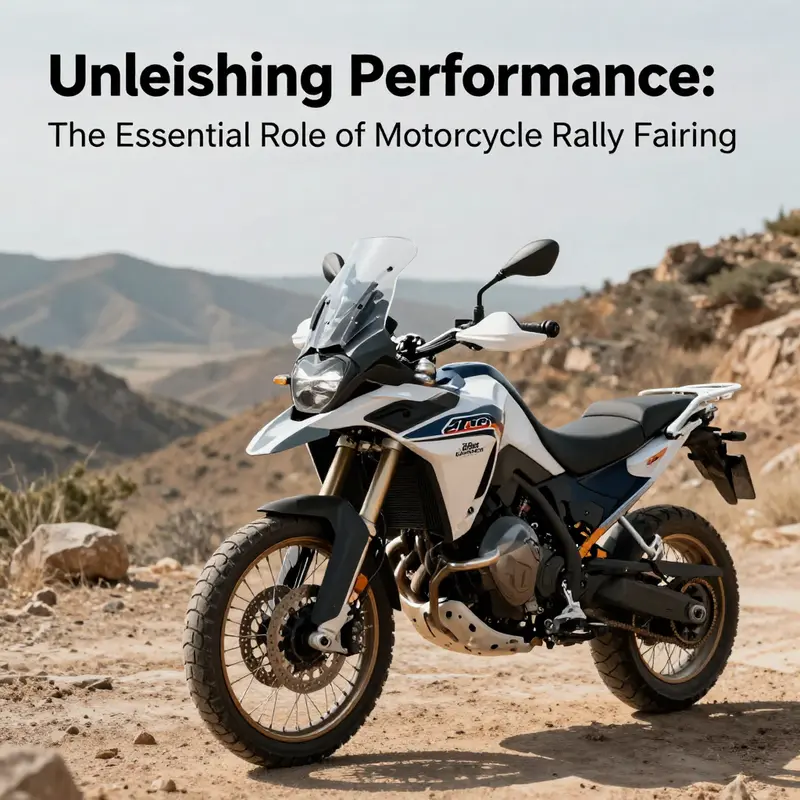
1. Driving Performance through Advanced Aerodynamics in Motorcycle Fairing Design
The evolution of motorcycle fairings has transcended their traditional role of providing mere protection to the rider and essential components. Today, motorcycle rally fairings are at the forefront of technological innovation, enhancing aerodynamics in ways that significantly impact performance, stability, and even the rider’s comfort on long journeys. With advancements rooted in material science and engineering, these fairings have become indispensable for both competitive racing and off-road adventures.
The integration of lightweight composite materials like carbon fiber and advanced polymers represents a significant leap in fairing design. These materials not only facilitate the creation of intricate and efficient aerodynamic shapes but also contribute to the overall weight reduction of the motorcycle, enhancing its agility and response time. In racing scenarios, a reduction in weight translates directly to an increase in speed, allowing riders to maximize their machine’s capabilities. These composites are designed to withstand high stress and critical impacts, thus ensuring that the structural integrity of the fairing does not sacrifice performance in rugged environments.
In tandem with these material innovations, the utilization of Computational Fluid Dynamics (CFD) has revolutionized the design process of motorcycle fairings. CFD allows engineers to simulate airflow dynamics around a motorcycle in a virtual environment, effectively assessing how various fairing shapes will perform under different speeds and riding conditions. This technology facilitates the detailed analysis of airflow patterns, enabling precise adjustments to fairing contours long before a physical prototype is fabricated. By testing the designs in virtual contexts, engineers can iteratively refine the shapes to achieve the optimal aerodynamic performance, which means significant savings in development time and costs. Through these simulations, engineers can mitigate common problems such as air turbulence that can drastically affect handling and stability, improving the rider’s experience on long-distance journeys and during competitions.
The trend toward modular and adjustable designs in motorcycle fairings further emphasizes a shift towards customization and adaptability. These designs allow riders to modify their fairings based on the specific conditions they anticipate encountering, whether navigating through dense forests or speeding down a racetrack. For instance, a rider might desire a higher windscreen for long-distance touring or a lower profile for racing scenarios where aerodynamics is crucial at high speeds. This adaptability aligns with the needs of modern riders who often traverse varying environments, emphasizing a more personalized riding experience.
Moreover, active aerodynamic elements have begun to feature in high-end motorcycles, adding a layer of sophistication to fairing technology. Components like movable spoilers or adjustable air vents can dynamically adjust based on real-time inputs such as the motorcycle’s speed and rider throttle response. This means that at high speeds, the fairing can automatically lower to reduce drag, while during low-speed conditions, it can adjust to improve airflow to the engine for optimal cooling. Such innovations not only enhance performance but also contribute significantly to safety by improving stability and control under diverse riding conditions.
The performance implications of these advancements in motorcycle rally fairings are significant. Reducing aerodynamic drag by as much as 15% compared to standard models illustrates just how transformative these technological advancements can be. This drag reduction not only results in increased accelerated forward momentum but also leads to improved fuel efficiency—a pertinent factor for long-distance riders who cherish every mile on their journey. Riders can expect to achieve better cooling efficiencies due to reduced air resistance; this is crucial during endurance rides where the engine’s temperature management is vital. The synergy of enhanced aerodynamics and engineering breakthroughs embodies the essence of modern motorcycle racing, allowing for a seamless blend of speed, control, and safety.
In addressing the cultural aspects of motorcycle adaptations, the rally fairing has become a symbol of the adventurous spirit, inspiring enthusiasts to customize their standard motorcycles with rally-style fairings. As observed on platforms like Pinterest, where communities share ideas through boards dedicated to rally fairings, an aesthetic appreciation has emerged alongside functional modifications. Enthusiasts integrate rally fairings with other protective components such as crash bars and engine guards, forming a protective suite that embodies both character and practical utility. The Triumph Tiger 900 series serves as a prime example, showcasing the variety of accessory options available to riders seeking to enhance their off-road abilities.
In summary, the journey of motorcycle fairings extends far beyond their initial purpose of protection and aerodynamic function. Each advancement in materials technology and design methodology serves to shape a motorcycle’s performance landscape. As riders increasingly seek out machines that not only perform well but also align with their adventurous lifestyles, the embrace of cutting-edge fairing technologies will continue to flourish. The debate of form versus function is seamlessly resolved in the modern fairing, where innovation meets the road, and each ride becomes a testament to the possibilities that lie within the world of motorcycle rally fairing technology. Whether venturing on open highways or navigating treacherous terrains, these innovations in aerodynamic design will undoubtedly enhance the motorcycle experience, proving that when it comes to adventure, every detail matters.
Chapter 2: Unlocking Potential: The Economic Ripple Effects of Motorcycle Rally Fairing Aerodynamics
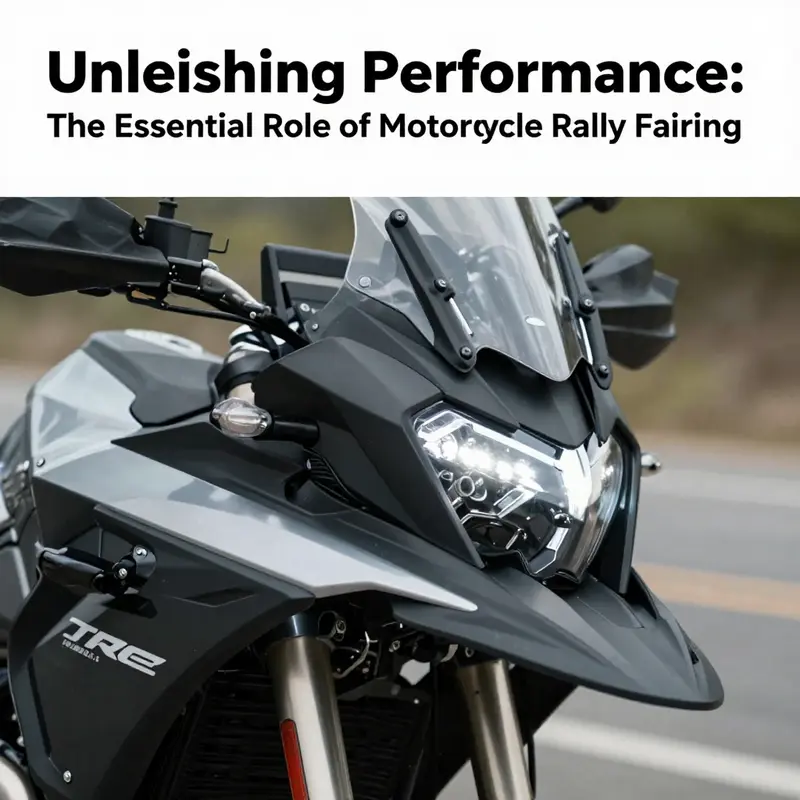
1. Fuel Efficiency, Market Dynamics, and Job Creation: The Economic Landscape of Motorcycle Rally Fairings
The economic implications of motorcycle rally fairings extend far beyond their immediate function of enhancing performance and protecting riders. These components are a pivotal part of the motorcycle industry, influencing everything from production processes to the broader economy. As the world increasingly turns its attention to sustainability and efficiency, the evolution of motorcycle rally fairings presents a compelling case study in the nexus of design, technology, and economic impact.
Fuel Efficiency and Competitive Advantage
One of the most significant economic benefits of motorcycle rally fairings is their contribution to fuel efficiency. Designed to minimize drag, these fairings allow motorcycles to cut through the air more smoothly, significantly reducing fuel consumption. In scenarios where every ounce of performance counts—such as in competitive racing or long-distance rally events—the advantages of reduced air resistance translate directly to tangible financial benefits.
Fuel costs can swell to considerable amounts during events like the Dakar Rally, where logistics and transportation become a substantial part of a team’s operational budget. By enhancing fuel efficiency, rally fairings lower these costs, enabling racing teams to redirect funds towards other critical areas such as talent acquisition, training, and technology enhancements. Thus, the strategic implementation of fairings often becomes a decisive factor in assuring competitiveness while preserving financial resources.
Performance Advantages and Financial Success
Improved aerodynamics also contribute to enhanced handling and speed, which can drastically elevate a rider’s performance on the track or trail. This combination of efficiency and performance represents a dual benefit: not only does it yield immediate operational savings, but it also provides an edge that could mean the difference between victory and defeat. Financially, this uplifts a team’s standing, leading to increased prize money and greater attractiveness for sponsorship deals.
Sponsorship in motorsports is heavily driven by visibility and success. Teams that can demonstrate a competitive advantage thanks to efficient and superior designs are in a better position to attract lucrative deals from brands looking to capitalize on their success. Every dollar saved through fuel efficiency, coupled with increased wins, can lead to exponential growth in revenue streams effectively, transforming the initial investment in aerodynamic fairings into a sustainable economic engine.
Manufacturing Innovations and Financial Viability
The fabrication of high-performance motorcycle fairings involves sophisticated materials and processes, such as carbon fiber composites, which are known for their lightweight durability. While the initial manufacturing costs are higher, these investments stand to open new avenues for economic development. As competition in the motorcycle industry intensifies, manufacturers are pushed to innovate continuously—thereby driving advancements in material science and engineering.
Over time, advancements in manufacturing techniques, such as 3D printing and computer-aided design, have allowed for partnership opportunities that significantly reduce costs while enhancing product quality. As companies innovate, they often pass savings on to consumers, resulting in more affordable fairings and, by extension, motorcycles. This dynamic fosters not only improved performance but also an evolving market that thrives on innovation.
When fairings become popular and desirable, it creates an economic ripple effect through the supply chain—from raw material suppliers to product manufacturers to aftermarket accessory creators. This stimulates job growth as companies scale to meet demand, providing opportunities in engineering, design, and production specialties.
Consumer Market and Economic Impacts
The advancements borne from racing and professional dynamics inevitably permeate the consumer motorcycle market. Innovations and technologies originally developed for competitive machines gradually filter down to mainstream models, thus providing advantages to everyday riders. Manufacturers leverage these advancements to market consumer bikes as enhanced in performance and fuel economy, supporting a higher price point that still holds appeal due to the enhanced capabilities and features.
Additionally, as consumer awareness about environmental issues and fuel costs rises, the push for fuel-efficient technology leads to market expansion opportunities. Motorcyclists seek ways to reduce their carbon footprint while enjoying the thrill of riding. Thus, marketing strategies aimed at promoting the advantages of rally fairings dovetail with greater consumer interests in sustainability, creating a lucrative market ripe for growth.
Job Creation through Growth and Innovation
The economic growth spurred by improvements in motorcycle rally fairings also has significant implications for job creation. As manufacturers invest in R&D to innovate their fairing designs, they require a diverse workforce, leading to job opportunities in engineering, graphic design, mechanical assembly, and quality assurance. Team dynamics during racing seasons even contribute to economic ecosystems, with teams employing additional crew members for logistics, maintenance, and support roles.
Moreover, the surge in interest surrounding adventure and touristic motorcycling has fostered job creation in sectors associated with motorcycle tourism, accessories, and maintenance services. Rally fairs enhance not just the economic outlook of racing teams but also small businesses linked to motorcycle production, aftermarket supplies, and rider training initiatives.
As enthusiasts customize their bikes with rally fairings and other protective gear, they often engage with local shops for modifications and maintenance, leading to increased local spending. Such interactions not only stimulate economic growth but also enhance community engagement around the motorcycle culture—fostering events, ride-outs, and local meetups that create a sense of belonging among riders.
Conclusion and Future Outlook
In conclusion, the economic implications of motorcycle rally fairing extend across multiple spectra, presenting both immediate benefits and longer-term advantages for industries, racing teams, and consumers alike. The relationship between aerodynamics, competitive performance, and economic growth becomes evident as manufacturers innovate and consumers seek sustainable solutions. While the initial investment in high-performance fairings may be substantial, the dual benefits of fuel efficiency and enhanced competitiveness lay the foundation for long-term financial success.
As the demand for both recreational and competitive riding grows, the economic landscape shaped by motorcycle rally fairings is likely to evolve, further driving innovation and sustainability within the industry. It is an ecosystem robust enough to transform the way motorcycling intersects with economics, guiding the future of the two in ways previously unconsidered. By closely observing these interactions, stakeholders can prepare for the exciting changes that lie ahead, paving the way for the next generation of motorcycle designs and the economic opportunities they present.
Chapter 3: Engineering the Future: The Role of Material Science in Motorcycle Rally Fairings
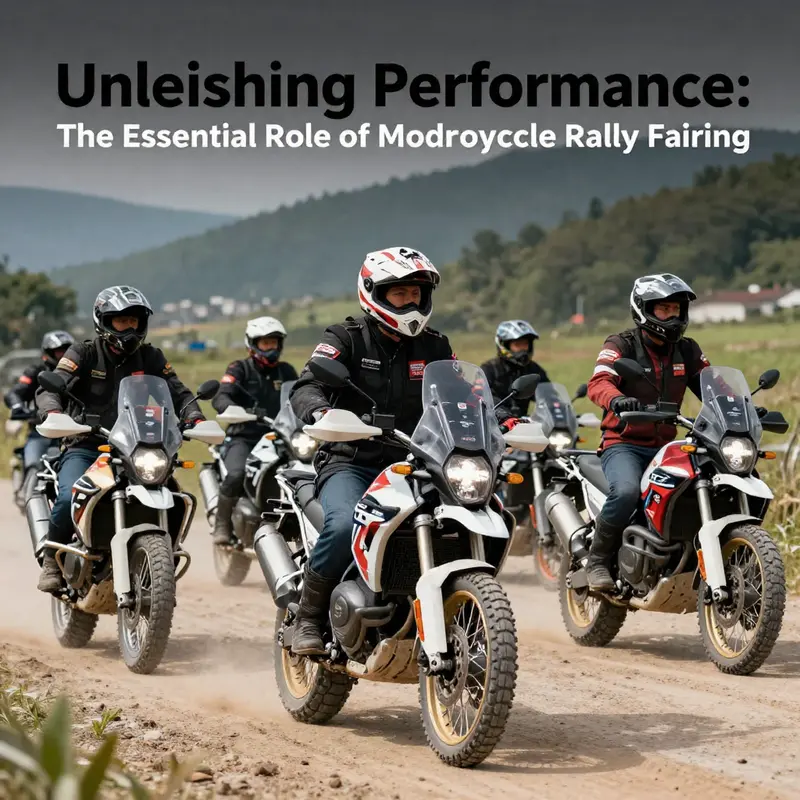
1. Innovative Materials for Enhanced Durability and Protection in Motorcycle Rally Fairings
When it comes to motorcycle rally fairings, understanding the science behind the materials used is essential for both performance and rider safety. The harsh realities of off-road riding and high-speed events necessitate a fairing design that not only stands up to extreme conditions but also complements the overall structural integrity of the motorcycle. Therefore, the materials selected for rally fairings are marked by a balance of strength, lightness, and adaptability, ensuring that they not only resist wear and tear but also optimize the motorcycle’s aerodynamics in challenging environments.
The most common materials utilized in the construction of rally fairings include ABS plastic and fiberglass. ABS, a thermoplastic, is favored for its ability to absorb impact energy without cracking or deforming. This is crucial during off-road rides where riders may encounter rocks, branches, and other debris. The inherent resilience of ABS ensures that the fairing remains intact even after multiple collisions, which is a constant risk in rugged terrains.
Fiberglass, on the other hand, offers a slightly different benefit. It is often used in conjunction with resin systems to create a composite that is lightweight yet incredibly strong. The layering process inherent in fiberglass construction allows manufacturers to tailor the level of strength required based on specific performance needs as the layers can be adjusted to distribute impacts more evenly across the surface. This customization can lead to fairings that not only provide shock absorption but also retain their shape and form better under the pressures of high-speed riding.
The unique property of fiberglass is its capacity to be molded into complex shapes without compromising structural integrity. As rally fairings often incorporate aerodynamic designs to reduce drag and improve stability, fiberglass allows for these innovations without adding unnecessary weight. Through advanced resin systems, manufacturers can also modify fiberglass to include elements such as UV resistance, which is particularly valuable for riders who are exposed to the sun’s harsh rays over long rides.
In recent years, manufacturers have expanded their material palettes to include composites that leverage the best traits of traditional materials while introducing entirely new capabilities. These composites often integrate carbon fiber or Kevlar, providing exceptional strength-to-weight ratios that are ideal for the competitive demands of rally racing. At the same time, their toughness ensures they can withstand moisture and impact damage, extending the lifespan of the fairing in extreme weather conditions.
The aerodynamic challenge of designing a rally fairing cannot be understated. The shape and positioning of fairings play a significant role in determining how a motorcycle interacts with the air, especially at speed. An optimized fairing reduces turbulence, enhancing rider control during critical moments when precision is paramount. Therefore, material choice also extends to how it can be molded into designs that minimize drag without sacrificing the protective qualities necessary for endurance riding.
Additionally, when we delve into the engineering specifics, proper mounting techniques for rally fairings emerge as vital considerations. These fairings need to be securely fastened to the motorcycle so that even under stress—whether from high-speed maneuvers or rough terrain—the structural integrity remains intact. Common issues like misalignment or gaps can significantly affect both performance and safety. This necessitates the engineering of not just the fairing itself but also the accompanying mounting hardware, often crafted from durable metals designed to withstand vibrations and impacts.
There is also a growing trend among motorcycle enthusiasts to customize their bikes, leading to the rise of aftermarket solutions for standard road motorcycles. Riders seeking to transition their machines for off-road capabilities increasingly opt for rally-style fairings designed specifically to enhance the practicality and durability of their street models. This trend is well illustrated by the many options available for popular motorcycles like the Triumph Tiger 900, with accessories that lend off-road proficiency while ensuring the durability required for challenging paths. These modifications speak to the innovative spirit of the riding community, enabling adaptations that maintain aesthetic appeal while augmenting functionality.
Moreover, the connection between rally fairing designs and the broader adventure riding culture cannot be overlooked. This culture not only embraces technical advancements in safety and utility but also celebrates the community aspect of riding. Social media platforms serve as an influential gallery showcasing an array of custom designs that inspire riders to personalize their bikes. Boards on platforms like Pinterest offer a window into this world, displaying innovative takes on traditional designs, and fostering a creative dialogue among motorcycle enthusiasts.
With the continuous evolution of materials used in motorcycle rally fairings, manufacturers now focus heavily on sustainability without compromising the performance attributes that riders demand. Innovations are emerging that range from bio-resins to recyclable composites, indicating a shift towards environmentally responsible practices while still emphasizing durability and protection.
In conclusion, the material science behind motorcycle rally fairings is a fascinating intersection of engineering, performance, and community engagement. It showcases how advancements in material technology can directly enhance rider safety and experience. Riders looking to add or upgrade their rally fairings can consider options suited to their specific needs and preferences, from standard ABS-based designs to more advanced composites or lightweight solutions. For those looking to dive deeper into the technical aspects of this evolving field, resources are available detailing impact resistance testing and ongoing innovations in composite materials. Whether for racing or adventure riding, investing in high-quality rally fairings is an essential step towards ensuring both safety and performance on any ride.
For more detailed insight into various fairing options, including those tailored to specific motorcycle models, refer to collections available at Summit Fairings.
Final thoughts
Motorcycle rally fairing goes beyond its primary role of enhancing aerodynamics and protection; it has become a symbol of the adventure riding culture and community. For business owners in the motorcycle industry, recognizing the multifaceted benefits of these components can lead to innovative product offerings that attract discerning customers. By staying informed about the latest trends in rally fairing design and their impact on user experiences, businesses can better position themselves in a rapidly growing market and help riders pursue their adventures with confidence and style.
Ready to elevate your ride? Summit Fairings delivers premium, custom-fit fairings that blend style and durability. Whether you’re chasing speed or turning heads, we’ve got your bike covered. Don’t wait—transform your machine today. Click, customize, and ride with confidence. Your perfect fairing is just a few clicks away. Act now!
About us
We are one of the leading motorcycle fairing export sites, with over 3,000 styles across almost all motorcycle models. Buy from summitfairings.com, and pay 10-40% less than the prices on other sites. If you have any questions, we promise we will have your answer within six hours.