
Introduction
In the world of motorcycle touring, comfort and performance are paramount. Motorcycle touring fairings stand out as essential components that significantly enhance the riding experience. These streamlined designs not only provide wind protection but also contribute to fuel efficiency and rider well-being during long journeys. As we delve deeper into the intricacies of motorcycle touring fairings, we will explore their aerodynamic advantages, the materials that ensure their durability, the technological innovations pushing them forward, and the aesthetic designs that make them appealing to riders and businesses alike. Understanding these aspects will empower business owners to appreciate the value of high-quality touring fairings, not just as aftermarket upgrades, but as vital investments in rider satisfaction and safety.
Tables of Contents
Chapter 1: Revolutionizing Motorcycle Touring Fairings with Cutting-Edge Materials
- The Fusion of Innovation and Aerodynamics: Advanced Materials in Motorcycle Touring Fairings
- Refining Aerodynamics: Testing and Optimization Techniques for Motorcycle Touring Fairings
Chapter 2: Choosing the Right Materials for Robust and Efficient Motorcycle Touring Fairings
- Exploring How Material Options Influence the Longevity and Performance of Touring Fairings
- Preserving Performance: The Impact of Maintenance on Motorcycle Touring Fairings
Chapter 3: Revolutionizing Comfort and Performance: The Impact of Modular Fairings in Motorcycle Touring
- Revolutionary Modular Design: Redefining Customization and Comfort in Touring Fairings
- A Leap into the Future: Enhanced Electronics Integration in Motorcycle Touring Fairings
Chapter 4: The Art and Science of Streamlined Elegance in Motorcycle Touring Fairings
- Redefining Aesthetics and Performance: The Minimalist Revolution in Motorcycle Touring Fairings
- Riding in Style: The Rise of Customization and Personalization in Motorcycle Touring Fairings
Chapter 1: Revolutionizing Motorcycle Touring Fairings with Cutting-Edge Materials
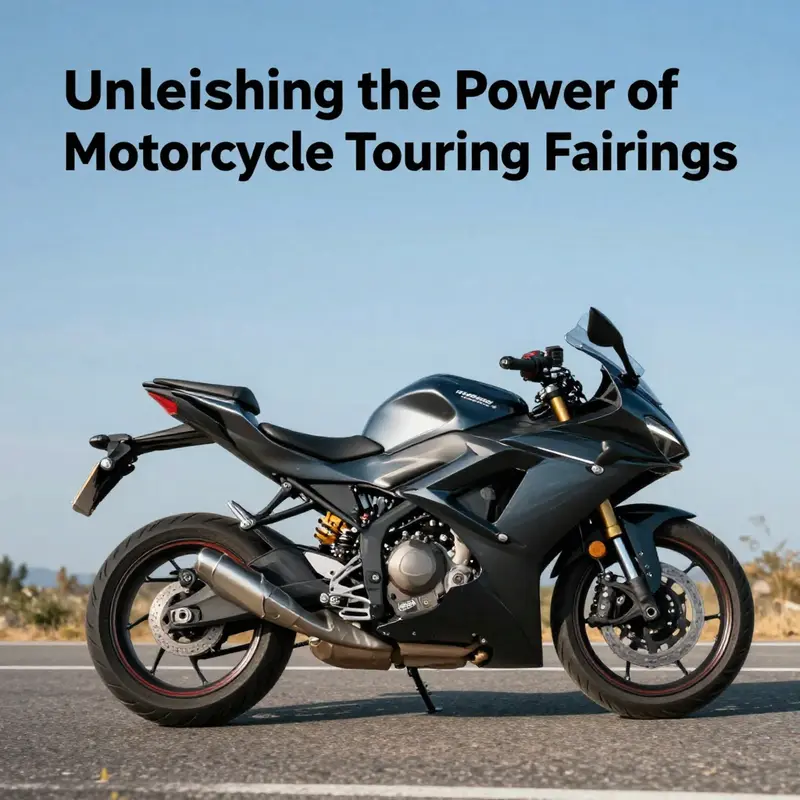
1. The Fusion of Innovation and Aerodynamics: Advanced Materials in Motorcycle Touring Fairings
The evolution of motorcycle touring fairings has been significantly driven by the integration of advanced materials, fundamentally altering the landscape of aerodynamics and performance. Modern fairings are no longer mere aesthetic enhancements but critical components designed to maximize riding comfort, efficiency, and protection. By employing materials such as carbon fiber-reinforced polymers (CFRP), fiberglass-reinforced polymers (FRP), and high-performance thermoplastics, manufacturers have improved the strength-to-weight ratio of fairings, resulting in structures that are as resilient as they are lightweight.
The benefits of using composite materials extend beyond simple weight savings. One of the key advantages of these innovative materials is their anisotropic properties, meaning they exhibit different physical qualities depending on the direction. For motorcycle touring applications, this characteristic allows engineers to design fairings that have optimal stiffness and flexibility tailored to withstand the specific stresses encountered at high speeds, such as torsional and bending forces. For instance, the strategic orientation of carbon fiber layers can enhance structural integrity around critical stress points like mounting brackets and impact zones, reinforcing the fairing without unnecessary weight.
Additionally, modern practices such as Computational Fluid Dynamics (CFD) simulations play a pivotal role in the design and optimization of fairing shapes. By employing CFD, engineers can visualize airflow patterns around the motorcycle, anticipating and mitigating drag forces much more effectively than with traditional design techniques. This high-tech approach enables the creation of uniquely contoured fairings that minimize turbulence and maximize aerodynamic efficiency. With fairings now achieving drag coefficients as low as 0.35-0.40, riders can experience enhanced stability on highways and improved fuel efficiency, extending the travel range with the same tank of fuel compared to older models, which often exceeded 0.50.
The choice of materials also significantly impacts thermal management, an essential factor during long-distance rides. Advanced thermoplastics like polyamide exhibit excellent heat resistance, shielding riders from the brunt of windblast while also acting as effective barriers against debris at high speeds. Innovations in the field have even led to the development of nano-enhanced resins and phase-change materials (PCMs) integrated within fairing layers. These materials not only resist wear from environmental exposure but also actively regulate temperature fluctuations, enhancing rider comfort over long hauls.
Durability is paramount when it comes to touring fairings, especially considering the various weather and road conditions encountered during extensive rides. The intrinsic fatigue resistance inherent in composite materials significantly reduces the likelihood of micro-cracking over time, resulting in fairings that maintain their integrity even under harsh conditions. This longevity is crucial for touring motorcycles, which may undertake long journeys across diverse landscapes. Riders investing in well-engineered fairings often find their vehicles require less maintenance and provide a better overall experience.
Furthermore, the aesthetic appeal of motorcycle touring fairings cannot be overlooked, as manufacturers seamlessly blend form with function. The latest models from reputable brands feature stylish designs that enhance the motorcycle’s visual profile while maintaining the aerodynamic efficiency necessary for high-performance cruising. For example, Harley-Davidson’s introduction of lighter, modernized variations of their renowned Batwing and Sharknose fairings illustrates how historical style can be harmoniously integrated with contemporary engineering principles. Such innovations bring not just advanced qualities in aerodynamics but also a powerful visual statement that complements the motorcycle’s character and individuality.
As we immerse ourselves deeper into the world of motorcycle fairings, it’s important to also consider the significance of manufacturing processes. Molding techniques have advanced significantly, with methods like CNC machining and vacuum-assisted resin transfer molding (VARTM) enabling manufacturers to produce intricate designs with superior consistency. These processes ensure that every component of the fairing is replicated precisely, thus maintaining the quality necessary for performance-oriented riders.
In conclusion, the advancements in material science have provided motorcycle touring fairings with capabilities that were unthinkable mere decades ago. From optimized aerodynamics to lightweight durability, the integration of cutting-edge materials has reshaped not only the way motorcycles perform but also how riders experience long-distance travel. This profound transformation paves the way for future innovations, allowing motorcyclists to explore the open road with enhanced confidence, comfort, and style. As manufacturers continue to push the boundaries of material technology, the possible enhancements to performance and rider experience appear virtually limitless, making every journey an opportunity for discovery and adventure. For those intrigued by the latest offerings, exploring customized fairing solutions, such as those available for popular models like the Honda CBR series, can enhance not just the bike’s aesthetic but its overall performance as well. Visit Summit Fairings to find tailored solutions that meet both functional and design preferences.
2. Refining Aerodynamics: Testing and Optimization Techniques for Motorcycle Touring Fairings
In the world of motorcycle touring, where comfort and performance are paramount, the role of aerodynamics cannot be overstated. The design of motorcycle touring fairings, which should maximize wind protection and stability, relies heavily on advanced testing and optimization techniques. With the advent of sophisticated computational methodologies, manufacturers are elevating the performance thresholds of touring fairings, creating components that are not only lighter but also more efficient.
At the heart of these advancements is topological optimization, a computational design process that maximizes a material’s performance while minimizing its volume. This technique allows engineers to manipulate the fairing geometry, leading to reduced drag coefficients without compromising structural integrity. A noteworthy example is the pioneering research conducted by AP Valerga in 2022, which showcased the application of topological optimization in the racing motorcycle sphere. Valerga’s work illustrated how advanced computational designs could yield lighter support structures for fairings, spurring a new era of aerodynamic efficiency across various motorcycle categories including touring models.
To ensure these designs meet real-world standards, rigorous testing protocols accompany the theoretical advancements. The establishment of wind tunnel experiments and computational fluid dynamics (CFD) simulations has become standard practice in the evaluation of touring fairings. These methods allow designers to visualize and analyze airflow patterns over the fairings, offering insights into pressure distributions and turbulent zones. Such experimental setups provide critical data that informs further refinements and adjustments in fairing design.
Wind tunnel tests simulate a range of riding conditions, capturing data that can significantly influence design iterations. Engineers observe how airflow interacts with the fairing at different speeds and angles, revealing drag forces that often exacerbate rider fatigue during long-distance travels. Meanwhile, CFD simulations provide a virtual environment for iterating on designs, rapidly testing variations without the costs associated with physical prototypes. These simulations help refine the fairing shapes to reduce drag, thereby improving overall aerodynamic performance.
Enter the significance of Design Space Exploration (DSE)—a systematic approach to optimizing designs by exploring multiple variables within a defined parameter space. A 2025 study by M. Chillemi emphasized the crucial role that DSE plays in the automotive and motorcycle industries. By leveraging DSE, manufacturers can consider a vast range of design parameters, including material strength, weight distribution, and airflow efficiency. The ability to evaluate these factors collectively is integral to achieving optimal performance, especially when motorcycle touring is concerned.
As touring motorcycles venture across various terrains and weather conditions, the real-world performance of fairings takes center stage. No computational model can fully replicate the unpredictable elements of an actual riding experience. For this reason, manufacturers conduct extensive on-road testing to gauge how well their designs hold up in practice. The feedback from these tests provides invaluable insights into handling, vibration resistance, and thermal management—key factors influencing rider enjoyment and long-distance viability.
It’s essential to consider the rider’s perspective as well. The cumulative effects of turbulence and wind resistance can lead to discomfort, particularly on long rides. Manufacturers recognize that advanced fairing designs must account for not just speed and fuel efficiency but also the well-being of the rider. Adjustments may include optimizing fairing contours based on aerodynamics while ensuring that integrated features like navigation systems and audio controls remain easily accessible.
Informed by extensive testing and development, motorcycle brands continue to innovate their touring fairings with a blend of aesthetics and performance in mind. Riding enthusiasts currently appreciate models adorned with modern digital interfaces, such as Harley-Davidson’s latest offerings, which combine aerodynamic designs with tech-savvy enhancements. As these designs progress, the integration of advanced features must not detract from their primary function: enhancing rider comfort during prolonged journeys.
Furthermore, material selection plays a pivotal role in the performance of motorcycle fairings. Production techniques today utilize impact-resistant ABS plastics and lightweight fiberglass that offer durability and resistance to UV degradation. High-quality manufacturing ensures not only a precise fitment but also minimized need for extensive modifications, enabling riders to have an improved installation experience. Consequently, those who upgrade to well-engineered fairings often report significantly enhanced comfort levels and fewer maintenance demands over time, as highlighted by motorcycle customization expert Derek Langston.
To summarize, the process of refining motorcycle touring fairings is an evolving field where computational techniques, real-world testing, and innovative design converge. It’s this intersection that allows manufacturers to craft advanced fairings capable of addressing the unique demands of long-distance riding. As these technologies continue to develop, the benefits extend beyond pure performance; they encapsulate the essence of riding itself—freedom, comfort, and adventure on two wheels.
As motorcyclists seek the perfect balance between style and functionality, an understanding of these advancements in aerodynamics will be crucial in making informed choices that enhance their touring experience. For those looking to enhance their rides with superior fairings, exploring options such as Honda’s extensive collection of touring fairings is a worthwhile endeavor, ensuring you find the right match for the journey ahead.
Chapter 2: Choosing the Right Materials for Robust and Efficient Motorcycle Touring Fairings
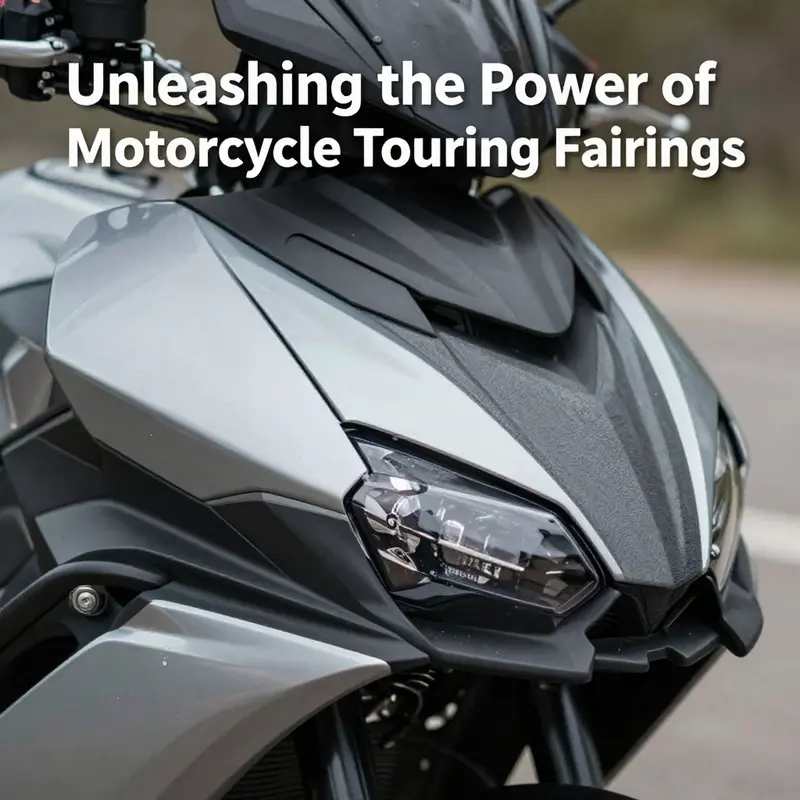
1. Exploring How Material Options Influence the Longevity and Performance of Touring Fairings
Selecting the right material for motorcycle touring fairings is crucial, as it influences not only the durability of the fairing but also its overall performance during long-distance rides. Riders depend on these components for wind protection, weather resistance, and fuel efficiency while seeking a lightweight, robust solution that enhances their touring experience. Three primary materials—ABS plastic, fiberglass, and polycarbonate—stand out for their unique characteristics and applications, each offering various benefits and drawbacks that can significantly impact a rider’s journey.
ABS Plastic: The Workhorse of Fairings
Acrylonitrile Butadiene Styrene (ABS) plastic is the most commonly used material for touring fairings, primarily due to its impact resistance, flexibility, and cost-effectiveness. Riders appreciate ABS for its ability to absorb shocks, which is particularly beneficial when facing minor spills or road debris. Unlike more brittle materials that might shatter on impact, ABS is designed to withstand the rigors of long-distance touring while ensuring that replacements are affordable and readily available. Furthermore, its excellent moldability allows manufacturers to create sleek, aerodynamic shapes that improve wind resistance, reduce drag, and enhance rider comfort at high speeds.
For the average touring motorcyclist, ABS plastic fairings provide a balance between practicality and durability. They are lightweight yet strong, making them a preferred choice for stock components on touring bikes. The versatility of ABS enables manufacturers to produce complex designs that not only improve performance but also contribute to the aesthetic appeal of the motorcycle. Riders can expect a wide selection of designs, tailored to enhance the look and functionality of their machines while ensuring that the bikes remain user-friendly and flexible in various riding conditions.
Fiberglass: Strength Meets Performance
In contrast to ABS plastic, fiberglass is known for its superior strength and rigidity. While heavier than ABS, fiberglass offers outstanding durability and is often favored in high-performance applications. Riders who prioritize speed and stability may opt for fiberglass fairings due to their ability to withstand extreme conditions better than other materials. This resilience makes fiberglass an ideal choice for aftermarket upgrades, particularly among those who customize their touring motorcycles for enhanced aerodynamics.
However, potential users must be mindful of fiberglass’s drawbacks. Its stiffness can lead to cracking under localized impacts, which makes it less forgiving compared to the flexibility of ABS. Furthermore, proper finishing is crucial since fiberglass can degrade without a protective gel coat or paint. Riders considering fiberglass should weigh the benefits of enhanced performance against the material’s care requirements and its impact on the motorcycle’s handling due to added weight, especially at speed.
Polycarbonate: The Transparent Choice
Polycarbonate, a robust thermoplastic, is primarily utilized in components requiring transparency, like windshields and clear fairing sections. Renowned for its impact resistance and excellent visibility, polycarbonate is a valuable addition to touring motorcycles aiming for clearer sightlines while maintaining safety features. Despite its strengths, polycarbonate is more susceptible to scratches and UV degradation if left unprotected, making it less practical for full fairing construction. Thus, while it may be preferable for visibility components, riders often look to more conventional options for the bulk of their touring fairings.
Crafting the Perfect Fairing
When selecting materials for touring fairings, the decision should take into account specific riding conditions and personal preferences. For riders prioritizing durability and cost-effectiveness, ABS stands out as the ideal material. It is particularly suited for everyday touring and is well-regarded within the community for its overall reliability and practical applications. Fiberglass, while less common as a factory-installed solution, appeals to those seeking performance-focused enhancements where bulk and weight considerations are secondary to aerodynamic efficiency and structural integrity. Lastly, polycarbonate fulfills an essential role in visibility without detracting from the other materials while ensuring a safe riding experience.
Ultimately, understanding how material choices influence durability and performance is vital. A combination of ABS and fiberglass could yield a hybrid solution that optimally balances cost, performance, and maintenance needs. Riders should choose integrated design elements that suit their riding style, ensuring that touring fairings enhance long-distance journeys while delivering comfort and protection.
Investing in the right materials for touring fairings contributes not only to personal comfort but also to the longevity of vital motorcycle components. High-quality fairing kits made from ABS plastic or fiberglass often provide precise fitment and require minimal modifications during installation, ensuring that riders can enjoy their custom setups with fewer maintenance issues over time. Those looking to delve deeper into material options and their effects on motorcycle performance can refer to resources like Motorcycle.com’s guide on fairing materials to help make informed decisions tailored to their riding needs.
In a world where every journey counts, ensuring that your motorcycle touring setup is robust and efficient starts with selecting the right materials for your fairings. To explore affordable options for high-quality fairings, consider visiting Summit Fairings to discover a range tailored to your motorcycle model.
2. Preserving Performance: The Impact of Maintenance on Motorcycle Touring Fairings
A motorcycle touring fairing is more than just a stylish accessory; it is a critical component that enhances comfort, aerodynamics, and safety during long-distance rides. However, the performance and durability of these fairings can diminish significantly if they are not properly maintained. Regular upkeep is imperative, as touring fairings are subjected to a variety of environmental stressors that can lead to premature wear and tear. Understanding the impact of these factors and employing effective maintenance strategies can vastly extend the lifespan of your fairing, ensuring that your riding experience remains enjoyable and safe.
Exposure to ultraviolet (UV) radiation is one of the primary culprits contributing to the deterioration of motorcycle fairings. Over time, UV light can cause noticeable fading, leading to unsightly discoloration and a reduction in the fairing’s overall structural integrity. Additionally, fairings frequently encounter road debris and other hazards. A small stone chip or scratch may seem minor at first, but these imperfections can evolve into larger cracks if left untreated. Similarly, the fluctuating temperatures that riders face during long trips can result in warping or material fatigue, particularly in plastics. moisture exposure is also a concern, as it can lead to corrosion or mold growth that not only affects appearance but also compromises durability.
Without routine maintenance, owners may find their touring fairings showing signs of neglect, such as fading, cracking, warping, and surface degradation. These issues not only detract from the aesthetic appeal of the motorcycle but can significantly undermine the fairing’s protective features. A compromised fairing may fail to provide adequate wind protection, making rides uncomfortable and potentially unsafe. Furthermore, these damages could eventually require costly repairs or even complete replacement, which riders naturally want to avoid.
To counteract these negative influences, implementing proactive maintenance practices is essential. Routine cleaning is one of the easiest yet most effective ways to preserve the integrity of your fairings. Use mild soap and water to wash away accumulated grime, dirt, and road residue that can degrade the protective coating. Regular washing not only enhances the appearance but also eliminates contaminants that could cause or exacerbate damage over time.
Another crucial aspect of maintenance involves applying protective coatings. A high-quality wax or sealant can serve as an excellent barrier against UV rays and corrosive substances. Scheduling this application every few months will enhance the fairing’s resilience against the elements, allowing it to maintain its finish and structure longer. Moreover, these protective measures can help mitigate minor scratches and imperfections, reinforcing the fairings against daily wear.
Consistent, regular inspections are paramount to effective maintenance. It is advisable for riders to routinely check for small cracks or signs of wear and tear, particularly after long rides or extended periods of exposure to harsh conditions. Inspecting fasteners for tightness can preemptively address any issues before they escalate into significant problems. By addressing minor imperfections early on, riders can save both time and money while ensuring the fairings continue to perform optimally.
The importance of incorporating these straightforward yet effective maintenance practices cannot be overstated. Not only do they extend the lifespan of the touring fairings, but they also ensure that the motorcycle continues to function at peak performance levels. Riders who prioritize maintenance report improved comfort, increased safety, and a more enjoyable experience on the road.
Understanding how to care for motorcycle touring fairings is an investment in both aesthetics and performance. Riders looking to enhance their motorcycle’s longevity should refer to official maintenance recommendations from reputable manufacturers and trusted industry sources. These guidelines provide detailed best practices tailored to specific fairing materials and designs, offering invaluable insights that can lead to improved care. For instance, resources from organizations like the Motorcycle Industry Council offer tailored maintenance guidelines that can provide riders with additional strategies for preserving their fairings. By integrating these practices into a routine maintenance schedule, riders can greatly enhance the durability and functionality of their motorcycle touring fairings.
In conclusion, maintaining your motorcycle’s touring fairings is a critical investment to ensure longevity, performance, and safety on long-distance rides. By implementing proper cleaning routines, utilizing protective coatings, and conducting regular inspections, riders can help their fairings withstand harsh environmental factors, preserving their structural integrity and visual appeal. Whether you’re planning a weekend getaway or a cross-country journey, ensuring your fairings are in excellent condition will undoubtedly contribute to a more enjoyable and safe riding experience. For those seeking options or replacements, exploring fairings for popular models can be beneficial in locating high-quality products that suit their preference and riding style. Visit the comprehensive collections here for specific model fairings that combine aesthetics and peak performance.
Chapter 3: Revolutionizing Comfort and Performance: The Impact of Modular Fairings in Motorcycle Touring
1. Revolutionary Modular Design: Redefining Customization and Comfort in Touring Fairings
Modern motorcycle touring fairings are no longer just protective enclosures; they are key components shaping the riding experience during long-distance journeys. Among the most transformative innovations in this domain is the modular design. This approach not only enhances customization but also significantly improves rider comfort. Riders seeking a tailored experience are finding that modular fairings allow them to adjust their setups based on specific needs and riding conditions, making every journey more enjoyable.
A Tailored Riding Experience
One of the standout features of modular touring fairings is their ability to facilitate extensive customization. Riders are now empowered to choose and interchange various components—such as windshields, side panels, and storage systems—without requiring specialized mechanical skills or tools. This adaptability is essential for long-distance touring, where conditions can change rapidly.
For instance, on a long highway cruise, a taller windshield may be preferred for improved wind protection, while a lower one may suffice for spirited rides in milder conditions. Riders who often navigate urban settings can opt for fairings with integrated storage solutions for added practicality. By catering to the specific requirements of different riding scenarios, modular design not only injects personality into motorcycles but also enhances their functional aspects. This extensive customization helps riders feel more at one with their machines, positively impacting comfort and reducing fatigue on longer trips.
Seamless Reconfiguration and Enhanced Versatility
An equally significant benefit of modular fairings is their promise of ease in reconfiguration. The straightforward installation and removal processes associated with modular components eliminate the hassle traditionally associated with custom setups. Riders can adapt their fairing configurations on-the-fly, addressing immediate needs, moods, or even group riding dynamics.
This versatility is particularly beneficial during an extended road trip, where conditions can range from sunlit stretches of highway to sudden rain showers. A rider could easily switch to a more robust setup with additional weather protection while on the road, resulting in a optimized, adaptable ride.
Moreover, this approach to design diminishes the barrier often faced by novice riders and tinkerers. They can experiment with various aesthetics and functionalities without feeling overwhelmed by the technicalities typically involved with motorcycle modifications. The inclusion of a user-friendly modular system democratizes customization, making it accessible for all riders, from the seasoned veteran to newcomers just getting started.
Aerodynamics without Compromise
Despite the modular nature of these fairings, the critically important aerodynamic profile of the motorcycle is not compromised. In fact, manufacturers have reported that attention to aerodynamics in modular designs has become a core principle. A streamlined profile remains pivotal for optimizing performance and fuel efficiency, especially for touring motorcycles that often reach higher speeds over prolonged periods.
By ensuring that components fit seamlessly together, manufacturers reinforce the integrity of the aerodynamic structure. Each modular piece can contribute to reducing wind resistance while maintaining a cohesive look. This is not just an aesthetic feature; streamlined silhouettes help improve handling and the bike’s overall stability, providing a smoother experience even in challenging weather conditions.
Lightweight Materials and Their Advantages
The integration of advanced materials plays a crucial role in enhancing the overall performance of modular fairings. Through the use of carbon fiber and other high-tech polymers, manufacturers produce fairings that are both lightweight and durable. This reduction in weight significantly improves motorbike handling, making for lively responsiveness and agility that every rider desires, particularly in touring scenarios where weight becomes crucial.
Reduced weight also means better fuel efficiency, a significant advantage for long-distance riders concerned about the cost of fuel during extensive tours. The ability to travel further on less gas not only enhances the enjoyment of the journey but also alleviates logistical concerns such as finding fuel stops on remote highways.
Compatibility with Modern Accessories
As the needs of today’s riders evolve, so too do their preferences for integrated technology and accessories. Modular fairings are adaptable enough to accommodate various modern features like integrated lighting systems, GPS mounts, and high-fidelity audio setups. This level of compatibility is vital in today’s market, where riders expect their machines to seamlessly integrate with their digital lives.
Being able to mount a GPS or connect to an audio system without overhauling the entire fairing architecture exemplifies why modular designs are becoming indispensable. It empowers riders to stay connected and entertained, enhancing the overall experience of motorcycle touring without compromising on comfort or functionality.
In conclusion, modular design innovations are significantly enhancing the world of motorcycle touring fairings. They ensure that every rider can invest in a customizable solution that reflects their unique preferences while enhancing comfort and performance through ease of reconfiguration, aerodynamic efficiency, and lightweight construction. As riders continue to seek personalized experiences on the road, the impact of these design advancements in modular fairings will undoubtedly shape the future landscape of motorcycle touring. For those interested in exploring specific applications of modular designs, consider delving deeper into Motorcycle Fairing in the Real World: 5 Uses You’ll Actually to understand the real-world significance of these trends.
Those looking to explore a broader selection of motorcycle fairings can find options tailored to various models. For example, check out the extensive collections available at Summit Fairings for makes like Honda, Yamaha, Suzuki, and Kawasaki. Whether you ride a touring bike or a sport motorcycle, there’s something for every type of rider.
2. A Leap into the Future: Enhanced Electronics Integration in Motorcycle Touring Fairings
In an ever-evolving landscape of motorcycle technology, touring fairings have transformed from mere protective structures to sophisticated hubs of connectivity and functionality. No longer are they simply tools for improving aerodynamics; modern fairings are integrated with advanced electronics that redefine the riding experience by enhancing both safety and comfort. This shift in design philosophy underscores the industry’s commitment to blending performance with technology, ensuring that long-distance travelers enjoy not just the journey, but also the ride itself.
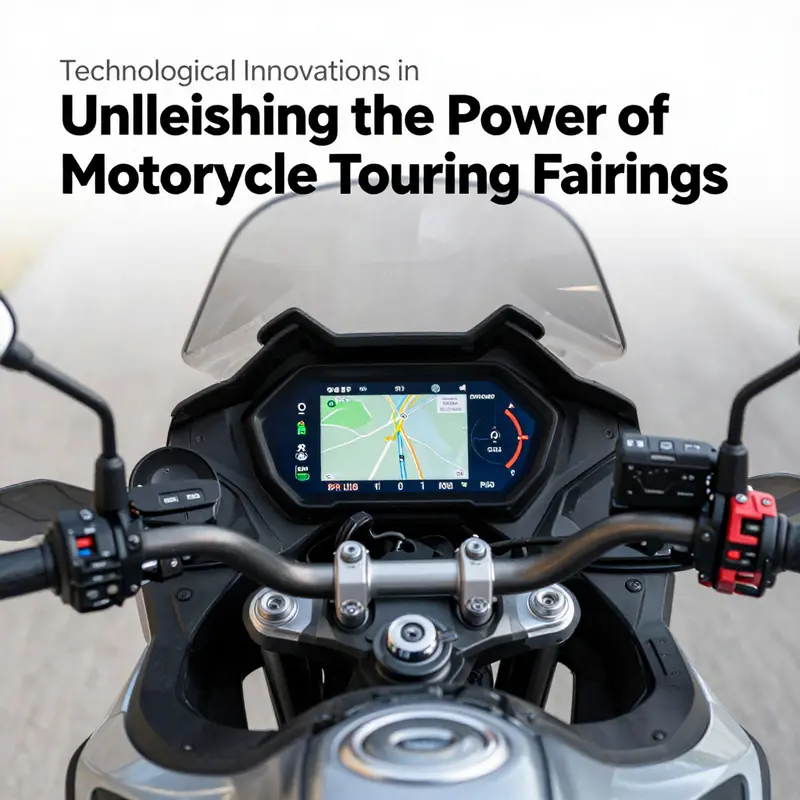
At the heart of these innovations is the seamless integration of electronics within the structural framework of touring fairings. Today’s fairings are engineered to accommodate a variety of electronic components, such as LED lighting systems, environmental sensors, and high-resolution display screens. These elements converge to form an intuitive interface tailored specifically for riders. The most significant development has been the incorporation of GPS navigation and communication systems—capabilities that can change how riders navigate the open road.
Equipped with state-of-the-art GPS functionality, touring fairings now allow cyclists to receive real-time directions without the hassle of stopping to consult a map or smartphone. Integrated communication systems using Bluetooth connectivity also ensure that riders can stay in touch with one another while maintaining focus on the road ahead. This is particularly beneficial for couples or group riders, who rely on continuous communication during their journeys. Features such as intercoms facilitate conversations while riding, enabling riders to share their experiences and make plans on the fly, all without compromising road safety.
Moreover, sound quality has seen a marked improvement thanks to noise-canceling technology, which enhances audio clarity even at high speeds. This ensures that whether a rider’s listening to music, navigating a route, or engaging in dialogue, the sound experience remains undisturbed by wind noise. The battery life of these integrated systems further complements the demands of long-haul travel, ensuring that distraction and disconnection are the last things users have to worry about as they venture across thousands of miles.
Despite these advancements, the integration of electronics within touring fairings does come with its challenges. Higher-end models can be quite costly, which may dissuade some riders considering an upgrade. Additionally, installation can sometimes require specific helmet compatibility for certain intercom systems, complicating the transition for users who may not be tech-savvy. Furthermore, exposure to moisture or extreme weather conditions raises concerns regarding the long-term reliability of these technologies. As with any sophisticated system, maintaining them could require additional attention and care, ensuring that riders remain confident in their gear through diverse weather patterns.
A notable player in this electronics integration phenomenon is Ducati, which has placed significant emphasis on research and development within its motorcycle line-up. Their innovative approach to electronics not only enhances performance but also boosts connectivity and user experience. As a brand known for pushing the envelope regarding what a motorcycle can achieve, Ducati’s commitment to integrating advanced technology serves as both an inspiration and blueprint for other manufacturers looking to make strides in the industry. Their continuous refinement of riding technology ensures that modern touring motorcycles represent more than just a mode of transport; they are intelligent platforms designed for exploring the farthest reaches with anticipation and assurance.
By embedding these advanced electronic systems within the fairings, manufacturers achieve significant performance enhancements that positively impact rider efficiency and enjoyment. Riders can easily access a wealth of information at their fingertips—everything from bike performance stats to navigation prompts is displayed clearly and intuitively. This not only elevates the riding experience but also instills confidence in long-distance riders, who can travel further while remaining connected.
As an example, consider updated models being released by manufacturers like Harley-Davidson. Their fusion of traditional aesthetics with modern engineering, seen in their new lightweight fairings that accompany powerful engines, embodies this philosophy. The careful marrying of style and function achieves a sublime balance that allows riders to enjoy long hauls comfortably, without sacrificing the charm that comes from classic motorcycle culture.
In conclusion, the shift towards integrating advanced electronics in motorcycle touring fairings signals an exciting era where rider comfort, safety, and connectivity reign supreme. This evolution empowers riders, making their journeys not only possible but incredibly pleasurable through integrated technologies that contextualize their travel experiences. As designers and engineers continue to refine these innovations, the promise of smarter, safer, and more connected rides only looks brighter.
To further explore the range of options available for riders looking to upgrade their touring experience, a look at products tailored for various motorcycle models can be invaluable. For instance, options for specific brands like Yamaha or Honda are readily available and showcase the diversity of solutions out there that meet different riders’ needs. Whether seeking enhanced aerodynamics or richer electronic features, the right fairing makes all the difference in achieving a superior riding experience.
Chapter 4: The Art and Science of Streamlined Elegance in Motorcycle Touring Fairings
1. Redefining Aesthetics and Performance: The Minimalist Revolution in Motorcycle Touring Fairings
The resurgence of minimalist aesthetics in motorcycle touring fairings represents a remarkable intersection of beauty and function, redefining the landscape of modern motorcycle design. This design philosophy embraces simplicity, focusing on clean lines and seamless integration of components, which not only captures the visual essence of motorcycling but also enhances overall performance. As riding demands shift toward a desire for both style and efficiency, minimalist fairings have emerged as a popular choice among motorcycle enthusiasts seeking to enhance their touring experience.
Central to this minimalist approach is the principle of reducing excess. Modern fairings are designed to eliminate unnecessary features that can add weight and complexity. By prioritizing form and function, manufacturers have crafted sleek, uncluttered fairings that promote aerodynamic efficiency. This streamlined shape plays a crucial role in reducing drag and turbulence, critical factors for riders embarking on long-distance adventures. Improved aerodynamics directly translates to reduced wind resistance, allowing motorcycles to achieve higher speeds with less effort, contributing to a more enjoyable riding experience.
Aesthetic harmony is another hallmark of this minimalist trend. Fairings are often designed to create a cohesive look that integrates fluidly with the motorcycle’s overall silhouette. The simplified forms allow elements such as the rear fender and frame to coexist visually, enhancing the motorcycle’s profile while also promoting functionality. This not only reflects current design trends but also respects the rich heritage of motorcycling, where the beauty of the machine speaks to the spirit of freedom and adventure.
Moreover, many contemporary touring fairings are equipped with innovative features that complement their minimalist design. For instance, advancements like infinitely adjustable air suspension can be seamlessly integrated, allowing riders to tailor their ride height for optimal performance. Such enhancements ensure that while riders enjoy the aesthetic benefits of a clean design, they do not sacrifice comfort or handling. These features are especially meaningful for long-distance riders, where stability and control come to the forefront.
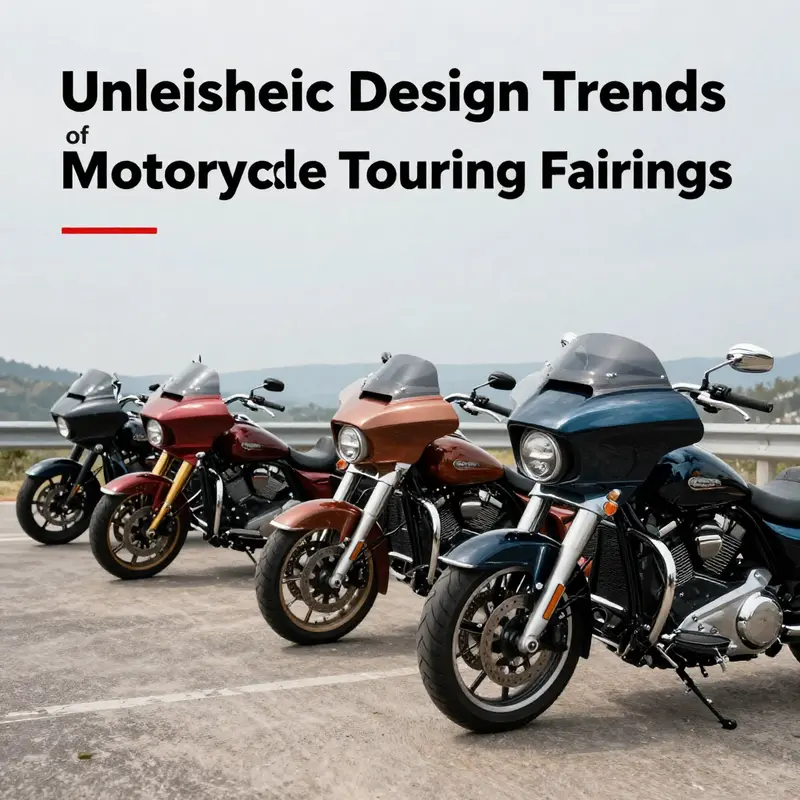
The minimalist design ethos has also expanded the marketplace options available to riders. There’s no longer a one-size-fits-all approach; instead, enthusiasts can select from a spectrum of styles, ranging from the fully enclosed fairings to more subtle, integrated designs. This diversity enables riders to choose a fairing that not only aligns with their personal aesthetic preferences but also meets their specific riding needs. For example, a rider may prefer a minimalist design for its sleek appearance and enhanced feedback when navigating twisty roads. In contrast, another might opt for a full fairing for maximum wind protection and comfort during long highway stretches.
The relationship between minimalist fairings and rider experience is further emphasized by the direct feedback they offer. While full fairings provide comprehensive wind protection, minimalist designs foster a more intimate connection between the rider and the road. This connection often enhances the overall riding experience, allowing for superior control and a heightened sense of responsiveness, especially valued in diverse riding conditions. Riders often report that this enhanced feedback contributes significantly to their confidence and comfort while navigating through challenging terrains.
In addition to performance dynamics, material choice plays a vital role in both the aesthetic and functional aspects of these fairings. Manufacturers now utilize impact-resistant materials like ABS plastic or lightweight fiberglass, prioritizing durability without compromising elegance. These modern materials are often engineered to resist UV degradation while maintaining a lightweight structure, allowing for extended adventures without the worry of premature wear and tear. Importantly, high-quality fairing kits ensure that riders enjoy precise fitment with minimal modifications, making installation seamless and efficient.
The minimalist trend is not merely a fleeting fashion but signifies a deeper reflection of rider values and preferences. The rise of minimalist fairings indicates a shift toward a more thoughtful approach to motorcycle design, acknowledging that aesthetics and performance are inseparable. This convergence of ideals supports a broader narrative—one that celebrates the motorcycle as both a machine and a work of art, capable of providing exceptional experiences in comfort and styling.
As riders embrace this evolving landscape, the potential for further innovation in motorcycle fairings remains vast. With continuously advancing technologies, we can anticipate even more sophisticated integrations of aesthetics and functionality. For riders who adhere to this new wave of design, the choice of fairing becomes not just about enhancing the motorcycle itself but reflecting their personal journey.
Understanding this transformative design philosophy is essential for those contemplating their next motorcycle modification. As the market continues to evolve, keeping an eye on emerging styles and technological advancements ensures that riders can select touring fairings that best suit their needs as well as their aesthetic preferences. For those interested in how minimalist design principles are shaping the trajectory of motorcycle fairings, a comprehensive analysis from Motorcycle Ride reveals much about the practicality behind aesthetic choices in modern motorcycling.
The blend of style, comfort, and performance afforded by minimalist fairings signifies their rising prominence in the market. Rider feedback and preferences continue to shape the development of these components, underscoring the importance of rider-centric design principles. Ultimately, the choice of touring fairing is a pivotal one, representing not just a functional enhancement but an expression of identity and values within the motorcycling community.
2. Riding in Style: The Rise of Customization and Personalization in Motorcycle Touring Fairings
The world of motorcycle touring is experiencing a significant shift, one that goes beyond mechanical performance and aerodynamic efficiency to embrace the aesthetic depth of personalization. Riders are increasingly rejecting the factory defaults in favor of fairings that embody their unique style, convictions, and cultural influences. This trend highlights a powerful desire for individuality on the open road—where every trip could narrate a story as distinctive as the rider itself.
Advancements in Technology Fueling Customization
The rise of customization in motorcycle touring fairings is significantly driven by cutting-edge manufacturing technologies. Techniques such as 3D printing and CNC machining have catalyzed the evolution of personalized motorcycle components. 3D printing allows for intricate designs that can be tailored to individual specifications without the prohibitive costs historically associated with bespoke manufacturing. This revolutionary technology means that riders can translate their visions into reality with remarkable accuracy.
CNC machining, on the other hand, offers precision and consistency, enabling the production of custom shapes and contours that align closely with a rider’s preferences. These bespoke fairings not only enhance the bike’s aesthetic appeal but also play a crucial role in optimizing aerodynamic performance, ensuring that the customization does not compromise the ride’s functional integrity.
The Role of Collaboration in Customization
The burgeoning customization market owes much to collaborative efforts between riders and designers. With the advent of online marketplaces and specialized custom shops, recreating a unique fairing has never been more accessible. Riders are empowered to work directly with designers, producing one-of-a-kind fairing packages that meld artistic expression with practical functionality. This collaborative spirit adds another layer to the motorcycle touring experience, making it not just a ride but a personal journey of artistic exploration.
As customization becomes more mainstream, a host of diverse options has emerged, spanning different elements like color schemes, graphics, and material finishes. Riders now have the opportunity to choose from a plethora of choices, from high-gloss finishes that reflect sunlight on long stretches of highway to matte surfaces that exude a sense of minimalism. The integration of carbon fiber accents is becoming particularly popular, offering both visual flair and a lightweight alternative to traditional materials.
Personal Style and Cultural Influences
The need for self-expression in motorcycle touring fairings is not merely about visual appeal; it also reflects individual identity. Riders are seeking out designs that resonate with their personal backgrounds, passions, and skills—often drawing from regional motifs, beloved colors, or even local cultural art forms. This trend acts as a narrative canvas, allowing riders to express where they come from even as they traverse new landscapes.
Graphic elements, in particular, have gained popularity as a medium for storytelling. From intricate tribal patterns to decals that showcase personal achievements or affiliations, the option to customize graphics makes every fairing as unique as the journey undertaken. A motorcycle’s appearance can evoke the spirit of its rider, a reflection of their lifestyle choices and life story as played out on the open road.
Functional Aesthetics in Design Trends
However, it is essential to recognize that aesthetics in motorcycle touring fairings serve a dual purpose. The design’s functionality is paramount, especially on longer journeys where comfort and efficiency become crucial. Custom fairings are not simply about looking good; they must also enhance performance and protection against the elements. A well-designed fairing can help deflect wind, rain, and debris, enhancing rider comfort during multi-day travels. Therefore, well-thought-out customization ensures that aerodynamic performance is preserved, ultimately enriching the rider’s experience.
As advancements in technology continue, many riders are eager to explore new customization options without sacrificing functionality. The use of lightweight materials enables fairings to minimize drag while offering the necessary endurance to withstand long cruising periods. The integration of practical features such as integrated storage compartments and advanced infotainment systems further aligns with the trend toward enhanced touring experiences.
For those interested in delving deeper into customization, numerous guides and resources are available, shedding light on the latest materials and design techniques in motorcycle fairings. This educational aspect not only informs riders but also fosters a community where ideas can be exchanged and innovations birth. As the lines between art and engineering blur, enthusiasts can engage with established fairing options while also pushing the boundaries of what’s possible in design.
Emphasizing the Importance of Quality
While embracing personalization, it remains vital for riders to consider the quality of the fairing they choose. High-quality materials that withstand environmental pressures, such as impact-resistant ABS plastic and lightweight fiberglass, ensure durability and longevity. Investing in a well-engineered fairing can result in fewer modifications and maintenance issues down the line, ultimately enhancing the riding experience over time.
Riders who have transcended the basic factory models in favor of personalized fairings often report improved comfort, aesthetic satisfaction, and ride quality. In investing in a custom fairing, motorcycle riders are not just altering the appearance of their bikes; they are also enriching their journeys. The transition from standard designs to personalized installations opens up a world of possibilities, where every ride becomes an encounter with art, culture, and personal narrative.
In conclusion, the exploration of customization and personalization in motorcycle touring fairings signifies a broader trend towards individuality and self-expression within the riding community. It is a celebration of diversity, innovation, and creativity—a testament to the passion that fuels the open road. Whether traversing winding roads or vast highways, each rider can now leave a unique mark in this shared adventure called motorcycle touring.
Final thoughts
Understanding motorcycle touring fairings leads to an appreciation of their multifaceted benefits. From enhancing aerodynamics and comfort during long rides to incorporating cutting-edge technology and stylish designs, these fairings represent a significant improvement in motorcycle touring experiences. For business owners, recognizing the importance of these components is essential. Investing in high-quality touring fairings contributes to customer satisfaction and may differentiate their offerings in the competitive bike market. Moving forward, savvy business owners must consider these essential elements to elevate their products and meet the evolving demands of motorcycle enthusiasts.
Ready to elevate your ride? Summit Fairings delivers premium, custom-fit fairings that blend style and durability. Whether you’re chasing speed or turning heads, we’ve got your bike covered. Don’t wait—transform your machine today. Click, customize, and ride with confidence. Your perfect fairing is just a few clicks away. Act now!
About us
We are one of the leading motorcycle fairing export sites, with over 3,000 styles across almost all motorcycle models. Buy from summitfairings.com, and pay 10-40% less than the prices on other sites. If you have any questions, we promise we will have your answer within six hours.