
Introduction
Understanding the intricacies of painting plastic motorcycle fairings is crucial for both DIY enthusiasts and business owners in the motorcycle industry. This process not only enhances the aesthetic appeal of bikes but also contributes to their value and longevity. By the end of this piece, you will gain a thorough understanding of the essential steps involved, from surface preparation to applying a final clear coat. Each chapter delves into a key aspect of the painting process, revealing techniques and tips designed to ensure flawless results, protecting your investment, and potentially boosting your business’s reputation among customers who seek quality craftsmanship in motorcycle maintenance.
Tables of Contents
Chapter 1: Mastering Surface Preparation for Flawless Paint on Motorcycle Fairings
- Refined Techniques for Optimal Surface Preparation in Painting Plastic Motorcycle Fairings
- Navigating the Traps: Common Missteps in Surface Preparation for Motorcycle Fairings
Chapter 2: Ensuring Long-lasting Results: The Art and Science of Priming Plastic Motorcycle Fairings
- A Gateway to Perfect Paint: Unlocking the Benefits of Priming Plastic Motorcycle Fairings
- The Transformative Power of Priming: Enhancing Longevity and Beauty in Plastic Motorcycle Fairing Finishes
Chapter 3: Mastering the Art of Preparing Plastic Motorcycle Fairings for a Flawless Paint Finish
- Essential Steps to Achieve a Pristine Surface: Cleaning and Preparing Motorcycle Fairings for a Professional Paint Job
- The Foundation of Beauty: Priming and Topcoats for Plastic Motorcycle Fairings
Chapter 4: The Transformative Final Touch: Elevating Motorcycle Fairing Finish with 2K Clear Coat
- The Essential Role of 2K Clear Coat in Achieving Lasting Brilliance for Painted Plastic Motorcycle Fairings
- Polishing the Finish: Expert Techniques for Applying Clear Coat on Plastic Motorcycle Fairings
Chapter 1: Mastering Surface Preparation for Flawless Paint on Motorcycle Fairings
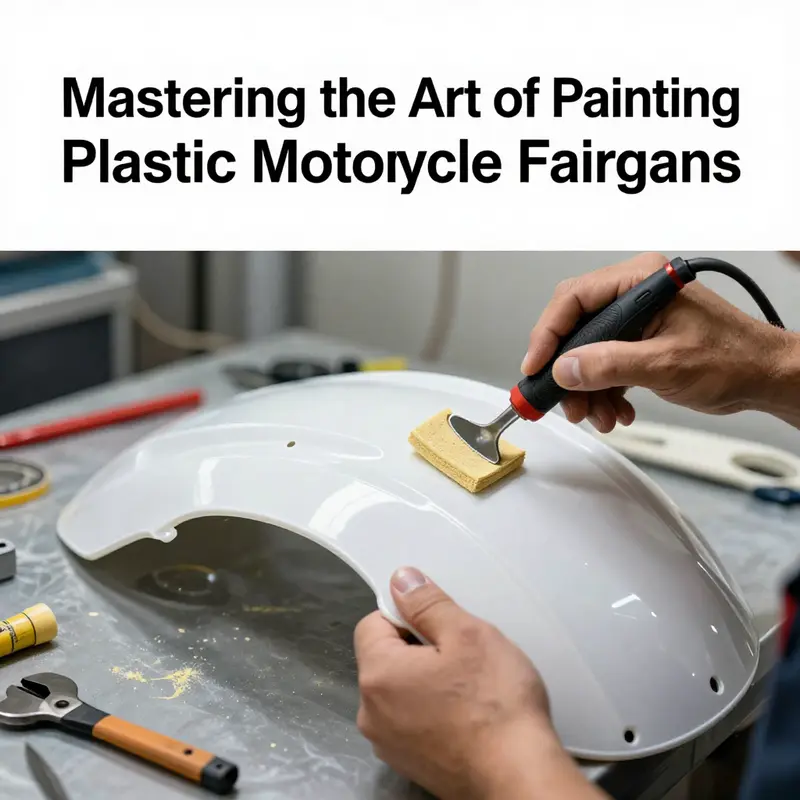
1. Refined Techniques for Optimal Surface Preparation in Painting Plastic Motorcycle Fairings
To achieve an impeccable paint finish on plastic motorcycle fairings, mastery of surface preparation techniques is indispensable. The process sets the stage for a durable and professional-quality appearance, and every detail counts.
Preparing a motorcycle fairing starts with ensuring that the surface is impeccably clean. This initial step cannot be overemphasized. Thorough cleaning involves using a dedicated plastic cleaner or a powerful degreaser to eliminate oils, dirt, and any wax residues. These contaminants inhibit adhesion, and even minuscule particles could jeopardize the paint’s longevity. A clean surface is not just a preference; it’s a necessity for achieving optimal results. After a rigorous cleaning, the patron should employ a lint-free cloth to ensure no fibers remain.
Once the fairing is clean, the next step requires a specific approach to surface conditioning. Utilizing a plastic bonder is a sophisticated technique to enhance the paint’s adherence. The bonder acts by chemically treating the surface, creating microscopically rough anchor points across the fairing’s surface, which dramatically improves the bonding strength between the paint and the plastic. Applying this product meticulously according to the manufacturer’s instructions is critical, as it provides invaluable support against future peeling or flaking that would mar the appearance over time.
Equally vital is permitting the bonder to cure properly. Rushing this step can lead to diminished effectiveness, which may manifest later as a weakened paint job. Optimal curing time varies by product, but a patience-infused approach typically yields the best outcomes.
Sanding, too, is an art that must be practiced with precision. After the bonder has fully cured, lightly sand the treated areas using fine-grit sandpaper, ranging from 1200 to 2000 grit. This gentle abrasion serves two important functions: it smooths out minor imperfections and expands the surface area for the impending paint layer. Sanding should be performed with care, ensuring that you don’t create deep gouges but rather a subtly scalloped texture that can help facilitate the chemical bond between the plastic and paint.
Moreover, it’s essential to keep in mind the environmental factors during this crucial phase of preparation. Working in a dust-free zone will minimize the likelihood of particles infiltrating the fresh paint layers. If an ideal workspace isn’t available, consider improvising opportunities to capture dust or using a temporary shelter to shield your efforts from airborne muck.
Understanding the components of environmental conditions is paramount. Optimal temperatures should generally hover around 70°F to 80°F (21°C to 27°C), as both cold and excessively humid settings could interfere with how the paint adheres and cures. Avoiding direct sunlight ensures that drying times are consistent and less likely to trigger unsightly runs or blisters.
One common mistake is neglecting to address the edges and softer corners of fairings, which are often the most challenging areas for adhesion. Be vigilant in these spots, applying a bit more focus during both cleaning and sanding. If edges appear rough after sanding, a fine touch may still be warranted before painting even begins. Remember, stains or an uneven surface can create issues that may compromise the smooth finish desired.
The importance of using quality materials cannot be overstated. Investing in a premium plastic-specific primer will make a considerable difference in overall results. With the help of primers that cater specifically to plastic substrates, you can achieve an even distribution of paint coverage. For example, brands that recommend applying a bonding primer can significantly amplify adhesion properties. This layer is not simply an attachment but a bridge connecting the bonder and paint for a seamless application strategy.
Once the preparatory tasks are executed, it’s beneficial to dry the fairings gently with a clean cloth, removing trace dust particles that may have accumulated during sanding. Assessing the surface again at this point allows you to evaluate whether any final touch-ups to imperfections are needed. Any identified flaws can be addressed prior to moving on, ensuring the highest quality paint job.
As you transition from the preparation phase to the application of actual paint, it’s also advisable to keep your workspace organized. By maintaining a tidy environment, you’ll be able to locate tools quickly and avoid unnecessary disruptions during the painting phase. Simple organizational tools like trays and boxes for materials can streamline the entire experience and help create a focused working atmosphere.
To further enrich your painting experience, consider utilizing a high-quality, well-calibrated spray gun or an airbrush for the most uniform application. Should these options not be readily available, utilizing a quality spray can will suffice, provided that the application techniques align with the desired outcomes. Whether employing a spray gun or can, multiple thin coats are essential; this eliminates heavy runs, ensuring even distribution that adds longevity to the final painted layer.
Finally, abide by best practices during and after the painting process, such as opting for a clear coat to provide extra protection against UV rays and scratches. The confluence of these refined techniques – thorough cleaning, the careful application of bonding agents, meticulous sanding, and focus on quality products – directs the direction toward achieving a stunning appearance for your motorcycle fairings. By investing time and attention into the preparation phase, you can safeguard your labor and ensure that the end result is a vibrant reflection of your craftsmanship and creativity, ultimately transforming your motorcycle into a personalized piece of art. When paired with online resources, mastering these techniques opens new avenues for riders daring to showcase their individuality on the open road.
2. Navigating the Traps: Common Missteps in Surface Preparation for Motorcycle Fairings
When embarking on the journey of painting plastic motorcycle fairings, the success of your project often hinges on the surface preparation stage. This foundational step is pivotal, yet it’s also fraught with common missteps that can compromise the final result. Understanding these pitfalls not only equips you with the knowledge to avoid them, but it also sets the stage for achieving a professional grade finish that stands the test of time.
One of the most prevalent issues encountered during surface preparation is inadequate cleaning. It’s tempting to overlook this step, especially when the fairings appear visually clean. However, any remnants of oil, wax, or fingerprints from handling the fairing can act as barriers, preventing proper adhesion of the primer to the plastic surface. Such weak bonding points are notorious for leading to disastrous outcomes, such as peeling or bubbling paint. A thorough cleaning regimen using a reliable degreaser should always precede any sanding or priming work. This careful initial step cannot be overstated, as it is integral to long-lasting results.
Following cleaning, the next critical phase involves sanding. Unfortunately, many DIY painters skip this entirely or choose sandpaper that is too coarse. Sanding serves an essential purpose: it creates a rough texture on the plastic that allows the primer and paint to grip effectively. Using paper coarser than 400-grit without a proper progression can leave deep, unattractive scratches that not only mar the appearance but are virtually impossible to eliminate once other layers are applied. The goal here is to achieve a pristine base that is smooth yet textured enough for optimal adhesion.
Moreover, many oversights occur after the sanding process is complete. It’s essential to remember that the dust and debris generated during sanding must be meticulously removed. Using a tack cloth or compressed air is essential to ensure that no particles are trapped beneath the primer or paint layers. If any residue remains, it can lead to tiny imperfections and weak spots, ultimately jeopardizing the integrity of the finish. It’s a common misconception that sanding is the endpoint of preparation; in reality, it’s just one step in a meticulous process.
Another often-encountered issue is over-sanding. While creating a good surface profile is critical, applying too much pressure or spending too long in one area can create problems. Thinner sections of the fairing are especially vulnerable, and aggressive sanding can lead to cracks or significantly weaken the fairing. Every inch of the fairing deserves equal attention, balancing the need to prepare it adequately while remaining cautious of damaging the underlying material.
The application of primer represents another vital phase where mistakes frequently occur. The primer serves as the foundational barrier that enhances adhesion between the plastic and the subsequent paint layers. A common error in this area is applying too much primer in a single coat. Thick layers may initially seem advantageous, but they can lead to issues such as wrinkling or poor adhesion. Instead, multiple thin coats should be applied with adequate drying time in between, ensuring optimal bonding. Conversely, insufficient coverage can result if primer is applied too lightly, leading to gaps where the paint fails to adhere, risking flaking or peeling over time.
Failing to let the primer fully cure before advancing to the topcoat is another critical mistake. Rushing this phase can cause the paint to lift or wrinkle due to chemical reactions arising from the uncured primer. Following manufacturer recommendations for drying and curing times is essential for achieving the best results. Patience during this process truly pays off in the final appearance and durability of the paint job.
Surrounding environmental conditions can also greatly influence the surface preparation stage, yet these factors are often overlooked. For optimal results, strive to work in a controlled, clean environment where dust and contaminants are at a minimum. High humidity can have particularly seductive implications—moisture may condense on the wet primer leading to bubbles, while excessive heat can dry the primer too quickly, undermining its ability to bond. Conversely, very low temperatures slow down the curing process, increasing the risk of contamination. Maintaining stable temperature and minimal humidity is, therefore, integral to a successful painting endeavor.
In summary, navigating the common traps of surface preparation involves a comprehensive understanding of each step’s importance. From stringent cleaning to careful sanding, and from precise priming to optimal environmental conditions, each element plays a critical role in the overall success of painting motorcycle fairings. Recognizing and addressing these pitfalls not only enhances your skill set but also instills the discipline needed to achieve a impeccable finish. Every effort taken during this phase lays the groundwork for a transformed fairing that not only looks fantastic but also withstands the rigors of the road.
For additional resources and further detailed guidance on specific types of motorcycle fairings, consider exploring prominent collections, such as those focusing on Honda, Yamaha, and Suzuki models, to find the right fit for your project and enhance your understanding of various fairings’ needs in the context of painting.
Chapter 2: Ensuring Long-lasting Results: The Art and Science of Priming Plastic Motorcycle Fairings
1. A Gateway to Perfect Paint: Unlocking the Benefits of Priming Plastic Motorcycle Fairings
In the realm of motorcycle customization, painting plastic fairings is as much an art as it is a science. At the heart of a successful paint job lies the priming process, an essential step that sets the stage for a durable and visually appealing finish. Understanding the importance of priming and its role in paint adhesion can make a world of difference between a mediocre effort and a professionally executed transformation.
Motorcycle fairings, crafted from materials such as ABS and polycarbonate, present unique challenges for paint adhesion. These plastics are often characterized by low surface energy—meaning they resist bonding with conventional paint due to their smoothness and non-porosity. Imagine trying to pour paint on a slick surface; the liquid will bead up rather than adhering. This phenomenon makes priming a non-negotiable step for anyone serious about achieving a pristine finish on their bike.
Primers specifically formulated for plastics serve as the crucial intermediary that addresses these challenges. These primers alter the molecular structure of the fairing’s surface to improve paint adhesion significantly. They achieve this in two primary ways: mechanical anchoring and chemical bonding. The mechanical aspect involves filling in microscopic pores and irregularities on the plastic surface, allowing the paint to grab hold more effectively. Meanwhile, chemical bonding occurs when the active components in the primer interact with the surface of the plastic, creating a tighter bond and enhancing durability.
Choosing a high-quality primer, especially one intended for plastics, is vital for maximizing adhesion. Aspects to look for include adhesion promoters like silanes or specially designed acrylic resins that increase the effectiveness of the bond between the primer and the underlying substrate. It is equally crucial to follow the primer application instructions meticulously. Many plastic primers demand a brief curing period post-application to allow the active compounds to cross-link and fully activate the surface. This step ensures that the primer forms a robust foundation for the subsequent topcoat, reducing the likelihood of delamination as the paint ages.
Before any primer is applied, thorough surface preparation is necessary. Even the finest primer will falter if the fairing is dirty or improperly prepped. Cleaning the fairing with a degreaser removes oils and residues that could inhibit adhesion, while a light sanding with fine-grit sandpaper (ranging from 800 to 1200 grit) creates the texture needed for the primer to adhere effectively. This step, often overlooked by novices, is critical; it increases the surface area that the primer can grip while minimizing contamination that can lead to weak spots in the paint system.
Failing to adequately prepare the surface can lead to a cascade of issues. Paint may peel or flake off prematurely due to inadequate bonding with the underlying plastic. The stresses exerted on the paint from environmental factors such as UV exposure, moisture, and thermal expansion can exacerbate these flaws. Therefore, taking the time to carefully prepare the fairings with proper cleaning and sanding techniques is an investment in the longevity and aesthetic value of the paint job.
Once the fairing is prepped, priming can commence. An even application of primer is essential; using either a spray can or an airbrush, multiple light coats should be applied rather than a single heavy coat. This approach minimizes the risk of drips and runs, allowing for a smooth finish that can be further refined. After applying the primer, allow it to cure appropriately and inspect the surface before moving onto the paint application. This inspection can highlight any imperfections that may need addressing, securing a flawless paint job in the end.
Part of mastering the priming phase involves understanding the eventual impact of clear coats. Once the topcoat has been applied, it is generally advisable to finish off with a clear urethane topcoat. This topcoat provides a protective barrier against environmental damage, UV radiation, and scratches. Moreover, the inclusion of a clear coat amplifies the depth and sheen of the paint, safeguarding the intricate details and colors you’ve chosen to express your personality through your motorcycle.
To achieve the most durable results, maintain a balanced environment during the entire painting process. Ensure that you are working in a well-ventilated space away from dust and direct sunlight—both enemies of the flawless finish. Also, temperature and humidity levels should be monitored; conditions that are too hot or cold can allow improper curing, leading to adhesion problems. Professionals often use specific temperature ranges recommended by manufacturers to avoid these pitfalls.
In summary, taking the time to prime your plastic motorcycle fairings effectively plays a crucial role in the overall success of your painting project. Far from simply a preliminary task, priming serves as the essential bridge that secures a lasting bond between the fairing and your chosen paint, ensuring that your motorcycle not only looks good but stands up to the rigors of the road. As you prepare your fairings, remember that every detail counts, and the finishing touches, including the right primer, will elevate your project from ordinary to extraordinary—reflecting your unique style and dedication to your ride.
For more information on the priming process and its significance in painting plastic motorcycle fairings, you can refer to an in-depth resource that discusses these concepts in detail: Effective Priming of Plastic Motorcycle Fairings. Understanding the science of adhesion will empower you to achieve the motorcycle aesthetics you’ve always dreamed of.
2. The Transformative Power of Priming: Enhancing Longevity and Beauty in Plastic Motorcycle Fairing Finishes
The process of painting plastic motorcycle fairings involves several critical steps, but none is quite as pivotal as the application of primer. A common misstep among DIY enthusiasts is underestimating the role of this preparatory coating, often viewing it as a mere formality. However, the quality of the priming process significantly impacts both the aesthetic appeal and the durability of the paint job over time. In this section, we will explore how various priming techniques influence the long-term performance of painted plastic motorcycle fairings, delving into the science behind adhesion, environmental resistance, and protective features.
Primers serve primarily to create a strong bond between the paint and the plastic surface. The surface of motorcycle fairings is typically non-porous and smooth, which makes it chemically challenging for paint to adhere effectively. By applying a primer specifically designed for plastic, riders can create a textured surface that allows paint to grip firmly. This is essential for preventing issues such as peeling, chipping, or blistering, which can arise from environmental influences like UV radiation, rain, and temperature changes.
One advanced technique involves using etching primers, which go a step further than conventional primer. These products utilize mild chemical etchants to create micro-roughness on the surface of the plastic, thus enhancing the area available for mechanical bonding. The result is a paint job that can endure the rigors of outdoor exposure far better than one prepared with standard or non-compatible primers. Multiple studies confirm that the use of two-part epoxy primers or specialized plastic-specific formulations can lead to significantly improved adhesion strength, particularly in scenarios subject to harsh weather conditions. In practical terms, an adequately primed fairing will not only look impeccable but will also resist degradation, ensuring the vibrant colors remain intact.
In a real-world context, the long-term effects of priming can be vividly observed through empirical data from accelerated aging tests. These tests simulate the impact of years of exposure to sunlight, moisture, and fluctuating temperatures, showing that properly primed surfaces maintain their integrity impressively over time. Various studies conducted, including those published by SAE International, have illustrated that motorcycle fairings treated with specially formulated primers exhibit minimal degradation after extensive exposure, showcasing their lasting power compared to those with inadequately primed surfaces. Poor priming often leads to premature issues such as fading, chalking, and edge lifting, particularly at seams where stress is concentrated, underscoring the importance of a rigorous priming approach.
The visual presentation of painted fairings, of course, is also significantly influenced by the primer used. A high-quality primer not only improves adhesion but also fills minor imperfections in the plastic bodywork. This results in a smoother, more uniform base for the subsequent paint layers, allowing for a higher-quality finish that emulates the pristine look of factory-applied coatings. Additionally, contemporary primer formulations frequently integrate additives such as UV stabilizers and anti-corrosive agents, helping to protect against everyday environmental hazards like road salt or industrial contaminants that could otherwise lead to premature deterioration.
Achieving this ideal finish, however, requires careful attention to the application process. Proper surface preparation—cleaning, sanding, and dust removal—is paramount for maximizing the benefits of the primer. Even the best products can fail if improperly applied. This includes factors like application thickness, appropriate curing time, and ensuring compatibility with both the primer and finish paint. Therefore, familiarity with the manufacturer’s guidelines can inform DIYers of the correct procedures needed to optimize performance. For instance, ensuring the primer is thoroughly dry before layering the paint can prevent issues of adhesion failure down the line.
The durability of painted motorcycle fairings can also be significantly enhanced by the synergy of well-chosen primers and compatible topcoat options. The trend in the industry leans heavily towards pairing robust primers, such as chemically etched varieties, with modern polyurethane topcoats known for their resilience and flexibility. This combination has been shown to yield aesthetically stable finishes that withstand challenges ranging from sunlight exposure to cyclical thermal stress, with tested samples revealing minimal degradation even after extensive simulated outdoor conditions.
In summary, the thoughtful application of primer is far from a perfunctory step; it is the foundation of any successful painting project for motorcycle fairings. The investments made in selecting the correct type of primer are rewarded with lasting visual allure and robust protection against the elements. Enthusiasts who embrace this essential component of the painting process are more likely to enjoy their customized bikes, proudly showcasing paint jobs that retain their original beauty and resist the wear and tear that often accompanies roadway experiences. As such, one cannot overlook the perennial importance of primer in this intricate dance of aesthetics and durability.
For further exploration into different motorcycle fairings and how proper priming and painting techniques can transform their look, consider visiting our collection of motorcycle fairings.
Chapter 3: Mastering the Art of Preparing Plastic Motorcycle Fairings for a Flawless Paint Finish
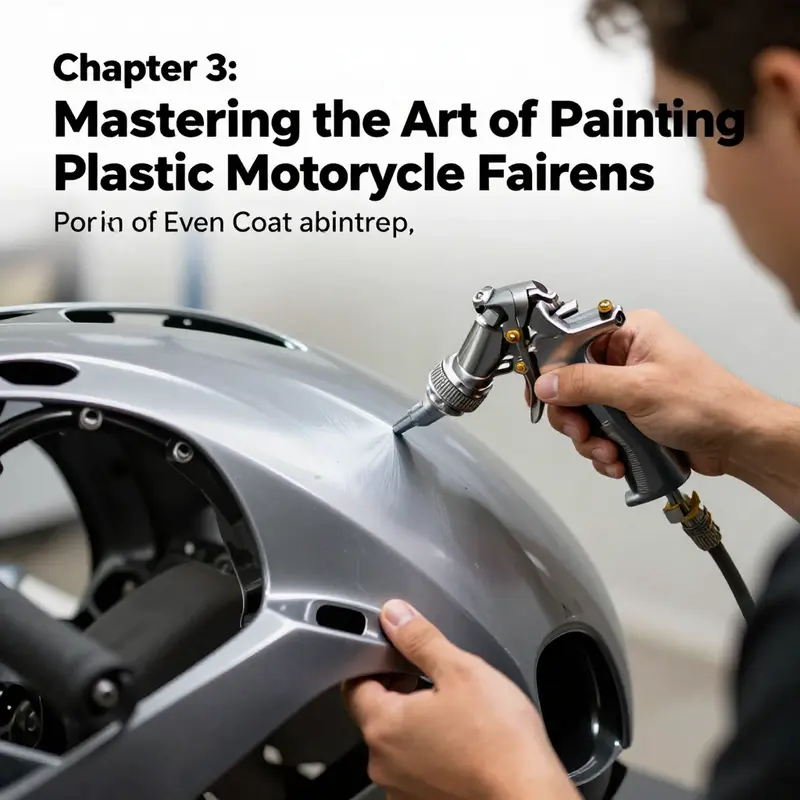
1. Essential Steps to Achieve a Pristine Surface: Cleaning and Preparing Motorcycle Fairings for a Professional Paint Job
Preparing plastic motorcycle fairings for painting is an intricate process that demands attention to detail and an understanding of the materials involved. This foundational stage sets the stage for a successful paint job, helping ensure longevity and aesthetic appeal. To achieve a smooth, durable finish, follow a systematic process that emphasizes cleanliness, surface texture, and proper priming.
To start, the initial task is to clean the fairing thoroughly. Conducting a thorough cleaning may seem simple, but this step significantly impacts the success of your paint job. Utilizing a mild detergent mixed with water paired with a soft cloth or sponge is the best method to eliminate any dirt, grease, or wax that may linger on the surface. Avoid abrasive detergents or stiff brushes that can scratch or damage the delicate plastic. Once you have scrubbed away contaminants, rinse the fairing well and allow it to dry completely in a dust-free environment. Remember, any residue left on the surface can lead to complications in the subsequent steps.
Once the cleaning is complete, sanding the surface is vital to creating the right texture for paint adhesion. Select fine-grit sandpaper, preferably between 800 and 1200 grit, and begin lightly abrading the fairing’s surface. The goal here is not to remove material but rather to create a micro-texture that enhances adhesion for the primer and paint. Sand evenly across the entire fairing, focusing on even those hard-to-reach edges and corners where paint often fails to adhere. After sanding, carefully wipe down the surface with a tack cloth or a lint-free rag dampened with isopropyl alcohol. This helps eliminate any lingering dust or particles that could interfere with the paint bonding correctly. Skipping this cleansing step can result in imperfections that compromise the quality of the final finish.
With the surface clean and properly sanded, the next step involves applying primer. Selecting a primer specifically formulated for plastics is crucial, as typical automotive primers may not provide adequate adhesion on non-porous surfaces. Look for products designed to work with polypropylene, ABS, and other common plastics used in motorcycle bodywork. The application should be done in thin, even coats, following the manufacturer’s guidelines for drying times between applications. Properly applied primer not only seals the surface but also enhances the paint’s adhesion capabilities. Missing or poorly applied primer can lead to future peeling or blistering, so take these moments to be diligent and strategic.
After applying the primer, it’s crucial to perform a final inspection of the prepared surface. Adequate lighting is necessary to examine every inch for uniform texture and cleanliness. Areas that may have been missed during cleaning or sanding will compromise the adhesion of the paint if overlooked. A thorough final inspection ensures that you can move to the painting process with confidence, ready to create a flawless finish without unexpected issues arising due to surface imperfections.
The integrity of your motorcycle’s fairings depends greatly on how well you execute the cleaning and preparing phase. Each part of the preparation builds upon the previous step, forming a robust foundation for the paint to adhere effectively and consistently. By investing the necessary time into these steps, you ultimately save time and resources on redoing paint jobs that could have been avoided by taking the correctly scheduled approach ahead of time.
Once satisfied with your preparation, you are ready to move into the painting phase, where high-quality automotive paint compatible with your primer plays a key role in achieving that desired finish. Whether opting for a glossy or matte look, ensure that you are using materials intended for professional automotive applications, providing both functionality and elegance.
As a part of this journey into customization, you might feel tempted to rush through preparation due to eagerness to see your results. However, remaining patient and disciplined, especially during these critical stages, is paramount. Quality work done in the preparation phase can dramatically improve adhesion, reduce the likelihood of imperfections, and ultimately enhance the visual appeal of your motorcycle. Protecting the investment you’ve made in your fairings with careful preparation not only enriches the aesthetic value of your motorcycle but also potentially boosts its resale value.
For more extensive insights into the nuances of fairing preparation, including recommended products and techniques, consider referring to comprehensive guides available online. These resources, alongside practical experience, can elevate your painting endeavors and help avoid pitfalls commonly encountered in DIY home projects.
Besides the pivotal steps outlined here, working in a controlled environment is essential. Ensure your workspace remains clean and well-ventilated to minimize dust and humidity that could adversely affect the paint application. A dedicated spray booth, while not always feasible, can significantly enhance your painting precision and final results.
By carefully handling surface preparation, you lay down a solid groundwork that promises rich rewards in the form of stunning motorcycle aesthetics. From the initial washing through detailed inspections, each element plays a critical role in achieving the perfect canvas for painting, resulting in a finished product that reflects not only your style but also your dedication to craftsmanship. As you prepare your motorcycle fairings, remember: a job well done in preparation heralds a masterpiece in painting—embodying your spirit as a rider and the essence of your bike’s character.
2. The Foundation of Beauty: Priming and Topcoats for Plastic Motorcycle Fairings
Proper priming and topcoating are pivotal steps in the painting process for plastic motorcycle fairings, directly influencing the durability, appearance, and longevity of the finish. This stage transcends mere aesthetics; it establishes a critical bonding foundation that determines the success of the overall paint job. By selecting the right materials and employing effective techniques, you can transform your motorcycle fairings into stunning visual statements while ensuring they withstand the rigors of the open road.
To begin with, establishing an effective priming process hinges on thorough surface preparation. Each fairing must be meticulously cleaned to eliminate any contaminants that could compromise adhesion. Using a degreaser followed by a rinse and careful drying is essential. Once the surface is devoid of oils, waxes, and dirt, the next step involves sanding. This light sanding with 800-1200 grit sandpaper creates a micro-textured surface, providing a suitable ‘tooth’ for the primer to grip. After sanding, wiping down the fairings with isopropyl alcohol is recommended to capture lingering dust and residues, ensuring that the primer application is flawless.
Once you have prepared your fairings, the choice of primer becomes the next crucial decision. Opt for a plastic-specific primer, such as a two-part epoxy or a specialized formula designed to bond chemically with plastic surfaces. These primers are tailored to penetrate the non-porous layer of plastics, which common primers might not adhere to adequately. The application of the primer should be executed skillfully, ensuring even and thin layers. A high-quality spray gun is recommended for uniform coverage, maintaining a consistent distance—ideally 6 to 8 inches—from the surface. Multi-layer applications often yield the best results; typically, two to three thin coats are sufficient. Allow each coat to dry according to the manufacturer’s guidelines, typically around 15 to 30 minutes. It’s important not to rush this step; adequate drying prevents imperfections that would otherwise mar the surface.
To achieve an ultra-smooth finish, consider a light sanding with fine-grit (400-600) sandpaper between primer layers. This technique helps to eliminate any surface imperfections created during the initial application, providing an ideal substrate for the topcoat. After this process, the fairings should be wiped clean once more to remove dust, ensuring nothing interferes with the adhesion of the forthcoming topcoat.
The time has now arrived to apply the topcoat. Selection of a high-quality automotive-grade paint, preferably a urethane or acrylic enamel, is essential for achieving that professional finish. The color choice should match your desired scheme, and the finish should be consistent—gloss, satin, or matte, depending on your vision for the final look.
Before diving into application, mixing the paint appropriately cannot be overstated. Thoroughly combine the paint components and adjust the viscosity with a suitable reducer or thinner as per the manufacturer’s instructions. A blend that is too thick may lead to undesirable drips and uneven coverage, while too thin a mix could compromise color depth.
Applying the topcoat requires a delicate approach. Start with several thin layers, employing broad, overlapping strokes that avoid excessive build-up in any one location. This allows for better control and prevents runs. Each coat should be allowed to ‘flash off’—a term that refers to the quick initial evaporation of solvents—typically for 10 to 15 minutes. This step is crucial as it mitigates the chances of solvent entrapment, which results in an undesirable texture.
While we often aim for two or three coats of topcoat, assessing coverage visually is paramount. The goal is to achieve an even appearance without any inconsistencies in color or texture. Each layer builds upon the previous one, with the objective being not only full coverage but also the establishment of depth in your chosen color.
Once this stage is complete, the addition of a clear coat can elevate your project from good to exceptional. The clear coat acts as a protective barrier, not only enclosing and safeguarding the colorful layers beneath but also significantly enhancing their visual richness. A high-gloss or satin polyurethane clear coat is ideal. Just as with the primer and topcoat, multiple thin applications are more effective than one thick layer, which may lead to significant issues like bubbling or a tacky finish.
Let the clear coat dry thoroughly, allowing for sufficient curing from 24 up to 72 hours. This time is critical—committing to patience during this curing phase prevents potential damage and ensures optimal durability. Finally, a thorough buffing of the cured finish can yield a showroom-ready sheen, transforming not just the look of the motorcycle but also enhancing a rider’s experience every time they take to the road.
For those eager to delve deeper into the nuances of motorcycle fairing painting or searching for specific parts for their customizations, resources such as Motorcycle Cruiser provide additional insights and techniques that may further enhance your project outcomes. Additionally, be sure to check fairing collections from reputable suppliers to find exactly what you need to achieve that perfect look as you embark on your painting adventure.
Chapter 4: The Transformative Final Touch: Elevating Motorcycle Fairing Finish with 2K Clear Coat
1. The Essential Role of 2K Clear Coat in Achieving Lasting Brilliance for Painted Plastic Motorcycle Fairings
In the intricate art of painting plastic motorcycle fairings, the application of a 2K clear coat represents not just a final step but a pivotal transformation of the entire process. This advanced coating method, consisting of two components—clear resin and hardener—creates a bond that significantly enhances both the visual appeal and durability of the motorcycle’s exterior. By understanding the profound importance of 2K clear coat, riders can ensure that their fairings not only look stunning but also withstand the rigors of both the elements and everyday use.
The Superiority of 2K Clear Coats
The primary advantage of using a 2K clear coat lies in its robust chemical composition. Unlike traditional single-stage paints, which may offer limited protection and aesthetic qualities, 2K clear coats form a hardened surface through a reactive process. This cross-linking mechanism results in a finish that is far superior in resistance to scratches, UV damage, and environmental threats such as acid rain and road grime. Given that motorcycle fairings are consistently exposed to harsh conditions, the resilience provided by a 2K clear coat is indispensable.
Not only does a 2K clear coat contribute to durability, but it also dramatically enhances the visual depth of the paint beneath. Properly applied, it provides a glossy finish that enriches the color and texture of the base coat, resulting in a professional-grade appearance. Riders aiming for that showroom shine will find that the clarity and depth achieved through 2K layering can elevate their customization efforts immensely.
Steps for Effective Application
Understanding the intricacies of applying a 2K clear coat is essential for achieving optimal results. For those embarking on this undertaking, starting in a controlled environment is paramount. A clean, dust-free area with controlled temperature settings—ideally between 18°C to 25°C—ensures that moisture levels remain at bay, preventing defects such as orange peel or sagging.
When it comes to application technique, it is vital to use a high-quality spray gun that facilitates even coverage. Adjusting air pressure and nozzle size correctly allows for a well-distributed mist that can coat the surface without overwhelming it in thick layers. The approach of multiple light coats—typically 2 to 3 thin layers—is favored over fewer heavy applications. This method allows each coat to partially dry, or ‘flash off’, before a subsequent layer is added, reducing the risk of imperfections and ensuring a uniform finish.
Once the final coat is applied, patience becomes a key ingredient in the process. The curing phase, which may take between 24 to 72 hours depending on ambient conditions, allows the coating to completely solidify, accomplishing critical strengthening through full cross-linking. This curing period is what ultimately empowers the finish to resist the inevitable wear and tear that comes from vigorous use.
Supplier Considerations for Quality Assurance
For those seeking to achieve the best results with 2K clear coats, sourcing high-quality materials from reputable suppliers should not be overlooked. The production of 2K clear coats is heavily dominated by manufacturers based in industrial zones, particularly in regions known for their advanced chemical engineering capabilities. Suppliers in China, especially those in provinces like Guangdong, Zhejiang, and Anhui, have established robust production facilities that allow for cost efficiency due to their proximity to necessary raw materials.
When procuring these products, take into account factors like production scalability and quality control measures. Suppliers capable of demonstrating ISO 9001 certification exhibit reliability in their manufacturing processes, ensuring consistent quality in their offerings. The importance of selecting a partner who excels in technical capability and operational reliability cannot be overstated, particularly when one is investing time and resources into a DIY fairing project.
Beyond the Basics: Ensuring a Professional Finish
To further augment the quality of the finish, additional steps can enhance the overall outcome. For example, after the 2K clear coat application, consider waiting a few days before attempting any polishing or waxing. Introducing polish too soon can interfere with the curing process and potentially dull the sheen that the clear coat brings. Once deemed fully cured, applying a light wax can provide an extra layer of protection against contaminants while enhancing the gloss.
As you prepare to restore or customize your motorcycle fairings, remember that the choice of a clear coat can significantly impact your project’s outcome. The investment in quality materials, combined with attention to detail during the application process, usually pays off in longevity and appearance. For those looking for sturdy and aesthetically pleasing results, the advantages of adopting a 2K clear coat approach are numerous.
The integration of knowledge about supplier selection with advanced application techniques equips enthusiasts with the tools to achieve the desired results. The need for a reliable supplier cannot be understated; a well-chosen partner will streamline the procurement experience, allowing you to focus on perfecting your painting technique. Whether updating a vintage bike or customizing a new model, leveraging the benefits of 2K clear coat can transform your motorcycle fairings into a remarkable showcase of personal artistry and mechanical excellence.
For further insights into selecting the appropriate fairings for your motorcycle project, visit Summit Fairings, where a wide selection caters to various models, ensuring you find the perfect match for your custom work.
2. Polishing the Finish: Expert Techniques for Applying Clear Coat on Plastic Motorcycle Fairings
Achieving a flawless, high-gloss finish when painting plastic motorcycle fairings requires more than simply applying a clear coat; it demands a deft touch and an understanding of the materials involved. The application of a high-quality clear coat serves as both a protective barrier against environmental damage and a means to enhance the aesthetic appeal of the newly painted surface.
To ensure success, it’s recommended to use a 2K (two-component) clear coat. Unlike one-component options, 2K clear coats are mixed with a hardener or catalyst, producing a finish that is significantly more durable and resistant to scratches, UV rays, and chemicals. This is particularly important for motorcycle fairings, which are constantly exposed to the elements and potential physical abrasions. Therefore, equipping yourself with the right materials right from the onset is fundamental to achieving that professional look.
The preparation phase before applying clear coat cannot be overstated. It is essential to confirm that the base color coat has fully cured for a minimum of 24 hours; this period allows the paint to reach its final hardness, thereby eliminating risks of underlying contamination or bubbling during the clear coat application. Before proceeding with the clear coat, prepare a pristine workspace, as a clean environment is paramount. Any trace of dust, grease, or even fingerprints can be detrimental—trapping these impurities beneath the clear coat will compromise the overall finish. To eliminate any contaminants, wipe down the surface using a tack cloth followed by a gentle cleaning solution containing isopropyl alcohol.
When it comes to the application of the clear coat, controlling your technique is vital. Begin by ensuring the spray gun is correctly set up: a consistent spray pattern can make or break the outcome of your project. Maintaining a distance of 6 to 8 inches from the surface, and moving the gun with steady, overlapping strokes is crucial for even coverage. Aim for approximately 50% overlap with each pass to avoid spots or streaks, as these imperfections can seriously detract from the quality of the finish.
Additionally, the ambient temperature and humidity when applying the clear coat should be closely monitored, as these factors significantly affect the drying and curing process. Ideally, the environment should remain stable, with temperatures between 65°F and 75°F and relative humidity levels below 70%. Deviations from these parameters can lead to complications such as runs, sags, or a textured surface often referred to as “orange peel.” These issues can often be irreversible without extensive sanding and polishing, making them strenuous to correct after the fact.d
Once you’ve established ideal conditions, it’s advisable to apply the clear coat in multiple thin layers—typically 2 to 3 layers are recommended. Each layer should be applied approximately 10 to 15 minutes apart, allowing the clear coat to flash off without fully curing before the next application. This step is critical to ensure proper adhesion between layers and to prevent solvent entrapment, which could lead to unsightly bubbles. For the final two layers of clear coat, employing a wet-on-wet process can yield outstanding improvements in appearance. This technique involves applying the second coat while the first is still wet, enabling the two layers to bond seamlessly and minimizing the visibility of seams or unevenness.
After applying the last coat of clear, let the project cure fully for at least 24 to 48 hours. Although patience can be challenging in exciting projects like these, this curing time is where the clear coat truly sets, allowing you to unveil the stunning results of your hard work. After the curing period, light polishing using a fine compound can be undertaken if desired. This process can further enhance the gloss and depth of the finish but should be approached cautiously; it must only be done after ensuring that the clear coat has completely cured to avoid damaging it.
In summary, mastering the application of a high-quality clear coat is the critical finishing touch to your painting venture. By adhering to the proper techniques and paying meticulous attention to the preparatory steps—from selecting the right materials to carefully applying your coats—you can achieve a professional look that rivals factory finishes. Transforming your plastic motorcycle fairings into stunning components not only enhances your bike’s aesthetics but also improves its longevity against the elements, making your DIY efforts all the more rewarding.
For those seeking to purchase quality fairings and further customize their bike, resources such as Summit Fairings offer a plethora of options tailored to various motorcycle brands and models, ensuring that your project is equipped with the best materials available. With the right preparation and attention to detail, your motorcycle fairings will not only meet expectations but exceed them—providing both protection and style for the road ahead.
Final thoughts
Successfully painting plastic motorcycle fairings involves meticulous attention to detail through each step. From proper surface preparation to the crucial application of a clear coat, each phase contributes to achieving a professional, durable finish. For business owners, mastering these techniques can elevate your service offerings and ensure customer satisfaction. By investing time and resources into perfecting the process, you can establish a reputation for excellence in motorcycle customization and repair.
Ready to elevate your ride? Summit Fairings delivers premium, custom-fit fairings that blend style and durability. Whether you’re chasing speed or turning heads, we’ve got your bike covered. Don’t wait—transform your machine today. Click, customize, and ride with confidence. Your perfect fairing is just a few clicks away. Act now!
About us
We are one of the leading motorcycle fairing export sites, with over 3,000 styles across almost all motorcycle models. Buy from summitfairings.com, and pay 10-40% less than the prices on other sites. If you have any questions, we promise we will have your answer within six hours.