
Motorcycle fairings play a crucial role in enhancing aesthetics and aerodynamics. Utilizing Plasti Dip, a unique rubberized coating, offers an adaptable solution for bike enthusiasts and business owners looking to offer a fresh look or protective layer on motorcycle parts. This guide will delve into the benefits of employing Plasti Dip on fairings, crucial considerations before application, and practical tips for successful implementation. By understanding these aspects, businesses can better serve customers and enhance their product offerings in the competitive motorcycle market.
Transforming Motorcycle Fairings: The Versatile Benefits of Plasti Dip
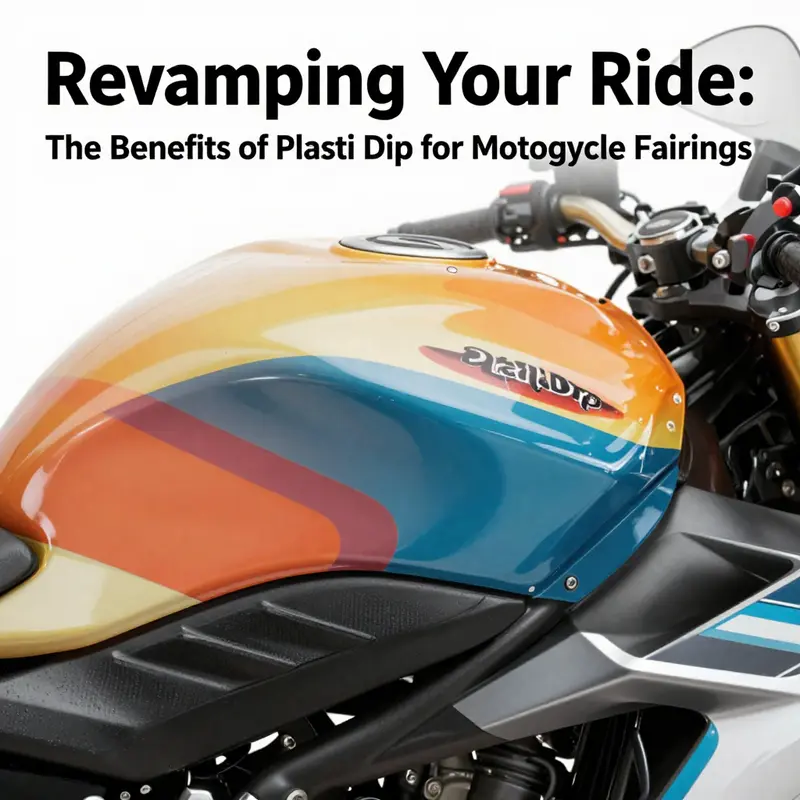
In the world of motorcycle customization, enthusiasts and casual riders alike are constantly seeking ways to enhance the appearance and durability of their bikes. One method that has gained significant traction in both professional and hobbyist circles is the application of Plasti Dip on motorcycle fairings. This innovative product, a removable rubber coating, offers an array of advantages that can make a substantial difference in how a motorcycle looks and performs. This chapter delves into the remarkable benefits of using Plasti Dip for motorcycle fairings, illuminating why this product has become a preferred choice for many.
The first and arguably most compelling reason to consider Plasti Dip for motorcycle fairings is its reversibility. Unlike traditional paints, which often require extensive preparation and permanent alteration of the surface, Plasti Dip is designed to peel off without damaging the underlying layer. This feature essentially means that if riders decide to revert to the original look of their fairings or explore new color options, they can do so with minimal effort. A simple application of a specialized solvent or perhaps even a bit of heat will remove the coating. This quality allows motorcycle owners a level of flexibility that is particularly appealing in a community that thrives on individuality and personalization.
In addition to its reapplication capabilities, Plasti Dip provides a significant protective barrier for motorcycle fairings. This is especially beneficial for plastic components that often bear the brunt of everyday wear and tear. Plasti Dip not only protects against minor scratches and dings but also serves as a shield against harmful ultraviolet (UV) rays that can lead to fading and degradation over time. This enhanced durability means that fairings coated with Plasti Dip can maintain their aesthetic appeal longer than those left in their original state, which is critical for preserving the overall look of the motorcycle and its resale value.
The application process itself is one of the standout strengths of Plasti Dip. Unlike traditional automobile paint, which often requires specialized spraying equipment and a degree of technical skill, Plasti Dip can be applied conveniently at home with minimal tools. This ease of use makes it particularly attractive to DIY enthusiasts. A standard spray can and proper preparation are often all that is required to achieve professional-looking results. For riders, this means they can enhance their bikes without incurring the costs and logistical challenges associated with professional paint shops.
Flexibility in color and finish options is another highlight of using Plasti Dip. The product is available in a vast array of colors and finishes, including matte, gloss, and metallic effects. This diversity allows motorcycle owners to express their individuality, aligning the bike’s appearance closely with their personal style. Whether aiming for something understated or looking to make a bold statement, there’s likely a Plasti Dip product that aligns perfectly with the vision.
However, while the benefits of Plasti Dip are appealing, potential users must also recognize the considerations associated with its application on motorcycle fairings. The most critical aspect is ensuring that the surface is properly prepared. Plasti Dip adheres best to clean, smooth surfaces. Thus, it is essential to clean the fairings thoroughly, removing any grease or contaminants, and in some cases, lightly sanding the surface can enhance adhesion.
Another important consideration is the potential durability limitations of Plasti Dip in high-stress areas. While it’s effective at protecting against minor damages, riders should be aware that in regions exposed to high heat or frequent contact, such as near the handlebars or edges of the fairing, Plasti Dip may begin to show signs of wear. This might manifest as peeling or edge lifting after prolonged exposure to the elements or when subjected to heavy use. Therefore, cyclists should regularly inspect the coated areas and address any damages promptly to prolong the life of the coating.
Moreover, it’s worth noting that not all plastics are created equal when it comes to compatibility with Plasti Dip. Certain types of plastics or those that have been heavily treated with additives might not adhere well to the rubber coating. Conducting a small test application prior to a full coating can help confirm the product’s suitability, minimizing potential issues.
The visual aesthetics of the motorcycle can also be influenced by how the Plasti Dip is applied. If applied too thickly, it can obscure finer design details and contours integral to the fairings’ original profile, resulting in a potentially less appealing finish. Therefore, taking the time to apply thin, even coats and allowing adequate drying time between layers can enhance both the functionality and aesthetic appeal of the finished product.
As with any DIY project, proper planning and execution can lead to rewarding results. Riders interested in using Plasti Dip for their motorcycle fairings should explore not just the installation process but also the maintenance involved in caring for the coating post-application. A combination of regular checks and gentle cleaning methods will keep the finish looking vibrant.
The discussion surrounding Plasti Dip and its application for motorcycle fairings has provoked notable interest among motorcycle owners, and rightfully so. The product’s ability to offer personalized aesthetics while providing protective benefits is balanced by the need for careful application and maintenance processes. With its unique advantages and how it artfully transforms motorcycle fairings, Plasti Dip stands out as an essential tool in the toolkit of motorcycle customization. As one navigates through the landscape of motorcycle modification, it’s clear that achieving both visual appeal and long-lasting durability is not just a dream—it can indeed be a reality, thanks to Plasti Dip.
For further insight into motorcycle fairings and their diverse applications, visit Summit Fairings to explore an impressive selection of options tailored for various motorcycle models.
Navigating the Pros and Cons of Plasti Dip for Motorcycle Fairings
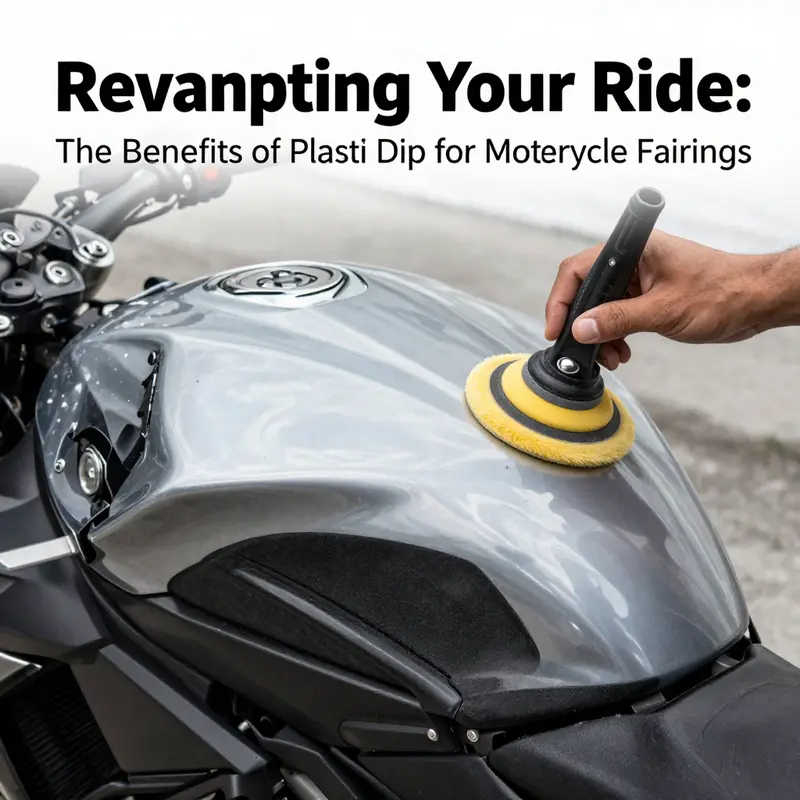
Applying Plasti Dip to motorcycle fairings presents a compelling way for riders to customize and protect their machines. This process has garnered attention within both professional circles and amateur biking communities, as it strikes a balance between aesthetic enhancement and practical consideration. However, while the benefits are notable, there are several critical considerations and limitations that riders should fully understand before proceeding with this modification.
One of the most striking advantages of Plasti Dip is its reversible nature. Unlike permanent paint jobs that require substantial effort to remove or change, Plasti Dip can be peeled off cleanly, allowing riders to return their motorcycle to its original color or opt for a completely different finish in the future. This is particularly appealing for those who enjoy personalizing their bikes based on season or mood without committing to a permanent modification.
However, this reversibility is paired with inherent limitations. The success of Plasti Dip application hinges on a crucial factor: adhesion. A layer of Plasti Dip will only perform optimally if it is applied to a thoroughly clean, dry, and grease-free surface. This is essential because any residual dirt, oil, or even wax can compromise the bond between the Plasti Dip and the fairing, leading to peeling or bubbling over time. Given the environment motorcycles are often exposed to—ranging from dust and grime on the road to exposure to various weather conditions—proper preparation of the fairing surface is paramount.
Another consideration is the suitability of the product. While there are variants of Plasti Dip formulated for automotive use, not all of these are specifically designed to endure the high-stress context that motorcycle fairings operate in. Motorcycle body panels are subjected to UV radiation from the sun, significant temperature fluctuations due to weather changes, road debris, and consistent vibrations during operation. These conditions ask a lot from the coating and require a product that is resilient and effective under such duress.
When it comes to durability, Plasti Dip brings protective qualities to the table, acting as a barrier against light scratches, oxidation from UV rays, and minor impacts. However, compared to factory-finished or professionally painted surfaces, Plasti Dip tends to be less resistant to abrasion and impact. This can be a particularly important factor for riders who frequently take their motorcycles off-road or through rough terrains, where the fairings might encounter more aggressive elements that could compromise the coating. Over time, areas exposed to increased wear, such as fenders and side panels, may show signs of deterioration much sooner than anticipated.
The compatibility of materials also plays a role in the effectiveness of Plasti Dip. Motorcycle fairings are often constructed from various types of plastics, some of which may not interact favorably with Plasti Dip. For example, high-impact plastics like polycarbonate or ABS—which may have undergone specific surface treatments—can react negatively to the chemical composition of Plasti Dip. This can lead not only to unsightly discoloration but also more severe issues like softening or even cracking of the original plastic, necessitating costly repairs to the fairing.
When considering the application of Plasti Dip, another point to take into account is the thickness of the coating; excessive layers can obscure the intricacies of the fairing’s design, especially on models featuring complex forms or lines. This is an essential aesthetic consideration, particularly for riders who appreciate the visual details that highlight a motorcycle’s performance attributes and style. A thick coat could blur these details, undermining the motorcycle’s overall appeal.
Removing Plasti Dip is relatively simple, making it a favored choice for riders who enjoy changing their bike’s look regularly. Nevertheless, this quality introduces an important aspect: the lack of permanent protection. While it serves as a temporary shield against minor damage, riders looking for long-lasting resilience and resistance to environmental elements might find Plasti Dip falling short in delivering the level of durability that more permanent solutions offer. For a more durable alternative, riders may explore OEM-approved coatings or professional wrap services that can provide higher levels of protection tailored to the challenging environments motorcycle fairings endure.
In practical terms, if you decide to proceed with applying Plasti Dip to your motorcycle fairings, ensure that you meticulously read the product’s instructions beforehand. Opt for variants specifically designed for plastics or composite materials for the best results. Applying the product in thin, even layers, allowing for adequate drying time between applications, can significantly enhance the adhesion and overall appearance of the coating. After the completion of the application, it is advisable to avoid direct exposure to extreme weather or washing the motorcycle for at least 24 to 48 hours to ensure proper curing of the Plasti Dip.
To maintain the integrity of your Plasti Dip application, it’s important to implement regular checks for any bubbling or lifting at the edges. Prompt repair of any imperfections will not only preserve the aesthetic quality of your fairings but also extend the longevity of the Plasti Dip’s protective properties.
As a conclusion, while Plasti Dip provides an attractive avenue for customizing motorcycle fairings with both protective and aesthetic benefits, it is accompanied by considerable caveats that every rider should contemplate. The need for adequate preparation, understanding of material compatibility, and awareness of the limitations in durability are critical to ensuring a successful outcome. By weighing these factors, riders can make informed decisions that align with their individual customization goals while safeguarding their motorcycles from potential long-term damage.
For further exploration of materials and guidelines related to motorcycle body parts, consider visiting this resource: Alibaba – Plastic Motorcycle Fairing Kit where additional information about fairing materials can enhance your customization journey.
Mastering the Art of Plasti Dip: A Guide to Upgrading Motorcycle Fairings
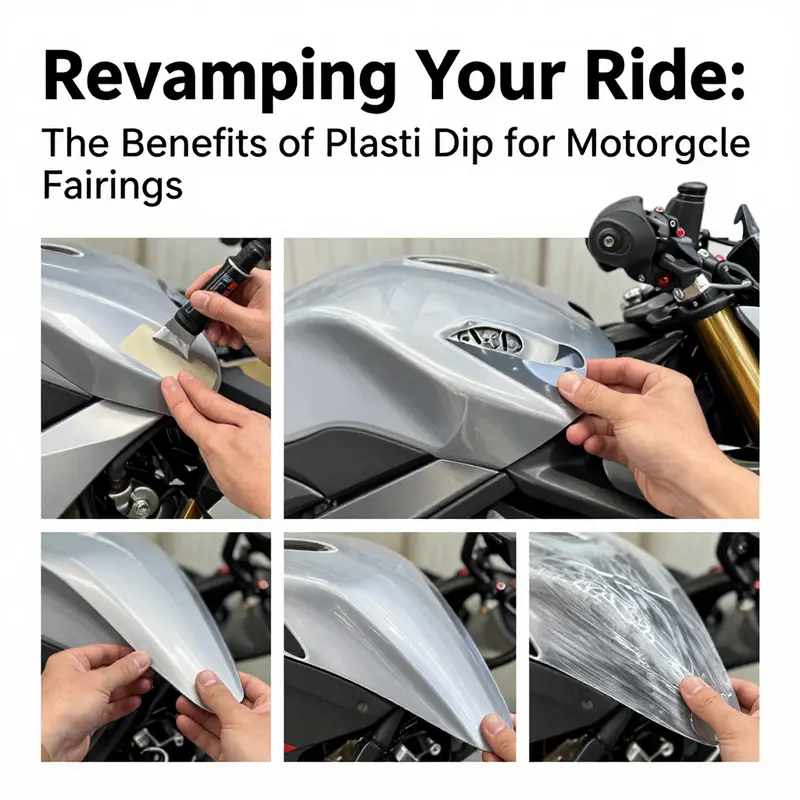
Plasti Dip has emerged as a popular choice among motorcycle enthusiasts and professionals for customizing the appearance of motorcycle fairings. This unique product, a rubberized coating that can be sprayed on to create a temporary and often colorful finish, offers motorcyclists a transformative way to personalize their bikes without committing to permanent changes. Whether you’re a long-time rider or a novice, applying Plasti Dip can seem daunting. However, with a clear strategy and an understanding of best practices, you can enhance the aesthetics of your motorcycle while also adding a layer of protection to your fairings.
Thorough Cleaning is Non-Negotiable
Prior to any Plasti Dip application, the condition of your motorcycle fairings is paramount. An effective application begins with meticulous cleaning. It is essential to remove any oils, grease, wax, or dust that could compromise the adhesion of the Plasti Dip. Start by washing the fairing with a dedicated cleaner or a mild soapy solution. After rinsing thoroughly, dry the surface completely using a clean, dry microfiber cloth. To eliminate any remaining moisture, it’s advisable to use a hairdryer or a heat gun on a low setting. Remember, any residue left on the fairing can lead to peeling, bubbling, and an uneven finish, negating the time and effort spent on the project.
Use the Right Protective Tape
To achieve crisp, clean lines during the painting process, it’s crucial to mask areas that you do not want to paint. High-quality painter’s tape is an excellent choice for this purpose. Unlike low-grade alternatives, this tape adheres effectively and provides a tight seal, thus minimizing the chance of overspray and ensuring that the lines remain sharp. While plastic wrap can serve as a supplemental masking tool, applying it solely can complicate the process. Combining painter’s tape with wrap can secure effective coverage while maintaining clean edges on the surfaces you wish to protect.
Apply Thin, Even Coats
One of the most common mistakes made during the Plasti Dip application process is applying too thick a coat. Instead, it’s advisable to build a new layer of color by applying several light, even coats. When using a spray can, hold it perpendicular to the surface and maneuver in smooth, consistent strokes from side to side. This technique minimizes the risk of runs or drips, ensuring a uniform finish across the fairings. Take note to allow each coat to dry fully before applying the next; this will help with adhesion and will lead to a better overall outcome.
Let It Cure Fully
After the final coat is applied, it is tempting to admire your work immediately. However, for the best results, you must let the Plasti Dip cure completely. It is recommended to allow at least 24 hours of cure time at room temperature to ensure the coating has solidified properly. For those seeking enhanced durability and a more resilient finish, extending this cure time to 72 hours is advisable. During this curing period, avoid washing the motorcycle or exposing it to harsh weather, as premature exposure can compromise the quality of the finish.
Avoid Direct Sunlight During Application
The conditions in which you apply Plasti Dip play a significant role in the outcome of your project. Applying the dip in direct sunlight can cause the product to dry too quickly, creating an uneven texture often referred to as the “orange peel” effect. Selecting a cool, shaded area or a well-ventilated garage will aid in achieving a uniform texture and color. This attention to environmental factors will not only improve the finish but also enhance the longevity of the application.
Practice First
For those who are new to using Plasti Dip, taking a few minutes to practice can yield great benefits. Before attempting to apply it to your fairings, practice spraying on a scrap piece of plastic or an old part. This will allow you to develop a feel for the spray pattern and gauge the appropriate distance for optimal application. Just as in any task that involves a degree of finesse, practice leads to improved confidence and better results.
By observing these guidelines, you can embark on a successful journey of transforming your motorcycle’s fairings with Plasti Dip. Not only does this approach permit a vast array of aesthetic choices—ranging from matte finishes to vibrant colors—but it also provides protective benefits against UV rays and minor abrasions, helping to prolong the life and appeal of your motorcycle’s exterior. With careful preparation and technique, your motorcycle will not only look great but also withstand the tests of time and elements. For further detailed guidance, refer to the Plasti Dip YouTube channel, which offers comprehensive tutorials specifically tailored for automotive and motorcycle applications.
Final thoughts
Utilizing Plasti Dip for motorcycle fairings not only provides a means to personalize and protect but also allows for easy removal and reapplication as desired. The considerations and methods discussed empower business owners and enthusiasts to navigate the use of this versatile coating effectively. Understanding the benefits and applying the best practices can lead to enhanced customer satisfaction and a stronger presence in the motorcycle market. Embrace the potential of Plasti Dip, and watch as your motorcycle fairings transform.
Ready to elevate your ride? Summit Fairings delivers premium, custom-fit fairings that blend style and durability. Whether you’re chasing speed or turning heads, we’ve got your bike covered. Don’t wait—transform your machine today. Click, customize, and ride with confidence. Your perfect fairing is just a few clicks away. Act now!
About us
We are one of the leading motorcycle fairing export sites, with over 3,000 styles across almost all motorcycle models. Buy from summitfairings.com, and pay 10-40% less than the prices on other sites. If you have any questions, we promise we will have your answer within six hours.