
Plastic welding is a crucial skill for motorcycle repair businesses, especially when it comes to restoring motorcycle fairings made from ABS and polycarbonate plastics. This specialized technique uses heat to fuse plastics, ensuring that the final product not only looks seamless but maintains its structural integrity. In this comprehensive guide, we’ll explore the techniques, tools, and significant economic advantages of plastic welding motorcycle fairings, equipping your business with the necessary knowledge to meet customer demands effectively.
Mastering Plastic Welding Techniques for Durable Motorcycle Fairings
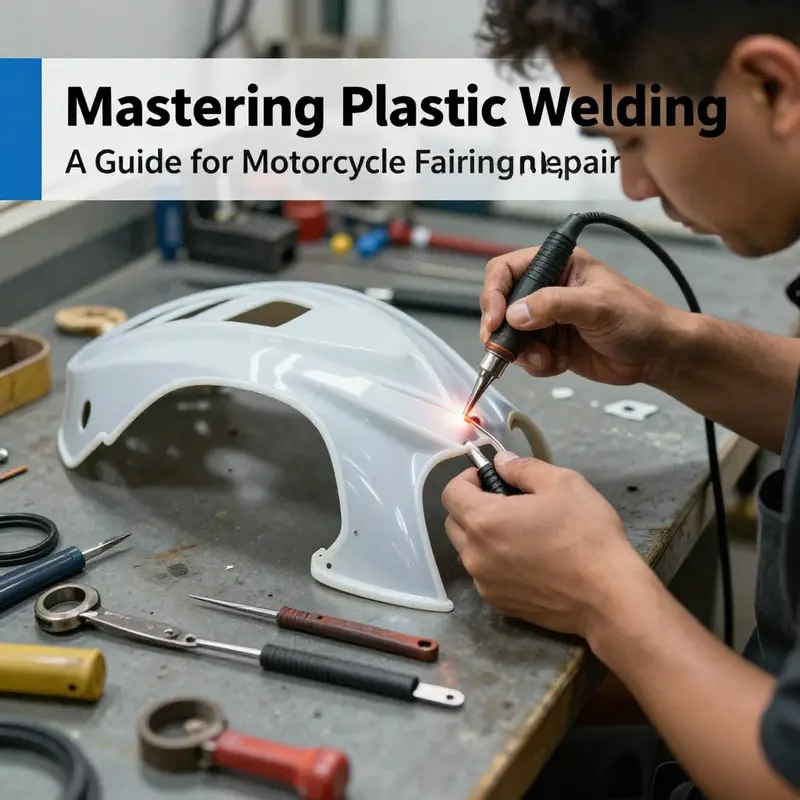
When it comes to enhancing the longevity and safety of motorcycle fairings, mastering the art of plastic welding emerges as a critical skill. Fairings made of high-impact thermoplastics like ABS (Acrylonitrile Butadiene Styrene) and polycarbonate are integral to a motorcycle’s aesthetics and aerodynamics. These materials not only contribute to a sleek design but also protect internal components and the rider from the elements. Understanding plastic welding techniques not only aids in effective repairs but can also lead to bespoke modifications that improve both form and function.
Plastic welding is essentially a process of joining plastics by heating them until they melt and fuse together. While the concept may seem straightforward, executing this technique requires precision, control, and an awareness of the unique characteristics of different plastics. Additionally, achieving aesthetic quality—ensuring repairs seamlessly blend in with original components—is vital. The following discussion delves into the prevalent techniques of plastic welding used specifically for motorcycle fairings, each with its respective advantages and challenges.
Hot Air Welding: The Versatile Choice
Hot air welding remains among the most widely adopted methods for joining plastic components, particularly for motorcycle fairings. This technique employs a focused stream of hot air, targeted at the joint area. In tandem, a compatible filler rod—typically made from the same plastic type as the fairing—is introduced into the weld zone. As the joined materials soften, the molten filler seamlessly integrates with the parent material, resulting in a robust bond.
The versatility of hot air welding is one of its primary benefits, adeptly handling large and complex shapes, thereby facilitating repairs or even the creation of new components. This technique requires minimal equipment—a handheld welding gun, the filler rod, and a power source—making it accessible for both professionals and avid DIYers alike. However, precision and expertise are paramount. An operator must carefully control the temperature and application speed to prevent unwanted overheating, which can lead to warping or other undesirable effects.
Moreover, while the weld often achieves significant strength, it may necessitate additional finishing processes—such as sanding or polishing—to restore the fairing to its original visual appeal. Given its broad applicability, hot air welding is frequently recommended for anyone serious about maintaining or customizing their motorcycle’s exterior.
Ultrasonic Welding: Quick and Clean
While primarily utilized in assembling smaller parts, ultrasonic welding offers rapid and effective bond creation within motorcycle fairings, especially for components that require precision assembly such as clips or internal mounts. The technique involves the application of high-frequency ultrasonic vibrations to create frictional heat at the contact surfaces of the plastics being joined. This method allows for near-instantaneous welds—often completed in less than a second—creating robust joints without the need for external heat or filler materials.
One of the key advantages of ultrasonic welding is its cleanliness. The process leaves no molten material around the joint, thus minimizing post-weld finishing work. Additionally, because it’s highly repeatable, there’s a significant potential for automation, making it an ideal choice for large-scale manufacturing where consistency is paramount.
However, it’s crucial to note that this method is limited to parts with flat and parallel surfaces, constraining its use for more complex forms encountered in motorcycle fairings. Furthermore, achieving consistent alignment and geometry is critical to successful welding. Thus, while ultrasonic welding holds great promise for specific applications, it is not the go-to method for all situations.
Laser Welding: Precision and Aesthetic Integrity
Advancements in technology have ushered in laser welding as a sophisticated technique particularly suited for high-end motorcycle fairings. This method utilizes a laser beam that passes through a transparent outer layer of material, being absorbed by an underlying layer that contains an additive for better absorption. The heat generated at the interface melts the plastic, resulting in a seamless and invisible bond.
One of the standout features of laser welding is its precision. The localized heating reduces the risk of warping and discoloration, yielding clean finishes that are crucial for aesthetically sensitive applications. Moreover, laser welding can efficiently bond dissimilar materials together, including integration with metal components such as mounting brackets.
Despite these significant advantages, laser welding does carry some drawbacks. The required equipment can be quite costly, making it less accessible for home mechanics or small workshops. Additionally, the process is limited to materials that can transmit the laser beam effectively, thus being more suitable for specialized applications rather than general repairs.
Friction Welding: Mechanically Strong Joints
Friction welding offers an alternative route for establishing strong bonds between plastic components, though it’s primarily employed in industrial settings. This technique can be particularly useful for joining large and flat sections of motorcycle fairings or for attaching reinforcement plates. Utilizing mechanical vibration generates frictional heat at the joint interface, facilitating the melting of the plastics without the need for external heat.
One significant advantage of friction welding is that it eliminates the necessity for filler materials. The resulting joints are strong and durable, capable of withstanding considerable stress. However, the method’s practicality is somewhat limited, as it typically requires heavyweight and stationary equipment. Additionally, friction welding may not be the best choice for large curved surfaces or delicate structures commonly found in motorcycle fairings.
Conclusion: Choosing the Right Technique
As motorcycle enthusiasts seek to maintain and enhance their bikes, understanding the various plastic welding techniques available enables them to make informed decisions concerning repairs and modifications. Hot air welding stands out as the favored method due to its versatility and accessibility, particularly for larger repair jobs. For niche applications involving rapid assembly, ultrasonic welding may be utilized, while laser welding offers remarkable precision and esthetic quality for high-end fairings.
Recognizing the strengths and limitations of each technique guides effective decision-making, ensuring that motorcycle fairings are repaired or modified to preserve both function and form. As the world of motorcycle customization evolves, exploiting the right welding techniques can ultimately lead to safer rides and visually striking machines—showcasing not just personal style but also an unwavering commitment to quality craftsmanship.
For practical guidance on hot air welding, resources like Plastics Technology provide insights on best practices and equipment selection pertinent to motorcycle fairings.
Essential Tools and Equipment for Plastic Welding Motorcycle Fairings: A Comprehensive Guide
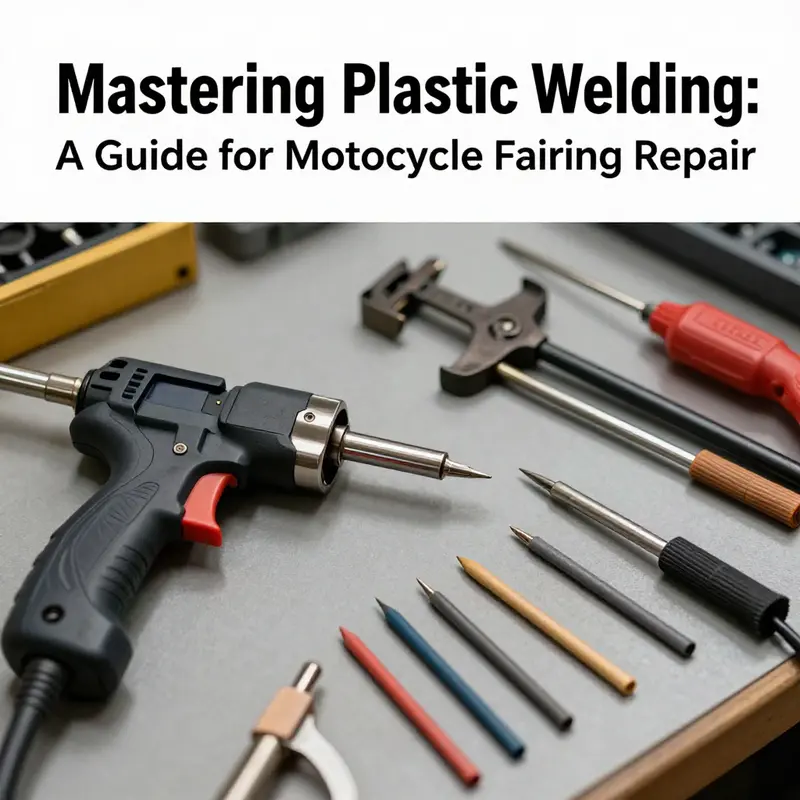
When embarking on the journey of repairing or modifying motorcycle fairings, a robust understanding of the essential tools and equipment for plastic welding is paramount. This chapter delves into the instruments that transform the daunting task of fixing cracked or damaged motorcycle fairings into a manageable and rewarding endeavor. As riders endeavor to maintain their motorcycles in optimal condition, understanding these tools not only ensures efficient repairs but also leads to high-quality finishing results that uphold the aesthetics and functionality of the motorcycle.
At the heart of the plastic welding process is the handheld plastic welding gun. This tool serves as the primary device for creating joints between plastic components. Also known as a soldering iron, it utilizes heat to melt and fuse the plastic materials of the fairings. The common configuration of these welding guns includes a heated tip that directly melts the filler material—often a welding rod—onto the damaged section of the fairing. The versatility of handheld welding guns allows users to apply varying levels of heat, providing the crucial capability to adjust the temperature based on the specific plastic being used, whether it be ABS or polycarbonate. This precise control is essential, as it mitigates the risk of warping or damaging the surrounding areas of the fairing during the welding process.
Complementing the welding gun are plastic welding rods—essentially the consumable filler materials that fill the gaps in the damaged fairings. These rods, also referred to as welding nails or splices, are available in a diverse range of sizes and colors to ensure compatibility with different types of plastics. Each motorcycle brand, from Honda to Yamaha, presents unique color requirements, making it vital for repairers to possess an array of rods tailored to the original color of the fairing. Investing in a comprehensive kit that includes hundreds of rods specifically designed for automotive and motorcycle repairs allows users to seamlessly address a variety of repair scenarios without unnecessary delays.
For those venturing into plastic welding, acquiring a complete repair kit is highly advantageous. These kits typically feature a handheld welding gun alongside a substantial assortment of welding rods and essential tools. Common inclusions are a plastic scraper for smoothing surfaces post-weld, sandpaper for preparing the edges of cracks or breaks, and a utility knife for trimming excess material once the welding is complete. Some advanced kits even offer a small torch to preheat broader areas, facilitating a more consistent and even welding outcome when larger sections are involved.
Proper surface preparation cannot be overstated. Before initiating the welding process, it’s essential to meticulously prepare the damaged area, which calls for several tools. A degreaser is typically among the first line of action to eliminate dirt and oils that may inhibit adhesion. Following this, the edges of the crack or break need to be sanded with fine-grit sandpaper, creating a rough texture that maximizes surface contact for a stronger bond. After sanding, using a clean cloth to wipe away any dust or contaminants ensures the surface is perfectly prepped for welding. This phase of preparation lays the groundwork for a successful repair, offering a reliable bond that restores the fairing’s structural integrity.
To hold broken components securely while the weld cools and solidifies, clamps or fixtures are essential. These tools serve a dual purpose; they prevent misalignment of the pieces during the cooling process and guarantee a strong joint at the finished interface. Stability during welding is vital, as even the slightest shift can result in a misaligned repair, which not only looks unappealing but could also compromise the motorcycle’s aerodynamics and performance.
While the handheld welding gun is sufficient for most repairs, certain circumstances might necessitate the use of a heat gun. Particularly when dealing with larger repairs or thicker plastic sections, employing a heat gun allows for preheating the area around the damage. This additional heat source can help achieve a more uniform melting point across the welding surface, resulting in a stronger bond once the materials are fused. The heat gun can also facilitate the manipulation of the plastic, making it more pliable during the repair process.
Safety is an unassailable priority throughout the welding procedure. Wearing safety goggles is imperative to shield one’s eyes from flying plastic particles and sparks generated during the heating process. Similarly, gloves are recommended to protect hands from burns while handling hot materials. Marine or welding gloves can also enhance grip and provide additional protection against cuts and abrasions from rough edges.
For those engaged in high-volume repairing or industrial applications where efficiency is paramount, automated ultrasonic plastic welding machines present an advanced option. These machines facilitate faster production and offer a high degree of precision, though for most motorcycle fairing repairs, the more accessible handheld plastic welding gun and a comprehensive repair kit suffice. This combination of tools allows both hobbyists and professional welders to execute high-quality repairs without requiring specialized machinery.
Understanding the diverse array of tools and how each contributes to the plastic welding process equips motorcycle enthusiasts with the knowledge necessary for effective repairs. Not only does it facilitate the timely restoration of fairings back to their original integrity, but it also allows for customized modifications enhancing both the utility and aesthetic appeal of the motorcycle. By leveraging the proper equipment and techniques, riders can enjoy the satisfaction of executing proficient repairs and modifications, ultimately enhancing their overall riding experience.
For a reliable source of quality plastic welding kits and related supplies tailored specifically for motorcycle fairings, you can explore comprehensive options available through industry-leading online suppliers. This ensures that the materials used are aligned with industry safety standards while being effective and durable enough to withstand rigorous road conditions.
For more insight and products related to motorcycle fairings, check out this collection of Honda fairings.
Maximizing Value: The Economic Edge of Plastic Welding Motorcycle Fairings
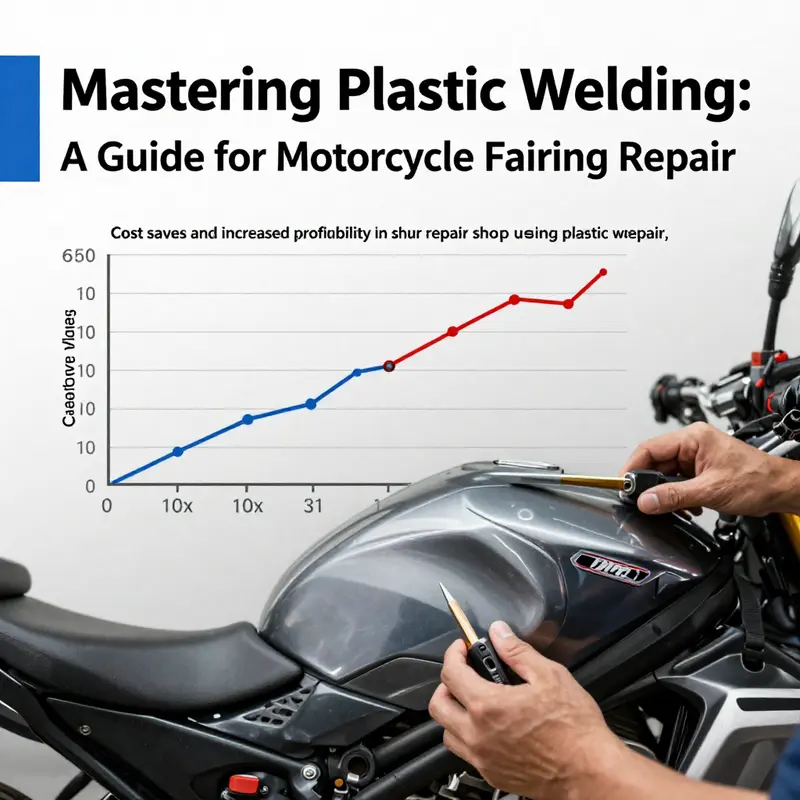
The economic landscape for motorcycle riders and enthusiasts is evolving. As the costs of maintaining vehicles rise, motorcycle owners are increasingly looking for cost-effective solutions to repair and modify their machines. Among these solutions, plastic welding of motorcycle fairings stands out as a particularly advantageous method. This chapter explores how plastic welding not only offers significant economic benefits but also aligns well with sustainable practices in the motorcycle industry.
At the heart of the economic advantages of plastic welding is its cost-effectiveness. Traditionally, when a plastic fairing becomes damaged—whether from a drop, a minor crash, or even while transporting the bike—riders faced the often steep price of replacing these parts entirely. Motorcycle fairings are commonly made from durable plastics like ABS (Acrylonitrile Butadiene Styrene) or polycarbonate, materials known not just for their aesthetic appeal but also for their ability to withstand impacts and environmental damage. Replacement costs can easily escalate into the hundreds or thousands of dollars—a substantial hit for any rider, especially if the damaged part is an integral component of the bike’s bodywork.
However, plastic welding presents a more economical alternative. By employing techniques such as hot-air welding or solvent bonding, damaged fairings can be repaired to restore their structural integrity at a fraction of the cost of full replacement. The process works by melting the edges of the damaged plastic and fusing them back together, sometimes incorporating additional filler material that matches the original fairing to ensure color and strength compatibility. This not only reduces material costs but also significantly minimizes waste, making it a sustainable choice.
Moreover, the ability to repair rather than replace extends the lifespan of valuable aftermarket parts. Aftermarket fairings, often customized for performance or aesthetics, are not only expensive but also sometimes difficult to find after market fluctuations or manufacturer discontinuations. Plastic welding thus becomes an essential tool for preserving investments in these custom parts, allowing riders to extend their usability without incurring the full costs of new replacements.
In practical terms, the economic benefits of plastic welding extend beyond just individual riders. For motorcycle repair shops, this method provides a significant opportunity to improve their service offerings. By mastering plastic welding techniques, repair shops can handle on-site fixes, reducing downtime for customers who want their bikes back on the road as quickly as possible. This efficiency translates directly into lower labor expenses for both the shop and the customers—avoiding the labor charges associated with full part replacements, which can involve extensive disassembly and reassembly of fairing components.
Additionally, for manufacturers involved in fabricating customized or high-performance motorcycles, plastic welding facilitates faster turnaround times and greater flexibility in production workflows. These businesses can incorporate repairs and modifications into their service offerings, providing a comprehensive solution that enhances customer satisfaction and retains their clientele. When done according to industry standards like those set forth by ISO 13943 or ASTM D256, the integrity of the weld remains robust, offering reliable solutions that justify and improve the overall investment.
As motorcycle enthusiasts consider repair options, they will find that plastic welding is not only economically wise but also promotes a culture of sustainability. As the automotive industry increasingly recognizes the environmental impact of waste, the reduced need for new materials provided by effective welding methods aligns well with modern-day manufacturing practices that emphasize eco-friendliness. This helps cultivate a responsible riding community that values both the longevity of their bikes and the health of the planet.
For those seeking to delve into the specifics of motorcycle fairings and the applicable standards for effective repair techniques, including the advantages of plastic welding, resources like the comprehensive overview provided by Cf Moto can be invaluable. By understanding the materials used in motorcycle fairings and adopting proper repair methodologies, riders and shops alike can capitalize on the economic benefits of plastic welding while fostering environmental sustainability in their practices.
In conclusion, plastic welding is more than just a repair technique; it represents an evolution in how bikers and manufacturers approach motorcycle maintenance and modifications. By providing a cost-effective, efficient, and sustainable approach to fare repairs, plastic welding ensures that riders can keep their bikes in excellent condition without breaking the bank. This not only preserves the functionalities of their motorcycles but also enhances the overall riding experience—with the reassurance that comes from knowing a well-maintained motorcycle is both a joy to ride and a sound investment.
Final thoughts
Plastic welding presents a valuable opportunity for motorcycle repair businesses seeking to enhance their service offerings. By mastering the relevant techniques and equipping your workshop with the proper tools, you stand to improve the quality of your repairs and increase customer satisfaction. The economic benefits of integrating plastic welding into your operations further solidify its role as a necessity rather than a luxury in the industry. Embrace these innovations to elevate your business and meet the evolving demands of motorcycle enthusiasts everywhere.
Ready to elevate your ride? Summit Fairings delivers premium, custom-fit fairings that blend style and durability. Whether you’re chasing speed or turning heads, we’ve got your bike covered. Don’t wait—transform your machine today. Click, customize, and ride with confidence. Your perfect fairing is just a few clicks away. Act now!
About us
We are one of the leading motorcycle fairing export sites, with over 3,000 styles across almost all motorcycle models. Buy from summitfairings.com, and pay 10-40% less than the prices on other sites. If you have any questions, we promise we will have your answer within six hours.