
Motorcycle fairings play a crucial role in enhancing the aesthetics and functionality of motorcycle models. However, when it comes to reckless motorcycle fairing, structural integrity, inadequate installation, and compromised wind protection can lead to severe consequences for riders and business owners alike. This article dives into the challenges associated with poorly designed and fitted fairings, providing insight into the implications they pose for safety, comfort, and regulatory compliance. By understanding these issues, motorcycle suppliers can make better choices in their offerings, ultimately promoting safety and quality in the riding community.
The Crucial Role of Structural Integrity in Motorcycle Fairings: Understanding the Risks of Reckless Designs
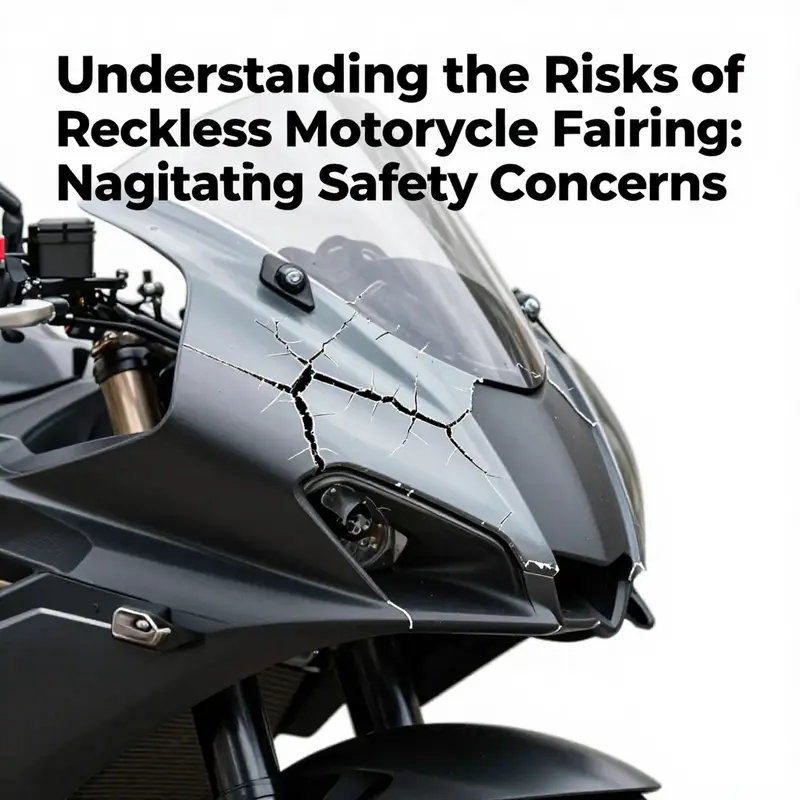
A motorcycle fairing is a critical component, designed to enhance both aerodynamic performance and rider safety. However, when a fairing is poorly constructed or modified without adhering to safety standards, it can lead to a host of problems, particularly concerning its structural integrity. The repercussions of a reckless motorcycle fairing extend beyond aesthetic flaws; they compromise the very protective capabilities that fairings are intended to provide, leading to potentially dangerous situations on the road.
The concept of structural integrity hinges on the ability of a component to withstand various forces without failing. It involves several key attributes: the quality of materials used, the craftsmanship regarding how well parts fit together, and the suitability of the design for its intended purpose. Each of these factors plays a pivotal role in how a motorcycle fairing holds up over time and under stress.
Material Quality: The First Line of Defense
A fairing crafted from inferior materials—such as low-grade plastics or composites—often exhibits a lack of durability. Riders have frequently reported issues such as cracking and warping occurring under normal conditions, exacerbated by temperature fluctuations. For instance, the Reckless Industries Black 2-Speaker Batwing Fairing, while marketed for its robust design, has seen negative feedback related to its material performance vulnerability. Harsh sun exposure, particularly ultraviolet (UV) radiation, leads to degradation over time. This culminates in structural failures that not only impair the fairing’s performance but also pose significant threats to riders. When the fairing cracks or warps, its aerodynamic profile is altered, leading to decreased wind protection which can affect rider control and stability.
Moreover, these material weaknesses mean that fairings could fail during minor accidents, causing small fragments to become hazardous projectiles on the road. Trivial impacts that wouldn’t compromise sturdier, high-quality fairings can lead to catastrophic results with poorly constructed components; this presents a serious risk not only to the motorcycle rider but also to surrounding traffic.
Fit and Installation: Precision Matters
The fit and installation of a motorcycle fairing are equally crucial. A poor fit can lead to vibration, which over time causes additional strain on mounting points. This can become acute when riding aggressively, particularly at high speeds. Several users have noted that even reputed fairing designs suffer when manufacturers opt for generalized parts, failing to create a seamless fit across various motorcycle models. Mismatched attachments or loose mounting hardware can lead to the fairing becoming unstable or detaching altogether, risking accidents that can result in serious injury.
It’s essential that a fairing not only fits the physical dimensions of the motorcycle but also adheres to the intended aerodynamics of the model it was designed for. Poorly fitted fairings lead to increased drag, which can further diminish fuel efficiency and affect overall bike performance. This match between motorcycle and fairing should be a careful design consideration; when standard fare is deployed over specific needs, it endangers the rider.
Design Considerations: Functionality vs. Aesthetics
On top of material and fit, the design of a fairing also matters significantly in its ability to perform. Fairings must provide adequate wind protection without sacrificing aerodynamics. Half or quarter fairings might seem appealing for their sleek look, but riders often overestimate their protective capabilities. Without full consideration of wind resistance and comfort, riders can suffer from increased fatigue during long rides and an inability to maintain maximum control under challenging conditions. Riders might find themselves fighting against heavy winds, which diminishes their focus and reaction times—key factors that can lead to accidents.
Additionally, distortion in windscreens can obscure visibility, which is not just a nuisance but a serious safety hazard. The cascading effect of poor wind protection ultimately leads to less rider awareness, elevating the risk during high-speed maneuvers.
Compliance: Meeting Safety Standards
The absence of requisite compliance with safety standards is another glaring issue associated with reckless fairings. Many aftermarket fairings may lack necessary certifications such as ECE, DOT, or ISO, which guarantee that the product has passed stringent safety tests. Non-compliant products are more liable to fail during stress situations—crash testing demonstrates whether or not a fairing will protect its rider when it matters most. Buyers must be vigilant when sourcing fairings, ensuring they adhere to recognized safety standards to avoid purchasing items that not only lack proper protection but also invoke potential legal liabilities.
Modification Risks: Customization Gone Wrong
It’s common within motorcycle culture to pursue a more personalized design aesthetic through modifications. However, these alterations often lead to compromising structural integrity. For example, drilling or cutting into a fairing disrupts the design and often leads to weakening the overall structure. Such DIY approaches can interfere with essential components, like electrical wiring, which can lead to failures in critical systems like headlights or indicators during operation. These alterations also risk voiding warranties and insurance policies, leaving riders vulnerable to undue financial loss should an accident occur.
The Bigger Picture: Responsibility and Awareness
Riders must remain vigilant regarding the state of their bike’s fairing. Regular inspections for signs of wear, warping, or cracks should become a non-negotiable part of motorcycle maintenance. By focusing attention on the structural integrity of their fairing, riders take a proactive step to ensure their safety and that of others. While fairings serve to enhance the aesthetic appeal and performance of motorcycles, understanding the underlying risks tied to neglect or oversight is vital.
In summary, while motorcycle fairings provide essential benefits in terms of performance and protection, attention to their structural integrity and adherence to quality standards cannot be overstated. Purchasing from reputable suppliers and ensuring compliance with safety certifications can significantly reduce the risks posed by poorly designed or reckless fairings. Riders need to be informed, discerning, and dedicated to maximizing their safety on the road.
For those wishing to delve deeper into the complexities of fairing integrity and its implications on motorcycling safety, insights can be found in specialized resources, such as the detailed review of the Reckless Industries Black 2-Speaker Batwing Fairing available at Motorcycle Cruiser. Understanding the importance of solid construction and adherence to standards is crucial for all motorcycle enthusiasts.
The Perils of Poorly Fitted Fairings: Understanding Installation Risks for Motorcycle Safety
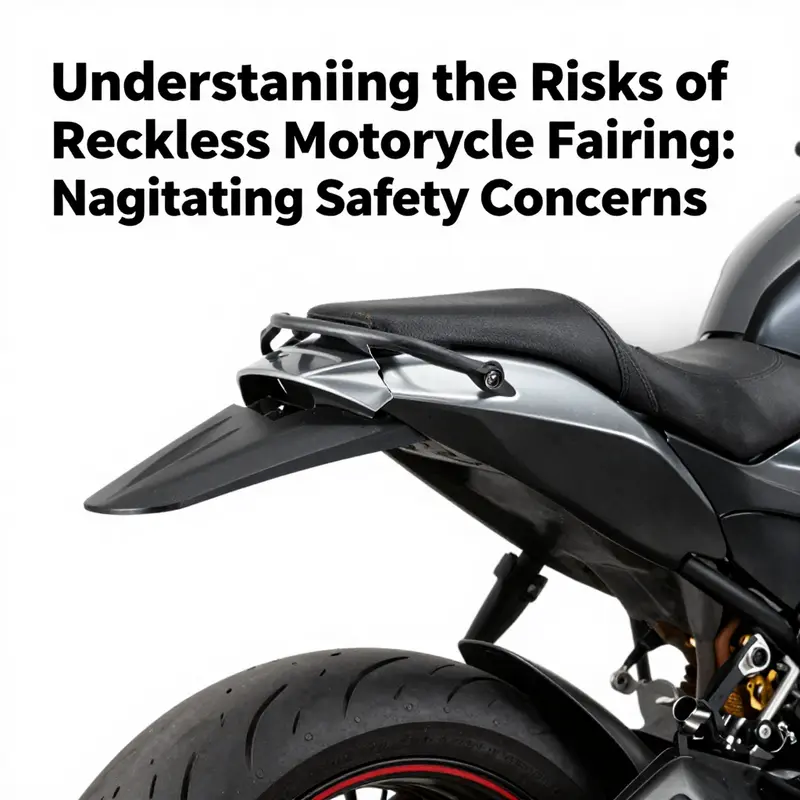
Motorcycles are not just two-wheeled machines; they represent freedom, adventure, and a sense of connection with the road. However, this romance with biking comes with inherent responsibilities, particularly regarding safety and maintenance. One aspect of motorcycle maintenance that can significantly influence safety is the motorcycle fairing. While fairings primarily serve to enhance aerodynamics, rider comfort, and aesthetics, improperly installed or poorly designed fairings can lead to dire consequences. The description of ‘reckless motorcycle fairing’ summons thoughts of installation dangers and fit issues that can jeopardize rider safety and machine performance.
Structural Integrity Risks
At the forefront of potential hazards posed by reckless fairing installations is the issue of structural integrity. Motorcycle fairings are supposed to shield both the bike and the rider from external elements such as wind, debris, and inclement weather. However, when made from inferior materials or improperly installed, fairings might not withstand the stress of high-speed travel or the vibrations inherent in riding. Low-quality plastics or composites are not only prone to cracking but can also shatter upon even minor impacts. This degradation can lead to aerodynamic inefficiencies, allowing turbulence to affect the motorcycle’s handling and putting the rider at risk.
Imagine a scenario in which a fairing detaches while navigating a busy street—what may seem like a simple cosmetic element becomes a massive projectile, endangering not just the rider but also vehicles and pedestrians nearby. Such events are not merely theoretical musings; they are documented occurrences that stress the importance of choosing fairings manufactured from robust materials that meet safety standards. The distinction lies in sourcing fairings intended for your specific motorcycle model that emphasizes safety and durability, rather than opting for generic or cheap substitutes.
Alignment Problems
Beyond material concerns, improper alignment of fairings can create additional challenges. Fairings must be accurately aligned to facilitate optimal airflow, aiding in aerodynamics and stability. When misaligned, the fairing can disrupt airflow, causing increased wind resistance and turbulence. This added drag can lead to increased fatigue for riders, particularly at higher speeds. Distorted airflow can also affect handling, forcing the rider to expend extra effort to maintain control. In extreme cases, this mismanagement can contribute to crashes, emphasizing that seemingly small fit problems can escalate into significant dangers.
Modification Necessities
Furthermore, the landscape of motorcycle customization lends itself to another layer of risk. Many riders enjoy personalizing their bikes, which often extends to fairing installments. However, some aftermarket fairing kits are not always a seamless fit and may necessitate modification of the motorcycle’s frame or mounting points. Inexperienced riders might attempt alterations such as drilling or cutting components, which can void warranties and compromise safety certifications. These actions can not only weaken structural integrity but also affect the harmonious relationship between various motorcycle systems—like electrical setups for lights or indicators—resulting in further safety hazards. Therefore, altering the fairing kit without professional advice can serve as an incredibly reckless move.
Outdated Fairing Styles
One cannot overlook how outdated fairing styles can pose potential hazards. Certain designs, once popular but now deemed dangerous, such as the “dustbin fairings” outlawed by the Fédération Internationale de Motocyclisme (FIM) in the mid-1950s for their instability, continue to exist in the marketplace. Such fairings were engineered under principles that may not be suitable with modern riding techniques and environments. Thus, their use becomes a gamble with safety, as the aerodynamic profiles can introduce unwanted instability in crosswinds and at high speeds. Riders should always research and opt for fairings that follow contemporary safety and design standards to ensure a safe riding experience.
Fitment Gaps
Beyond the more apparent concerns of structural integrity and alignment issues, one must also consider the practical matter of fitment gaps. Fairing kits that are not engineered for the specific make and model of motorcycle may leave small spaces for water, debris, or wind to infiltrate critical areas of the bike. Such breaches can lead to engine damage or electrical faults, catalyzing further safety risks, if temperature fluctuations or moisture leads to malfunctions. Furthermore, improperly sealed or misaligned fairings can lead to increased noise and vibrations, distracting the rider during the ride, which could be dangerous.
Recommendations for Safe Fairing Practices
To mitigate the hazards associated with recklessly fitted motorcycle fairings, several key practices emerge as necessary. Firstly, quality should reign supreme. It is vital to select high-quality fairings that are specifically designed for a particular motorcycle model. Manufacturers often provide detailed fitment data, ensuring that purchases are safe and compatible.
Secondly, adhere to professional installation practices. While some riders might pride themselves on DIY modifications, it becomes crucial to consult qualified mechanics or reference the official installation guidelines from recognized organizations like the FIM. Following these actions not only helps maintain performance but also dives deep into the philosophy of responsible motorcycling—that safety must never be sacrificed for aesthetics.
Moreover, regular inspections should be a part of a rider’s maintenance routine. Checking for signs of wear or damage, especially after crashes or minor road incidents, can detect issues before they escalate into severe problems.
Conclusion
In the end, understanding the potential pitfalls of reckless motorcycle fairings is paramount for every rider. These components are integral not just for the aesthetic glamour they provide but also for the crucial role they play in safety and performance. Awareness about structural integrity, careful alignment, appropriate modifications, and the avoidance of outdated designs can promote a safer riding experience. By emphasizing quality and safety, motorcyclists can enjoy the thrill of the ride without jeopardizing their well-being. The road ahead is always a thrill; let’s keep it safe and stylish.
For further details on safe motorcycle installation practices and approved fairing designs, be sure to refer to the Fédération Internationale de Motocyclisme (FIM) – Official Regulations on Motorcycle Aerodynamics.
Navigating the Challenges of Wind Protection and Rider Comfort with Reckless Motorcycle Fairing
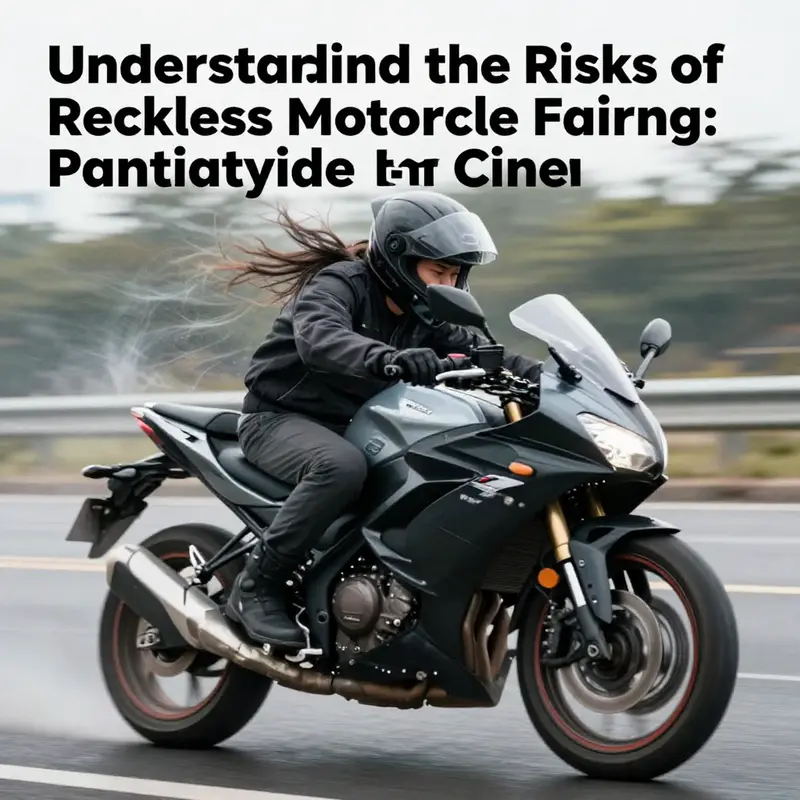
Motorcycle fairings serve not just as aesthetic enhancements but are crucial components for improving the riding experience through reducing wind resistance and enhancing aerodynamic efficiency. However, the complexity of their design and installation often leads some riders to overlook critical aspects that can dramatically affect both their comfort and safety. Particularly when fairings are poorly designed, incorrectly installed, or recklessly modified, they can introduce a series of challenges that compromise rider experience. This chapter delves into the various issues related to wind protection and rider comfort associated with reckless motorcycle fairing, shedding light on how these problems arise, their impact, and what riders can do to mitigate them.
Wind Buffeting: The Unwanted Companion of Poor Fairing Design
Wind buffeting is a phenomenon often experienced by motorcycle riders, where uneven airflow around the fairing leads to erratic gusts of wind striking the rider. This occurs particularly when fairings have gaps or misalignments, allowing wind to enter unpredictably. The discomfort caused by wind buffeting is not trivial; it can lead to significant physical strain, especially on the neck and upper body. Riders may find themselves battling the constant force of wind against their helmet, which can lead to discomfort and fatigue—some even describe it as akin to wrestling an unseen force. As the motorcycle accelerates, the intensity of buffeting can increase sharply, pushing the limits of rider endurance and focus.
While riding, encountering sudden buffets can result in loss of control—an event that becomes exponentially dangerous at higher speeds. Riders must maintain a delicate balance between posture and grip, often straining muscles in their upper body, which detracts from their ability to steer effectively. The optimal function of fairings relies heavily on their design; those that fail to account for efficient wind flow endanger not only the comfort but also the safety of the rider.
Challenges in Airflow Management and Turbulence
In addition to wind buffeting, inadequate airflow management resulting from poorly curated fairings can amplify turbulence, creating a chaotic environment for the rider. Wind turbulence can disrupt the smooth airflow necessary for stability, leading to heightened noise levels within the rider’s helmet. This noise not only contributes to discomfort but can also impair communication and hearing, further complicating the riding experience. Riders may struggle to hear critical sounds from their environment, such as sirens or honking horns, which increases the risk of accidents.
Furthermore, if a fairing does not effectively channel airflow, it can create pockets of turbulence that influence the motorcycle’s handling characteristics—an unsettling and hazardous situation during cornering or abrupt maneuvers. With poor management of airflow, riders may feel as though they are on an unpredictable vessel rather than in command of a powerful machine. The resulting increase in stress can detract from the thrill of riding, resulting in lower confidence levels that ultimately tarnish the experience.
Reckless Modifications: A Hazardous Path to Customization
Customizing fairings has become a cultural phenomenon within the motorcycle community, yet reckless modifications often lead to unforeseen consequences. Riders might be tempted to alter fairings beyond recommended specifications, perhaps for aesthetic reasons or personal style preferences. Engaging in modifications without a thorough understanding of the original design can introduce a myriad of issues. For example, cutting or drilling into fairings may weaken their structural integrity, making them more susceptible to cracking or breaking when faced with stress during high-speed rides.
Misalignment from alterations also poses risks; fairings that are too large or improperly aligned can redirect airflow unpredictably. Instead of providing a streamlined experience, they may cause air to ricochet wildly around the body of the rider, leading to pressure points that cause discomfort during rides. Ultimately, the allure of customizing a motorcycle should not overshadow the fundamental necessity of safety and functionality that fairings provide.
Moreover, such reckless alterations can even hinder technological functionalities. Any modifications that interfere might affect headlight wiring or electronic systems designed to enhance safety. When these adaptations go awry, they may void warranties or nullify insurance coverage, leaving riders vulnerable in the event of a mishap.
Fatal Risks: Accidents and Consequences
The combination of wind protection deficiencies, airflow mismanagement, and reckless modifications can culminate in an alarming rise in accident risks. Riders experiencing unpredictable wind forces or distracting turbulence may find themselves overwhelmed, which can lead to lapses in judgment or sudden loss of control. This scenario, particularly dangerous in high-speed situations like highway riding or racing, could easily lead to critical situations where a rider is unable to respond quickly enough to avoid collisions. The stark reality is that what starts as a simple issue related to fairing design can escalate into life-threatening situations on the road.
As rides grow more aggressive, it becomes essential to recognize the balance between aesthetic and functional riding. The quest for style should not dwarf the imperative of maintaining control—it is crucial for riders to be acutely aware of their environment and the changes in airflow and stability caused by their fairings.
The Inquiry of Style versus Function: Achieving Harmony
In the motorcycle riding community, a divide often arises between those who prioritize style and those who favor functionality. Riders must grapple with the temptation to stylishly enhance their machines while ensuring they do not compromise safety features. This philosophical dilemma emerges starkly in discussions regarding motorcycle fairings—touting sleek lines and vibrant graphics may entice riders, but at what cost? Riders should engage in self-reflection about their true priorities. Athletic performance demands not only an aesthetically pleasing fairing but one expertly designed to minimize wind resistance and maximize comfort and safety.
It’s imperative that all riders educate themselves about the specific needs of their motorcycle models. The best path toward a harmonious relationship between style and function is meticulous research on fairing selections as well as adherence to manufacturer specifications and recommendations. Only then can riders make informed decisions that benefit their riding experience without sacrificing safety.
As a potential resource, platforms that offer safety-certified motorcycle fairings lend credence to the responsibility of sourcing high-quality products. Carefully considering the materials and designs can often mean the difference between a pleasant riding experience and a hazardous one. Meanwhile, supporting industry standards can not only enhance personal riding experiences but contribute to broader safety trends within the motorcycle community.
To truly harness the full benefit of fairings, riders must pursue models that promise durability and reliability. Investing in high-quality fairings ensures that each ride becomes a testament to safety without the elimination of comfort. Riders who understand the necessity of this equilibrium position themselves better to navigate both the roads and the complexities of their machines with confidence and ease.
In sum, the challenges posed by wind buffeting, turbulent airflow, reckless modifications, and the delicate balance between style and function collectively highlight the importance of making conscientious choices regarding motorcycle fairings. As riders prioritize purchasing quality products and mindful modifications while staying attuned to the intricacies of aerodynamics, they can cultivate a safer, more enjoyable riding experience.
For further detailed insights related to how fairing design impacts rider comfort and safety, a comprehensive study from the University of California, Davis, analyzes real-world data from motorcycle riders. You can access the study here.
Final thoughts
The risks posed by reckless motorcycle fairing extend beyond mere aesthetics, impacting safety and rider comfort. By understanding the structural, installation, and wind protection challenges associated with these fairings, business owners can better align their offerings with customer safety and satisfaction. Prioritizing high-quality materials, precise fitment, and compliance with safety regulations can mitigate risks and enhance the riding experience. Ultimately, promoting safety will not only attract conscientious customers but also foster a culture of quality in the motorcycle community.
Ready to elevate your ride? Summit Fairings delivers premium, custom-fit fairings that blend style and durability. Whether you’re chasing speed or turning heads, we’ve got your bike covered. Don’t wait—transform your machine today. Click, customize, and ride with confidence. Your perfect fairing is just a few clicks away. Act now!
About us
We are one of the leading motorcycle fairing export sites, with over 3,000 styles across almost all motorcycle models. Buy from summitfairings.com, and pay 10-40% less than the prices on other sites. If you have any questions, we promise we will have your answer within six hours.