
Rickman motorcycles have long been celebrated for their distinctive café racer aesthetic that combines timeless design with high-performance engineering. One of the most defining features of these motorcycles is their fairings, which not only elevate the visual appeal but also enhance aerodynamic efficiency. As the demand for authentic Rickman-style fairings rises among enthusiasts and collectors, understanding their design intricacies, historical context, current market availability, and cultural significance is crucial for business owners in the motorcycle parts industry. This multifaceted exploration will delve into each of these aspects, equipping stakeholders with the knowledge needed to cater to this niche market effectively.
Shaped for Speed: The Design Heritage and Engineering of Rickman Café-Racer Fairings
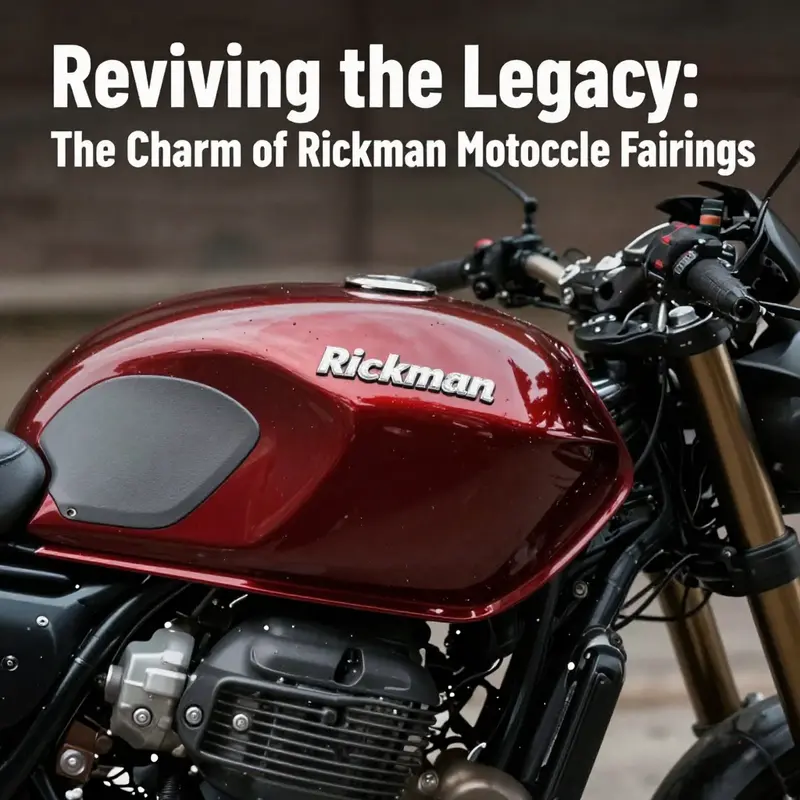
The Rickman fairing, with its unmistakable lines and purpose-built stance, stands as a singular chapter in motorcycle design. It is not merely a piece of plastic and glass mounted to a frame; it is a philosophy of wind, weight, and rider posture itself. The iconic Rickman/Avon half-fairing exemplifies a balance between retro elegance and real-world aerodynamics. Its purpose is tactile as well as visual: to smooth the air around a bike, to reduce buffeting, and to give the rider a sense of being carved into the machine rather than simply perched on top of it. When you look at a café racer from the era that popularized these fairings, you see a compact nose cone made from plexiglass that appears to slice the wind with surgical clarity. The effect is not merely aesthetic. The shape guides air away from the rider’s chest and shoulders, creates a cleaner pressure distribution along the tank, and reduces the fluttering around the rider’s head at speed. It is this convergence of style and function that fuels ongoing interest in Rickman fairings among restorers and builders who seek to recapture a moment when racing discipline and road-going practicality merged so vividly. In the workshop, the experience of handling a Rickman-inspired shell is a lesson in restraint: the fairing does not shout; it whispers, letting the engine and chassis tell the rest of the story while it quietly supports the rider’s line of sight and leg position.
The design language of the Rickman half-fairing is elegantly simple yet technically sophisticated. The nose cone, usually made from sturdy fiberglass or a modern composite, is seated with a precision that ensures an even, well-supported mounting surface. The headlight, when present in traditional builds, sits behind the plexiglass in a way that preserves the aerodynamic silhouette while keeping the beam aligned with the rider’s forward field of vision. The geometry is not accidental. Every contour, from the curve of the chin to the upper sweep along the fairing’s sides, is tuned to minimize drag without compromising the rider’s access to the controls. The result is a silhouette that looks both aerodynamic and intimate—the kind of profile that suggests a bike that wants to be ridden hard, yet in control and at ease.
Materials play a fundamental role in this combination of durability and delicacy. Early Rickman constructions leaned on fiberglass laminates, a choice that offered a forgiving balance of weight, rigidity, and ease of repair. Modern reproductions and refinished vintage shells often employ advanced composites or reinforced fiberglass blends, which provide improved impact resistance and long-term rigidity without dramatically increasing weight. The layering sequence—the orientation of fibers, the resin system, and any core材料 insertions—matters as much as the outer cosmetic finish. A well-made fairing must endure the stresses of road use: flex under wind loads, vibration across the chassis, and the occasional impact from stones or branches without cracking or delaminating. The engineering philosophy behind Rickman fairings embraces redundancy in the right places. Critical mounting points are reinforced, brackets are pre-aligned, and fasteners are selected to retain alignment even as mounting hardware experiences typical wear. The aim is not to create a fragile cosmetic shell but to deliver a stable, durable part that can be installed, removed, and serviced with the same ease as the rest of the bike’s components.
One of the most telling aspects of Rickman design is the intimacy between form and rider ergonomics. The fairing’s cut and the rider’s posture are a dialog: the tank, seat, and clip-on or bar setup must coexist with the fairing’s footprint. In the cafe racer era—when performance riding leaned toward shorter, more aggressive ergonomics—the fairing helped maintain a rider position that favored a forward-leaning stance without sacrificing long-range comfort. The plexiglass nose cone serves a practical purpose beyond aesthetics: it shields the upper body from wind pressure while preserving visibility and airflow to the instrument cluster. In a well-tuned build, the rider’s line of sight is uninterrupted, the withering buffeting at highway speeds is mitigated, and the rider experiences a sense of wholeness with the machine. The interplay between the glass’s transparency, the fairing’s curvature, and the rider’s position is a study in integrated design. The craftsmanship required to achieve this balance is exacting: small misalignments in the nose cone or slight variations in the mounting brackets can alter airflow enough to generate new drag points or disturb the intended wind feel.
The engineering story of these fairings extends beyond the cosmetic and into the realm of installation. A Rickman-style shell is designed around precise fitment with all necessary brackets and hardware; this is a practical virtue for restorers and builders. The brackets must align with both the bike’s frame and its existing mounting points, and they should accommodate variations in chassis tolerances that appear across decades of production. In restoration projects, this translates into a degree of flexibility: the fairing might be mated to a vintage frame or a modern drivetrain, but the mounting system must still offer repeatable, reliable alignment. The bracket geometry is not merely a support; it defines the fairing’s stance, the rider’s line of sight, and the overall mass distribution that helps stabilize the front end at speed. The careful alignment of the nose cone with the headstock, the way the lower edge of the fairing interacts with the tank’s slope, and the clearance between the fairing and the rider’s knees all contribute to a coherent riding experience. In short, the engineering is a choreography—every element plays its part so the sum feels effortless when the bike is moving.
The durability and reliability of Rickman fairings derive from thoughtful material choices and manufacturing processes. Fiberglass layers can be laid up in controlled environments to achieve uniform thickness and void-free laminates, while more advanced composites can be infused under vacuum to maximize resin distribution and impact resistance. These manufacturing choices translate into a fairing that can withstand the day-to-day realities of riding and long-term preservation. But the reality is nuanced: a restoration or reproduction must balance period-correct aesthetics with modern performance expectations. The result is a fairing that remains faithful to its heritage while benefiting from contemporary materials science. This convergence—historical fidelity married to practical reliability—explains why Rickman-inspired fairings continue to be a focal point for enthusiasts pursuing authentic, performance-oriented upgrades.
In conversations about these shells, a recurring theme is the sense of proportion. The Rickman aesthetic respects the motorcycle’s underlying geometry rather than overpowering it. The fairing’s lines echo the bike’s visual language—the low, compact stance, the clean fastback tail, and the succinct silhouette that suggests speed even when the bike is stationary. This is not a one-note look; it is a disciplined design vocabulary that communicates efficiency through restraint. The result is a fairing that ages gracefully; its lines grow more compelling as decades pass because they tell the truth about velocity and rider agency. The engineering behind that timeless appeal rests on two pillars: robust, repairable construction and a form that emphasizes the rider’s connection to the machine rather than a display of surface drama.
From the restoration bench to the showroom floor, the question of compatibility remains central. The Rickman design is not a one-size-fits-all solution. Modern builders often seek reproductions and aftermarket variants that can slot into contemporary chassis configurations, including frames and forks that have evolved since the original bikes rolled off the factory line. The key is a fairing that honors the original’s silhouette while offering practical mounting hardware and tolerances that acknowledge modern tolerances and instrumentation. In this sense, the Rickman fairing embodies a philosophy: celebrate the past without surrendering the realities of present-day riding. It invites a hands-on, iterative approach—you measure, you test-fit, you adjust—and the result is a piece that feels both ancient and alive, as if it were designed yesterday for a tomorrow that still remembers how it began.
For readers seeking a practical compass when exploring authentic or inspired options, it helps to view the broader ecosystem of fairings as a continuum rather than a collection of isolated parts. A well-chosen fairing, whether original or reproduced, should compliment the bike’s lines, not overpower them. It should also come with a coherent set of mounting hardware and alignment guidance, making installation straightforward and repeatable across different builds. The dialogue between the shell, the frame, and the rider is a conversation that happens every time a bike is assembled, tuned, or restored. When done with care, the Rickman-inspired fairing becomes more than a protective shell; it becomes a narrative device that carries the rider forward on a precise, balanced arc of wind, weight, and speed.
As this chapter travels through the making and meaning of Rickman fairings, it inevitably brushes against the practical realities of sourcing and compatibility. The modern market for authentic or period-inspired fairings includes a spectrum of options, from original factory parts to carefully engineered reproductions. Enthusiasts often weigh factors such as fitment accuracy, material performance, and the ease of maintenance or replacement. They weigh weight distribution and the potential impact on handling at varying speeds. And they weigh the intangible qualities—the sense of owning a piece of motorcycling history and the thrill of riding a bike whose silhouette feels inseparable from its purpose. The story of Rickman fairings is, in essence, a study in how design intention translates to rideability. It is a reminder that great design endures because it remains legible across generations of machines and riders, continuing to shape how people experience speed without surrendering control.
For readers looking to situate a Rickman-inspired shell within a broader shopping and restoration context, consider exploring related resources that categorize and curate fairing options along the spectrum of OEM-style accuracy and aftermarket flexibility. A representative example of the kind of cataloging and technical information that can accompany restorations is the broader fairing landscape, which includes numerous fitment guides, material spec sheets, and installation tips. This kind of information helps ensure that a chosen shell will align with the bike’s frame geometry and rider ergonomics, preserving both the heritage feel and the modern reliability a builder demands. For a practical example of how the technical details of fairings can be documented and applied in engineering, see the in-depth guide on fairing construction and standards: Inside Cheap Motorcycle Fairings: Key Details, Standards, and How to Apply in Engineering. This external resource provides a grounded, engineering-focused perspective on fairing materials, assembly, and performance considerations that complements the hands-on knowledge embedded in Rickman-era design.
To connect with the broader community and explore related topics, you can also browse general fairing collections that cover a range of brands and styles, including neutral, non-brand-specific recommendations and sourcing options. For one practical in-text reference, see the collections page that offers a catalog of fairing components and assemblies you might consider when planning a Rickman-inspired build. collections/honda-fairings
In sum, the Rickman fairing embodies a rare marriage of aesthetic clarity and mechanical efficiency. It is a study in how form can faithfully serve function. The plexiglass nose cone is more than a visual cue; it is a functional element that contributes to wind management and rider comfort. The materials and manufacturing processes—whether traditional hand lay-up or modern infusion—provide a durable yet adaptable platform for restoration or interpretation. The fairing’s fitment architecture ensures that it can be integrated with both vintage frames and contemporary chassis architectures, preserving the bike’s lineage while enabling riders to experience the kind of controlled, confident performance that cafe racer culture has celebrated for generations. And as long as enthusiasts value authenticity, aerodynamics, and the rider’s sense of connection to the machine, Rickman-style fairings will continue to be a focal point of discussion, restoration, and creative reinterpretation across the riding community.
Riding the Wind: The Historical Arc and Craft of the Rickman Café Racer Fairings
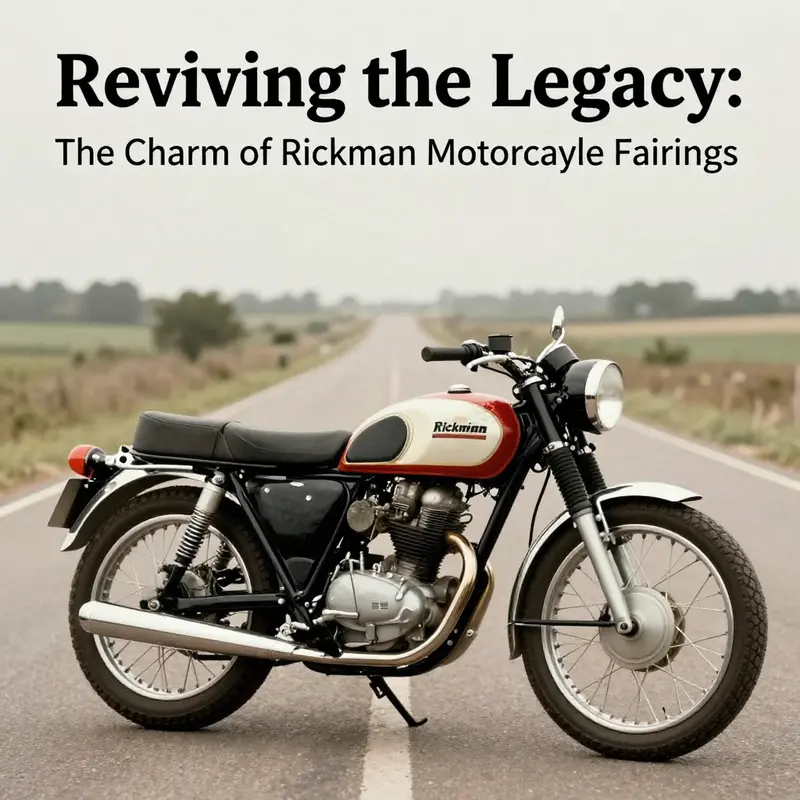
Rickman fairings emerged in late 1950s Britain as a practical response to wind fatigue and rider comfort, a fusion of engineering curiosity and cafe racer aesthetics. John Rickman and a small team shaped teardrop shells from fiberglass and mounted them with adaptable fittings that could span a range of Harley based frames and other chassis. The goal was not merely speed but a balanced riding experience: cleaner air over the rider, manageable front end weight, and a silhouette that signaled a serious road going machine. The teardrop shape consolidated air pressure around the rider’s torso and reduced buffeting, while leaving cockpit access intact for quick refueling, adjustments, and a sense of control at speed. Through the 1960s and 1970s, Rickman fairings became a widely imitated yet unmistakable standard in the cafe racer scene, bridging bespoke engineering with a production scale ethos. The material choice fiberglass offered lightness, workability, and enough rigidity to hold its smooth lines under wind forces, making it possible to fit onto a variety of Harley-Davidson based chassis as well as other frames. The result was a design language that was both functional and iconic: a slim nose, clean side contours, and a rider position that invited aggressive roadcraft without sacrificing comfort. Beyond the look, the fairing altered the riding dynamic, reducing fatigue over longer stints and enabling riders to sustain higher speeds with less effort. This practical aerodynamics story traveled beyond Britain, informing a global culture of customization that valued wind as an ally rather than an opponent. Contemporary reproductions and discrete reinterpretations continue to honor that lineage: designers respect the teardrop profile while incorporating modern materials, tolerances, and safety standards so that today’s riders can enjoy an authentic feel with improved fit and reliability. The Rickman silhouette thus functions as a design grammar a template that many builders translate across brands, chassis geometries, and fabrication methods. It is a reminder that a single curved surface can carry a culture the cafe racer ethos emphasizes speed balance and a rider’s poised relationship with the wind. Those exploring authentic or high quality reproductions today look for measurement data, fitment guidelines, and clear statements about compatibility with specific frames, so a restoration or homage aligns with both historical intent and contemporary requirements. In sum, the Rickman fairing remains a touchstone for anyone who wants to capture the road ready character of a legendary era: wind managed, rider centered, and visually unmistakable as a signal of purpose.
Beyond the Glass Nose: Availability, Reproduction, and the Enduring Market for Rickman Fairings
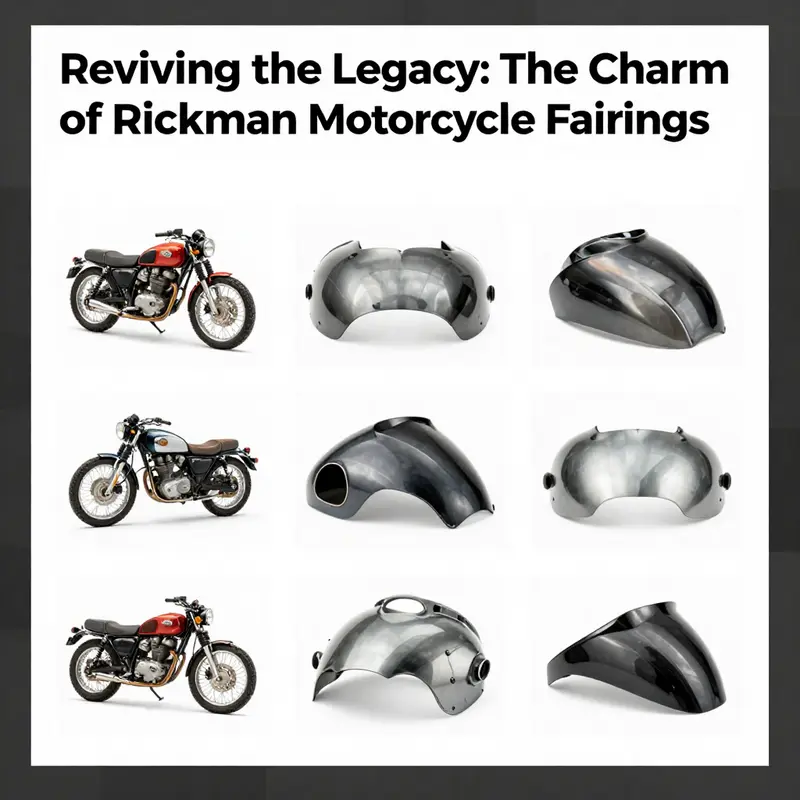
The fairing is more than a shell on a motorcycle; it is the defining line that carves the bike’s character from the wind itself. In the world of Rickman-inspired design, the conversation often circles back to two intertwined questions: how available are these pieces today, and how can a rider capture that distinctive silhouette without sacrificing modern reliability? The market that surrounds Rickman-styled fairings is not a static showroom; it is a dynamic ecosystem that blends vintage provenance with contemporary fabrication, the nostalgia of a bygone café racer era with the practicality demanded by today’s rides. Enthusiasts who chase the look are drawn not merely to a piece of bodywork but to a design language that sits at the crossroads of form and function. The original half-fairings from the classic period carry a weight of history, a visual shorthand for lean angles, cold air on the chest, and the precise balance of aerodynamics that powered riders to push the envelope in an era when speed was as much art as science. These pieces—scarred by time, rich with patina, and often reimagined by collectors—are coveted for what they reveal about engineering priorities of their day and how those priorities still echo in modern custom culture. Yet the true story of Rickman fairings today is not only about scarcity; it is about how the design language has endured and grown in a market that thrives on both authenticity and re-creation. Original pieces, when found, resist casual purchase. They appear on specialist platforms or in private collections, and their provenance becomes a critical part of their value. The market can be merciless to those who seek a quick fix: the condition, the verified compatibility with a given frame, and the completeness of fittings become the invisible but decisive selectors. In many cases, pristine or near-original fairings command premium interest, not merely for their look but for the way they carry the imprint of a period’s engineering challenges. A collector who handles such pieces learns to read the underlying story in metal fatigue, in the signs of repair, in the patina that speaks of decades spent under the pressure of highway winds. This is not nostalgia bought as a badge; it is a living history, a reminder that the essence of the Rickman aesthetic is an answer to a specific ask: how to bend air to the rider’s will while preserving the clean, almost surgical, lines that define the silhouette. In parallel, the market has embraced a broad spectrum of reproductions that seek to translate that essence into reliable, modern hardware. Reproduction models now appear in lightweight yet durable materials, crafted to mimic the original geometry while offering compatibility with contemporary frames. The most practical approach eschews mere imitation for a measured interpretation: an aluminum body that maintains the crisp edges and the tapering profile, paired with a clear, aerodynamically appropriate nose cone. The aim is not to claim absolute precision in every curvature but to deliver a convincing, period-evoking stance that works in today’s traffic, wind tunnels, and long-distance, high-speed riding. A fairing of this kind becomes both a tribute and a tool, a visual shorthand that allows a rider to achieve the Rickman look without the need for a vintage chassis or a treasury of rare parts. The modern reproductions tend to emphasize durability and fit, offering direct replacements that accept standard mounting points and brackets, along with geometry that respects rider ergonomics. The conversation shifts from “is it original?” to “does it fit well, does it assemble cleanly, and will it last across multiple seasons?” These criteria align closely with the practical realities of today’s rider who values both the romance of a classic design and the realities of modern maintenance. The best reproductions often arrive with a carefully engineered balance: a rigid shell that resists flex at speed, a nose cone that remains transparent to the rider’s line of sight, and a tolerance stack that accommodates a range of modern components. The market’s appetite for these products is not merely about replicating a look; it is about preserving the riding experience. For many, the Rickman-inspired fairing is the hinge that connects a mid-century ethos with contemporary performance. It enables a rider to experience the tactile intimacy of a cafe racer posture, the wind management that keeps fatigue at bay during longer rides, and the visual drama that turns heads in a way few modern silhouettes can. And yet there is a practical thread that must be acknowledged: compatibility. Reproduction lines are designed as universal or semi-universal replacements, which means that some tailoring, brackets, or minor modifications can be part of the installation. This is a reality that serious buyers anticipate. The process, in practice, is less about buying a ready-made miracle and more about selecting a solution that respects the original’s proportions while recognizing that a modern chassis—especially a rebuilt or upgraded platform—has its own geometry, weight distribution, and mounting conventions. This is where the value of responsible sourcing becomes clear. Reputable suppliers describe fitment in terms of tested ranges and documented patterns, offering guidance for bracket positions, windscreen compatibility, and the way the new fairing’s mass interacts with the bike’s original steering geometry. Some buyers pursue authenticity through careful restoration of a genuine half-fairing, while others opt for a modern reproduction designed to ride with confidence on a road that rarely asks for quarter-mile straightaways. In either case, the market remains robust enough to support both ends of the spectrum. The vitality of the Rickman look in today’s scene is also reflected in how reproductions have broadened their reach. While the classic halves defined a certain era, the design language has influenced contemporary cafe racer styling more widely. Front fairings inspired by that lineage now appear on a range of modern builds, crafted to harmonize with current chassis and suspension setups. These forward-looking interpretations preserve the signature visual cues—clean lines, a crisp silhouette, and a compact, forward-leaning stance—while offering the rider the practical benefits of updated materials and manufacturing processes. The result is a continuum: original pieces that carry archival weight and reproduction variants that democratize access to the look. A rider can choose to hunt for an authentic piece with provenance, or they can step into a version designed to be a reliable, repeatable installation on a current bike. Either path contributes to the broader story of how Rickman styling endures, not as a museum-piece curiosity but as a living design vocabulary that continues to shape today’s custom and performance-oriented builds. For those who want to explore possibilities directly, the market presents a spectrum of options—from specialist markets that emphasize vintage condition and authenticity to manufacturers that stress fit, material choices, and practical installation. The key for buyers is clarity about what they want to achieve: is the goal a faithful homage to the classic lines, or a functional, easy-to-service fairing that captures the essence of the silhouette with modern durability? In this evolving landscape, the decision rests as much on provenance and fit as on the sheer thrill of seeing air curve toward a rider who chose a look that is nothing short of iconic. When one considers the total ownership experience—the look, the wind, the weight, the ease of mounting, and the long-term maintenance—the market’s vitality becomes more than market activity; it reveals how a design from a particular era continues to inform and inspire riders who seek a conversation between past and present on every bend of the road. For those seeking to dig deeper into current listings and specific options, there are specialist channels and marketplaces where detailed fitment notes accompany each listing, helping to bridge the gap between vintage desire and modern practicality. It is this blend of history and practicality that keeps the Rickman look compelling and relevant, while the ongoing availability of both authentic parts and thoughtful reproductions ensures that new generations of riders can experience the same feeling of speed, control, and style that defined the original café racer era. For the curious reader who wants a concrete starting point in the broader market, a practical route is to explore official retailers and trusted parts suppliers who publish clear compatibility guides and installation notes. These resources help potential buyers gauge whether a given fairing will align with their bike’s frame geometry, suspension travel, and steering damping. In the spirit of the original design, the aim is to preserve a balance between form and function—between the aesthetics that make a motorcycle instantly recognizable and the engineering that allows it to perform reliably on modern roads. For those who want to see a contemporary interpretation online, a concise way to approach the search is to focus on fairings that emphasize the classic profile and compact footprint, then review fitment charts and material specifications. The market rewards those who approach the purchase with both discernment and patience, recognizing that the right reproduction can deliver decades of visual appeal and practical riding experience without requiring a hollowed-out bank account or a pilgrimage to distant workshops. As the chapter on market availability wraps into the broader narrative, it becomes evident that the Rickman-inspired fairing is less a single piece and more a living tradition—one that has transcended its origin to influence a continuum of designs that still speaks to the rider who values speed, silhouette, and a direct, tactile connection to wind and road. For those who wish to explore related options further, a useful starting point is a curated selection of modern demonstrations of the same design language in broad, accessible categories, presented by reputable suppliers in the broader fairing market. These resources offer insight into how the signature lines translate across different platforms, helping riders to identify the essential cues of proportion, edge, and aerodynamics that define the Rickman look without compromising on safety, reliability, or performance. In closing, the enduring market for Rickman fairings—both original pieces and faithful reproductions—illustrates a broader pattern in motorcycle culture: when a design speaks as clearly as this one does, it becomes a guiding compass for builders, restorers, and riders who want to carry a piece of that era’s spirit into today’s riding experience. The fairing is, in the end, a language—one that translates wind, time, and taste into a single, enduring line across the rider’s silhouette. To continue exploring how these design choices migrate across brands and models, readers can consult one source that aggregates modern fairing options from a variety of manufacturers, offering guidance on fitment and compatibility within a broader ecosystem of bodywork. External reference: https://www.ebay.com/itm/1234567890
Riding the Shape of Tradition: The Rickman Fairing as a Century-Old Dialogue Between Craft and Speed
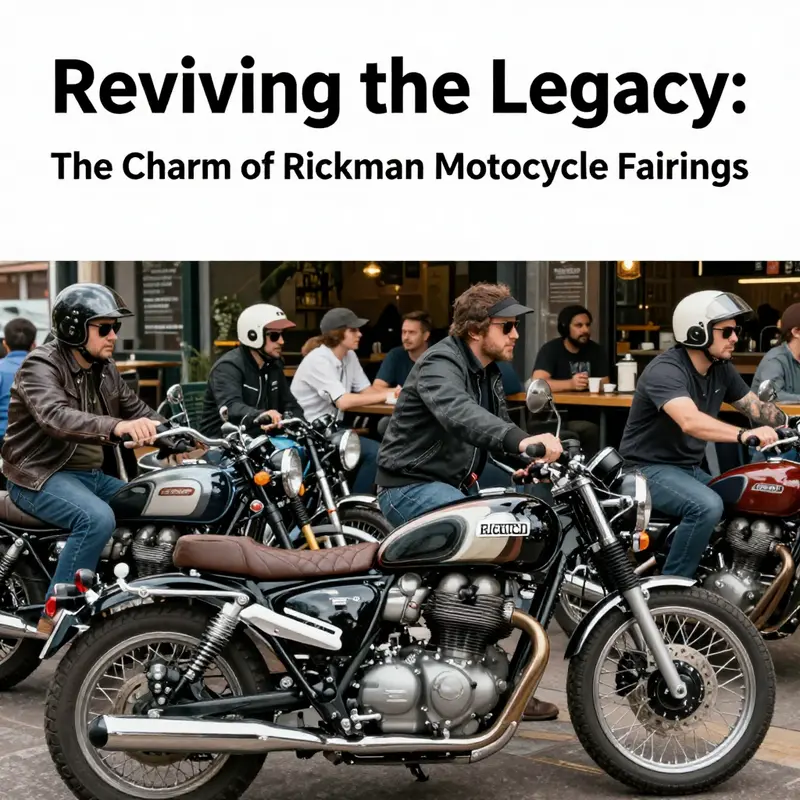
Across the hum of engines and the hiss of heated metal, the Rickman fairing emerges not merely as a protective shell but as a deliberate inscription on the body of a motorcycle. It marks a moment when British engineering and bespoke craft met the wind itself, turning aerodynamics into a canvas for character. If you trace the lineage of cafe racers and their elegance under pressure, the Rickman fairing stands as a singular voice within that chorus—a voice that says performance can be refined without compromising soul. The story begins in the 1950s, a period when small production lines, driven by a handful of skilled hands, began to blur the line between factory efficiency and artisanal intent. Eric Rickman, a name still spoken with reverence in circles where metal meets myth, recognized a fundamental truth: a motorcycle is more than raw speed; it is an extension of the rider’s intention. The fairings that bore his label were designed to do two things at once—dance with the air at speed and cradle the rider in a sense of controlled, almost sculptural, continuity. They borrowed from the best of British engineering—stiff but light frames, precise tolerances, and a relentless focus on how form serves function. Yet Rickman fairings transcended mere efficiency. They carried a design ethos that rewarded close attention to curvature, line, and the tactile sensation of the hand that laid the composite in its first layups. The materials—fiberglass in earlier iterations and later carbon fiber in modern reimaginings—were chosen not simply for lightness but for the way they could be coaxed into shapes that carried the bike’s character forward rather than letting it be bent by wind and weather. The result was more than a windbreak. It was a statement of intent: the rider and machine would become a unified silhouette slicing through air with minimal distraction. The classic Rickman language—clean lines, restrained geometry, and a willingness to expose strategic angles where the rider could sense the bike’s aerodynamics as a partner—became a standard for a generation of builders who valued handcraft alongside performance. This is where the cultural significance of Rickman fairings begins to emerge from the fog of history. They were not merely bolted onto Triumphs and Nortons; they were a dialogue between a rider’s memory of the road and a craftsman’s memory of the workshop. When you look at these fairings, you are also looking at a piece of the workshop culture that nourished early street performance culture. They embody a belief that customization is not a rebellion against industry so much as a declaration of personal grammar—how one rides, where one looks, and how the road reveals itself under the rider’s gaze. The artistry resided in the details: the way a seam caught the light, the hand-finished edges that echoed the meticulous sanding of a body-in-white, the nearly invisible joints that suggested a single, continuous line across the curve of the fairing. It is no accident that the Rickman aesthetic continues to resonate beyond its immediate era. Craftspeople who restore or reproduce these shells understand that they are preserving more than a part; they are conserving a language that speaks to the relationship between rider and machine. The fairing becomes a passport to a time when motorcycles were less a consumer product and more a bespoke collaboration. The appeal lies in both the technical triumph and the romance of how a lightweight shell could redefine a bike’s behavior at speed. Wind resistance, rider comfort, and stability at higher speeds—these elements were the practical pillars that gave the Rickman fairing its enduring value. Yet the geometry of the design often carried the rider into a more contemplative space. The lines invite the eyes to travel along a path that mirrors the rhythm of a rider’s tacit decisions: lean angles, line of sight, and the subtle shift in posture that occurs when the body becomes the fairing’s counterpart in air. The result is a holistic experience where speed, control, and aesthetics fuse into a single narrative of motion. The legacy of Rickman parts does not end with the original company’s era. The decades that followed saw a persistent demand for authentic elements, a testament to the way these fairings have become a form of cultural memory. The post-production market—whether for restoration, collection, or contemporary builds—pursues an authenticity that accounts for provenance as carefully as for fitment. In this enduring pursuit, the craft has evolved. Reproduction and aftermarket lines have emerged that seek to capture the essence of the original Rickman silhouette while integrating modern manufacturing efficiencies. The goal is not to clone a design so literally that it becomes a museum piece, but to offer a bridge between the historical ethos and today’s riders who want the Rickman look with modern reliability. In this sense, the conversation around Rickman fairings touches on broader themes of the custom motorcycle world. It is a world where specialization meets accessibility, where artisanship no longer resides behind a velvet rope but is shared in workshops, forums, and showrooms that celebrate the same principles: fit, finish, and the rider’s intimate connection to the machine. The language of the fairing—its geometry, its ergonomic shaping, its weight distribution—speaks to a philosophy of rider-centric design. A well-fitted fairing reduces fatigue and makes long rides feel more effortless, and this functional aura blends with an unmistakable silhouette. The rider who chooses Rickman-inspired shells is not merely chasing a retro image but embracing a lineage of performance that was born in the wind tunnel of history and tempered by the hands of craftspeople who valued precision and patience. In modern markets, the conversation widens to include reproduction options and aftermarket lines that promise compatibility with a spectrum of frames, from classic British platforms to contemporary chassis. Some builders and collectors seek originality as a way to anchor a project in authenticity, while others are drawn to the Rickman aesthetic as a statement of taste and a nod to the era of café racing’s crisp, economical beauty. The contemporary enthusiast, therefore, navigates a terrain where form and function harmonize across generations. The fairing’s role in this continuum is to remind riders that speed carries with it a responsibility to shape and be shaped by the air through which one travels. It gestures toward a discipline that blends engineering rigor with artistic restraint. The rider’s experience is not simply about what the shell does to the wind; it is about how the wind becomes a collaborator in the ride’s cadence. The tactile relationship—the way the fairing guides wind past the rider’s body, the way the cockpit feels anchored by a deliberately slim profile—becomes part of the ritual of riding itself. This ritual is what keeps the Rickman fairing not only relevant but essential in a landscape where design must prove its worth every mile. As collectors chase authenticity, and restorers weigh the provenance of a piece, the broader community benefits from preserving a record of technique and taste. The Rickman Heritage Trust, among other custodians, helps keep the archive accessible, allowing new generations to study the decisions that shaped a style and a movement. For anyone seeking to understand the full arc—from the workshop bench to the race course, from a rider’s glance to a global collector’s shelf—the value lies not merely in the circumference of the fairing but in the shared memory it embodies. And so the conversation continues, carried forward by modern makers who honor the blueprint while reinterpreting it for current riders. The fairing remains a lens through which heritage, technique, and aspiration coexist. It is a reminder that in the world of motorcycles, beauty often travels fastest when it aligns with purpose. For readers curious about how today’s builders translate that classic silhouette into new-age performance, a gateway exists within the broader world of fairing design. A practical entry point is to explore the current landscape of authentic and reproduction shells that echo the Rickman line while accommodating new powertrains and chassis geometries. This is where the cultural significance of Rickman fairings blossoms into a contemporary dialogue about customization as a living art form, rather than a closed historical niche. The essence endures in the quiet confidence of a rider who knows the wind will tell the story if the body and shell are listening together. As the road unfolds, the Rickman fairing remains a faithful partner in that listening, a reminder that good design is measured not only by the speed it enables but by the clarity it brings to the rider’s connection with the machine. For those exploring the broader ecosystem of modern fairings, a helpful reference point is the Yamaha fairings collection, which demonstrates how current manufacturers translate classic lines into new production realities while preserving rider ergonomics and aerodynamic intent. This continued cross-pollination between past and present ensures that the Rickman legacy does not fade; it evolves, inviting riders to participate in a dialogue that began on a British workshop bench and continues across continents, through cafes, race days, and showroom floors. To further explore the richer history and the ongoing stewardship of Rickman’s work, readers can consult the Rickman Motorcycles Heritage Trust, an authoritative archive dedicated to preserving the brand’s archives and stories: https://www.rickmanmotorcycles.co.uk. Engaging with these materials enriches the sense that a fairing is not just a piece of plastic or composite but a living artifact in a culture that values craft, speed, and personal narrative. Internal link: for an accessible example of modern fairing ecosystems that honor classic silhouettes while embracing contemporary materials, see the Yamaha fairings collection at Summit Fairings: Yamaha fairings collection. External resource: Rickman Motorcycles Heritage Trust.
Final thoughts
Rickman motorcycle fairings embody a unique blend of artistry and engineering that resonates deeply with motorcycle enthusiasts. Their design not only serves a functional purpose but also carries a rich history that continues to influence modern motorcycle culture. As the market for both original and reproduction fairings expands, business owners and stakeholders are positioned to tap into a passionate customer base that values authenticity and style. Ultimately, understanding the intricacies of Rickman fairings, from their design for aerodynamics to their role in enhancing the café racer experience, equips companies to meet the growing demand effectively. As appreciation for these iconic fairings increases, so does the opportunity for businesses to engage meaningfully with this vibrant community.