
The motorcycle customizations market thrives on engineering innovations, and at the forefront of this wave is Shark Skins motorcycle fairings. Renowned for their precision-engineered fairing kits, Shark Skins offers products that cater to both aesthetic transformations and performance enhancements for various motorcycle models. This article comprehensively examines the engineering excellence that defines Shark Skins fairings, the growing market demand, the customization trends that they embody, and, importantly, the impact these fairings have on performance and visual appeal. Each chapter contributes to a holistic understanding of how these premium products can significantly upgrade a motorcycle, allowing business owners to capitalize on their features in their offerings.
Rugged Precision on the Wind Edge: The Engineering Story Behind Shark Skins Motorcycle Fairings
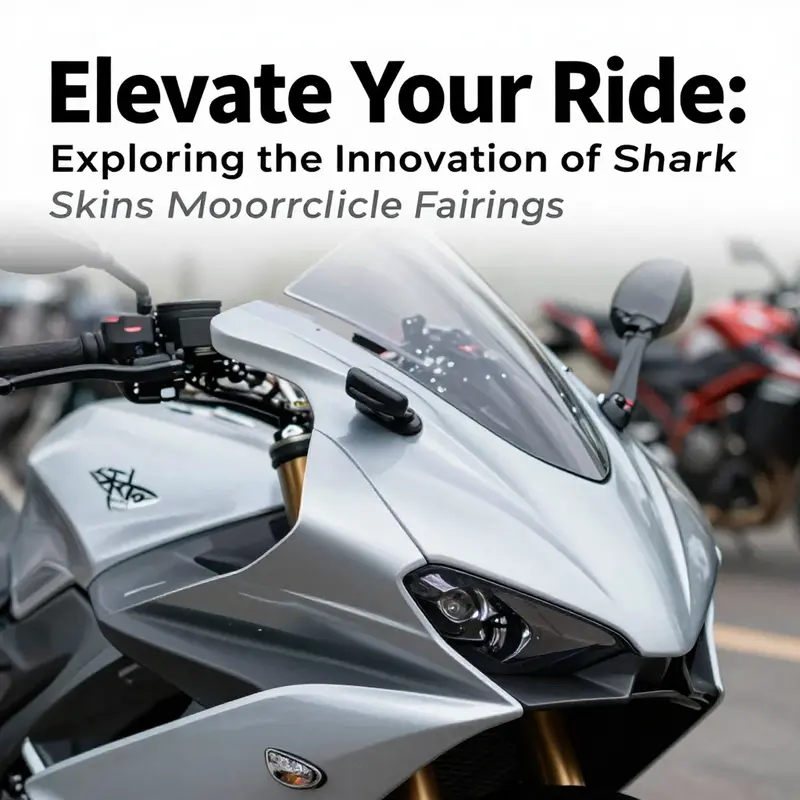
The pursuit of speed on two wheels is a conversation between form and function. Shark Skins fairings illustrate how a well-considered kit can transform a motorcycle by combining fit, protection, and race-ready style. It is not only about looking fast; it’s about designing a system that works with rider, wind, and chassis to preserve handling while reducing fatigue.
Material choice sits at the core: ABS, or acrylonitrile butadiene styrene, offers a balance of impact resistance, durability, and light weight. This triad matters because panels must absorb contact, resist UV, and return to shape after gusts and bumps on the road or track.
Aerodynamics is about steering flow, not blocking air. Shark Skins shapes minimize buffeting and service the rider’s posture by aligning with the bike’s silhouette while maintaining easy access to mounting points. The modular bolt-on system keeps fitment precise across model lines, so upgrades stay quick and reliable.
In practice, riders report durability and maintainability; the kit can be repaired and repainted after a crash or a track day without permanent chassis modification. The result is a coherent package that preserves original handling while delivering a race-inspired aesthetic.
For enthusiasts, the value lies in the ability to swap colors, textures, and panels without a trip to the shop. This story is not just about speed but about a philosophy of engineering that respects the machine and the rider alike.
Shaping Speed: Market Forces, Craft, and Shark Skins Fairings
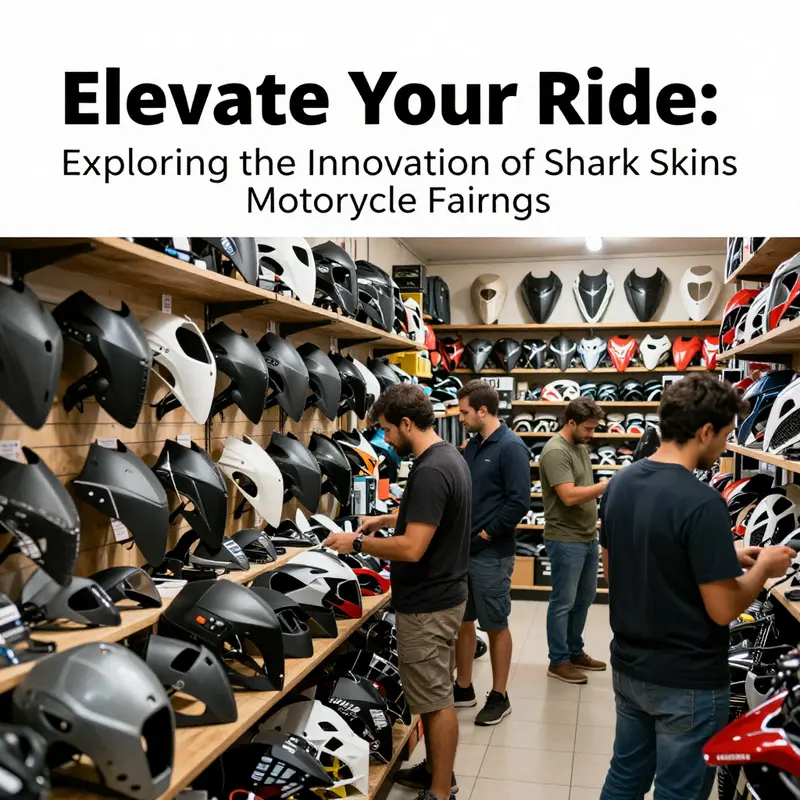
Shark Skins has carved a distinctive niche in the motorcycle world by merging aerodynamic ambition with bold visual language. The fairings that bear the brand’s name are not mere cosmetic upgrades; they are statements about how riders perceive performance, control, and identity on two wheels. The shark-inspired silhouette communicates a philosophy of optimized airflow, reduced drag, and stable handling at speed. The design balances function with striking aesthetics, signaling track readiness and confident street performance. The market responds with growing interest from riders who seek both practical gains and a personal statement in their bikes.
To understand why the niche has grown, consider riders’ goals: improved high-speed stability for track days and longer rides, lighter weight, and modularity that allows tuning airflow and weight distribution. Carbon fiber and reinforced composites provide strength with minimized mass, while advanced coatings protect against weather and wear. The result is a platform that blends aero efficiency with customization, appealing to riders who want performance without sacrificing style.
Manufacturing and craftsmanship sit at the core of Shark Skins. Sophisticated 3D modeling, CNC manufacturing, and precise fit reduce installation time and post-fit adjustment. The broader ecosystem now offers complete kits, individual panels, and trim components. This flexibility invites experimentation and ongoing refinement, from track-focused configurations to touring-ready setups, enabling riders to tailor airflow, protection, and aesthetics to their goals.
The market’s growth mirrors a broader shift toward personalization in premium motorcycle accessories. High-end fairings are seen as investments in transport and identity, not mere upgrades. Finishes, textures, and color options let riders craft a look that signals their approach to speed and control while remaining faithful to aerodynamic principles. The Shark Skins story is thus a blend of engineering clarity and expressive craft, where performance and personality reinforce one another.
For enthusiasts seeking context, related content exists in broader fairing ecosystems. The practical takeaway is that demand is sustained by a combination of performance benefits, durable construction, and the ability to personalize. As riders push toward higher speeds or longer miles, fairings become more than covers; they become collaborators in the ride, shaping how wind interacts with rider and machine.
Shaping Speed and Style: Shark Skins Fairings in the Modern Customization Era
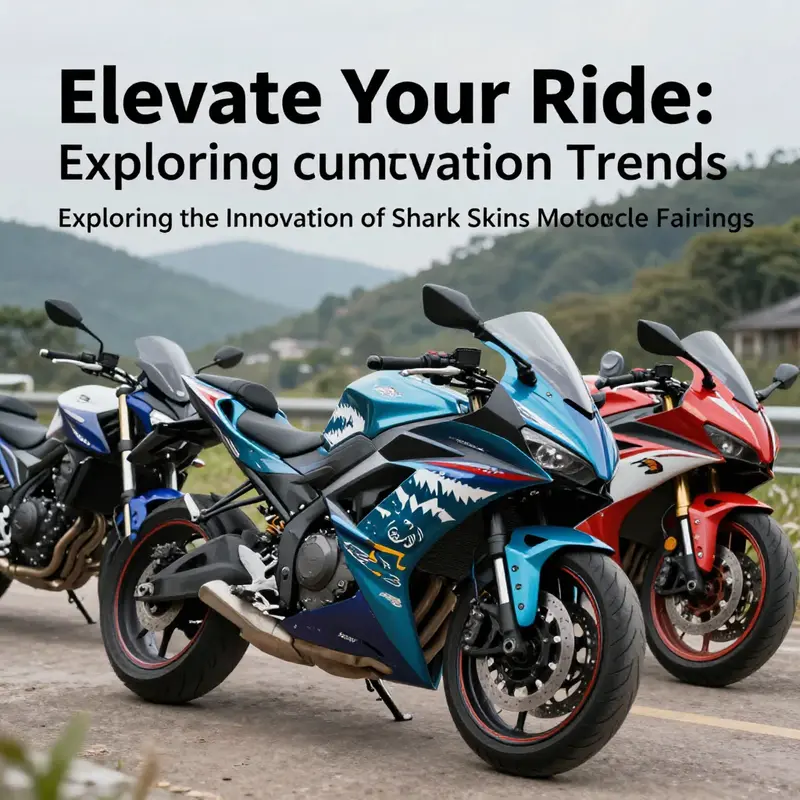
Riders have long used bodywork to express identity; today customization blends performance, protection, and style. Shark Skins stands as a case study of how a single category—the motorcycle fairing—has become a platform for innovation. The demand extends beyond color or edges; it’s about a cohesive system that respects the bike’s design language while advancing aerodynamics, weight, and integration with other components. This shift is visible across the market: riders want fairings that fit precisely, stand up to road conditions, and convey a clear voice through lines, surfaces, and finishes. The result is an integrated ecosystem where form and function reinforce each other, enabling riders to tune handling as precisely as appearance. Shark Skins exemplifies how a brand can balance customization freedom with engineering discipline, offering packages that deliver race-inspired aesthetics without compromising daily usability. The fairing, in this view, is a modular, aerodynamically informed extension of the rider’s intent—supporting control, confidence, and storytelling on street and track.\n\nThe core appeal of these options lies in how aesthetics meet performance. A racing-style fairing kit is designed to evoke track discipline while delivering tangible benefits in real-world conditions. Configurations vary by model, but the underlying principle remains: a silhouette that cleanly separates airflow from the bike, a surface geometry that reduces drag and fatigue on long rides, and a finish that resists debris and weather without sacrificing gloss. The visual impact is significant: a sleek, aggressive profile can transform a bike’s character, signaling readiness to sprint. Yet this approach does not demand compromise between looks and function; instead, form and function reinforce each other. The fairing’s shape informs handling; color and texture contribute to rider confidence by projecting precision and care.\n\nIntegration is a defining feature of modern customization. Riders seek color schemes and finishes that align with the bike’s factory palette, creating a seamless transition from frame to fairing. The effect is practical as well as visual: durability, maintenance, and long-term value improve when inner fairings and caps match exterior paint and surface treatments. Alignment must endure vibration, heat, and the elements, so a well-executed color-matched system communicates quality and a clear understanding of how light plays across the surface. This attention to detail encourages customers to choose kits that read as a single design language rather than a patchwork. A concrete example is exploring curated collections that show color, shape, and texture coordinated across primary panels and secondary components.\n\nMaterials and manufacturing methods deserve attention too. Modern composites deliver stiffness, resilience, and lightness that were unattainable a decade ago. The goal is panels that resist flexing under pressure, absorb debris, and withstand weathering without fading. These properties support performance and rider confidence on long journeys and variable road surfaces. Manufacturing emphasizes accurate fit with the bike’s geometry, minimizing gaps and misalignments that could dull aesthetics or create aerodynamic inefficiencies. The result is a kit that feels like an integrated system, not a patchwork of pieces. A refined tactile experience—sleek surfaces, consistent paint thickness, and durable finishes—drives perceived value and willingness to invest in an integrated kit.\n\nBeyond raw performance, installation experience is crucial. Kits are increasingly designed for straightforward, tool-friendly mounting, with attention to factory bolt patterns and quick-release fasteners where appropriate. The DIY community values this ease, not only for cost but for the satisfaction of meaningful upgrades in a personal workspace. A kit that is too fiddly undermines the sense of accomplishment. Brands respond with clear instructions, modular subassemblies, and alignment aids that reduce guesswork during installation. Smoother processes encourage ongoing customization cycles—adding subtle updates like new finishes, revised color accents, or alternate textures—seeing the fairing system evolve with taste and riding needs. This mirrors the broader ethos: customization is a dialogue between rider, machine, and engineering.\n\nRider preferences shape the market dynamic. Online marketplaces and authorized dealers broaden access to options, enabling precise matches among budget, model compatibility, and aesthetic. Market liquidity—how quickly a kit can be bought, installed, and upgraded—drives consumer choices. Ready availability, fast shipping, and straightforward returns lower the threshold for experimentation, leading riders to try bold configurations with confidence they can adjust course if needed. The result is a feedback-driven market where design iterations happen at a pace once limited to apparel and electronics. The consumer payoff is a compelling narrative of performance gains paired with tangible value and ease of use.\n\nFrom a design language perspective, Shark Skins and similar brands blend sport heritage with modern fabrication. The racing lineage informs silhouette and stance, resonating with enthusiasts who follow track culture. Yet contemporary variations fit street riding, where visibility and presence influence rider behavior in beneficial ways. The dual demand—look sharp and ride well—drives an ethos of aggressive geometry without sacrificing comfort, protection, or rideability. This is reinforced by non-visual features: improved aerothermal balance, better debris protection, and refined panel interfaces. Practically, riders enjoy a package that feels native to the bike rather than bolted on as an afterthought. The mechanical and aesthetic converge to elevate the riding experience, turning a fairing upgrade into a holistic enhancement of the bike’s character.\n\nIn this climate, the rider’s story becomes inseparable from the machine’s design language. Customization is not just about looks; it’s about crafting a narrative where the bike communicates mood, track heritage, or future goals. The fairing kit acts as a medium for storytelling, guiding the eye along the profile to reinforce pace and purpose. As riders mature, they seek coherence between exterior and behavior on the road. The interaction between fairing geometry, material choice, and color strategy contributes to a sense of control that extends beyond wind and drag. A well-executed kit yields confidence to push harder on twisty roads, explore new handling envelopes, and embrace customization as a practical craft. The visual drama—how light plays off a high-gloss finish or satin texture—feeds the emotional aspect of riding, making the machine a canvas for self-expression and memory-making in every ride.\n\nLooking ahead, customization will likely see even tighter integration with other tech-focused upgrades. Bikes become more connected through instrumentation, electronics, and rider aids, and fairing systems will accommodate mounting strategies for new components, improved cable routing, and surfaces designed for sensors and displays without sacrificing aerodynamics. New materials and coatings may pair resilience with stylized finishes and colorfast properties that resist sun exposure and weathering. These trends favor packages that balance a strong silhouette with practical maintenance considerations. Ultimately, riders seek a coherent, high-performance expression of their riding philosophy—heritage respected, but open to new possibilities. Shark Skins and peers are answering that demand with thoughtful, integrated systems that make customization feel less like a hobby and more like a disciplined craft.\n\nExternal resources for further exploration include looking at the broader ecosystem of fairing design and availability to illuminate how brands balance heritage with innovation. See the brand’s official presence and design communications for context and options. External resource: https://www.sharkskins.com
Razor Lines in the Wind: Shark-Inspired Fairings and the Art of Aerodynamic Identity
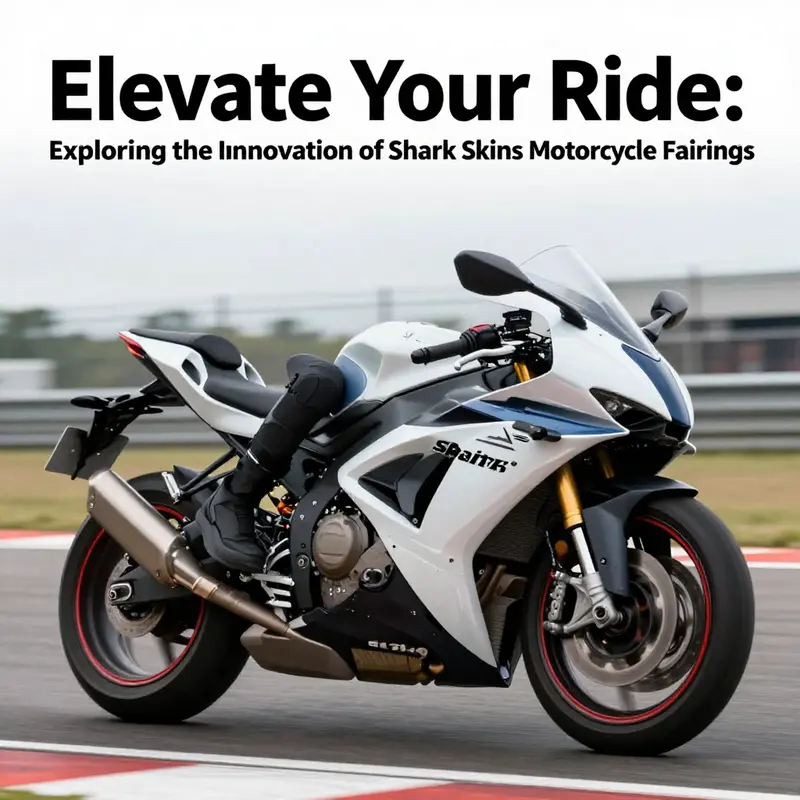
Shark-inspired fairings do more than slice through air; they shape the rider’s experience from the moment the bike leans into a corner to the moment it powers onto a straight. The vented lower fairings common on touring machines illustrate how form guides function: they channel air around the rider and engine, dampen turbulent eddies, and cultivate a calmer cockpit at speed. The result is better breathing, relaxed posture, and improved focus over long miles, while mid-range cooling remains effective during climbs and sustained cruises. In practical terms, these vents contribute to reliability in endurance rides and hot weather tours by helping keep engine temperatures in check and reducing heat buildup that can sap performance and comfort.
The durability of shark-inspired fairings reinforces their utility: engineered to tolerate minor bumps without catastrophic damage, they preserve alignment and line of sight even when the bike faces gravel, curbs, or debris. Racing anecdotes from riders often describe fairings that resist warping and fracture under micro-collisions, a testament to stiffness and smart materials.
Visually, the shark motif creates a narrative of speed and precision. Sharp edge transitions meet softer curves to convey motion even when the motorcycle is standing still. Color palettes—from deep blacks to high-contrast schemes—underscore a balance between aggression and approachability. Yet aesthetics are not a veneer; they are a language that guides rider perception, stance, and confidence, while aligning with the bike’s aerodynamics to influence leg position and steering inputs.
Technological integration further extends the role of the fairing. Modern touring configurations place a centralized cockpit and large displays within the windshield’s sweep, enabling navigation, ride analytics, and ride-mode control without sacrificing visibility. A well-designed fairing becomes a software-friendly external interface that supports rider decisions rather than distracting attention from the road. In this sense, the fairing is a core element of architecture, shaping how the ride is executed and how the rider communicates intent to the machine.
The market response to shark-inspired fairings reflects a broader appetite for performance without compromising identity. Enthusiasts value components that deliver measurable drag reduction, improved stability, and a cohesive visual language that signals a rider’s values and taste. This is especially true for cruiser and touring segments, where long sightlines and variable wind angles demand consistent behavior at a range of speeds and conditions. As the 2020s continue, advances in materials and manufacturing—using advanced composites and strategic reinforcements—help ensure that a fairing holds its shape under load, resists flex, and contributes to a calm, controlled ride.
In the end, shark-inspired fairings unify performance, durability, and personal expression. They enable faster, more efficient rides while letting riders project their attitude through the bike’s silhouette. The design language invites customization—vent patterns, line cuts, and color blocks—that respects the aerodynamic envelope while letting the rider craft a distinctive presence on the road. A fairing thus becomes more than a shell; it is a trained instrument that supports rider decisions, posture, and the habit of riding itself.
Final thoughts
Shark Skins motorcycle fairings represent a pivotal development in the world of motorcycle modifications, marrying engineering prowess with the latest customization trends. With increasing demand in the market, understanding the impact of high-quality fairings on both performance and aesthetic appeal becomes essential for business owners. By offering these innovative products, you not only meet customer expectations but also contribute to the continued growth of the motorcycle customization industry. Embrace the potential that Shark Skins fairings provide and position your business at the cutting edge of motorcycle enhancements.