
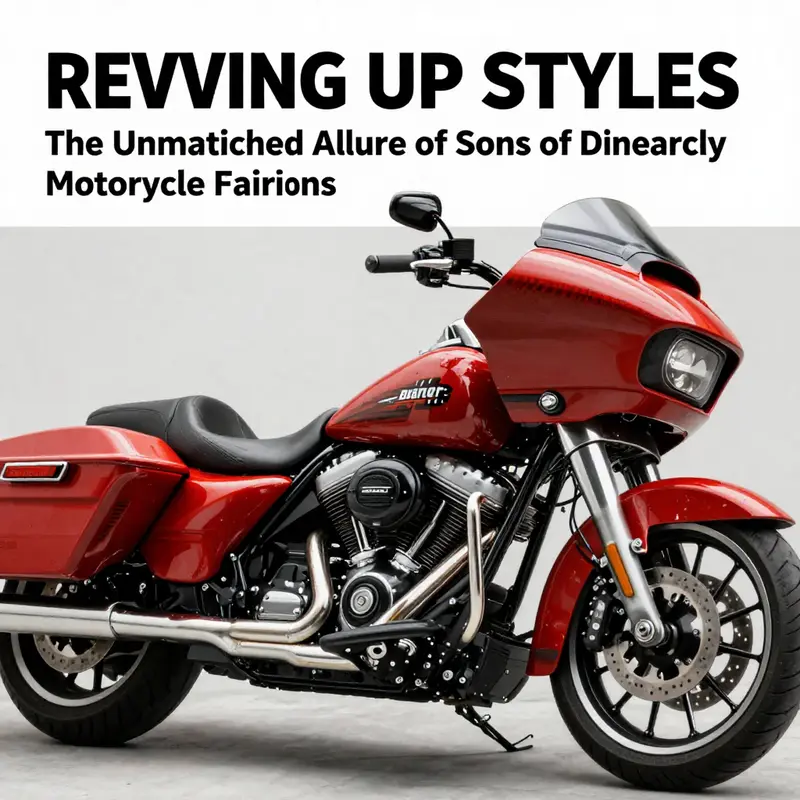
The rise of motorcycle customization continues to captivate both enthusiasts and casual riders alike. One standout accessory that has gained immense popularity is the Sons of Anarchy motorcycle fairing. Drawing inspiration from the iconic custom bikes in the television series, these fairings not only enhance the aesthetic of Harley-Davidson models but also improve their performance and aerodynamics. More than mere accessories, they symbolize a lifestyle—one of freedom, rebellion, and community. This article will delve into the multifaceted world of Sons of Anarchy motorcycle fairings, examining their unique design features, performance benefits, proper installation techniques, and emerging market trends, offering business owners insights into this lucrative niche.
null
null
Rugged Lines and Aero-Rebel Aesthetics: Designing the Sons of Anarchy Motorcycle Fairings
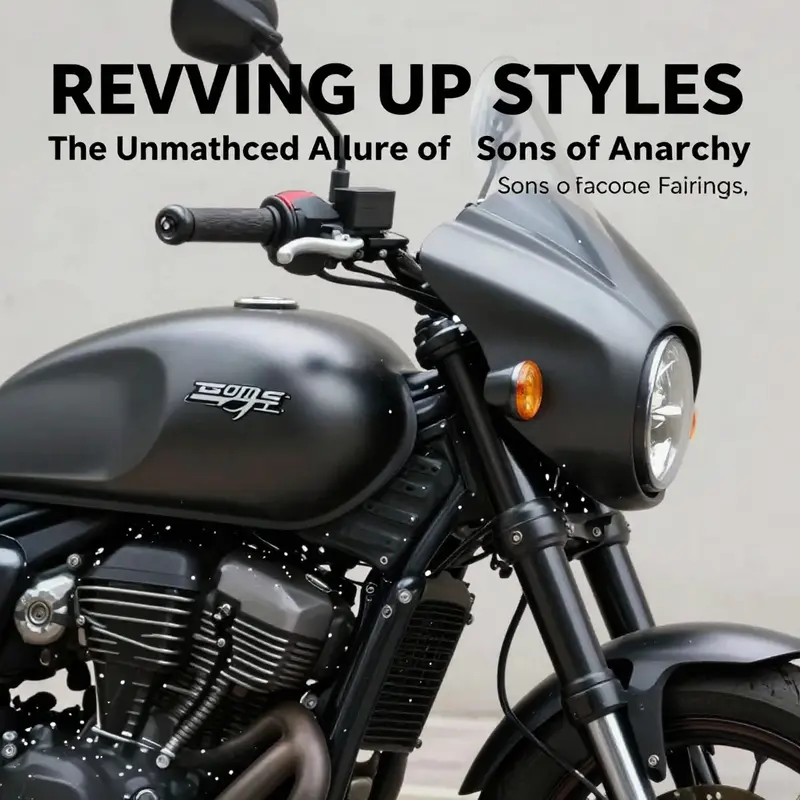
The Sons of Anarchy motorcycle fairing occupies a design space that blends function with a narrative. It is not merely a shell that channels wind away from the rider; it is a statement about identity, rebellion, and a rider’s relationship with the road. In the broader world of aftermarket fairings, this lineage leans toward semi-fairing configurations that preserve a raw, stripped-down silhouette while still delivering improved aerodynamics and wind protection. The challenge and appeal lie in achieving a look that feels like it belongs on a bike built for both daily rides and the occasional, cinematic ride through a sun-dappled expressway. The design conversation then becomes less about chasing the latest aerodynamic trend and more about capturing an understated swagger that mirrors the show’s iconic bikes. The result is a fairing language that emphasizes bold geometry, tight radii, and edges that catch light like the blade of a knife, while still staying practical enough to accommodate everyday riding.
The core design feature shaping this aesthetic is the semi-fairing itself. Unlike full fairings that wrap around the front end, a semi-fairing carves out a balance: it redirects a portion of the air, reducing helmet buffet and fatigue on longer rides, yet leaves a substantial portion of the engine and fuel tank visible. This choice creates a clean, exposed line that feels both purposeful and rebellious—a nod to the show’s characters who reject polish in favor of a rugged, utilitarian vibe. The silhouette often emphasizes a short, compact nose that blends into the tank and fuel cap area, then broadens into a shoulder line that echoes the rider’s posture. The result reads as a creature designed for speed but tailored for a rider who values control and stance as much as velocity. In practice, this means the fairing is shaped to cradle the headlight and gauge cluster while leaving space for the tank’s sculpted curves, a balance that allows for easy customization without obstructing vital controls or the rider’s field of view.
Material choice is a practical anchor for these designs. Most aftermarket semi-fairings use impact-resistant plastics such as ABS or reinforced fiberglass, with higher-end builds sometimes integrating carbon fiber overlays for strength without excessive weight. The material selection influences rigidity, vibration damping, and the finish that riders can expect to endure over thousands of miles. A key advantage of the semi-fairing approach is that it invites more aggressive, angular styling cues without overloading the bike’s front end with bulk. The result is a fairing that can be molded to mirror the machine’s existing lines, accentuating the bike’s natural geometry rather than obscuring it. This is crucial when pairing a fairing with the classic, air-cooled engines that define many Harley-Davidson models. The air management it provides is not about rocket-grade speed; it’s about a steady, confident thrust while maintaining a cadence that suits long, open-road miles.
Aesthetics play a pivotal role in shaping the concept of an authentic show-inspired look. The design language leans into minimalist, “no-nonsense” geometry: straight, crisp edges that meet at clean angles, with a nod to chopper-era silhouettes that emphasize a rider’s presence over purely aerodynamic perfection. This is complemented by thoughtful details such as a low, compact headlight housing and a shallow windshield or plexiglass shield designed to minimize glare while preserving a cockpit feel that is both retro and contemporary. The headlight fairing, when paired with a color-matched inner panel, can unify the front end and create a cohesive, ready-to-ride look. The inner fairing often receives a color treatment that echoes the frame or tank tones, producing a visual continuity that feels deliberate rather than accidental. In practice, riders may choose a color-matched inner piece to provide a seamless, integrated look from the handlebars to the tank’s edge, which reinforces the bike’s overall stance rather than breaking it into disparate parts.
The show’s influence on design also invites a discussion of authenticity versus adaptation. If the goal is to evoke the show’s bikes without compromising everyday usability, the fairing design must be modular enough to fit a range of Harley models—especially the Sportster and Softail families—without costly frame modifications. This pragmatism is part of the appeal. A well-executed semi-fairing should slide into existing mounting points, align with the fork crown, and clear the dash and gauges, all while allowing for consistent airflow management. The installation philosophy often prioritizes adjustable rake and height, so riders can tailor the aerodynamics to their own riding style and body position. The aesthetic payoff is substantial: a bike that instantly reads as a nod to a legendary on-screen look, but with the rider’s own adjustments and preferences baked into its lines and angles.
In addition to the semi-fairing’s core shape and material considerations, the accompanying visual and hardware details contribute to the overall story. Old-school, retro-inspired headlight fairings with plexiglass windshields evoke the show’s vintage vibe while offering practical wind protection. The choice of windshield material and tint can affect both the character of the bike and its performance in different climates. A clip-on or quick-release mounting approach can enhance usability, enabling riders to swap in a more minimal or more protective front end depending on mood and season. The color palette—ranging from matte blacks to metallic tones with subtle weathering effects—further reinforces the rebellious mood. What matters most is not a slavish replication but an intentional interpretation: lines that speak to the rider’s appetite for roadcraft and a story that resonates with the show’s DNA without becoming a caricature of it.
Riding once, the eye catches the way the fairing integrates with the bike’s broader architecture. The silhouette remains lean, with the fairing’s edge tracing the top line of the fork tubes and meeting the tank’s contour in a way that suggests continuity rather than interruption. The visual language communicates speed and restraint at the same time—an echo of the show’s characters who move with quiet force and purpose. For those who want to enhance this look further, a color-matched inner fairing can be paired with other components to complete the transformation, a small but meaningful detail that helps the front end breathe as one with the rest of the bike. And for riders seeking a reference point beyond products, the broader aftermarket ecosystem offers countless options for enthusiasts to explore, including the wide range of fairings catalogued in Yamaha fairings collection, which serves as a useful point of comparison for fitment and styling techniques across brands and models.
The interplay of function, form, and filmic lineage makes the design of these fairings more than a surface upgrade. It’s a narrative device, a way for riders to reclaim a bit of screen lore while editing it through the practical lens of riding. The result is a front-end aesthetic that feels both personal and iconic, a melding of retro swagger and modern performance. In the right hands, the semi-fairing becomes a collaborator on long rides, shaping the rider’s posture and the machine’s cadence while offering protection and a look that signals clear intent. This balance—between minimalism and presence, between homage and customization—keeps the design conversation lively, and it anchors the chapter in a tradition that respects the past while embracing the freedoms of the road ahead. For readers curious about the broader design context, a broader historical overview can be found in widely available resources that chart the bikes seen on screen and the heritage that informs today’s aftermarket interpretations. https://en.wikipedia.org/wiki/SonsofAnarchy
The Aesthetic Engine: How Sons of Anarchy-Inspired Fairings Shape Style and Perception on the Road
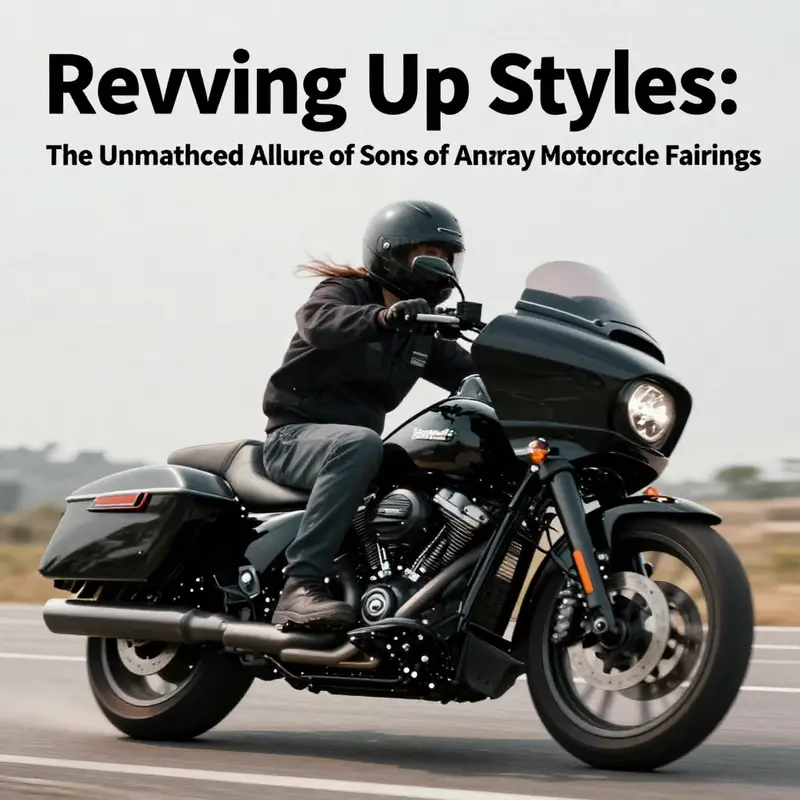
Riding into the world of motorcycle customization, the idea of a fairing borrowed from a TV myth is more than a simple shell. The Sons of Anarchy-inspired fairing sits at the intersection of culture, style, and street practicality. For many riders, it is less about shaving seconds off a lap time and more about telling a story with metal, plastic, and paint. The show’s gritty, outlaw imagery has seeped into the aftermarket, and the fairing is the visible hinge where fandom meets function. In this chapter we explore why such fairings endure, what they actually do for the bike, and how riders balance the romance of the look with the real demands of riding.
The engineering heart of a fairing is wind and weight. In the realm of sportbikes and racing machines, designers chase measurable gains in drag reduction, stability, and fuel economy. The SOA-inspired fairings, by contrast, emerge from a different impulse. They are designed to emulate a particular silhouette—the high shoulder line, the tucked-in windscreen, the way light plays across matte panels and steel trims—without promising an aerodynamic breakthrough. They are, at their core, styling devices shaped to convey identity as much as they do to alter air pressure. That distinction matters because it anchors expectations. If your aim is a track-level downforce or a quantified drag coefficient, a TV-inspired shell is unlikely to deliver. If your aim is a mood, a story you can ride with, and a sense of belonging to a culture that values rebellion and brotherhood on the open road, the fairing delivers in spades.
Material choice matters, even when the primary aim is expression. In the aftermarket, fairings typically come in impact-resistant plastics, sometimes layered with carbon fiber for strength and a touch of premium stiffness. A robust shell can protect the instrument cluster, the headlight, and the upper radiator area from road grit, falling branches, and the occasional careless curb strike. It also modulates the wind that meets the rider at highway speeds, though the effect is more subtle than a purpose-built full race fairing. The semi-fairing concept, which has become a popular compromise in this style family, blends the shielded feel of a full enclosure with the naked-bike presence that many fans of the show’s aesthetics admire. In practice, the benefit is less about measurable velocity gains and more about how the wind is directed around shoulders and chest, reducing fatigue on long rides while keeping that iconic profile intact. It is this blend of protective utility and visual drama that keeps many riders choosing a fairing that echoes a famous television look rather than a strictly engineered performance upgrade.
There is also a practical choreography to installation and upkeep. Aftermarket fairings come with a set of brackets, mounting points, and sometimes cutouts that must align with the rider’s model and year. Fitment is rarely universal, and the work of achieving a clean line often tests a rider’s patience as much as their mechanical aptitude. The semi-fairing approach helps here too by providing a modular aesthetic; you can sometimes swap light assemblies, inner panels, or trim accents to customize the personality without rebuilding the bike’s entire front end. With that caveat, keeping the fairing aligned through heat cycles, vibrations, and road shocks becomes part of the routine rather than a one-off installation. The rider who wants the look typically accepts some ongoing tuning—re-tightening bolts, adjusting mounting points, re-sealing fasteners—because the payoff is a bike that looks the way it feels in the mind’s eye: rugged, uncompromising, and unmistakably tied to a form of street theater that many bikers crave.
Aesthetics play a starring role, and color, texture, and detail carry weight far beyond mere decoration. The “SOA” look popular in the aftermarket rides a line between matte black surfaces, brushed metal accents, and purposeful retro elements like exposed light housings or blister-style windshields that hint at a bygone era of chrome-and-leather motorcycle culture. The symbolism—the show’s iconography and the rebel myth it channels—has a way of turning a simple ride into a moving statement. For riders, this is more than vanity. It is a way to locate themselves within a shared narrative, to signal a set of values, and to evoke memories of watching a character grow through hardship and loyalty while the bike beneath them carries the same weathered, no-nonsense attitude. The effect on the riding experience, though not a replacement for performance gains, often translates into increased confidence. A head-on compliment from a fellow rider about the bike’s silhouette can shift how you ride, how you corner, and how you approach the road’s long arcs. The fairing thus becomes not just a protective shell but a vessel for story and mood, a reminder that riding is as much about emotions as it is about physics.
The broader ecosystem of aftermarket parts supports this story in practical ways. Designers and fabricators respond to demand for kits that honor the look while offering solid fit and reasonable durability. Some manufacturers emphasize color-matched inner panels and streamlined light assemblies to reinforce the aesthetic cohesion. Others lean into rugged textures, such as sculpted vents, metal trim, and badge-like emblems that read as a handshake between cinema-inspired fantasy and street-legal reality. While the look carries the show’s aura, riders still need to consider legal and safety dimensions—proper mounting, visibility, and weather sealing all matter. When a fairing is done well, it can feel like a natural extension of the bike’s lines, a piece that was always meant to be there, even if it arrived as a modern aftermarket addition rather than from the factory.
For riders curious about where to find compatible options—especially those who want to see how a similar approach works on different platforms—the collection pages from a dedicated fairing retailer offer a sense of the modular approach that many SOA-inspired kits adopt. For instance, the Yamaha fairings collection on Summit Fairings illustrates how a single design language can travel across models with shared mounting geometry, allowing for alignment and a coherent aesthetic despite a diverse lineup. This is a useful reminder that the dream of a TV-inspired silhouette is not bound to one bike but can be realized on several platforms with careful selection and a willingness to adapt mounting hardware and trim pieces. Summit Fairings Yamaha fairings collection. It is this spirit of modular customization that keeps the look alive across communities of riders.
What all of this means for someone contemplating a SOA-inspired fairing is simple and nuanced. The ride is a blend of story and surface, where the thrill comes from the recognition of the reference, the quality of the fit, and the way the front end frames the rider’s line of sight. It is a project that rewards patience, measured judgment, and a clear sense of what you want your motorcycle to communicate. A fairing that handles well and looks the way you imagined can elevate everyday commuting into a small act of theater. Conversely, chasing performance alone with a look-first approach can lead to disappointment if the installation is loose, the wind threatens to buffet, or the parts reveal themselves as temporary fixtures rather than enduring upgrades. The best outcomes tend to arrive when the rider treats the fairing as a crafted extension of the bike’s character, rather than a standalone ornament.
For readers who want to ground their expectations in a broader technical context, it helps to consider what fairings can and cannot do. The field has a long history of showing that style and engineering push in opposite directions at times. You can mirror a show’s silhouette with real-world materials and still not meet the objective metrics of a wind tunnel. But you can also gain practical, incremental benefits: better protection for certain components during rough riding, reduced wind noise and fatigue on long days in the saddle, and a stronger sense of personal resonance with the machine beneath you. The paradox at the heart of these fairings is that their true performance value lies not in distance shaved from a lap but in the confidence, resilience, and identity they help create—qualities that, in the hands of a thoughtful rider, can translate into smoother journeys and more enjoyable miles.
External resource: For a deeper dive into how fairings influence performance beyond aesthetics, see Motorcycle.com’s overview of fairing types and performance. External resource
Rugged Aesthetics on the Open Road: Installing Sons of Anarchy-Inspired Fairings on Cruiser-Style Motorcycles
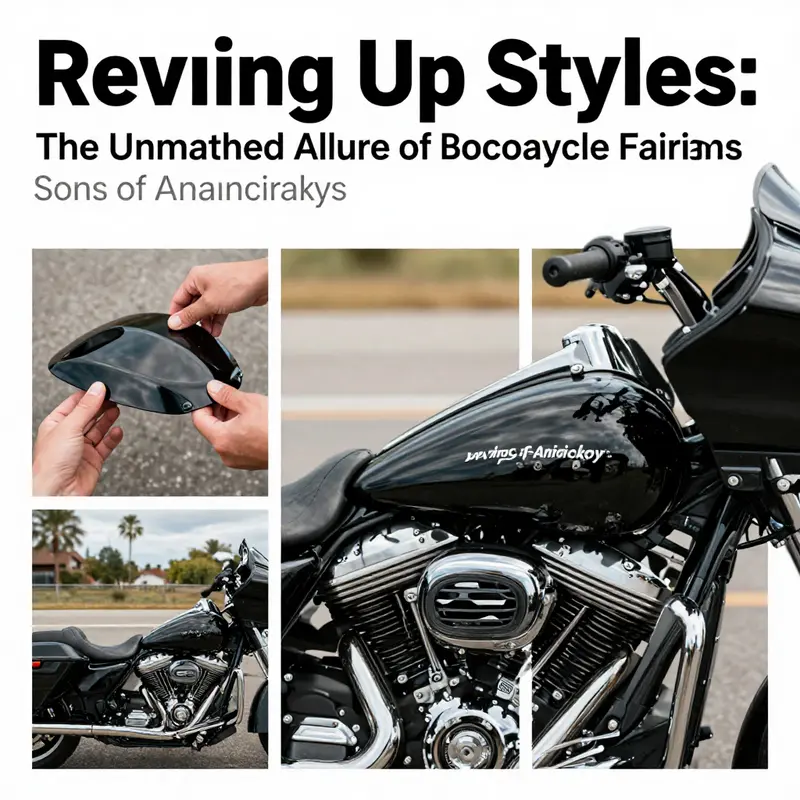
Riding a cruiser with a fairing that nods to a rebellious look is about proportion and purpose. A well chosen SOA-inspired fairing changes the bike’s stance while respecting its core character. The goal is to balance wind protection with the bike’s lines, highlight sturdy mounting, and keep maintenance accessible. There is no single kit that will fit every model, so fitment must be tested on the specific bike. Aftermarket options vary in brackets, windscreen height, and material choices such as ABS, fiberglass, or carbon fiber. Each material changes weight, stiffness, and how the fairing behaves at speed, so riders should weigh durability against cost and feel.
A practical approach emphasizes alignment with the headlight, dash, and instrument housing. A color matched inner panel can anchor the look, while the outer shell carries the masculine silhouette. Look for mounting points that reuse factory brackets and provide weather sealing, plus brackets that avoid interference with the steering lock or cables. Quick release hardware can simplify removal for service, but ensure weather sealing is not compromised.
Maintenance is straightforward but essential. Check fasteners regularly, re-torque after the first few hundred miles, and use weatherproof sealant at joints. Clean with mild soap and avoid harsh abrasives to preserve finish. For riders who want a cohesive look, pair the fairing with factory trims and timing of the paint so the new face looks like it belongs to the bike rather than an add on.
If you want real world guidance, consult a shop that specializes in cruiser bodywork and match the color to the bike. They can help with fitment, paint, and durability, while guiding you to options that keep the bike safe and reliable.
Rugged Silhouettes and Show Inspired Craft: The Market Narrative of Sons of Anarchy Fairings
The Sons of Anarchy inspired fairing market sits at a crossroads of culture, craft, and road wear. It is not merely an accessory but a statement about identity, rebellion, and how a bike can carry a narrative as effectively as a book or screen. The defining silhouette is a partial semi enclosure that hints at the shielded, highway ready machine beneath while leaving the engine exposed. Fans chase that look because it blends heritage visuals with room for personal interpretation.
A central distinction in the market is the shift toward premium materials. Modern fairings use reinforced plastics and composites that balance lightness and strength. They resist road debris, stand up to weather, and last longer. The design teams seek aerodynamics that reduce fatigue on long rides while preserving the show inspired character.
Customization remains a driver. Buyers often choose unpainted kits to apply their own graphics and color schemes. The result is a one of a kind machine that nods to the show while reflecting personal taste. The ecosystem of aftermarket components offers mounting hardware and finish options for many platforms.
In practice, buyers evaluate fit, weather resistance, ease of installation, and how the fairing integrates with other components. Official parts offer warranty but the aftermarket dominates for choice and price. A well designed kit includes robust mounting hardware, clear instructions, and color matching options.
For readers exploring the broader aftermarket fairing universe, cross brand references help frame the SOA inspired fairing as part of a larger tradition of customization that values both heritage visuals and modern construction.
Ultimately the market is about joining a lineage of riders who treat their machines as canvases for statement making and technical refinement. The trend toward durable materials, customization, and integrated aerodynamics signals a mature market that honors the show legacy without sacrificing real world performance. For fans, collectors, and builders, the SOA fairing is a bridge between screen inspired fantasy and everyday riding.
Final thoughts
Sons of Anarchy motorcycle fairings stand out not just as cosmetic upgrades for Harley-Davidson bikes, but as essential accessories that enhance the overall riding experience. With their rugged appeal, aerodynamic features, and growing presence in the market, they cater to a demographic that values both style and functionality. As this niche continues to flourish, business owners have a significant opportunity to tap into the expanding world of motorcycle customization. By offering high-quality, stylistically authentic fairings, one can capture the hearts of both seasoned bikers and newcomers alike, ensuring a successful venture in this dynamic market.