
Triumph motorcycles are renowned for their unique combination of performance and style, and fairings play a pivotal role in enhancing both aspects. As a business owner in the motorcycle industry, understanding how various fairing options impact aerodynamics, aesthetics, and rider protection is essential in meeting market demand. From the different types of fairings available for Triumph bikes to their crucial effects on performance, and an extensive analysis of the fairing market, this guide provides insight into maximizing your offerings in an enthusiastic community that values custom solutions for their motorbikes.
The Shape of Speed: A Deep, Integrated Look at Triumph Motorcycle Fairings

Triumph motorcycles have long stood for a synthesis of classic British identity and modern performance. The fairing, perhaps more than any other component, embodies that blend. It is not merely a protective shell or a cosmetic add-on; it is a carefully tuned interface between machine and rider, between the wind and the will to ride. When you study Triumph fairings in the round, you begin to see how the geometry of the front end shapes everything from top speed and stability to fatigue after a long day on the road. The research into these fairings illuminates a broader truth about motorcycling: aerodynamics, aesthetics, and vernacular engineering are tightly interwoven, especially in a brand with such a storied legacy as Triumph. A fairing is a claim about how a bike should cut through air, how the rider sits in wind, and how the bike communicates its character to the world. It is, in short, a manifesto of speed crafted in plastic, resin, and carbon fiber, painted in color and layered with graphics that echo a lineage of design while inviting new interpretations from enthusiasts who want to tailor their ride to a personal vision of performance.
To begin with the practical, fairings serve a triad of purposes. They sculpt the airflow to reduce drag, protect the rider from the weather and noise of wind, and become the most visible expression of a bike’s personality. For Triumph, a brand famous for its air-cooled heritage and modern performance capabilities, the fairing must bridge those legacies. It must honor the bike’s silhouette while offering modern benefits: improved cooling paths for hotter climates or aggressive engines, channels that guide rain away from the cockpit, and mounting points that resist flex at high speed. The aerodynamics of a Triumph are never a single feature; they are an orchestra of design choices—tight turning radii at the chin, smooth curves along the belly, carefully placed gaps around the headlight contour, and seams that sit as naturally as the bike’s lines do when viewed in motion. The value of a good fairing emerges not only in the wind tunnel, but on the open road, where a rider can feel less fatigue in the shoulders, a steadier high-speed profile, and a sense that the machine responds with a quiet, confident balance.
The landscape of Triumph fairings is remarkably diverse, reflecting not only model variety but evolving rider preferences. The catalog of options can be grouped into a few broad categories, each with its own philosophy and its own social and practical appeal. Full fairings are the most complete expression of a motorcycle’s front end. They embrace the headlight, the instruments, and the fueling nerve center in a single, cohesive shell. On triumphs that lean toward sport and touring—machines designed for sustained highway running or fast laps at twisty tracks—full fairings deliver maximum aerodynamic efficiency. The advantage is clear: a sleek, integrated visage that minimizes drag, provides wind protection across a wider span of speeds, and often reduces noise by smoothing the air just ahead of the rider. Yet the weight, cost, and potential for heat build-up or maintenance access become important trade-offs. In the hands of a rider who values clean lines and uncompromised aerodynamics, full fairings feel like a natural extension of the bike’s intent. In mixed usage, they require a more deliberate maintenance approach to preserve seal integrity and to avoid warping or misalignment over time.
A subset of full fairings that deserves particular attention is the air intake fairing. These designs are distinguished not only by their surface polish but by their deliberate, built-in ducts and channels that guide air into the engine bay. The rationale behind air intake fairings is as much about cooling as it is about performance. High-performance engines can produce heat that saps power if not managed well, especially in hot climates or during long, aggressive sessions on the road. An air intake approach offers a direct path for cooling air, sometimes shaping the intake flow to optimize the engine’s thermodynamic efficiency. The visual impression is also striking: more complex contours and openings that signal a focus on engineering intent. For riders who push their Triumphs hard, the air intake fairing offers real practical benefits. It can contribute to more consistent power output and a sense of reliability at higher temperatures, even as it adds a distinctive, purposeful look to the bike’s front end.
Batwing fairings sit at a fascinating intersection of function and nostalgia. Named for their broad, curved upper silhouette, they evoke a classic, retro aesthetic that has long been associated with Triumph’s lineage—especially models that mingle modern capabilities with a nod to the brand’s historical styling. Batwings are typically less comprehensive than full fairings, covering the upper areas of the front end and leaving more of the front wheel and fork visible. This arrangement preserves an open, airy feel for the rider while delivering sufficient wind protection at moderate speeds. The retro appeal is not merely about old-fashioned charm; it communicates a philosophy of riding that prizes a balance between wind exposure and connection to the road. For riders who value the tactile sensation of the air and the purist pleasure of a naked or lightly clad stance, batwing fairings offer a harmonious compromise: a front end that looks purposeful and yet remains approachable to customize with color and texture—an invitation to personal storytelling on the bike.
Then there are body panels and side panels, the modular elements that enable personalization without altering the bike’s fundamental architecture. These components can refresh a model’s look, allowing enthusiasts to swap in new colors, graphics, or textures without committing to a full redesign. The advantage here is flexibility. Body panels can transform the bike’s mood—from aggressive race-inspired graphics to more understated, understated classics—without the downtime and cost of a larger bodywork overhaul. The modular nature of these panels also means repair and replacement can be straightforward after a drop or crash. For riders who view their Triumph as a living canvas, the ability to swap panels seasonally or according to a ride’s purpose—solo canyon carving on weekends, or long-distance touring with weather-ready protection—becomes a meaningful dimension of ownership.
In concert, these fairing families illustrate a broader truth: Triumph models invite a spectrum of riding experiences, and the fairings reflect that opportunity. The market confirms a robust appetite for aftermarket flexibility. The eBay landscape, cited in research materials, shows a vibrant ecosystem of full fairings, air intake variants, batwing designs, and modular body panels. The presence of a wide array of offerings confirms not only demand but the ingenuity of a community that treats fairings as both a performance tool and a medium for self-expression. Riders are not simply buying plastic; they are commissioning a new aerodynamics package, a different silhouette, and a renewed relationship with the elements they ride through. The market’s vitality also highlights a crucial reality for Triumph owners: compatibility and fitment matter as much as the appearance. A fairing kit that aligns with the bike’s frame geometry, radiator layout, instrument cluster, and electrical routing is more likely to deliver the intended benefits and endure the test of miles and weather.
The condition of the aftermarket space is further enriched by the practical realities of materials and construction. High-performance fairings frequently combine fiberglass or ABS with more modern composites like carbon fiber. Each material tier offers its own equation of stiffness, weight, and cost. Carbon fiber, for example, delivers excellent rigidity and a high strength-to-weight ratio, which can enhance performance at high speeds where even small reductions in weight translate into meaningful handling differences. However, carbon fiber components are typically more costly and may require careful installation to avoid tension-induced cracking over time. Fiberglass remains a durable, cost-conscious option that can tolerate impacts better than some composites, but it may be heavier and require more finishing work to achieve a pristine surface. ABS plastic provides a good balance of impact resistance, ease of fabrication, and affordability, making it a popular choice for a broad spectrum of riders seeking a practical upgrade. The choice of material often mirrors the rider’s priorities: weight savings for track-oriented use, ruggedness for daily commuting, or a blend of aesthetics and weather protection for touring. Alongside material choice, fitment considerations are essential. The Triumph architecture—frame stiffness, mounting points, and radiator and exhaust layouts—demands careful alignment of aftermarket fairings to preserve rider comfort and the bike’s thermal envelope. Without precise mounting and proper sealing, a fairing may shift under load, introduce wind noise, or trap moisture that could lead to corrosion or fading. A well-chosen set of fairings can maintain consistent steering feel, minimize turbulence around the rider’s helmet, and keep the fairing from vibrating at speed. The ultimate goal is a cohesive unit in which every line, every seam, and every contour contributes to a sense of purpose: that the bike is doing what it was designed to do, while inviting the rider to push a little further, and a little longer, into the wind.
For many riders, the decision between a full fairing and a more modular approach is less about a single moment of purchasing and more about a riding season’s evolving demands. In dry, urban environments, a batwing or a curved upper fairing can deliver a satisfying blend of protection and airflow while preserving a lighter, more approachable silhouette. In chilly, wet climates or on long highway runs, a full fairing paired with a windscreen sized to the rider’s height can make the difference between a comfortable ride and a fatigue-inducing struggle with gusts. Touring-oriented builds often lean toward full fairings that create an enclosed feeling around the cockpit and reduce road spray, while sport-focused configurations might opt for sharper edges and more aggressive profiles to optimize the rider’s alignment with the bike’s geometry. It is in this continuum—between wind management, weight distribution, material choices, and visual storytelling—that Triumph fairings reveal their true value. They are not just protective shells; they are the instrument panels of an evolving relationship between rider and machine, shaping how speed feels and how comfort endures.
The cultural dimension is equally important. The aftermarket ecosystem has grown into a community of enthusiasts who share tips on fitment, color-matching, and seam sealing, while also swapping stories about rides that felt transformed after a new fairing went on. The social texture around fairings—forums, galleries, and meetups—adds a layer of meaning to the mechanical decision. Riders recount that a redesigned front end can alter a bike’s perceived balance, which in turn can influence posture and riding style. Some enthusiasts pursue a more aggressive, track-ready posture with tight cowling lines that tuck air more aggressively around the rider; others favor a classic, almost time-stopped look that respects Triumph’s vintage cues while enabling modern performance. In either case, the fairing becomes a device for personal expression as well as a functional upgrade. The dialogue between form and function—between the bike’s soul and the rider’s intent—plays out most vividly at the front of the machine, where light, air, and momentum meet. The fairing is the stage on which that dialogue plays out every time the throttle opens and the wind begins to tell its story.
A practical note emerges through all these reflections: the process of selecting and installing a Triumph fairing is worth a careful, patient approach. The first step for a buyer is clarity of purpose. Are you chasing the maximum top-end speed, or is your priority more about comfort on long rides and predictable handling in variable weather? Do you want a color aesthetic that nods to Triumph’s heritage, or a modern, graphic-forward look that makes the bike feel like a new machine? The answers will guide the choice of type, material, and mounting philosophy. The next step is fitment verification. Triumphs, with their diverse lineups, present a nontrivial set of shape factors. Before you commit to a kit, measure critical interfaces and understand mounting points. The practicalities of routing wires, securing fasteners, and ensuring you do not obstruct essential vents are not glamorous, but they are indispensable. A well-fitted fairing will align with the bike’s existing lines and harmonize with its control ergonomics. It will also accommodate the rider’s size and height, allowing for comfortable wind protection without forcing the rider into an awkward posture. Then there is the finishing touch: the color and finish. A fairing’s gloss, matte texture, or carbon weave must sit well against the bike’s paint and the rider’s gear. The right combination makes the bike look ready for a photo shoot, but more importantly, it makes the ride feel cohesive—a statement that the rider and machine are synchronized.
In the end, the fairing is a projection of riding intent. It is where engineering discipline, stylistic taste, and personal history converge. Triumph’s fairing options, and the broader aftermarket offerings that surround them, offer a spectrum through which a rider can enact a philosophy of riding—whether that philosophy is anchored in the elegant restraint of classic lines, the precise efficiency of modern aerodynamics, or the playful experimentation that comes with swapping panels and graphics. This is not about chasing the fastest or the lightest, though those outcomes may follow. It is about choosing a front-end expression that invites confidence, enhances the riding mood, and respects the machine’s heritage while enabling new adventures on every mile. As riders explore, their bikes tell stories in the way the wind shapes the pace and the horizon becomes a canvas for the next curve. In this sense, the fairing is not merely a part; it is a partner in the ongoing conversation between rider, road, and machine.
For readers who want to see how aftermarket ecosystems frame these choices, examples from related brands’ collections can offer useful context. For broad inspiration and reference on how fairings are organized and marketed in the wider market—beyond Triumph—explore collections such as the Honda fairings catalog, which demonstrates how a well-structured product family communicates fitment, aesthetics, and performance across multiple models. This broader perspective helps illuminate the logic behind the diverse Triumph options, reminding us that the fairing is a language spoken across brands and generations of riders. If you’re curious about how these design languages translate into your own bike, a visit to one of these curated collections can provide a practical sense of what to expect in terms of fit and finish when you’re choosing between a full sport shell or modular body panels.
Internal link reference: for a broader sense of how aftermarket ecosystems curate fairings, see the Honda fairings collection.
External resource: https://www.ebay.com/sch/i.html?_nkw=Triumph+motorcycle+fairings
Streamlining Triumph: How Fairings Forge Performance, Comfort, and the Rider’s Connection

Fairings do more than cloak a motorcycle in a glossy shell. In the Triumph lineage, they function as a careful balance between aerodynamics, rider psychology, and the long-standing engineering philosophy that aims to fuse form with function. When a rider leans into a turn or simply rides at speed along an open road, the fairing becomes almost an invisible partner, shaping how air moves around the chassis, how much energy the engine must expend to push the bike forward, and how the rider perceives the ride itself. The research into Triumph motorcycle fairings, though rooted in the practicalities of wind resistance and cooling, ultimately speaks to a broader idea: fairings are a living interface between machine and rider, a design decision that echoes across performance, efficiency, and the intangible sensation of control. This chapter unpacks that relationship in a cohesive arc, tracing how modern fairings influence aerodynamics, rider comfort, structural integration, and the nuanced reality that aftermarket options bring to a Triumph rider’s world, while staying mindful of the delicate balance between speed, heat management, and the bike’s chassis character. The journey through this topic is not only about numbers on a spec sheet, but about the way a well-designed panel system can tighten the bond between machine and rider, making every mile feel more purposeful and more connected to the road ahead.
To begin, aerodynamics is the first and most tangible language through which fairings communicate with the road. Triumph has long invested in shaping its fairings to manage airflow with precision. Modern designs aim to reduce wind resistance by guiding air smoothly around the bike and rider, a task that requires attention to the minute contours of every curve and edge. The result is a measurable impact on top speed and fuel efficiency, as air turbulence—the chaotic wake that forms behind the rider—becomes a more orderly flow. When air travels in a cleaner, laminar path, drag falls, and the engine no longer fights against a stubborn air blanket. The rider, in turn, experiences calmer air pressure patterns around the torso and head, which translates into better concentration and fewer physical signs of fatigue over long distances. This is not simply about shaving seconds from a lap time; it is about sustaining a higher level of rider endurance, enabling longer rides with less physical drain and more mental clarity.
The aerodynamic story is inseparable from the way the bike behaves at speed. High-speed stability emerges from a well-considered relationship between the fairing, the windscreen, and the rider’s riding posture. A fairing that cleanly deflects air away from the chest and shoulders reduces wind buffeting, making it easier to maintain a steady line through fast sweepers. That stability is not only a function of drag reduction but of how the air presses against the bike’s forebody and splits around the rider’s silhouette. When the air is managed effectively, buffet under the helmet is dampened, and the rider’s visual field remains clearer, especially when glancing into corners or scanning the horizon for mile markers on a long highway stretch. The researcher’s notes on Triumph’s fairing strategies emphasize how these elements work together to stabilize handling at higher speeds, a crucial benefit for riders who push their machines toward the upper limits of ordinary riding while maintaining confidence and control.
In tandem with the aerodynamic benefits, rider comfort emerges as a central pillar in why fairings are engineered with such precision. A fairing’s purpose extends beyond reducing drag; it is an actively designed system for airflow management. The intake and venting patterns, the shape of the windshield, and the overall pressure distribution around the rider’s torso work in concert to minimize wind blast. This matters most on longer journeys, where wind pressure against the face, chest, and shoulders can become fatiguing and distracting. Triumph’s approach to comfort recognizes that a rider who feels shielded from relentless wind is not just more comfortable but also more capable of sustaining focus on road conditions and line choices. When fatigue is reduced, reaction times stay sharper, and the rider remains more engaged with the machine’s feedback through the handlebars and footpegs. The fairing, then, becomes a tool for clarity: it clears the cognitive field by reducing sensory overload, letting the rider interpret subtle changes in road texture, wind shifts, and throttle response with greater fidelity.
Of course, the visual and tactile experience of the bike—its silhouette against the landscape and the echo of its voice through the air—plays a role in how riders connect to their machines. Triumph fairings contribute to a bike’s identity, shaping not only the soundscape of riding but the sense of speed itself. A well-proportioned fairing suggests a certain balance between aggression and control, a balance that mirrors the brand’s broader design language: clean lines, purposeful curvature, and a measured amount of aggression that remains approachable. This aesthetic dimension matters because it aligns with the rider’s expectations. When a fairing looks, and feels, integrated and coherent with the rest of the motorcycle, the rider experiences a deeper sense of ownership and unity with the design. The connection between rider and machine becomes more intimate, and that intimacy often translates into a more confident and relaxed riding posture, which in turn reinforces the physiological benefits of improved aerodynamics and comfort.
Structural integrity and integration form the third axis of the fairing’s impact. Designers must ensure that the fairings harmonize with the frame, cooling system, and exhaust routing without compromising the bike’s chassis stiffness or heat management. This is particularly important in models that demand robust cooling, such as higher-performance triples, which rely on efficient airflow to maintain optimum engine temperatures under load. When fairings integrate smoothly with radiators, ducts, and vents, the cooling system can operate as intended, keeping engines within ideal thermal envelopes even as air turbulence around the forebody is minimized. A misstep here—such as a panel that disrupts radiator airflow or creates an unintended hot pocket near the engine—can erode performance gains, negate fuel efficiency improvements, and erode rider confidence. The Triumph design philosophy, as reflected in research findings, tends to favor smooth, continuous airflow paths and modular panel interfaces that maintain structural integrity while facilitating serviceability and heat dissipation. In practice, this means the panels are shaped to align with the cooling ducts, minimize gaps that could trap heat, and allow for straightforward inspection and maintenance. The result is a fairing system that preserves the bike’s reliability while enhancing its aerodynamic efficiency.
Beyond the factory’s integrated approach, the aftermarket landscape expands the spectrum of possibilities, inviting riders to tailor their machines to a broader range of riding contexts. For enthusiasts seeking additional performance gains or unique visual expressions, aftermarket fairings can offer lighter materials, different venting strategies, and alternative forms that push the boundaries of airflow management. Yet the benefits are not automatic. Aerodynamic efficiency from aftermarket panels depends heavily on precise fit, structural integration, and careful consideration of cooling. A panel that saves a fraction of drag but inadvertently chokes a radiator or introduces a new source of turbulent wake can undermine the intended gains. In this space, the rider’s knowledge and the installer’s craftsmanship matter as much as the panel geometry itself. The dialogue between stock design and aftermarket experimentation becomes a shared learning process, where riders discover how far they can push the envelope without compromising reliability or comfort.
The discussion above also carries a note about the practical realities of performance metrics. While fairings clearly influence wind resistance, top speed, and fuel efficiency, their impact on acceleration, braking, or cornering is less pronounced than changes to suspension, tires, or engine tuning. This is not to say fairings are marginal; rather, their most meaningful contributions lie in the steady-state efficiency of riding at speed, the rider’s fatigue threshold over long distances, and the bike’s stable feel during aggressive mid-cpeed handling. In everyday riding, those qualities can translate into meaningful differences in how quickly a rider can arrive at a desired speed, how easily the bike can be kept in its optimal power band, and how much mental energy remains for corner selection and line refinement. The data-backed story, then, is not about a single number but a constellation of improvements that, when combined with other performance-oriented modifications, yields a more capable, comfortable, and cohesive riding experience on Triumph machines.
This chapter’s synthesis — aerodynamics, rider comfort, and structural integration — also underscores a broader idea about the relationship between design and the rider’s experience. The fairing is a boundary object that mediates air, heat, and human perception. It is not merely a decorative shell; it is a functional system that translates the rider’s intentions into measurable outcomes like sustained speed, better fuel economy, and consistent handling. For Triumph riders, the result is a bike that remains responsive and confident in a variety of contexts—from windy highway corridors to rapid transitions through mountain passes. The fairing’s geometry interacts with the rider’s posture, the engine’s cooling needs, and the bike’s suspension dynamics. When this interaction works well, the rider feels an escalated sense of control, a clarity of intent, and a kind of synergetic trust in the machine. The chapter’s narrative, then, moves beyond the surface appeal of design. It invites readers to consider how a thoughtful fairing system can transform not only the numbers on a spec chart but the very experience of riding a Triumph through weather, terrain, and the open road.
For readers curious about the aftermarket dimension and how these designs translate into real-world performance, the broader ecosystem offers a spectrum of experimentation. Some riders lean toward lighter materials and refined venting to further reduce drag, while others prioritize distinctive styling cues as a way to express personal identity through the bike’s silhouette. In all cases, the key to meaningful gains lies in thoughtful integration: ensuring that any panel, whether stock or aftermarket, respects the bike’s cooling architecture, maintains structural harmony with the frame, and harmonizes with the rider’s posture and riding goals. This is where the chapter’s practical guidance meets the aspirational aspect of riding: a rider does not simply mount a fairing; they participate in a continuous design conversation that spans engineering, aesthetics, and personal comfort. The result is a Triumph motorcycle that feels both scientifically optimized and deeply human in its response to the road.
To ground this exploration in a sense of the broader landscape, consider how aftermarket wording and design choices echo the same principles across brands and platforms. In the aftermarket world, designers probe venting patterns, curvature, and integration with the bike’s overall footprint, seeking enhancements that align with the rider’s expectations and the machine’s aerodynamic personality. The comparison across brands reveals a shared language: fairings must balance drag reduction with the bike’s cooling needs, they must fit cleanly with the chassis, and they should grant riders a comfortable, focused riding experience even at higher speeds. The Triumph-specific insight is that a well-integrated fairing system does not obstruct the engine’s breathing; it instead supports a stable thermal envelope and predictable handling, enhancing both performance and the ride’s sense of purpose. This is the essence of the fairing’s impact: it makes performance feel effortless, and it makes confidence feel natural.
Within this frame, the rider’s perspective becomes central. A well-designed fairing invites the rider’s feedback into the machine’s behavior. When wind flows smoothly around the bike, the rider senses a less abrupt shift in air pressure as speed changes, allowing the hands and wrists to maintain a relaxed grip. That relaxation translates into steadier steering inputs, better line selection, and a steadier gaze through corners. The rider’s body, no longer fighting against gusts and buffeting, can settle into an instinctive rhythm, which in turn supports more precise throttle modulation and smoother brake application. The aesthetic dimension remains, but it now serves the functional purpose of emotional resonance. A rider who feels the bike respond predictably and calmly is more likely to push toward elegant, controlled performance rather than brute, reactive riding. In this sense, the fairing’s influence extends beyond the mechanical and into the realm of rider psychology, shaping how a Triumph motorcycle is perceived and enjoyed in everyday life as well as on spirited weekend runs.
In closing this synthesis, the chapter does not claim that fairings are the sole determinant of Triumph’s performance edge. Rather, they are a crucial element that amplifies and unifies the bike’s other systems—engine, chassis, tires, and suspension—into a coherent riding proposition. The combination of aerodynamic efficiency, comfort-enhancing airflow, and careful integration with cooling and structure creates a platform that is both capable on the road and expressive of the rider’s intent. The results are visible in longer, more relaxed rides, improved fuel economy on highway cruises, and steadier high-speed behavior, all of which contribute to a richer and more confident riding experience.
For readers who want to explore the broader ecosystem of fairings beyond Triumph, the aftermarket landscape offers a range of options designed to push the physics of airflow even further. While specific panel shapes and materials matter, the underlying principle remains the same: a fairing should be an intelligent mediator between rider, machine, and environment. The Triumph heritage provides a foundation where form and function are not at odds, but in dialogue. The rider who understands this dialogue can choose, adapt, and refine fairings in ways that honor the bike’s engineering while expressing personal taste and riding philosophy. In the end, the fairing becomes not a mere cover, but an active participant in the Triumph riding experience, helping the machine fulfill its potential with grace, efficiency, and a strong sense of purpose on every stretch of road.
External resource for further context on motorcycle aerodynamics and engineering considerations is available at the Triumph Motorcycles Official Site. For additional context on the broader aerodynamics discourse and practical considerations for riders and designers, see the official technical overview provided by Triumph Motorcycles: https://www.triumphmotorcycles.com.
Internal link reference for related aftermarket discussion: For a look at how other brands approach fairing design in the aftermarket space, you can explore Honda’s fairings collection, which illustrates a range of venting and shaping strategies that echo the same aerodynamic challenges faced by sport and adventure bikes alike: Honda fairings collection.
Curves in Motion: The Engineering, Aesthetics, and Market Pulse of Triumph Motorcycle Fairings
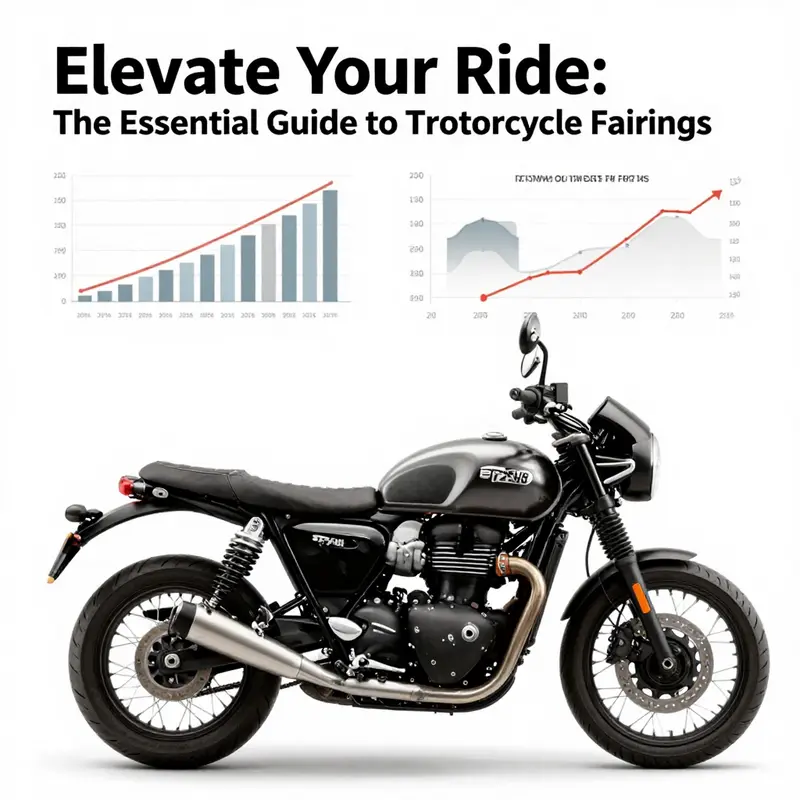
In the world of sport and road bikes, fairings are more than a layer of plastic or carbon that cloaks the frame. They are a language written in wind and weight, shaping how a motorcycle cuts through air, how a rider stays shielded from strain, and how a brand communicates its identity at speed. When we look at Triumph motorcycle fairings, the conversation moves beyond mere style. It threads together aerodynamics, protection, material science, and a vibrant aftermarket ecosystem that reveals how riders personalize their machines while still honoring the lineage of a maker known for blending everyday usability with performance-oriented design. This chapter treats fairings as a functional thread woven into the fabric of a motorcycle’s behavior and its cultural footprint. It seeks to illuminate why a fairing choice matters, how it can alter handling and efficiency, and why the market for aftermarket options has grown into a community of enthusiasts who see the curve as a canvas for expression as much as a shield against the elements.
The first principle is aerodynamics. A well-designed fairing does more than reduce drag; it manages the flow of air around the bike so that the rider experiences less buffeting at highway speeds and more consistent downforce on the front end when cornering. The shape of the fairing, the location of windscreen rake, the width of the side panels, and even the contour of the belly area work together to influence uniformity of pressure along the fairing’s surface. In practice, riders notice the effect as steadier steering inputs, reduced fatigue, and a more predictable feel when riding long miles or charging into gusts. For Triumph riders, the fairing choice interacts with a bike’s innate geometry—wheelbase, rake, and the rider’s seating position—creating a balance between protection and agility. The same fairing that shields the chest and shoulders can also influence how the front wheel meets the pavement during a sudden chop or a lane-change. In this sense, fairings become a handshake between rider and machine, inviting confidence through refined airflow.
The design variation within Triumph’s fairing ecosystem spans a spectrum from pared-down, classic profiles to more aggressive, sport-oriented forms. The decision is not merely aesthetic; it guides the amount and direction of protective coverage, as well as how the rider experiences heat management and visibility. A minimalist fairing can preserve the naked-bike aesthetics and offer airflow advantages for lighter, more agile handling, while a larger, sculpted panel might prioritize wind protection for a taller rider or for long-distance comfort on fast highway stretches. These choices also ripple into the bike’s center of gravity and weight distribution. A heavier, more enveloping fairing technically carries more mass forward, which can subtly influence how the bike lifts its nose under acceleration and how it settles at speed. In practice, riders balancing sporty intent with touring practicality often favor modular or multi-piece fairing systems that let them adjust wind protection to suit the day’s ride, the terrain, and their own physiology. This nuanced negotiation between form and function is where fairing design becomes an intimate part of the riding experience.
The materials behind Triumph fairings provide another axis of variation with consequential effects on performance and ownership experience. Many OEM or OEM-inspired fairings rely on high-strength plastics, such as ABS, or polycarbonate blends, chosen for their impact resistance, lightness, and ease of molding. These materials transport a fairing from concept to a component that can be mounted with reasonable stiffness and predictable longevity in everyday conditions. In the aftermarket segment, carbon fiber composites offer a different proposition. Carbon fiber brings a high stiffness-to-weight ratio and a distinctive aesthetic appeal that many riders prize. Yet the benefits come with the realities of cost, repairability, and UV resilience. The decision to opt for carbon or plastic often hinges on how aggressively a rider intends to ride or race, the bike’s usage pattern, and the willingness to invest in protection and maintenance. Additionally, newer blends and reinforced plastics seek to blend the best of both worlds—tough impact resistance, lighter weight, and a finish that holds up under sun and rain. Each material choice has knock-on effects: the tape-and-glue dynamics of component fitting, the ease of color-matching or custom paintwork, and the long-term abrasion and fade characteristics that influence both appearance and resale value.
Within the market, Triumph fairings sit at the intersection of OEM engineering rigor and a robust aftermarket imagination. The aftermarket ecosystem that surrounds a well-known marque thrives on the tension between preserving fit and embracing customization. On the one hand, riders value a seamless fit that respects the bike’s original geometry, ensuring that every mounting point aligns and every panel sits flush without rattling or misalignment. On the other hand, enthusiasts seek opportunities to personalize—whether through color schemes that echo a rider’s personal story, or weight-focused choices that shave grams from critical points in the chassis. The result is a lively market where the question is often not whether a fairing exists for a bike, but which fairing delivers the best synthesis of fit, protection, weight, and visual identity. The eBay marketplace, for instance, reflects a robust demand, with multiple listings showing a range of styles from different makers, reinforcing that the fairing is not merely a cosmetic layer but a serious component in performance tuning and identity-building. For Triumph owners, this aftermarket abundance can be a double-edged sword: it affords choice and individuality, while also demanding careful research to ensure compatibility, quality, and reliable mounting.
The discussion of fitment cannot ignore how a fairing influences handling. When the front bodywork encases the fork tuning and the top triple clamp, it can subtly alter the air pressure distribution around the forks, which, in turn, can affect front-end feedback in difficult corners or at high speeds. A precisely engineered fairing helps maintain clean airflow at the leading edge of the radiator and around the engine’s upper block, which can help stabilize cooling airflow patterns and reduce turbulent wake that could otherwise perturb the rider’s line. The rider’s perception—how the bike feels at the apex of a turn or when exiting a straightline sprint—depends as much on the interface between rider and fairing as on the raw drag coefficient. In practice, riders who opt for more intricate multi-piece fairings often enjoy a tailor-made approach to wind protection that aligns with specific riding styles, whether that means a little more shield for the chest during gusty highway passages or refined ventilation to keep the torso comfortable during longer sessions.
In considering the broader market dynamics, one learns that the fairing is a convergence point for design language, material science, and consumer behavior. The choice of fairing communicates a rider’s intent: a sport-focused machine invites a different silhouette and aerodynamic profile than a classic or touring-oriented variant. The color, finish, and even the texture of the surface convey a personality that can be as important as the bike’s mechanical performance. The aftermarket ecosystem has capitalized on this, offering variations that range from faithful reproductions of period pieces to modern interpretations that echo contemporary aesthetics. The community surrounding Triumph bikes includes clubs, track days, and social media circles where riders exchange notes on fitment challenges, mounting hardware, and protective film strategies. It is not unusual to see conversations about how a particular fairing aligns with a specific model year, or how a slight adjustment to the windscreen angle can alter the rider’s comfort window without materially changing the bike’s performance envelope. This collaborative knowledge sharing is a crucial, if often understated, feature of the market; it helps safeguard fit quality and ride quality as bikes age and as riders’ needs evolve.
From a design and engineering standpoint, the interaction between a fairing and a bike’s weight distribution is not merely academic. A rider who values nimble steering and immediate feedback will often gravitate toward lighter, more streamlined panels that reduce inertia on quick transitions. Conversely, a rider chasing long-range stability may accept a modest increase in frontal area in exchange for wind protection and a calmer ride at speed. The artistry lies in calibrating the fairing’s geometry—its side extensions, its chin and belly shapes, and the curvature that guides air to the radiator and beneath the engine’s upper surfaces—so that these trade-offs feel intentional and measurable. The best implementations demonstrate a harmony: the fairing protects without dominating, adds confidence without constraining pace, and gives back to the rider a sense of command in the saddle. Even the mounting hardware, seals, and trim elements play a role. A well-thought-out set of panels respects serviceability, enabling easy access for maintenance while preserving clean lines and a professional finish when reassembled.
The ongoing evolution of Triumph fairings also mirrors shifts in technology and manufacturing. As additive manufacturing technologies mature, and as design tools become more capable of simulating complex airflow, producers can push the envelope in ways that once seemed impractical. A rider can imagine a new contour, run computational fluid dynamics simulations, and prototype a scale model to validate how the panel behaves under a range of speeds and wind conditions. In practice, this accelerates the iteration loop, allowing for faster introduction of fresh styling cues that still respect the bike’s dynamic character. It also raises expectations for fit and finish, since a modern design process tends to emphasize symmetry, edge quality, and a sense that every contour serves a purpose. For enthusiasts, this means a continuing cycle of discovery: new shapes that deliver incremental gains in efficiency, new textures that enhance the visual drama of the bike, and new connection points that simplify maintenance without compromising the fairing’s structural integrity. The result is a living, breathing field of customization that reinforces the idea that fairings are as much about how a motorcycle feels as they are about how it looks.
To connect this technical and cultural panorama to a practical path for riders exploring Triumph fairings, it helps to recognize that the most satisfying choices often arise from a blend of honesty about riding goals and knowledge of the options available. A rider who values track-ready performance may seek a fairing with a tight profile, minimal wind resistance, and channels that divert air toward the radiators while stabilizing the front end under braking and acceleration. A rider who uses a bike for weekend riding and touring might prioritize a design that offers superior shield against wind fatigue, while also remaining compatible with panniers and other touring accessories. The learning here is that fit is not only about a few mounting holes. It is about how a whole system—windscreen, side panels, belly pan, and under-tail sections—works in concert with the bike’s geometry, rider position, and the road conditions the rider faces. In the end, the fairing becomes a negotiator of speed, comfort, and character, a visible sign of intent that the rider carries into each twist and long straightaway. This holistic view helps explain why a vibrant aftermarket scene persists: it gives riders permission to optimize the bike’s aero envelope for every conceivable scenario, from the daily commute to a weekend sport ride, all while maintaining the visual identity of a treasured brand and its ongoing design language.
For readers who want to explore the wider aftermarket landscape without losing focus on the Triumph story, a look at related collections—such as the Honda fairings range—offers a useful mirror. The breadth of options visible in these collections illustrates how diverse fitments, geometry choices, and aesthetic directions can be across brands and generations, while still sharing a common goal: to improve aerodynamics, protection, and personal expression. It is a reminder that, while the core engineering principles are universal, the particularities of each model and each rider’s preferences will steer the best choice in different directions. The crucial takeaway is that the fairing is a living interface between a rider, a bike, and the road, and that the best solutions emerge when this interface is tuned with both data and taste in mind. Honda fairings collection serves as a representative snapshot of how an aftermarket ecosystem can expand the possibilities and invite riders to experiment with how wind, weight, and form influence each outing.
Ultimately, Triumph motorcycle fairings sit at a compelling crossroads of engineering discipline, brand storytelling, and community-driven customization. They embody a philosophy that a motorcycle is not a fixed object but a dynamic practice—one in which riders continually refine how wind, heat, and motion converge to create a more precise, personal ride. The fairing is the visible surface of that practice, the part of the bike that first meets the air and then meets the rider’s skull and shoulders with a message: this is how we take the wind on together, this is how we chase the line with confidence, and this is how we carry the legacy of the brand forward into new chapters of performance and expression. As long as riders seek balance between protection, speed, and aesthetic integrity, the fairing will remain both instrument and emblem—an enduring intersection of science, art, and community in the world of Triumph motorcycles.
External resource: https://www.britannica.com/science/aerodynamics
Final thoughts
As the market for motorcycle fairings continues to grow, understanding the types available, their impact on performance, and the overall market dynamics is crucial for business owners looking to meet customer demands. A well-chosen fairing not only enhances the aesthetic appeal and protection of a Triumph motorcycle but directly influences its riding capabilities. With a thriving community of enthusiasts seeking customization, now is the time to leverage this knowledge and strengthen your offering in the fairing market.