
Motorcycle enthusiasts are always on the lookout for enhancements that elevate their riding experience. The Vetter Rooster Motorcycle Fairing, specifically designed for Harley-Davidson motorcycles, particularly the Sportster and Softail models, stands out as a top aftermarket accessory. Renowned for its aerodynamic design, the Vetter Rooster not only enhances wind protection but also advances the overall styling of the classic Harley aesthetic. This article delves into the fairing’s design features, its performance advantages, and its significant role in custom motorcycle culture. Understanding these facets will empower business owners to effectively engage with this growing market segment.
The Rooster Wing: Designing the Vetter Fairing That Reimagined Harley-Davidson Aerodynamics and Aesthetics
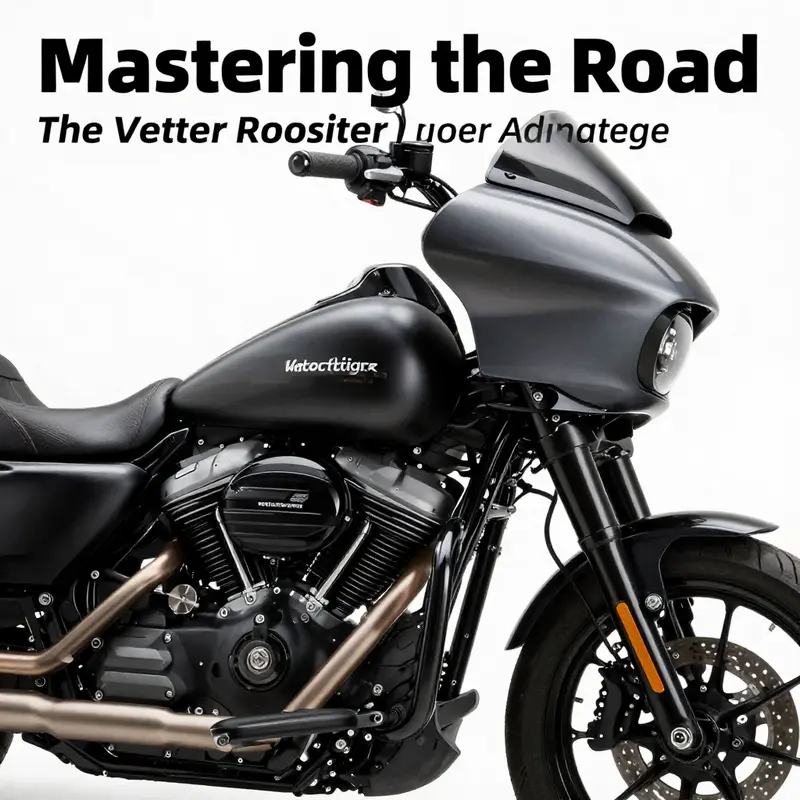
When the world of motorcycles shifted toward more sophisticated wind management, a single fairing emerged that would become a touchstone for form and function on Harley-Davidson Sportsters and Softails. The Vetter Rooster is not merely a component you bolt onto a bike; it is a statement about how aerodynamics can shape riding experience and visual language at the same time. Born in the 1980s from the craft and curiosity of a designer known for pushing fuel efficiency as a societal objective, this fairing married cleaner airflow with an unmistakable silhouette. It came from a period when the motorcycle aftermarket scene rewarded not only speed and sound but the subtler craft of how air behaves around a machine. The Rooster did more than reduce buffeting and improve fuel economy; it offered a new way to interpret a Harley’s stance, turning a legendary American motorcycle into something that felt nimble, almost aerodynamic by instinct, even when the speedometer hovered in ordinary ranges. Its story unfolds at the intersection of engineering ambition and the culture of customization that has always animated Harley-Davidson’s following, and it continues to resonate for riders who want performance without compromising heritage.
The enduring appeal of the Rooster rests on a careful balance of design choices rooted in practical aerodynamics and an eye for visual impact. The forward-tilted profile, a hallmark of the model, works with the rider’s posture and the bike’s chassis to streamline air flow from the nose of the machine toward the rider’s torso. This orientation matters because wind pressure doesn’t simply press against a rider; it can push up, down, and sideways in ways that influence fatigue, steering, and the sensation of control at velocity. By guiding air more efficiently around the fairing, the Rooster reduces turbulent wake behind the forks and the rider, which translates into steadier handling, calmer shoulders, and a steadier grip on the handlebars. The effect is most noticeable as road speeds rise, where the opportunity to feel the wind become a predictable, nearly quiet force rather than a constant, noisy invasion. The emphasis on aerodynamics is not an abstract ideal here; it is a practical improvement that makes long rides more comfortable and short bursts on open roads more confident.
Beyond performance, the Rooster’s design embodies a philosophy about what a Harley should look like when it is wearing aftermarket engineering with restraint. The black custom wrap finish is immediate and assertive, a visual statement that complements the bike’s chrome or satin elements without competing with them. This finish does more than conceal; it reveals through its contrast a focus on negative space and line work that makes the front of the motorcycle look even more sculpted. The way the fairing exposes the front wheel from hub to rim creates a bold, almost cinematic profile. It’s a visual cue that says the bike is fast, even when it is idling at a red light. This stylistic choice threads together a modern, sporty feel with the traditional Harley-Davidson aesthetic, a union that many builders chase when they dream of customizing a Sportster or Softail.
The Rooster’s execution includes a low-profile cutaway that is as much a wind-tunnel decision as it is an aesthetic statement. The cutaway reduces air turbulence in the crucial region around the engine and forks, guiding the air with minimal friction and a tonal simplicity that racers and riders alike recognize. In practice, the rider feels less wind buffeting at mid-range speeds, and the bike appears more planted when the pavement becomes rough or the throttle response becomes eager. It is a reminder that good aerodynamics is not just about reducing drag; it is about shaping the riding experience so that the motorcycle feels more connected to the road and less at war with the wind. The balance between form and function here lasts beyond the scale of a garage project. It speaks to a period when designers understood that beauty in motion often grew from the same root as efficiency: reducing resistance while preserving, even enhancing, the bike’s personality.
When the Rooster is mounted, it presents an installation that is surprisingly thoughtful for a product of its era. It is pre-drilled to accommodate original equipment fender mounting bosses, a practical detail that matters for riders who value straightforward, reliable fitment. There is no need for a labyrinth of spacers or a spectrum of adapters to align the fairing with the frame. This intention toward ease of installation reflects a broader engineering ethos that values not only the end result but the journey of putting the component on a motorcycle with a minimum of fuss. The pre-drilled design makes the process approachable for curious riders who want to explore the blend of old-school Harley essence with new-age aerodynamic thinking. It reduces the barrier to entry for weekend builders and professional custom shops alike, encouraging a broader community to experience the Rooster’s benefits without sacrificing time, precision, or safety.
What makes the Rooster distinctive in the annals of motorcycle engineering is not only what it does but how it connects to a wider narrative about innovation. Its lineage is inseparable from the broader legacy of Craig Vetter, whose work and public demonstrations elevated discussions about fuel efficiency in motorcycling. The Rooster rose from a culture that valued experimentation, measurement, and an openness to rethinking how a vehicle could move through air more elegantly. This is not trivia about a single product; it is a lens on how a particular era demanded and rewarded solutions that could stretch the practical limits of performance while honoring the rider’s experience. The Vetter era was not simply about making bikes go faster; it was about allowing them to travel farther with less expense, a principle that sits comfortably alongside Harley-Davidson’s own narrative of endurance and long-distance storytelling. The Rooster, in this context, becomes a symbol of engineering curiosity and a reminder that efficiency and aesthetics can travel together on two wheels.
For riders and builders who want to situate the Rooster within a broader culture of aftermarket enhancements, it is helpful to consider how this fairing fits into a continuum of options that have shaped riding ergonomics and appearance across different brands. The essence of the Rooster—clean lines, purposeful air management, and a visual grammar that communicates speed—resonates with other fairings in the market that emphasize a blend of protection, silhouette, and stance. Yet the Rooster’s heritage remains uniquely tied to Harley-Davidson’s biking identity. It respects the lineage of the brand’s characteristic proportions while introducing a modern, almost sportbike-inspired clarity to the front end. When one looks at the bike with the Rooster installed, it is impossible to ignore the sense that the machine has been sculpted to speak a language of velocity, even in the slow lane. The fairing does not erase the Harley’s rough-and-ready charm; it refines it, offering a contemporary edge that does not deny the machine’s origins but rather frames them in a brighter, faster light.
The Rooster is also a reminder of how aftermarket design sometimes becomes a bridge between disciplines. It sits at the cusp of industrial design and mechanical engineering. The forward-tilted geometry invites a more scientific appreciation of how air behaves around a motorcycle, while the exterior presentation invites an artist’s eye: the clash and harmony of dark wrap, the precision of line work, and the dramatic presentation of the wheel visible through the fairing’s opening. In this way, the Rooster’s impact extends beyond the top speed or fuel economy numbers. It becomes a tangible expression of a rider’s willingness to reframe a beloved machine through a practical, aesthetic lens. The result is a bike that feels both like a tribute to Harley’s legacy and a confident step into a more contemporary sporting silhouette.
As enthusiasts reflect on the Rooster’s place in the pantheon of aftermarket accessories, they often consider the maintenance and fitment realities that new riders might not immediately anticipate. A well-matched fairing system requires attention to mounting points, windscreen height, and the interplay with the bike’s overall geometry. The Rooster’s design anticipates these concerns by aligning with the OEM fender mounting points and offering a clean, pre-drilled path to installation. This design philosophy reduces the friction that can accompany upgrades, encouraging riders to approach the project with a balanced view of performance gains and visual outcomes. The result is a transformation that feels integrated, not tacked on; the rider perceives an upgrade that respects the bike’s original character while confidently extending its reach into a more aerodynamic future.
In the broader history of motorcycle engineering, the Rooster stands as a reminder that innovation is not always about new materials or faster engines. Sometimes it is about asking the right questions: How can air move more smoothly around a bike? How can a rider experience less fatigue on long rides? How can a silhouette communicate efficiency without sacrificing personality? The Rooster answers these questions with a practical elegance that aligns with both the practical rider and the design aficionado. The fairing’s enduring relevance lies in its ability to translate a complex aerodynamic concept into something tactile and visible—the moment you see the wheel’s edge framed by a silhouette that speaks of forward motion, you understand why people talk about this piece as a turning point in Harley-Davidson customization.
For those tracing the arc of aftermarket wind protection and its influence on the way riders interact with their machines, the Rooster remains a touchstone. It demonstrates that the best aerodynamic add-ons are those that honor a bike’s core identity while amplifying its capabilities in meaningful, rideable ways. The story of the Rooster is not simply about a fairing; it is about a period in motorcycle culture where efficiency, form, and heritage could coalesce into a single, persuasive statement. It is about a bike that becomes more than the sum of its parts when the wind is invited to cooperate rather than confront the rider. And for the many who continue to explore this balance, the Rooster invites a closer look at how design decisions of a single component can influence riding habits, fuel usage, and the way a motorcycle is perceived on the road.
To those who study the evolution of aftermarket design and the ways in which engineering choices ripple through a rider’s experience, the Rooster offers a case study in restraint and impact. It teaches that a well-conceived fairing is not just about reducing drag; it is about shaping the rider’s journey—how they sit, how they breathe, how they see their path ahead. It is a reminder that in the world of motorcycles, the front end matters not only for who sees you coming but for how you feel while you ride. The Rooster’s legacy, sealed in its form and function, continues to inform modern interpretations of what wind can do when it is guided with intention, creating a synergy between the machine and the rider that remains both practical and poetic.
For readers who want to explore related aftermarket options while keeping a sense of coherence with classic Harley aesthetics, a broader catalog of fairings can illuminate the ecosystem that makes a Rooster possible. This ecosystem is not a jumble of incompatible parts; it is a curated network of compatibility, fitment, and shared design language. When the right combination is chosen, the ride feels more purposeful, and the bike more alive. In that sense, the Rooster’s influence lives on in the countless projects that people undertake, where a forward-tilted silhouette and a clean, wind-aware front end become the starting point for a longer, more comfortable journey on two wheels.
External resource: Vetter Rooster vintage ad.
Internal link reference: For a broader sense of how aftermarket fairings frame performance and style, explore the Yamaha fairings collection at Summit Fairings. Yamaha fairings collection.
Skyward Glide: The Performance Composition of the Vetter Rooster Fairing on Harley-Davidson Machines
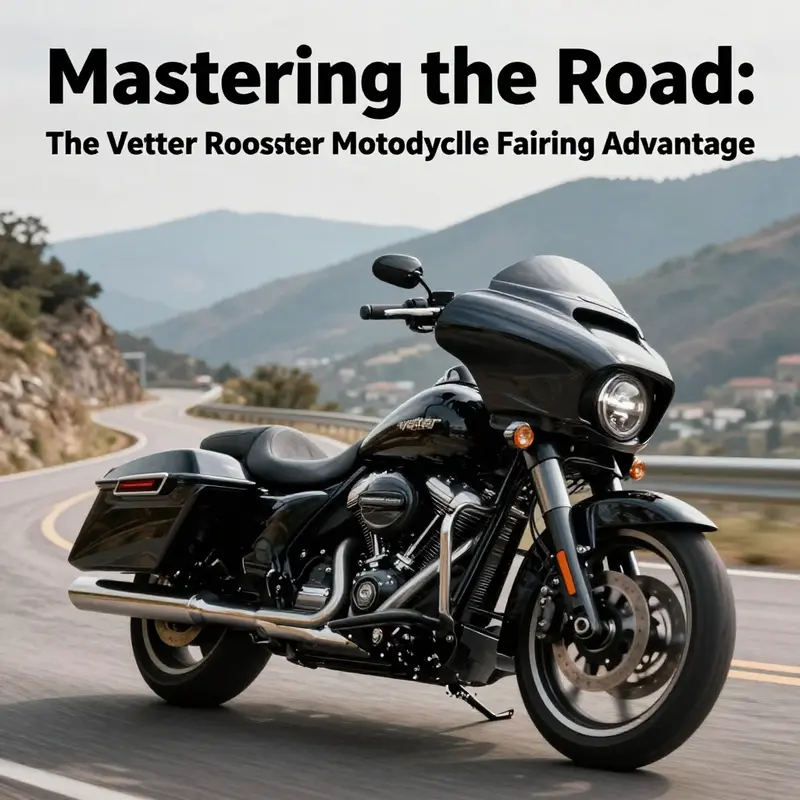
The Vetter Rooster fairing has earned a place in the discourse around Harley-Davidson customization not merely as an eye-catching accessory, but as a carefully engineered component that reshapes how a motorcycle cuts through air, carries its rider over long miles, and presents itself with a disciplined balance of heritage and modern function.
When riders set out on a highway, the wind is more than a backdrop; it becomes an essential variable that determines comfort, control, and the durability of key systems.
In that sense, the Rooster is less a cosmetic upgrade and more a performance module, designed to integrate with the broad chassis language of Harley-Davidson motorcycles while introducing a wind-management logic that has long been the province of full touring gear and sport fairings. The result is a riding experience that leans into the strengths of the V-twin platform while mitigating some of the fatigue and instability that can plague a bare, unframed ride at speed. The journey from concept to concrete handling is a narrative of air flow, weight distribution, and the careful choreography of form and function that defines a truly exemplary aftermarket fairing.
To understand the Rooster’s impact, one must first consider the fundamental role of a fairing in a cruiser-based platform. Harley bikes like the models commonly paired with the Rooster are celebrated for their low-end grunt, ample torque, and timeless silhouette. Those attributes create a riding ethos that prioritizes a relaxed posture and a sense of open-road cruising. Yet, within that same ethos lies a vulnerability: wind pressure acts on the rider’s torso, neck, and head, and it is directed with a force that grows steadily as speed increases. The Rooster framework confronts that reality head-on. Its design channels the wind upward and toward the sides, effectively reducing the direct impact on the rider’s upper body while creating a more predictable air pocket around the cockpit. The resulting amplification of rider comfort translates into longer sustained riding sessions, more stable lane positioning at highway speeds, and a measurable reduction in fatigue that would otherwise creep in after hours of wind exposure. The practical benefit is not merely a softer ride but a more controlled ride, where the rider’s attention remains focused on steering, gear shifting, and the road ahead rather than fighting the wind.
The beauty of this approach lies in its aerodynamic integrity. The Rooster is not a blunt shield slapped onto the front of a motorcycle; it is a streamlined envelope, contoured to capture clean air where it matters and to shed turbulent wake where it does not. The wind is coaxed to follow a path that reduces buffeting at the rider’s helmet and minimizes the free-standing gusts that tend to destabilize the front end at higher speeds. In a deeper sense, this stabilization is about predictability. When the rider experiences less front-end wobble or head shake, confidence follows. The fairing’s geometry—its overall silhouette, the curvature of the windshield, and the transition into the side panels and integrated fender—works with the bike’s mass distribution to maintain constructive lift across a broad speed range. It’s a simple fact of physics that a well-designed fairing reduces the pressure variations on the front wheel and the forks. The Rooster’s shape appears to anticipate those variations and smooth them out, which translates into steadier steering inputs and the sense that the bike is gliding rather than fighting against the air.
Riders who clock long miles will notice another dimension of improvement: reduced fatigue in the neck and shoulders. Wind pressure that is diffuse and gradually redistributed lowers the muscular effort required to keep the head aligned with the horizon. This effect compounds over hours, yielding a more relaxed posture and a greater ability to enjoy ride-time without the usual postural tension. The Rooster achieves this by directing a significant portion of the wind away from the rider’s upper body while maintaining enough shelter to keep the instrument cluster visible and accessible. The weather seal around the fairing also protects the cockpit from an array of environmental challenges—rain, road spray, and dust are less likely to find their way into the rider’s field of view or into vulnerable components on the dash. That protective layer is part of a larger strategy: the Rooster is a full wrap-around solution that defends more than the rider. It shields engine spray from rain, dust, and debris that could accelerate wear on critical components. The fairing’s coverage reduces the likelihood that moisture infiltrates the air intake or the electronic control hardware, contributing to a longer service life for sensitive systems that are exposed in open-cradle configurations.
The mechanical interplay between aerodynamics and handling deserves particular attention. A front-end that remains stable at speed is not simply a matter of maxing wind deflection; it also requires the fairing to harmonize with the bike’s steering geometry, mass distribution, and suspension dynamics. A well-integrated Rooster does not dramatically alter a bike’s weight or steering effort; instead, it modulates the front-end feel by smoothing out gust-driven inputs and by reducing the crosswinds that can cause micro-instabilities. The result is a sense of precision in steering that comes with improved feedback through the front wheel and fork tubes. The rider perceives a steadier line through sweepers, as the air pressure on the fairing helps steady the aerodynamic moment around the steering axis. In practical terms, this translates to easier freeway overtakes, more confident lane changes, and a general sense that the motorcycle remains composed when the weather turns a little fickle. The Rooster’s contribution to vehicle control is as much about quieting the wind’s aggressive tendencies as it is about shaping a confident ride.
From a performance perspective, the Rooster’s influence extends to metalwork and fitment integrity. The fairing’s construction reflects a balance between lightweight strength and robust, ride-ready durability. The windshield is integrated—not added on as a separate panel—which minimizes gaps and reduces wind flapping at speed. The surrounding panels, including a smoothly contoured front fender and the side panels that blend with the Harley frame’s lines, are designed to be compatible with a broad range of Sportster and Softail platforms. That compatibility matters because a well-fitting fairing does not just look right; it performs better. If a fairing is overbearing, it can add unneeded weight, alter the bike’s center of gravity, and introduce mounting points that may vibrate loose under vibration and long miles. The Rooster’s architecture avoids these pitfalls by employing a thoughtful mount strategy and a panel fit that respects the bike’s original geometry while injecting added stiffness that reduces panel flutter and air-driven resonance. The net effect is a more stable ride that also looks integrated rather than tacked on—a crucial distinction for riders who care about both form and function.
The aesthetic dimension, while easily observed, reinforces the performance narrative in a nuanced way. The Rooster preserves the classic Harley-Davidson look with its bold lines and clean silhouette, while adding a modern edge through its integrated wind protection and cohesive side profile. The design reads as both a respectful homage to the brand’s heritage and a practical upgrade that acknowledges contemporary expectations for high-speed stability and rider protection. This synthesis matters to riders who seek a blade-sharp appearance without sacrificing the relaxed ergonomics they expect from a Harley. In this sense, the Rooster satisfies a dual demand: it offers a performance upgrade while enhancing the bike’s visual language, ensuring that the rider does not have to trade personality for physics.
That balance extends to the practicalities of installation and upkeep. A well-made fairing should be installed with attention to the integrity of the bike’s wiring harness, mounting points, and weather seals. The Rooster is designed with these realities in mind. It tends to align with existing mounting points and requires a methodical approach to wiring and fairing-fastener coordination. For riders who prefer to keep the bike close to stock in other areas, the Rooster presents a path to upgrade without forcing a cascade of concurrent modifications. Maintenance considerations are a natural consequence of its wrap-around design. The fairing’s surface areas need periodic cleaning to prevent the accumulation of road grime, which, if left unchecked, can become a source of micro-scratches or glaze that affect both clarity and airflow performance. Yet the reality is that a well-kept fairing tends to maintain its aero characteristics longer. The materials chosen for the Rooster are intended to resist weathering and to withstand the rigors of long daily commutes and weekend cruises alike. The combination of protective plastics and the careful finish work on the outer skins ensures the fairing continues to perform in damp or dusty environments, a common consideration for riders who want to log miles in a wide variety of climates.
For riders who chase even more specialized outcomes, the Rooster can be a platform for further customization. A fairing that already smooths wind loads across the front of the machine can serve as a stable base for additional wind management devices or for aesthetic alterations that still honor the core aerodynamic philosophy. The ability to tailor the wind flow, through either subtle reshaping or by adjusting the windshield height and curvature, can unlock a broader envelope of comfort and control. This flexibility matters because Harley riders are known for composing a personal blend of performance, aesthetics, and practicality. The Rooster’s compatibility with a spectrum of accessory tracks and mounting schemes means it affords the freedom to refine the riding envelope without forcibly reconfiguring the entire bike. Such adaptability has helped the Rooster maintain its appeal across different riding styles—from long cross-country journeys to aggressive highway sprints—by providing a stable, predictable foundation upon which riders can build.
In reflecting on the broader implications of the Rooster’s performance advantages, it is worth circling back to the sense of narrative it embodies within the culture of Harley-Davidson customization. The Rooster does not pretend to replace the rider’s relationship with the bike; it amplifies it. It acknowledges that the wind is a constant, negotiable factor on a motorcycle and offers a thoughtful way to negotiate it. It stands as a reminder that performance upgrades do not always hinge on raw power or exotic materials; they often hinge on the sophistication of the air that surrounds the rider and the bike. The Rooster’s effectiveness, then, rests not merely in its ability to slice through air but in its capacity to create a more secure, more comfortable, more visually coherent riding experience. For riders who prize both the classic Harley silhouette and modern-day rideability, the Rooster offers a compelling convergence point—a way to honor the past while embracing the practical realities of modern roads.
As with any aftermarket enhancement, the Rooster invites a careful evaluation of fitment, budget, and intended use. The decision to install a full-wrap fairing is often a decision to commit to a particular riding style and a long-term upgrade path. It is not simply a bolt-on modification; it is a re-imagining of how the bike interacts with wind, how the rider experiences the road, and how the machine communicates its personality to the world. Those who choose this path frequently report a synergy that feels greater than the sum of its parts: a bike that turns heads with its silhouette, a front end that behaves with a new-found composure at speed, and a wind-driven harmony that makes long days in the saddle feel shorter. It is in this sense that the Rooster becomes more than steel and wind; it becomes an experience—a well-wrought instrument that aligns aerodynamic science with riding pleasure.
For readers who are curious about similar categories of fairings and how different brands tackle wind management, a broader look at the fairing market can be instructive. Explore a broader range of options and approaches with the Honda fairings collection at Summit Fairings, which offers a window into how engineers handle airflow across a variety of bikes and applications. The comparison may illuminate how the Rooster’s distinct approach—integrated shielding and a balanced aero profile—fits within the spectrum of design philosophies across the sport and cruiser segments. You can explore that collection here: https://www.summitfairings.com/collections/honda-fairings.
In sum, the Vetter Rooster stands as a compelling intersection of performance, protection, and style on Harley-Davidson motorcycles. Its aerodynamic considerations translate into tangible rider benefits—greater comfort on long rides, improved front-end stability at speed, and longer component life through better environmental shielding. Its visual language remains faithful to the brand’s enduring aesthetic while injecting a modern edge that communicates competence and precision. For riders who want to keep the classic lines of their Harley while embracing modern wind-management science, the Rooster offers a persuasive, well-constructed path forward. The interplay between form and function—between the bike’s legacy appeal and the Rooster’s aerodynamic discipline—defines a chapter in the ongoing story of how riders re-imagine their machines without losing the essence that first drew them to the open road.
External reference: https://www.vettermotorcycle.com/products/rooster-fairing
Winged Aesthetics on the Open Road: How a Storied Aerodynamic Fairing Redefined Custom Cruiser Culture
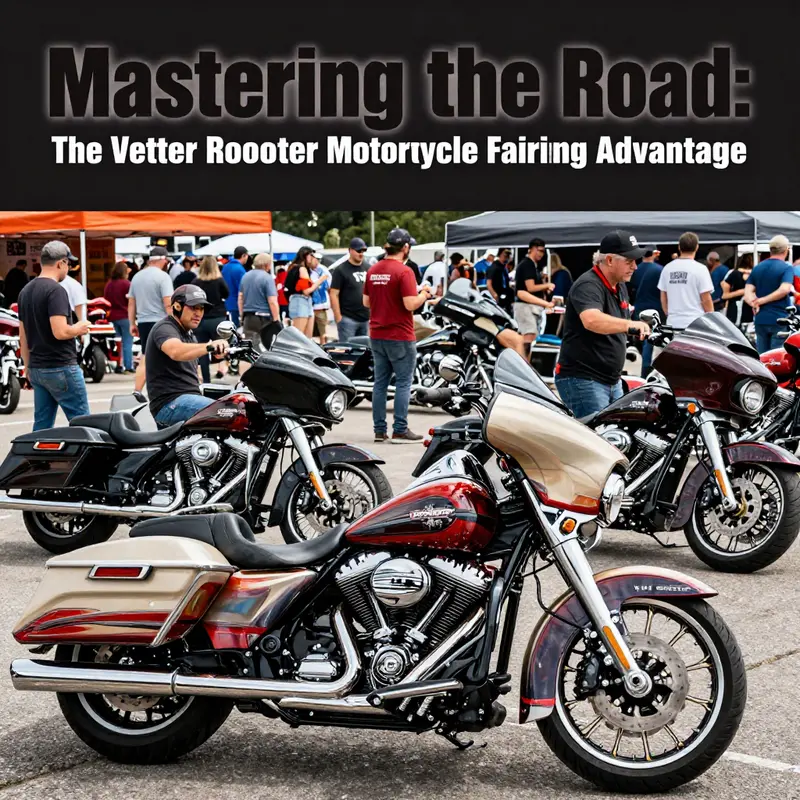
Riding a motorcycle is as much about the ride as it is about the frame that carries you and the wind that meets you at speed. In the crucible of postwar American motorcycling, a particular aerodynamic enclosure emerged not just as an accessory but as a manifesto about how a bike could meet the road. This chapter looks at that iconic design—an early, purpose-built fairing for large American cruisers—and traces how its presence reshaped both the way machines were built and the way riders imagined themselves on the road. It is a story of form meeting function, of engineering becoming a personal statement, and of how a single, purpose-designed shell could ripple through an entire culture of customization. The fairing in question did not simply streamline a bike; it reframed riding as a holistic experience, aligning protection, visibility, and stance with a broader sense of style and identity that many builders and riders had long sought but not yet fully articulated. In its wake, the custom scene learned to value wind as a design element, to treat aerodynamics as a partner to aesthetics, and to understand that rider comfort could be a gateway to longer, more expressive journeys. The result was a shift in how cruisers looked, how they felt, and how builders talked about the relationships between rider, machine, and the landscape they traversed together.
Design and functionality sit at the heart of this transformation. What began as an eye-catching, almost sculptural addition to a bike quickly evolved into a multipurpose tool with a measurable effect on performance. The enclosure was shaped with a pointed nose and a high, curved windshield that cut through the air with a confidence that matched the bikes’ throaty exhaust notes and broad, muscular lines. This geometry did more than cut wind; it redirected it. The rider’s posture—often a relaxed lean into the wind, supported by a thoughtfully contoured seat and a kept-back bar position—became a more natural, less fatigued stance at highway speeds. Buffeting, fatigue, and wind pressure that would tire even seasoned riders over long stretches began to recede. In practical terms, the fairing opened the door to long-distance touring as a viable everyday pursuit rather than a demanding, occasionally punishing endeavor. The integration of a full windshield, alongside a sculpted front fender and harmonized side panels, created a unified silhouette that was as efficient as it was bold. The piece worked with the bike, not against it; it demanded respectful fitment, precise mounting, and careful tuning of the bike’s steering geometry to avoid any unintended chatter at speed. Riders who once felt the road hard and lurid now encountered a sense of shelter, a feeling of being wrapped in a streamlined cocoon that allowed their machines to breathe with the environment rather than crash through it. The mechanics of the fairing—its internal bracing, its weather-sealed joints, its mounting points—also highlighted a broader shift in how enthusiasts imagined upgrades. The goal was no longer only horsepower gains or chrome embellishments; it was an integrated system in which every pound of weight, every airflow line, and every mounting decision contributed to a more controllable, more predictable experience at speed. The fairing, in other words, redefined the bond between rider and machine as a shared choreography with wind as an active partner rather than a passive, adversarial force.
Culturally, the impact of this aerodynamic enclosure extended far beyond its engineering. It became a symbolic badge of craftsmanship and ingenuity, a signal that a rider valued both performance and personality. In the custom scene, bikes that wore such a fairing carried a visual language that communicated serious intent: an investment in the rider’s comfort, a respect for the long haul, and a willingness to push the envelope of what a touring bike could be. The look balanced aggression with refinement, the sharp lines meeting the more generous, almost cruiser-class curves in a way that suggested both speed and endurance. The enclosure’s form suggested stories of cross-country journeys, late-night highway miles, and the idea that a bike could be as much a travel companion as a showpiece. The aesthetic became a form of storytelling; the bike didn’t just look fast, it felt ready for whatever the road threw its way. This new narrative resonated across magazines, shop windows, and shop floors, where builders and riders debated fitment philosophy, wind tunnel-inspired ideas, and the right proportions for a modern feel without abandoning the brand’s heritage and the rider’s sense of identity. The fairing’s presence on a Harley-powered chassis—without naming names here, yet rooted in a lineage of American engineering—became a visible cue: a commitment to craftsmanship, to performance, and to the idea that personal expression could be fused with technical excellence in a package that was unmistakably American in spirit.
The design language of the enclosure also fostered a broader cultural shift in how riders approached customization. Rather than treating upgrades as a series of isolated parts—a new seat here, a louder pipe there—builders began to conceive a bike as a cohesive instrument, where wind, optics, and ergonomics were integral to the overall character. The aerodynamic shell invited a more holistic thinking about aerodynamics as a design discipline that could be adapted to street performance and touring comfort alike. Riders learned to evaluate wind as a factor in ride quality, not merely as a backdrop to the engine’s bark. The new mindset embraced a calmer sense of control at speed, a steadier line through gusts, and the psychological comfort of knowing the bike’s silhouette was deliberately shaped to meet the road. As a result, the storytelling around a custom build shifted. Instead of trading off performance for looks or vice versa, the conversation grew to include how bodywork could enhance the experience of riding—from the rider’s posture and visibility to the machine’s stability and even its mental rhythm. The fairing’s influence extended into the pages of iconic automotive literature and into the visual language of catalogs, photo spreads, and film featuring cruisers on long, sunlit highways. That cultural gravity helped craft a new standard for what good, responsible, and expressive customization could look like: a standard where aesthetics, comfort, and performance were not competing priorities but complementary threads in a single tapestry.
Modern influence flows from that early design into today’s craft. Contemporary builders often reference the classic silhouette when reimagining fairings for today’s power-to-weight realities and the expectations of a modern rider. Yet the reinterpretations keep faith with the original’s core DNA: a balance between bold, aerodynamic form and the rider’s human scale. The modern iterations acknowledge advances in materials, sealing, and mounting hardware, but they retain the same essential philosophy—wind management should feel like a natural extension of the bike’s personality, not an afterthought. In practice, this means a new generation of shells may employ lighter composites, more sophisticated edge radii, and refined wind profiles that tuck closer to the rider’s silhouette while still offering generous visibility through a broad, clear windshield. The visual identity endures as well. The shape’s distinctive cues—its forward thrust, its rising curve above the instrument cluster, the way the side panels sweep toward the rear wheel—continue to inform both the aesthetics and the ergonomics of modern custom builds. Builders who admire that lineage often chase a sense of continuity, stitching a modern powertrain to a historical silhouette, producing bikes that feel both timeless and current. The result is a thriving dialogue between eras, where the old lesson—wind as a design partner—meets new manufacturing capabilities and rider expectations, producing machines that feel threaded through time yet pointed decisively to the road ahead.
But the fairing’s influence is not limited to the bike’s lines or the rider’s comfort. It reshaped the culture surrounding customization by elevating the fairing from a add-on to a statement about the rider’s values. The era’s builders who embraced it did so with an eye toward artistry and a willingness to invest in a more complete, integrated solution. The components that made up the fairing—its curvature, its joints, its mounting philosophy—became parts of a larger grammar of how to create something that was not simply shown off but used with skill. In this sense, the fairing helped transition the community from a focus on engine tweaks and chrome-only display toward a more holistic approach to the build. Riders began to seek out skilled metalworkers, fabricators, and upholsterers who could treat the bike as a single project with a common aesthetic. This created a thriving ecosystem of artisans and shops that specialized in complete, coordinated builds rather than piecemeal customization. The social fabric of the custom scene—club events, ride-outs, and magazine features—began to harmonize around the idea that a bike’s exterior was a visible sign of a rider’s discipline, taste, and story. The fairing’s presence on a rider’s machine communicated more than speed potential; it signaled a readiness to invest in an extended, shared journey and a belief that riding is as much about comfort and confidence as it is about performance data.
The legacy of the enclosure is also reflected in how vintage and restoration communities treat it today. The original designs, with their distinctive detailing and carefully tuned fit, became treasured examples of era-specific engineering artistry. In the years since, enthusiasts and restorers have sought accurate reproductions and carefully sourced used parts, aiming to preserve the look, feel, and ride characteristics that defined the era. This preservation work does more than keep a historical artifact in usable condition; it helps maintain a living link to the early conversations about rider experience, wind, and the aesthetics of travel on motorcycles. Those who study and care for these pieces often see them as teachers—illustrating the principle that a well-designed fairing can alter the relationship between rider and road in ways that outlast fashions and even the technology of the moment. The continued interest in restoration and reproduction demonstrates that the fairing’s lessons endure: wind is not merely a nuisance to be tamed but a design parameter that, when addressed with care, can lead to more elegant, more capable machines.
All of this points to a broader truth—the fairing’s impact extends beyond the bike’s physical shape or the rider’s comfort. It helped foster a shared sense of purpose in the custom community: to craft machines that are not merely powerful or beautiful but coherent, rideable, and expressive. The narrative the enclosure helped construct is one in which technical know-how, artistic sensibility, and practical riding needs are in dialogue. Builders learned that a motorcycle’s exterior could be a map of the rider’s priorities—the chase for longer trips, the search for a smoother ride, the longing for a signature look that feels both aggressive and refined. For riders, the prospect of a bike that handles wind with poise and delivers a gratifying sense of control can turn a routine journey into a personal voyage, a chance to connect with the road and the landscape in a more intimate way. The popularity of such a design is thus not simply about a surface-level preference for a sleek look; it’s about a philosophy of riding that asks riders to consider how every line, curve, and joint contributes to the overall experience. In the decades since the enclosure first appeared, the cultural conversation it catalyzed has persisted, inviting new generations of builders and riders to imagine what a motorcycle can be when wind, form, and rider are integrated into one expressive system. It is this enduring synthesis—the marriage of aerodynamics, artistry, and adventure—that keeps the story alive, guiding both the practical choices and the aspirational dreams of the custom cruiser community.
For readers who want to place this discussion within a broader historical framework, a deeper dive into the maker’s story and its place in motorcycle history provides valuable context. The legacy is not merely about an iconic piece of hardware but about a period when the sport’s culture began to articulate a more nuanced relationship with technology, travel, and self-expression. In that sense, the enclosure stands as a touchstone: a reminder that good design solves real riding problems, that aesthetics can be a form of care for the rider’s body and mind, and that the culture surrounding the bike can be a living, evolving conversation rather than a static display of parts. It also serves as a cautionary note for contemporary builders: that to honor the past while embracing the new, one must listen to the road, respect the rider’s physiology, and design with an eye toward the long, unhurried journeys that first made cruising the American dream. The story of this aerodynamic enclosure, then, continues to resonate not merely as a chapter in design history but as a continuing invitation to craft experiences that are as meaningful as the machines that carry them.
External resource: For a fuller historical narrative of the maker and its influence on motorcycle design, see the historical overview from the maker’s official history page: https://www.vettermotorcycle.com/history/.
Final thoughts
In examining the Vetter Rooster Motorcycle Fairing, we see more than just an accessory; it is a catalyst for exhilarating rides and personalized expressions of style among Harley-Davidson enthusiasts. Its innovative design offers significant performance enhancements, making it an essential upgrade for riders seeking the perfect blend of aesthetics and functionality. As the custom motorcycle culture continues to thrive, the Vetter Rooster stands as a testament to how quality design can transform not just a bike, but the very experience of riding itself.