
Vintage motorcycle fairings have become a captivating niche for motorcycle enthusiasts and collectors alike. With a wealth of options available on the market, business owners can tap into this vibrant community and cater to discerning customers seeking both style and authenticity. This article will delve into current market trends shaping the vintage fairing landscape, showcase iconic fairings and their price points, and explore online marketplaces’ role in facilitating these sales. Additionally, we will analyze the balance between functionality and aesthetics that influences buyer decisions. Ultimately, we will address the growing collectibility and demand for these unique components, helping businesses align their offerings with market desires.
Riding the Echoes: A Cohesive View of the Market for Vintage Motorcycle Fairings
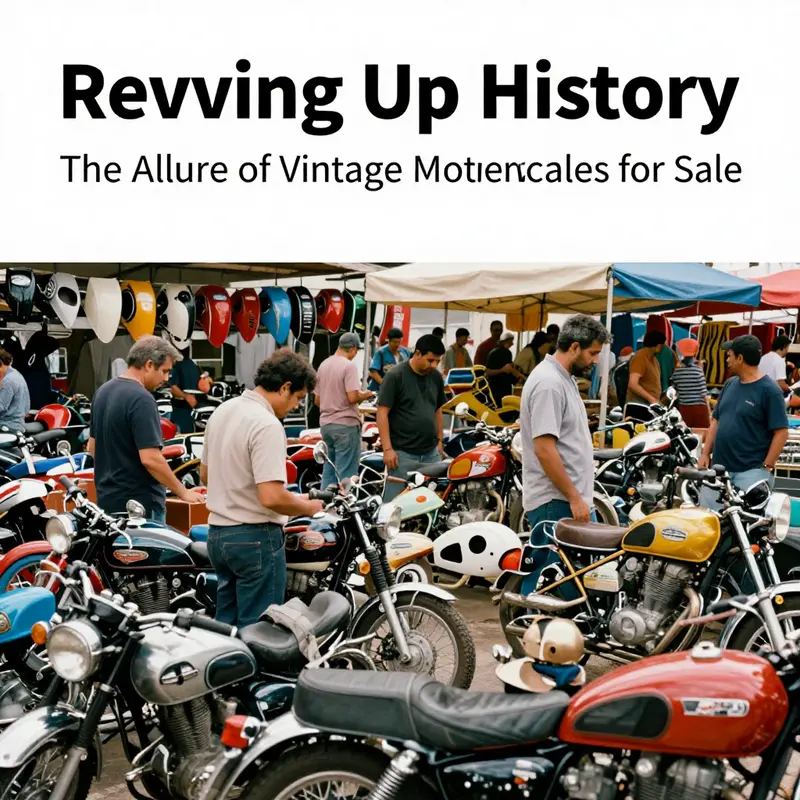
The market for vintage motorcycle fairings is not merely a catalog of parts; it is a living archive where design language, engineering craft, and personal ambition converge on the open road. Enthusiasts are drawn to fairings not only for wind protection and aerodynamics but for the way a single shell can rewrite the silhouette of a bike and, with it, the rider’s relationship to speed, smell, and memory. The current demand threads together a spectrum of builders—from those restoring a long-forgotten original to creators who want a retro profile that signals more than a model year. The appeal is equally practical and aesthetic: a fairing can smooth air in a way that reduces fatigue on long rides, yet the same piece can serve as a canvas for a story told in curves, finishes, and decals. In this sense, vintage fairings are both equipment and sculpture, a dual purpose that sustains a market resilient to fashion and momentary trends. When a listing cites a fiberglass shell that nods toward mid-century cafe racer aesthetics or a rugged, utilitarian form reminiscent of postwar endurance designs, buyers understand they are buying more than a part. They are acquiring a fragment of riding culture, a link to a lineage of riders who valued function as a stage for personal expression. This layered value is what keeps the market dynamic even as limited-edition reproductions surface and older models become scarce. The spectrum of listings reflects this breadth: from well-preserved originals to carefully crafted reproductions, from fairings with years of road dust to pieces recently refurbished with modern adhesives and compatible hardware, and from generic fits to model-specific shells that promise a straightforward swap for enthusiasts who insist on authenticity. The price landscape mirrors this diversity. A vintage fiberglass shell with a classic silhouette—one that captures a particular era’s mood and craftsmanship—can command around 500 dollars, a figure that testifies to both desirability and the costs involved in preserving a piece of history. At the same time, well used, traditional fairings from established families of makers may be found around 216.81 dollars, illustrating that affordability and collectibility often travel together in the aftermarket. Buyers weigh these price points against their project goals, whether that means restoring a bike to its original condition, fashioning a cafe racer with a streamlined stance, or building a Mad Max–inspired machine whose silhouette speaks to a broader cultural fantasia. The market’s resonance with mid-century design remains a driving force. The 1930s through the 1950s produced forms that are now celebrated for their proportion, curvature, and the craftsmanship embedded in their construction. These designs were the result of a distinct engineering ethos, one that balanced lightweight materials, wind deflection, and visual rhythm. Restorers prize these pieces for their authenticity, even when some parts require meticulous restoration or reengineering to fit a contemporary frame. Reproduction models have polarized reception for collectors and builders alike; some argue that an exact replica preserves the look, while others contend that a faithful vintage look can be achieved through skillful interpretation with modern materials that respect the original’s lines without pretending to be museum pieces. What endures, though, is the recognition that a properly chosen fairing is more than a style statement. It acts as a functional tool that can improve rider comfort, reduce turbulence around the helmet, and provide a sense of enclosure that changes the bike’s handling feel at speed. It shapes how the bike enters a corner and how the rider perceives air pressure on the chest and arms—a subtle, almost tactile equation between rider and machine. The shopping landscape for vintage fairings has grown more accessible with the rise of online marketplaces and specialty suppliers. The convenience of viewing multiple listings side by side, reading condition notes, and comparing fitment data has empowered buyers to make informed decisions without sacrificing the thrill of discovery. Yet this ease comes with the need for due diligence: verifying the material (fiberglass remains the most common in this segment, prized for its balance of light weight and workability), checking for cracks or repairs, confirming the presence of mounting hardware, and understanding whether the fairing aligns with a specific model’s frame geometry. A buyer should also consider compatibility in terms of windscreen shapes, mounting points, and the bike’s overall balance once the fairing is installed. In this regard, the market benefits from educational resources and practitioner communities that share restoration tips, fitting advice, and historical context. For riders who want to explore period-appropriate options for a Yamaha-based build, the Yamaha fairings page on Summit Fairings provides a curated direction within a wider ecosystem of vintage and reproduction shells. This resource can help a visitor gauge what is feasible for a particular model year and how different shapes influence both aesthetics and aerodynamics. When contemplating a purchase, the buyer should also consider the condition of the hardware: brackets, screws, and seals that maintain the fairing’s integrity and protect the skin from weathering and vibration stresses. A well-preserved shell often carries not only historical charm but also practical value, since fresh hardware and careful refinishing can extend its life on the road. Yet even as condition drives price, provenance matters—particularly for collectors who prize originality and manufacturing cues that reveal a fairing’s era, maker, and intended motorcycle family. Documentation, when available, enhances confidence in a listing, especially in a market where a fairing’s appeal depends on telling an honest story about its journey before joining a current project. The cultural significance of vintage fairings extends beyond individual machines. They serve as tangible links to a community of riders who value the interplay between form and function, a community that recognizes that a fairing is a compact engineering module that carries the rider’s experience forward in time. For new and seasoned collectors alike, the fairing market offers a way to participate in a broader conversation about heritage, design, and the evolving relationship between riders and machines. It invites careful reading of listings, precise evaluation of fitment data, and, above all, an appreciation for the way a well chosen shell can transform a bike’s posture, sound, and sense of purpose on the road. The ongoing interest in mid-century aesthetics suggests that these pieces will continue to move through markets as both objects of nostalgia and practical components in restorations and builds. In a future chapter, we will look at how these values translate into restoration strategies, accounting, and long-term maintenance, to help readers move from curiosity to confident acquisition. For now, the current market stands as a testament to how a single shell can connect past and present, rider and machine, design language and daily riding. External resource: for a broad catalog of Mad Max, Cafe Racer, and Harley style influences in vintage fairings, see Classic Motorcycle Fairings – Retro & Vintage Looks at https://www.classicmotorcyclefairings.com/.
Batwings, Heritage, and Price: The Real-World Guide to Iconic Vintage Fairings for Sale
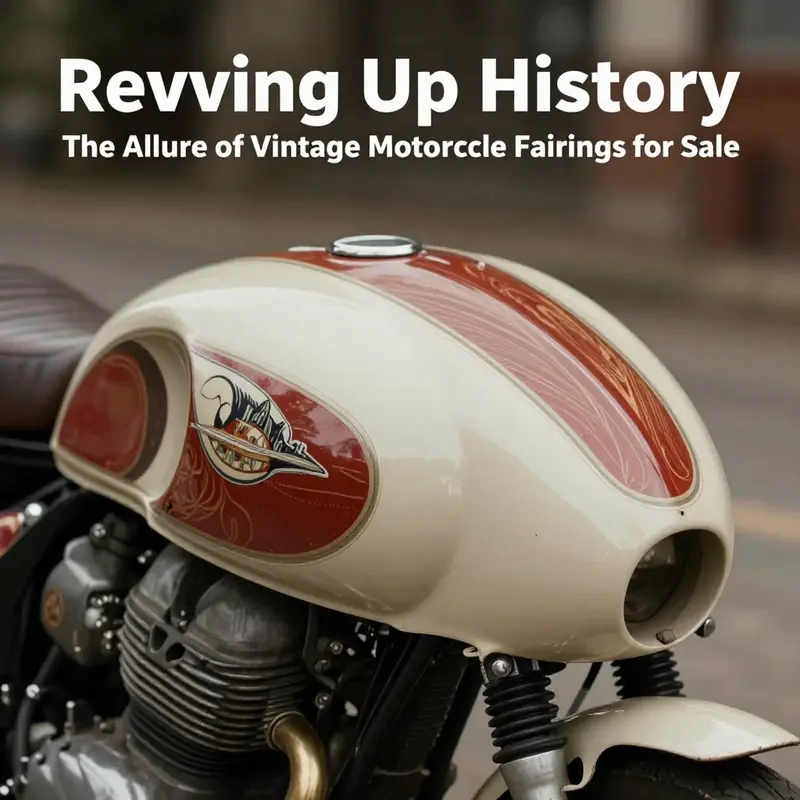
The appeal of vintage motorcycle fairings goes beyond looks. They carry a story etched in fiberglass, resin, or composite, a narrative of aerodynamics meeting artisanal craft on two wheels. When a fairing from the late 20th century is offered for sale, it invites a rider or collector to reconnect with a period when speed and style were defined by bold lines and practical engineering. The fairing becomes both sculpture and shield, shaping the silhouette of a bike while offering wind protection and a more composed ride at speed. It is this dual nature that sustains interest among restorers and enthusiasts who want a machine that not only looks the part but handles in a way that is faithful to its era. The fairing, in short, is a keystone of both aesthetics and performance in vintage motorcycle culture.
One of the most recognizable design cues in vintage fairings is the broad sweeping batwing silhouette. It evokes the era of big air cooled engines and sport oriented riders who embraced wind protection as a practical comfort for longer rides and faster laps. The batwing form creates a continuous cradle around the rider, smoothing the flow of air around the body and reducing buffeting when the pace climbs. It also lends a certain theater to the bike’s profile, turning the machine into a statement on the road. These shapes have endured because they deliver a level of visual drama that resonates with riders who want their machines to look like they mean business while hinting at a nostalgic lineage. In markets where restoration is a serious hobby, this silhouette is a litmus test for authenticity and style.
Material choices reflect a balance between durability and faithful reproduction. Many vintage fairings harken back to fiberglass or high impact ABS as the primary materials, with some original factory pieces constructed from lighter metals or advanced composites of their time. Fiberglass, with its forgiving moldability and rugged surface, often carries the most authentic feel, especially when the finish has endured decades with only minor restoration. ABS offers modern advantages in impact resistance and consistency, which is why reproduction kits frequently use it to capture the vintage look without the fragility of older techniques. Some collectors prize authentic factory original components because their precise fit and historic accuracy are nearly unparalleled, while others prefer carefully produced reproductions that capture the same lines and proportions with modern manufacturing methods. The difference is seldom only about price; it is about fit, finish, and the story that the part tells when mounted on the machine.
Alongside the hardware and mold lines, contemporary sellers frequently improve vintage fairings with thoughtful upgrades. Integrated LED lighting can be added to restore a sense of modern usability without compromising the retro aesthetic. Reinforced mounting points address the realities of longer rides or the demands of today s handlebars and mirrors, ensuring that the fairing remains secure under a range of riding conditions. The inclusion of upgraded hardware does not erase the historical context; it bridges the gap between past and present, offering a fairing that looks period correct while performing with a reliability that today s rider expects. Such enhancements are particularly appealing to riders who want to maintain classic looks while enjoying a safer, more comfortable ride on longer trips or spirited back road jaunts.
Pricing in this market reflects not only the material and craft but the broader value placed on era specific designs and the rarity of certain configurations. Entry level options in fiberglass or budget ABS reproductions sit in the low hundreds, typically between 100 and 300. These pieces provide a starting point for hobbyists who wish to frame a restoration around a specific aesthetic or to complete a model that previously wore a different shell. Mid tier fairings often sourced from reputable aftermarket producers or used OEM parts in fair condition tend to range from 300 to 700. These pieces strike a balance between price and quality, offering accurate lines and dependable fit without the premium associated with pristine original sets. For collectors and restorers aiming for accuracy and provenance, premium rare or original factory fairings especially those that cover a full model year range or complete a multi part set can exceed 1000 and sometimes reach into the several thousand dollar territory when complete with original hardware and documentation.
The purchasing landscape reflects a broad and active interest in vintage fairings. Online marketplaces and specialty shops offer a spectrum of options, from generic batwing silhouettes that fit a range of late 20th century models to model specific reproductions that promise a precise fit. While such marketplaces increase accessibility, they also demand due diligence. Fitment details, material quality, and seller reputation are essential checks before investing. If a listing promises an exact model fit, verify the claimed compatibility with the bike’s year and submodel, and confirm whether the kit includes necessary mounting hardware and alignment guides. If the design is a reproduction, assess whether the finish and tolerances align with the rest of the bike’s geometry, and consider whether adapters or new rubbers might be needed to secure the fairing cleanly and safely. The best purchases feel like a natural continuation of the bike’s original lines, a collaboration between past design intent and present day craftsmanship.
For those who want to see how these elements come together in a real world catalog, a visit to the Yamaha fairings page offers a tangible starting point for understanding how the silhouette translates across models and eras. The broad scope of options available paired with careful notes on fitment and hardware can help a buyer form a clear plan for restoration or customization, ensuring the bike looks and feels right in both form and function. In the end, a vintage fairing is more than a shell; it is a bridge between design intention and the open road, inviting riders to experience the thrill of a bike that wears history as confidently as it wears paint.
Aisles Beyond the Showroom: Exploring Online Marketplaces for Vintage Motorcycle Fairings
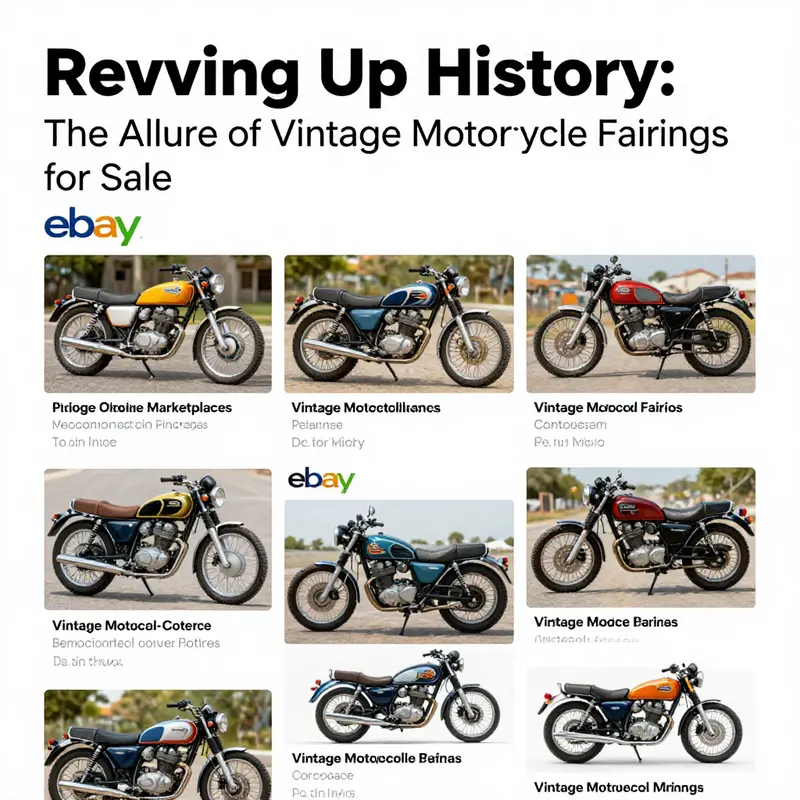
The search for vintage motorcycle fairings has shifted from showroom shelves to the vast, interconnected aisles of online marketplaces. In this landscape, a collector’s eye for authentic lines and a restorer’s need for functional shells converge in a way that only digital catalogs can. Online platforms bring together a spectrum of options—full fairings, partial shells, rear sections, and reproduction pieces—in a way that local shops rarely can, while simultaneously introducing new dilemmas about fit, condition, and provenance. The appeal rests not just in the aesthetics of a bygone era, but in the practical possibility of returning a bike to a specific look or improving its aerodynamics without sacrificing the character that defines a vintage machine. The result is a marketplace that operates as both archive and workshop, where history is rediscovered and rebuilt in real time, piece by piece.
Within this expansive online field, a major marketplace framework stands out for its breadth and its emphasis on compatibility assurances. Listings fall into clear categories that help a buyer navigate the balance between originality and practicality. You will encounter full fairings that embrace the entire silhouette of a classic machine, along with half fairings that suit mid- to small-displacement bikes and provide wind protection with a lighter footprint. There are rear fairings and side panels that complete a look or replace missing elements, all offered by a mix of individual sellers, small shops, and artisans who specialize in reproduction parts. The range is complemented by a spectrum of material qualities, where fiberglass and composite shells sit beside more weathered originals. The variety matters because the decision is as much about how a fairing feels and fits as it is about how it looks in a photo: a well-preserved shell can inject new life into a bike that otherwise reads as a museum piece, while a faithful reproduction can offer a practical route to bring a vintage styling language into everyday riding.
In this context, the pricing landscape is surprisingly informed by both nostalgia and function. A fiberglass fairing with a Mad Max‑inspired or café‑racer vibe might command a mid-range price that reflects its unique styling and potential for a dramatic restoration, perhaps around five hundred dollars in today’s market. Conversely, a used shell from a well-regarded maker, though not brand-new, can sit in the lower to mid two-hundreds range, offering a balance between cost and a proven fit for common mounting configurations. These figures illustrate a broader principle: online marketplaces reward sellers who provide honest condition descriptions, transparent measurements, and clear photos of mounting points, tabs, and inner surfaces. A buyer can triangulate price against condition by comparing images of the shell’s inner gussets, any repaired cracks, and the presence of hardware.
The challenge, of course, lies in assessing fitment from afar. Unlike new OEM pathways, vintage fairings sold online carry the risk of subtle deviations in bend radii, mounting holes, or shoulder lines that can affect how a shell aligns with a frame and engine. This is where the marketplace ecosystem often rises to meet the challenge with seller narratives that emphasize compatibility through year ranges, model families, and common bolt patterns. Some listings offer measured drawings or precise templates, while others lean on the buyer’s diligence, encouraging questions about the fairing’s fit with particular sub-models or generations. For many buyers, the decision hinges on confirming that a shell will align with the tank, the头 nose, and the headset without forcing or trimming. In this space, the presence of a fit guarantee or a seller who offers a reasonable return policy can transform a cautious impulse into a confident purchase.
The way a listing communicates the condition of the shell is as important as the listing’s promises of compatibility. Images that reveal hidden corners, mounting tabs, and the underside of the shell help buyers gauge whether there are necessary repairs, missing brackets, or hidden cracks that could compromise strength or roadworthiness. The descriptions that accompany photos—notes about hairline cracks, repairs, repaint history, or the presence of original hardware—add layers of context a buyer can’t glean from a single angle. In many cases, reproduction shells replicate classic shapes with commendable accuracy, but they may require finishing work, paint matching, or careful alignment in the early stages of installation. The best listings acknowledge these realities, offering guidance on expected finish quality, prep work, and the kinds of tools needed to retrofit a shell onto a vintage chassis.
For collectors and restorers alike, the online aisle is especially valuable because it democratizes access to pieces that once required museum-level sourcing. A global audience means that rare or era-specific panels can surface from markets far from a bike’s original home, expanding the chances of finding a shell that honors provenance while still fitting a practical restoration timetable. However, with distance comes the responsibility to investigate seller credibility. Marketplaces increasingly feature seller ratings, buyer reviews, and shipping protections that help mitigate risk. A buyer should look for listings that clearly state the era, material, and build quality, and that provide a transparent accounting of shipping costs and timelines. Packaging quality also matters; a well-packaged fairing travels better and arrives with less risk of dents or broken tabs, especially when the ride is a longer journey across states or oceans.
Beyond the sheer breadth, the online environment invites a conversation about compatibility and customization. Some buyers seek period-correct aesthetics and will prioritize shells that match exact original curves, emblems, and mounting points. Others, drawn to the visual language of the era, might welcome reproduction pieces that capture the silhouette and lines but offer a more adaptable fit or a broader range of color options. In this sense, the online market becomes a laboratory where form and function are tested against the practical realities of installation. The dialogue between seller and buyer—often conducted through post questions, measurements, and negotiation on price—adds a layer of active curation to a process that, in a showroom, might feel more passive.
For those who want a curated entry point into this vast landscape, a targeted collection can help. A dedicated catalog of fairings designed for sportbike families offers a navigable path through the noise, allowing a rider to compare related shapes, heights, and mounting patterns without wandering into unrelated models. To explore such a focused range, you can follow this internal route: yamaha-fairings. This link provides a practical lens into a subset of the market where compatibility history and restoration potential intersect, and it serves as a reminder that the online market is not merely a marketplace but a resource with curated, model-oriented options.
The online ecosystem is also complemented by the discipline of verification that extends beyond the listing itself. In exchange for the amount of information a seller provides, buyers exercise due diligence through cross-referencing measurements, verifying paint and finish cues, and reading the return policies with care. The best listings are explicit about what is included—whether the shell comes with mounting hardware, whether it requires a repaint, or if it’s a straight bolt-on retrofit. This transparency makes it easier to estimate the total project cost, including paint, finishing, and alignment work, which is often the deciding factor between a restoration that feels authentic and one that ends up with mismatched lines or an awkward silhouette.
Online marketplaces also underscore a broader cultural value: the preservation of design language that once defined a generation of riding. While the mechanical heart of a vintage bike may evolve, the aerodynamic cues and sculptural lines of its fairing carry a recognizable lineage. The marketplace, in tandem with restoration workshops and community knowledge, helps keep those lines legible for new riders who crave authenticity as well as for seasoned restorers who want to maintain a bike’s historic integrity. This collaborative ecosystem—the buyers, the sellers, the small shops, and the repair specialists—ensures that vintage fairings continue to travel through time, adapting to new contexts while preserving the essence of their era.
As you move from scrolling through photos to planning a purchase, remember that there is value in balance: high-fidelity originals carry appeal and potential investment, while carefully chosen reproductions offer practicality and a more predictable path to completion. The online marketplace is not a final destination but a staging ground where intent and capability meet material possibility. With due diligence, clear communication, and an eye for the long view, a vintage fairing sourced online can become the keystone of a restoration that honors history while embracing the tactility of modern riding.
External resource: for a comprehensive listing of vintage fairings on a major global marketplace, see https://www.ebay.com/b/Vintage-Motorcycle-Fairings/186737/bn_1742945.
Form, Function, and the Road: Navigating Aesthetics and Practicality in Vintage Motorcycle Fairings for Sale
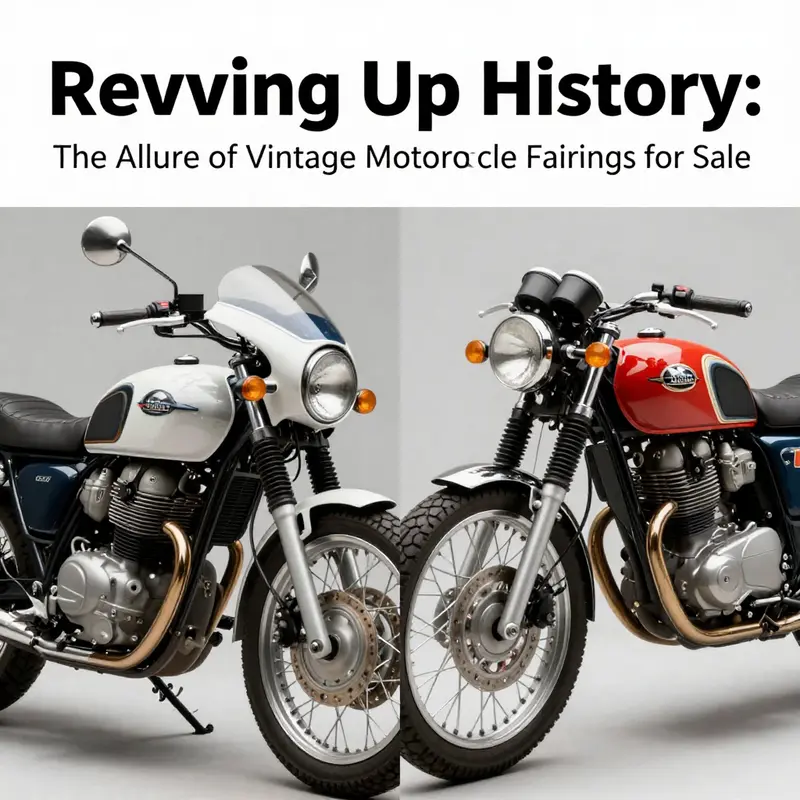
Form, function, and the road converge wherever a vintage motorcycle fairing sits on a project bike. Buyers of vintage fairings stand at a crossroads where memory and engineering meet, where the desire for a look from a bygone era must contend with the realities of wind, speed, and safety. A fairing is not merely a shell; it is a statement piece that reshapes a machine’s silhouette and, in many cases, tells a story about the rider who chooses it.
In listings across the market, the materials and construction reveal both the era and the skill of the maker. Fiberglass is a common choice for vintage fairings because it offers light weight and workable rigidity. It can be repaired and reshaped by a hands-on restorer, which appeals to builders who relish the craft of renewal. Yet fiberglass also carries vulnerabilities: it can crack under impact, and without proper UV protection, the surface color or finish may fade with time. The result is a balance between nostalgia and practicality. Fitting a fiberglass shell to a frame often requires careful alignment and sometimes modifications to mounting points. Old frame geometries rarely align perfectly with a modern windscreen or bumper weight distribution, so brackets, shims, or even custom brackets become a routine part of the project. The thrill of the look must be weighed against the reality that the bike and the fairing may demand careful tolerances and patient tuning rather than a plug-and-play swap.
The aesthetic pull of vintage fairings is not merely about color or contour. It is about era-defining silhouettes that transform a motorcycle into a moving scrapbook. A Cafe Racer line emphasizes a long, sleek profile that fuses rider posture with wind management, while a rugged Harley-Davidson style edge may evoke a different narrative of endurance and road-earned grit. A post-apocalyptic Mad Max-inspired form can cue a tale of rugged performance and purposeful speed. These shapes are more than fashion; they convey a rider’s stance, a commitment to a particular riding culture, and a certain stance toward the road itself. When a fairing perfectly harmonizes with a bike’s frame and the rider’s intention, it reads as a unified story—one that blends history with the rider’s current energy on every stripe of steel.
While the allure is strong, many enthusiasts recognize the functional limits of vintage fairings when held against contemporary safety and performance standards. Modern windshields and fairings designed with today’s safety regulations often deliver superior debris shielding and tested aerodynamics. The vintage shell, by contrast, may carry gaps in protection, or airflow patterns that require careful tuning to avoid buffeting at highway speeds. The materials themselves also reflect a period approach to durability. ABS and polycarbonate plastics, common in newer designs, provide greater impact resistance and UV stability in the long run, whereas classic fiberglass may require more proactive maintenance and refinishing to retain its look and integrity. For the uninitiated, this means that a fairing can be a gorgeous centerpiece, but it often asks for ongoing care and a willingness to adapt riding expectations to match historical engineering.
Despite these considerations, the market continues to attract buyers who seek authenticity, heritage, and a kind of handmade charm. The economics of vintage fairings mirror the broader culture around classic bikes: a mix of nostalgia, collectible value, and practical road readiness. A vintage fiberglass fairing might appear in listings around the $500 mark, signaling a balance between affordability and the potential restoration work required. A used example from a recognized legacy brand—valued for its craftsmanship and fitment history—might sit in the mid-two-hundreds. Online marketplaces broaden the landscape with half fairings designed to fit specific models, such as Yamaha, by presenting a wide range of options that promise compatibility across a spectrum of bikes. The experience for buyers, then, blends appraisal of condition, authenticity of lines, and the feasibility of integration with the current project.
For riders drawn to specific model families or fitments, the availability on marketplaces is as instructive as the look itself. An informed buyer learns to read the listing for signs of true compatibility, checking mounting points, internal bracing, and the condition of inner surfaces that may interact with the bike’s bodywork. The decision often hinges on whether the piece can be integrated without cascading compromises—extra fabrication time, additional brackets, or paintwork—versus a smoother, plug-and-play restoration. In this sense, vintage fairings become a testbed for a builder’s planning, measurement discipline, and problem-solving approach. They are not only parts; they are invitations to design a narrative around a bike that respects its past while embracing the rider’s present vision.
The cultural pull of these components also rests on the idea of storytelling through fabrication. A well-chosen fairing does more than cover a headlight and a frame; it visually announces a rider’s connection to a particular history of riding—the clever, minimalist lines of a Cafe Racer, the rugged, wind-sculpted stance of a street-stretched classic, or the stark, utilitarian look of a world-built design that feels almost cinematic. In this way, the fairing becomes a wearable biography for the motorcycle, a piece that riders can live with as it ages with the bike. This is why many collectors value original lines, panel fit, and the patina that comes with years of exposure to sun, rain, and road grime. Preservation is a form of respect; restoration, when done well, can be an act of enhancement that keeps the bike legible to future generations.
For riders who want the best of both worlds—the nostalgic look and the dependability of modern material engineering—reproduction vintage-style fairings offer a compelling path. Contemporary manufacturers often reproduce classic shapes using durable materials like ABS or reinforced fiberglass while maintaining the lines that define the original era. The result is a fairing that captures the aesthetic essence without abandoning the practical concerns of today’s riders. A hybrid approach like this can be particularly appealing for builds that aim to participate in long-distance riding or track days where weather exposure and debris protection matter, yet the rider still craves a historically resonant appearance.
In navigating this landscape, a balanced approach helps. Start with a clear concept of the bike’s intended use and the story you want the bike to tell. Consider how much maintenance you’re willing to commit to keeping a vintage shell looking pristine, and how much you value ease of fitment and reliability. Inspecting any candidate piece with eyes open to potential repair needs—cracks in stress zones, evidence of prior repair work, or resin delamination—will save time and frustration later. Paint and finish deserve attention as well, since color fading can alter the fairing’s lines and the bike’s overall presence. The right choice aligns the bike’s silhouette with the rider’s persona, while remaining practical enough to meet the demands of the road or display space.
For readers exploring specific fitments and model lines, the Yamaha fairings collection can be a useful reference point when looking for widely compatible options or common mounting patterns. Yamaha fairings collection offers a sense of how manufacturers resolve compatibility across generations without sacrificing the retro look that owners seek. This kind of resource helps frame expectations about what is feasible and how much customization a given piece will require. It also highlights the breadth of configurations that exist, from slim, cafe-inspired profiles to fuller, more protective shapes that still pay homage to original lines.
As the market for vintage fairings grows, so too does the language around what makes a fairing valuable. The attributes include the design’s fidelity to a recognizable era, the condition of the surface and interior, the ease of installation, and the potential for a faithful color and decal restoration. A fairing’s value is not simply in its age; it is in its ability to harmonize with a bike’s character and the owner’s vision for the build. When this harmony exists, the fairing becomes more than a component; it becomes a catalyst for a rider’s ongoing relationship with the machine.
For those seeking further context on authentic vintage aesthetics, a broader exploration can be found in Classic Motorcycle Fairings, which curates retro and vintage looks that echo the era’s design philosophy. See the resource for deeper ideas about shapes, finishes, and the ways in which historical lines continue to inspire contemporary restorations: https://www.classicmotorcyclefairings.com
Wind, Heritage, and Value: The Collectibility Drive Behind Vintage Motorcycle Fairings on Sale
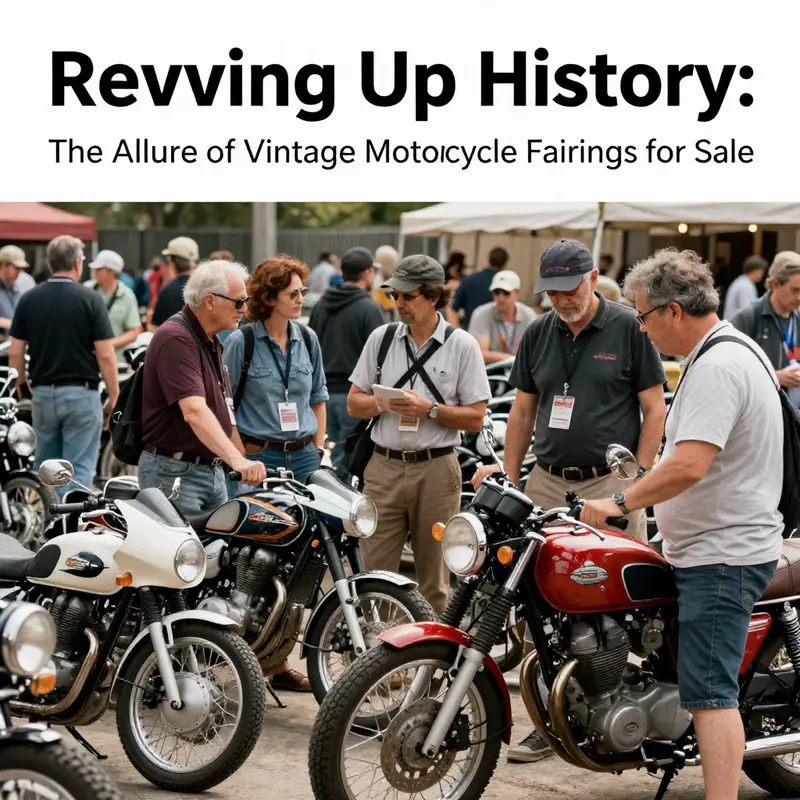
Across the storied lanes of motorcycling, the fairing is more than a shell that slices through wind. It is a visible archive of engineering ambitions, iconic silhouettes, and the personalities who rode them. When collectors and enthusiasts hunt vintage motorcycle fairings, they are not simply chasing a piece of plastic or fiberglass; they are seeking a fragment of a chapter in design history. The market for these pieces sits at the intersection of nostalgia and informed taste, where price signals are not just about condition but about provenance, rarity, and the story a fairing carries. In recent listings, for example, a vintage fiberglass fairing that nods to Mad Max grit and cafe racer clean lines has appeared for about five hundred dollars. It is not a bargain by every measure, but it speaks to a particular appetite: unpolished, ruggedly stylish pieces that evoke a era of improvisation and speed. Contrast that with a used fairing from a renowned maker such as a brand noted for precision craftsmanship, which may fetch a few hundred dollars more, illustrating how originality and brand heritage can affect value even in the mid-market space. The market also shows how accessible these pieces can be. A half fairing tailored for a Yamaha machine, widely available through online platforms like eBay, demonstrates the breadth of options that buyers have—ranging from functional restoration parts to display-ready artifacts. A buyer can find a fairing that fits a specific model and era without hunting through obscure catalogs, which broadens the audience and injects liquidity into the market. This accessibility is a deliberate factor in why the field remains active; it lowers the barrier to acquiring a piece that preserves a bike’s original character or complements a restoration project seeking visual authenticity as much as mechanical integrity. When these dynamics converge, the scene becomes less about replacing a worn shell and more about curating a memory bank that is tangible, inspectable, and transportable across setups and show spaces.\n\nThe collectibility equation for vintage fairings relies on a handful of core factors, and their relative weights can shift with time and taste. Originality is often the strongest driver. Fairings that retain their original shape, panels, and fittings—where the paint and decals are faithful to the factory-era look—are especially prized. Rarity compounds that value. Limited-edition pieces or factory-race-proven fairings from notable models carry a premium because they tie a single component to a larger historical narrative about performance, engineering, and competition. The Ducati 916’s era, the Honda RC211V lineage, or the Kawasaki Ninja ZX-14R’s storied iterations all illustrate how certain shapes and color stories become benchmarks in price and desirability. While those examples straddle a wide range of decades, the principle remains: scarcity plus design significance often translates into stronger market appeal.\n\nCondition is an inescapable reality of valuation. A mint, unrestored shell may command top dollar, but a well-preserved unit with expected wear can also be highly valued if the wear is authentic to its period and story. Conversely, a fairing with cracks, splits, or heavy restoration can still hold interest if it tells a credible restoration tale and retains enough original elements to remain faithful to the bike’s early character. The provenance—the documented history of a piece, including any association with a notable rider or a famous race program—can elevate a fairing from being a nice period piece to a coveted artifact. In an auction context, such provenance often accompanies a halo effect that can lift the perceived value well beyond functional worth. Unique features, like special paint schemes, rare logos, or limited-run graphic treatments, can offer that extra spark that collectors seek when differentiating between a solid but ordinary shell and something that feels like a relic with personality.\n\nMarket dynamics for vintage fairings have evolved in tandem with the broader shift in motorcycle collecting. Online marketplaces and auction platforms have broadened the audience beyond local shop crawls and regional swaps. Moving into the 21st century, listings for well-known brands and models drift into hundreds or thousands of dollars as collectors recognize the embedded value of finding original or faithfully reproduced pieces. Auction houses, including prominent firms that specialize in motor vehicles, have highlighted well-preserved or historically significant fairings in their catalogs, sometimes achieving several-thousand-dollar results when tied to a complete, restored machine or part of a historically important build. Digital platforms also facilitate transparency. Buyers can compare prices across regions, review condition notes, and assess the market’s pulse with relative ease. This transparency, in turn, makes the fairing market more dynamic and accessible to new participants who might be evaluating a first serious restoration project or a display-only piece for a curated garage. As nostalgia for classic design remains a potent driver, the trajectory for original vintage fairings seems sturdier than ever, with potential appreciation tied to the broader interest in preserving motorcycling heritage.\n\nFrom a practical standpoint, collectors and restorers approach valuation with a measured eye toward authenticity and documentation. A faded but verifiable history—perhaps a chain of ownership that can be traced back to a factory test bike, a race entry, or a studio bench where the piece was shaped and painted—can add a narrative layer that elevates a fairing’s appeal. In this sense, the market is as much about storytelling as it is about physical condition. Digital catalogs and online databases play a supporting role by enabling cross-checks for production years, paint schemes, and compatibility with specific models. The need for expert appraisal becomes especially relevant when a fairing sits at a price threshold where provenance, condition, and originality intersect with potential restoration challenges. In the long term, as more collectors become stewards of these pieces, the value proposition expands from mere replacement parts to curated artifacts that capture a particular moment in motorcycling culture.\n\nFor readers who are actively cataloging or acquiring vintage fairings, a pragmatic path emerges. Start with clear goals: are you seeking a fairing that complements a restoration project, or a piece intended for display that captures the spirit of a model and era? Then assess originality and condition in light of the bike’s history. If you pursue items with strong provenance or factory-era significance, expect higher price points, but also equip yourself with documentation, or access to an appraiser who can validate authenticity. It helps to consider how a fairing will integrate with the rest of the bike as a cohesive statement of the machine’s history. In many cases, a well-chosen fairing can anchor a restoration, giving the whole build a sense of period-correct balance and aesthetic integrity that turns a project into a story people want to engage with for years.\n\nFor enthusiasts seeking model-specific options, notable catalogs and collections offer curated avenues to explore a broad range of candidate pieces. In particular, the Yamaha fairings market demonstrates how widely accessible these parts can be, especially when looking for period-correct half fairings that fit specific generations of machines. If you want to explore options tailored to Yamaha models, you can browse the broader Yamaha fairings collection for a sense of what’s historically faithful and what remains compatible with a range of vintage builds. This approach helps buyers avoid mismatches and accelerates the process of finding a piece that genuinely enhances the bike’s presentation and performance. Yamaha fairings collection.\n\nAs this chapter threads through the collecting psyche and market reality, it becomes clear that vintage motorcycle fairings are not merely parts; they are cultural artifacts that carry the friction of road use and the polish of design. The market’s health—evidenced by auction interest, online listings, and the expansion of niche collections—suggests that these fairings will continue to attract attention from both serial restorers and connoisseurs who value authenticity, curiosity, and the tactile thrill of a well-preserved shell riding again on the highway or the showroom floor.\n\nExternal resource: for a broader look at high-value motorcycle artifacts and their auction trajectories, see RM Sotheby’s Motorcycle Auctions 2024 archive at https://www.rmsotobys.com/auctions/motorcycles/2024-london/
Final thoughts
The vintage motorcycle fairing market represents much more than mere aesthetics; it encompasses a rich tapestry of history, culture, and community engagement. Business owners looking to venture into this collectible niche should remain aware of the key trends, featured products, and the delicate balance between functionality and style. As collector interest continues to grow, the potential for sales and customer engagement is poised for expansion. By aligning inventory with market demands and understanding customer motivations, businesses can capitalize on this unique segment while fostering a loyal customer base.