
Motorcycle fairings serve as essential accessories that not only amplify the aesthetic appeal of bikes but also enhance their performance. Among the myriad of options available, Woody’s Motorcycle Fairings stand out, particularly for Harley-Davidson enthusiasts. These aftermarket solutions provide a custom look that can reflect the rider’s personality while boosting aerodynamics. The following chapters delve deeply into the custom aesthetic appeal of Woody’s fairings, explore their WindVest accessories and benefits, and provide guidance on where and how to purchase these products effectively. Understanding these elements will empower business owners to offer customers high-quality solutions tailored to their specific needs.
The Artful Shape: How Aftermarket Fairings Redefine Presence and Performance on Modern Cruisers
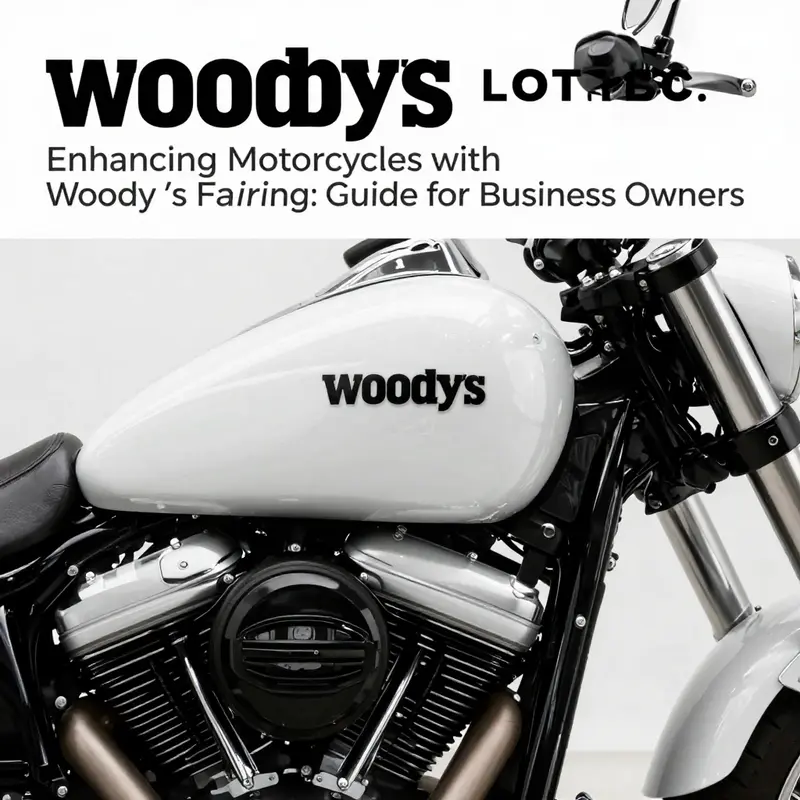
A motorcycle may be a machine, but its most immediate impression is visual. The shape of its fairing, the way light plays along a smooth contour, and the quiet precision of a seamless seam all communicate something about the rider before they twist the throttle. In the world of aftermarket fairings, the impact is not just cosmetic. It is a deliberate statement about personality, intention, and a willingness to alter the bike’s relationship with the road. The notion of a fairing, when chosen with care, becomes a bridge between form and function. It tames wind in a way that preserves pride and comfort, while also delivering a silhouette that reads clearly in a crowd of metal and rubber. The aesthetic payoff is immediate, but the deeper value lies in how a well-made fairing complements the bike’s lines, balances its mass, and carries the rider’s presence through long hours on the highway and in the glow of sunset at a show. This is where the craft behind a single piece of bodywork reveals itself: not as an ornament, but as a sculpted extension of the motorcycle itself.
What distinguishes a high-quality aftermarket fairing is not merely the finish, but the way it integrates with the bike’s chassis. The best designs mirror the bike’s original geometry, tracing its curves with intent rather than overpowering them. The resulting effect is a look that feels inevitable, as if the bike had always possessed this angle and line. Seamless fit is more than a promise; it is a test of engineering dozens of hours in the workshop. The contours must align with the mounting points, the windscreen must sit at the right angle, and every fastener must disappear into the bodywork with a painter’s discipline. When the fit is right, the rider’s eye travels along the fairing with ease, catching the interplay of light across the surface and recognizing the craftsmanship in the precision of every edge. The absence of gaps, the uniformity of a gloss, and the evenness of color all contribute to the perception of quality. In this way, a well-executed fairing becomes part of the bike’s memory—the moment when a rider recalls a turn, a gust, or a horizon and feels the bike respond with fluidity rather than resistance.
The visual language of these fairings often hinges on a contrast between classic, retro influences and contemporary, bold expressions. A rider may choose a design that nods to traditional motorcycle aesthetics—soft, continuous lines, tasteful chrome accents, and restrained graphics that whisper rather than shout. Or they may opt for a modern, aggressive statement—sharper angles, sculpted air channels, and graphics that deliver a sense of speed even at rest. Across both options, the essence remains the same: the fairing frames the rider in a way that communicates intention. The choice of paint and graphics matters as much as the shape itself. A clean, high-gloss white can revel in reflections, turning the bike into a moving sculpture under a bright sky. A darker palette can emphasize muscular contours and create a silhouette that reads as stealthy power. In either direction, the finish must be flawless, with a depth that suggests the surface could glide into the air at highway speeds and remain pristine after miles of exposure to sun, rain, and road texture.
Customization is the heartbeat of this aesthetic discipline. The most compelling options move beyond factory presets, offering riders a chance to claim ownership over their machine. Classic or retro looks can be pursued through carefully chosen profiles, vintage-inspired badges, and restrained color schemes that echo historical motorcycles without appearing dated. For riders seeking a bolder identity, modern lines and high-contrast graphics can transform the bike into something that reads as a personal manifesto on two wheels. The process typically begins with a conversation between rider and painter, where the intent is clarified—whether the goal is to harmonize with other chrome and leather accents, or to set the fairing apart as the bike’s dominant voice. Once the direction is chosen, the finish becomes a choreography: the base color is applied with the same care as the topcoat, the graphics are laid down with precision, and the final clear is cured to a glassy, mirror-like surface. The result is a machine that looks tuned not just for a moment, but for a lifetime of exhibitions, rides, and late-night cruising.
The customization extends beyond color. A fairing’s personality emerges in the details—the shape of the wind-cutting surfaces, the proportion of the screen, and the subtle integration of lighting or badge elements. These decisions affect not only appearance but comfort and aerodynamics. A well-considered profile can reduce buffeting at highway speed, channel air to improve rider comfort, and create a more stable feeling in crosswinds. The engineering behind such features is often a quiet conversation between form and function: the designer chooses curves that shear wind away from the rider while preserving the bike’s balance, and the fabricator ensures that the chosen materials can hold those forms under stress. The result is a cohesive system where the fairing does not dominate the bike’s silhouette; it enhances it, guiding the eye along a flow that feels natural as the bike accelerates or carves through a sweeping corner.
This conversation between form and function is not an isolated manufacturing tale. It resonates with a broader culture of customization where riders view their machines as canvases and their days on the road as opportunities for expression. The community feedback around these fairings often highlights a few recurring themes. First, the strongest endorsements come from riders who paint and install their fairings with care, coordinating the color and finish to echo the bike’s other elements. When the paint and gloss hold up across the miles, the fairing earns a reputation for durability as well as beauty. Second, the visual impact is most powerful when the finish respects the bike’s original lines. A design that clashes with the machine’s geometry can look out of place in a crowd, even if the color is technically impressive. Third, there is a tangible sense of pride in ownership that accompanies a well-executed installation. A fairing that fits perfectly, feels solid during the first ride, and ages gracefully with the bike becomes not just an accessory but a partner in the journey. These voices—enthusiastic, observant, and pragmatic—shape the ongoing evolution of design in a way that keeps the market honest and the work meaningful.
For riders who want to explore options without committing to a full custom build, there is a growing recognition that the right fairing can be a mid-life companion rather than a radical shift. It offers a way to refresh the machine’s personality without sacrificing existing character. A rider can choose a design that echoes the bike’s original era, then introduce modern touches through detail work, such as a streamlined screen, modern attachment hardware, or a fresh palette that still respects the bike’s silhouette. The beauty of this approach lies in its restraint. It invites discovery rather than disruption, allowing the bike’s fundamental identity to speak while the fairing plays a supporting, amplifying role. The rider’s story becomes the frame for the machine, and the fairing becomes the lens through which that story is told with clarity and conviction.
The practical truth behind a strong aesthetic is that it must endure. A fairing is not a one-time cosmetic; it is a long-term modification that interacts with riding conditions, weather, and maintenance routines. The best designs anticipate this reality. They use materials that resist UV degradation, provide stable color under sun exposure, and maintain their fit after years of vibration and dynamic load. They embrace mounting systems that remain secure after countless hours on the road and offer a degree of adjustability to accommodate the rider’s height, posture, and windscreen preference. They also consider repairability: when chips or minor dings occur, the finish should be restorable without a visible seam. In other words, the best fairings are not only visually compelling; they are practical investments that hold their value because they deliver ongoing comfort and satisfaction. As riders feel the wind settle and the road reveal its character, they discover that a thoughtful fairing makes the entire riding experience more capacious—more balanced, more confident, and more distinctly theirs.
To situate this discussion in a broader sense of how riders experience a customized machine, consider the installation moment. A fairing that fits like a glove requires more than skilled hands; it demands a shared understanding of the bike’s geometry and a painter’s patience to achieve an even, flawless surface. The installation often begins with careful alignment of mounting points, followed by checks for gaps, run-out, and alignment with the windscreen and side panels. A professional install is not merely about attaching pieces; it is about calibrating a system so that every part works in concert. When this is accomplished, the rider steps back to take in the result: a machine that reads as coherent, purposeful, and ready for the long road ahead. The rider’s stance shifts subtly as the fairing finds its own place on the chassis, and the machine seems to gain a new voice, one that can carry the rider through city streets, long stretches of highway, and the quiet moments when a rider is alone with the evening air.
For readers drawn to the practical side of this transformation, the conversation naturally returns to options and pathways. The catalog of aftermarket fairings presents a spectrum of shapes, finishes, and installations, inviting riders to imagine what a particular silhouette can do for their machine. The decision often rests on how closely the design aligns with the bike’s existing language and how well the color story integrates with other accessories and components. A rider may choose a design that preserves classic charm, then lean into modern materials and finishes to push the bike into a more contemporary aura. The most successful combinations feel inevitable in hindsight—the kind of look that makes a rider say, of course, this is how the bike should wear its clothes. And when the paint, the lines, and the gloss all speak in one voice, a bike becomes more than a vehicle. It becomes a narrative, a rolling statement that travels through canyons, along coastlines, and across parking lots where other riders pause to glimpse a reflection of themselves in the chrome and color.
This chapter connects with a larger ecosystem of parts and accessories that shape a bike’s character. Windshield geometry, mounting hardware, and the placement of graphics all interact with the fairing’s form. Each touch point is a chance to refine the ride’s balance, alter the rider’s posture, and reduce fatigue over hours on the road. It is a reminder that aesthetic decisions are rarely isolated; they are part of a coordinated effort to optimize the experience of riding. The result is a motorcycle that feels not only engineered for performance but curated for presence. In the end, the rider’s choice of fairing is a personal investment in how they want to be seen on the road and how they want to feel while they ride. The significance lies in the subtle tension between standing out and blending in, between drawing the eye and inviting a closer look at the craft that made the look possible.
If you would like to explore a broader catalog of compatible fairings, you can visit a dedicated collection that curates options across different models and eras. This resource is intended to help riders discover designs that harmonize with their bike’s lines while offering opportunities for personalization through color and graphics. The catalog serves as a practical bridge between imagination and execution, showing how a single piece of bodywork can harmonize with existing chrome, leather, and metallic accents to create a cohesive and memorable machine. This approach emphasizes not just how a fairing changes a bike’s appearance, but how it changes the rider’s relationship with the road. The experience becomes a collaboration between the bike, the rider, and the person who crafts the finish, with the final result a machine that looks inevitable in its new identity, yet remains precisely aligned with the rider’s story.
For readers who want to widen their view beyond a single build, the opportunity to compare approaches across different styles and brands can be enlightening. Aesthetic versatility is not about chasing every trend but about understanding how different design philosophies translate into real-world riding. The classic motifs offer a sense of permanence, while the modern interpretations provide a sense of velocity, even when the bike is stationary. Both approaches reward patience and discernment, because the most compelling looks arise from a combination of good bones, careful detailing, and a shared sense of how the bike and rider will age together on the road. The narrative of these fairings is ongoing; it evolves as new materials, finishes, and mounting solutions appear, and as riders bring their own stories to the workshop. The best craftsmen listen to that evolving conversation, translating it into forms that feel timeless, even as they reflect the rider’s current taste and aspirations.
External resource: https://www.ebay.com/sch/i.html?nkw=Woodys+Fairings+Bodywork&sacat=14765&rt=nc
Raising the Gaze: Taller Windscreens and the Subtle Art of Comfort in Fairing-Integrated Riding
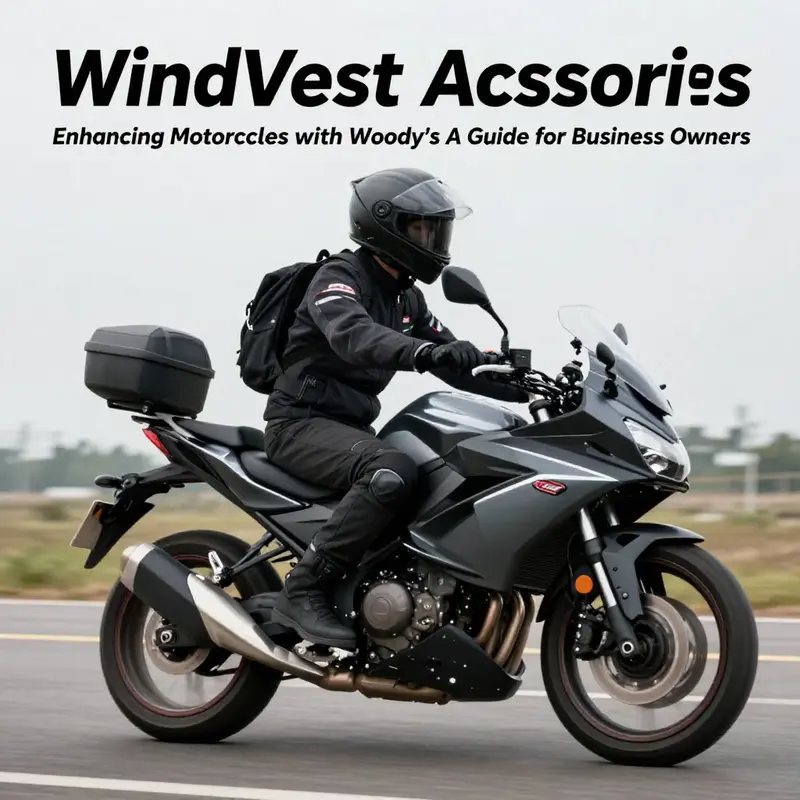
When a rider slides into the saddle of a touring bike, the first sensation that often determines the day’s comfort is not the engine’s rumble but the way air enters and exits the cockpit. In the realm of aftermarket fairings, windshields designed to redirect airflow do more than keep rain off your face. They shape the entire riding experience, from fatigue levels on a long stretch of highway to the quiet moments when you pause at a roadside overlook and listen to the bike breathe in the wind. In the context of a fairing system built around a Harley-style touring machine, the windscreen becomes a bridge between form and function. It is the calm between the rider and the road, a feature that must work with the fairing rather than against it. To understand the significance of these components, imagine a glass wall that not only stops the wind but also choreographs its movement, directing gusts up and over the rider’s helmet and shoulders. That is the essence of the windscreen design philosophy applied to a fairing system: reduce windblast, deflect debris, and soften the ride without sacrificing the bike’s aesthetic and aerodynamic intent.
In this framework, a windscreen built for fairings is not an add-on; it is an integral part of the bike’s aerodynamic profile. The screens used in these systems are crafted from high-performance, impact-resistant acrylic that carries safety certifications. The material choice is deliberate. It must withstand the rigors of highway speeds, resist scratching, and maintain clarity under a variety of lighting conditions. A durable acrylic panel helps ensure long-term visibility, reducing the need for frequent replacements and allowing a rider to maintain focus on the road ahead. The design is equally deliberate. A defining feature is the screen height: many of these windshields are engineered to sit 3 to 4 inches taller than a rider might expect from a casual measurement. That extra height is not decorative. It is the functional difference that makes wind travel upward and away from the rider’s face, creating a canopy-like effect that lowers direct wind pressure on the chest and head. The science behind this is straightforward: by increasing the vertical profile, the air is redirected outward and upward, converting a potentially turbulent slice of wind into a smoother, more laminar flow that rides above the rider’s line of sight. It is a subtle adjustment, yet it has a measurable impact on comfort, concentration, and even the ability to preserve energy for longer rides.
This aerodynamics-first approach yields tangible benefits. First, there is protection from the elements. A windscreen that directs air upward helps shield the rider from wind, dust, rain spray, and small debris that would otherwise strike the chest and face at cruising speed. Second, comfort and focus improve as the body experiences less buffeting and fatigue accumulates more slowly. When air is not pounding directly into the torso, shoulders, and neck, a rider can hold a steadier posture, reduce muscle tension, and maintain form for longer periods without discomfort. Third, there is a notable improvement in cabin acoustics. Wind noise is a frequent fatigue multiplier on long journeys, and a smoother flow around the rider reduces the level of turbulent sound that radiates into the helmet. The more tranquil the cockpit, the easier it is for the rider to maintain mental alertness and enjoy a more composed riding cadence. These gains matter as much to a weekend trip as they do to a multi-day odyssey on a machine that pairs classic aesthetics with modern comfort.
Compatibility and integration sit at the heart of any fairing-windshield pairing. The screens in these systems are designed to work with a specific fairing architecture, often on touring-class motorcycles. They need to align with mounting points, bracketry, and the cross-bar arrangements that provide both stability and adjustability. A well-engineered windscreen integrates with the fairing’s silhouette, preserving its lines while enhancing its effectiveness. This is where design philosophy meets practical installation. The height and curvature of the screen must harmonize with the fairing’s shape to minimize unwanted gaps or turbulence around the edges. The mounting system typically includes a cross-bar bracket and multiple mounting holes to allow a rider or installer to dial in the windscreen’s position. The goal is not just to secure the screen but to enable precise tuning—so that the air stream can be steered exactly where it is needed. The cross-bar mechanism often serves as a pivotal adjustment point, enabling small changes in rake or tilt to accommodate different helmet shapes, riding posture, and wind conditions. The result is a modular, user-friendly setup that can be tailored to a rider’s needs without sacrificing the bike’s visual coherence.
In practice, the windscreen and fairing pairing offers several practical advantages for riders who spend long hours in the saddle. The reduction in windblast translates directly into less fatigue, especially on the highway where continuous exposure can accumulate. When fatigue is reduced, riders report sharper focus, which helps with reaction times and overall riding safety. The shielding from windborne bugs and road debris is not merely a nuisance relief; it is a protection strategy that preserves the rider’s line of sight and comfort. Weather exposure becomes a matter of severity rather than immediacy; the rider can maintain a more stable posture and keep hands and arms relaxed, avoiding the tensed shoulders that typically accompany gusty crosswinds. In addition, the quieter cockpit reduces auditory fatigue, which matters for the rider who is mapping turns, reading the road, and listening for the subtle cues of the bike’s handling. It is not an exaggeration to say that a well-designed windscreen can alter the entire rhythm of a ride, turning what could be a strenuous exertion into a smooth, sustained conversation with the road.
The practical dimension of compatibility extends beyond Harley-Davidson touring incarnations into a broader ecosystem of fairings and accessories. While the core concept centers on the taller acrylic windscreen and its airflow management, the system’s portability and upgrade path are important. For riders who want to refresh an aging screen, there are replacement options that maintain the same design language—the same height bias and curvature that define the system’s aerodynamic character—without requiring a full fairing overhaul. Replacement screens are typically offered in several sizes and configurations to accommodate different years and model specifics, ensuring that a rider can preserve the intended airflow dynamics while updating the material or clarity. Price points for these replacements are structured to provide a cost-effective path to re-optimize comfort as conditions or preferences evolve, making it feasible for riders to refresh their cockpit without a major investment. The essence of this approach is that the fairing-windscreen pairing remains a living, adjustable system, capable of evolving with the rider’s needs and the bike’s aging profile.
From a rider’s perspective, the value of integrating taller screens with a fairing system lies in the cultivation of a personal riding environment. The windscreen becomes part of the cockpit’s personality, framing the rider’s view and governing the microclimate of air that surrounds the upper torso and helmet. Connections are never just about fit; they are about how air interacts with fabric, leather, and protective gear. The rider’s posture—slightly upright, shoulders relaxed, head aligned with the horizon—works in concert with the screen to maximize the beneficial effects of airflow control. The fairing’s silhouette remains visually coherent, preserving the lines that attracted the rider in the first place, while the windscreen contributes a practical advantage: a calmer ride that is easier to control and more enjoyable over distance. It is this synergy—the marriage of aesthetics and function—that makes the windscreen in a fairing system more than a practical accessory. It becomes a defining element of the riding experience, a quiet ally on the road, and a reminder that small design choices, when thoughtfully executed, can redefine what a long day in the saddle feels like.
For riders browsing the broader landscape of fairing options, the choice of a compatible windscreen can be informed by examining the number of compatible platforms and the types of bikes that commonly use these fairing configurations. While the touring-focused design language tends to be universal in its intent, the actual fit can vary by model year or by minor differences in mounting hardware. That is why the mounting system matters as much as the screen’s height. A well-designed cross-bar bracket with multiple mounting-hole options enables precise alignment with a bike’s fixture points, ensuring that the screen’s wind-deflecting goal is achieved without introducing gaps or wobble. Installers often emphasize the importance of a careful alignment procedure, leveraging the brackets to fine-tune the screen’s tilt and height so that the airflow is directed along the rider’s line of sight, above the helmet, and away from the torso. When done carefully, the result is a cockpit that feels engineered to support hours of riding, rather than a collection of separate components slapped together for appearance.
In the broader ecosystem of aftermarket fairings, enthusiasts frequently explore a spectrum of options beyond Harley-Davidson-style touring configurations. While the core principle of a taller screen that redirects airflow upward remains consistent, the adaptation to other bike families—such as those built around sport-tour or cruiser platforms—entails a small set of design refinements. The strength of a well-conceived windscreen lies in its ability to respect the bike’s overall geometry while providing a tangible improvement in rider comfort. This means that the screen’s curvature, height, and edge treatment must be chosen with care to avoid introducing new sources of wind shear or noise. The result is a balanced system in which every component plays a role in shaping a smoother, more controllable ride. For many riders, that balance is not merely an upgrade; it is a practical philosophy for extended journeys, where the goal is to maintain controlled air exposure and preserve energy for the road ahead.
When considering the economics of such an upgrade, the conversation naturally turns to maintenance and replacement. The acrylic windscreen, being impact-resistant and DOT-approved, is designed for durability, but no component is immune to the wear that comes from miles traveled and seasons changed. Replacement screens are available in various configurations to support ongoing optimization, and their lifecycle can be extended by proper care, including gentle cleaning with non-abrasive products and avoiding park-time exposure to extreme heat that could warp the material. The ongoing maintenance philosophy reinforces the idea that upgrading a windscreen is not a one-time event but a movement toward maintaining ride quality over time. In practice, many riders view this as a small but meaningful investment in consistency and comfort, a choice that pays dividends in the form of better concentration and better handling through the miles.
The narrative of windscreen integration is ultimately about the rider’s relationship with the bike. It is about recognizing that the cockpit is a living space that responds to changes in posture, wind conditions, and even the rider’s gear. A taller screen that channels air more effectively away from the face and chest reconfigures this space, enabling a more relaxed, spacious, and focused riding environment. It invites a more intimate form of control—one where the rider can steer not just the bike’s trajectory but the airflow’s impact on comfort and cognitive load. This is the quiet art of fairing design: not merely to bend air but to harmonize air with rider and machine in a way that feels natural, almost inevitable, as if the wind itself had a built-in counterpart in the cockpit.
For riders who are curious about exploring compatible fairing ecosystems, a practical route is to inspect the available options within specific manufacturers’ collections. The broader ecosystem provides a frame of reference for fit and style, helping riders determine how a taller screen might integrate with their preferred aesthetics and mounting approaches. A well-chosen windscreen will not only coexist with the fairing’s contours but will also complement its visual statement, preserving the bike’s personality while elevating the rider’s experience. The goal is to achieve a cohesive, balanced ensemble where each element—fairing shape, mounting hardware, screen height, curvature, and the rider’s own posture—works together to create that sense of effortless control that defines long-distance riding. In the end, it is not about chasing the latest trend but about crafting a practical, enduring, and enjoyable cockpit that supports the rider’s journey through sun, rain, wind, and solitude.
For riders who want to explore fairing options beyond their usual choices, internal references to a broader catalogue can be helpful. If you are curious about compatible options within a particular brand’s fairings lineup, consider exploring the Honda fairings collection as a starting point for understanding fit and mounting interfaces. This exploration can guide decision-making when selecting a windscreen that aligns with your bike’s geometry and your riding goals. The journey toward a more comfortable ride is rarely about a single accessory; it is about a coordinated set of decisions that align the bike’s aerodynamic profile with the rider’s physical comfort. In that spirit, the taller windscreen concept becomes a natural extension of how a fairing system is intended to function: as a united structure that protects, streamlines, and enhances the rider’s sense of control on every mile.
As you navigate the path from concept to installation, remember that the windscreen’s value is measured not just in wind reduction but in the quality of the ride it enables. The best setups feel almost invisible, yet they have quietly transformed how you perceive the road ahead. They do not demand attention; they invite you to forget the wind and focus on the ride itself. The integrated approach—where a fairing, a cross-bar bracket, and a taller acrylic screen work in concert—delivers a more composed, more confident riding experience. This is the essence of why riders invest in such systems: not for spectacle, but for the durable, tangible benefits that accrue over thousands of miles of highway and back-road exploration. In the end, the cockpit becomes a sanctuary of calm where the road’s challenges are met with clarity, steadiness, and a renewed sense of possibility.
Internal link reference for readers wishing to explore compatible fairing options should be considered as a practical next step: for riders investigating a broader catalog of compatible fairings, a dedicated collection such as the Honda fairings collection can serve as a useful touchpoint to gauge fit and mounting compatibility across models. You can explore these options here: Honda fairings collection. This resource mirrors the principle at the heart of the topic: that a well-designed fairing system, when paired with a compatible windscreen, can transform a bike’s aerodynamic behavior and the rider’s comfort without compromising the bike’s original character.
In summary, the taller windscreen concept within a fairing system is a practical, thoughtful evolution in motorcycle ergonomics. It embodies a direct response to rider fatigue, wind exposure, and cockpit noise, while preserving and enhancing the bike’s silhouette and performance. It is a reminder that good design is often about quiet improvements—a small increase in height, a precise angle, a carefully chosen material—that, together, yield a big payoff in the daily realities of riding. As riders continue to customize their machines to suit a life spent in the saddle, the pairing of a well-positioned windscreen with a robust fairing becomes more than a feature; it becomes a reliable partner on the road, ready to greet the dawn with clarity and steadiness. External reference for further technical and design context can be found here: https://www.windvest.com/products/motorcycle-windshields-and-windscreens.”
Finding the Right Fit: Availability and Options in the World of Aftermarket Motorcycle Fairings
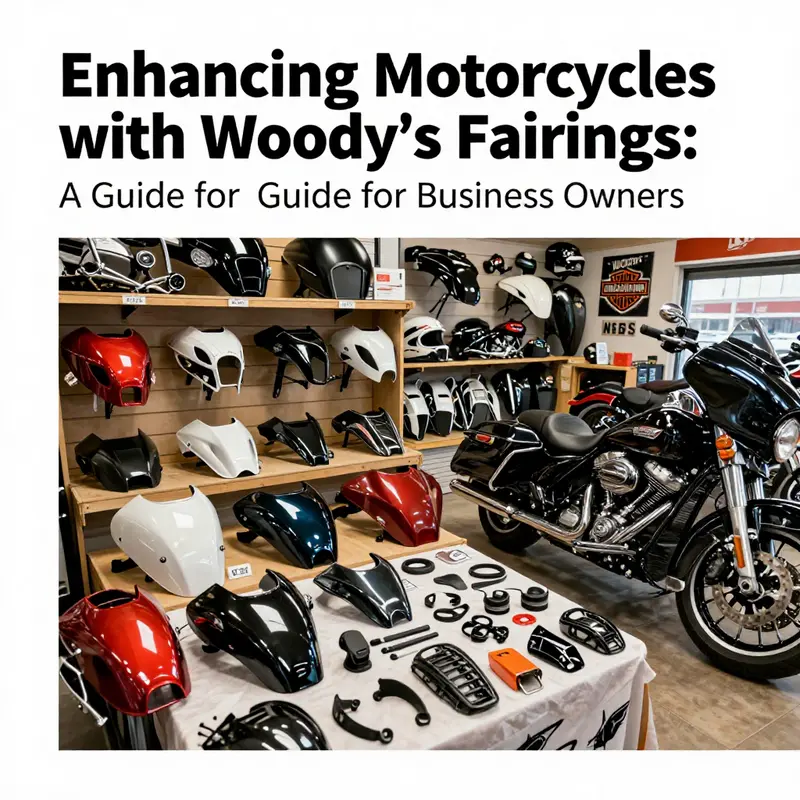
Visual transformation is often the first conversation riders have with their machines. A set of aftermarket fairings can redefine the bike’s silhouette, improve airflow, and tailor the stance to fit a rider’s taste as surely as a new exhaust note can redefine a sound. For many builders and enthusiasts, the journey from concept to on-the-road confidence begins with understanding what’s available, where to buy it, and how to choose a kit that matches both the bike and the rider’s aims. In this chapter, we explore the landscape of availability and options for aftermarket motorcycle fairings, with attention to how the market has organized itself for practical buyers who seek a balance between aesthetics, performance, and value. The focus is on the practical path a rider takes to acquire fairings—a path that moves from marketplace discovery to the final bolt-on installation, and often beyond into refinements and future upgrades.
The first fact to acknowledge is that the aftermarket fairing market is built around a broad coalition of platforms, manufacturers, and finish options. The core appeal remains the same: you can swap a sheet of composite into a bike’s wind profile, then supplement that change with color, texture, and lines that reflect your personal riding persona. For many riders, the primary route to these parts is a major online marketplace that catalogs both new and used bodywork. This platform acts as a vast showroom and a warehouse in one, listing everything from bare fairing shells to fully painted, pre-finished assemblies. The breadth of inventory is a relief to anyone who has learned that the exact size and contour can vary by model year, and that some models share common panels while others rely on unique, model-specific shapes. The key advantage here is choice: you can compare styles, gauge build quality from seller feedback, and filter by year and model to narrow the field without physically visiting multiple shops.
A practical nuance of this marketplace is something sometimes labeled as a guarantee of fit. In plain terms, there is a mechanism by which compatible parts are matched to your exact make, model, and year. This is not a universal experience for every seller, but when it exists, it dramatically reduces the guesswork that often accompanies plastic and fiberglass upgrades. For buyers, the guarantee of fit can translate into visible time saved during installation, less back-and-forth with vendors, and a lower risk of mismatched latching points or wiring harness issues. It’s a feature that resonates with both the pragmatic and the perfectionist, especially for riders who have a sense of the finished, factory-like appearance they want to achieve but without chasing OEM-only pricing.
Beyond the question of fitment, the available options form a spectrum that includes painted, pre-finished, and raw shell configurations. Painted or pre-finished body parts offer the most immediate path to a clean, cohesive finish. They let a rider bypass the often lengthy process of prep, primer, base coats, and clear coats, and instead focus on installation and final detailing. This is not merely about saving time; it’s also about ensuring a color match that remains consistent across the bike’s surface. Factory-style finishes on these pieces bring with them a sense of unity between the fairing and the rest of the bike’s aesthetic, a coherence that can otherwise require meticulous color matching and multi-step paint work.
The painted-pre-finished route is especially appealing to riders who want a quick turn-around after a decision is made, whether they are refreshing a weekend warrior or preparing a show-ready machine. Yet the choice is not exclusively about speed. Some riders prefer purchasing bare shells because they want to customize the finish themselves, to experiment with textures, gloss levels, or subtle metallic flecks that can only emerge through personal application. The market supports both paths. You’ll find shells in high-gloss, matte, and satin styles, with textures that range from unfilled fiberglass to smooth, resin-rich surfaces that respond well to final polishing. In either case, the option to acquire pre-finished parts aligns with a broader trend in motorcycle customization: riders value predictability and a reliable baseline from which to build.
A practical approach to shopping for fairings on the marketplace is to consider the full ecosystem around the panels. It is not enough to buy a shell in isolation. The best results come when the purchase includes or anticipates mounting hardware, grommets, brackets, and the necessary fasteners that hold the assembly to the bike. For some buyers, this means evaluating whether the seller offers a “complete kit” or if there will be a mix-and-match process that requires sourcing additional parts from other vendors. It’s easy to underestimate how much hardware can vary between manufacturers, or how certain mounting points constrain the angles and lines you want to achieve. In short, the purchasing decision becomes as much about the hardware compatibility as it is about the decorative surface.
When it comes to financing the upgrade, the marketplace’s currency is typically USD, and many sellers provide terms that include a straightforward warranty window. A 30-day warranty is common for many parts sold through this channel, and it serves as an important safety net for buyers who want assurance that a shell won’t fail under normal use or that the finish won’t prematurely peel, bubble, or misalign after installation. The warranty period may be longer for some premium offerings or for kits that come with a more substantial level of finish work, but the 30-day frame is a practical baseline that reflects the balance between price, risk, and the realities of aftermarket manufacturing.
In terms of price and value, the marketplace presents a broad spectrum. You’ll encounter new shells at a range of price points, with variations driven by material quality, finish, and whether the kit is color-mmatched to the bike or left in a base color that buyers can finish themselves. Used parts, meanwhile, can dramatically alter the value proposition, offering potential savings but with increased risk of wear, minor cracks, or color fading. Smart buyers approach the used section with a close eye for structural issues and a clear understanding of how much refinishing will be necessary. The net effect is that value is not just a function of sticker price; it is the sum of the part’s condition, the anticipated work to bring it to a desired finish, and the time saved by buying a ready-to-mount, color-mready piece versus starting from raw materials.
The breadth of inventory also invites a broader shopping strategy. For a rider aiming for a specific aesthetic—perhaps a classic cruiser profile, a modern, angular sprint look, or a retro-inspired stance—the marketplace becomes a compendium of silhouettes. You can compare how different lines carry air through the bike’s profile, how the curves intersect the rider’s line of sight, and how the new panels will interact with the bike’s windshield, fairing guts, and internal routing. This exploratory phase is where the value of high-resolution photos, model-year notes, and seller feedback is realized. Buyers who take the time to review photos and read notes about fitment are less likely to be surprised by a mismatch after the parts arrive. It is the quiet discipline of due diligence that distinguishes a satisfying upgrade from a missed opportunity.
A practical path to narrowing down choices starts with model-agnostic screening: identify a few core silhouettes that align with your bike’s geometry and your personal taste. Then, assess the finish options—are you drawn to bright, glossy surfaces that pop in the sun, or do you want a muted, understated sheen that complements chrome and leather? After you’ve selected a finish preference, you can apply fitment filters and price ranges to hone in on a handful of candidates. In many cases, it is possible to place a single order that includes the shell, the mounting hardware, and a few add-ons that ensure the kit integrates cleanly with existing components like the headlight shrouds and lower fairing pieces. The goal is to arrive at a package that feels complete when you open the box and remains adaptable when you bolt it to the bike and look for the first alignment check.
For those who want a touch of a brand-agnostic guide to options, one helpful strategy is to explore model-specific collections that the market supports. These collections group shells and pre-finished pieces by compatible models, which makes the exploration less of a guessing game and more of a guided tour. In practice, this means you can browse sections dedicated to general sport, cruiser, or touring lines and then drill into model-year ranges that match your bike. The end result is a workflow that feels more like a paint-by-numbers exercise than a scavenger hunt. It is a pathway that reduces risk and accelerates decisions, especially when time is a factor or when you’re preparing a bike for a show, a ride-in event, or a long-distance test.
The conversation about availability would be incomplete without acknowledging one practical pointer: while the online marketplace is the central hub, it is often prudent to cross-check with local shops or dedicated mail-order houses that specialize in aftermarket bodywork. Some shops maintain stock for common models or offer a curated selection of shells and brackets that can be matched to the bike. They may also provide services such as color matching, respraying, or detailing that ensure the final finish is consistent with the rider’s expectations. This collaborative approach—combining marketplace breadth with professional finishing and installation—collects the best of both worlds: the vast choice of the internet and the hands-on expertise of a skilled technician who understands fit, mounting, and aesthetics in real-world riding conditions.
As you weigh painted versus raw options, it’s useful to think about the total project timeline. Painted pieces typically arrive ready to install, which translates into fewer afternoons spent in a workshop and more time on the road. Raw shells, by contrast, invite a customization sprint—color, texture, and clear-coat decisions can be a rewarding part of the project but require a longer horizon for completion. The timing consideration matters not only for a rider who has a deadline for a show or club ride but also for someone who wants to align the upgrade with other ongoing changes, such as a new windshield, upgraded lighting, or a revised comfort package. The chance to time all of that to fit your calendar is a real benefit of the marketplace approach. It allows a rider to stage the project, finishing the paint and final touches in parallel with other mechanical or cosmetic upgrades, so the entire machine becomes a coherent expression of a single vision.
From a practical standpoint, the fairing upgrade also reaches into the realm of comfort and performance. The right shell can influence air separation at higher speeds, potentially reducing head buffeting and providing a steadier line of sight for the rider. Even small changes in the fairing profile can alter wind pressure on the chest, arms, and hands, making long days in the saddle more tolerable. The marketplace’s breadth gives you the opportunity to test these hypotheses with different shapes and profiles, all while keeping the rest of the bike’s geometry intact. In this way, buying is not merely a cosmetic decision; it is a training ground for a rider to observe how small aerodynamic shifts translate into real-world riding comfort, reduced fatigue, and a more confident posture on the highway.
The choice to purchase, then, becomes a blend of function and form. You want a kit that aligns with your bike’s geometry, your color preferences, and your mechanical expectations. You want options that support your preferred installation tempo, whether that means a quick swap for a weekend refresh or a longer, more deliberate project that includes some bodywork refinishing. You want the confidence that comes from a fit guarantee and a warranty that protects your investment for at least a month, if not more. And you want a marketplace that offers enough breadth to compare several styles while also providing enough structure to prevent the misfit, the mismatch, or the delayed gratification that can come with a poorly matched kit.
To make all of this less daunting, many riders leverage curated shopping tactics. Start with a clear picture of the bike’s current geometry and the changes you want to achieve. Then, gather a short list of shells that visually align with that picture and filter by year or model to ensure fit. Read seller notes and check for explicit fitment statements. When in doubt, reach out to the seller with detailed questions about mounting points, compatibility with essential components, and whether a kit includes or requires separate hardware. A well-informed inquiry can spare you the cost and time of returning an ill-fitting panel after it has already shipped. The more proactive your questions, the smoother the installation—and the more likely you are to end up with a finished product that truly looks and feels right.
One small but meaningful resource in this journey is the way some vendors present finish options and proofs. You may find galleries that show multiple angles of a painted shell and, in some cases, color-sample swatches or small, adhesive-free mockups to help you visualize how a given color will play across the bike’s curves. This is not only about vanity. It’s about predicting how the finish will respond to sunlight, weather, and the bike’s own chrome or black accents. The right finish can harmonize the entire machine, offering a quiet reflection of taste rather than a loud assertion of style. The best purchases emerge when the buyer can see how the surface interacts with the bike’s lines from several vantage points—head-on, from the side, and from a slightly oblique angle that reveals the fairing’s three-dimensional form in space.
As this landscape unfolds, one practical takeaway emerges: a successful fairing upgrade is less about chasing a single standout piece and more about constructing a coherent set that survives close inspection on the road. This means considering how the fairings integrate with the bike’s windscreen, fuel tank, and side panels, as well as with the rider’s own posture and riding stance. A kit that looks great in a showroom photo can feel awkward if it trips over the rider’s leg position or blocks access to essential controls during a ride. The marketplace’s breadth helps you test these alignments offline in your imagination, but the real test comes when the kit is in your hands and you can perform a trial fit, check the lines, and confirm the practicalities of installation.
For those who value continuity and range, the availability of model-specific options is a comforting note. You’ll see collections and listings that group by model families, clarifying which shells are more likely to align with a particular bike’s chassis. While model specificity matters most for those who own a widely supported platform, even owners of more niche machines can find a path to a satisfying fit by focusing on shells with adjustable mounting points, aftermarket brackets, and flexible hardware kits. The key is to approach the process with an open mind about what different panels can achieve and with a readiness to adapt to the realities of aftermarket manufacturing, which includes minor variances in thickness, ribbing, or shape that affect how seamlessly a panel sits against the original line.
In closing this arc of availability and option exploration, the practical route is straightforward. Begin with marketplace discovery, filtered by your bike’s year and model, then compare painted versus raw shells through the lens of your preferred finish and project timeline. Use the fit-guarantee feature when available to reduce risk and accelerate the path to installation. Keep an eye on warranty terms, and budget for the hardware and any refinishing justice you might want to apply after the first test fit. If you want a model-specific starting point to understand what kind of options exist for cruiser or sport-styled bikes, consider exploring a dedicated, reputable catalog that groups fairings by model family. This approach helps you translate the dream of a new look into a practical plan, a sequence of steps that culminates in a ride that feels as good as it looks. And as you chart your course, remember that a well-chosen set of fairings is not just a cosmetic upgrade; it is a statement about how you want your machine to meet the road—how it speaks to you and how it performs when the weather turns, when a gust of wind meets your chest, or when you glide past the next mile marker with a fresh, confident silhouette.
To further explore a broader context of related options, you can browse a collection that focuses on a well-known category of fairings that emphasizes compatibility with common sport and touring platforms. The collection offers a way to compare shells designed for similar frames, which can ease the decision process for riders who want a cohesive look across their bike and a future pathway for additional upgrades. This approach preserves the essence of customization: it invites you to make measured choices, to validate your ideas against practical constraints, and to enjoy the process as a deliberate, tactile collaboration between rider and machine.
For readers who want a quick doorway into related aftermarket content, this path also opens up opportunities to explore a broader ecosystem of related components—wind management solutions, accessory brackets, and mounting hardware—designed to complement the fairing upgrade and deliver a balanced, comfortable ride. The best purchases occur when you can imagine the entire assembly as a single system, not a collection of disjointed parts. In this light, the availability and options landscape becomes less about catalog entries and more about a rider’s evolving story with the machine: a narrative of upgrading, testing, and refining until the bike feels like an extension of the rider’s own intentions on every road they choose to ride.
Internal link reference: when you’re ready to see a model-family approach to compatible fairings, a curated collection focusing on Yamaha fairings can be a helpful starting point for visualizing how different shapes relate to the bike’s geometry and riding posture. You can explore the Yamaha fairings collection here: Yamaha fairings collection.
External resource: https://www.ebay.com/bhp/woodys-fairings-bodywork
Final thoughts
Woody’s Motorcycle Fairings represent a significant opportunity for business owners to enhance their product offerings in the motorcycle segment. By understanding the aesthetic appeal, the practical benefits of WindVest accessories, and the best ways to purchase these fairings, business owners can cater to a diverse range of customer needs. In this competitive market, aligning your inventory with high-quality, visually appealing products like Woody’s can result in enhanced customer satisfaction and loyalty. Focus on delivering value and quality, and watch your business thrive.