
Within the realm of motorcycle customization, cheap fairing kits have emerged as a practical solution for riders and business owners alike. These kits allow for aesthetic enhancements and repairs without incurring high costs, catering to a diverse market segment ranging from casual riders to professional builders. This guide delves into the various types of cheap motorcycle fairing kits available, their configurations, materials, applications, cost comparisons, and customization options. By understanding each aspect in detail, business owners can effectively meet customer needs and enhance their offerings, whether they operate in retail or service-oriented environments.
Economy Armor for Every Ride: A Practical Guide to Cheap Motorcycle Fairing Kits
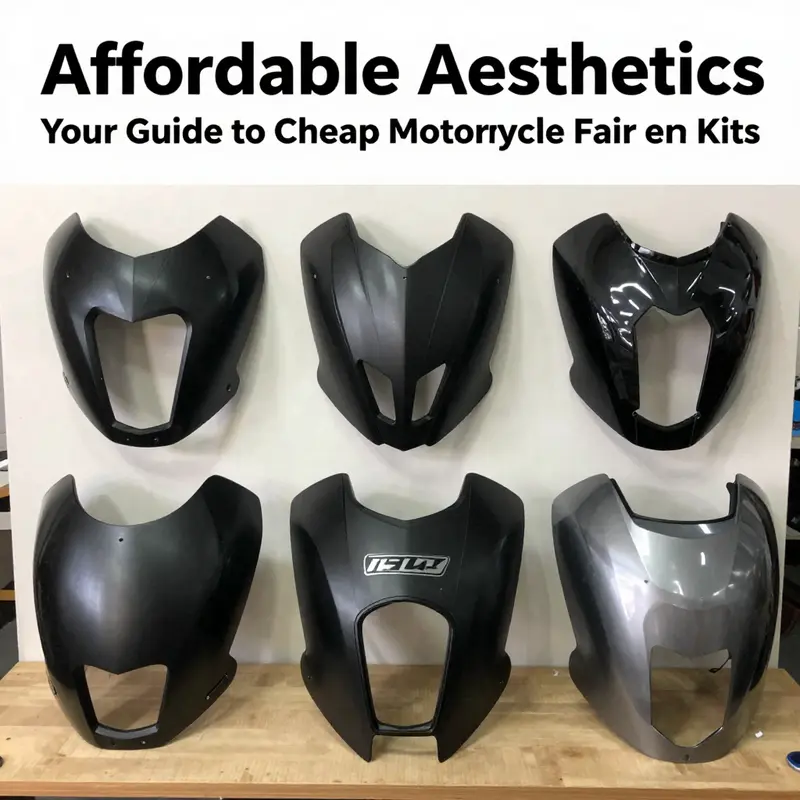
The modern rider knows that protection and style can come at a reasonable price. Cheap motorcycle fairing kits offer a practical way to replace damaged panels, refresh a bike’s look, or inject personality without waiting for custom orders or paying premium material costs. Many budget kits are produced through injection molding or similar cost-conscious processes that balance form and function, delivering a range of configurations designed to suit different riding needs and budgets.
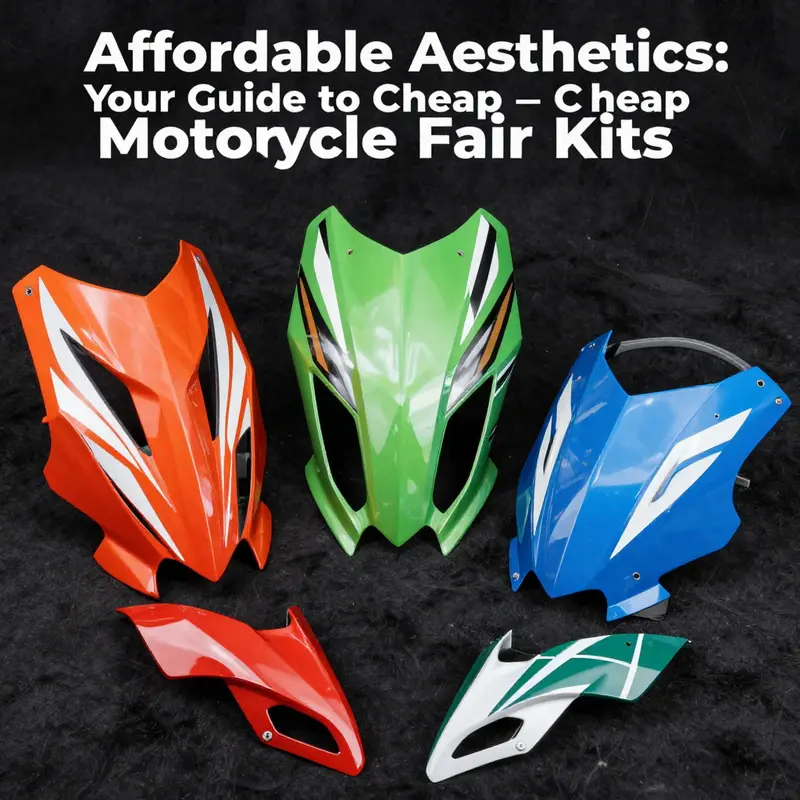
Full fairings envelop the entire front and side panels, often extending to the lower engine cover. They deliver better aerodynamics, wind protection, and a cohesive silhouette, making them attractive for long rides or show-ready builds. They also require careful fitment because the shell must align with mounting points, radiators, and under-panel cavities. Because production volumes are high, injection-molded full kits appear at affordable price points—often in the mid-hundred dollar range—with multiple colors and decals.
Semi-fairings, sometimes described as half or front-section kits, cover the upper portion of the bike and leave portions of the sides visible. They are lighter, more modular, and easier to install, making them appealing for riders who rack up miles on varied terrain or who want to refresh the look without a full shell. A semi-fairing can dramatically alter the bike’s character without changing the entire bodywork, and many kits are designed to pair with solid colors or decals for a quick, budget-friendly update.
Quarter fairings take the minimal route, covering only critical bright spots around the headlight or small front sections. They are favored by show-bike builders, city commuters, or budget projects that prioritize color and style over wind management. The wind-exposure advantage fades, but the ease of replacement and the ability to add graphics keep them relevant for those who want a sleek silhouette without a full shell.
Custom graphics aren’t physical shells, but a cost-effective path to personalization. Decals, racing stripes, logos, and unique designs can be applied to existing panels or new ones, delivering a bold look on a tight budget. The payoff is a high-impact appearance that stays within reach, making the kit feel almost custom even when the core shell remains economical. Finishes, clear coats with UV inhibitors, and proper sealing extend the life of color and gloss.
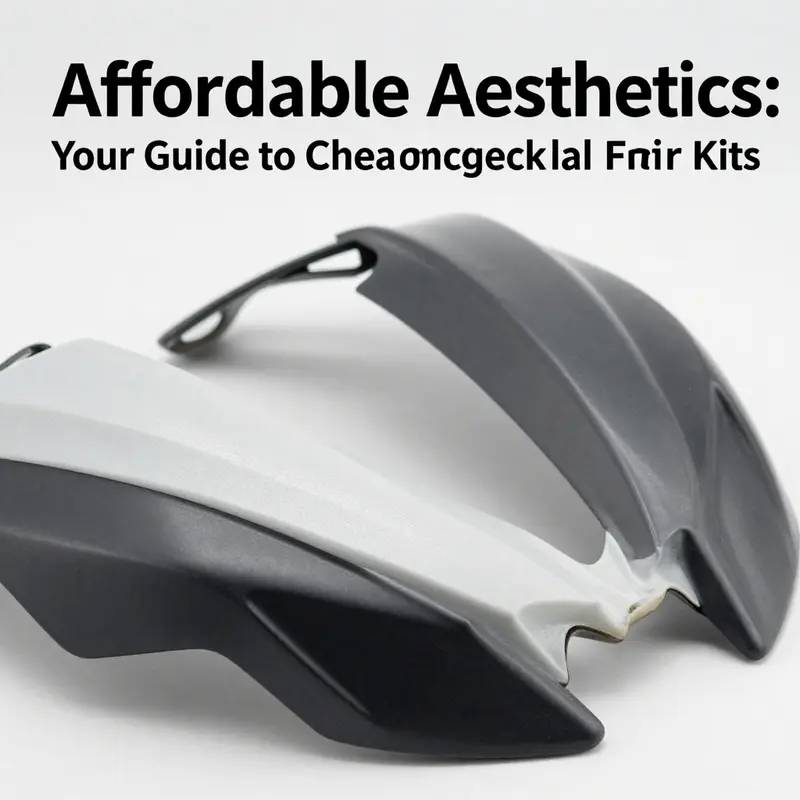
Material choice matters more than you might think. The budget-friendly standard is ABS plastic or fiberglass, both offering good impact resistance and a friendly production profile. ABS tends to absorb some vibrations and chips less dramatically, while fiberglass can be molded with sharp lines for a race-lean aesthetic. Carbon fiber or Kevlar variants exist but sit outside the typical cheap category. For most riders, well-finished ABS or fiberglass—properly painted, clear-coated, and sealed—delivers the best mix of cost, repairability, and durability.
Fitment and installation are not afterthoughts; they define the moment the kit arrives. Model-specific kits align with factory points and cutouts, reducing guesswork, while universal or semi-universal sets may require trimming and minor modifications. The installation experience affects perceived value as much as the sticker price. A clean, precise fit translates to better aerodynamics and a cohesive look, and many buyers find that a careful dry fit, some trimming, and the right hardware yield excellent results.
For buyers with a practical mindset, the path is to choose based on priority: aerodynamics, protection, or a refreshed aesthetic. A staged approach—start with a front section, then add semi or full fairings as budget allows—often makes sense for daily riders who want speed and appearance without a long downtime. The ability to mix solid colors with decals at purchase helps keep the project approachable for beginners and returning riders alike.
Beyond the panels themselves, a broader ecosystem matters. Look for collections organized by fit and generation, clear compatibility notes, and options for color or decal customization. A well-chosen collection can guide you toward configurations that match your goals, whether you want the immersive protection of a full fairing or the light touch of a semi kit. Even a budget kit can transform curb appeal and value when finished with careful paint work and protective coatings.
To broaden your practical horizon, consider starting with a solid color or bold graphic and then expanding to a full surround later if needed. The look becomes part of the riding experience, not just a cosmetic change, and with a modest investment you can realize a surprising return in protection and pride on the road.
For an example of general fairings collections, see a practical catalog that groups panels by compatibility. https://www.summitfairings.com/collections/honda-fairings
null
null
Accessible Armor: Real-World Uses and Smart Choices with Cheap Motorcycle Fairing Kits
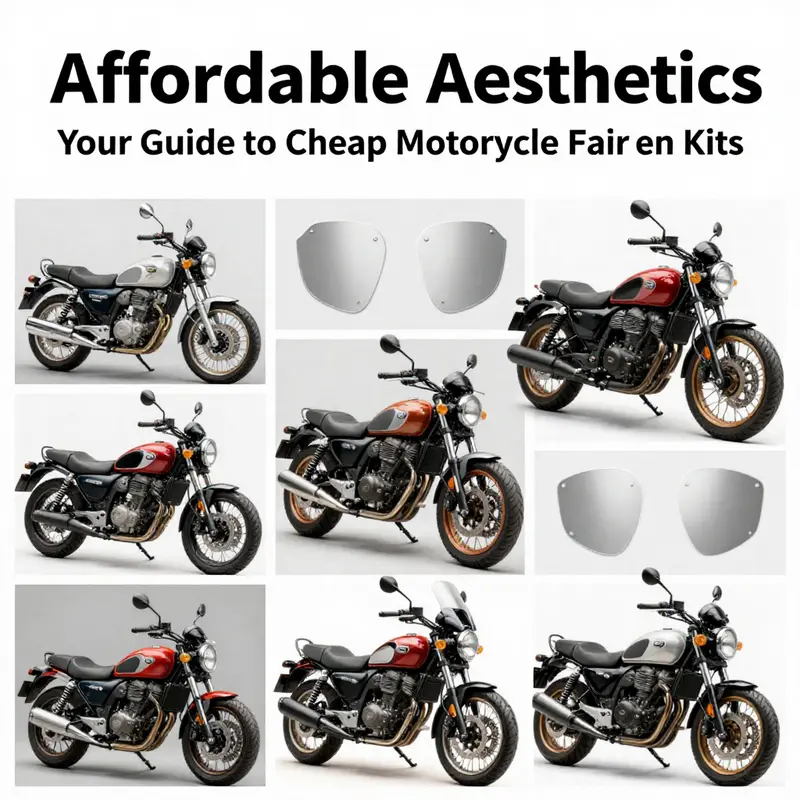
Riders who treat their bikes as daily tools as well as expressions of personality often turn to cheap motorcycle fairing kits to balance cost, practicality, and visual impact. These kits offer a practical route to replace damaged panels or to refresh the bike’s appearance without the financial commitment of premium composites. They are not designed for the most extreme racing conditions, but in everyday riding—commuting, running long days on the highway, or cruising with friends—their value becomes clear. The core appeal lies in the predictable economics: injection-molded or built from durable ABS plastic or fiberglass, these kits can be sourced in a range of configurations and colors, and they are typically straightforward to install, replace, or swap when a new look or a new model is desired. Rather than building toward ultimate performance alone, they enable riders to optimize their machines for daily reality, where repairability, ease of maintenance, and the ability to quickly revert to stock or switch styles matter as much as the initial price tag.
The practical use cases begin with the types of riding most common on urban and regional roads. Touring bikes, sport-touring machines, and commuters share a need for wind protection that does not demand the rigidity or aerodynamics of full, high-end shells. In this context, semi-fairings—which cover the front portion of the bike, including the headlight, instruments, and upper tank—often represent the sweet spot. They offer meaningful wind deflection and shield from debris, yet remain lighter and less expensive than full fairing systems. For riders who spend long hours behind a windscreen, this balance translates into reduced fatigue and steadier riding during daily commutes and weekend escapes alike. For the cyclist who values ease of replacement, the ability to swap a damaged panel without dismantling a large portion of the bike can be worth more than marginal gains in ultimate aerodynamics.
Customization is another crucial thread in the fabric of cheap fairing kits. The appeal of creating a show-ready or personality-forward motorcycle is not limited to high-cost builds. Budget-friendly kits often come with color options in common hues and can support decals or custom graphic schemes. A well-chosen color can tie a bike’s aesthetic to a rider’s personal identity or museum-worthy display concept, making a daily rider feel special without inviting sticker shock. The customization potential is not purely cosmetic; it also serves practical purposes. For a club bike, a striking palette or distinctive decals can improve visibility on crowded roads and parking lots, helping a rider stand out in a sea of chrome and factory paint. In this sense, the cheapest route to a unique appearance still fulfills a real-world need: making the bike instantly recognizable and personally meaningful while staying within budget.
From a material perspective, the most common construction choices are ABS plastic and fiberglass. ABS is prized for its resilience and flexibility, which helps absorb vibrations and resist minor impacts. It also tends to be forgiving when a panel needs to be popped back into place after a low-speed tip or a parking-lot scrape. Fiberglass, while traditionally a bit stiffer and more rigid, can offer a stronger layup for certain shapes and impact conditions, though it can require more careful finishing and maintenance. Acknowledging the UV reality is essential. Over extended exposure, cheaper plastics can fade or become brittle if not coated or treated. That’s why many budget kits recommend or require coatings, paint, or clear laminates to preserve color fidelity and surface integrity. It’s a reminder that even “cheap” does not mean carefree; wisely investing in UV protection and proper coatings can extend the life of a kit and reduce replacement cycles.
The practical deployment of these kits also hinges on compatibility and fit. A rider should verify that a given kit aligns with the bike’s model year, frame geometry, and mounting points. Some kits are designed to mimic original styling with careful attention to lines and contours, which makes installation smoother and a replacement ride look nearly original. Others offer more abstract or modernized lines, which can be a deliberate stylistic choice. Because fit is central to both aesthetics and function, it’s wise to approach the selection with a practical checklist: confirm the model year compatibility, inspect the mounting hardware that comes with the kit, assess whether extra trim or fasteners are required, and consider whether the kit includes all necessary components for a complete front and side coverage or simply the upper fairing pieces. A careful buyer often discovers that a modest investment in brand-agnostic, easy-to-install panels can yield the most reliable, repeatable results for daily use.
An important truth about cheap fairing kits is that their value is highly situational. They perform well when the goal is moderate protection from wind and road spray, plus the flexibility to replace damaged panels quickly and with less downtime than more elaborate systems demand. For someone who uses the bike for city riding, weekend jaunts, or light touring, the combination of ease of replacement and modest protection aligns with the demands of real-world riding. For show riders or gift-build enthusiasts, the kit is an opportunity to craft a new identity for the bike without laying out substantial capital. In these cases, the ability to apply custom graphics or decals remains an especially attractive feature, because graphic customization can be executed without altering the structural core of the bike and without the risk of compromising high-cost materials. For those who own older machines or may be frequently navigating tight urban spaces, the lighter weight of semi-fairing configurations contributes to handling efficiency and ease of maneuvering, as the added mass of a full fairing is not always desirable in dense traffic.
The topic of customization naturally leads to a broader discussion about how these kits integrate with existing paint schemes and the rest of the machine’s aesthetic. A rider may choose a color match to the frame or to secondary accents, or they may opt for a bold mismatch that makes the bike visually pop. Either choice can be achieved through simple color selection, paired with decals or a full wrap, to protect and refresh the surface. The result can look as fresh as a factory new paint job at a fraction of the cost, while also allowing the bike to be updated as trends shift or as the rider’s taste changes. To explore a broader catalog of affordable, paint-ready panels, readers can check a dedicated Yamaha fairings collection that offers a wide range of styles and configurations. The link provides a sense of the scope of options available without implying endorsement of any single product line: Yamaha fairings catalog.
Beyond the visual dimension, installation practicality matters. Budget kits are typically designed for straightforward alignment with the bike’s framework, and many users report that an extra pair of hands can speed the process and reduce the risk of misalignment. The panels often come with pre-scored mounting holes or simple fastening points, which helps keep the process approachable for riders with modest mechanical skills. The maintenance side is equally important. Regular checks to ensure that fasteners remain tight and that paint or decals have not degraded from exposure keep the kit looking good and performing at a reasonable level over time. If a kit includes a clear protective layer or requires a post-installation coating, riders should plan for a brief curing period or a dedicated maintenance window to ensure the finish remains consistent and clear of micro-scratches that could accumulate with daily use.
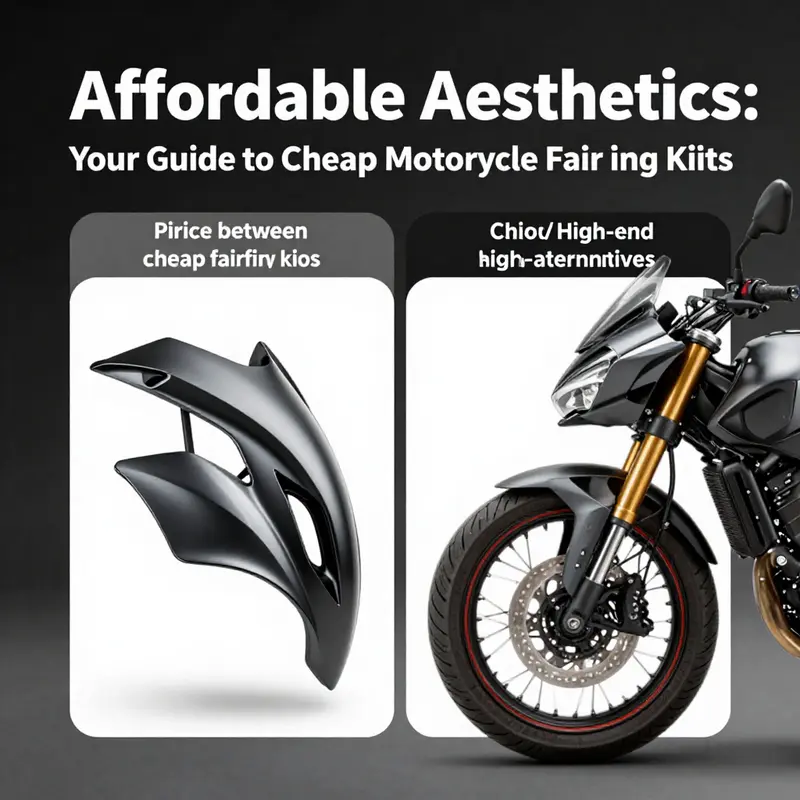
Of course, every option carries trade-offs. Cheap fairing kits do have limitations, particularly in the context of high-performance or extreme racing scenarios. The materials and processes behind budget lines are optimized for cost, not ultimate strength or wind-tunnel precision. In such cases, a rider who prioritizes maximum engine protection, the cleanest aerodynamic profile, or the most advanced UV resistance may prefer premium composites. The same logic applies to full-body wind shielding. If a rider’s riding style or environment demands the most complete wind protection and minimal maintenance downtime, a higher-end system may deliver a different kind of value, even if the upfront cost is higher. For those who simply want to refresh the bike or replace damaged panels after a tumble in a parking lot, the cheap kit remains a viable and often irresistible option.
In this context, the decision framework becomes clear. If budget is the primary constraint and the rider seeks both a refreshed appearance and practical protection, a semi-fairing package paired with careful UV protection and a measured approach to color and decals offers a balanced path. If the goal is a show bike or a gift-build where aesthetics and customization carry weight, the same kit can be a powerful starting point, allowing the project to evolve over time while keeping the initial investment modest. The reality is that cheap fairing kits fill a niche that values accessibility, adaptability, ease of replacement, and a practical blend of aesthetics and function. They empower riders who want to experiment with styling, protect vulnerable panels after minor incidents, or simply extend the life of an aging bike without breaking the bank.
From a broader market perspective, these kits reflect a recurring pattern in motorcycle customization: the trade-off between cost and performance. They offer a repeatable, serviceable solution for riders who want to keep their bikes rolling, looking good, and within budget. They are not meant to replace premium components in the name of performance; instead, they provide a pragmatic pathway to maintain, refresh, and personalize machines that serve real riding needs. For many riders, that is exactly the kind of value that makes a cheap kit not a compromise but a practical asset. External references can provide additional context for market availability and consumer expectations; see external resource here: https://www.aliexpress.com/w/wholesale-cheap-motorcycle-fairing.html
null
null
null
null
Final thoughts
As motorcycle enthusiasts and business owners seek cost-effective solutions for customization and repair, cheap motorcycle fairing kits present an attractive option worth considering. With numerous styles, configurations, and customization opportunities available, these kits cater to a diverse range of needs, providing not just aesthetic improvements but also enhanced practicality. By understanding the intricacies of these kits, you can better serve your customers, ensuring their motorcycles remain both stylish and well-protected, all while staying within budget. Explore how you can incorporate these options into your business strategy today.