
Custom motorcycle tail fairings are more than mere components; they represent a fusion of performance enhancements and personal expression. In today’s competitive market, understanding the nuances of these products can offer significant advantages for business owners. The following chapters will delve into their application across specific motorcycle models, their deep-rooted connections to automotive culture, the ease of installation and market trends, the materials and performance characteristics, and finally, the aesthetic design and individuality they embody. This comprehensive overview will equip business owners with insights into customer preferences and market dynamics, paving the way for strategic decisions in the highly specialized world of motorcycle customization.
定制摩托车尾部整流罩的特定车型应用:从气动优化到审美表达的综合革新
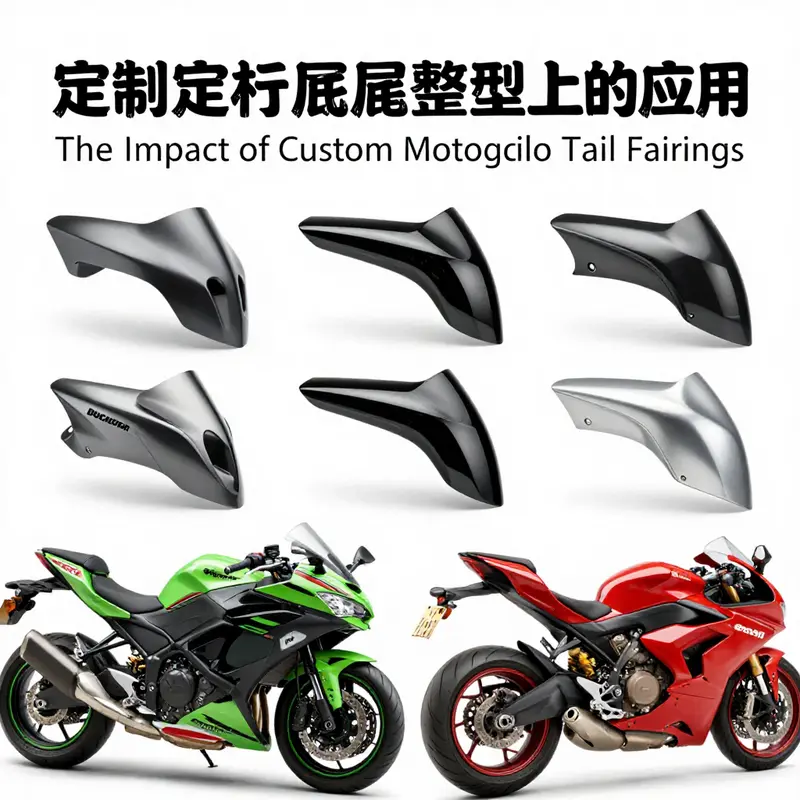
在当代摩托文化中,尾部整流罩早已超越了单纯的功能件的范畴,成为连接空气动力学、材料科学与个性表达的核心节点。对于那些希望在不改动整车骨架的前提下提升性能、稳定性与风格的车迷而言,定制尾部整流罩提供了一条高效且富有想象力的路径。不同车型的尾部整流罩设计,往往以“贴合原厂线条、提升下游气流控制、并在视觉上完成一次鲜明的风格转译”为目标,这种定位使其成为改装生态系统中最具辨识度的组成部分之一。诚然,市场上出现了多种为特定车型定制的尾部整流罩方案,它们通常采用高强度的ABS材料或碳纤维复合材料,通过注塑成型或编织锻造工艺实现精准贴合性与轻量化优势。无论是在紧凑型运动型车系还是在大型旅程车族群中,尾部整流罩都以“无麻烦安装”的营销诉求打入爱好者市场,强调替换旧部件的快捷性和兼容性,让骑手在短时间内完成外观与性能的双重升级。为了从整体上理解这一现象,我们需要把注意力放在三条主线之上:一是气动优化的实际效果,二是材料与制造工艺对重量与强度的影响,三是审美与改装文化在尾部整流罩上的具体体现。气动优化是尾部整流罩的“技术核心”。在高速巡航或长途行驶中,尾部的形状直接影响尾流的分布、车身后部的稳定性以及风阻系数。通过与原车尾部轮廓的无缝衔接,定制尾部整流罩能够引导尾部气流更有序地分离,减少乱流产生,从而降低风阻、降低风噪并提升整体的行驶稳定性。对冒险式或长途骑手而言,这种改动不仅带来油耗的潜在改善,更意味在高速阶段可获得更平稳的乘坐体验,减少因风压不均导致的颈肩部疲劳和头盔的摆动。制造工艺方面,材料的选择与构造方式直接决定了尾部整流罩的可行性与长期耐用性。ABS塑料件以其成本效益、抗冲击性和可加工性成为市场上最常见的选择,能够实现快速成型、精准贴合以及耐用的日常使用场景。对追求极致轻量化的玩家而言,碳纤维则提供更高的强度与更低的重量。现阶段,碳纤维在尾部整流罩中的应用多样化,既有传统的编织碳纤维结构,也有更为先导的锻造碳纤维技术。这些工艺在确保强度与刚性的同时,显著降低整车重量,进而提升操控响应与转向的敏捷性。重量的下降并非仅仅是数字上的提升,它对动态响应、扭矩传输和振动传导都产生着系统性的影响,尤其在快速切换车道、急加速或高负荷巡航情境下,轻量化的尾部整流罩有助于减少整车前后重量分布的偏移,使骑手更容易把握车尾的响应边界。与此同时,碳纤维的刚性也为尾部结构在应对风载和路面振动时提供更稳定的支撑,降低了因材料变形带来的视觉差异与长期色彩退化的风险。除了材料本身,工艺细节也在很大程度上决定了成品的综合性能。对于高端定制品牌而言,锻造与编织碳纤维的结合往往在强度、热释、耐疲劳和表面光洁度之间寻求平衡。经优化的内外支撑结构、预留的固定点、以及与尾部灯组、排气系统的干净对接,都是影响安装简便性与长期耐用性的关键因素。再进一步看,尾部整流罩对 rider 的舒适性影响也不容忽视。风噪、风压以及头盔的抬升现象在高速巡航中尤为明显。通过更流线的尾部轮廓设计,整流罩对风场的干预可显著降低头部和肩部区域的风力作用,配合经过降噪处理的灯罩与密封边缘,能降低风噪并减少皮肤表面的空气冲击感,使长途驾驶变得更加从容。更进一步的改良还体现在灯光系统的整合上。部分定制方案将尾部灯罩实现为与尾部整流罩一体化的视觉单元,甚至在灯光控制层面引入动态功能,这在夜间行驶时提升了辨识度与安全性。灯光的动态化不仅是美学的延展,也是实用性提升的一环,它能在转弯、刹车或转向时为其他驾驶者提供更明确的信号,从而提升夜间与低能见度条件下的可观测性。对追求个性化的骑手而言,尾部整流罩也成为展示个人审美的一张“名片”。改装文化的核心在于赋予车辆以独一无二的视觉叙事。自上世纪六十年代兴起的改装传统演变至今,尾部整流罩成为许多作品中的亮点之一:通过变形的轮廓、锋利的边缘、甚至是与之呼应的尾灯造型,改装者把一辆摩托车打造成一个具象的艺术品。尾部整流罩的曲线与翼面有时被塑造成“飞翼”的意象,象征着速度与自由;有时则以更低调、却极具攻击性的线条,表达对力量与控制的追求。正因为这种强烈的表达性,定制尾部整流罩不仅是把车变轻、变快的工具,更像是一种“具身的叙事”——把主人对速度、风格与旅途的态度直接整合进车身外观之中。与此同时,市场趋势也在向更高端的集成化方案靠拢。对于更特殊或更高要求的场景,出现了可覆盖整车尾部的全包式定制套件,提供从尾部灯罩到尾部整流罩以至尾部尾翼形式一体化的改造方案。这类方案虽然成本更高,但在外观的整体性、气动连贯性以及维护便利性方面往往更具竞争力。消费者在挑选时需要关注几个关键因素:第一,贴合度与面板之间的缝隙控制是否均匀、表面是否有明显色差,是否会干扰原厂排气与尾灯的功能。第二,材料选择与表面处理是否符合长期使用的耐久性需求,尤其是在高温、紫外线暴露和路面腐蚀环境下的稳定性。第三,是否提供一致的 paint-match 方案以及保修条款,确保色彩与涂层在时间维度上保持一致性。以上因素共同决定了尾部整流罩在日常使用中的实用性与保持率。若从文化视角看,这一类改装也在悄然推动着行业的知识传播与技能传承。资深爱好者通过对材料叠层、表面处理、固定点设计等细节的讨论,形成了一套适用于特定车型的“改装语言”,使得相对复杂的安装步骤和对齐工序成为学习社区中的共同语言,降低了新手在尝试时的门槛。这样,定制尾部整流罩的应用便不仅仅是装饰性的外观升级,更是对工程美学、材料科学与个人风格之间关系的持续探索。面对日新月异的市场,具备系统性思考的骑手会在选购时综合评估气动效益、重量与刚性、视觉风格和长期维护成本,寻找最契合自己骑乘风格与旅程需求的方案。作为设计与工艺的交叉点,尾部整流罩在特定车型上的应用,体现了一个行业从单件部件向全局改装解决方案演进的趋势。它不仅提升了车辆在高速条件下的稳定性和响应,也让驾驶者在夜色与风声中保持清晰的自我表达——这正是自我风格与技术追求相互印证的现代改装精神。为了进一步了解市场布局与选材结构的具体落地情况,读者可以参考一个集合页,作为实际选购时的参考入口。收藏页链接在文中作为实践参考,以帮助读者更直观地理解不同车型在尾部整流罩方面的兼容性与风格差异。 收藏页
在更广阔的行业背景中,关于尾部整流罩的权威信息与官方配件指引也值得关注。对于那些希望将定制化理念延伸至更系统层面的车主,厂家级的配件与定制化信息提供了更明确的标准与技术路线,可以帮助骑手在保障安全与合规的前提下实现个性化表达。外部参考资源方面,官方渠道的配件与定制页面有助于理解原厂线条与改装件之间的边界、兼容性与长期维护要点。外部参考资源: https://www.bmw-motorrad.com/en/vehicles/accessories.html
跨界尾翼的叙事:定制摩托车尾部整流罩在改装文化与材料创新中的对话
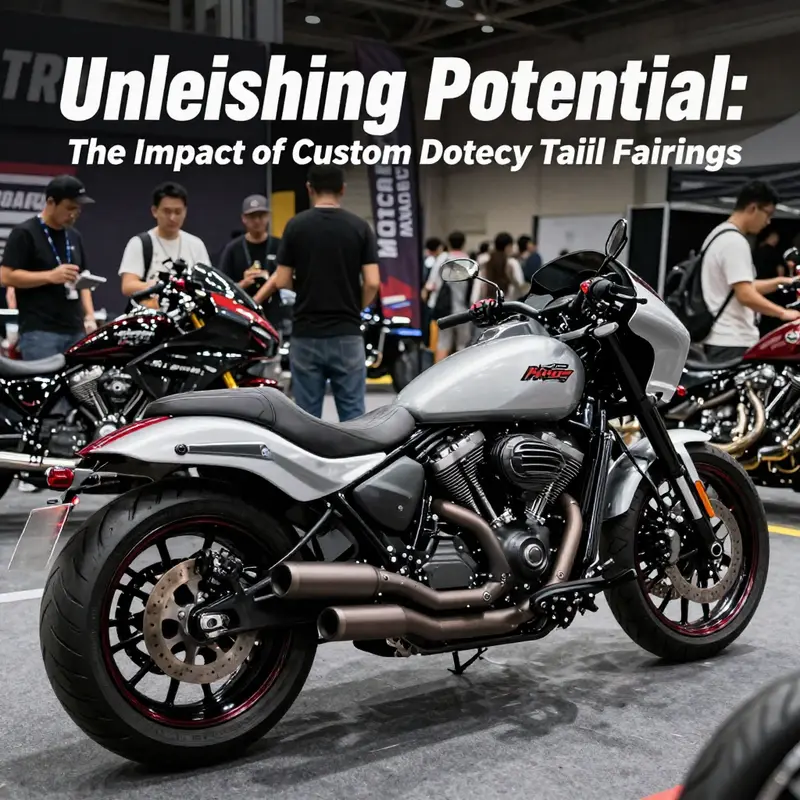
Every tail on a motorcycle is more than a piece of plastic or composite. It is a narrative, a line drawn across wind and noise that marks where a rider ends and the machine begins to speak in a new language. The tail fairing, in its most expressive form, functions as both a aerodynamics coach and a badge of identity. It channels air to minimize drag, cools or shields components, and at the same time frames the silhouette that a rider presents to the world. In the current scene of customization, this component has stepped out of the workshop’s shadow and into the center of a broader conversation about how design, technology, and culture interact on two wheels. The tail fairing therefore becomes a lens through which to observe a wider, evolving ecosystem where function meets art, and where car culture and motorcycle culture exchange motifs the way ideas migrate across borders.
Historically, the tail section of a motorcycle was primarily a functional enclosure—an assembly that completed the chassis, housed lights, and offered a modest improvement in aerodynamics. Yet as the practice of customization matured, riders began to see the tail not as a closed shell but as a canvas. The mid-century transformation of bike culture — from utilitarian machines to personalized artworks — laid the groundwork for a more radical rethinking of the tail’s purpose. In the decades that followed, the craft of tail design moved from simple covers to sculpted, airplane-like profiles. The modern tail fairing is often a study in how an object can be both intimate and technical, merging the rider’s desire for individuality with the engineer’s appetite for efficiency. It is impossible to separate the tail’s aesthetic evolution from the broader currents of automotive styling that have inspired designers to borrow from car-like language: integrated taillights, air channels that resemble automotive diffusers, even the suggestion of wings or spoilers that speak the same aerodynamic poetry heard on race tracks and fast lanes alike.
The materials and manufacturing methods behind these components reflect that same double inheritance of form and function. On many production-oriented or street-ready aftermarket pieces, high-quality ABS plastic and injection-molded construction remain the baseline. These materials offer a robust combination of impact resistance, ease of shaping, and affordability, which makes the concept of a hassle-free installation a realistic promise for hobbyists who want to upgrade without a multi-day retrofit. Yet the spectrum widens quickly as riders push for lighter weight and greater rigidity. Carbon fiber, in both woven and forged variants, enters the frame as a premium choice that promises stronger stiffness at a lower weight, a characteristic highly valued in corners and on straights alike. Forged carbon, in particular, represents a stage where performance and sophistication intersect, allowing for more complex geometries and smoother surfaces that reduce drag without compromising strength.
Behind the scenes, the design discourse travels through the language of aerodynamics, but it lands in the workshop as a personal manifesto. The tail fairing becomes a vehicle for an individual’s taste—an echo of what one wants to project as they roll through city streets or lean through a canyon road. This is the point where craft meets culture: a piece designed to cut through air while also signaling a rider’s stance toward style, speed, and technology. The process often begins with sketches and virtual models that explore how different profiles catch airflow, manage boundary layers, and redirect heat away from critical components. The final form is then translated into actual parts using a mix of traditional tooling and modern fabrication techniques, including rapid prototyping with 3D printing to iterate shapes before committing to a mold. In this sense, the tail fairing mirrors the larger shifts in manufacturing where digital design and additive processes shorten the gap between an imagined look and a tangible piece.
In this cross-pollination process, the tail fairing also embodies a bridge to automotive culture. Riders observe how car designers conceive a silhouette, how tail lamps merge with bodywork, and how air channels are integrated as a single, coherent sculpture. The practice of appropriating automotive cues—such as tail sections that visually intersect with braking light clusters, or side panels that flow into a rear wing-like edge—becomes a shared vocabulary across two wheels and four. This exchange does not simply borrow aesthetics; it adapts engineering sensibilities. The result is a design language that treats the tail as a functional sculpture, one that must withstand weather, vibration, and road grime while still delivering a precise aerodynamic profile and a strong visual statement.
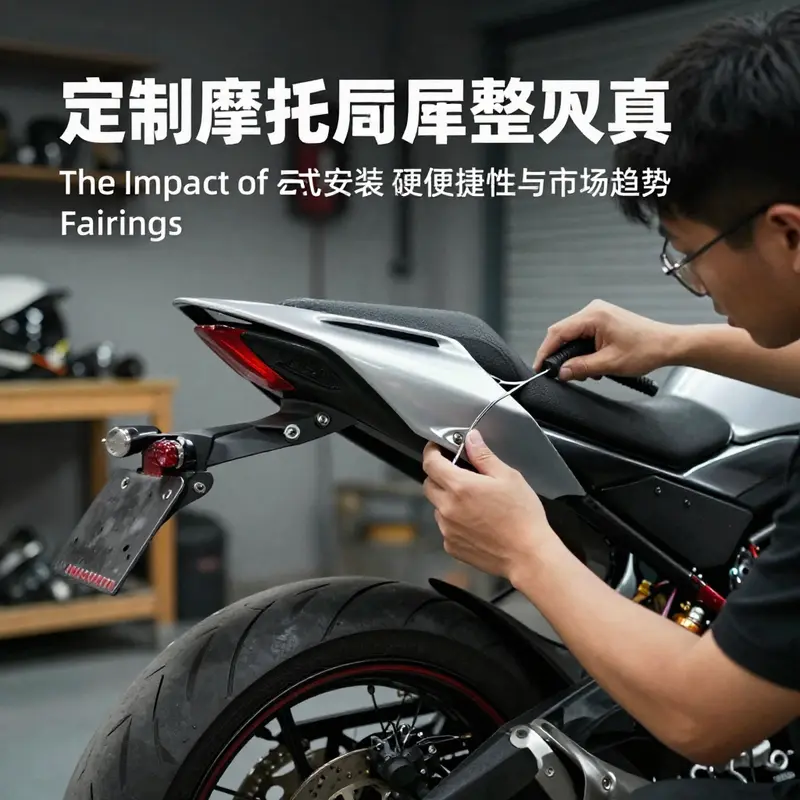
The installation experience matters as much as the design itself. Many contemporary tail fairing systems emphasize a “hassle-free installation” ethos. They are engineered to slot into existing mounting points with a minimal toolkit, allowing enthusiasts to swap out a worn or outdated piece for a fresh expression in a few hours rather than days. This ease of replacement reinforces the tail’s role as a personal upgrade rather than a permanent modification. It invites experimentation: riders can test different brightness accents, weave in LEDs for a more aggressive night presence, or swap between a streamlined, theatre-like profile and a more muscular, over-built aesthetic depending on mood or track discipline. This practical flexibility is a critical enabler of culture-wide experimentation, enabling a broader range of riders to participate in the customization conversation without needing specialized fabrication facilities.
The market itself moves in sympathy with these desires. A spectrum of options now exists for tail fairings that span the affordable to the elite. On the accessible end, injection-molded and reinforced composite shells offer solid performance gains with straightforward installation. On the high end, bespoke kits crafted with advanced materials and multi-mold processes demonstrate how far the craft can go. A notable trend is the shift from generic, mass-produced shells toward tailored solutions that contend with the specific geometries of different platform families, all while maintaining the ability to be swapped out quickly when tastes or needs change. The fashion of the tail fairing becomes a kind of wearable technology for the bike, a piece that can be swapped in and out to suit weather, track days, or a city commute, without insisting on a permanent transformation.
This trajectory also captures a broader dynamic visible in the dialogue between bike customization and automotive styling. Automotive culture has long explored the visual language of shells, spoilers, and integrated lighting, and that language naturally migrates to motorcycles as riders tap into the same desire for a complete, cohesive look. The tail fairing thus becomes part of a larger narrative about how the boundaries between two-wheeled and four-wheeled aesthetics blur. In practice, this interchange manifests as tail sections that echo automotive rear cores, taillight integrations that resemble car lighting, and air-management schemes that borrow from the study of drag coefficients and downforce strategies. The result is a more sophisticated tail concept that honors the rider’s need for performance while delivering an unmistakable, artful presence on the road.
The story of the tail fairing is not only about materials or aesthetics but about the social fabric of rider communities and the ways in which they share knowledge, techniques, and inspiration. In many communities, the tail is a focal point of discussion—how to achieve a cleaner line, how to manage airflow around a large exhaust, or how to reconcile the weight added by a new shell with the center of gravity and handling. The digital age has amplified these conversations. Online forums, design threads, and gallery-style showcases allow an expanded audience to consider, critique, and celebrate variations that might have remained local curiosities a generation ago. In this sense, the tail fairing acts as both a product and a discourse, a tangible object that embodies a broader exchange about speed, identity, and craftsmanship.
For readers who want to explore related design language without becoming overwhelmed by model-specific constraints, it helps to think of the tail fairing as part of a modular philosophy. The best systems acknowledge that riders will want to adapt their machines over time, changing not only their appearance but also their interaction with air, heat, and noise. A modular approach—where the shell, brackets, and lighting elements can be replaced or reconfigured—opens possibilities for evolving a single bike into a family of distinct personalities across seasons or race formats. It also invites collaboration between designers and riders, where feedback loops refine shapes, textures, and finishes in ways that blend artistry with engineering. In this light, the tail fairing ceases to be a single modification and becomes a continuous project, a playful yet disciplined journey toward a more expressive and efficient machine.
As the craft continues to evolve, the conversation about tail fairings touches on cutting-edge materials and production techniques. The use of carbon fiber and other high-strength composites offers opportunities to reduce weight while increasing stiffness, which translates into more precise handling at the limits. Forged carbon materials, while premium, demonstrate how process innovation can unlock increasingly complex geometries that once required lengthy, expensive fabrication. 3D printing and digital prototyping accelerate iteration cycles, letting designers explore nested curves and intricate surfaces that would be impractical with traditional tooling. The cumulative effect is a tail that not only performs better but also reads as a statement of where rider culture is headed: toward lighter, more integrated, and more aesthetically disciplined forms that still celebrate the raw, hands-on joy of customization. In this sense, the tail fairing becomes a microcosm of the broader shift in design—from plate-like add-ons to connected, expressive shells that speak to both speed and soul.
For those who want a bridge between design ideas and practical options, there is value in exploring collections that emphasize compatibility and modularity. The evolving language of fairings encourages riders to seek pieces that fit a range of platform geometries, even as they preserve the ability to customize texture, color, and finish. It is not merely about swapping covers; it is about selecting a holistic package that harmonizes airflow, weight distribution, and visual impact. When a rider finds a shell that aligns with their bike’s silhouette, their experience of riding changes. The machine feels more integrated, the wind feels more purposeful, and the rider’s personal story becomes legible in the lines that skim past the shoulders and tail of the bike. This is the quiet revolution of the tail fairing: a seemingly small change that ripples through performance, aesthetics, and identity.
If you’re curious about compatible aesthetic directions and want to see how designers translate air and geometry into a finished form, consider digging into a curated fairings collection that emphasizes both function and finish. The available silhouettes span from sleek, wind-paring lines to more pronounced profiles that evoke high-speed stability and aggressive posture. Each choice communicates a different stance toward speed, weather, and the rider’s sense of place on the road. And because today’s tail fairings are designed with ease of installation in mind, even a first-time modifier can experiment with confidence, learning how different shells alter balance and airflow without sacrificing the joy of quick, reversible changes. In the end, the tail fairing is not an isolated accessory but a conversation starter—a small, potent artifact that invites riders to participate in a shared culture where speed, form, and storytelling converge.
External resource for broader material context: carbon fiber and advanced composites are reshaping how performance components are imagined and manufactured. A general overview of carbon fiber materials helps explain why these options are attractive for tail fairings and other performance-oriented parts: https://en.wikipedia.org/wiki/Carbon_fiber. This resource complements discussions of injection-molded plastics and additive manufacturing, offering a technical backdrop for readers who want to understand the material science guiding contemporary customization.
Internal reference for exploring compatible designs and general fairing conceptions: fairings collection. You can explore a broad range of shell designs and configurations through a catalog-style page that emphasizes both fitment and finish. fairings collection.
In sum, the tail fairing stands at the crossroads of aerodynamics, craft, and culture. It is a site where cutting-edge materials meet the age-old impulse to personalize, to tell a story through color, contour, and line. As customization communities continue to evolve, these shells will keep serving as both technical devices and expressive canvases. They remind us that a motorcycle is not merely a machine but a portable studio where speed, aesthetics, and identity come alive in the wind.
null
null
在高强度与轻量之间:定制摩托车尾部整流罩的材料选择与性能解读
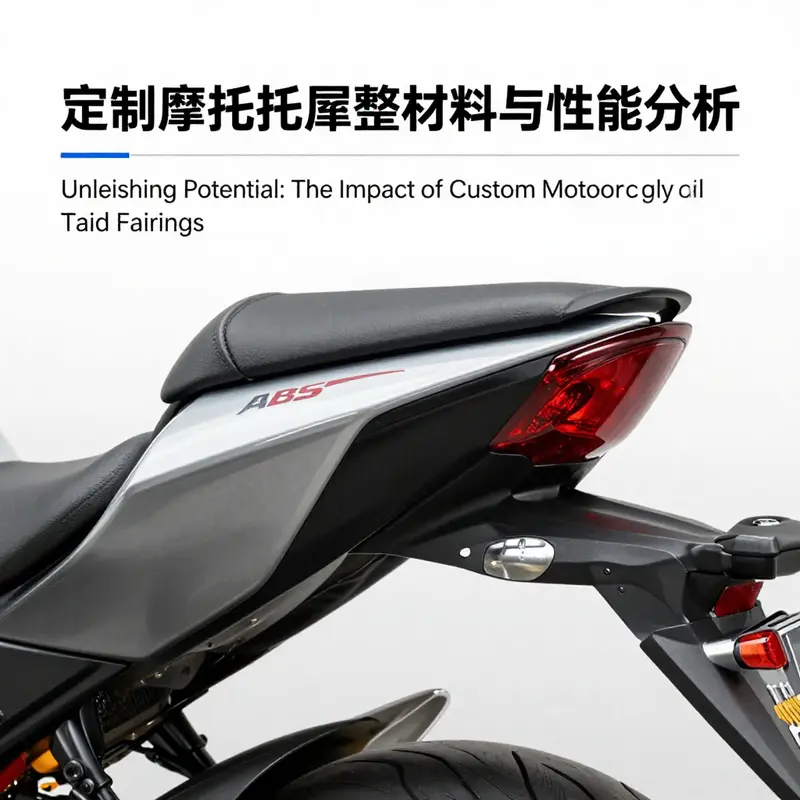
定制摩托车尾部整流罩的材料选择不仅关乎外观的美学,更直接影响到整车的空气动力学性能、耐久性和使用成本。对于希望以个性化表达与性能提升并重的车手来说,选择合适的材料,是实现“无痛升级”理念的前提。本文在综合现有市场信息与材料科学原理的基础上,展开对尾部整流罩常见材料的系统分析,并把焦点放在三大核心维度:重量与刚性、耐久性与环境适应性,以及加工与成本。ABS塑料、碳纤维、FRP/金属框架的组合,以及特殊工程塑料如 Terblend N 3158,构成了当前定制尾部整流罩材料谱系的主线。与此同时,设计师在选材时并非孤立作业,必须与制造工艺、车型差异、以及使用场景紧密结合。对这一过程的理解,将帮助车主在不同预算和目标之间做出稳定而明智的选择。不同材料的核心差异首先体现在重量与刚性之间的权衡。碳纤维以其显著的重量减轻和高刚性著称,能够在保持强度的同时降低尾部结构的惯性载荷,从而在高速巡航与转向响应中带来更为直接的车身反馈。对追求极致性能的改装者而言,这种材料的美学特征与物理特性往往成为最有力的卖点。要实现碳纤维尾部整流罩的最佳效果,制造过程往往需要分层铺设碳布、浸渍树脂并通过真空浇注完成成型,工艺要求高、成本相对较高,但其在风洞测试中的表现与路面体验往往相互印证。与之相比,ABS塑料则以成本优势和大批量制造的可行性著称。作为注塑成型的主力材料,ABS在常温下具有良好的冲击韧性、尺寸稳定性和加工稳定性,使得大规模定制尾部整流罩成为现实。对于日常使用和大多数改装爱好者而言,ABS 提供了最具性价比的解决方案;在质量与耐用性之间取得平衡,能够覆盖广泛的车型与风格需求。对AB S而言,密度虽高于碳纤维,但其可加工性与修复性方面的优势,使得维护与涂装工作量相对友好。对于那些更注重外观纹理与个性化图案的车主,ABS还能通过表面处理、涂装和贴膜实现高度多样化的视觉呈现。另一个值得关注的材料类别是 FRP(玻纈增强塑料)与金属框架的组合。通过在结构中嵌入 FRP 与轻质金属支撑,可以在不大幅增加重量的前提下显著提升承载能力和抗冲击性。这类组合在大尺寸尾部整流罩中尤为常见,能够提供更稳定的几何对接和更耐用的密封性能,尤其适合对装配公差和长期耐用性有较高要求的改装方案。 FRP 的加工灵活性也使其在实现复杂造型方面具有独特优势,能够更好地覆盖不同车型的曲线轮廓与风道需求。最后,特殊工程塑料如 Terblend N 3158 的出现,为那些在热环境和尺寸稳定性方面有更高要求的应用提供了新的可能性。Terblend N 3158 以矿物填充和改性聚合物体系实现了低线性热膨胀、较高的弯曲模量和优越的冲击性能。这一类材料在高温区域(如发动机舱边缘)的尺寸稳定性尤为关键,能够减少热胀冷缩带来的缝隙变化,提升涂装一致性与长期耐久性。对追求“全包式”或半包式美学与性能整合的高端方案而言, Terblend N 3158 提供了一个在重量、硬度与耐久性之间的平衡点。对这一点的理解,需要将材料特性与实际使用环境结合起来评估,确保风道封闭、气动外形与车身结构的协同效应达到最优。材料选择的背后,是制造工艺的驱动与成本结构的制约。ABS 以其注塑成型的高效率和低单位成本,成为大量商用与大众市场的首选;碳纤维则需要铺层、固化和后处理等步骤,强调的是小批量、高附加值的定位。FRP 的加工成本介于两者之间,适合追求复杂造型与中高端定制的方案;Terblend N 3158 及类似材料的成本通常更高,但因其卓越的尺寸稳定性和耐温性,在对精度和长期性能要求极高的应用场景中具有不可替代的优势。就性能而言,材料的力学性能、耐候性、耐热性以及耐冲击性共同决定了整流罩在高速行驶时的形状保持与保护功能。碳纤维的刚性与低密度使得整流罩的自重降低,提升了整车的前后重量分布,从而在动态驾驶中提供更直接的反馈与更好的操控稳定性。ABS 的韧性则在碰撞或摔落后提高了部件的可修复性与安全性,尤其是在路面障碍物冲击下,外观和结构的复原能力对车主来说意义重大。 Terblend N 3158 的热变形温度与低膨胀系数,为海拔变化、日照强度与夏季高温地区的使用提供了额外的稳定性。对于车手而言,这样的稳定性不仅意味着美观的外观维持,也意味着涂装和贴膜的长期一致性不会因环境因素而改变,从而保持整车的视觉统一性。设计与工艺的协同同样重要。无论是哪种材料,尾部整流罩的安装都强调“无麻烦安装”的理念,这意味着对位孔距、边缘轮廓、以及接缝密封都需要在方案设计阶段就被考虑到,以便快速更换、减少车身钻孔或焊接的需要。对模型适配性的提升,直接关系到车主在不同车型间迁移改装件的便利性。为更好地理解设计原则与对位结构,车迷和专业改装者可参考特定车型的整流罩系列资料,这些资源通常会提供对位点、螺栓规格与安装步骤的清晰指引。 在市场与文化层面的互动中,尾部整流罩已从单纯的功能件转变为表达个性的载体。定制文化源自20世纪的改装传统,如今则更强调材料科技与美学的结合。整体设计往往强调轮廓的连续性、风道与散热的有效性,以及对车身后部的视觉冲击力。不同材料的纹理、光泽与涂装效果,被用来强化尾部的视觉焦点,使之成为整Vehicle的“尾声乐句”。对寻求高度个性化的车手而言,材料选择不仅是工程决策,更是艺术表达的关键部分。为帮助读者在实际决策中进行快速参考,市场上也提供了覆盖广泛车型的定制套件、以及针对高端车型的全包或半包方案。此时,理解车型差异、对位孔距和最终风貌的统一性,就显得尤为重要。 与车型适配相关的资源方面,内部渠道提供了丰富的参考路径。对于理解通用设计原则与对位结构,参阅 Kawasaki fairings。该系列页面聚焦特定车系的整流罩与相关部件的兼容性,帮助读者在未来的改装计划中更清晰地规划升级路径。 外部层面,材料科技的发展也在不断推动整流罩行业的边界。最新材料数据表和工程案例显示,Terblend N 3158 等高性能材料在耐温性和尺寸稳定性方面的提升,正在促使更多定制方案在保持轻量化的同时实现更高的长寿命表现。为了读者获取权威信息的途径,以下外部参考链接提供了对 Terblend N 3158 技术要点的直观解读与应用示例: Terblend N 3158. 综上所述,定制摩托车尾部整流罩的材料选择是一个多维度的综合决策过程。车手在权衡重量、强度、耐候性、可加工性和成本时,应将个人目标与车型特性、使用环境、以及未来维护计划放在同一张决策桌上。只有在设计、材料与工艺三者协调统一的前提下,定制尾部整流罩才能真正实现美学与性能的双重升级。
尾部就要说话:定制摩托车尾部整流罩的美学设计与个性化表达
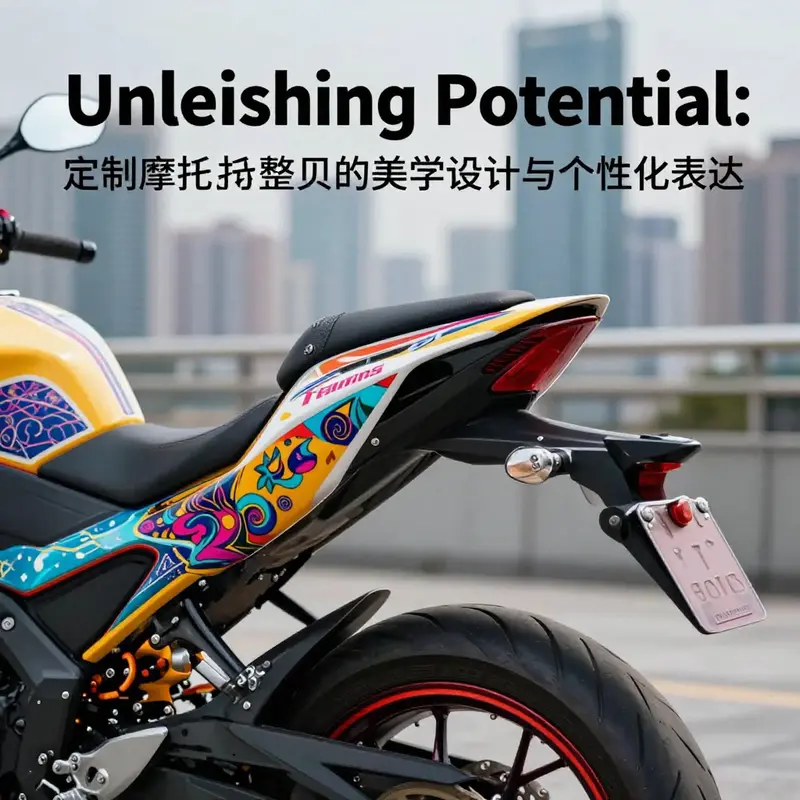
在一辆定制机车的轮廓上,尾部整流罩不仅是空气动力学的收尾,更是观者第一时间读到的情感语言。它像画布上的最后一笔,将速度的隐喻、品牌气质与车手的镜像融合在一起,决定了整车在静态与动态之间的张力。尾部整流罩不再只是功能件,它承载着叙事的开端,成为个性表达与工程美学的交汇点。正因如此,设计师与骑手往往在一个看似简单的外观上投射出无数观念:线条的粗细、面面的处理、材质的光泽、以及与灯光、座椅和排气系统的对话。这种对话不仅塑造了外观,更在加速与过弯之间传达出独特的身份与情感。
从设计史的视角看,尾部整流罩的演变像一部关于速度与美学共同进化的简史。二十世纪末的几何美学和雕塑化的体量感,给尾部带来前所未有的视觉张力。随着材料科学的发展,尾部的表面语言也逐步从单一的轮廓走向多层次的肌理。碳纤维的纹理若隐若现,铝合金的一体成型展现出冷硬的光泽,而高强度ABS塑料则在经济性与可加工性之间提供了更多可能。设计师往往在保持空气动力学效率的前提下,探索如何让尾部在静止时也能传递速度的气息。这种追求既是技术的,也是文化的。
在当代的改装语境中,尾部整流罩成为“个性叙事”的核心媒介。改装文化最初源自以极致化的造型挑战传统使用方式的精神,而尾部的改造恰恰是这场叙事中最直接、最易被认知的一笔。定制者通过选择不同的材料、纹理和线条走向,赋予同一车型不同的气场:有的偏向极简的几何秩序,有的倾向大气的曲面雕塑,有的则在细微处通过抛光与喷涂的对比制造视觉跳跃。无论走向何方,尾部整流罩都承担着将个人故事和技术能力转译为可感知美感的职责。
材料的选择在这一表达中扮演了核心角色。碳纤维以其高强度、轻量与独特的纹理语言成为追求极限性能与前卫美学者的首选之一。铝合金的一体成型则以其硬朗的轮廓和耐久性,为现代耐用性需求提供了强有力的支撑。ABS塑料的注塑成型则兼顾了成本效益与成型自由度,使得个性化尾部成为更多爱好者可实现的现实。设计师需要在材料的机械特性与视觉表达之间找寻平衡,例如在大弧线与锐角的结合处,如何通过表面处理让过渡显得自然而不突兀。与此同时,尾部的灯组、牌照夹与排气口的设计也逐渐成为整体美学的一部分。它们并非独立的点,而是整条线条与体量关系中的有机节点,使尾部在夜晚也能以清晰的轮廓讲述自己的故事。
此外,尾部整流罩的美学正在与色彩叙事、光影语言及纹理层次建立更紧密的协同。哑光涂层、镜面反射、磨砂纹理甚至碳纤维的编织纹路,都是表达速度与现代感的手段。涂装的选择常常与车身其他元素形成呼应,形成统一的叙事风格;颜色的对比或同色系的渐变则用来强调轮廓的线条与体量的变幻。设计师在考虑光线折射的同时,也要思考观者在不同角度下的视觉读解。尾部的每一道曲线、每一片面板都可能成为导致视线重新聚焦的关键节点。当夜晚降临,尾部迸发出的光影效果,往往比日间的线条更直观地表达“速度的语言”。
这就是为何在市场上,关于尾部整流罩的选择不仅仅是“换个风格就好”。它涉及你希望从车身传递给世界的第一情感,以及你愿意为此投入的时间、金钱与创造力。对于希望在兼顾原有轮廓的同时注入个性的车主而言,查看 Kawasaki 整流罩系列 的相关方案可以提供大量启发。该类别的设计思路通常强调易于替换、可实现性与风格多样性之间的平衡,使得替换尾部成为快速、相对低成本的改造路径,同时又能保持总体造型的连贯性。这种“可替换的叙事”理念正是现代定制文化中最具吸引力的层面之一。
回到个人故事的层面,尾部的美学并非孤立的艺术品,而是与骑手的节奏、道路的地形以及夜晚的灯光一起编织的情感曲线。一个选择更干净简洁、一个偏向复杂纹理、一个强调对称的几何,一旦安放在座驾之上,便开始诉说属于骑手的速度与耐心。这样的尾部不仅仅塑造了一个看起来更具攻势的轮廓,更通过线条的走向和面板的拼合,表达出人、车、路之间的默契。它让路面在传来颤动的前两次振动时,观者能在视觉上捕捉到那股来自发动机内部的呼吸与力量。正因如此,尾部整流罩成为定制过程中的核心语汇。它把工程学的严谨、工艺美术的审美,以及骑手对速度的浪漫共同融入一个统一的视觉与触觉经验之中,使整辆车在静止时就像在讲述一段关于速度、控制与自我实现的故事。
外部参考的视觉样本在全球范围内也有多样化的实现。这些案例强调同一主题的多种表达路径:从极简的纯粹线条到多层次的表面处理,从抛光的金属硬度到碳纤维纹理的自然纹理。无论你偏好哪一种表达,核心在于尾部设计的语言要与整车的叙事保持一致,同时又具备足够的灵活性,让个体在日常穿行与赛道激情之间找到自己的节奏。对于正在筹划或已经进入改装清单的读者来说,理解这一点就能更从容地在市场的海量选择中筛选出真正契合自我风格的尾部整流罩。
如需进一步拓展对尾部语言的理解,不可忽视的,是对比与多元化案例的研究。许多设计师在不同车型、不同场景中的尝试,帮助人们理解同一部件如何在不同主题下完成转译:从休闲街道到技术性跑道、从深色系的隐性美学到明亮对比的视觉冲击。通过观察广泛的应用,人们不仅获得美学灵感,也学会评估材料、工艺与可维护性之间的关系。对那些渴望把尾部作为个人叙事核心的车手而言,这是一条值得走遍的学习路径。
外部资源的参考也提醒我们,极具未来感的尾部表达并非纯粹的美学追求,而是对材料科学、制造工艺以及数字化设计工具的综合运用。要实现高强度、低重量且 aesthetically精致的成品,需要在生产端进行严密的工艺选择与质量控制。与此同时,尾部设计也在逐步与灯光系统、传感器技术以及车身电子系统进行更深度的整合,使“尾部”不仅是外观的一部分,也是整车智能化表达的一个节点。通过这样的整合,尾部整流罩在日常使用中更具实用性与耐久性,在夜间可见性、清洁维护以及长期耐用性方面也有显著提升。
总之,定制摩托车尾部整流罩的美学设计与个性化表达,是一个跨越工艺、文化与自我认同的综合叙事。它承载着速度的想象、材料的语言、光影的戏剧性,以及车手自我定义的愿景。它让一台机械在静默中讲述,在行进间显露,在夜色里发出属于自己的光。正因如此,尾部的每一次改动都值得被认真对待,因为它不仅改变外观,更重塑你与道路之间的关系。
外部参考资源:若需要了解另一种极简太空风格的尾部设计表达,可参阅一个代表性改装案例的外部资源:https://www.gasolinemotorco.com/
内部链接参考:若想探索与尾部整流罩相关的可选件,请查看以下内部资源之一,以获得更多实操性灵感与选项:
- Kawasaki 整流罩系列(内链)
Final thoughts
Custom motorcycle tail fairings play a pivotal role in enhancing not only the performance of a motorcycle but also its aesthetic appeal and individuality. By understanding their specific applications, connections to automotive culture, ease of installation, material properties, and design principles, business owners can better cater to the desires of motorcycle enthusiasts seeking to personalize their rides. As the market continues to emphasize customization, leveraging this knowledge will undoubtedly lead to strategic advantages in this dynamic sector.