
In the competitive realm of motorcycle parts sourcing, DHgate.com stands out as a vital platform connecting businesses with a myriad of motorcycle fairing options. Specifically catering to both B2B and B2C markets, DHgate offers a vast selection of over 67,000 motorcycle fairings, covering renowned brands such as Honda, Yamaha, and Ducati. This article aims to provide business owners with in-depth insights into DHgate motorcycle fairings, detailing the varieties available, customization and bulk procurement opportunities, and the overall role of DHgate in the global supply chain. By the end, you will have a comprehensive understanding of how to leverage DHgate for your motorcycle-related business endeavors.
Riding the Global Trade Lane: How DHgate Shapes Motorcycle Fairings for Builders and Riders
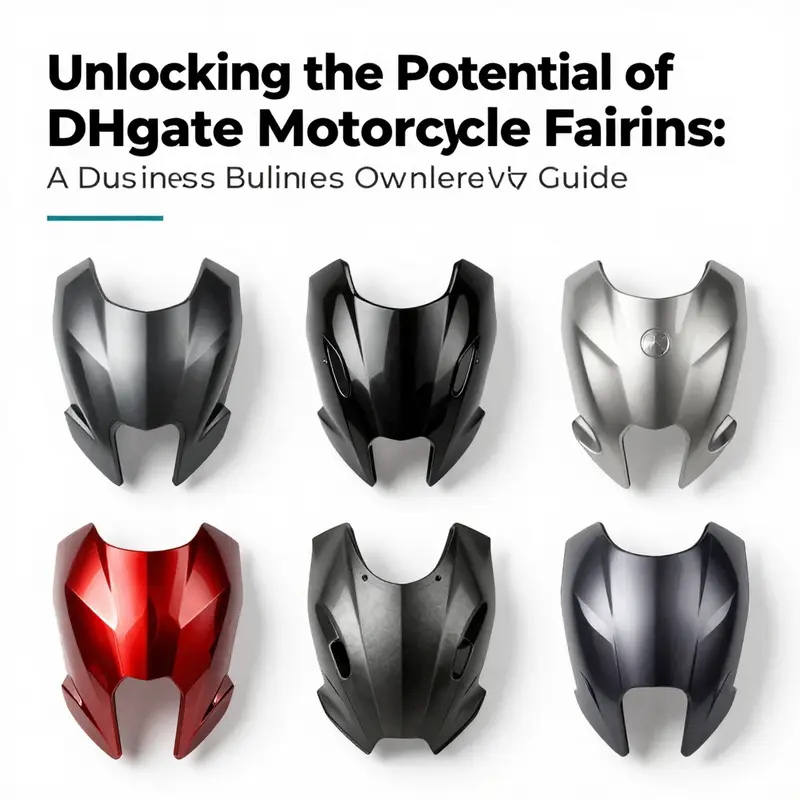
DHgate has emerged as a pivotal crossroads for anyone looking to source motorcycle fairings with a blend of scale, variety, and cost efficiency. In a market where the right shell can alter aerodynamics, aesthetics, and even maintenance routines, the platform plays a dual role: it is both a broad marketplace and a practical accelerator for projects—whether you are building a one-off custom bike, stocking parts for a shop, or simply upgrading the look of an older ride. The backbone of this ecosystem is the sheer breadth of options. The catalog is described in terms of tens of thousands of variants, a reflection of how many different silhouettes, finishes, and mounting schemes exist in the world of bodywork. For anyone who has faced the dilemma of choosing between a full fairing for maximum aerodynamics or a lighter, more serviceable half fairing, DHgate presents a spectrum that resembles the needs of a diverse riding community. It is not merely about looks; the configuration choices can influence weight, access to the engine, and ease of repair or modification in the future, which is why riders and shop owners alike treat fairing selection as a core design decision rather than a cosmetic afterthought.
The platform’s core taxonomy is intuitive enough to guide a buyer through the major styles that define fairing design. Full fairings envelop the engine and frame, delivering the cleanest profile and the most comprehensive protection against wind and debris. They appeal to riders who prize aerodynamic efficiency, track-like posture, and an uninterrupted shell that can be tuned for high-speed performance. Yet full fairings also bring trade-offs: greater fabrication complexity, higher initial cost, and more involved maintenance or replacement should damage occur. Three-quarter fairings strike a balance by covering about three-quarters of the front and side areas. They offer noticeable aerodynamic benefits while preserving easier engine access and a more modular approach to repairs and upgrades. Half fairings exemplify lightness and simplicity: they emphasize mechanical accessibility and a raw, mechanical aesthetic, often preferred by cruisers or bikes built for relaxed touring where the rider values ease of customization and straightforward maintenance. This spectrum—full, three-quarter, and half—illustrates how a single product category can be tuned to a rider’s priorities, whether those priorities are performance, practicality, or personal style.
A central strength of DHgate is the direct link it creates between buyers and suppliers, most of whom operate factories or large workshops in key manufacturing hubs. That direct line translates into competitive pricing, especially for bulk orders. For shop owners or teams planning multiple builds, factory pricing offers a margin advantage that traditional retail channels struggle to match. The platform’s wholesale incentives—coupon codes, bulk discounts, and occasionally loyalty or volume-based pricing—further tilt the economics in favor of steady, repeat orders. This is not a marketplace where cost savings come at the expense of quality; rather, DHgate emphasizes factory pricing paired with detailed product listings and supplier ratings, which helps buyers gauge reliability and finish quality before placing an order. The balance between price and assurance is a critical consideration for anyone contemplating a long-term sourcing relationship, and the platform’s rating systems provide a practical shortcut for weeding through the noise to locate consistent, dependable suppliers.
Customization is a thread that runs through the DHgate proposition from the simplest aesthetic tweak to the most ambitious design brief. For brands, race teams, or individual builders aiming to forge a unique visual identity, the platform accommodates bulk orders for custom-designed fairings. Buyers can specify color schemes, logos, and patterns that align with a particular bike’s theme or a shop’s branding, while still leveraging the cost efficiencies of mass production. This kind of customization is especially appealing to boutique builders and showroom curators who need a consistent supply of parts that can be replicated across multiple bikes without sacrificing individuality. It also supports smaller-scale orders, enabling enthusiasts to realize niche ideas without shouldering prohibitive unit costs. The logistics of customization are supported by clear product specs, model-fit guidance, and direct communication channels with suppliers, all of which reduce the risk and friction typically associated with bespoke bodywork.
Compatibility is a crucial, often understated, dimension of the DHgate experience. The platform hosts fairings designed to fit a broad spectrum of motorcycle silhouettes, from common mainstream configurations to more specialized setups. For buyers, this breadth translates into a useful two-step reality: first, identify the general fit for your frame style, and second, confirm mounting points, seat and tail integration, and headlight alignment with the specific model year in mind. The availability of multiple configurations for each model year, including those from older to newer design families, means that a rider can source an appearance update without sacrificing the fundamental geometry that makes the bike work. This universality is especially valuable for workshop inventory, where a reliable bridge between different model series reduces the need for an expansive parts bin. In practice, that means a shop can maintain a leaner, more flexible stock while offering customers a wide array of stylistic and aerodynamic options.
The procurement narrative on DHgate is complemented by practical information that helps buyers assess risk and plan for logistics. Listings typically include up-to-date shipping data, supplier location information, and an overview of product specifications. This transparency supports the decision-making process, especially for buyers who must coordinate deliveries with ongoing builds or seasonal project timelines. In addition to product details, the platform’s supplier ratings—often hovering around high marks—provide a quick compass for quality and reliability. For a buyer assembling a lineup of fairings for a multi-bike project, these signals help prioritize partners who consistently meet manufacturing tolerances, finish quality, and packaging standards. The ability to review a supplier’s track record gives a practical sense of what to expect when a shipment leaves the factory and traverses the international logistics network, which can be a decisive factor when timing dictates the pace of a build.
Beyond the basics of selection and price, DHgate’s ecosystem acknowledges the realities of real-world riding and riding culture. The aesthetic needs of riders who want to refresh their bike’s look without high draw-in costs are precisely addressed by the platform’s broad palette of finishes, textures, and decals. The potential to mix and match parts—install a high-gloss shell with a matte substructure, or pair a bold colorway with a subdued interior finish—enables a custom, yet scalable, approach to bodywork. For sports-oriented riders who favor aggressive lines and wind-slicing profiles, the option to source fairings tailored to high-performance goals becomes a practical possibility rather than a distant aspiration. For touring and adventure riders, the lighter, modular designs can be easier to service on the road, where quick swaps and quick-fixes matter as part of the journey rather than mere cosmetic upgrades.
From a strategic standpoint, DHgate serves as more than a marketplace; it functions as a sourcing hub that connects global manufacturing capacity with local ambitions. The platform’s scale means buyers can explore a wide range of finishes, textures, and mounting schemes within a single session, which reduces search time and consolidates the procurement workflow. This streamlining is particularly valuable for small shops and solo builders who must balance design exploration with the practicalities of budgeting, ordering cycles, and inventory management. For end users, the platform offers a direct line to materials that can transform the look and feel of a bike, often without the lengthy lead times associated with bespoke craftsmanship. The net effect is a democratization of access to high-quality fairing options that were once the preserve of large teams or premium custom houses.
As with any significant aftermarket investment, thoughtful due diligence remains essential. Prospective buyers should cross-check fitment notes, inspect finish descriptions, and confirm warranty or return provisions when possible. The breadth of choices can be overwhelming, but the structured listings and supplier-reputation signals help convert potential confusion into a clear plan of action. In practice, this means starting with a broad category, narrowing down to a handful of configurations that best meet the intended use, and then aligning those choices with a few trusted suppliers known for reliable communication and prompt fulfillment. The objective is not merely to buy parts, but to cultivate a dependable pipeline of bodywork that can adapt to future projects, reskins, or model updates without introducing unexpected delays or mismatches.
For riders and builders who want to explore model-specific assortments while preserving a flexible mindset, a useful reference point within the broader ecosystem is the Honda fairings collection, which offers a window into how a manufacturer-style line can be reproduced or adapted in a supply chain model that emphasizes price, consistency, and speed. See the Honda fairings collection for a representative sense of how shapes, mounting points, and finish options are organized within a dedicated product family. This approach—anchoring exploration in a coherent subset—helps buyers translate general platform features into concrete decisions for their own bikes. Honda fairings collection provides a practical case study in how a curated catalog translates into faster procurement and more predictable results, even as the rider’s imagination pushes toward bolder, more personalized designs.
In contemplating the broader significance of DHgate for the aftermarket world, it becomes clear that the platform embodies a contemporary balance between diversity and discipline. It offers a canvas large enough to accommodate every taste, from classic lines to avant-garde contours, while maintaining the discipline of supplier accountability and transparent pricing. This duality is what makes DHgate a meaningful component of a rider’s or shop’s strategic toolkit. It lowers the barriers to entry for experimentation, reduces risk for scale-up projects, and accelerates the cycle from concept to finished bike. It also encourages a culture of collaboration between designers, builders, and manufacturers, because the same marketplace that enables bulk orders for a squad of fairings also supports a one-off order for a unique, self-expressive build. In this sense, the platform does more than supply parts; it helps shape the evolving vocabulary of motorcycle bodywork, where form, function, and fabrication meet in a shared global marketplace.
External resource: https://www.dhgate.com
Riding the Spectrum: How DHgate Motorcycle Fairings Span Full Coverage, Three-Quarter Frames, and Minimal Flair
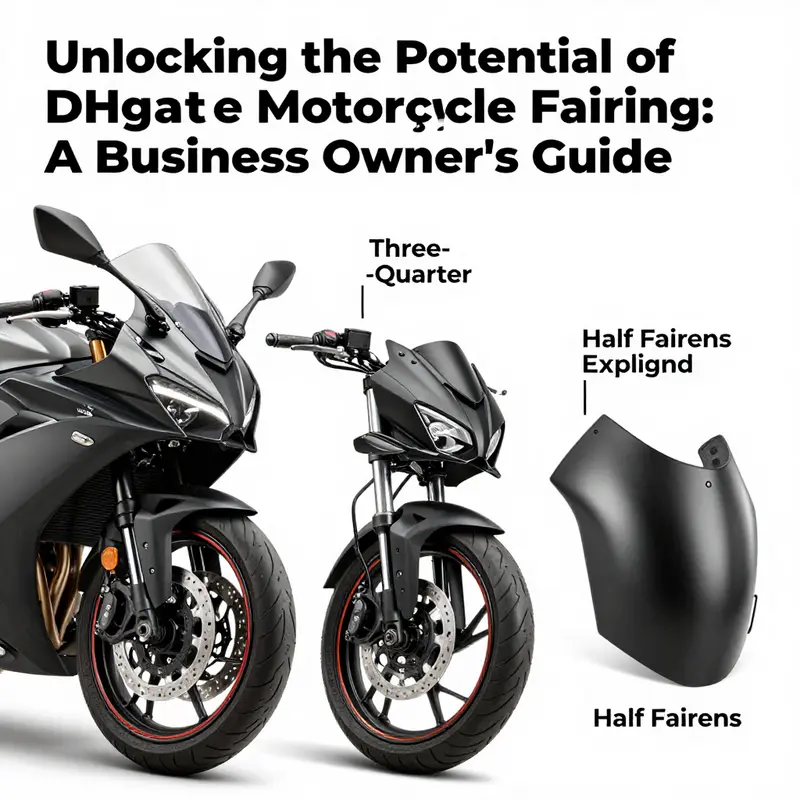
DHgate has carved a distinct niche in the motorcycle aftermarket by linking riders and shop owners with a vast, global network of suppliers. In practice, the platform functions as a bridge between desire and fabrication, making it possible to source an extraordinary range of fairings—these protective shells that define a bike’s silhouette, aerodynamics, and rider comfort. The breadth is striking: more than 67,000 variants and configurations, all designed to fit a spectrum of riding styles, climates, and budget realities. That scale matters because fairings are not a single idea but a family of choices that determine how a machine slices through air, how it shields the rider from wind and weather, and even how easy it is to service the engine and other under-the-skin components. For anyone shopping on DHgate, this means that the decision is less about chasing a single ideal and more about recognizing a set of tradeoffs that align with one’s needs—speed versus maintenance, weight versus protection, customization versus stock appearance. To understand the tradeoffs, it helps to think in terms of the three principal forms that dominate the marketplace: full, three-quarter, and half fairings, with a minimal, often overlooked, quarter option that serves a different set of priorities. A sense of how these options are presented in a catalog can be found in the fairings catalog, which offers a concise snapshot of styles, finishes, and fitment notes across many models, not just a single brand or lineage. https://www.summitfairings.com/collections/honda-fairings
Among the advantages DHgate offers is the capacity to hit price and customization targets at scale. For individual riders who want a distinct look, the platform can deliver color-matched plastics, graphic patterns, and even custom air-deflective contours that echo a bike’s heritage or a rider’s personal aesthetic. For retailers and workshop outfits, the same marketplace provides a direct factory-to-consumer pathway that supports bulk procurement and faster throughput. In other words, DHgate converts a niche desire—an updated look or improved aerodynamics—into a tangible, shippable product, often with the possibility of bulk discounts, promotional codes, and even design collaboration that tailors the shell to a specific model line or customer demographic. The value proposition rests not only on price but on the ability to align a fairing’s geometry with a bike’s frame geometry, radiator routing, and bodywork footprint. The practicalities of this alignment shape how one approaches installation, maintenance, and future upgrades.
The Full Fairing offers a complete shell that hugs the front of the motorcycle from the leading edge of the headlight cluster to the lower sections near the engine. Aerodynamically, the full fairing is the most aggressive option, designed to minimize drag and optimize stability at high speeds. This translates into a ride that feels more composed in exposure to wind, rain, and highway gusts, especially when the bike is leaned into corners at higher velocities. The rider benefits from wind protection that reduces fatigue on long rides and maintains a calmer torso and helmet position, which can improve visibility and control. On the downside, full fairings demand careful fitment. They often require more extensive mounting points and, in some cases, modifications to mounting brackets or subframes. If a paneled shell is damaged, repairs can be more involved, sometimes requiring color-matching and re-finishing across larger surface areas. The full fairing is thus a choice that emphasizes performance and protection, often favored by sport bikes and dedicated long-distance machines that justify the premium in both upfront cost and potential maintenance complexity.
Next comes the three-quarter fairing, which sits at an intermediate point on the spectrum. It covers a substantial portion of the front and sides, delivering meaningful aerodynamic advantages while leaving critical engine access and some undercarriage components more readily accessible. This balance is especially appealing to riders who take long trips and want a high level of wind protection without the full tunnel-like enclosure of a complete shell. In practice, three-quarter configurations can be easier to install than a full fairing, with fewer bracket points to align and less potential for interference with other components. They also open opportunities for mid-cycle maintenance, allowing easier access to the radiator, hoses, and electronics that might run behind or beneath the panels. For touring-oriented riders, this form can offer a satisfying mix of performance, legible maintenance, and visual impact that still communicates a streamlined, aggressive stance. On DHgate, these configurations are common enough to enable substantial customization, including colorways and graphic motifs that echo personal taste while respecting the bike’s silhouette.
Half fairings bring the balance even closer to minimalism. They expose more of the engine and frame, reducing overall weight and simplifying service work. For riders who prize nimbleness and a lighter, more track-ready feel, half fairings deliver a distinctive, muscular look without the full commitment of a complete shell. The wind protection is still meaningful at typical street speeds, but the rider may experience more wind flow around the chest and shoulders, which some appreciate as a tactile reminder of the bike’s mechanical core. Another practical edge of half fairings is modularity: many kits are designed to be convertible, letting a rider upgrade toward a full setup later on. That adaptability is a subtle but powerful advantage for enthusiasts who want to experiment with aerodynamics and aesthetics in stages rather than all at once. The ease of access to the engine area also makes tuning, cleaning, and inspection less cumbersome during routine maintenance.
There is, of course, a category sometimes described as quarter fairings or “mini-shells,” which are the most restrained in terms of coverage. These are primarily about style and a touch of aerodynamics rather than rider protection or engine access. They can give a bike a stripped-down, minimalist look that some riders seek for city commuting or weekend showcases. Because they offer limited coverage, they are not ideal for riders who regularly push the bike to highway speeds or who require robust weather protection. They do, however, emphasize the visual geometry of the bike and can be a compelling route to personal expression when the aim is to highlight the machine’s visible mechanical lines. In the DHgate ecosystem, quarter and other minimal setups may appear in collections that cater to urban riders or retro-inspired builds, where the emphasis is on aesthetics plus a lightweight, economical approach to accessory upgrades.
For buyers, the appeal of this spectrum lies in the ability to tailor a build to a specific riding pattern, climate, and maintenance philosophy. Those who value maximum protection and stable high-speed performance will naturally gravitate toward full fairings. Those who want strong wind protection with easier upkeep may prefer three-quarter shells, while riders who prize simplicity, weight savings, and easy access will find half fairings compelling. The quarter option remains relevant for enthusiasts who seek a distinctive look or who are constructing a custom or retro-inspired machine where exposed mechanics form part of the design language. This pragmatic diversity is DHgate’s strength: it aggregates multiple manufacturing approaches into a single portal, enabling buyers to compare fitment, finish, materials, and price across a wide spectrum of offerings. The platform’s ease of bulk procurement complements this by supporting shop inventory needs as well as individual projects, with discounts and customizable options that help align the product with a buyer’s model year, paint scheme, or graphic identity.
As with any large-scale marketplace, due diligence matters. Even when shopping for a complete shell, it pays to verify fitment notes, measure key anchor points, and confirm the panel count and seam lines align with the bike’s frame geometry. When customization is on the table, sellers often welcome requests to tweak the color palette, apply specific decals, or adjust the contour lines to better complement a rider’s preferred stance or riding stance. Timing matters too: production holds, shipping windows, and the need to match a bike’s paint layer with a future repaint all influence the total cost and satisfaction. In practice, the combination of a broad catalog, flexible customization, and the option to buy in bulk makes DHgate a meaningful gateway for riders and sellers who want to push their builds beyond the factory look while maintaining practical considerations around maintenance, repair, and service access.
If you want to explore the kinds of options that populate this marketplace without committing to a single path, the catalog can serve as an initial compass. The catalog’s presentation—covering options, finishes, and general fitment notes—helps buyers orient themselves before they dive into model-specific conversations with suppliers. If you’re curious about how a particular fairing style might align with your bike’s geometry or your riding schedule, starting with a catalog view can clarify which direction to pursue: a full shell for high-speed confidence, a three-quarter frame for balanced performance, or a half shell for accessible maintenance and a lighter ride. For a broader sense of how fairings can be used to communicate a bike’s identity and purpose, this exploration tends to reveal how form and function are interwoven in a way that is uniquely modern and globally connected. External considerations—such as shipping reliability, return policies, and the availability of color-matched finishes—also shape the ultimate outcome, and prudent buyers often strike a balance between price and certainty by requesting sample panels or smaller orders before committing to a full build.
In the broader landscape of motorcycle customization, DHgate’s fairings sit at an intersection of aesthetics, aerodynamics, and practical engineering. They enable riders to experiment with form, test how a new silhouette might influence handling, and still retain a clear path to service and repair. The ability to source from multiple suppliers means a rider can push for innovative textures, bold colorways, and sophisticated decal schemes without the constraints of a single brand’s catalog. It also means that the buying process can be iterative: start with a look, test fitment, refine color and texture, and, if desired, scale up to a more expansive full-fairing project. For shop owners and builders, this flexibility translates into the opportunity to refresh inventory, offer custom build packages, and respond to customer preferences with tangible timelines and price structures. The result is a marketplace that reflects a modern motorcycling culture—one that values customization as much as it does performance, and that recognizes the rider’s journey as a process of design exploration rather than a one-off purchase.
For further reading on the broader principles of fairing design and its impact on performance, see the external resource linked here. External resource
From Personalization to Mass Orders: Navigating Customization and Bulk Procurement of DHgate Motorcycle Fairings
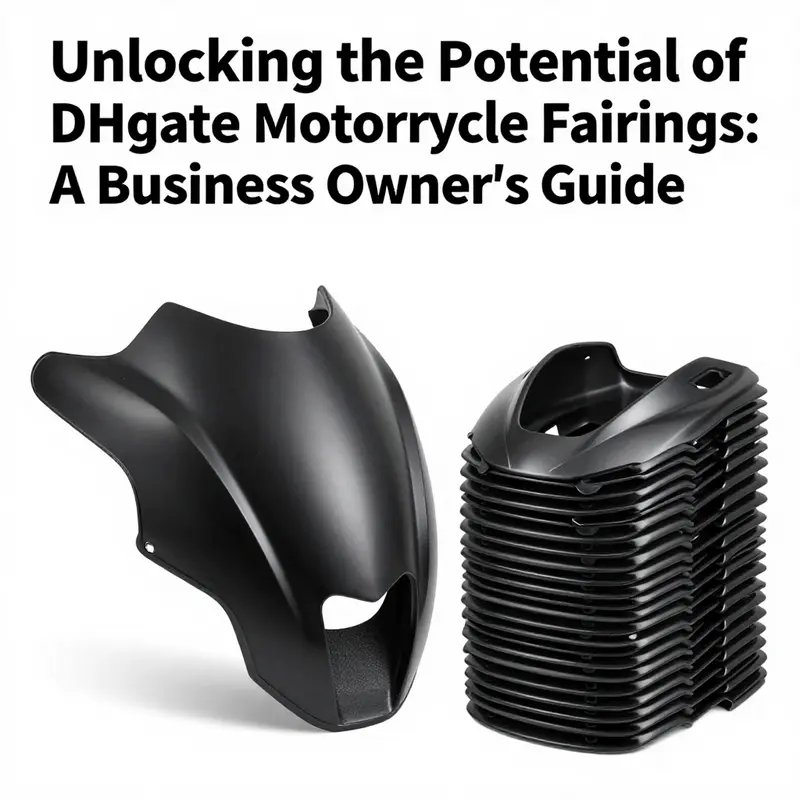
On a global marketplace platform that stitches together dozens of manufacturing hubs with riders and retailers, motorcycle fairings have moved beyond mere replacement parts. They have become a conduit for expression, a way to tune aerodynamics, and a scalable channel for shops and workshops that want to offer variety without breaking the bank. The core idea behind this chapter is simple yet powerful: through a platform that blends customization with bulk procurement, enthusiasts and commercial buyers can blend personal style with practical cost management. The result is a dynamic ecosystem where form and function meet supply chain efficiency, and where decisions about fairing configurations are informed not only by aesthetics but by real-world needs, from maintenance access to long-haul comfort.
To understand how this works in practice, imagine the catalog as a spectrum rather than a fixed product line. At one end lies the full fairing, a complete shell that envelops the front and sides of the bike, aimed at optimizing airflow and rider protection. At the other end sits the half or partial fairing, which leaves more of the engine and chassis exposed, delivering lighter weight and easier service access while still delivering a distinctive silhouette. In between, three-quarter and other modular configurations offer a compromise—substantial aerodynamic benefits without the full commitment of a complete body kit. DHgate’s ecosystem mirrors this spectrum, hosting OEM replacement parts for specific models, full body kits designed to refresh a bike’s look, and customizable styles that let buyers decide colorways, graphics, and even sticker sets. This breadth makes the platform appealing to a wide range of customers—from solo riders who want a fresh look to small shops that need to stock multiple SKUs for a quick turnaround.
The customization option is more than skin-deep. Buyers can request color customization and decorative stickers, enabling everyone from daily commuters to weekend hobbyists to project a personal identity without compromising the bike’s core geometry. The appeal is twofold: a visual refresh and a chance to tailor the aerodynamic profile to local riding conditions or personal riding style. It is this combination of aesthetics and engineering that elevates fairings from a cosmetic accessory to a practical performance element. When the work is done through a marketplace that supports direct-from-manufacturer sourcing, the process also becomes more predictable. Detailed size descriptions and installation guides help buyers assess fitment before committing to a kit, a feature that matters as much as the appearance.
For prospective buyers interested in bulk procurement, the Wholesale section on the platform is where scale and leverage come into play. Categories labeled for inexpensive custom fairings or low-price OEM fairings are designed to streamline large orders from Chinese manufacturers and other suppliers. The principle is straightforward: buy larger quantities to achieve lower per-unit prices, then layer on promotional vouchers or discount codes to further reduce costs. This approach can suit different business models—from a small workshop stocking a few dozen fairings a month to a business that needs thousands of complete kits every month. And because the suppliers often operate with dedicated R&D or engineering teams, buyers can push for more complex projects, such as designing a cohesive color story across several models or developing a consistent graphics package that can be applied across a line of fairings.
Quality and compatibility sit at the heart of this marketplace model. The sellers typically emphasize compatibility by providing precise part descriptions, model-specific notes, and clear installation guidance. A recurring theme is the claim of 100 percent compatibility with the intended models, backed by size measurements, mounting hole locations, and cordoned installation steps. For buyers who plan large-scale updates or a wholesale refresh, those details translate into tangible time savings during installation and fewer returns or misfits in the field. Buyers who pursue customization may confirm color codes, decal dimensions, and even texture finishes before production begins, reducing the risk of mismatches once a batch ships. In practice, a single lower fairing kit example—an essential component in enabling a full fairing installation—will come with a SKU and a set of technical notes that clarify its role in the assembly. The emphasis on precise fitment, after all, is what distinguishes a viable aftermarket option from a fragile styling exercise.
The practical benefits of this ecosystem emerge when one considers the realities of riding and maintenance. A full fairing, while offering the cleanest aero profile, can complicate access to the engine and other critical systems. A three-quarter or half configuration can dramatically simplify routine service, making it preferable for riders who travel far or spend long hours in the saddle. At scale, these choices allow shops to curate a balanced catalog that addresses different riding priorities—high-speed sport intent, long-distance touring, or retro-styled aesthetics—without forcing customers to choose a single approach for every bike.
Another meaningful layer in this landscape is the possibility of signaling and identity through customization. In markets where riders want to showcase personal graphics, colorways, and emblem motifs, the ability to customize becomes a way to distinguish one shop’s stock from another’s. This is not merely about vanity; distinct branding and consistent color schemes can help service centers and retailers communicate a cohesive product policy to their customers, reinforcing reliability and a sense of professional stewardship. When combined with a bulk-sourcing option, this approach enables a business to offer a curated mix of affordable, responsibly sourced fairings and premium-looking, customized options, all within a single procurement cycle.
For readers who want a concrete touchstone, a practical example helps illustrate how these options translate into real-world purchasing decisions. One can think of a scenario where a shop is assembling a lineup that includes OEM-replacement type parts, individual full-body kits, and a collection of customizable panels. The seller’s catalog would typically feature color customization and sticker decoration options compatible with a variety of mainstream bodies, ensuring that the shop can respond quickly to customer requests without delaying production. The ability to order in bulk—perhaps in the thousands of sets per month—enables the shop to negotiate better terms while maintaining a high standard of finish and consistency across the entire order. In parallel, the shop can leverage vouchers and discount codes offered within the wholesale framework to optimize the overall cost structure. This combination of customization and bulk efficiency is what makes the DHgate model attractive for both individual riders who crave personalization and business buyers who need predictable, scalable supply.
To illustrate the broader catalog’s breadth, consider how the platform presents a range of model-compatible options with clear documentation. Buyers are guided to verify the exact vehicle model and parts specifications during selection, which minimizes compatibility issues later in the process. The emphasis on precise compatibility is not an afterthought but a core selling point, designed to reduce post-purchase friction and encourage confident investment in bulk orders. The installation guidance that accompanies most listings helps ensure that, even with a large quantity, shops can execute installations efficiently and consistently. This is particularly valuable for operators who manage a high turnover of bikes or who swap out fleet hardware on a schedule linked to maintenance cycles or seasonal promotions.
An example of the level of detail buyers encounter in this space is a lower fairing installation kit that appears in product notes with a specific SKU. The documentation describes its role in the overall assembly, ensuring that the part integrates correctly with surrounding components. Even when the customer is working with a bulk order, such precise notes matter. They help technicians avoid guesswork and support teams in explaining fitment to customers who may be upgrading from a simpler configuration to a more complex body kit. In this way, the marketplace supports a continuum—from straightforward, cost-conscious replacements to sophisticated, unified styling projects that span multiple models and configurations.
For readers who want to explore more hands-on, real-world catalog examples, a practical path is to browse the manufacturer catalogs that emphasize a balance between cost-effective production and design flexibility. An important takeaway is that the platform’s value is not simply in the lowest price; it is in the integration of customization workflows with reliable supply chains. Buyers can lock in bulk pricing, confirm exact color codes, and chart a production timeline that aligns with their shop’s workflows. They can also coordinate with suppliers who have established research and development capabilities to push customized projects forward, ensuring that even ambitious design concepts can be realized with professional assembly standards.
If this strategy resonates, consider the potential of a middle ground: a core, reliable fairing shell in a standard color family, complemented by a set of color-customized panels or decals that can be swapped as trends or seasons change. This approach allows a shop to maintain a core inventory of reliable, compatible parts while offering seasonal or client-specific accents. It also helps with inventory management, reducing the risk of unsold stock while keeping the door open to timely updates. The balance between predictability and personalization is where the DHgate model shines, especially for buyers who require both speed and style in their offerings.
To further inform your purchasing decisions, a practical tip is to look for listings that clearly indicate model compatibility and provide install guides. The best listings also describe the assembly sequence in a way that minimizes trial-and-error during installation. For the business buyer, it is worth engaging directly with suppliers who feel comfortable discussing lead times, MOQs, and customization options before placing a bulk order. That upfront alignment can save time and money, smoothing negotiations and accelerating time to market for a new styling package or a refreshed fleet of bikes.
For readers curious about the broader ecosystem, a practical example of an experiential resource would be the Honda fairings collection on Summit Fairings, which offers a window into how OEM-inspired styling is translated into modern kits that balance aesthetics with engineering practicality. You can explore that collection here: Honda fairings collection.
In closing, the DHgate model for motorcycle fairings demonstrates how customization and bulk procurement can coexist within a single shopping journey. Buyers can tailor color and graphics while negotiating bulk quantities and cost efficiencies, all within a framework that stresses compatibility and installation clarity. This combination of design flexibility, scalable production, and practical documentation makes it feasible for riders to express individuality without sacrificing reliability or serviceability. It also positions small shops and larger enterprises to build differentiated offerings—ranging from affordable replacements to fully personalized kits—without being constrained by traditional supply chains. For readers seeking broader context on wholesale marketplaces and the tradeoffs they entail, a direct reference to DHgate provides a gateway to a wide catalog and a set of procurement practices that have become standard in this space: https://www.dhgate.com/.
Winds of Change in the Aftermarket: How DHgate Fairings Rewire the Global Motorcycle Supply Chain
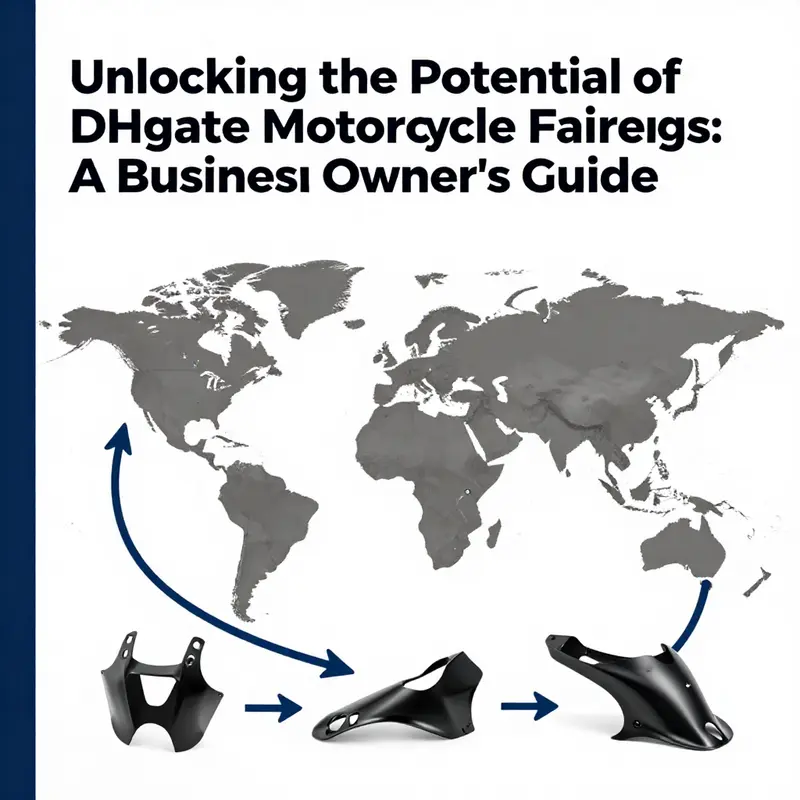
Across the spectrum of modern motorcycle culture, the aftermarket bodywork that riders call fairings has evolved from a purely functional add-on into a dynamic conduit between makers, markets, and riders themselves. The platform at the heart of this shift is a global marketplace that links a far-flung network of suppliers with buyers who range from independent shops to custom builders chasing one-off finishes. In this context, the role of fairings on a platform like DHgate goes beyond a simple catalog of shells and panels. It becomes a study in how scale, speed, and customization reconfigure traditional supply chains. The marketplace is defined not just by breadth but by the speed with which that breadth can be turned into a product that meets a specific rider’s needs. Its catalog spans tens of thousands of SKUs and, in broad terms, more than 67,000 distinct fairing variants. That combination of volume and variety is precisely what enables a global ecosystem to respond to shifting tastes and racing demands with unprecedented agility. The breadth matters because the aftermarket is not a monolith; it is a mosaic of styles, fitments, and finishes that must accommodate everything from mainstream street bikes to high-performance machines that occupy the edge of technology and aesthetics. In practice, this means that a buyer in one country can find a fairing kit that fits a model used elsewhere, yet still choose finishes, textures, and color schemes that reflect local preferences. The platform’s reach is equally consequential. Serving more than 150 countries, it brings together buyers who have very different logistical realities, regulatory environments, and expectations for speed and reliability. This international footprint matters because it creates a shared marketplace where risk is distributed across multiple suppliers, carriers, and payment systems. For a buyer, this translates into options rather than constraints: more partners, more routes, and more ways to tailor lead times to a shop’s cadence or a rider’s event schedule. The impact on the broader supply chain emerges most clearly when we examine the mechanics of distribution and procurement that DHgate enables. The platform’s distribution capabilities help facilitate rapid access to fairing products, effectively supporting just-in-time inventory strategies for distributors and retailers that rely on timely deliveries to keep their shelves stocked and their project pipelines moving. In a sector where delays can derail a project and inflate costs, the ability to source the right fairing kit quickly becomes a competitive differentiator. The procurement process itself benefits from the platform’s capacity to surface price transparency and supplier competition. Buyers can compare options across measurements, materials, and finishes, which helps lower upfront procurement costs and reduce the financial exposure that comes with large-scale orders or bespoke runs. In this sense, the DHgate ecosystem acts as a catalyst for cost discipline across the supply chain. Yet the advantages extend beyond price. The platform’s agility supports market responsiveness in a way that traditional supply chains often struggle to match. Trends in rider preferences—whether a shift toward lighter, modular fairings for speed-focused builds or a penchant for retro-inspired styling on cruiser platforms—can be translated into demand signals that suppliers pick up rapidly. This kind of responsiveness matters for both road and track segments, where the pace of product cycles can outstrip the capabilities of conventional regional distributors. In the face of such volatility, the ability to source compatible fairing sets quickly reduces the risk of obsolescence and enables more frequent, meaningful customization. Material choices also play a central role in the overall value proposition. Durable, cost-effective polymers such as ABS plastic are commonly used for aftermarket fairings, striking a balance between impact resistance, weather performance, and ease of manufacturing. The DHgate ecosystem aggregates suppliers who emphasize consistent material quality, standardization of fitments, and predictable color performance, all of which are essential for reliable installation across a broad range of model families. For buyers focused on aesthetics and personalization, the platform’s customization options are especially significant. Buyers can access customized bodywork sets, finish variations, and complete fairing kits tailored to specific model footprints and rider preferences. The ability to order a kit that matches a particular geometry and mounting pattern, then select from a palette of finishes or graphic schemes, makes the platform a powerful partner for both restoration projects and new-build concepts. This kind of customization is not merely cosmetic. It touches the economics of repair, replacement, and upgrade. When a panel is damaged or a rider wants a fresh look for a season, the ability to source a compatible fairing piece quickly reduces downtime and maintains continuity in the bike’s appearance and aerodynamics. In describing these dynamics, it is useful to consider how buyers navigate through the catalog. The spectrum of fairing configurations—ranging from full fairings that envelop the front and sides to more modular, partial designs—speaks to the balance riders seek between aerodynamics, access for maintenance, and visual impact. Full fairings optimize airflow and protection but can complicate maintenance and repair, while three-quarter and half configurations offer a compromise that preserves many of the aerodynamic benefits while simplifying access to the engine and frame. The DHgate model supports this spectrum by presenting diverse fitments for a broad set of models and by enabling flexible assembly options. It is not just about mass availability; it is about the possibility of tailoring that mass into a coherent, ride-worthy kit that respects a rider’s engineering and aesthetic goals. For readers who want a concrete reference to model-specific offerings within an aftermarket catalog, one can explore the Honda fairings collection, which illustrates how model-aligned kits are organized and presented in one established supplier ecosystem. This internal reference helps demonstrate the practical translation of a vast catalog into tangible, installable sets for a given bike family. The link below provides an example of how model-specific storytelling and catalog organization function in a real-world supplier ecosystem: Honda fairings collection.
The interplay between DHgate’s marketplace dynamics and the broader supply chain lends itself to a useful parallel with large-scale logistics platforms that serve consumer goods beyond the motorcycle aftermarket. It is instructive to connect this discussion with the broader expertise in end-to-end supply chain solutions, which emphasizes how carriers, warehousing, and data-driven logistics support a reliable flow of components from source to rider. In this sense, DHgate’s role is not isolated to product availability; it is part of a larger system that manages risk, improves visibility, and reduces cycle times across diverse markets. As a reminder of these dynamics, external research on consumer goods logistics points to the importance of integrated, end-to-end capabilities that can adapt to ever-changing demand patterns and regulatory considerations—a principle that aligns with how buyers and suppliers use DHgate to navigate the aftermarket space. External resources such as DHL’s consumer goods expertise offer a useful framework for understanding how these capabilities translate into practical supply chain improvements: https://www.dhl.com/global-en/home/industries/consumer-goods.html. In sum, the DHgate motorcycle fairings ecosystem demonstrates that the modern aftermarket is less about isolated transactions and more about networked capabilities. It binds together a global supplier base, a diverse catalog, and agile logistics into a coherent value proposition for riders and retailers alike. The result is a marketplace that not only inventories the parts needed for a repair or a build but also accelerates the translation of rider desire into materially delivered, visually compelling, and aerodynamically sound products. The chapter thus returns to its central premise: in the globalized world of motorcycle customization, fairings are not merely panels. They are the interfaces—between design intent and real-world performance, between a rider’s fantasy and an assembled machine, and between disparate economies that must move fast enough to keep a rider on the road, on the track, or in the workshop where dreams become wheels.
Final thoughts
By exploring the extensive offerings of motorcycle fairings on DHgate, business owners can find diverse options to meet their demands and customer preferences. Understanding the types of fairings available—from full to half versions—enables strategic decision-making tailored to specific markets. Furthermore, the ability to customize and bulk procure these fairings provides an additional edge in maintaining competitive pricing and unique product offerings. As DHgate continues to play a crucial role in the global supply chain, leveraging this platform can significantly enhance your business’s product range and market reach. Embrace the opportunities that DHgate motorcycle fairings provide and stay ahead in the motorcycle parts industry.