
Fairings are much more than aesthetic accessories for Victory motorcycles; they play a critical role in enhancing functionality, rider comfort, and aerodynamics. In this guide, business owners will gain insights into the diverse types of fairings available, the installation and customization process, a market overview revealing the latest trends, and the impact of fairings on motorcycle performance. Each chapter provides essential information contributing to a holistic understanding of how investing in high-quality fairings not only upgrades the motorcycle’s appearance but also heightens its overall performance.
Winged Shields and Wind: The Art and Science of Victory Motorcycle Fairings
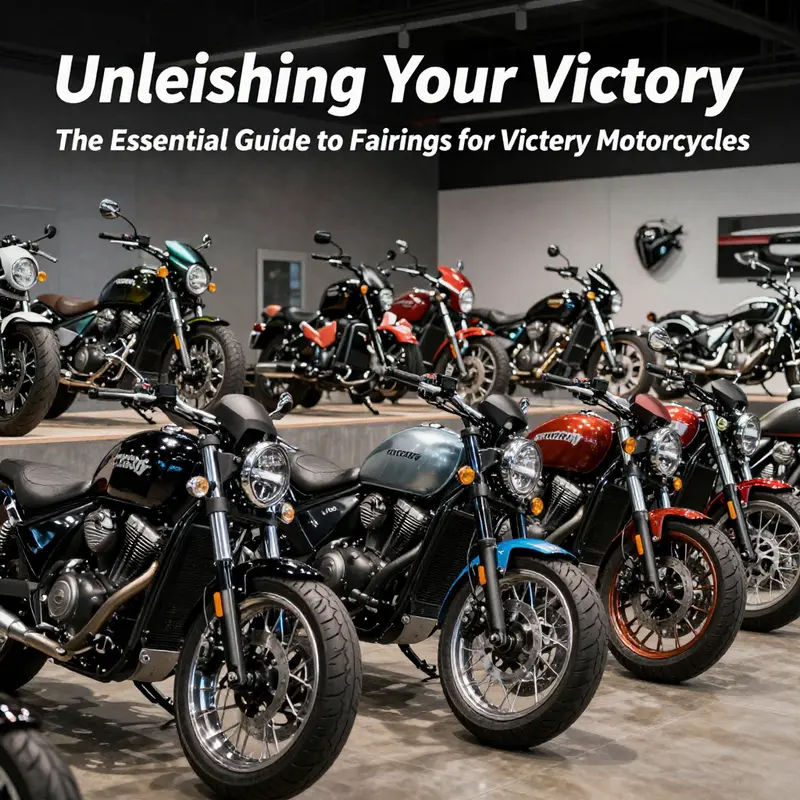
Fairings on Victory motorcycles are more than decorative armor or a simple shield against the weather. They are a carefully engineered marriage of form and function, a confluence where aesthetic language and aerodynamic necessity meet on two wheels. In this chapter, we explore how these front-end shells contribute to the motorcycle’s identity while quietly reshaping how the machine moves through air, how riders experience the road, and how builders translate personal vision into a coherent mechanical silhouette. This is not a catalog of shapes but a narrative about why those shapes matter, how they interact with power, and what riders gain when wind and engine power are harmonized rather than opposed.
The spectrum of fairings available for Victory motorcycles spans from broad, encompassing shells that cradle the upper body to slimmer, sport-oriented forms that emphasize agility. At the heart of the design conversation is a simple truth: air is a constant force, and the rider’s comfort, speed stability, and fuel economy are all shaped by how that air is redirected, pressed, or coaxed to flow around the bike. A large, forward-angled front section can divert wind away from the rider’s chest and helmet, reducing fatigue on long rides and allowing the rider to maintain a steady gaze and rhythm when the highway stretches ahead. Conversely, a narrower, pointed apron focuses on reducing drag and giving the rider a sportier, more aggressive line. These decisions are not merely about speed; they set the stage for how the bike handles, how it feels at cruising velocity, and how predictable it is when moving through gusts or crosswinds. The fairing, then, becomes a kind of aerodynamic fingerprint for the bike, signaling not just capability but intention.
Beyond the windscreen and skin, the construction choices matter. Materials commonly used in modern fairings—durable ABS, fiberglass, and, in some high-end applications, carbon fiber—offer a spectrum of weight, stiffness, and finish. ABS provides impact resistance and relatively simple color integration, while fiberglass allows for more complex shapes and finesse in curvature. Carbon fiber, though less common due to cost, delivers a striking strength-to-weight ratio and a crisp surface that responds to light with a subtle depth. The rider who chooses between these options encounters a trade-off: weight savings versus cost, rigidity versus ease of repair, a matte or glossy finish versus the ability to hold a mirror-like shine. For riders who prize blend and longevity, the choice of material also intersects with maintenance practices. A fairing is not a one-time install; it is part of the bike’s ongoing conversation with the road, weather, and the inevitable encounter with road grime. Keeping its surface clean, aligned, and protected becomes part of the ownership ritual, especially when color-matching and OEM-inspired finishes are involved.
One of the most persuasive ideas in fairing design is integration. A front shell that integrates smoothly with the motorcycle’s line can feel as if it belongs to the bike from birth. The silhouette should echo the engine’s personality, the wheelbase’s stance, and the headlights’ geometry, weaving a single, continuous line across the machine. This is not about imposing a new shape onto the bike; it is about discovering a shape that the bike’s original language can support without discord. In practice, this means that installation details matter. Mounting points, screw patterns, and the way a fairing returns to the frame and dash cluster all affect perceived quality. A well-integrated fairing sits with minimal gaps, accepts fasteners without strain, and leaves room for adjustments that preserve instrument visibility and mirror clearance. The best designs anticipate these practicalities, offering pre-drilled holes or simple alignment guides so a rider or shop can install with confidence, reducing the risk of misalignment that can haunt a long-distance ride with rattles or heat transfer concerns.
Another essential dimension is wind management and comfort. A well-designed front shell does more than keep the rider dry in a drizzle; it shapes the air stream so that wind pressure and buffeting are controlled. This is especially true at highway speeds where a rider’s helmet may cut through a continuous, high-pressure layer. A fairing that channels air efficiently reduces helmet turbulence, which translates into a calmer neck and shoulders, less fatigue after hours in the saddle, and a sense of control that encourages longer, steadier miles. The interaction with wind deflectors—optional add-ons that can be mounted or integrated—further refines that experience. For riders who schedule long trips, the ability to tune the wind experience without sacrificing the core look of the bike is a meaningful enhancement, a way to tailor every ride to weather, route, and personal preference.
The visual language of a front fairing is also part of the rider’s self-expression. A mass of curves and planes can evoke a muscular, touring-oriented stance, while a tighter, more angular fairing leans toward sport and precision. The finish choices—gloss, satin, color-matched, or contrasting panels—become part of a story the bike tells about the rider. Even subtle decisions, such as how the fairing interacts with the fuel tank, the instrument cluster, and the gearing console, contribute to a sense of cohesion. In that sense, fairings are not merely components; they are style statements that communicate the rider’s relationship to speed, landscape, and road texture. The ability to customize, to swap color schemes, or to replace individual panels while retaining a coherent aesthetic, reinforces the notion that a motorcycle is a canvas as much as a machine.
The practicalities of fitment bring balance to this narrative. Compatibility across years and variants matters because a rider may be preserving an older platform or upgrading a touring build with newer styling cues. In many cases, OEM-inspired shapes ensure a clean aesthetic and a straightforward install, preserving or restoring original lines as needed. Yet there is room for aftermarket and custom options that cater to a broader appetite for color, finish, and aerodynamic nuance. The availability of such options in the marketplace reflects a broader trend: riders want to shape their machines without compromising integrity. The fairing becomes a platform for customization, not a constraint, enabling a rider to pursue wind comfort, visual drama, or a hybrid of the two depending on mood and mission.
What all these considerations come down to is a simple idea: the fairing shapes how the motorcycle moves through space and how a rider experiences that movement. The right front shell can turn a gusty day into a predictable, even enjoyable ride. It can improve fuel efficiency by reducing drag, not by magic but by guiding air around the bike’s most vulnerable surfaces. It can also reduce noise, not by silencing the engine, but by smoothing the air’s interaction with the rider, which matters when a helmet becomes a constant companion across miles. In a broader sense, fairings are part of the bike’s performance envelope. They influence the energy the engine must provide to overcome wind resistance, and in doing so, they reframe what the rider can achieve with the same horsepower and torque. This is a story about efficiency and emotion, about the way engineering choices translate into everyday experience.
The evolution of these shells also mirrors the riding community’s evolving needs. Touring riders seek comprehensive protection from the elements and a calm, long-ride aura, while sport-oriented riders look for light weight, sharp lines, and that almost philosophical sense of contact with the air—air as a partner rather than an adversary. Then there are riders who blend the two, building a multi-purpose platform that can cruise comfortably through a wet morning and sprint with the wind on a straightaway in the afternoon. The fairing, in this spectrum, becomes a practical tool and a stylistic instrument. Its design can suggest a particular mission without requiring the rider to explain it aloud: a fairing that promises endurance, or one that signals a zeal for tempo and discipline, or a hybrid that invites both. In this way, the fairing is a kind of silent translator, translating rider intent into a visible and aerodynamic form that the road understands.
With the rise of online marketplaces and shops that cater to vintage, restore, and customize projects, the availability of appropriate fairings has become more varied, and the conversation about fitment has grown more nuanced. While the goal remains to protect the rider and improve performance, there is also an emphasis on authentic lines, correct mounting geometry, and the ease with which a shell can be removed or swapped for a different look. These considerations matter most when a bike is a daily rider, a showpiece, or a hybrid of both. A well-chosen fairing respects the bike’s original proportions while offering the rider a personalized connection to the machine. It can be a source of pride, a practical upgrade, and a practical reminder that speed is as much about control as it is about momentum.
In the end, fairings for Victory motorcycles embody a philosophy of purposeful aesthetics. They are designed to protect, to shape, and to narrate a rider’s story as they move through the world. They reduce drag, improve stability, and elevate comfort, but they also frame the rider’s sense of identity on the road. They enable a rider to express taste, to choose between a clean, restrained look or a more dominant, sculpted presence, and to tailor the wind and the ride to personal preference. The best choices emerge from listening closely to how air feels when it interacts with a particular chassis, how a line harmonizes with the engine’s character, and how a finish speaks to the rider’s sense of pride. Throughout the journey of choosing, installing, and maintaining a fairing, the goal remains constant: to make the bike not just faster or more beautiful, but more true to the rider who rides it.
External resource: https://www.ebay.com/sch/i.html?_nkw=Victory+Fairings+Bodykits
Shaping the Ride: The Art and Engineering of Installing and Personalizing Fairings on Victory Motorcycles
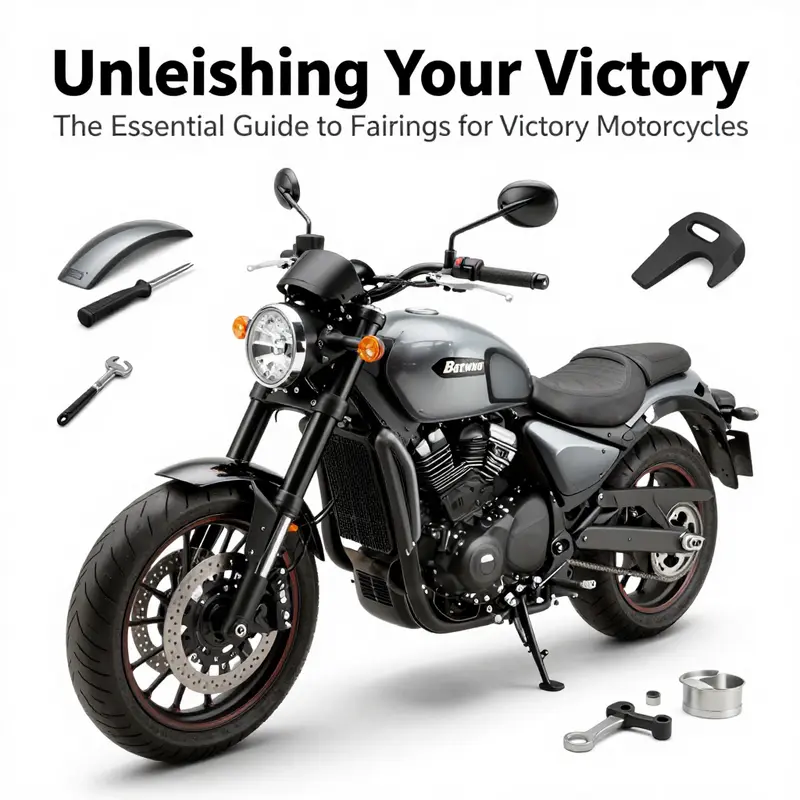
Fairings on Victory motorcycles are more than protection from wind; they are a canvas for both engineering influence and personal expression. A well-chosen fairing changes the rider’s experience by shaping the air around the bike, smoothing high-speed transitions, and directing the wind away from the torso and arms. Beyond the visual impact, the shape and build influence fuel economy, engine cooling, and weather protection. When a rider decides to add or upgrade fairings, the goal is not simply to replace plastic; it is to harmonize form, function, and the rider’s voice on the road. The journey from concept to road becomes an exercise in balancing aesthetic intent with the realities of air, weight, and mounting geometry. The result is a machine that not only looks purposeful but feels more controlled and comfortable at speed, making long rides less tiring and more enjoyable overall.
Installation considerations are the first chapter of this journey. Given the importance of structural integrity and safety, professional installation is strongly recommended. The mounting points on Victory frames are engineered to carry fairing loads, and improper mounting can lead to cracks, rattles, or interference with steering, brakes, or sensors. A trained technician will check the bike’s frame alignment, inspect brackets and fasteners, and ensure that the fairing’s weight distribution does not distort handling. Even with a well-made kit, handling these components requires care: fairings are stiff against integrated hardware and cables, and torque sequences must be followed to avoid warping panels or over-tightening fasteners. In addition, the shop will verify that seals and gaskets maintain weatherproofing, which protects electrical components and keeps the cockpit dry in rain or spray. The goal is a secure, symmetrical installation where every piece sits where it should, with consistent gaps that let air flow cleanly rather than scoop up turbulence.
Fitment and durability form the backbone of a successful upgrade. One of the biggest challenges is matching the fairing to the exact model and year. Some designs span multiple years, while others require year-specific brackets, holes pre-drilled in precise locations, or adapters that preserve the bike’s original geometry. The aim is a seamless surface that sits flush against the frame and engine, with clean gaps where air can travel, not corners that rub or drag. Durable materials resist vibration, road debris, and weather; the best options use reinforced plastic composites that resist cracking and keep their shape under temperature swings. A quality install also means attention to weather seals and rubber gaskets that keep water out of the cockpit and electrical compartments. This careful attention helps ensure the fairing’s performance remains stable as miles accumulate and road conditions vary.
Customization as a narrative elevates the project from a mere upgrade to a personal statement. Riders seeking a unique look often treat fairings as a narrative device. Choosing a color scheme, graphics, and finish is as important as choosing a silhouette. A well-planned color plan can emphasize the bike’s lines, echo the chrome or black metal in other components, or create a bold contrast that becomes a signature on the street. Custom graphics can follow the contours of the panels, emphasizing the bike’s stance and the rider’s preferred mood, whether aggressive and sharp or calm and refined. The process is collaborative: the rider imagines the visual story, and the shop translates it into gas-tight panels, paint precision, taped boundaries, and protective clear coats that resist UV fade and weathering. The result is a cohesive look where every panel speaks the same visual language, reducing the risk of mismatched finishes or abrupt color transitions that can disrupt the bike’s flow.
Integrated features and coordinated kits expand the practical value of fairing upgrades. Beyond the aesthetic, modern fairings offer integrated functionality. Some kits include fender elements, side fillers, and storage-adjacent components that unify the bike’s silhouette and improve practicality. When these pieces are designed to align with existing mounting points, the result is a cleaner look, better aerodynamics, and easier maintenance. A coordinated approach avoids mismatched contours, awkward gaps, and the need to improvise with makeshift fasteners. Skilled fabricators can tailor a body kit to the model’s geometry while maintaining access to essential service points and routing for wires and hoses. The synergy between form and function here is a testament to how a well-planned fairing system can streamline service, reduce drag, and enhance the rider’s ability to carry essentials without breaking the line of sight or comfort.
Planning the build is a disciplined, almost ritualistic step. Take a moment to map out the complete setup before any tool meets metal. Start with a clear measurement of the bike’s mounting area, noting any obstructions such as handlebars, levers, or the windshield support. Professional installers commonly verify fit with plain alignment lines or small reference marks on the inner surfaces of panels. The stage is systematic: align the upper fairing to the steering axis so that it does not contact the gas tank during hard turns; align the side panels to create even gaps that do not trap air; and verify that the lower pieces do not rub the crankcase or exhaust. This careful orchestration helps avoid later adjustments that could compromise safety. During planning, riders also consider whether to include integrated deflectors or adjust the angle of airflow to suit their preferred riding posture. The decisions made at this stage ripple through the ride: the driver’s sense of balance, the ease of entry into corners, and the quietness of the cockpit at highway speeds.
Wind deflection and aerodynamics sit at the core of performance gains. One of the core aerodynamic benefits is reduced buffeting at speed, which can make a long ride more comfortable and less fatiguing. Designers balance the fairing’s width with the rider’s posture, ensuring that wind flows over the shoulders and into a targeted stream that feels natural rather than punitive. The goal is to smooth the airflow, not simply to enclose the rider. Even modest reductions in drag can translate to meaningful improvements in fuel efficiency, engine cooling, and stabilization in gusty conditions. Keeping weather seals intact also protects against rain intrusion and wind-driven spray, adding to overall ride quality. The interplay between shape and surface finish matters here: the smoothness of transitions between panels reduces micro-turbulence and keeps the air moving with less resistance, while well-sealed seams prevent water intrusion that can alter airflow patterns over time.
Materials, finish, and care are the quiet workhorses of longevity. Most riders lean toward durable plastics or composites that resist temperature fluctuations and sunlight exposure. The finish choices range from solid colors to metallics, with matte and gloss options; clear coats protect against UV fading and scratching. High-quality finishes require proper prep work: consistent sanding, adhesion promoters, and a corrosion-resistant sealing layer. The ongoing care involves gentle washing, avoiding harsh solvents that could degrade the surface, and periodic inspection for cracks or loose fasteners after long tours or rough roads. A fairing that remains in good condition not only looks better but retains its aerodynamic performance longer. Regular maintenance includes checking塗 the alignment after a few hundred miles and re-torquing fasteners to manufacturer specs if necessary. A small investment in care preserves not just the appearance but the bike’s efficiency and stability on the road.
Marketplace and upgrade paths shape the purchasing landscape. For those who want to explore options, marketplaces that guarantee fit can be a prudent starting point. They offer a spectrum of fairing components, side covers, and related body pieces—both genuine OEM-style parts and aftermarket variations. The careful reader will check compatibility across model years, confirm the mounting hardware is included, and verify that return policies reflect the investment in a crucial component of the bike’s chassis. A thoughtful buyer also considers the shell’s thickness and the quality of the finish, because a misfit panel can create additional drag or wind noise rather than alleviate it. If the goal is authenticity, a matching color and finish across panels matters as much as the geometry itself. The decision to pursue OEM-style replicas or contemporary aftermarket shapes hinges on the rider’s priorities: exact factory fidelity, or fresh silhouettes that push the bike’s character into new light.
Cross-brand learning and exploration offer a practical compass for decision-making. As riders explore how fairings from different brands fit and feel, a look at the Kawasaki fairings collection can provide a sense of how shapes and mounting geometry influence fit. Kawasaki fairings can illustrate why a panel edge needs to align with a frame corner or why a seam lines up with a tank boss. The practical takeaway is that even when the target bike uses different attachment points, the principles of proper alignment—reference surfaces, even gaps, and secure fasteners—translate across brands and models. This cross-pollination helps a rider anticipate potential challenges and plan a layout that preserves both performance and styling. The result is a more informed decision, one that respects the bike’s original design language while allowing a personal signature to emerge.
Choosing the right partner matters as much as choosing the right panels. The installation should be seen as a collaboration with a shop that understands the bike’s structural geometry and the rider’s usage. A professional will not only mount the panels but also advise on weatherproofing, cable routing, and access to serviceable components. They can suggest a staged approach: mount the major fairing sections first to establish alignment, then attach smaller trim pieces, then address weather seals and finishes. If a rider prefers to handle the work themselves, a detailed manual and a patient approach, along with careful measurements and the right tools, can achieve a satisfying result. In either case, the priority is to maintain the bike’s integrity and safety while letting the fairing’s presence reflect the rider’s taste and purpose.
From concept to road, the journey is a practical arc. A rider gains not only better protection from wind and rain but also improved stability and a more controlled ride in gusts. The added weight of the fairing is often managed through thoughtful mounting that distributes stress away from critical joints and keeps air moving smoothly around the chassis. The result is a motorcycle that feels both more composed at speed and more expressive of its owner’s personality. And the road itself responds to that expression, offering a wind-lifted sense of motion that becomes part of the riding narrative. This is not simply a cosmetic upgrade; it is a carefully engineered enhancement that respects the bike’s fundamentals while inviting a deeper level of personal connection with the ride.
A final note on ongoing resources. For riders seeking to grow their knowledge about high-quality, custom fairing solutions for Victory motorcycles, an authoritative resource is the official site of a leading fabricator that specializes in integrated fairings and bodies. They showcase an comprehensive range of products and services designed to fit models like these, preserving authenticity while enabling customization. The practical path from concept to road-ready fairings blends planning, skilled fabrication, and careful installation, with attention to material choice, fit, and finish. The rider who follows this path tends to enjoy not only a unique look but also a more comfortable ride and improved protection from weather conditions. External reference: https://www.fairingsandbodies.com.
Tailwinds, Transformations, and the Victory Fairing Market
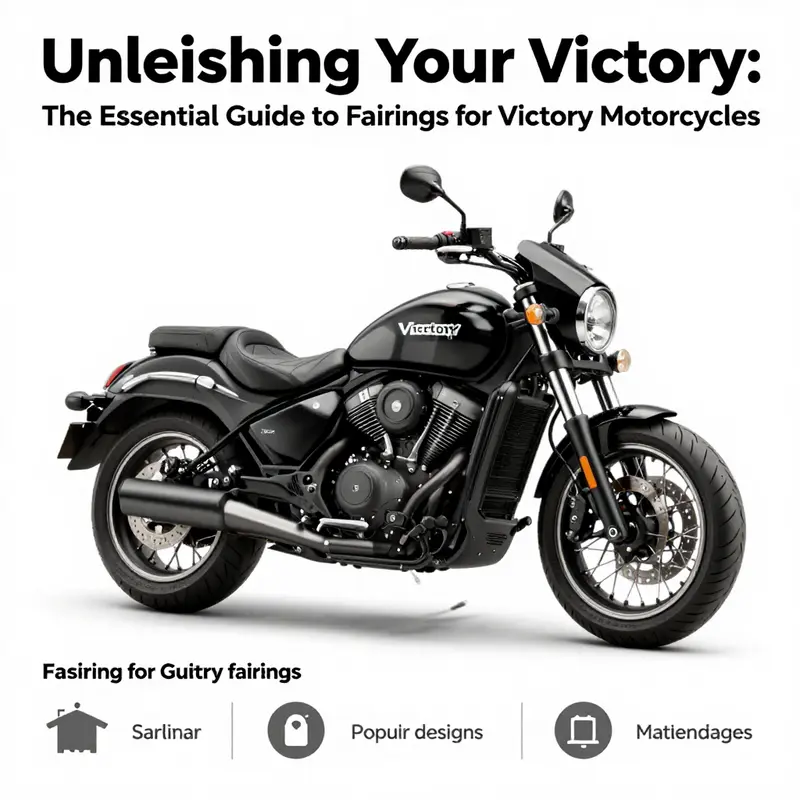
Riders who step into the world of Victory motorcycles quickly discover that their machines cultivate a particular relationship between form, function, and the road. The fairing, far from a cosmetic shell, sits at the crossroads of aerodynamics, comfort, and personal expression. In the Victory ecosystem, where the V-twin engine roars with a distinctive cadence, the fairing becomes a canvas for customization that can transform both how the bike feels on the highway and how it looks parked in a café lot. The market for these fairings is a quiet, steady undercurrent within the broader world of motorcycle customization. It is niche enough to stay intimate, yet resilient enough to sustain a vibrant community of riders, builders, and restorers who understand that a fairing is more than a shield from wind; it is a tool for shaping the ride’s entire character.\n\nThe story begins with a balance between preserving factory authenticity and inviting personal interpretation. Original equipment manufacturer, or OEM, parts hold a special meaning for Victory owners who want their machines to retain the lines, color, and fit that left the factory floor. The availability of OEM side covers and complete fairing kits gives riders a route to maintain authenticity, or to perform exacting repairs with genuine components. The choice between keeping a bike as a memory of its original state and giving it a modern temperament often centers on the side covers—left-hand and right-hand battery covers, for example—that can be found in a variety of colors and configurations. While the aftermarket scene offers broader artistic license, OEM pieces provide a trusted baseline. It is not merely about parts; it is about maintaining a continuity of design language that the rider respects and the machine communicates back to the road.\n\nOn the other side of the spectrum lies the aftermarket, where the market for fairings thrives on a shared vocabulary that blends aesthetics with measurable performance gains. Among the most popular upgrades is the Batwing fairing, a design that is as iconic as it is functional within the Victory community. This silhouette is not incidental; it is engineered to accept optional wind deflectors. In long rides, where the straightest line can become tiring, the wind deflectors act like a thoughtful companion, reducing buffeting at speed and easing shoulders and necks that endure hours in the saddle. The Batwing’s appeal goes beyond style. It embodies a philosophy of modularity: a shape that can be preemptively prepared for accessories, a shell that invites riders to tailor their level of wind protection without sacrificing the look that drew them to Victory’s distinctive presence in the first place.\n\nThe practicalities of installing a fairing in this aftermarket space reflect a broader design intent: ease of fit and robustness for a bike that was never meant to be one-size-fits-all. Many aftermarket fairings come pre-drilled with mounting holes that align with common chassis layouts, enabling a straightforward attachment process. Small push-out plugs tucked into lower sections can simplify on-the-spot modifications, a small but meaningful convenience for riders who want to swap looks with the season or the riding scenario. The result is a marketplace where a rider can imagine a fairing as a long-term investment, not a disposable upgrade. The pre-drilled mounting points, the availability of wind deflectors, and the option to mix OEM authenticity with aftermarket personalization all converge to deliver a product ecosystem that respects the Victory rider’s desire for both performance and identity.\n\nThe performance story is anchored in aerodynamics. A well-chosen fairing reduces drag and improves the bike’s efficiency at highway speeds. While the Victory lineup is known for its sculpted, muscular stance and a silhouette that communicates strength as much as speed, the right fairing can refine the airfoil around the rider, smoothing the flow of air and decreasing turbulence that fatigues the torso and shoulders. The net effect is not merely a few extra miles per gallon; it is the extension of rider stamina across longer journeys, a more serene wind experience, and a ride that feels more composed at the apex of a long straightaway or around a winding bend where every inch of air management matters. The connection between aerodynamics and rider comfort translates into a practical decision matrix: for touring riders, a Batwing with deflectors can be more valuable than a lighter, sport-oriented fairing; for collector-builds, a period-correct finish with authentic hardware may carry more weight than performance alone.\n\nYet the market’s vitality cannot be understood by looking at parts alone. Victory ceased production in 2017, a milestone that often invites questions about the health of the aftermarket ecosystem. The reality, however, is more nuanced. The brand’s departure created a gap that the aftermarket quickly learned to fill with resilience. Enthusiasts, restorers, and custom builders maintained momentum by cataloging compatible components, sourcing OEM replicates where possible, and developing a language of fit and finish that continues to resonate with buyers who want a particular era of Victory to remain on the road. This has produced a durable, almost scholarly, community around the bike’s fairings and bodywork. It is a niche market that rewards patience, careful sourcing, and technical know-how, but it is also a place where enthusiasts experience a strong sense of continuity with the brand’s legacy.\n\nWithin this ecosystem, the relationship between OEM and aftermarket parts becomes a conversation about authenticity versus possibility. Some owners prize exact factory replication, chasing match-finish paint schemes and period-specific hardware to maintain a bike’s historical fidelity. Others lean into the freedom of aftermarket options—new shapes that echo the original lines while offering modern materials, lighter weight, improved impact resistance, or integrated mounting for accessories that did not exist when the bike rolled off the showroom floor. The choice may hinge on the rider’s objectives: preserve and restore, or reimagine and re-engage with the road. The Marketplace for fairings, plastics, and body kits thus becomes a living archive, a place where each purchase is a dialogue between past and present.\n\nMarket dynamics in this space are rarely documented in the way mainstream brands are tracked. Yet the signals are clear. There is a steady, if understated, demand for both replacement parts and fully integrated fairing systems. Specialized retailers and online marketplaces continue to populate inventories that cover a broad range of years and models, enabling owners to navigate compatibility across the Victory lineup. This is where the community’s knowledge becomes central. Riders share fitment notes, offer color-matching tips, and discuss installation quirks that can make or break a project. The result is not simply a transaction; it is the passing of practical know-how across a network that values both craft and roadworthiness.\n\nIn this context, the chapter of the Victory fairing market unfolds as a narrative of continuity through change. The brand’s discontinuation did not erase its distinct silhouette or the practical questions riders face when upgrading or restoring a bike. Instead, it reframed those questions around longevity, compatibility, and the evolving standards of aftermarket parts. To a rider, this means an ongoing dialogue with the road: what wind feels most favorable on a mountain pass, what finish best complements a chrome-laced engine, which mounting system guarantees a secure fit after years of heat cycles and road salts, and how to blend the old design language with new materials and construction techniques. In other words, the market remains vibrant because the rider’s aspiration remains strong: a bike that feels as though it was built for their own narrative, even if the factory no longer builds that exact story.\n\nFor readers who want to explore related but broader perspectives on fairings, a cross-brand reference can prove instructive. This exploration is not about equating Victory with other brands; it is about understanding how the aftermarket ecosystem functions across a spectrum of designs, mounting standards, and aesthetic philosophies. To this end, consider the Yamaha fairings collection as a useful touchpoint for examining fitment logic, finish options, and how similar mounting patterns can be leveraged when tailoring a Victory build. Yamaha fairings collection invites a comparative look at how different brands approach the same engineering problem, even as each bike’s personality ultimately calls for a bespoke approach. This cross-brand perspective helps riders make informed decisions, whether they are restoring, customizing, or simply exploring the potential of their machine.\n\nThe market’s resilience also rests on the recognition that fairings speak to the rider’s identity as much as to the bike’s performance. A fairing’s lines, its color, the texture of the finish, and the way it integrates with windshields and gauges—all of these choices become a language through which a rider communicates with the road. The fairing is where the rider’s practical needs meet their aesthetic sensibilities. It can be a statement of endurance, a nod to a particular era, or a modern update that enhances comfort without compromising the bike’s silhouette. In a community built on shared experience and meticulous attention to detail, these decisions are celebrated rather than hurried. The chapter of the Victory fairing market is thus not only about parts and prices but about a shared commitment to craft, to the road ahead, and to the slow, steady art of making a machine speak clearly in the language of speed and wind.\n\nAs the road stretches ahead, the fairing remains a cornerstone of the Victory riding experience. It is the component that translates a rider’s intentions into a controlled, confident ride. Whether a traveler seeks relief from gusting crosswinds on a long straightaway or a café-break aesthetic that mirrors a vintage look, the fairing is where function meets flavor. The market supports this duality by offering a spectrum of choices—from OEM authenticity to thoughtfully engineered aftermarket systems—each carrying its own promise of performance, protection, and personality. The ongoing vitality of this niche market underscores a broader truth about motorcycling: even when a brand stops building new bikes, the passion surrounding its design language endures, refined by the hands of riders who keep the machines moving, legacies intact, and horizons expanding.\n\nFor the reader who has followed the thread of this discussion from concept to concrete options, the takeaway is simple and practical. Fairings for Victory motorcycles are more than protective shells; they are instruments of comfort, efficiency, and personal storytelling. They enable riders to extend the life of a beloved machine, to tailor it to long journeys or short commutes, and to craft a visual narrative that is unmistakably theirs. The market’s mix of OEM and aftermarket solutions provides the tools needed to achieve both authenticity and customization. In this space, knowledge—of fit, color, and mounting realities—becomes as valuable as the parts themselves, and the community’s collaborative spirit ensures that even as models evolve and years pass, the road ahead remains welcoming to those who care about the way their machine meets the wind.\n\nThe fairing, after all, is not merely an accessory. It is a testament to how motorcycle culture adapts, survives, and thrives around a shared appreciation of wind, form, and the open road. This is the essence the chapter has traced: a market that respects a bike’s lineage while inviting riders to write new chapters of performance and personality into the fairing’s timeless curve. External resources can illuminate the broader aerodynamic principles that underlie these choices, but the true story remains the one written by riders who ride with purpose, polish, and patience, shaping their machines to fit not only the road but the rider’s own evolving horizon of possibility. For a broad overview of how fairings shape aerodynamics across bikes, see this external resource: Motorcycle fairing overview.
Riding the Wind: How Fairings Amplify Performance, Comfort, and Control on Victory-Brand Touring Machines
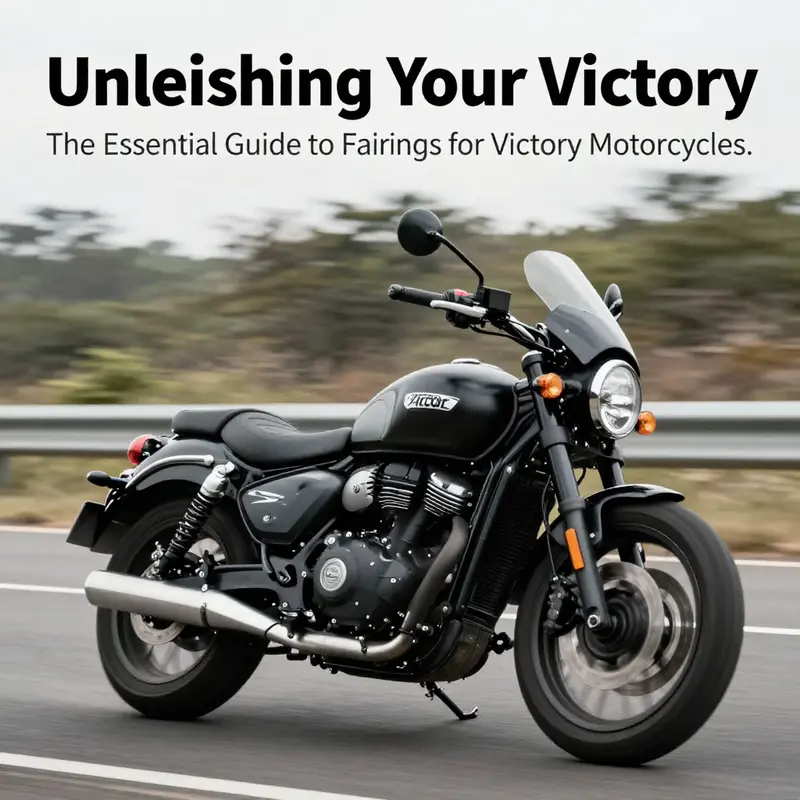
The moment a rider settles into the saddle of a long-distance machine, the interaction between rider, machine, and air becomes a subtle dialogue. Fairings are not merely cosmetic modules to clothe the bike in a glossy shell; they are functional systems that alter how air moves around the motorcycle and how a rider experiences that air. In the context of touring-oriented machines, the right fairing can transform a ride from a gusty, tiring journey into a smooth, confident glide. This is not only about aesthetics or protection from wind; it is about engineering a cooperative relationship with the wind that surrounds the bike, shaping stability, efficiency, and comfort in equal measure. The core principle is straightforward: reducing unnecessary drag while directing airflow to support the rider’s posture and the bike’s balance. When a fairing accomplishes this, the rider moves with less fatigue, the machine maintains steadier lines on the highway, and the machine can stretch its legs on the open road with a quiet, composed confidence that feels almost perceptible even to a seasoned veteran of long days in the saddle.
Aerodynamics sits at the heart of what good fairings accomplish. A well-designed full fairing—one that encloses the front wheel and wraps toward the rider’s torso and legs—streamlines the flow of air around the bike rather than letting it clatter noisily and unevenly against the rider’s chest and helmet. The effect is twofold. First, drag is minimized, which translates into more efficient fuel use and the potential for higher sustained speeds without a corresponding rise in rider effort. Second, the air that does meet the rider is guided in such a way as to reduce turbulence at riding speeds, resulting in a calmer, more predictable buffeting profile. A touring-focused fairing often features careful curvature and integrated contours that couple the rider’s posture with the bike’s silhouette, so the wind’s energy is dispersed gradually rather than concentrated at any single contact point. In practice, that means the rider can maintain a more upright or relaxed position without fighting gusts that push against the helmet or shoulders. The cumulative impact reads not as a single dramatic improvement but as a suite of small, consistent gains across a long ride: smoother highway steering, steadier line maintenance, and less wind fatigue over hundreds of miles.
The wind itself is a persistent partner on the open road, and fairings shape its conversation with the rider. A signature approach in the touring segment is to design a fairing that manages the boundary layer—the thin layer of air hugging the bike’s surfaces—so that turbulent wake behind the rider’s shoulders and chest is reduced. That lower wake correlates with lower drag and less buffeting, particularly around the head and helmet area at higher speeds or when conditions are windy from the side. At the same time, fairings are engineered to accommodate accessories that can further refine this airflow. Wind deflectors, when mounted in conjunction with a capable fairing, direct the airstream away from the rider’s torso and helmet, offering a tailored shield that can be adjusted to weather and riding style. The advantage is not merely comfort; it translates into fatigue resistance. When a rider feels less strain in the upper body and neck, focus remains on the road ahead longer, which can improve reaction times, riding posture, and overall control.
From a practical standpoint, the design language of a touring fairing influences both how the bike feels at speed and how the rider adapts to it. A fairing that integrates wind deflectors and pre-drilled mounting points empowers riders to customize their aerodynamics without a major overhaul. The deflectors can be swapped or angled to suit different climates or road conditions, from hot sunny days to gusty coastal routes. The pre-drilled mounting holes simplify installation and alignment of these accessories, helping maintain a clean, integrated appearance while enabling precise airflow management. This modularity matters because wind and weather are not static; a rider may pursue a day of steady highway cruising in calm air, then face sudden crosswinds on a pass with changing thermals. A fairing that offers straightforward customization supports a ride that remains balanced throughout.
Relating these aerodynamic benefits to real-world riding requires acknowledging the specific design goals of touring-oriented motorcycles. In the bike family that emphasizes open-road adventure, the fairing is not an afterthought but a central platform for comfort and performance alignment. The aerodynamic gains harmonize with the bike’s chassis and suspension to deliver a stable front end that remains planted in a broad range of speeds and wind conditions. This coherence yields a distinctive advantage: riders can cover long distances with less muscular strain, experiencing fewer interruptions for fatigue or discomfort. Furthermore, by contributing to better fuel efficiency, a well-integrated fairing supports longer stretches between fills, which is a meaningful factor for anyone planning a multi-day journey where gas stops are a practical consideration. The net effect is a riding experience that feels more effortless on the highway and more confident when the road rises into curves or falls into windswept plains.
It is worth noting that the fairing’s performance is tightly coupled to the bike’s overall road presence. Touring models are designed with a particular emphasis on weight distribution and rider ergonomics so that the fairing’s aerodynamics do not simply push air away from the rider but work in concert with the rider’s posture and the machine’s handling. When the rider sits upright, the fairing must channel air in a way that reduces direct pressure on the chest and shoulders while preserving a line of sight and a comfortable helmet position. When the rider shifts into a more forward stance for aggressive acceleration or winding roads, the same fairing must avoid creating new pockets of turbulence that could disrupt stability. Achieving this requires careful integration of the fairing with mounting hardware, the cockpit’s instrumentation, and the bike’s protective elements. A well-executed design accounts for these variables and delivers a cohesive interface between wind, rider, and machine, rather than presenting a one-size-fits-all windscreen with marginal benefits.
Beyond the science of drag reduction, the fairing contributes to a broader performance identity. By enabling a smoother airflow around the rider and the motorcycle, the fairing supports the stability of the front end, which in turn makes steering inputs more predictable and reduces the rider’s required muscle engagement. The relation between air forces and steering effort may seem abstract, but it manifests in tangible ways on the road: fewer micro-corrections needed to hold a steady line, less fatigue on long straights, and a more confident cornering feel as the front wheel remains settled under load. These improvements, layered with the potential for higher sustained speeds and better fuel economy, reinforce a central point for touring riders seeking a balance between efficiency, control, and comfort. The fairing becomes a partner in motion, not merely a shell that shields from the wind.
The chapter of performance would be incomplete without addressing maintenance realities—those practical considerations that influence daily use and long-term ownership. A fairing system, especially one designed for extended touring, inevitably introduces additional access steps during maintenance. When the fairing is in place, components tucked beneath its edges—such as the engine area, lower covers, and the fasteners that secure the front end—may require more time to access than on a naked chassis. This is not a limitation so much as a trade-off to be acknowledged: the same design that yields smoother air and better wind management can complicate routine service or quick checks. For riders who regularly maintain their machines themselves, this can mean planning a little extra time for panel removal or alignment checks after a service. For those who rely on professional shops, it translates into ensuring a technician has the right approach to access, disassembly, and reassembly to maintain the fairing’s aerodynamics and the bike’s performance characteristics. In practice, a well-designed fairing minimizes these challenges by using accessible mounting points and modular panels that can be removed with a manageable number of fasteners and steps, preserving the intended airflow characteristics when reinstalled.
Finally, the broader implications for performance stretch beyond the individual ride. In a touring context, the cumulative benefits of improved aerodynamics, reduced fatigue, and better control contribute to the rider’s capacity to undertake longer trips with confidence. The fairing’s ability to tailor airflow through optional accessories means riders can adapt their machine to a wider range of conditions without compromising the core performance envelope. In sum, fairings do more than polish a bike’s silhouette; when thoughtfully designed and properly installed, they become active performance partners. They sharpen the bike’s high-speed behavior, extend rider endurance on lengthy journeys, and preserve a sense of control under varying wind and weather. This synergy between form and function exemplifies how a well-considered fairing supports the manufacturer’s mission to deliver open-road adventure with a comfortable, capable ride. As riders learn to listen to what the air tells them and adjust their approach accordingly, the fairing’s influence on performance becomes less a feature and more a fundamental aspect of riding experience. For those who value a machine that carries them farther with less effort, the fairing’s role in shaping the wind’s dialogue is a quiet but essential victory on every highway horizon.
External resource: https://www.victorymotorcycles.com
Final thoughts
Investing in high-quality fairings for Victory motorcycles is an essential step for business owners looking to enhance their offerings. From providing protection against elements to improving aerodynamics and rider comfort, fairings genuinely elevate the motorcycle riding experience. As shown in this guide, fairings come in various styles, allowing for customization that reflects the rider’s personality. With a growing market for these vital accessories, there are numerous opportunities for businesses to capitalize on this trend. Ensuring that riders have access to certified, reliable fairings can foster greater customer loyalty and satisfaction that drives success in this competitive landscape.