
The motorcycle industry often revolves around performance, aesthetics, and rider safety. Among the essential components influencing these factors are fairings—specialized bodyworks designed to enhance everything from aerodynamics to rider comfort. Understanding the different types of fairings, their aerodynamic advantages, and how they relate to various riding styles and conditions is crucial for business owners in the motorcycle arena. In this comprehensive guide, each chapter delves into the distinct aspects of fairings and their impact on performance, comfort, and economic considerations, offering valuable insights for those invested in the motorcycle business.
Riding the Wind: The Meaning Behind Full, Half, and Custom Motorcycle Fairings
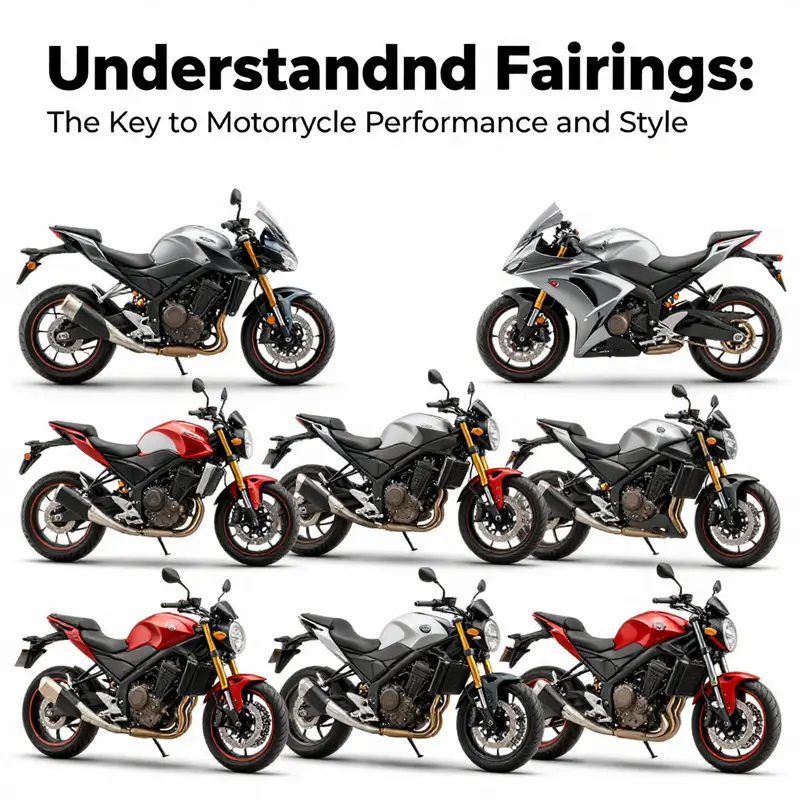
Fairings are more than a visual cue on a motorcycle; they are a purposeful interaction with wind, weather, and the rider’s experience. In the simplest terms, fairings are the body panels that flank the bike, especially in the front, sweeping around the headlight and along the sides. Their presence reshapes the machine’s silhouette, but their true value unfolds in airflow, protection, and control. The meaning of fairings, then, emerges from how they manage drag, stability, and comfort across a spectrum of riding conditions. When you look beyond the glossy surface, you discover a design language that speaks to efficiency and intention. Full, half, and custom fairings each embody a different philosophy about how a motorcycle should meet wind, power, and purpose. Understanding these choices helps explain why riders select one style over another and how each option aligns with climate, road, and personal taste.
At the heart of fairings lies aerodynamics. A well-shaped shell reduces drag by guiding air smoothly along the bike’s profile, which in turn lowers the energy the engine must expend to push air out of the way. This reduction in drag not only supports better fuel economy but also lowers wind pressure on the rider. Long rides become less tiring when the wind is channeled away rather than pushed directly into the chest and shoulders. That is why full fairings, which cradle the front and sides in a continuous shell, are often favored by long-distance or sport-touring riders who want shelter from the elements and steadier high-speed behavior. A rider on a well-faired machine experiences less buffeting and can maintain a more relaxed posture, even when the highway stretches into the distance.
Materials matter as much as shape. Most fairings are built from durable plastics such as ABS, though fiberglass and carbon fiber are prized for strength-to-weight benefits in higher-end builds. The choice of material influences not only cost but also maintenance and repair. ABS shells are generally affordable and easier to replace if damaged, which matters for riders who are balancing budget with daily usability. Carbon fiber, lighter and stiffer, can shave a little more weight and contribute to a sharper feel, but it carries a premium price and requires careful care to avoid coatings and finishes that can peel with sun exposure. The production method—whether a molded full shell or modular pieces that bolt to a frame—also affects maintenance. Custom or aftermarket fairings widen the conversation from mere function to identity, offering a canvas for expression that can still honor aerodynamics when done with care. In all cases, compatibility with the motorcycle’s frame and mounting points remains essential. A fairing might look pristine, but fitment gaps, misaligned edges, or inadequate mounting can introduce rattles, reduce protective coverage, or even compromise wing-like behavior at speed.
A full fairing is more than a cover; it is a high-coverage system designed to sculpt the bike’s interaction with air. By wrapping around the front, it reduces the cross-sectional area that air meets at high speeds, which translates into calmer handling and less wind noise inside the rider’s helmet. The effect on stability becomes most noticeable when the clock climbs toward highway speeds and beyond. The smoother airflow also contributes to a steadier center of gravity feel, which can translate to more confident cornering and cleaner standing torque from the engine. For riders who log miles across diverse weather, a full fairing can deliver a comprehensive shield from rain and road spray, making wet or windy commutes less confrontational. Yet there is a cost: increased weight, more complex installation, and higher repair bills if a full fairing is damaged in a crash. The decision to go full or not often measures how much protection a rider wants against how much weight they are willing to bear and how much money they are prepared to invest.
Half fairings, or clip-on style shells, respond to a different equation. They offer a balanced compromise between protection and agility. By covering only the upper portion of the bike, they shed substantial weight while preserving a lean, aggressive look that many sport and track-focused riders crave. The wind protection is present, but the exposure of the lower body and engine remains, which can be a tactical choice for riders who prioritize nimble handling and faster steering responses. The accessory’s lighter weight also means easier installation and easier access for maintenance tasks that would be more labor-intensive with a full fairing installed. This approach suits riders who spend a lot of time on winding roads, where the tactile feedback of the bike’s front end and the air flow over the upper torso contribute to the sensation of speed and control. A note on aesthetics: half fairings can emphasize sculpted lines and the machine’s mechanical rhythm, giving a sportier, race-inspired stance that many riders find appealing.
Custom fairings add another layer to the meaning of fairings by reframing function through the lens of personal narrative. Custom panels are not merely replacements; they are statements. They allow restorers to recreate vintage forms, or builders to forge new identities that blend retro charm with modern materials and techniques. The materials here range from fiberglass and resin composites to carbon fiber and even 3D-printed components that push the envelope on fit and finish. The goal can be to improve cooling channels or optimize air intake around radiators and engine heads, but it can also be to express a mood or era—the café racer, the scrambler, the streetfighter—through lines, textures, and color. In custom work, the lines between art and engineering blur, and the result is a tailored aerodynamic experience that respects the rider’s biomechanics while celebrating personal taste. The challenge, of course, is to maintain compatibility with the bike’s frame, the integrity of mounting points, and the structural support that keeps the shell from flexing at speed. When executed with discipline, a custom fairing can deliver a unique silhouette without sacrificing performance, turning a machine into a rolling design language all its own.
Choosing among full, half, or custom fairings hinges on a rider’s climate, riding style, and daily realities. A commuter in a windy, rainy region might prioritize full coverage for weather protection and reduced wind drag, even if it means investing more money and accepting extra weight. A rider who spends a lot of time on mountain passes or a sportbike enthusiast who values precision and quick direction changes may lean toward half fairings for their lower weight penalties and the sharper riding feel they promote. Those chasing a personal story or a one-of-a-kind machine will migrate to custom fairings, where the emphasis shifts from mere efficiency to aesthetic resonance and bespoke fitment. It is not only about the surface’s appearance; it is about how the surface interacts with the bike’s fundamentals—weight distribution, center of gravity, and the rider’s posture. The decision also reflects maintenance realities. Aftermarket or custom shells can complicate repairs should a panel crack, and the availability of replacement parts becomes a practical concern. Budget, availability, and the level of professional support required to install and tune a fairing system are real factors that shape the final choice.
Within this broader context, the goal is not simply to cover the bike but to guide airflow in a manner that aligns with the vehicle’s overall design philosophy. A well-chosen fairing system should feel like an extension of the rider and the chassis, a form that respects the bike’s engineering while enhancing comfort, performance, and style. For riders curious about standardization and compatibility across model families, one practical route is to explore a collection that offers tested fits and precise shapes that match the frame geometry and mounting points of common bikes. For instance, certain manufacturers maintain broad compatibility across model lines, with fairings designed to integrate cleanly with existing instruments, headlights, and mounting brackets. This approach can reduce the guesswork involved in aftermarket purchases and helps ensure that the aesthetic you seek does not come at the expense of structural integrity or ride quality. A simple way to begin is to consider the feel you want when you ride: a shielded, confident glide that minimizes turbulence, or a lean, responsive stance that amplifies the thrill of the bike’s front-end dynamics. Then weigh this against practical concerns—how much you travel, the weather you encounter, and how much time you’re willing to invest in maintenance.
The broader meaning of fairings, then, emerges from how they fold into the rider’s lifecycle with the motorcycle. They signal intent—whether the rider seeks comfort and weather protection, sport-oriented performance, or a personalized narrative expressed in the bike’s shape. They influence the ride by shaping the air that strikes the rider’s chest, the wind that tugs at the shoulders, and the quiet that follows at speed. They affect maintenance decisions, costs, and upgrade pathways, while also offering a canvas for design and craftsmanship. In other words, fairings are not mere add-ons; they are statements about how a rider chooses to engage with the road. And as with any sophisticated system, the best choice aligns the bike’s physical properties with the rider’s goals, climate, and daily life. This alignment is what makes the fairing category so rich: it is where engineering, aesthetics, and personal preference converge to create a riding experience that feels both efficient and alive. For readers who want to see how a particular collection translates these ideas into concrete options, a browse through a dedicated Yamaha fairings collection can illuminate how form and fit come together in real-world builds. Yamaha fairings collection
External resource: https://www.bikesocial.com/
Wind in the Frame: The Aerodynamic Edge of Motorcycle Fairings and What It Means for Performance
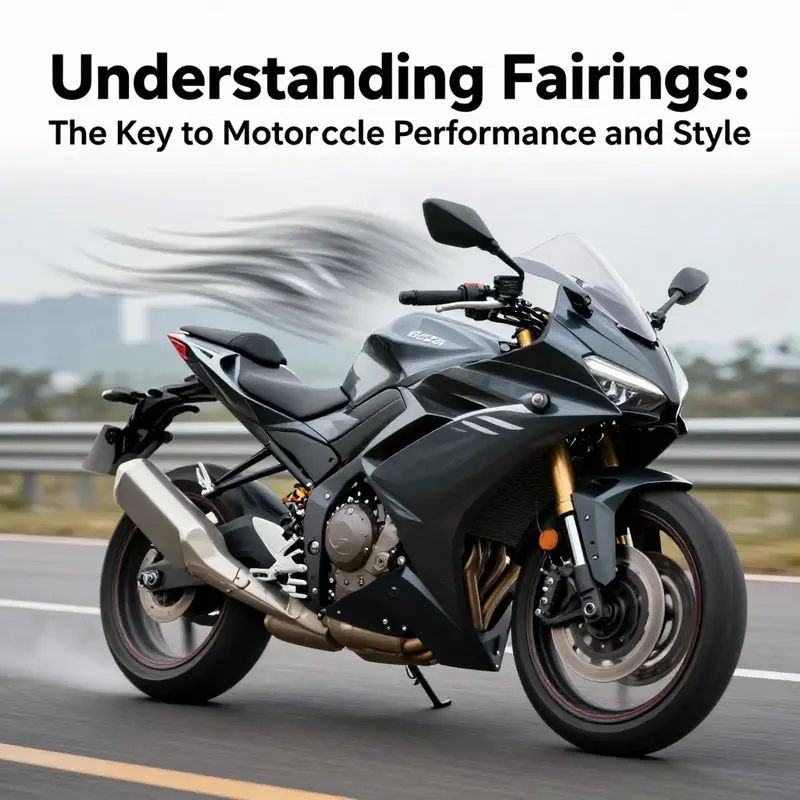
Fairings are among the most consequential elements of a motorcycle’s design, shaping not only the bike’s silhouette but its entire aerodynamic profile. They are more than a cloak for the engine or a style statement; they influence drag, lift, stability, cooling, and rider comfort at once. When a rider pushes toward the upper limits of speed, the air around the machine becomes a dominant factor in performance. The fairing works as a carefully contoured shield against that air, guiding it to minimize resistance while managing the wake that trails behind the bike. In practical terms, better aerodynamics translate into measurable advantages: lower fuel consumption at highway speeds, higher top speed potential, more precise energy transfer from the engine to the road, and improved rider control during aggressive, high-speed transitions. The connection between airflow and performance is not a marginal detail; it is a core principle that turns a mechanically powerful bike into a machine that behaves predictably at speed and under load.
To understand why this happens, it helps to picture air as a fluid that reacts immediately to changes in the motorcycle’s shape. A well-designed fairing smooths those changes. It encourages air to follow the bike’s contours rather than clash with them. The result is a reduction in drag, which is the frontal resistance the bike faces as it cuts through the atmosphere. Less drag means more of the engine’s power can be devoted to forward thrust rather than overcoming resistance. It also means the bike can sustain higher speeds with less fuel burn, a critical advantage on long straights and during endurance-style racing where efficiency compounds over many miles. The science behind this is widely discussed in technical discussions and industry analyses, which consistently highlight the role of streamlined bodywork in performance gains.
Material choice and structural design reinforce that aerodynamic logic. Fairings are made from ABS plastic, fiberglass, or carbon fiber, among other possibilities. Each material brings a trade-off between weight, stiffness, impact resistance, and cost. Lighter materials reduce the bike’s overall mass, which can improve acceleration and handling. Stiffer panels maintain their shape at high speeds, ensuring the airflow remains smooth even when the rider hunkers down behind the windscreen. Durability matters, too. The fairing must withstand the engine’s heat, road debris, and the occasional tip-in at the limit. The balance between rigidity and give is essential because a panel that flexes or cracks under load introduces turbulence, negating the very aerodynamic benefits the fairing promises. In this sense, choosing fairings is not only about aesthetics or price; it is an exercise in managing stiffness-to-weight ratios while preserving fit and finish under real-world riding conditions.
Racing and high-performance street bikes often push aerodynamics to a more technical extreme. Full fairings, designed to enclose most of the front and sides, offer maximum protection from wind and a highly streamlined profile. They guide air from the leading edge around the engine, radiator, and rider with minimal separation, reducing the wake that disrupts stability at speed. Within this framework, modern fairings may incorporate features once regarded as specialized additions. Winglets, for example, are designed to generate downforce at high speeds. This subtle downforce presses the bike onto the road, increasing tire grip and aiding stability during fast, hard cornering and the transition phases between straightaways and bends. The concept of winglets is not a mere novelty; it reflects a deeper understanding of how controlled aerodynamic forces contribute to safe, confident high-speed performance. Heads-up riders recognize that even small gains in grip and stability can widen the window of what the motorcycle can do, especially in demanding conditions where gusts, crosswinds, or abrupt throttle changes can unsettle a chassis.
The history of fairings also reveals their evolving role in stability and safety. Early designs focused primarily on shielding the rider from wind and weather, with gusts and turbulence considered a secondary concern. As speeds climbed and the performance envelope broadened, engineers began rethinking fairings as active players in handling dynamics. Headlight fairings, among the earliest aerodynamic innovations, emerged to manage frontal airflow while accommodating illumination needs. These shapes reduced turbulent wake around the front wheel and radiator, contributing to a smoother air path around the bike’s front end. While headlight fairings and half fairings offer varying degrees of wind protection, their fundamental purpose extends beyond rider comfort: they are about maintaining a balanced, predictable aerodynamic field around the motorcycle at speed. In practice, a rider who senses less buffeting and more direct feedback from the handlebars is enjoying the consequence of a well-tuned aerodynamic package.
The relationship between fairings and engine cooling is another essential thread in the aerodynamic story. Airflow that is optimized for drag reduction must still reach the radiator and engine bays adequately to prevent overheating. Modern designs address this by shaping intakes, ducts, and vents so that cooling air flows efficiently through the system without creating energy-inefficient turbulence. In this sense, performance fairings achieve a dual objective: they minimize drag while still enabling effective cooling. The balance between airflow management and cooling efficiency becomes especially important on high-performance motorcycles used in hot climates or on long, fast rides where sustained high engine demand tests every degree of thermal headroom. The practical outcome is that riders experience consistent performance and predictable engine response, even under stress.
In real-world terms, the aerodynamic benefits of fairings translate into a suite of measurable improvements. A streamlined body reduces drag coefficient, which lowers the power required to push the bike at a given speed. That reduction can be seen as improved fuel efficiency at highway speeds and a modest uplift in top-end performance. More notable, however, is the impact on stability and control. A bike with clean airflow over and around its bodywork is less prone to sudden lifts or twitchy behavior when moving through gusts or crossing wind lines. This steadiness is especially valuable during high-speed straightaways and during aggressive corner entries when a rider’s weight shifts and the bicycle seeks a new equilibrium. Drag reduction and stability compounds with rider confidence, enabling more precise inputs and smoother transitions between maneuvers. The overarching result is a more controlled, responsive ride where throttle, braking, and steering inputs correlate more predictably with the bike’s actual trajectory.
Choosing the right fairing is a careful negotiation of priorities. A rider in a windy or rainy climate may place greater emphasis on wind protection and weather sealing, favoring full fairings that shield both the rider and the upper radiator area. Conversely, a track-focused rider may prioritize weight savings and stiffness, leaning toward lightweight, high-strength panels and even carbon fiber components that shave grams without sacrificing rigidity. Material choice matters here: carbon fiber can provide excellent stiffness-to-weight ratios but may be more expensive and repair-intensive; ABS and fiberglass offer more forgiving economics and easier repair, though they add weight. Compatibility with the motorcycle’s frame, mounting points, fairing gaps, and fuel tank geometry is essential; an ill-fitting fairing can create more drag and turbulence than it cures. The practical takeaway is that there is no one-size-fits-all solution. The best aero package is the one that aligns with riding goals, climate realities, and maintenance capacity, all while preserving the bike’s intended weight distribution and center of gravity.
For riders who want to explore the landscape of available options, a robust starting point is understanding how fairings fit within a broader ecosystem of performance upgrades. They exist not in isolation but as part of a holistic approach to motorcycle dynamics. Wind management interacts with suspension setup, wheel and tire choices, and even rider posture. The shape of the fairing can influence the air flow across the rider’s torso, which in turn affects rider fatigue and endurance on long rides. Subtle shifts in posture, such as a tucked position behind a windscreen, leverage the fairing’s aerodynamic design to maximize the pressure differential that helps keep the front wheel planted during acceleration. The takeaway is that fairings work best when they complement the rider’s style and the bike’s overall geometry, rather than when they are treated as a cosmetic add-on.
If you’re curious to see how these considerations translate into a practical selection process, you can explore broader catalog options to understand your choices, such as the Honda fairings collection, which showcases a range of configurations and materials that cater to different riding needs. This catalog is not just about looks; it reflects how design choices balance aerodynamics, protection, and real-world usability. As you browse, remember that the most effective aero upgrade is one that integrates well with your bike’s architecture, protects critical components, and keeps the rider comfortable within the higher-speed regime. For a deeper technical dive into how aerodynamic features like winglets influence high-speed stability, see the external resource on winglets and aerodynamics in motorcycles. https://www.motorcycleperformance.com/winglets-aerodynamics/
In sum, the aerodynamic benefits of fairings are central to modern motorcycle performance. They embody a design philosophy that treats air as a dynamic partner rather than a constant adversary. By reducing drag, guiding airflow, enabling efficient cooling, and enhancing high-speed stability, well-conceived fairings empower riders to unlock higher speeds, smoother handling, and more consistent performance across a range of riding conditions. The chapter of aerodynamics, after all, is not a standalone tale of wind and shells; it is a story of how careful engineering, material science, and rider intent converge to shape the motorcycle’s behavior on the road and on the track. As with any sophisticated performance upgrade, success comes from thoughtful selection, precise fitment, and an understanding that every contour contributes to the whole ride. The wind, once an unruly force, becomes a manageable ally when the fairing is designed and tuned with purpose, and that is the essence of performance that riders seek in the modern sport motorcycle.
null
null
Shape, Speed, and Shelter: Tailoring Motorcycle Fairings to Riding Style and Conditions
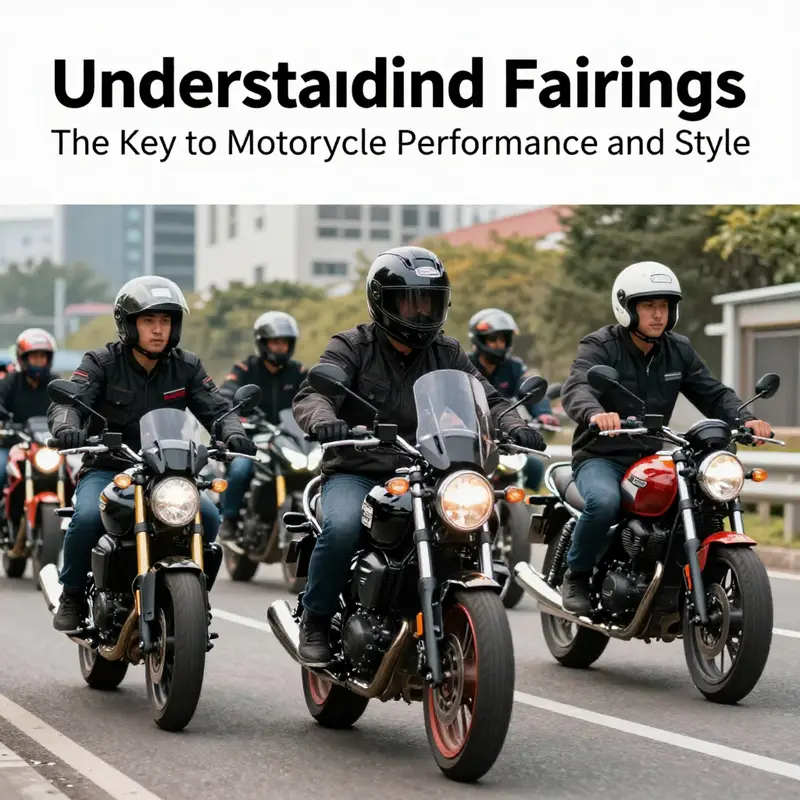
Fairing performance is as much about how you ride as how the bike is built. The shape, size, and mounting of bodywork influence how cleanly the bike cuts through air, how steady the stance feels at speed, and how fatigue builds with wind, weather, and road texture pressing against you.
For long-haul travel, full or large fairings minimize wind blast across the torso and arms, delivering a more relaxed ride at highway speeds and better fuel efficiency on long stretches between stops. Touring bikes typically use a well-integrated fairing to smooth airflow and stabilize the bike through gusts and crosswinds.
Sport-oriented riding favors a leaner, more compact fairing. Minimal or clip-on configurations reduce drag and let you sit lower, sharpening steering response and enabling quicker transitions in corners. The tradeoff is greater exposure to wind, rain, and debris and earlier fatigue on long days.
Urban commuting often benefits from partial or modular fairings. A smaller shield lowers wind pressure on a straightaway while preserving nimbleness in traffic. Removable sections give a rider the option to expand protection in poor weather and strip it away for tight urban maneuvering.
The practical decision rests on four pillars: aerodynamic efficiency, rider comfort, visibility and weather protection, and compatibility with the bike’s frame and intended use. A well-fitted fairing directs breeze around the rider, reduces flutter, preserves a clear line of sight, and remains in harmony with the bike’s geometry.
Materials influence price, weight, and durability. ABS is affordable and impact resistant; fiberglass allows shaping with good stiffness; carbon fiber offers a high stiffness-to-weight ratio but at a premium. Maintenance varies: carbon fiber requires careful repair, while ABS and fiberglass tend to be more forgiving.
When evaluating options, consider how the bike will be used most. Touring demands calm air and low fatigue; sport riding prioritizes handling and low drag; urban use calls for flexibility and easy maintenance. Check mounting points, windscreen dimensions, and how the shell integrates with the cockpit and engine bay. A rider often finds the best choice is the one that preserves the bike’s character while providing the right balance of protection, weight, and aerodynamics.
Examples and references can help: look at manufacturer catalogs and brand-specific lines to understand typical fit and aesthetics, and consult external guides for general principles of fairing design. A practical takeaway is to match the fairing to your climate, riding style, and local regulations, then test and adjust as needed to arrive at a comfortable, confident ride. For reference, Honda’s fairings collection offers a representative point of compatibility and styling, and there are concise overviews of fairing purposes available online at reputable sites like carinterior.com/motorcycle-fairing-guide/.
The Aerodynamic Script: Material Realities and Value in Motorcycle Fairings
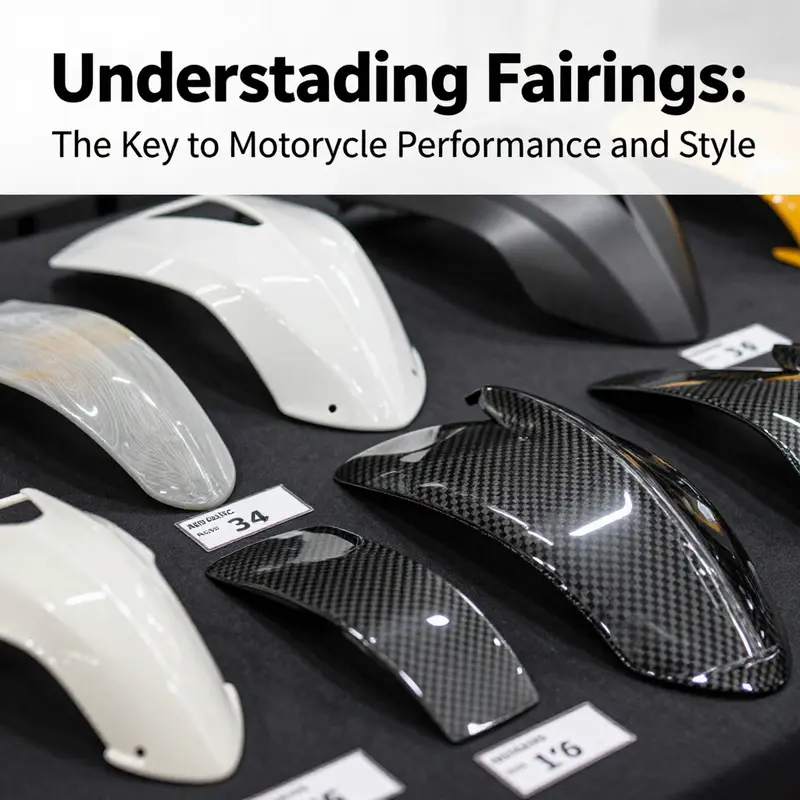
Fairings are more than shells on a motorcycle. They balance aerodynamics, engineering, and rider comfort. In simple terms, fairings shape how air interacts with the bike, smoothing flow around rider and engine to reduce drag and stabilize handling at speed. Their impact goes beyond speed, influencing stability in gusts, crosswinds, and wind on the rider. In cooler climates they shield from wind and rain, turning long rides into more manageable experiences. Every design choice trades weight, stiffness, and cost, and the overall effect depends on how the fairing integrates with the frame, cooling, and electronics. The aim is a symbiotic relationship where form supports function and function justifies form. When wind is a character in the ride, the fairing reduces interruptions and clarifies the machine’s rhythm.
The spectrum from half to full fairings mirrors rider needs. A half fairing covers the upper front quadrant, including headlight and instruments, leaving lower engine and chassis exposed. It reduces weight and often lowers cost, trading some protection for nimble handling and easier maintenance. A full fairing wraps more of the bodywork, delivering better aerodynamics, improved highway efficiency, and a sportier silhouette. For riders on long distances or in poor weather, full fairings offer clear drag reduction. Those who ride in urban traffic or prefer lighter builds may favor the half option. In practice, experienced riders view fairing choice as a system decision: it should harmonize with windscreen height, seating position, and chassis geometry to avoid turbulence and buffeting.
Material choices are the decisive layer. The common options are polycarbonate, FRP, CFRP, and ABS, each with strength, weight, cost, and aging characteristics. Polycarbonate offers high impact resistance and light weight, absorbing impacts useful on entry level or track toys. Its vulnerabilities are surface durability and UV resistance over time, which require coatings. It is well suited for safety minded riders who accept finish maintenance. FRP balances durability and cost; easy to manufacture, repairable, used widely in mass market bikes. Tradeoffs are weight and stiffness; FRP can flex and affect panel alignment at high speed, but with good engineering this can be managed. CFRP stands out for lightness and stiffness; weight savings improve steering and acceleration on track days, but cost is high and production can be limited by tooling and labor. ABS is affordable and easily molded, great for entry level or aftermarket fairings, with good finish options. It is less stiff and durable than carbon fiber, and UV light can cause deformation or color shifts over time.
Economics and lifecycle matter. Carbon fiber offers performance but rides price premium across the value chain. Polymer based fairings can leverage scale and simpler tooling, while lifecycle costs can favor lighter plastics for fuel economy and acceleration, even if nominal durability is lower. Resale value and compatibility with replacement parts also influence value. Aftermarket or OEM choices carry implications for maintenance and repair cost.
Sustainability and regulation increasingly guide material choice. Recyclable and bio-based composites are explored to reduce environmental footprints while preserving performance. The balance between eco friendly materials and performance continues to evolve with manufacturing tech. The practical outcome for riders remains better protection, more efficient fuel use, and a cohesive bike character. The best fairing for a rider aligns with climate, riding style, and maintenance priorities while ensuring safe mounting and finish management.
Fitment and model year matter. Subtle differences in mounting points, electrical routing, and instrument housing affect how a kit fits a model. A well designed fairing should connect securely and respect engine cooling and sensor placement to preserve performance. Deciding between aftermarket or stock involves durability, maintenance access, and availability of replacement parts. For riders exploring options, a broader look at the fairing ecosystem beyond badge and surface finish can help. If you are exploring a wider range of compatible pieces, you can browse a collections page dedicated to fairings as a starting point for understanding fitment and design intent. https://www.summitfairings.com/collections/yamaha-fairings
Ultimately, fairings are a narrative device on a motorcycle. They tell a story about speed, control, and the rider’s relationship with the road. The material beneath the paint is the actual interface between the bike and the air. The careful engineering of fairings—optimized for drag, weight, durability, or cost—reflects a discipline that values precision and performance. When you consider their role in design, engineering, and user experience, fairings emerge as dynamic elements that adapt to rider needs and weather. For a deeper technical dive into how material choices translate into performance and cost, external resources offer detailed comparisons of materials and their effects on performance across contexts. https://www.motorcycle.com/motorcycle-fairings-materials-performance/
Final thoughts
Fairings play a crucial role in shaping a motorcycle’s performance, safety, and aesthetic appeal. Understanding their types, benefits, and material options allows business owners to make informed choices when advising clients or stocking inventory. Whether catering to riders looking for enhanced aerodynamics or those seeking personalized style, investing in quality fairings can elevate the rider’s experience and potentially boost sales. Staying updated on trends in fairing technology and designs can further set a motorcycle business apart in a competitive market.