
As a business owner in the motorcycle industry, understanding the importance of quality components like windshields and fairings for Honda motorcycles can significantly impact rider satisfaction and safety. Windshields are not merely accessories; they enhance comfort by reducing wind pressure and improving aerodynamics, while fairings can elevate the bike’s aesthetics and performance. This article will delve into various options and specifications for Honda motorcycle windshields and fairings, assess their compatibility with different models, and explore the performance and aesthetic enhancements they provide, thereby offering valuable insights that can help you make informed decisions for your business and customers.
Wind, Form, and Function: A Comprehensive Guide to Honda Motorcycle Windshields and Fairings
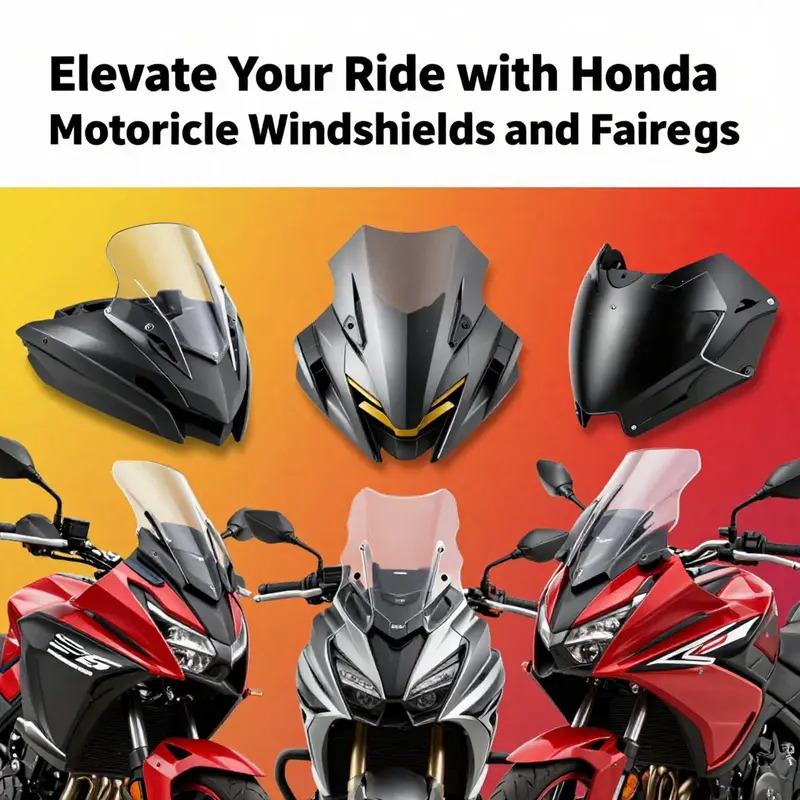
Windshields and fairings sit at the intersection of protection, performance, and personal expression in motorcycling. On Honda machines, these components are not merely add-ons; they shape the ride, influence fatigue over long miles, and frame the bike’s silhouette in the wind as much as in the showroom. The best combinations blend material science, aerodynamic intent, and practical riding needs, arriving at a setup that lets the rider forget about the weather and focus on the road ahead. When you study how a windshield works in concert with a fairing, you see a narrative of airflow that can either cradle you in calm air or throw a stubborn buffet of wind across your torso and helmet. The decision process is not about chasing the newest trend but about aligning the shield with the bike’s character and the rider’s goals. A well chosen windscreen, paired with a thoughtfully designed fairing, makes a tangible difference to comfort, visibility, and even handling under gusty conditions, without obscuring the lines that make the bike look and feel the way it does on the road.
Materials form the backbone of that difference. Windshields intended for daily riding and longer tours are typically crafted from impact‑resistant acrylic, a material chosen for clarity, strength, and the ability to stand up to the heat and vibration of highway speeds. The clear surface not only preserves unimpeded vision but also resists the micro-scratches that accumulate from dirt and grit over thousands of miles. On the other hand, fairings are most often injection‑m molded from ABS plastic, a polymer that balances rigidity with a degree of give that helps it resist cracking under heat and impact. ABS fairings provide a precise fit when designed for a particular model, ensuring gaps stay consistent and panels align with factory lines, while also offering a durable shell that can handle road debris and the sun’s heat without warping. Together, these materials create a resilient platform that can endure the realities of riding in varied climates, from dry desert highways to humid coastal lanes, and they establish the groundwork for the aerodynamic work that follows.
Beyond raw materials, the geometry of the windshields and fairings does the real lifting work. A shield that is taller than stock shapes the airflow in a way that slides the wind away from the rider’s face and chest, reducing the pressure that otherwise builds up at speed. In practice, a shield with a taller profile lowers the wind pressure felt at the helmet, easing helmet buffeting and keeping the rider’s head steadier in the slipstream. The flip side is a potential loss of forward visibility if the shield becomes too tall or poorly angled for the rider’s seating position. The best designs strike a careful balance: enough height and curvature to manage air efficiently, but not so much height that it introduces new blind spots or a tunnel effect that pushes air into the rider’s eyes when looking over the top.
The fairing plays a complementary role by sculpting the overall flow around the bike. A well shaped fairing channels air to minimize drag while also providing a stable wake that reduces crosswinds. A clean, well integrated fairing can shield extra portions of the engine bay, radiators, and chassis from the onrush of wind, which in turn supports cooler engine operation and steadier acceleration. The modern approach uses injection‑molded ABS to achieve complex curves and seamless joins that stay consistent across a range of temperatures. The result is a panel that looks integrated with the bike rather than slapped on as a cosmetic add‑on. The combination of a purpose‑built windshield with a purpose‑built fairing yields a riding experience that feels smoother, more controlled, and more comfortable at speed, especially on long rides where wind fatigue can creep in and sap stamina.
Riders also weigh the practical realities of compatibility and fit. Aftermarket windshields come in a spectrum of sizes and shapes that aim to fit a broad range of models, yet a truly successful upgrade must align with the bike’s geometry, handlebar width, and rider position. A shield’s compatibility is not just about whether the screw holes line up; it’s about how the shield interacts with the rider’s stance, seat height, and the bike’s windlass in the slipstream. The same is true for fairings. A panel engineered for a specific model helps ensure the openings for signals, lights, and mounting points align precisely. The result is not only a cleaner appearance but also a safer, more straightforward installation that stands up to road vibration and temperature shifts. When the wrong shield is mounted on an incompatible bike, it can cause buffeting, increased drag, and a mounting mismatch that leads to rattles or even loosening hardware over time. The right pairing, by contrast, yields a quiet ride with stable steering and less fatigue on long legs of highway miles.
Sizing and compatibility often hinge on practical tools offered by retailers. A common feature is a model‑selecting interface that displays all available options tailored to a rider’s specific Honda model. This function helps a buyer avoid mismatches by showing only shields that are designed to fit the chosen bike, ensuring proper fitment, clearances, and mounting geometry. It also helps a shopper evaluate the practical aspects of a windshield such as height, curvature, and tint depth in relation to the rider’s posture and typical riding conditions. The result is a smoother decision process and a higher likelihood that the final product will deliver the intended benefits without requiring bespoke fabrication or modification.
From a rider’s perspective, the question always returns to use case. For long distance touring, a larger, taller shield may help reduce fatigue by delivering steady air over the rider’s helmet and torso, creating a feeling of shelter from the wind. For sport or city riding, a more compact shield that preserves a leaner silhouette can enhance maneuverability and quick reflex responsiveness. Tint and transparency play a role here too: a lightly tinted shield can cut glare on bright days without compromising night visibility, while a clear shield preserves maximum vision in overcast conditions or at dawn and dusk. Aesthetics also matter. The shield and fairing together contribute a bike’s personality, accenting its lines and accentuating its stance. The instrument cluster and mirrors remain visible and accessible, which reinforces the rider’s sense of control. The equation is simple in concept but nuanced in practice: the rider must weigh protection and comfort against visibility and handling, then select a shield and fairing pairing that respects the bike’s design language and their own riding goals.
A practical starting point for evaluating options is to consider the overall airflow management strategy. The windscreen’s curve, height, and edge treatment interact with the fairing’s contours to influence the wake that forms behind the bike. A well designed combination helps to minimize buffeting at a range of speeds and across crosswinds, while still delivering a stable, predictable feel at the handlebars. This is especially important for riders who spend hours on the road, where even small improvements in wind management can translate into significant reductions in fatigue. It is also worth noting that many travelers prefer shields with clear visibility and consistent optical clarity across the entire surface, as scratches and haziness can degrade vision over time. The choice of material—acrylic for windshields and ABS for fairings—supports both durability and optical clarity, balancing resistance to impact with the need for a clean, distortion‑free view through the windshield.
Selecting a windscreen and a fairing involves more than just size and material. It is about how a rider interacts with the bike’s stance, weight distribution, and the environments they ride through. A shield that appears to be a perfect fit on one model can feel awkward on another if the rider’s posture or torso position differs significantly. This is where a careful assessment of your typical riding conditions comes into play. If most trips are highway miles, you might favor a taller shield and a fairing that directs air cleanly over the helmet. If your riding includes urban stop‑and‑go traffic, a more compact setup that minimizes wind resistance without creating a wind tunnel at your chest could be preferable. The choice also depends on how the bike’s existing geometry interacts with aftermarket pieces. In the end, the best combination achieves harmony: it respects the bike’s design language, supports comfort and visibility, and remains robust under a range of temperatures and road conditions.
For riders who want a practical path into the aftermarket ecosystem, a widely used starting point is to explore a curated collection of accessories designed for a broad spectrum of bikes. A commonly referenced gateway is a general collection that groups compatible options by the bike’s model family, allowing quick comparisons of height, curvature, and mounting compatibility. This approach helps riders narrow down to a shortlist that can be further refined by considering riding style, climate, and personal preference for wind protection. The result is a more confident upgrade that preserves the bike’s character while enhancing the riding experience. If you are looking to explore practical options further, you can start with the Honda fairings collection, which aggregates the most compatible panels for the make and helps ensure a clean fit with the rest of the bike’s design language. honda fairings
In the larger ecosystem of aftermarket windshields and fairings, a few design threads recur. The most durable shields and panels are those engineered with a clear focus on fit and finish, where the mounting points align with existing hardware and the surface maintains optical clarity after exposure to sun and rain. The best options also consider the riding posture and how the rider sits in relation to the shield. For someone who sits upright, a shield with a taller profile can be advantageous, while a rider who sits in a more aggressive, forward‑leaning position may prefer a mid‑height shield that still channels air efficiently but avoids a misalignment that could cause buffeting. The fairing, meanwhile, should complement this choice by shaping the air around the rider and engine bay in a way that preserves stability, reduces drag, and minimizes rattle or flex after long miles. The synergy between windscreen and fairing is a subtle but essential aspect of the overall ride quality that often goes unnoticed until a well‑matched pair is installed.
In terms of maintenance and care, the choice of materials matters. Acrylic shields require a gentle cleaning regimen to protect the optical clarity that matters when riding at speed. Avoid harsh cleaners that can cause micro‑scratches and hazing; instead, use a mild, nonabrasive solution and a soft microfiber cloth. ABS fairings benefit from regular dusting and avoidance of harsh chemicals that could degrade the surface over time. The goal is to preserve the shine and structural integrity of both components, ensuring that the shield remains clear, the mounting points stay secure, and the panels resist discoloration and warping. Proper care extends the life of the upgrade and helps maintain the appearance of the bike as a whole, which matters when you consider the visual balance between the chassis color, the windshield tint, and the fairing’s contours.
As you walk through the decision process, it helps to imagine the journey you intend to take with the bike. If you picture weekend rides through rolling countryside and longer trips that demand dependable weather protection, you may lean toward configurations that maximize wind deflection and provide a sense of enclosure without constraining visibility. The aesthetic impact should also align with your bike’s lines and finish, contributing a coherent silhouette that feels like a single, integrated system rather than a collection of parts from different eras. The best configurations are those that feel like they grew from the bike itself, enhancing both form and function in a way that the rider experiences as natural and intuitive.
External resource for further reading and practical reference can be helpful when making a final choice. For example, a widely accessible consumer listing offers a direct view of a replacement windscreen option and its specifications, which can serve as a tangible reference point during the shopping process: https://www.amazon.com/dp/B08H4FJQZV
Windshield Compatibility for Honda: A Practical Guide Across Models
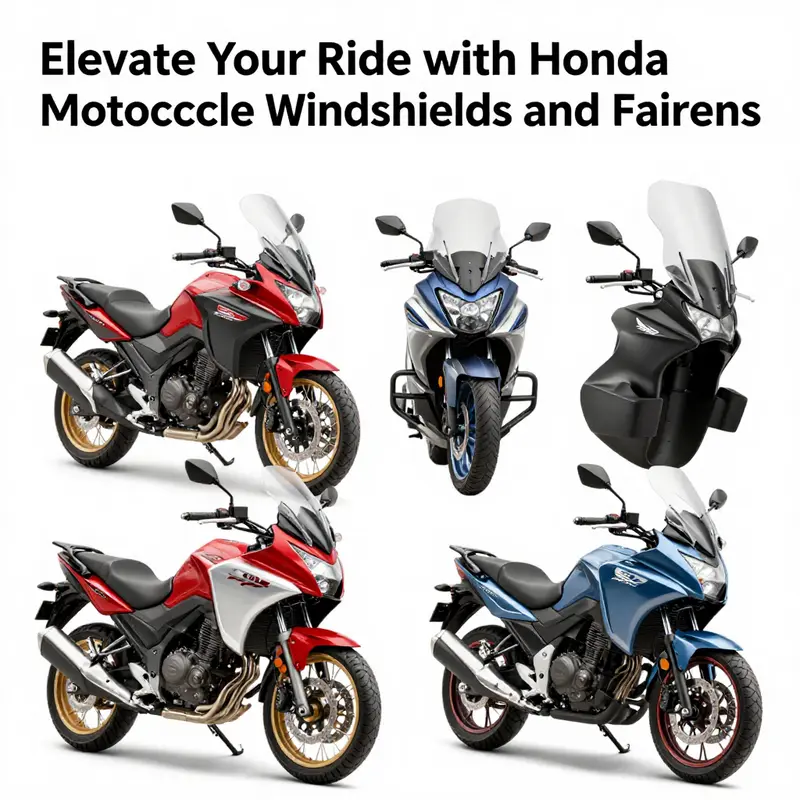
A windshield or fairing is part of a bike s aerodynamics, cooling, and rider comfort system. When Honda riders shop for wind management parts they should look for a true fit that respects the frame, mounting points, handlebars, and rider posture across model years and generations. Compatibility is a precise interaction between design intent and the bike s architecture, not a generic label. A well designed windscreen sits flush with the surrounding fairing and aligns with the instrument cluster and mirrors, while a matched fairing kit follows the bike s lines without blocking ventilation or steering clearance. The result is stable wind behavior at highway speed and a clean installation that feels designed rather than improvised.
From the rider perspective the practical starting point is model year and designation. Honda has evolved platforms many times, and every generation can change fairing geometry, mounting hardware, and routing of wires and hoses. Without checking official specifications, a visually attractive part can sit askew, leaving gaps at the edges or rubbing on the fork or dash. The takeaway is that fitment is a precise match rather than a marketing claim. Rely on official part numbers, parts catalogs, and trusted suppliers that confirm fitment for a given year and model. This reduces returns and ensures the finished look is clean.
A broad but useful rule is that a high quality windscreen or fairing kit is designed to fit a family of bikes through common mounting standards and handlebar diameters. For example, many products fit standard 7/8 inch or 1 inch handlebars, enabling installation across multiple Honda models. Yet within that broad compatibility there are critical caveats: the exact lip shape, extra mounting points, and how the screen interfaces with the instrument cluster and surrounding panels can vary. Always study the mounting diagram and read the notes in the product description before purchasing. The aim is to preserve the bike s original airflow characteristics and rider posture rather than simply swapping parts.
In practice a full coverage fairing for a cruiser or sport tourer shows how mounting accuracy matters. If the frame descendants share the same steering head geometry and mounting tabs line up with the frame, the result is improved aerodynamics and stable control at speed. If the same fairing is used on a different generation with altered frame geometry, it can create interference with forks, radiators, or panel gaps. These issues are not cosmetic; they can affect handling and cooling, especially on long rides or in hot conditions.
When shopping, beware of universal claims. Some products market broad compatibility but rely on a mounting system that does not align with Honda frame geometry. That misalignment can lead to loose fasteners, rattling at speed, or stress on mounting points. The better path is to choose components engineered to respect the bike type and its architecture while offering some flexible mounting options for rider preference.
For riders seeking a more tailored route there are model specific bodywork kits and fairing systems aligned to particular generations. The alignment with the bike s frame and surrounding panels is prioritized, and the install emphasizes precise bolts, clearances, and panel seams. For minimal front end upgrades the goal remains guiding air efficiently while preserving engine access and instrument visibility and keeping weight down. OEM windshields and fairings carry the reassurance of factory alignment but may come at a premium and offer limited finishes. Aftermarket parts can provide broader color choices and sometimes faster availability, but the key is to verify fitment with official diagrams and trusted suppliers.
A practical workflow starts with a careful check of the exact model year and designation, then notes whether the product is built for a specific generation or which standard mounting dimensions it accepts. If mounting interface or handlebar diameter is specified, treat that as a non negotiable criterion. Also verify whether extra hardware or weather seals are required and whether installation affects clearances around the instrument cluster, mirrors, or steering lock. OEM or aftermarket resources often include diagrams or parts catalogs that map the fairing or windscreen attachments to the frame and routing, helping prevent conflicts during installation and ensuring a clean finished look.
For those who want a consolidated path, explore options within Honda fairings collections that emphasize compatibility across the lineup while offering choices for tint, height, and profile. Shopping within a curated collection increases the likelihood that the product harmonizes with the bike s architecture and engineering intent. When in doubt, cross check with the official part numbers and consult reputable suppliers who can confirm fit for the exact year and model. This diligence saves time and reduces the risk of misfit. Finally consider the rider: height, posture, and wind management preferences shape the ideal shield height and curvature. Taller riders often prefer higher screens to redirect air higher, while shorter riders may favor lower shields to reduce buffeting. The right balance improves comfort, visibility, and overall riding experience. For further reading, consult the Honda fairings collection for model specific notes and to compare options in one place, keeping fit, finish, and aerodynamics in alignment with the bike s design.
Guardians of the Stream: Aerodynamics, Comfort, and Style in Honda Windshields and Fairings
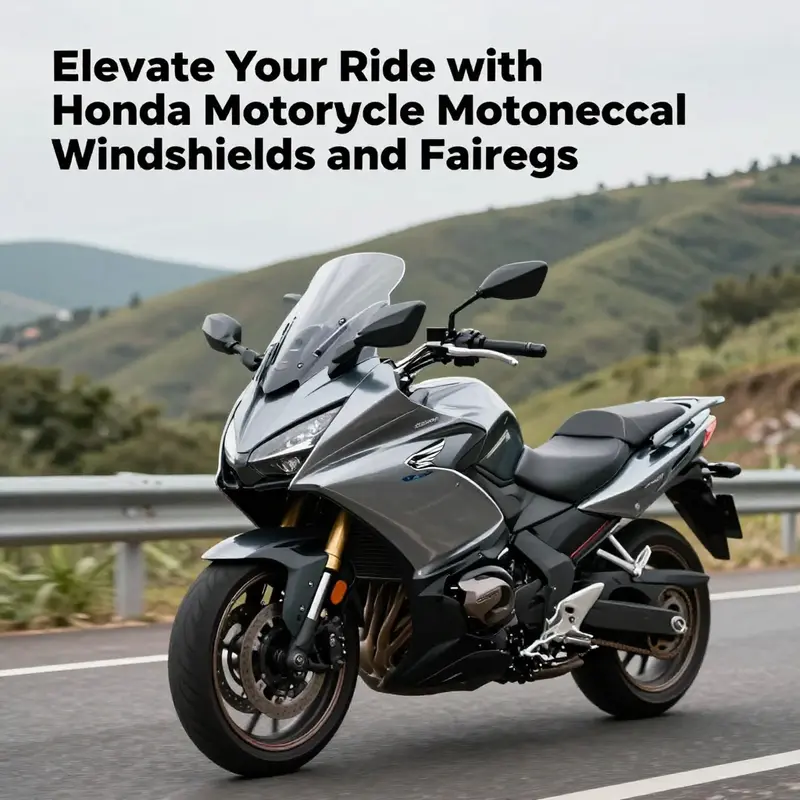
Across the long arc of a ride, the windshield and fairings on a Honda motorcycle do more than shield a rider from wind; they knit together the bike’s aerodynamics, protection, and personality into a single, functional sculpture. The chapter of engineering that governs windshields and fairings is, at its core, a study of how air behaves around a moving machine and how a rider experiences that air. When designed in harmony, windshields and fairings disrupt turbulent air just enough to reduce fatigue and stabilize high-speed handling.
A well-integrated windscreen and fairing system can make a bike look faster, more unified, and ready for the road before the engine is even ticked over. The two roles—protection and aesthetics—are not rivals but complementary forces that, when balanced, elevate rider comfort and the machine’s identity on the street or highway.
Materials matter: modern windshields rely on impact-resistant plastics that stay clear under sun and debris. Acrylic and polycarbonate blends deliver lightness and strength, a critical combination for touring riders who may encounter gusty crosswinds or debris on remote routes. The safety standards embedded in these components matter: a windscreen that fails under stress is dangerous at speed.
Beyond materials, the geometry of the windscreen and the shaping of the fairings drive performance. A windshield should be an aerodynamic element whose profile interacts with the bike and rider. The goal is smooth airflow over the head and torso while minimizing flow separation near the shoulders. Fairings act as air deflectors that guide flow around the engine and chassis, reducing drag and directing cooling air more efficiently.
Aesthetics matter too. Honda’s approach emphasizes clean lines and a cohesive silhouette that reinforces the bike’s character. The windshield’s translucence and curvature are tuned to minimize distortions, presenting a clear window for the rider. When color-matched, the windshield becomes an extension of the fairing rather than a separate piece.
For riders choosing aftermarket options, taller windshields or refined fairing panels can alter the airflow in useful ways, reducing wind pressure on the face and shoulders and potentially improving ride quality on long trips. In practice, the integration of materials, shape, and finish is what lets a windshield feel like a natural part of the bike rather than a retrofit.
In closing, windshields and fairings are a balance of protection, performance, and style. They enable comfort at speed and communicate the bike’s intent through design. For more model-specific options and fitment, consult Honda’s official lineup or trusted accessory partners: https://www.honda.com/motorcycles.
Final thoughts
Honda motorcycle windshields and fairings are essential components that significantly enhance the overall riding experience. By understanding the various options available, their compatibility with different models, and the performance and aesthetic benefits they provide, you can better cater to your customers’ needs. As a business owner, this knowledge enables you to offer informed recommendations, position your offerings effectively, and potentially increase customer satisfaction and loyalty. Investing in high-quality windshields and fairings not only improves rider comfort but also elevates the perception of your brand in the motorcycle community.