
Motorcycling is not just about the ride; it’s about the experience. To elevate that experience, Indian Motorcycle offers frame-mounted fairings designed to enhance both comfort and performance. These fairings not only provide exceptional wind resistance but also add a level of style that captures the essence of Indian’s rich heritage. Business owners in the motorcycle industry should recognize the vital role that quality fairings play in customer satisfaction and product differentiation. This article will explore the design and functionality of Indian Motorcycle frame-mounted fairings, delve into their performance benefits, examine customization options, guide on installation compatibility, and analyze current market trends. By the end, you’ll have a comprehensive understanding of how frame-mounted fairings can be an invaluable addition to your offerings.
Frame-Mounted Fairings on Indian Motorcycles: Crafting Wind, Weather, and Endurance
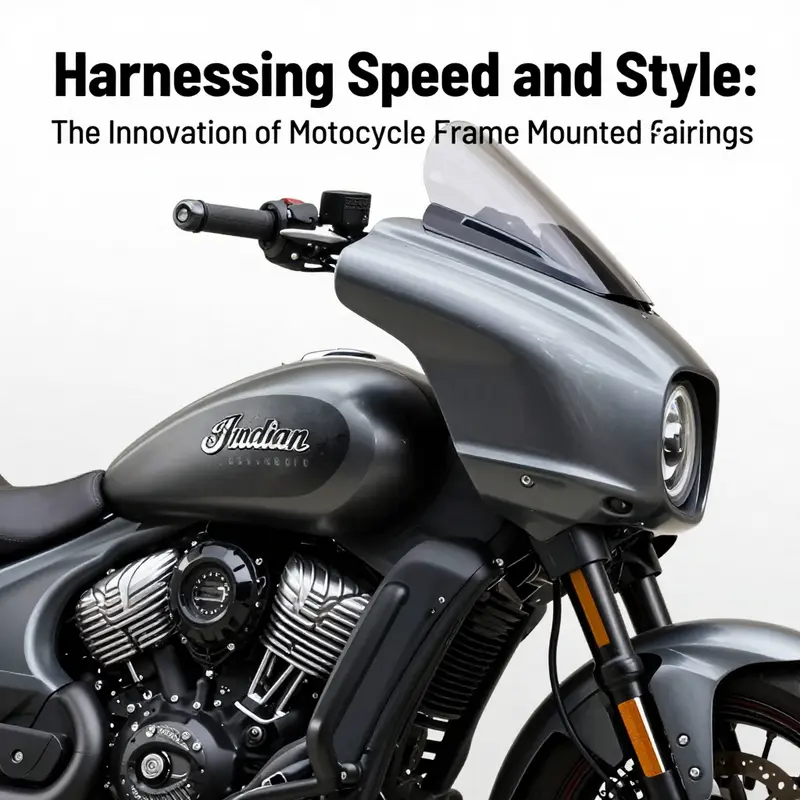
A frame-mounted fairing on an Indian motorcycle is more than a sculpted shield for the headlight. It is a carefully engineered interface where aerodynamics, weather protection, and chassis geometry meet the rider’s evolving expectations for long-distance comfort and everyday usability. When this type of fairing is mounted directly to the frame, it becomes an integral part of the bike’s stance and performance, not merely an afterthought added for style. The design language follows the rhythms of the machine itself: clean lines that complement the chassis, solid joints that translate into reliable performance at speed, and an enclosure that shields both rider and machinery from the elements while preserving the bike’s iconic silhouette. This approach reflects a philosophy in which form and function reinforce one another rather than compete for attention.
From a design standpoint, the frame-mounted fairing occupies a strategic position at the front of the machine. It is anchored to the frame, not the fork tubes or another removable substructure, which grants it a predictable, vibration-attenuated interface at speed. Materials chosen for these fairings typically include ABS plastic or fiberglass, selected for their balance of strength, impact resistance, and acoustic dampening. ABS plastic offers resilience against flight-water, road debris, and temperature variations, while fiberglass can provide a stiffer, sometimes lighter alternative with a different finish potential. The inherent rigidity of the frame-mounted setup helps the fairing stay true to the bike’s lines across a broad speed range, maintaining a coherent look whether the visor of chrome-plated instrumentation peeks beneath rain-slicked air or the sun drapes its warmth across a canyon road.
The integration with the chassis is not simply about aesthetics. A well-designed fairing aligns with the bike’s primary fork geometry, wheelbase, and seating position to optimize the way air flows around the rider and the engine. When air meets this fairing, it is guided along a path that reduces wake behind the bike, lowers front-end turbulence, and cuts buffeting that can fatigue the rider during long stints in the saddle. Reduced drag translates into stability at speed and, over long journeys, a subtle improvement in efficiency. The riding experience grows steadier, and the rider’s shoulders, neck, and wrists encounter less stray gusts that would otherwise demand constant micro-adjustments. These improvements may seem incremental, but they compound over hundreds of miles, turning a high-mile day into something more manageable and composed.
Aesthetic integration matters as well. The fairing’s surface is shaped to echo the bike’s own character—curves and angles that mirror the flow of the frame, with edges that catch the light in a way that emphasizes the machine’s presence on the road. In many cases, color and finish are coordinated to produce a seamless transition from fuel tank to fairing, underscoring a cohesive design language rather than a patchwork of separate parts. The result is a silhouette that looks both aggressive and refined, signaling to onlookers that the rider has prioritized performance without sacrificing the classic, American-inspired styling that fans associate with these machines.
Beyond mere cover and contour, the fairing often carries practical elements that enhance the riding experience. Integrated turn signals are frequently embedded within the fairing’s nacelle, contributing to visibility without requiring separate stalks that could thicken the profile or protrude into the airflow. The consolidation of signals into the fairing also helps reduce clutter on the front of the bike, preserving clean lines while enhancing safety by ensuring signals are always within the rider’s peripheral view and within the line of sight of other motorists.
Many frame-mounted fairings include accessory mounting points that open up a world of customization. GPS units, action cameras, or other electronics can be docked within easy reach while remaining securely housed behind the protective shell. These mounting points are designed with vibration in mind, using fasteners and brackets that minimize transmitted noise and movement so equipment stays reliable even on rough roads. In addition, a subset of models may offer built-in storage compartments or discreet provision for small items, a nod to practical touring considerations where riders expect a fairing to contribute not just to wind protection but to convenience as well.
The rider’s experience with a frame-mounted fairing also benefits from its contribution to weather protection. The fairing acts as a first barrier against rain and wind-driven spray, funneling the air away from the rider while allowing a calmer cockpit environment. This can significantly reduce the fatigue caused by adverse weather exposure on long rides, letting riders maintain focus on the road and their own posture rather than fighting with gusts or temperature swings. The soundscape within the cockpit changes, too. With well-sorted air management, wind noise is redirected to a lower, more uniform tone rather than a rising wall of sound that interferes with conversations, navigation cues, or music playback. The overall compensation is a calmer, more controlled riding experience where the rider feels more connected to the machine and less buffeted by the open air.
From a safety and performance perspective, the frame-mounted installation supports a level of structural reliability that benefits the entire chassis. Because the fairing is anchored to the frame, it shares in the bike’s stiffness and response characteristics. This can manifest as steadier steering behavior and a more predictable front-end response, particularly when entering corners at speed or negotiating uneven pavement. The clean interface reduces potential points of flex at high loads, a factor that, over time, contributes to consistent handling and longer-term durability. It also means that the fairing’s mass is part of the overall mass distribution plan, chosen to complement the engine, frame, and suspension rather than disrupt them. The balance between aerodynamics, weight, and rigidity is delicate, and a well-conceived frame-mounted fairing achieves a harmony that many riders notice as a smoother, more composed ride.
A practical note for riders who are considering upgrades or replacements is to consult the official parts catalog or an authorized dealer for compatibility with their specific model and year. Compatibility is not a superficial concern; mounting points, windshield height, and profile must align with the bike’s frame geometry and the rider’s natural seating position. Different models may use variants of the same mounting philosophy, some offering edge-trimmed or darker finishes to suit different aesthetic preferences. The idea is to provide a modular, durable solution that respects the bike’s heritage while offering improvements in aerodynamics and weather protection. The result is a fairing that feels like a natural extension of the motorcycle, rather than a separate add-on that competes for attention.
In the broader ecosystem of frame-mounted fairings, it is informative to explore how different brands tackle similar goals. One can see a spectrum of mounting approaches and finish options, from color-coordinated shells to more restrained, blacked-out profiles. This comparative view helps illustrate the central point: frame-mounted fairings, when properly designed and integrated, do more than shield the rider. They harmonize wind management with the machine’s character, improve comfort on long days, and augment the bike’s utility with thoughtful features. For readers curious about broader fairing philosophies, the Honda fairings collection offers a clear lens into how different lines and mounting schemes address the same core challenges—airflow, protection, and accessory compatibility—while maintaining that distinctive brand language. Honda fairings collection offers insight into how riders and builders approach fairing design across platforms, and it serves as a useful reference point for understanding the choices behind any frame-mounted system.
The practical implications extend to day-to-day riding as well. With a frame-mounted fairing, maintenance becomes more straightforward because the fairing is integrated with a robust mounting framework. Cleaning and detailing are simplified when the fairing is flush with the frame and lines up with the bike’s geometry, reducing crevices where grime can accumulate. The installation work, when performed by an experienced technician, ensures the fairing is aligned for optimal airflow and minimal stress on fasteners over time. When a rider considers upgrades or replacement, the emphasis is on a balance between performance gains and the bike’s visual ethos. The rider should expect improvements in wind protection, a calmer cockpit, and the assurance that the fairing will sustain its alignment and finish across miles and seasons.
All of this coalesces into a narrative about why frame-mounted fairings hold a special place in Indian motorcycles’ design philosophy. They embody a commitment to durability and rider-centric engineering, while still honoring the brand’s enduring aesthetic with a stance that remains unmistakably American in spirit. The fairing becomes not merely a shield but a partner in the riding experience, contributing to comfort, confidence, and continuity on every road. For riders who value the marriage of tradition with modern performance, the frame-mounted fairing stands as a vital component that respects the bike’s heritage while enabling it to perform at the level modern open-road travel demands. As with any upgrade, the path to benefit begins with careful consultation, precise fitment, and an understanding of how wind, weather, and ride dynamics intersect on each unique journey.
For more technical specifics and installation guidance, see the official Indian Motorcycle site: https://www.indianmotorcycle.com.
Windwise Engineering: The Performance Advantage of Frame-Mounted Fairings on Indian Motorcycles
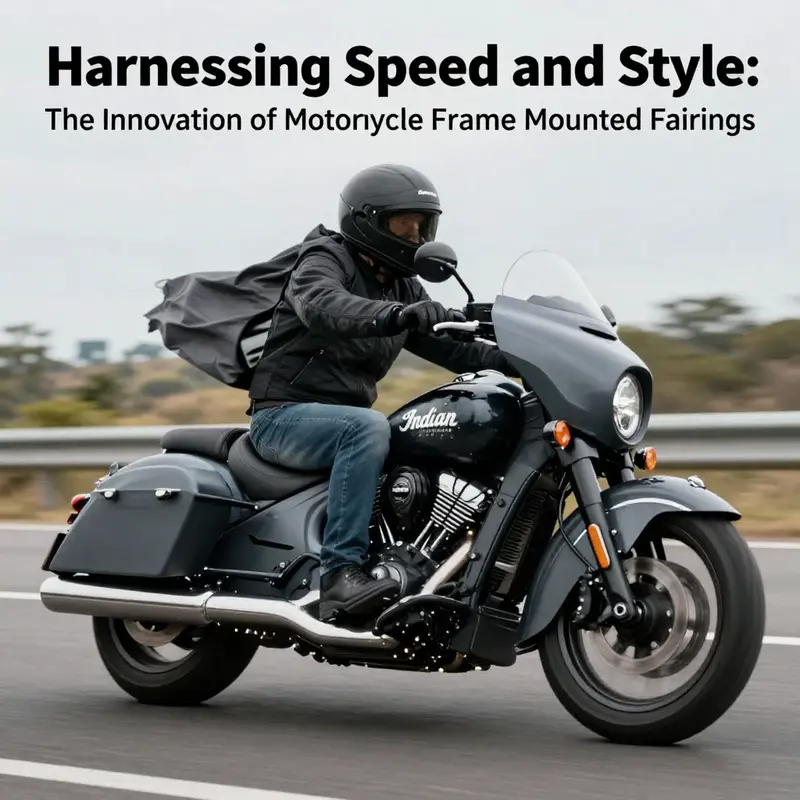
Frame-mounted fairings do more than clothe a bike in a polished shell. They anchor wind management to the machine’s backbone, translating air pressure into predictable, repeatable performance. On motorcycles designed for long miles and variable weather, the frame becomes a partner in aerodynamics, not merely a support for cosmetic styling. When the fairing is integrated with the frame in a way that respects the chassis geometry, the rider benefits in a way that feels almost tactile: the wind becomes a controllable force rather than an unruly menace.
Aerodynamic efficiency sits at the heart of this design philosophy. A frame-mounted fairing is not a loose shield that sits in front of the bike; it is a carefully contoured element that works with the frame to sculpt the airflow. The air is guided along smooth contours around the rider and the engine bay, reducing drag and minimizing the pressure differentials that produce buffeting. The rider’s torso and head experience steadier pressure fields, a subtle but meaningful difference in how air interacts with gear and helmet at highway speeds. This cohesive flow is easier to maintain at higher speeds and under gusty crosswinds, which means the machine needs less steering input to stay aligned with the oncoming air. The result is a ride that feels more settled, even when the road discipline requires a firm grip on stability.
Rider comfort is the practical, immediate payoff of this aerodynamic design. Frame-mounted fairings provide purposeful wind protection, shielding the chest, shoulders, and forearms from steady exposure to air blasts. That shielding reduces fatigue over long distances because the rider’s core remains protected from persistent wind pressure and from the chill of rain or spray. Comfort translates into endurance, and endurance translates into the ability to sustain concentration and control during hours on the road. Riders who spend long days in the saddle often report a freer breathing rhythm and less torso strain when the fairing works in concert with the rider’s posture. The result is an easier cadence, less micro-tiredness, and a sense of weather protection that extends the riding window into shoulder seasons or unsettled climates.
Fuel economy and top speed naturally follow from aerodynamic drag, but the relationship is nuanced. At sustained highway speeds, a streamlined profile reduces parasitic power losses. The engine can devote more of its energy to maintaining speed rather than conquering a thick pressure field. In practice, this can show up as improved fuel efficiency per mile when cruising far from the nearest civilization, as well as a modest bump in top speed ceiling for riders pursuing high-speed touring or open-road performance. The effect varies with weight, riding position, and how effectively the fairing fits within the bike’s overall mass distribution. What is consistent is the sense that the frame-mounted design helps the motorcycle slip through air with less resistance, allowing the engine to work more efficiently under the same throttle input.
One of the less obvious advantages is how a frame-integrated fairing reduces turbulent wake around the rider at elevated velocities. When air passes the rider’s position, a swirling, high-energy wake can interact with the bike’s tail section, potentially robbing the rider of precision during throttle changes or corner entry. A well-integrated fairing guides the air into cleaner paths, smoothing the boundary layer as it moves past the rider and along the bike’s silhouette. The result is a calmer cockpit and steadier handling cues from the handlebars. That smoother air environment translates to more confidence to lean into long corners or ride through changes in road texture without a sudden, disconcerting flutter in the bars. It’s a small but meaningful shift toward predictability when the pace rises.
From a handling perspective, the fairing’s attachment to the frame contributes to a stiffer, more coherent chassis. While the frame remains the primary load path for structural integrity, the fairing’s mounting points can influence how the overall system resists flex under load. The aggregated stiffness across frame, fairing, and mounting hardware yields a more precise feel through turns and straights alike. This translates to crisper feedback—riders sense the line and the change in gravity with a touch more clarity. In turn, throttle response and trail braking can feel more controlled, because the aerodynamically altered mass distribution does not distort the rider’s inputs. For touring riders, this means less fatigue from micro-corrections and a stable, predictable ride on imperfect pavement where every variance matters.
This broader aerodynamic stability also complements weather protection in practical, real-world terms. Windshield or fairing geometry that aligns with rider height and posture reduces rain spray and direct wind gusts, keeping shoulders and forearms dry during mixed precipitation. Even when the sky opens, riders notice less wind-driven chill and more warmth retention around the torso. The net effect isn’t just comfort; it’s a kind of resilience. The bike remains controllable in a wider range of conditions, which broadens the envelope for when and where riding feels effortless rather than punishing.
As with any design, compatibility and fit are central to realizing these benefits. Frame-mounted fairings exist in several variants, and a key consideration is how well a given option integrates with the frame, fairing brackets, and the bike’s overall geometry. Customers are advised to consult official parts catalogs or authorized dealers to verify model compatibility and installation specifics. Beyond function, aesthetics matter too. Many fairing variants offer color-matched finishes or darker, edge-trimmed styles that complement a rider’s preferred look. When a fairing aligns with the bike’s line and the rider’s posture, the wind management feels like an extension of the rider’s intent rather than a separate add-on.
For readers who want a sense of the broader marketplace and how fairings are catalogued for different platforms, a practical reference can be found in the Yamaha fairings collection, which illustrates how aftermarket options are organized to fit a variety of configurations. This contextual example helps connect the frame-mounted concept to a wider ecosystem of precision-fit components, showing how bracket design, mounting hardware, and surface geometry must mesh with the machine’s frame to deliver consistent results. Whether the rider aims for a sportier stance or a touring posture, the underlying principle remains: the fairing’s purpose is to shape airflow in harmony with the frame, not clash with it.
In sum, the performance benefits of frame-mounted fairings on Indian motorcycles are about a cohesive relationship between air, rider, and chassis. When the fairing is thoughtfully integrated with the frame and properly mounted, it yields smoother aerodynamics, improved comfort, modest gains in efficiency, and enhanced stability at speed. The rider perceives a more intuitive connection to the machine, a sense that wind, weather, and road conditions have been tamed rather than confronted. It is a quiet propulsion of performance that supports endurance riding, long-distance exploration, and the daily rhythm of the open road. For those seeking deeper technical nuance on the broader topic of frame fabrication and its performance implications in motorcycles, a detailed overview is available at this external resource: https://www.motorcycle.com/motorcycle-frame-fabrication-types-properties-and-performance-enhancement/.
Wind, Frame, and Form: Crafting Personalization in Indian Frame-Mounted Fairings
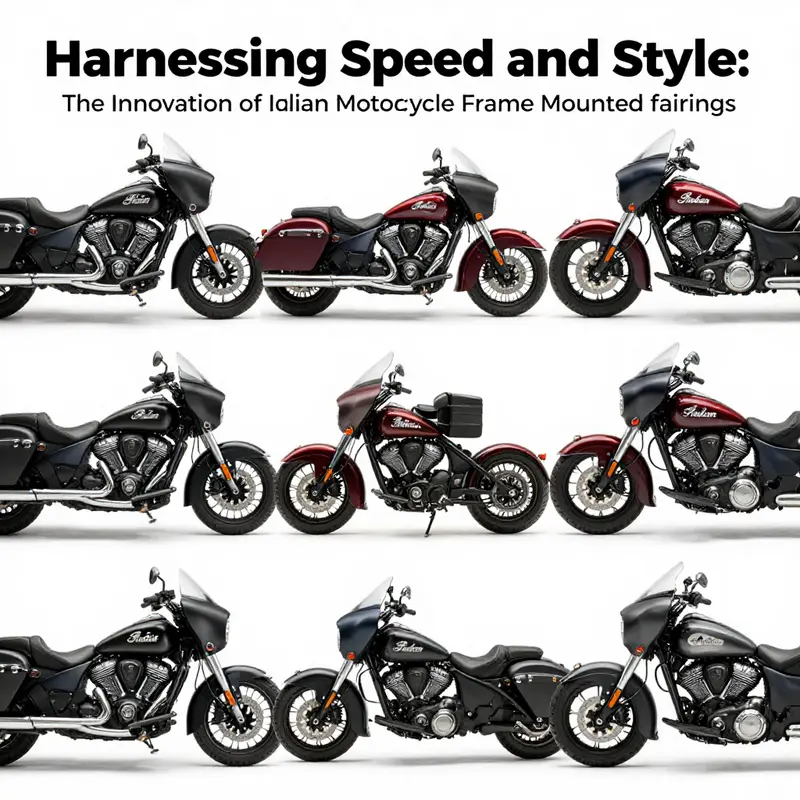
Riding long hours tests more than skill; it tests the rider’s tolerance to wind, weather, and the body’s own fatigue. A frame-mounted fairing acts as a harbor against the moving air, guiding it away from the chest, neck, and helmet while preserving a sense of connectedness to the road. For owners of Indian motorcycles, this component can do more than shield from spray or drizzle; it can refine the ride’s character, shaping the bike’s presence on the highway as much as its silhouette when parked. The frame-mounted approach places the fairing where it most effectively interacts with the bike’s mass distribution, leveraging the space between the front wheel and the rider’s line of sight. This position helps manage the wind pressure that builds up at cruising speed, smoothing the ride without demanding a heavy, ram-air like profile. When designed with a rider’s comfort in mind, the fairing becomes less about chasing a dramatic statement and more about sustaining a relaxed posture over hundreds of miles. In that sense, it is a functional sculpture—an element that communicates both form and function in equal measure. The decision to mount a fairing on the frame reflects a clear understanding of how wind behaves around a classic tubular chassis and how that wind interacts with a rider’s body. Rather than being an afterthought, the fairing in this configuration is tuned to complement the bike’s geometry, steering a clean stream of air past the shoulders and chest while maintaining access to controls and instrumentation. A well-executed design doesn’t merely push the air aside; it redirects it with a gentle contour that reduces buffeting at head height and lowers the overall fatigue that accumulates on extended highway miles. In practice, this means a smoother ride, reduced wind noise, and a more predictable feel when negotiating sweeping curves or long, straight stretches where the body begins to tire from wind resistance rather than from the road’s roughness. The practical benefits extend beyond comfort to weather protection. A frame-mounted fairing shields the torso from rain and spray and, to a degree, offers shelter from cold gusts that can seep in through gaps at the rider’s collar. The weather barrier, when integrated with a compatible windscreen, becomes a movable shield that can be adapted to changing climates during a journey. The rider gains an edge in confidence, knowing that the setup is anchored to the frame and designed to withstand the rigors of high-speed riding. From a design perspective, the fairing is more than a shield; it is a visual extension of the motorcycle’s temperament. The silhouette it creates matters as much as the wind it deflects. In the context of Indian motorcycles, the fairing’s lines often echo the bike’s overall styling language, with edges that mirror the sculpted tank, the sweep of the fuel filler, and the curvature of the seat cowl. A color-matched finish or a subdued, blacked-out profile can be pursued to achieve either a seamless, factory-like integration or a bold, stand-alone statement. The spectrum of customization here is as much about mood as it is about performance, allowing riders to tailor the fairing’s presence to personal taste and riding goals. When considering customization, most riders start with finish and trim options. Color matching to the bike’s body can create a cohesive, touring-ready appearance, while matte finishes or edge trimming can introduce a sense of pace and aggression that suits the bike’s character. The material choice also comes into play. Many frame-mounted fairings are offered in durable ABS or composite blends that balance impact resistance with a respectable weight, ensuring the assembly remains forgiving on rough roads while still providing a solid mount. Beyond color and texture, small touches matter: the edge trim can catch the light differently, and the texture of the surface can influence how the fairing feels in the hands during maintenance. The choice of finish also interacts with the rider’s maintenance routine. Gloss surfaces reveal scratches more readily and might require more frequent polishing, while matte finishes can hide micro-abrasions with less upkeep. The hardware that anchors the fairing to the frame is equally important. A well-engineered mounting system distributes stresses from wind pressure evenly across the frame, reducing the chance of flex or movement at highway speeds. Quick-release mechanisms offer convenience for seasonal changes and cleaning, but they must be paired with locking features and robust fasteners to ensure safety at high speeds. The practical implications of such choices extend to riding dynamics as well. A fairing that sits too aggressively forward can impart subtle steering forces or helmet buffeting, especially with taller riders or on models with a particular wheelbase. Conversely, a slightly more conservative contour can preserve steering feel and maintain a natural sense of balance. This is where the customization philosophy shifts from mere aesthetics to a balanced fusion of function and form. Riders embarking on long trips often seek a setup that minimizes fatigue without compromising access to gauges, controls, and storage. In this light, the fairing’s shape should align with the rider’s posture, keeping the line of sight comfortable while ensuring that the chin, throat, and chest are shielded without creating a vise-like pressure around the torso. The frame-mounted arrangement also invites thoughtful integration with other accessories. For instance, wind screens of varying heights can be paired with the fairing to tailor the aerodynamics to different riding speeds and seat heights. The aim is to nurture a harmonious airflow that threads around the rider’s helmet rather than creating turbulent eddies at the shoulders. Access to the rear view mirrors and instrument cluster should remain straightforward, too. The mounting geometry must leave room for adjustments and maintenance, enabling riders to tune the setup as their body position or riding climate changes. The absence of a one-size-fits-all solution means prospective buyers and current owners must adopt a methodical approach. Start with assessing the ride’s typical conditions: highway miles, weather patterns, and typical speeds. Then map these conditions to a set of design priorities—comfort, weather protection, visibility, and ease of maintenance. With these priorities in mind, a customization plan can be drafted that respects the frame-mounted system’s core strengths: stability, alignment with the bike’s frame, and a clean aesthetic that does not overpower the bike’s locomotive stance. Of course, there is a caveat: official information about Indian-specific customization options for frame-mounted fairings can be sparse. The market has produced a broad ecosystem of aftermarket solutions, but compatibility with a particular Indian model requires careful verification. The safest path is to consult the official parts catalog or an authorized dealer who can confirm compatibility, confirm mounting hardware requirements, and ensure that any modification preserves ride safety. This approach minimizes the risk of misfit or interference with the bike’s electrical, cooling, or steering systems. It also respects the vehicle’s warranty and long-term reliability. In practice, the most productive route is a collaborative one: the rider’s vision, the dealer’s technical knowledge, and the motorcycle’s existing architecture working in concert. The result is not simply a decorated shield against the weather but a coherent ecosystem of components that speak the same design language as the bike itself. There is a quiet beauty in that synergy: a fairing that looks as if it belongs, not as if it was added. The narrative of customization becomes a narrative about stewardship—how the rider honors the machine by choosing finishes, mounting hardware, and configurations that keep the bike’s balance intact while elevating comfort on the open road. For those who crave broader understanding beyond one model or one brand, it helps to look at the wider world of frame-mounted fairings and the principles behind their effectiveness. Wind dynamics, cargo and rider weight distribution, and the relationship between wind flow and noise are universal considerations. By focusing on those core ideas, a rider can make informed choices that translate across models and brands while remaining faithful to the motorcycle’s own design intent. As the journey toward personalization continues, the priority remains clear: preserve safety, sustain comfort, and honor the bike’s styling. If you are unsure about a specific option, seek guidance from official Indian resources or trusted dealers who can provide up-to-date compatibility information. The road ahead invites experimentation, but it does so with a careful map in hand. External resources can illuminate how wind, noise, and aerodynamics interplay with rider comfort, offering a broader context for any customization decision. For a broader understanding of wind effects on ride quality, see https://en.wikipedia.org/wiki/Wind_noise.
Precision Fit and Wind-Sculpted Comfort: Installing Frame-Mounted Fairings on Indian Motorcycles
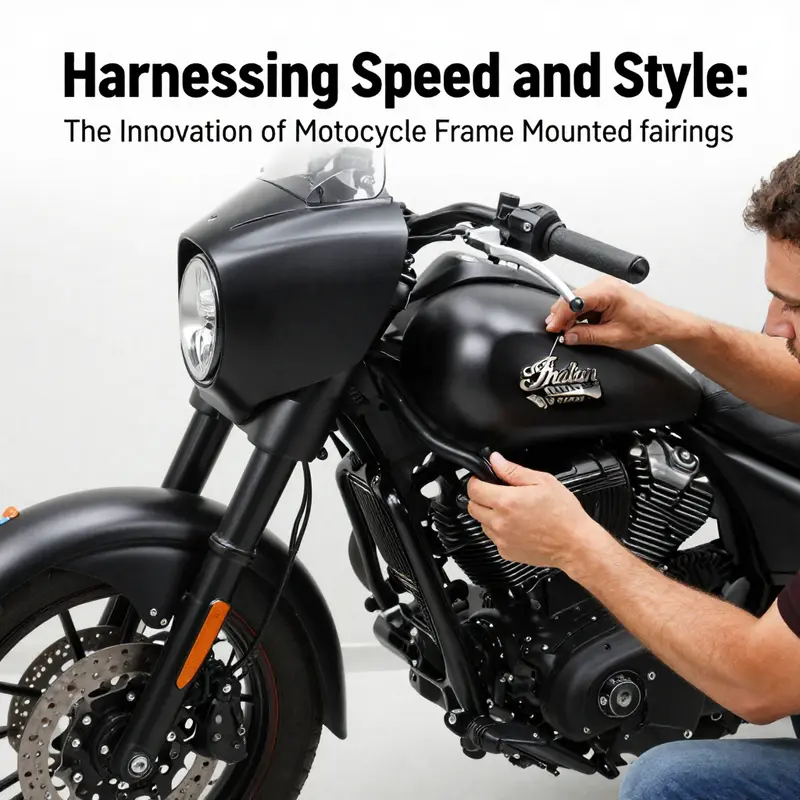
Rider comfort on long stretches hinges on how effectively the wind is redirected and how weather shifts are managed without adding unnecessary weight or drag. A frame-mounted fairing can be a pivotal upgrade for Indian motorcycles, offering a disciplined blend of wind protection, weather shielding, and a refined silhouette that respects the bike’s lines rather than concealing them. Yet the true value of a frame-mounted shield emerges only when the part is chosen for exact compatibility with the model, year, and frame geometry. The first consideration is straightforward and essential: compatibility. Fairings designed for one exact configuration will not reliably fit another, even if the two models share a common family resemblance. Subtle differences in frame brackets, steering stem geometry, and mirror mounting points can transform a once-simple bolt-on into a misaligned panel, a drafty cavity, or a source of troublesome wind noise. On a bike designed for long-distance comfort, those misalignments are more than cosmetic—they influence handling, rider fatigue, and the perceived quality of wind management after hours in the saddle. The best approach is to verify that the chosen fairing is explicitly matched to the precise model, year, and configuration you own. This step minimizes surprises and preserves the integrity of the bike’s aerodynamics. The dialogue between fairing and chassis is a conversation about airflow and load paths as much as it is about appearance. If the fairing is intended for a variant with mirrors mounted on the frame, additional components are often required. Those parts can include new mirror assemblies or fairing plugs that seal the junctions where wind would otherwise find unwanted channels. Without these, the result can be a drafty cockpit, unexpected turbulence, and a mismatch between the rider’s line of sight and the fairing’s shielding curve. A practical way to navigate compatibility is to consult a detailed fit guide that emphasizes year, make, and model specifics. While many guides exist for broader lineups, the focus here is on precise pairings that keep the fairing aligned with the bike’s structure rather than forcing a generic shell to fit a moving target. Such guides are invaluable because they underscore the risk of misfit not only as an installation headache but as a safety concern that can arise from altered weight distribution or compromised mounting points. When you find a guide that requires you to confirm frame features, mounting point locations, and the presence or absence of certain hardware, you are engaging in the most practical form of due diligence. The aim is not merely to attach a panel; it is to secure a shield that behaves as a natural extension of the machine, smoothing air pressure over the rider’s torso and helmet while leaving the steering and suspension to respond as designed. If the compatibility there is sound, the installation becomes less a test of force and more a choreography of alignment, torque, and tactile feedback during a careful test ride. The mounting system is the next pillar of sound installation. Frame-mounted fairings bolt to a chassis, not to an aftermarket yoke or a random set of brackets. The brackets themselves must be robust enough to withstand continuous vibration, the yaw of wind at speed, and the occasional impact from road irregularities. The structural path that anchors the fairing to the frame is what translates wind load into predictable performance. If the brackets are weak, or if the mounting points are spread too far apart, the fairing can flex during acceleration or deceleration, introducing micro-vibrations that irritate the rider and degrade aerodynamics. This is where the pro approach evolves from a DIY bolt-on to a careful, measured process. Some installations may require material modifications to the frame or to the brackets themselves. Drilling or welding may be mentioned in broad guidelines, but those operations carry real consequences. Drilling into critical frame members can alter the load path in ways that reduce strength, while welding can introduce heat-affected zones that alter metal properties. For this reason, such modifications should be performed only by technicians with a clear understanding of frame integrity and the bike’s overall warranty framework. Adherence to torque specifications is non-negotiable. Every fastener has a defined torque range designed to secure the bracket without over-stressing the frame. Using the wrong torque can lead to stripped threads, misalignment, or a subtle shift in how the fairing behaves under load. The installation must also account for weight distribution and the rider’s seating posture. A fairing that shifts mass forward or raises the front end’s effective wind profile can subtly alter steering feel, especially at highway speeds or when negotiating fast sweepers. A well-fitted frame-mounted fairing respects the bike’s own geometry, preserving the natural balance between front-end stiffness, steering precision, and rider feedback. The aesthetic element should not be neglected either. A frame-mounted fairing is a visual statement as much as a functional one. When the panel sits in harmony with the bike’s lines, it communicates a sense of purpose and cohesion that invites a rider to travel farther and more comfortably. The color and edge detailing, while important for appearance, should serve the broader goal of aerodynamics and robust protection—avoiding any feature that creates unnecessary drag or turbulence. For riders who value customization, it is worth noting that some fairings offer color-matched finishes or edge trim that complements the bike’s original paint. The subtlety of a well-chosen edge treatment can reduce wind noise at the rider’s ears by smoothing transitions along the fairing’s edge, which helps to minimize buffeting from lateral gusts. This is not merely an aesthetic concern; it is part of the broader wind-management strategy that benefits fatigue levels on long rides. If your strategy includes mirrors mounted on the fairing, the compatibility question expands. The fairing must accommodate mirror stems and plugs in a configuration that maintains visibility without introducing blind spots. In such cases, the engineering of the mounting points and the interaction with the fairing’s own profile become especially important. A misstep here can compromise both view and protection, prompting a return to the fundamentals: confirm the precise mounting interface, verify the spacer and gasket arrangements, and ensure that mirror clearance remains adequate through a full range of steering lock and rider position adjustments. A practical path through these considerations is to use a centralized source of information for compatibility and installation instructions. It is wise to refer to the official installation guides provided by the retailer or manufacturer and to seek professional installation if the process feels unfamiliar or if you lack access to the right tools. The goal is a secure, properly aligned shield that withstands wind pressure at speed and maintains the bike’s intended handling characteristics. To facilitate broader comparison, consider exploring a general fairings catalog as a starting point for options, keeping in mind that the true value will be realized only when the catalog item matches your exact model and configuration. This approach helps you weigh features such as screen height, edge trim, and mounting hardware, while keeping expectations grounded in fit realities rather than purely aesthetic appeal. For readers exploring related options, a general reference point to a broader catalog can be a helpful next step in the journey toward a confident upgrade. A careful evaluation of compatibility, mounting strategy, and impact on handling will yield a frame-mounted fairing that feels like a natural extension of the motorcycle rather than an add-on. It is this sense of integration—the alignment of chassis geometry, wind deflection, and rider comfort—that distinguishes a well-chosen fairing from a mere cosmetic accessory. In practice, the process is iterative: verify fit, review installation instructions, confirm hardware requirements, and assess the interaction with mirrors, plugs, and wind management features. A test ride that begins at low speed and gradually increases to highway rhythms will reveal whether the fairing sustains the rider’s comfort without introducing new fatigue factors. If the test reveals any wobble or unexpected noise, revisit alignment, bracket tightness, and fastener torque. The rider should feel smooth, predictable air pressure on the torso and a quiet, controlled wind boundary around the helmet. None of these outcomes occur by chance; they emerge from a disciplined installation and a clear understanding of compatibility. For readers who want a quick, practical path, consider starting with a general fairings catalog while prioritizing precise fit for your model year and configuration. This approach supports a balance between the desire for a protective silhouette and the necessity of secure mounting, clean lines, and reliable performance. In the end, the reward is a riding experience that maintains the machine’s integrity while delivering measured improvements in comfort and weather resilience. A frame-mounted fairing, correctly matched and expertly installed, behaves as a thoughtful companion on the road—one that channels air where it should, reduces helmet buffeting, and preserves the rider’s focus for the miles ahead. To deepen your understanding of compatibility specifics, you can reference a widely used fit guide that emphasizes exact year-to-model matching and the importance of proper mounting geometry. External resource: https://www.memphissmiles.com/fairings-fit-guide
Sleek Winds: Market Trends, Rider Preferences, and the Evolution of Indian Frame-Mounted Fairings
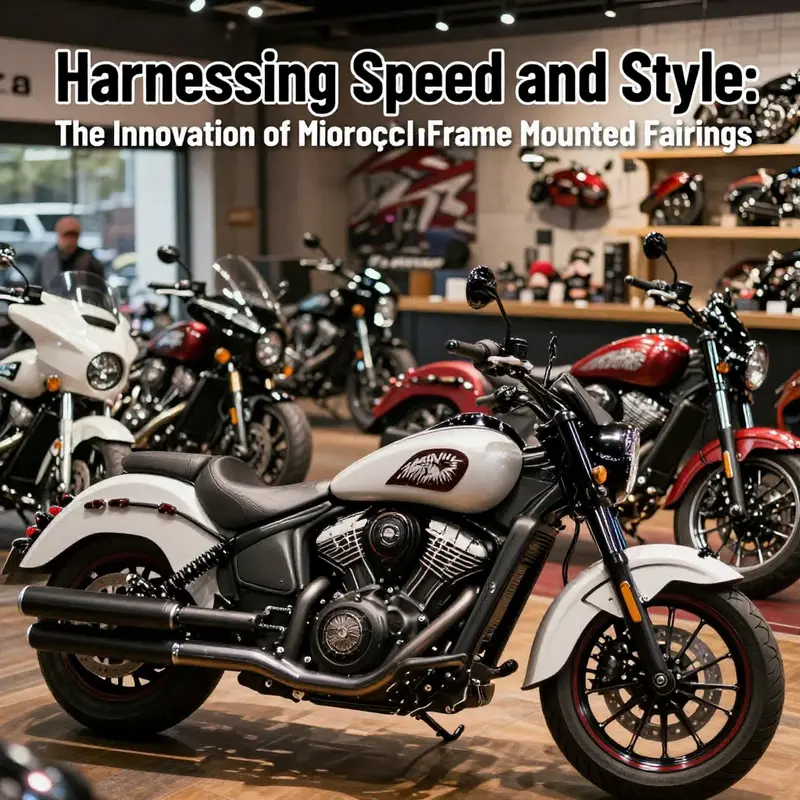
The market for frame-mounted fairings on Indian motorcycles reveals more than a taste for chrome and contour. It shows a rider culture that prizes efficiency, comfort, and a cohesive look as much as raw speed. As machines grow more capable and journeys longer, riders seek accessories that reduce fatigue without compromising the bike’s silhouette. The rise in demand for well-made, frame-mounted fairings reflects a broader shift toward components that behave like an extension of the motorcycle itself—not merely add-ons, but integral parts of the riding experience. The data from dealer listings, consumer feedback, and observed purchasing patterns suggests that buyers are not chasing novelty but a refined balance of function and aesthetics. They want gear that works with the bike they own, not against it, and that respect the bike’s design language while providing tangible gains in comfort during long hours in the saddle.
Aerodynamics sits near the top of rider considerations. A thoughtfully shaped fairing reduces drag, which translates into steadier stability at highway speeds and a more relaxed upper body posture for the rider. When wind resistance drops, the bike can maintain speed with less effort from the engine, a factor riders notice during long rides where every mile benefits from improved airflow. This is especially important on frame-mounted configurations, which work in concert with the bike’s frame geometry to guide air more predictably than aftermarket add-ons that appear bolt-on but do not integrate with the chassis’s aerodynamics. The result is a smoother ride that minimizes fatigue, especially on routes that require sustained endurance rather than short bursts of power.
Wind protection is the second pillar supporting the trend toward growth in this segment. Frame-mounted fairings act as a wind shield that can deflect not just rain and gusts but the constant paraffin of air that tends to batter riders on open highways. The right fairing design channels air away from the rider’s shoulders and chest, reducing wind noise and the pressure that can lead to an uncomfortable ride after several hours in the saddle. In markets where riders log longer distances, this protective envelope becomes a practical requirement rather than a luxury. Riders report that the calm air behind a well-fitted fairing makes late-day miles feel more manageable, and that the fairing’s efficiency contributes to a more enjoyable ride, encouraging longer trips and more ambitious touring plans.
Aesthetics and integration follow closely behind function. The modern rider expects a clean, integrated appearance that complements the bike’s original lines. A fairing should look as if it could have rolled off the factory floor, with paint and trim matching the body’s color and finish. This preference for seamless integration explains the popularity of color-matched options and trims that align with a model’s palette. It also helps explain why many riders gravitate toward items designed as direct replacements or upgrades that fit precisely without the need for extensive modification. In this context, the market rewards products that deliver a factory-like finish, with hardware and tolerances that preserve the bike’s structural integrity and visual harmony. When a fairing and its supports sit flush against the frame and fairing mounts align with exacting tolerances, the overall look feels deliberate and premium.
Beyond the core fairing, the broader ecosystem of accessories—such as mirrors, trim, and edge-cut details—plays a crucial role in shaping rider choices. One observable trend is the rising interest in mirror kits that mount directly to the fairing or its frame, intended to deliver improved visibility while preserving a cohesive aesthetic. For many riders, a mirror that looks like an original piece rather than a separate, awkward add-on is a determinant of overall satisfaction. The fusion of form and function in these kits helps explain why some consumers are willing to invest in premium, precision-fit components that promise both reliability and appearance. It is a clear signal that the market rewards a holistic approach to accessories, where mirrors, trims, and mounting hardware are designed as a unified system rather than disparate parts.
From a consumer perspective, the data shows a strong appetite for high-quality, precision-fit components. Dealer-exclusive listings often surface as reliable indicators of demand. Prices around the low hundreds of dollars for complete mounting solutions and related accessories reflect a commitment to quality and a willingness to invest for a long-lasting, factory-like result. In practical terms, this means riders want products that install quickly and stay solid at highway speeds, with comfortable tolerances that minimize rattles or alignment issues. They also care about the long-term durability of materials and finishes that resist weather exposure, as fairings encounter sun, rain, salt spray, and repeated temperature cycles. The emphasis on durability aligns with the lifestyle of riders who rely on their machines for extended journeys and who seek reliability as a core feature of any upgrade.
Two notable product data points illuminate how riders translate preferences into purchase decisions. First, a dealer-exclusive mounting mirror kit is priced around $99.95 and has earned about 4.5 stars from a modest but dedicated set of customer reviews. The feedback highlights the kit’s fit, finish, and reliable performance as reasons for satisfaction. Second, a higher-end mirror option with a distinct, tapered design is priced around $209.95 and has earned roughly 4.1 stars from a smaller number of reviewers. In this case, riders signal a willingness to pay a premium for distinctive styling and perceived quality that elevates the bike’s overall look and function. A third line of offering shows up in color-specific finishes, such as black, which may be available around $99.95 but with a slightly lower average rating. Here the narrative is clear: aesthetics remain a critical decision factor, sometimes trading off a touch of perceived perfection against price and personal taste.
What do these consumer signals mean for product development and the broader market? They point to a demand for products that blend crisp manufacturing with an authentic, brand-coherent fit. Riders do not want to guess whether a part will align with the bike’s geometry or whether it will clash with existing components. They prefer accessories that can be installed with confidence and that, once installed, stay in place under wind and weather. This preference for precision-fit, factory-like integrity shapes how fairing developers approach design, testing, and material selection. The most successful offerings are those that respect the bike’s original architecture while delivering enhancements that feel natural rather than aftermarket. In practice, this means investing in precise mounting systems, durable hardware, and finishes that harmonize with the bike’s color story. It also means acknowledging that riders often value the simplicity of a one-stop upgrade path—where a single kit provides the fairing, mounting hardware, and compatible mirrors in a cohesive package.
The evolving expectations also influence how riders assess the trade-offs between OEM-like aesthetics and aftermarket flexibility. For many, the ideal solution is a frame-mounted fairing that communicates the bike’s heritage while embracing modern improvements in wind management and weather protection. This combination supports longer, more comfortable rides and fosters a sense of continuity between the rider’s intent and the machine’s capabilities. It invites a broader audience to consider touring and long-distance riding as practical, enjoyable possibilities rather than rare, arduous endeavors.
In discussing market dynamics, one cannot overlook the role of color and finish in reinforcing perceived quality. Availability of color options—especially darker finishes—often acts as a decisive factor in a buyer’s choice. Aesthetic alignment with the motorcycle’s existing palette ensures that the upgrade does not visually overpower the bike. Instead, the fairing feels like a natural extension of the machine’s design language. The premium feel that comes from a well-matched finish translates into higher confidence in the upgrade, encouraging more riders to invest in the full integration rather than opting for cosmetic touches alone. This interplay of form, finish, and function helps explain why high-end, precision-fit fairings with integrated visual language are increasingly commonplace in the segment.
As the market continues to mature, manufacturers and dealers face a practical challenge: balancing accessibility with quality. While premium offerings command higher price points, entry-level options still matter for new riders or those who are upgrading on a budget. The market’s health depends on a spectrum of choices that collectively raise the standard for fairing systems while making the ascent to a more capable riding configuration feasible for a wider audience. The current data suggest a healthy appetite for scalable solutions—where a base kit can be augmented with optional, compatible extras, all designed to work together and preserve the bike’s integrity. In the end, riders seek a harmonious blend of performance, protection, and personality in their frame-mounted fairings, a blend that reflects both the technical possibilities of modern design and the enduring appeal of a motorcycle’s classic silhouette.
For readers seeking broader context on related accessory ecosystems and how similar frameworks apply to other brands and models, exploring additional resources can provide perspective on compatibility, installation practices, and design philosophies across market segments. See the linked external resource for a contemporary listing that exemplifies how these principles are enacted in practice: ebay listing 404876259878.
Final thoughts
The integration of frame-mounted fairings by Indian Motorcycle underscores a significant advancement in motorcycle design and rider experience. With their combination of functionality, performance benefits, and aesthetic appeal, these fairings cater to the diverse needs and preferences of motorcycle enthusiasts. As business owners, it’s essential to recognize the market demand for such accessories and consider incorporating quality frame-mounted fairings into your offerings. Understanding the design specifics, performance advantages, customization opportunities, and installation compatibility will empower you to provide exceptional service and products to your customer base. By staying attuned to market trends, you can align your inventory to meet the preferences of riders today, truly enhancing the motorcycling experience.