
The Indian Motorcycle Quick Release Fairing stands as an essential accessory for enthusiasts aiming to enhance their riding experience. Beyond its stylish appearance, it provides key aerodynamic and weather protection benefits that are crucial for long-distance journeys. In a market where rider comfort and customization are paramount, the Quick Release Fairing offers unparalleled adaptability. Each chapter will delve into its aerodynamic features, customization possibilities, comfort improvements, and the evolving market trends that shape consumer preferences, painting a comprehensive picture of its significance in the motorcycle landscape.
Wind, Weather, and the Quiet Confidence of a Quick-Release Fairing: A Deep Dive into Aerodynamics and Weather Shielding
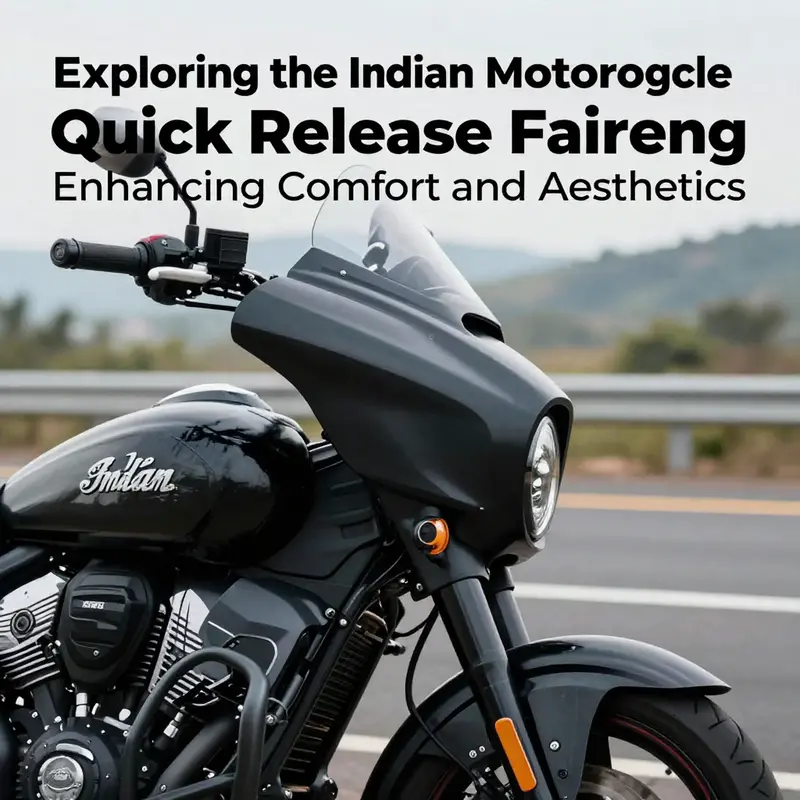
In the world of modern motorcycles, a carefully designed fairing can redefine the way a rider interacts with weather, wind, and the open road. The quick-release variant embodies a philosophy that blends form with function: a streamlined shell that hugs the machine’s silhouette, yet can be detached and reattached with minimal fuss. This is not merely an aesthetic upgrade; it is a practical system that reshapes the entire riding experience. When a rider leans into the throttle and the air begins to rush past, the fairing does more than reduce drag. It negotiates the boundary layer of air that surrounds the bike, guiding flow in a way that smooths turbulence around rider and passenger alike. The net effect is not only a crisper ride at speed but a calmer cockpit where fatigue is held at bay longer into a journey. The objective is simple on the surface, but achieving it requires attention to curvature, edge sharpness, and the way the surface interacts with the bike’s chassis. A well-conceived fairing is a culmination of precision in three dimensions: the vertical plane that defines rider protection against wind shear, the horizontal plane that controls lift and stability, and the transition zones where air must exit the system without creating disruptive eddies. The quick-release mechanism adds a new dimension to this engineering triad. It invites riders to experiment with airflow, weight distribution, and even color coordination with the bike’s paintwork, all without the commitment of a permanent modification. The possibility to swap, remove, or reinstall the fairing in minutes makes it feasible for commuters who ride in varied climates, travelers who plan routes that swing from sun to rain, and enthusiasts who want to tailor their motorcycle’s aura for different events or days on the road. This practicality is not at odds with performance; it complements it by removing a stubborn barrier to customization that might otherwise deter riders from exploring aerodynamic improvements. The design ethos behind this kind of fairing is to reduce wind pressure on the torso and arms while preserving an open, responsive feel at the handlebars. A smooth, well-integrated profile minimizes pressure against the rider’s chest and shoulders. The goal is to limit buffeting that can unsettle the torso, lower the perceived wind resistance that drains energy, and lower wind noise that invites fatigue. The cumulative effect echoes through the ride quality: sharper handling, a steadier upper body posture, and a heightened sense of connection to the road. The rider appears to gain a subtle but meaningful benefit in awareness, especially during long rides when concentration is precious. It is not merely wind tunnel triumph; it is a real-world advantage that translates into longer, more consistent endurance at the handlebars. Aerodynamics, in this sense, becomes a practical tool for comfort and safety, not a vanity metric. The fairing’s shape is a result of deliberate choices about curvature and line. A strong, continuous surface reduces the separation of air that creates drag. By guiding air smoothly around the rider’s torso and fingers, the fairing also reduces the wind pressure that can push on the rider during gusty stretches or at highway speeds. The efficiency of this arrangement is compounded by the way the fairing interacts with the bike’s overall geometry. When the rider sits in a stable position, air can pass more predictably over and around the rider’s form. The quick-release mechanism does not merely allow removal; it preserves alignment and fitment. When engaged, the latching system must secure the fairing in a way that maintains a seamless seam with the motorcycle’s front end. When disengaged, it must release without requiring tools that slow a stop or complicate an on-the-road adjustment. The reliability of this system rests on engineering that pays careful attention to vibration, temperature fluctuations, and repeated cycles of attachment and detachment. Materials are chosen for weather resistance and lightness, bearing in mind the harsh conditions of rain, sun, heat, and cold. The surface finish must resist UV degradation and maintain color continuity even after exposure to road grime and road salt. The interplay of materials—rigid shells paired with resilient fasteners—ensures that the fairing remains a stable shield under pressure. Beyond the mechanical pairing, there is the rider’s perception of the system. The quickest way to evaluate a fairing is to consider the consistency of the ride from a cold morning to a hot afternoon, from a dry highway to a light drizzle. In such conditions, the fairing’s shield becomes most valuable when it holds off rain without creating a closed cockpit that fogs up with moisture. It should cradle the rider in a cocoon of warmth without stifling ventilation at the chest and shoulders. The balance between protecting from wind chill and preventing overheating is a subtle art. Add in the rider’s need to hear road conditions and engine cues, and the equation becomes complex. A well-tuned fairing manages these competing demands by shaping the boundary layer so that it remains forgiving yet informative. The benefit of reduced wind noise cannot be overstated. When the rider experiences a calmer wind environment, attention remains sharper, reactions remain quicker, and relaxation does not erode into tension. This is especially important during longer trips, where the mind’s fatigue is often the limiting factor in maintaining focus and reaction time. The acceleration of cognitive clarity translates into safer lane changes, better scanning, and the ability to absorb more information from the motor’s performance, road texture, and traffic patterns. The reduced wind pressure on the rider’s torso translates into less muscular strain across the shoulders and upper back. The cumulative effect is felt as a reduction in fatigue, allowing the rider to stay alert during the final miles of a journey that started with a full tank and a plan. The fairing’s weather shielding is a parallel thread in this narrative. By diverting the most aggressive wind streams away from the rider’s chest, arms, and torso, the fairing reduces the chilling effect that can creep in when the temperature dips at speed or the skies open up. Rain, cold air, and spray kicked up from the front wheel are intercepted more effectively, allowing hands and forearms to remain warmer and drier for longer. In adverse weather, such shielding can be the difference between an enjoyable ride and a struggle to maintain grip and control. Of course, the quick-release feature itself becomes a practical ally in changing weather patterns. When rain threatens or a chill sets in, riders can decide to deploy or remove the fairing with minimal downtime. This adaptability means the rider can preserve a comfortable microclimate around the upper body, then shed the shell when conditions shift and ventilation becomes desirable again. Taken together, these aerodynamic and weather-protection properties shape a riding experience that is less about controlling air and more about harmonizing with it. The rider becomes an active participant in the bicycle’s air story rather than a passive target for wind pressure. The absence of air turbulence and the quieted wind landscape around the torso and head contribute to a sense of stability, which in turn elevates confidence. Confidence is a critical currency for long-distance riders who must make decisions with clarity, maintain precise control at higher speeds, and sustain focus across hours on the road. It is this combination of stability and clarity that empowers a rider to extend excursions, to accept longer routes, and to push the envelope of what feels comfortable on a given day. The modular nature of the quick-release system means it can be considered part of a broader strategy for personalization and performance. Riders can adjust the fairing’s presence to align with personal comfort thresholds and the specific demands of a journey. For some, a larger surface may provide a stronger shield against rain and a more stable wind profile; for others, a lighter shield may be more desirable to minimize overall weight and to preserve a more direct connection to the air streaming past the bike. This dynamic tension between protection and feel is the core of the fairing’s value. It invites careful, experiential tuning rather than a one-size-fits-all approach. When a rider considers color and finish as part of the fairing’s identity, the customization potential multiplies. A color-matched shell does more than please the eye; it reinforces the bike’s silhouette and helps create a unified aesthetic that feels like a single, coherent machine rather than a raised accessory. The visual integration matters because it influences a rider’s sense of ownership and pride in the machine. It also affects how the bike is perceived by others on the road, which in turn can influence how a rider carries themselves in traffic. For those who ride in multi-brand communities or at events where display and presentation matter, the ability to maintain a seamless look without compromising performance is appealing. The practical logistics of installation and removal are equally important to the chapter’s theme. A modern quick-release fairing is designed to slot into place with a precise fit, guided by alignment features that ensure consistent, repeatable results. The detachment process is straightforward, requiring only the release mechanism and a few simple steps to disengage the fairing without compromising the mounting points. This repeatable ease reduces downtime, enabling riders to perform maintenance, transport the bike more conveniently, or switch between configurations depending on weather or trip profile. The reliability of the entire system rests on a careful balance of fasteners, gaskets, and attachment points that resist corrosion, vibration, and thermal cycling. The resulting build must withstand miles of exposed road and the occasional rough patch without loosening or developing unintended gaps that could compromise aerodynamics or weather protection. From a rider’s perspective, the experience is about consistency. The fairing should behave predictably in a range of conditions, with the same mounting effort and the same degree of protection, every time. In other words, it should feel like an extension of the motorcycle rather than an add-on. This consistency supports a broader aim: enabling riders to make deliberate choices about how they ride rather than reacting to the environment. It is a step toward longer, more comfortable travel without the constant negotiation between comfort and performance. For riders who value the experience of riding as an ongoing conversation with the road, the quick-release fairing offers a practical language. It speaks of adaptation, personalization, and endurance. It offers a way to modulate the beginnings and endings of a trip by adjusting exposure to wind and weather, while keeping the core performance envelope intact. The importance of a fairing that can be adjusted without sacrificing aerodynamic integrity is evident across many bike models and riding styles. The underlying principle remains universal: when air is managed intelligently, the rider’s body pays less toll, the machine remains steady, and the ride feels more deliberate and controllable. The broader ecosystem of aftermarket fairings demonstrates how this principle translates across different bike geometries and riding cultures. For riders who chase a certain look or who ride in climates with dramatic seasonal shifts, the ability to choose a fairing that aligns with both style and function becomes a meaningful upgrade. The discussion also underscores a practical reality: the best aerodynamic and weather-shielding solutions are those that integrate with the bike’s overall design narrative rather than appearing as a disparate add-on. The fairing should feel like it belongs to the machine, a synthesis of engineering, aesthetics, and rider comfort. To illustrate the breadth of this concept and to support riders exploring similar upgrades across brands, consider looking at the Honda fairings collection as a reference for a broad spectrum of designs, each crafted with the same core aims of aerodynamics and protection in mind. For more on a catalog approach to aftermarket fairings, see the Honda fairings collection. Honda fairings collection This link provides a sense of how different shapes and finishes can achieve the same functional outcomes, while also highlighting the variety of decisions riders can make about how their machine communicates with the air. In the end, the core value of the quick-release fairing lies in its ability to merge technical performance with everyday practicality. It is a thoughtful compromise that makes long rides more manageable and enjoyable, a design choice that respects both rider physiology and the physics of wind. The chapter’s throughline is clear: when a protective shell works with wind rather than against it, riding becomes more than a means of transport. It becomes an experience that rewards curiosity, preparation, and care. External resource: https://www.indianmotorcycle.com/en-us/quick-release-fairing.html
Color, Contour, and Comfort: Customizing the Indian Quick Release Fairing for Long-Distance Rides
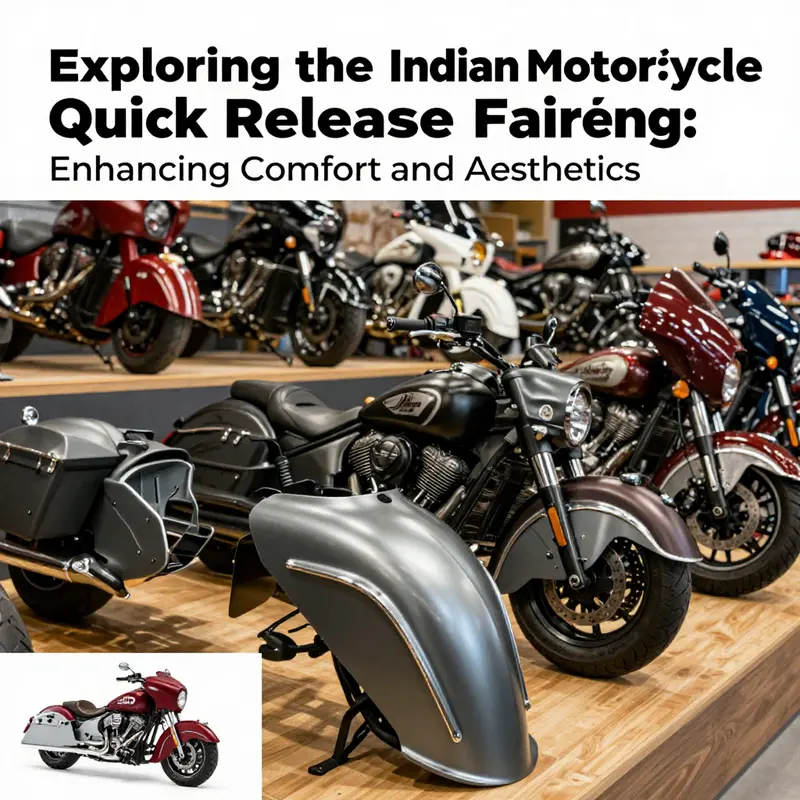
When riders set out on the open road, the first miles are often felt more in the posture of the body than in the speed of the machine. The small decisions along the way—wind protection, silhouette against the sky, and the color that catches the eye in a glance—add up to a riding experience that is unmistakably personal. The Indian Quick Release Fairing, designed to be color-matched and aerodynamically efficient, sits at the intersection of style and function. It is not merely a cosmetic add-on; it is a thoughtfully engineered shield that shapes the rider’s comfort, focus, and stamina during long journeys. Customization here becomes less about chasing trend and more about tuning the motorcycle’s silhouette to the rider’s body, riding style, and road conditions. What follows is a cohesive look at how color choices, finishes, and accessories come together to transform a fairing from a factory component into a tailored partner for endurance riding, while keeping the overall bike character intact and legible from curb to horizon.
The starting point of any customization is alignment with the bike’s existing lines. The fairing is designed to integrate with the motorcycle’s chassis and fairing contours so that it reads as a single, continuous form when viewed head-on or from the side. That seamless integration matters, because a misfit look can become a constant distraction, eroding the very mental space a rider needs to stay alert on long rides. When the fairing mirrors the bike’s primary color family or uses a color that complements the base tone, it reinforces a sense of cohesion and intentionality. This is crucial for riders who spend hours on the road in varied light, where a sharp, coherent color story helps the rider maintain visual steadiness and minimize eye fatigue. The design team’s attention to aerodynamics means that even small color decisions—how a shade reflects light, or how a tone darkens in shadow—are picked with the same precision as the curvature of the wind-facing surface. The result is not just a pleasing look but a form that remains inert to buffeting and noise, a key factor for riders who value quiet cabin-like comfort on extended stretches.
In practice, customization begins with color finishes and progresses toward functional accessories that can be integrated without compromising the fairing’s aerodynamic advantages. Factory-approved paint schemes are offered to ensure a factory-finished appearance when color matching is the goal. For riders seeking a more distinctive look, dealerships and authorized retailers commonly present a spectrum of finishes that stay within the rider’s chosen palette while preserving the smooth transitions along the fairing’s edges. The logic here is simple: the finish should not attract unwanted light glare or reveal micro-scratches more readily than the surrounding surfaces. A well-chosen finish resists the harsh angles of midday sun and the softer glow of dawn, maintaining a consistent impression of depth and polish as you ride through changing weather and varying road textures. The color story extends beyond the aesthetic to how reflections play across the surface. Darker tones tend to conceal minor blemishes accrued on rough roads, while lighter or more saturated hues can emphasize the fairing’s shaping and sculpted profiles, drawing the eye toward the lines that guide air smoothly around the rider’s torso and helmet.
Beyond color, the finishes and coatings contribute to weather resilience, a practical dimension that riders learn to value after several long-distance trips. Clear coats and protective layers guard against rain, stone chips, and the inevitable scuffing that accompanies highway speeds and weekend adventure routes. A properly applied finish helps maintain the original hue’s vibrancy, reducing the tendency for color fading under UV exposure. In the dialogue between pigment and coating, the rider gains more than cosmetic appeal; they gain a layer of durable protection that can extend the fairing’s life and keep its profile consistent through seasons of riding. For riders who plan to keep their bikes for years and accumulate many highway miles, this is a meaningful return on the time invested in selecting the right finish.
Of course, many riders do not choose color alone. The Quick Release Fairing can be paired with optional accessories that elevate both function and form without altering the fundamental aerodynamic package. Integrated lighting, for instance, can improve visibility and situational awareness on dark backroads, while discreet aerodynamic enhancements can fine-tune airflow around the rider’s chest and shoulders. Availability of these accessories varies by year and model, so the most reliable route is to discuss compatibility with a qualified dealer who understands the exact fairing geometry and mounting points for a given production run. The aim is to preserve the clean, uninterrupted flow that minimizes wind pressure at highway speeds while expanding practical utility in everyday riding conditions. When lighting or other add-ons are chosen, their placement is planned to maintain the fairing’s silhouette and not to introduce new drag or turbulent zones. The end result should feel like a natural extension of the bike, a unified unit rather than a mismatched add-on.
Color options are not simply about matching or contrasting with the bike’s base color; they also reflect a rider’s mood and intent on the road. A rider who favors understated elegance might opt for a monochrome tone with subtle gloss variations that catch the light at a quiet, almost guarded angle. In contrast, a rider who wants to stand out at the meet-up points or on the highway may choose a more vibrant hue or a colorway with a deeper saturation, allowing the fairing to catch attention without compromising legibility and daytime visibility. The key is balance: bold color should still coexist with the bike’s overall geometry, never overpowering its lines or creating a visual commotion that distracts from the ride. The personal story a rider builds through color becomes part of the bike’s identity as much as its mechanical character. It is this convergence of art and engineering—the way color, contour, and comfort are woven together—that makes customization feel less like a modification and more like a refinement of the riding experience.
Color is just the surface on which the rider can craft a broader narrative of endurance and confidence. The psychology of tone matters, especially on long tours when fatigue can erode decision-making and reaction times. A carefully chosen finish can subtly modulate how a rider perceives speed and distance, which in turn influences riding posture. A hue with a slightly cooler undertone can visually deliver a sense of steadiness on a windy day, while a warmer hue may invite a more grounded, confident stance when the sun beats down and heat builds. In this sense, customization becomes an intimate, almost practical exercise in user experience—the feel of the bike in the rider’s hands, the visual cue that tells the mind to settle into a steady rhythm for hours on the road.
Riders who embark on this customization journey often begin with color matching as the anchor, then consider accessories that complement the hue and reinforce the fairing’s function. For some, the objective is not to transform the look but to enhance the ride’s ergonomic and environmental performance. The fairing’s form is designed to cradle the rider’s posture, and when paired with thoughtful color choices and well-chosen add-ons, it can help preserve alertness during long miles. Wind pressure and noise are not merely nuisances; they erode concentration over time, and reducing them contributes to safer, more enjoyable travel. A well-designed fairing plays a role in controlling buffeting at different speeds and wind directions, which in turn reduces fatigue and helps riders stay attentive to road conditions, traffic patterns, and signals. The more predictable the wind environment feels, the more the rider can focus on navigation, road texture, and the subtle cues of highway rhythm that separate a routine ride from a memorable journey.
For riders seeking a structured path through customization, the process is best approached as a conversation with a trusted dealer. Start with color families that harmonize with the motorcycle’s base paint and agreed-upon shading, then explore accessory options that resonate with riding goals—whether it is additional lighting for night rides, a more streamlined profile for performance-oriented touring, or protective films to guard against road debris. Dealers can provide factory-approved configurations and verify compatibility with the exact year and model, ensuring that the chosen options do not compromise the fairing’s performance envelope. The end goal is a coherent system where color, finish, and accessories cohere with the bike’s geometry and the rider’s expectations for long-haul comfort and confidence. This approach keeps the customization grounded in engineering realities while still enabling a high degree of personal expression.
A note on information sources is useful for readers who are exploring options and planning future upgrades. For accurate and current information—such as available color choices, pricing, and model compatibility—the official manufacturer’s site and authorized dealers are the most reliable resources. They provide the most up-to-date data about what finishes are offered for a given year, what accessories are compatible, and how to place a color-matching order that aligns with factory standards. Engaging directly with the official channels also helps ensure that any customization maintains the bike’s factory warranty status and preserves the fairing’s intended aerodynamic properties. As with any meaningful customization, the value lies in balancing personal taste with a disciplined adherence to engineering intent.
For readers who wish to see how other brands approach fairing customization and to gather ideas about materials, finishes, and detailing that can inspire a tailored look, a practical point of reference is to explore broader fairing offerings in the aftermarket ecosystem. A well-curated collection can reveal patterns in how different finishes wear over time, how gloss levels interact with lighting, and how subtle texture changes can influence perceived depth and form. While these resources are not substitutes for the manufacturer’s guidance, they can broaden a rider’s perspective on what is possible and how to articulate a consistent design language across a bike’s overall wardrobe. When contemplating transitions from one visual identity to another, it is useful to consider how any change will be perceived from multiple angles and in varying light — as riders see themselves and their machines against storefronts, on the highway, and in the reflective surface of nearby cars.
The journey of customization culminates in a riding experience that feels uniquely yours. The fairing becomes a mirror and a shield: a surface that reflects your taste while shaping the wind to your body’s contours, making fatigue manageable and initial discomfort a secondary concern. The practical benefits—reduced wind noise, better weather protection, and improved comfort—go hand in hand with aesthetic outcomes. A color-matched, well-integrated fairing creates a mental frame that urges the rider to concentrate on what matters: the road ahead, the tactile feedback of the handlebars, and the evolving surface texture beneath the tires. The rider’s attention remains anchored to the journey rather than the gear, making longer rides feel less taxing and more cohesive with the rider’s intention to explore, endure, and arrive with a sense of accomplishment.
To weave these ideas into a concrete decision-making thread, consider a practical sequence. First, identify the mood you want the bike to project on the road—whether it leans toward understated elegance or bold presence. Second, review the color options offered through official channels and visualize how each finish will interact with your bike’s base color under different light. Third, assess the optional accessories that align with your riding habits, from lighting to aero enhancements, and confirm compatibility with your model’s year. Fourth, consult with a dealer about installation, fitment, and any warranty considerations. Fifth, plan for maintenance that preserves the finish’s gloss and the fairing’s contours, including careful washing routines and the use of protective films where appropriate. This method turns customization from a momentary cosmetic decision into a holistic upgrade that strengthens the riding experience while preserving the design integrity of the motorcycle as a whole.
In the end, the narrative you build with color, contour, and comfort is a testament to the rider’s willingness to invest care in the machine that partners with them on every mile. The Quick Release Fairing, with its emphasis on seamless integration and weather-resilient performance, invites this kind of thoughtful engagement. It is not about chasing a trend or simply adding a feature; it is about crafting a coherent riding experience that remains legible and satisfying across a broad spectrum of conditions. The rider who approaches customization with this mindset is likely to enjoy a ride that feels more like a continuation of their own craft, reflecting a personal habitat on the road where color, shape, and function converge to support longer, more alert, and more enjoyable journeys.
For readers who want to explore related ideas and gain broader context about how different communities approach fairing customization, consider checking a collection that highlights broader fairing options and model-specific aesthetics. This provides a comparative lens that can enrich your own design thinking and help you articulate clear preferences when you visit a dealer or start an online configuration. And when you’re ready to talk with a retailer, you can bring your own color language and ergonomic goals to the conversation, ensuring the final configuration feels both natural to the bike’s architecture and true to your riding identity. As you plan, remember that the best customization respects the bike’s original intent while empowering you to ride with more comfort and confidence, mile after mile, season after season.
Internal link reference for further context on similar fairing customization themes can be found in the broader fairings collection: Yamaha fairings collection.
External resource for foundational information on the Indian lineup and official guidance is provided here: https://www.indianmotorcycle.com
Quiet Wings at Speed: How a Quick-Release Fairing Elevates Comfort on Long-Distance Cruising
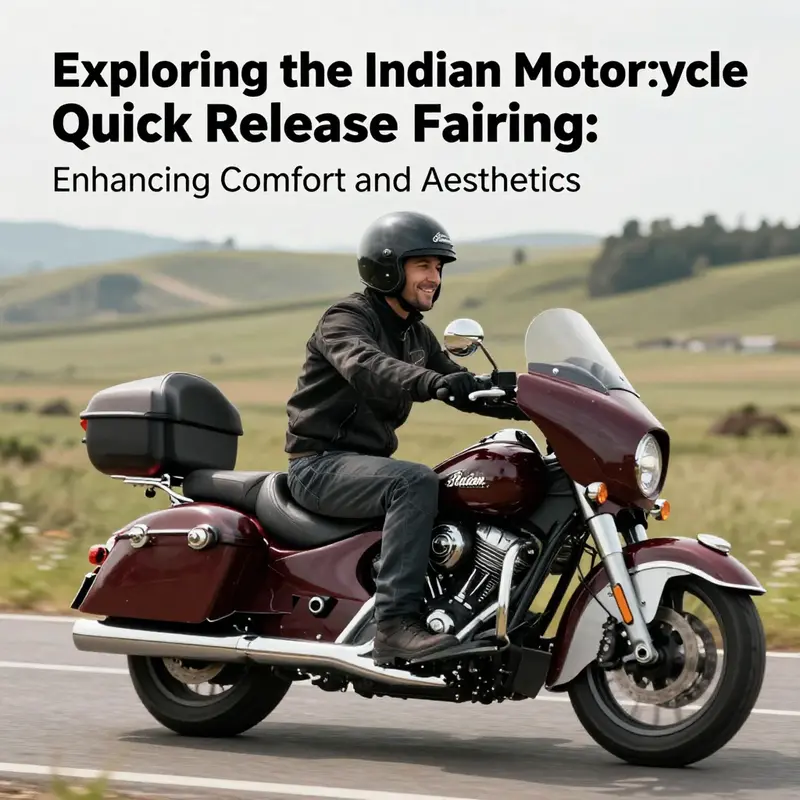
On the open highway, the rider becomes a moving interface between machine and atmosphere. Even a small aerodynamic feature can shift comfort from a whispered challenge to a steady partner. The quick-release fairing, in its most practical sense, is that kind of feature: a lightweight shell that streams air more smoothly around the rider, while offering options for rapid removal when conditions demand a different balance of airflow and access. Its purpose goes beyond mere aesthetics or a brief wind break. It is a system designed to tune the rider’s experience, to make long hours in the saddle feel less like a contest with the air and more like a dialogue with the road. When the fairing is properly integrated with the motorcycle’s chassis and the rider’s posture, the result is a version of riding that feels almost communal with the wind rather than opposed to it. The design acknowledges that comfort on a long journey is not a single feature but a harmony of several interacting factors: wind, weather, body posture, and the subjective sense of being shielded without losing the sense of connection to the machine.
Wind protection begins with the basics: a silhouette that deflects the brunt of direct flow away from the torso and the helmet. A well-engineered fairing does more than simply catch air; it guides it. The air is steered to create a smooth, attached flow that reduces the gusty interruptions riders experience when the wind shifts or tugs at the shoulder and neck. In this sense, the fairing acts like a carefully carved boundary that helps the rider maintain a steadier eye on the road and a steadier line through the lanes. When flows remain attached rather than separated, the rider’s head stays still with less effort; the neck muscles work less to compensate for sudden gusts, and the helmet’s movement — already a source of subtle fatigue for many long-haul riders — slows its own tremor. The effect compounds as speed increases, where even small improvements in aerodynamics translate into meaningful reductions in fatigue, distraction, and the cognitive load required to ride with focus over hundreds of miles. It is not only the rider who benefits; the motorcycle’s center of pressure shifts in subtle yet meaningful ways. A fairing that channels air cleanly around the rider can also ease the air’s intrusion into the cockpit area, making the instrumentation more legible and the hand grips more stable in gusty conditions. For a rider who spends hours on back-to-back sections of highway, those small changes accumulate into a noticeably more relaxed riding posture and a calmer sense of control.
Weather protection is another core dimension. In the heart of a long ride, rain, mist, or cold can creep toward the rider’s upper torso regardless of the base layer or outerwear. The fairing’s geometry, when matched to the bike’s ergonomics, acts as a shield against a wide range of weather scenarios. In rain, the shielded zone around the chest and arms receives a different kind of exposure than the forearms and hands, which still confront the wind but often carry thinner layering. The aim is not to create a windproof cocoon but to reduce the meteorological onslaught enough that the rider can keep warmth in and dampness out without becoming isolated from the ambient air. The design also mitigates wind-driven moisture that might creep past gloves and cuffs by limiting the direct spray that would otherwise be driven upward and inward along the torso. In cold conditions, the fairing contributes to a more stable thermodynamic environment. It reduces heat loss caused by turbulent eddies that form around the upper body. Even modest improvements in heat retention can noticeably extend a rider’s comfort window, enabling longer miles before the body shifts into a different thermal state that would otherwise demand more aggressive layering or frequent breaks. While the weather is always a variable, the fairing’s contribution reduces the number of times riders have to adjust themselves or their armor to stay comfortable. The sense of weather resilience matters, because comfort is as much about staying dry and warm as it is about feeling shielded from buffeting.
Buffeting and turbulence, those errant gusts that rattle through a helmet and dice with the rider’s line of sight, are perhaps the most perceptible signs of an aerodynamic shortfall. A well-considered fairing diminishes these disturbances by shaping the near-field flow around the rider. The effect is less about an absolute absence of wind and more about an improved wind quality: fewer sharp, random fluctuations that pull at the head, neck, and upper spine. This smoother wind environment reduces strain on the musculature that supports posture and vision. In practice, riders report a gentler ride with fewer micro-adjustments required to keep a steady head position, which can translate into gainful hours when the pace rises toward highway cruising or when the road climbs into more exposed terrain. The fairing’s role, then, is not to erase wind but to tame it so that the mind can roam with the road rather than chasing a moving target of wind pressure. Those who tour for extended periods often describe this as a quieter cockpit, not because there is no wind, but because the wind’s effect on the rider has been moderated to a tolerable and predictable rhythm.
Sporting a cohesive aesthetic is also a consequential dimension of comfort, even if it rides a little beneath the surface of physical experience. The color-matched finish of a well-integrated fairing contributes to a sense of cohesion between the bike’s lines and the rider’s sense of identity. This is not vanity; it is psychological, a subtle cue that signals the rider’s intention and the bike’s character as a single unit rather than a disjointed combination of parts. When the bike presents a unified silhouette, the rider’s confidence tends to rise. There is a feedback loop here: a rider who feels that the machine looks and feels like an intentional, well-tuned instrument is more likely to ride with deliberate posture and smoother inputs. This mental alignment matters on long journeys when fatigue can erode decision-making acuity. Small boosts in confidence and calm can yield more consistent throttle control, steadier braking, and a more predictable line through sweeping corners or long straightaways. The aesthetic dimension also intersects with maintenance and usability. A fairing that appears integrated and well finished signals to the owner that the system was designed with care and precision, not as a retrofit meant to masquerade as something more substantial. The real-world payoff, however, remains in comfort. The rider senses the fairing as a natural extension of their machine, a feature that respects the rider’s needs without demanding constant adaptation or adjustment.
The ergonomic implications of a quick-release mechanism deserve particular attention. Long-distance riding places demands on the body that change with terrain, weather, and fatigue. A fairing designed with a straightforward release pattern facilitates quick adjustments to posture or riding position without sacrificing the structural integrity of the setup during those hours spent in the saddle. The absence of heavy tooling and the ability to remove and reattach the fairing with minimal interruption means riders can experiment with different ride modes, road conditions, or even seasonal gear in a matter of minutes. This functional flexibility matters precisely because comfort is not a fixed state; it is something riders negotiate with every mile that unfolds. When the fairing is easy to disengage for a break or for maintenance in the middle of a ride, the rider experiences less downtime and a greater sense of expedition readiness. It is a practical benefit that complements the more perceptible aerodynamic and weather-related advantages. This is a comfort that grows from a blend of engineering clarity, user-centered design, and the lived realities of riders who spend long hours in their saddles across varied landscapes.
Another thread binding these elements together is the fairing’s role in maintaining rider alertness. Comfort and vigilance are not the same thing, yet they influence one another. A rider who is physically comfortable tends to preserve cognitive clarity longer, because the body is not driven to continually compensate for discomfort. Reduced wind noise and a more stable body position mean less mental drain from fighting against the air. This, in turn, supports better attention to road texture, changing weather, and traffic patterns. The interplay between body economy and mental stamina is a large part of what makes a touring ride feel smooth and rewarding rather than fatiguing and arduous. The fairing contributes by enabling a calmer baseline from which the rider can respond to the road rather than overreact to every gust or bump. The cumulative influence on riding comfort, perception of weather, and even the sense of motor-skill reliability underscores why such a feature is considered integral to a long-distance setup rather than a mere accessory.
In thinking about the broader implications for the riding experience, it is worth noting that the benefits described here do not emerge in isolation. They arise from a thoughtful integration of form, function, and user needs. The fairing’s profile is shaped not only to deflect wind but to harmonize with the rider’s posture and the bike’s geometry. Its materials balance lightness with strength for real-world durability. Its finish harmonizes with the bike’s color story while resisting weathering and wear. Its attachment system prioritizes simplicity without compromising security. All of these aspects work in concert to deliver a ride that feels more like a well-tuned collaboration between rider and machine. When these threads are woven together, riding longer becomes less of an endurance test and more of a continuous, mindful dialogue with the road ahead. The rider learns to anticipate the busyness of wind and weather but does so with a degree of calm that makes hours disappear with the same ease that long stretches of highway do when everything remains in balance.
This broader perspective helps explain why riders who value comfort, endurance, and a certain sense of controlled weather experience gravitate toward a setup that offers both protection and accessibility. The quick-release aspect is not merely a convenience; it is a facilitator of adaptability, a feature that invites riders to tune the environment around them to the realities of any given journey. The result is a more confident, more present, and more capable ride. In the end, the fairing becomes a practical expression of the rider’s intention: to travel farther, with more ease, while staying connected to the road and to the machine that carries them. The comfort it supports is multifaceted, touching physical ease, weather resilience, mental focus, and aesthetic coherence. It is a reminder that the road asks a lot of a rider, and that thoughtful design can answer with steadiness, clarity, and grace. The signal is clear: when the wind is managed, when weather intrusions are softened, and when the rider feels not just protected but part of a well-considered system, long-distance cruising becomes less about endurance and more about a sustained, enriched experience. For those who ride with intention and seek a balance between openness to the elements and shelter from their harsher edge, the fast-release fairing stands as a compelling partner on the highway, ready to be engaged or disengaged as the weather and the road dictate. External reference for further resonance with the design and its associated features can be found here: https://www.indianmotorcycle.com/accessories/quick-release-fairing-ruby.html
Wind, Customization, and Convenience: The Rise of Quick-Release Fairings in Modern Motorcycling
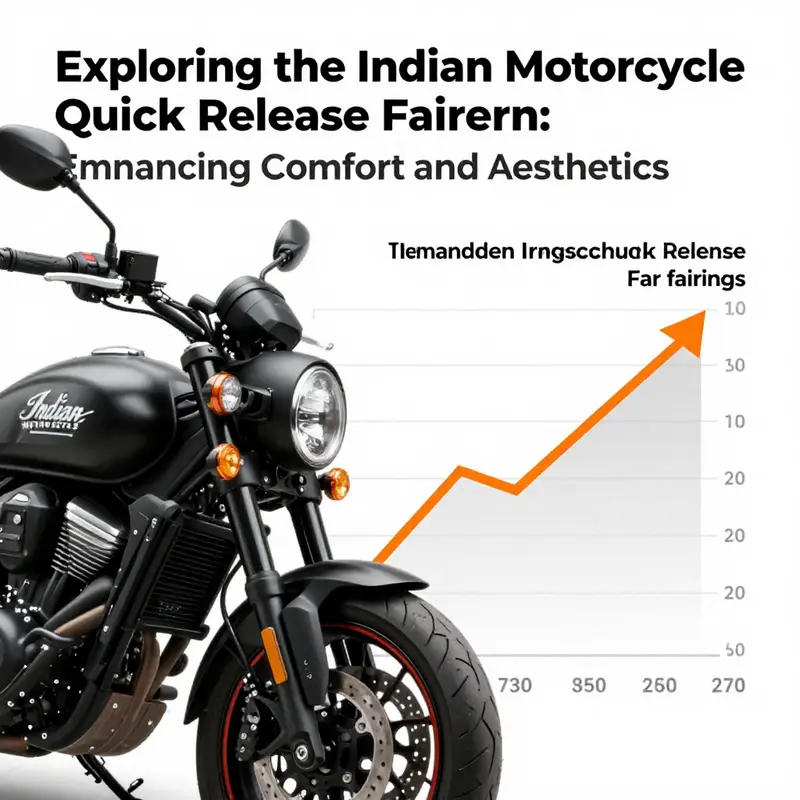
Riders seeking the next step in how a motorcycle feels when the road stretches out ahead are increasingly turning to quick-release fairings as a way to bend practicality to personal preference. The market around these modular, color-tuned, and weather-conscious add-ons is no longer a niche corner of the aftermarket. It has moved toward being a defining feature of how riders tailor aerodynamics, weather protection, and aesthetics to their own journeys. The shift is driven by a convergence of desires: to shave wind fatigue on long highway stints, to protect sensitive components from the elements without sacrificing accessibility, and to express personality through color and form. In this evolving landscape, the quick-release fairing has become a straightforward, almost indispensable tool for riders who want a riding experience that can morph with the day’s plans without demanding a wrench-filled garage session. The appeal lies not merely in looks but in how the accessory integrates with the motorcycle’s lines, its weight balance, and the practical rhythms of real-world riding. The result is a product category that blends engineering efficiency with everyday usability, delivering a smoother ride and a more alert, comfortable rider for miles of highway, byways, and everything in between.
From the perspective of the consumer, customization is no longer a luxury; it is a baseline expectation. People want color-matched components that feel factory-integrated yet allow for rapid changes when the mood or the weather shifts. A fairing that can be snapped on and off in moments, without tools, invites a broader range of riding experiences. On clear days, a rider might prefer an uncluttered, more open feel; on wet or windy days, the same rider can reassemble a more protective shield. This duality—aggressive styling when on a sunny weekend ride and practical wind and weather protection when weather turns—has shifted consumer demand toward modular systems that respect both aesthetics and function. The quick-release attribute, once a convenience feature, has evolved into a defining attribute of overall riding strategy.
Material quality sits at the core of this trend. High-grade, impact-resistant polymers deliver durability while keeping weight reasonable. Polycarbonate, for example, has become a cornerstone in components like windshields that accompany quick-release fairings. Its strength-to-weight ratio contributes to enduring clarity even after exposure to UV light and road grit, which matters for riders who log long miles under sun and rain. The choice of polycarbonate mirrors a broader consumer emphasis on reliability and value: riders invest in fairings that maintain their appearance and performance over time, resisting yellowing, cracking, and spall from road debris. When paired with the fairing’s removable mechanism, the material quality reinforces the perception of a premium system—one that remains robust through repeated assemblies and reconfigurations.
Equally influential is the shift toward modular and removable fairing systems across the market. People are increasingly designing bikes that can assume different silhouettes with ease, balancing aerodynamic efficiency at highway speeds with the freedom of an open ride on back roads. The modular approach aligns with a broader industry move toward flexible, user-centric design. A fairing that is engineered to integrate cleanly with the motorcycle’s lines, while also being easy to detach for maintenance or urban parking, satisfies both performance and practical requirements. The logical consequence is a product ecosystem that encourages riders to experiment with configurations rather than accept a single, fixed stance. This experimentation is not merely cosmetic; it translates into actual riding benefits. When the fairing is in place, it channels air more efficiently around the rider’s torso, reducing fatigue and allowing a rider to stay alert for longer periods. When removed, the rider experiences a lighter, more open cockpit, which some prefer for twisty backroads and spirited sprinting.
All of these factors converge with a broader forecast for the motorcycle fairing market. Industry projections indicate a healthy growth trajectory, with the global motorcycle fairing market expected to expand at roughly a 11.7 percent compound annual growth rate from 2025 to 2030. This figure signals not only rising demand for protective, performance-enhancing accessories but also an increasing willingness among manufacturers to explore advanced materials, refined fit, and color-driven customization options that reinforce a sense of brand and rider identity. The forecast reflects a market that values the synergy between form and function: riders who want a visually cohesive look that complements the bike’s color palette, alongside a system that shields the rider from wind and weather without complicating maintenance or daily usage.
A practical consequence of these developments is the growing importance of design collaboration and consistent fabrication standards. Riders expect parts that align neatly with the motorcycle’s aesthetic language, with tolerances that ensure a clean, gap-free appearance once mounted. This preference for precision touches every stage of product development—from mold design to UV-resistant coatings that prevent fading to the engineering of fast-release mechanisms that click home with a satisfying, tactile certainty. For manufacturers, those expectations translate into investments in tooling, prototype testing, and long-term durability programs. The aim is not only to meet a snapshot of today’s preferences but to deliver a system that remains reassuringly dependable through seasons of riding in diverse climates and road conditions. The result is a fairing that feels part of the bike, rather than an afterthought slapped on for a look or a weekend ride.
Color and finish have emerged as more than just surface concerns. They are tangible signals of a rider’s identity. A color-matched fairing communicates a sense of cohesion between the bike’s bodywork and its protective accoutrements. This alignment adds perceived value and a sense of premium craft. It is not merely about matching a hue; it is about a workflow that makes customization accessible, from the factory palette to the precise tint of a quick-release interface. When riders feel that a system is designed to harmonize with the motorcycle’s color story, the investment in the accessory becomes more than a functional upgrade. It becomes a statement about the rider’s relationship with their machine—the way they want to be seen on the road and the impression they want to convey to the world as they ride. In this sense, color-matching isn’t superficial; it is a strategic aspect of perceived quality and overall satisfaction.
The consumer’s broader push toward customization—driven in part by social media and a culture of personal expression—also shapes what features riders expect from quick-release fairings. Visibility, weather protection, and wind management are balanced against the ease of changeover. Riders are not just selecting a product for its immediate benefits; they are choosing a system that supports a flexible riding lifestyle. Weekend riders might prefer a streamlined, sport-oriented fairing that minimizes weight and drag, while long-distance travelers look for a larger shield, integrated venting options, and a design that can be snapped off rapidly when conditions improve. The modular ethos also supports maintenance routines, as detachable components simplify cleaning, inspection, and repairs. In markets where climate and road conditions vary dramatically, the capacity to adjust the setup without tools becomes a decisive factor in the purchase decision. The ability to rotate between configurations without downtime can transform a weekend ride into a longer, more immersive adventure, or an extended highway stint into a scenario that feels more manageable and less fatiguing.
From a distribution and product-availability standpoint, riders increasingly expect a coherent ecosystem around quick-release fairings. They want options that are not only compatible with a range of models and years but also designed to integrate with existing accessory lines. The practical implication is a push toward standardized mounting interfaces, which reduces friction for both buyers and garages. It also invites a more vibrant ecosystem of colorways, coatings, and finish options that can be rolled out quickly in response to market feedback. In this environment, a manufacturer’s ability to anticipate diverse rider needs—urban commuters, touring enthusiasts, and weekend warriors—can translate into a more resilient product line and a more satisfying ownership experience.
For riders exploring this space, it can be instructive to look at how accessory makers curate their offerings. The emphasis is on coherent styling, reliable fast-release mechanisms, and robust environmental resistance. A new generation of windshields, often designed to pair with quick-release systems, emphasizes optical clarity and impact resistance as well as deflective shaping that reduces turbulence across the rider’s chest. This combination of optical quality and aerodynamic performance helps riders feel more in control at speed and more comfortable over long distances. The cumulative effect of these design choices is a fairing system that can be tailored to the rider’s performance goals while preserving or enhancing the bike’s original character.
In reflecting on consumer behavior and market conditions, it is clear that this category sits at the intersection of technology, art, and practical riding needs. The best quick-release fairings offer a coherent narrative: a system that respects the bike’s aesthetics, protects the rider from the elements, and adapts as riding plans shift. The rider’s expectations have shifted toward products that can handle rapid changes in weather, variable road surfaces, and the realities of daily life on a motorcycle. The capability to switch configurations with minimal downtime is not just a convenience; it is a functional requirement for riders who want to maintain comfort and focus, whether they are navigating windy highways or cruising a scenic byway with the fairing stowed away.
As the market continues to mature, one practical takeaway for enthusiasts and shop owners alike is the value of linking design sensibility with real-world testing. A fairing’s shape, its mounting geometry, and the materials chosen must align with how riders actually ride—whether that means frequent stop-and-go city commutes, lengthy highway stretches, or curvy mountain roads. The best products are those that deliver a consistent, predictable experience across a spectrum of conditions. That consistency reinforces trust and encourages riders to incorporate the fairing into their standard riding setup rather than treating it as a seasonal add-on. When a rider can rely on a fairing to perform well in rain, wind, and sun, the perceived value of the entire riding system rises, which in turn sustains demand and supports ongoing product development.
For readers seeking practical paths within this trend, there is value in considering how a rider’s existing bike and lifestyle influence their choice of quick-release fairing. The decision often hinges on how much shielding is desired, how quickly the unit can be removed, and how closely the finish can be matched to the bike’s color scheme. It also involves mindful attention to materials—opting for UV-stable coatings to preserve appearance, or selecting polycarbonate windshields with superior optical clarity that resist fogging and scratching. These considerations are not abstract; they shape the daily experience of riding, impacting comfort, attention, and even the length of time a rider can stay engaged with the road ahead.
In the broader narrative of the market, the growth of quick-release fairings mirrors a larger push toward rider empowerment. The product category reinforces the idea that riders should control their own riding experience, not be constrained by fixed configurations that do not adapt to weather or mood. The combination of rapid configurability, durable materials, and color-coordinated finishes helps ensure that a fairing is not just a protective shell but a thoughtful extension of the rider’s goals. That alignment of purpose and performance explains, in part, why the segment has garnered sustained interest and why manufacturers continue to refine both the hardware and the finish options offered to consumers. Whether a rider is chasing a lean, race-inspired silhouette or a more protective, touring-ready profile, the quick-release fairing provides a flexible solution that can evolve as riding preferences shift over time.
To support readers who want to explore related styling options in the broader ecosystem, consider looking at related fairing collections that emphasize compatibility and design coherence with a range of models. For instance, a dedicated catalog of fairings from a major aftermarket supplier provides a useful reference for evaluating how different materials, fastening systems, and finish treatments perform in real-world conditions. The relationship between design and function is most evident when a rider can see how a color-matched, module-based solution integrates with the bike’s lines, reduces wind fatigue, and remains durable across several seasons of use. This is the essence of contemporary customization: the fairing becomes a practical instrument for shaping the riding experience as much as it is a cosmetic enhancement.
For readers who want an accessible starting point for exploring modular fairing options and to gain a sense of how different brands approach color coordination and quick-release mechanisms, an introduction to the Honda fairings collection offers a tangible reference point. It illustrates how a color-coordinated approach, when paired with a robust, easy-to-use mounting system, can create a streamlined, aesthetically cohesive result that still accommodates frequent changes in riding conditions. See the Honda fairings collection for a practical example of how color, fit, and function can come together in a way that informs broader market expectations. Honda fairings collection.
In sum, the current market trajectory for quick-release fairings is shaped by an ongoing dialogue between rider desire for personalization, the demand for practical performance, and the industry’s ability to deliver products that balance aesthetics with utility. As the market continues to respond to these priorities, riders can expect more color options, more refined materials, and more reliable, tool-free mounting systems that make the difference between an accessory and a core component of the riding experience. The story is still being written, but the direction is clear: quick-release fairings are here to stay as a central instrument in how riders shape comfort, speed, and style on their terms.
External resource: MarketsandMarkets’ Motorcycle Fairing Market Research Report provides a comprehensive lens on regional growth, technological advancements, and shifting consumer preferences in this sector. https://www.marketsandmarkets.com/Market-Reports/motorcycle-fairing-market-4089.html
Final thoughts
In the ever-evolving landscape of motorcycle accessories, the Indian Motorcycle Quick Release Fairing stands out not only for its aesthetic appeal but also for its practical benefits. Riders seeking enhanced comfort and individualized style will find it an invaluable addition to their motorcycles. The fairing’s aerodynamic design and effective weather protection make long-distance rides significantly more enjoyable. Moreover, with customization options catering to diverse rider preferences, this fairing remains popular among motorcycle enthusiasts. As market trends adapt to consumer demands for greater comfort and personalization, the Indian Motorcycle Quick Release Fairing is positioned to become a staple accessory in many riders’ toolkits.