
Motorcycle batwing fairing kits have become synonymous with style and function, transcending mere aesthetics. For business owners in the motorcycle industry, understanding the advantages these iconic components offer is essential. Not only do they enhance the visual appeal of touring bikes like Harley-Davidson’s Electra Glide, but they also significantly boost rider comfort by improving aerodynamics and reducing wind turbulence. This article will delve into the aerodynamic benefits, customization options, compatibility, and the economic impact of these kits in the aftermarket, equipping you with valuable insights to better serve your customers.
Wings That Steer the Wind: The Aerodynamic Advantage of Motorcycle Batwing Fairing Kits
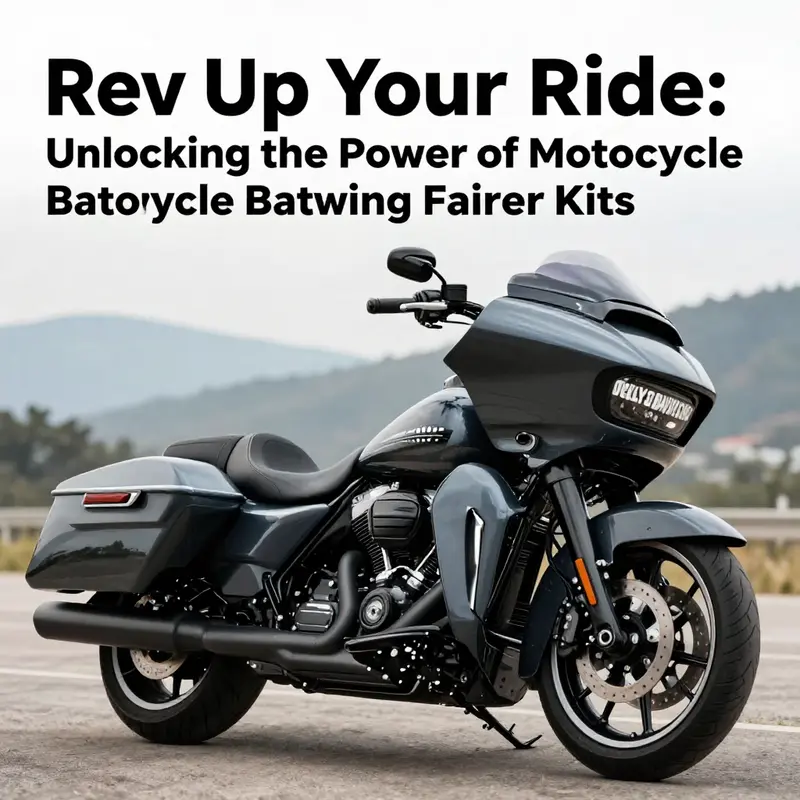
Batwing fairing kits sit at a crossroads of form and function. They are more than styling; they are aerodynamic instruments, designed to sculpt air around rider and machine. The broad arc of the front end channels air, guiding it past the rider’s shoulders and the bike’s silhouette, smoothing gusts and reducing the turbulent wake that can otherwise buffet the rider at cruising speeds. When these fairings are properly paired with the bike’s geometry, they do more than keep the rider comfortable; they improve stability, reduce drag, and create a more confident, connected feel between rider, machine, and road.
Drag is a constant opponent on high-speed roads, and the role of a fairing kit is to negotiate air without creating stalls or ripple effects that steal energy from the engine and fatigue from the rider. The batwing’s shape—wide across the shoulders and tapering toward the headstock—does not merely wrap the rider in wind protection. It also acts as a wind tunnel, shaping how air moves around the fork, the front wheel, and the rider’s torso. The goal is a smooth, coherent flow that reduces pressure differentials and minimizes the eddies that can lift the front end or push the bike sideways in gusts. In practical terms, that means better fuel efficiency at highway speeds, a more composed ride in crosswinds, and a quieter, calmer cockpit. Riders often notice that a long day spent leaning into the airstream feels less punishing when the wind is being shepherded around them rather than buffeting them from the sides.
The interplay between fairing geometry and rider position matters as much as the raw silhouette. The batwing’s generous width acts like a weather shield, but its effectiveness depends on how well it mates to the rider’s seating posture and the bike’s frame. If the rider sits tall and upright, air has to make more of a room, and the fairing must be proportioned to maintain a balanced pressure field around the chest and arms. If the rider crouches into a more forward-leaning stance, as many scenic or long-distance riders do, the design can maintain a favorable streamlining without creating uncomfortable wind pockets near the torso. These subtleties have driven the design philosophy behind touring fairings for decades: aerodynamic benefit is not merely a matter of opening a wide mouth to the wind but of shaping the path air follows around the rider and the chassis so that the wind acts in concert with the machine rather than against it.
Central to the aerodynamic story is the way airflow remains coordinated as speed increases. On a fast highway ride, the air has momentum. The batwing fairing redirects that momentum, turning a portion of the air into a stream that glides the bike rather than ramming into it. The effect is cumulative. A few miles of well-managed airflow translate into less drag, which translates into more efficient fuel use and less engine strain over long miles. This is not a magical solution that erases all wind effects, but a deliberate design that minimizes the turbulent wake behind the fairing and reduces the vortex shedding that tends to amplify fatigue in the rider’s shoulders and neck. In this light, the fairing becomes an active partner in comfort, not a passive shell.
Rider protection and comfort follow from the same aerodynamic logic. By smoothing the air that meets the rider, a batwing fairing reduces the direct wind pressure on the chest and arms. The rider experiences less wind chafe, and the upper body can maintain a more comfortable posture for longer periods. A quieter cockpit also means less distraction. For long road days, fatigue is as much an outcome of sensory overload as it is muscular effort; a calmer wind environment helps the rider stay alert and engaged with the road for longer. The protective envelope created by the fairing contributes to warmth in cold weather and shields the rider from weather exposure that would otherwise demand energy to compensate.
Stability and control complete the aerodynamic trifecta. When crosswinds or lateral gusts sweep across the road, the added surface area of the batwing can help keep the front end aligned with the rider’s intended trajectory. The result is more predictable steering input, less stray yaw, and a rider who can maintain line and tempo even in less-than-ideal wind conditions. This stability is particularly valuable during lane changes and overtaking maneuvers, where any wind-induced wobble can feel amplified by the bike’s momentum. The batwing design, by providing a steady wind envelope, reduces the tendency of the front end to be pushed by gusts, allowing the rider to focus on the ride rather than fighting the wind.
Nothing about these benefits happens in a vacuum. The fairing kit exists within a broader ecosystem of touring-bike engineering. Front panels—both inner and outer—need to fit the fork crown and instrument cluster cleanly, with gaps tuned to minimize turbulence while maintaining easy service accessibility. The subtle trim elements around the instrumentation must not create additional flow disturbances, so their placement and contouring are crafted with airflow in mind. Even the bra that protects the finish serves a dual role, preventing micro-damage that could roughen the surface and, in turn, perturb the boundary layer during high-speed airflow. The windshield options, too, are part of the aerodynamic equation. Different heights alter the rider’s line of sight and the point at which the wind reaches the chest and shoulders. A taller shield can push air above the rider’s head, reducing turbulence in the upper torso, while a shorter option may favor a more direct wind experience that some riders prefer in warmer climates. The choreography of these elements—front panels, trim, protective bra, and windscreen—requires careful tuning to maximize comfort without compromising visibility or protection. That is why many riders consider fairing kits as an essential upgrade rather than a cosmetic accessory.
From the practical viewpoint of fitment and lifecycle, the idea of compatibility bears emphasis. A batwing fairing kit is engineered to align with the geometry of a specific touring framework, ensuring that the fairing sits in the right place relative to the handlebars, instruments, and fairing supports. When fitment is precise, airflow remains stable across a broad band of speeds, and the rider benefits from consistent wind protection without the nuisance gaps that can let air seep through and shake the rider’s frame. This precision matters not only for comfort but for durability. Badly matched parts can rattle, generate unintended vibrations, or even alter the bike’s weight distribution in ways that undermine handling. For riders who spend long days on the road, this is a nontrivial consideration. The choice between OEM kit and aftermarket options often hinges on the balance between exact fit, warranty considerations, and personal preference for styling cues that reflect the rider’s aesthetic.
The decision to adopt a batwing fairing kit should also reflect a broader understanding of how wind shapes energy use on two wheels. Aerodynamic gains translate to the possibility of maintaining higher cruising speeds with less throttle demand and with a more relaxed upper-body posture. The engine does not have to push through as much air resistance, and the rider may not need to hunch into the wind as aggressively. In practical terms, the rider can enjoy a steadier pace with reduced fatigue over a long day and potentially better fuel economy when the bike operates at steady, highway-driven rates. These advantages are not solely about speed; they are about the quality of the ride. A calmer cabin and steady forward momentum reduce micro-stress on the rider’s neck and shoulders, making the journey feel shorter even when miles accumulate.
In taking stock of these aerodynamic benefits, it is essential to acknowledge variation. Material selection, finishing, and surface quality all influence the boundary layer—the thin layer of air hugging the bike’s surface. A smooth, well-finished surface helps air glide rather than catch. Conversely, roughness at the high-speed regime can defeat some of the intended advantages, causing extra drag and even local drag pockets that can disrupt airflow. The design’s success also relies on how well the system interacts with the bike’s other aero features, such as the radiator intake or the shape of the fairing’s lower edges, if present. The result is a carefully calibrated balance: broad wind protection and stable airflow without introducing new drag along the sides or underbody. Riders who approach a batwing as a systems upgrade—one that changes the aerodynamics in several ways at once—are often rewarded with a ride that feels more settled, more confident, and more forgiving at speed.
For riders new to the concept, the practical takeaway is straightforward: aerodynamic advantages from batwing fairing kits come from coordinated design rather than a single trick feature. The batwing isn’t a single propeller; it’s a suite of shaping, paneling, and light adjustments that, together, steer air in a way that benefits the entire chassis. It is a reminder that modern motorcycles are not just engines on wheels but integrated wind-tunnel performers. The comfort and stability gains may show up as smoother highway miles, but they also reveal themselves in the rider’s sense of control when gusts sweep across the road, or when a long-haul day ends with a clear, relaxing ride into the dusk.
As with any major accessory, verification of fit and compatibility remains a non-negotiable step. Riders are encouraged to consult OEM-fitment guides and to check model-year and VIN-specific lookups before committing to a kit. This due diligence helps ensure that the upgrade aligns with the bike’s frame geometry, instrument placement, and wiring pathways. While aftermarket kits can offer affordability and a broader range of styling options, the best aerodynamic results tend to come from kits designed to match the core motorcycle layout, including the integration with the cockpit’s airflow path and the way the fairing aligns with the rider’s natural reach and posture. The result is a harmonious balance between aesthetics and physics—an upgrade that does not simply adorn a motorcycle but makes the air itself part of the ride.
To close this reflection, consider how the motorcycling experience is a dialogue with wind. Batwing fairing kits articulate that dialogue by shaping air into a cooperative partner rather than a hostile force. The rider’s body, the bike’s chassis, and the air all participate in a shared rhythm, a tendency toward smoother, more efficient travel. The end of the day finds the ride marked not only by miles logged but by the sense that the wind has been gently guided, that comfort has been extended, and that travel feels less like a battle with the elements and more like a measured conversation with the road. This is the essence of the aerodynamic advantage that batwing fairing kits promise: a well-woven tension between form and flow, with performance that accompanies the journey rather than demands compromise from the rider.
For those seeking to explore this family of aerodynamic upgrades further, manufacturers and aftermarket suppliers emphasize careful fitment checks and professional installation when needed. Yamaha fairings collection can broaden understanding of how fairings achieve smooth airflow across different platforms.
External resource: https://www.harley-davidson.com
Rider as Designer: Crafting Aerodynamics, Comfort, and Character with Batwing Fairing Customization
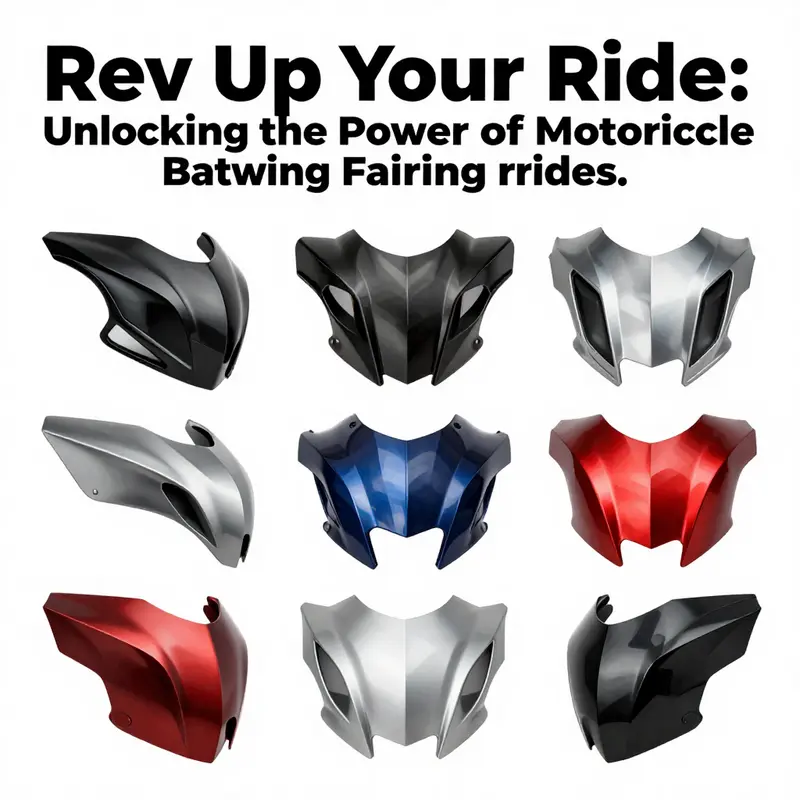
The batwing fairing kit is more than a shell that chars a motorcycle silhouette. It is a canvas that invites riders to shape how a bike meets the road, balancing wind management, weather protection, and personal style. Customization in this arena is less about chasing trends and more about tuning a machine to the rider’s body, road, and aspirations. When you stand in the space between stock and self expression, every choice—from the height of the windshield to the gloss of the trim—tells a story about how you ride and where you ride. The range of options available makes this a practical craft as well as an aesthetic one, because the goal is to enhance the experience of long days in the saddle as much as to update the bike’s look. This is not about fashion alone; it is about shaping a more comfortable, efficient, and confident ride at highway speed, where wind pressure can march in like a traveler that never sleeps. The fairing, after all, sits at the intersection of form and function, guiding air to reduce buffeting while keeping your steering light and predictable even as weather and terrain shift from one mile to the next. In this sense customization is a conversation between rider, road, and machine—an ongoing negotiation that evolves with riding style, climate, and miles logged in the saddle.
At the heart of customization is the windshield, a straightforward yet powerful lever for tailoring the rider’s experience. Available in several heights, including a tall 12 inch option, an extended 15 inch option, and a compact 5 inch low profile choice, windshields are crafted to balance visibility with wind deflection for different rider heights and riding priorities. The materials used in these windshields are chosen to withstand the realities of the road: hard coated polycarbonate provides a durable surface that resists scratches while maintaining clarity under long-term exposure to sun, rain, and road grime. The height you pick will influence how the air flows over the riders torso and helmet. A taller shield can offer more protection on open highways and in cooler weather, but it can also alter the rider’s field of view and the amount of airflow to the upper body. A lower shield, conversely, may favor aerodynamic efficiency and a sportier feel but at the sacrifice of wind protection in more exposed conditions. Even within the same model year range, riders often swap between heights to suit season, luggage loads, or the kind of riding they expect to do on a given trip.
The front of the fairing also earns its keep through a signature vent trim that sits near the centerline at the top. This feature is more than a stylistic flourish; it is a purposeful channel for airflow, designed to optimize how air moves around the fairing as the bike slices into the wind. The vent trim adds a crisp, defined line to the face of the bike, offering a subtle but meaningful visual cue that the rider values aerodynamic thoughtfulness as well as visual impact. The color options for this element often lean toward a high-contrast black, which intensifies the silhouette while harmonizing with a broad spectrum of paint schemes. The result is a look that feels deliberate rather than derivative, an impression reinforced by how the trim interacts with the glare and reflections off the fairing’s curves.
Inside the cockpit, attention to detail continues with a gauge trim or bezel kit. This component is not merely cosmetic; it is a finishing touch that helps the instrument cluster sit in a unified framework with the surrounding fairing panels. The bezel accents can sharpen the appearance of the gauges, making the cockpit read cleaner and more purpose-built as you twist the throttle. The trim kit also frames the indicators and dials in a way that contributes to legibility, reducing glare while adding a cohesive line to the bike’s interior aesthetics. It is easy to underestimate the effect of such trims, but when you look at the overall composition of the front end—panels, wind deflectors, trims, and the windshield—the small details begin to feel intentional, as if every piece were chosen with a specific rider in mind rather than as part of a generic touring silhouette.
Protection on the move matters just as much as protection from the elements. A fairing bra is a straightforward, practical accessory that guards the upper portion of the fairing from the kinds of scuffs and abrasions that come from weather, stone chips, and incidental contact during parking or trailering. A clean, well-fitted bra preserves the integrity of the paint and the color story you’ve chosen while allowing you to ride with less anxiety about the long miles ahead. In a setting where every ride can throw a small surprise, such protective elements contribute to a smoother ownership experience and a longer life for the fairing’s finish. Of course, no rider shops in a vacuum. The wide range of finishes and trims means you can keep a consistent appearance across the bike even if you swap components over time. The front end can be dressed in tones that complement the body color or offer a bold contrast that emphasizes the bike’s profile on the road. While paint can define character, it is the careful pairing of all these parts—the windshield, vent trim, gauge bezel, and bra—that completes a look that feels designed rather than assembled.
Customization also shines through a variety of windshield and accessory combinations designed to suit distinct riding philosophies. For riders who prefer a quiet, low-contrast ride in unsettled weather or when invading crosswinds, a taller windshield paired with a subtle vent trim offers a calm and controlled atmosphere, letting the rider focus on the ride rather than fighting wind pressure. A mid height, tuned for daily commuting and long highway stints, can strike a balance between visibility and deflection, creating a corridor of air that keeps turbulence at bay without forcing the rider to crane the neck or step out of the wind’s path. The low profile shield, with its minimal footprint, invites a leaner, more aggressive stance and a strengthened sense of connection with the bike. The choice among these windshield heights is not simply about preference; it is a statement of how the rider plans to spend time in the saddle, whether it is a weekend tour through varying climates or a daily grind that demands steady comfort over miles and miles.
Beyond the shields themselves, there are color and trim options that allow a rider to knit the fairing into the bike’s broader aesthetic. A black vent trim is a common choice because it anchors the fairing’s front face while providing a clean frame around the upper instrument cluster. Other color options may be available depending on the model year and configuration, enabling a rider to coordinate the fairing’s accents with the paint inside and outside of the bike. The point is not to chase a uniform look across a catalog but to compose a dialogue between the bike’s exterior and the rider’s personal taste. The final effect can range from a severe, streamlined appearance to a more integrated, factory-inspired look, depending on how aggressively the rider uses trim, color, and the finish on the other panels.
In addition to the core components, a few accessories can extend the tailoring process. A dark smoked wind deflector, for instance, adds a stylized line to the front while nudging air away from the rider’s hands and chest. This element can be particularly effective when paired with a taller windshield, helping to shape a coherent airflow that reduces buffeting without diminishing visibility. The deflector’s tone blends with the overall color plan, making the entire front end feel like a single, purposeful piece rather than a handful of separate additions. It is important to remember that each piece is part of a broader system. The windscreen, vent trim, bezels, bra, and deflector all influence the bike’s aerodynamics and its sense of balance at speed. When chosen with care, they create an integrated front-end personality that supports long days in the saddle and short, spirited rides alike.
The practicalities of customization cannot be ignored. Detailed fitment guides are provided by the official parts and accessories channels to ensure compatibility with the bike’s generation, year, and model family. This is especially important because the same fairing shell may come in different configurations across a span of years, and a few late-stage variants can introduce subtle changes that affect mounting points, weather sealing, and panel gaps. A careful approach to fitment helps avoid misalignments that would otherwise undermine aerodynamics or invite wind noise and water intrusion. As part of the process, many riders start with a visual audit—checking alignment with the engine radiator shrouds, the dash, and the fork crowns—then proceed to mechanical steps such as reusing or replacing fasteners, installing gaskets, and ensuring proper sealing around the edges. It is a sequence that rewards patience and attention to detail, especially for riders who want to preserve the integrity of the fairing while keeping the upgrade accessible and serviceable.
One practical consideration is the warranty thread that accompanies many of these parts. A common term here is a one-year limited warranty, which provides a sense of security for those who are investing in a significant upgrade to their touring platform. The warranty acts as a reminder that the emphasis is on long-term usability. The rider should anticipate some maintenance needs—such as checking fastener torque after the first ride and periodically inspecting the seams for any signs of weathering or misalignment. But with thoughtful selection and proper installation, the batwing fairing kit remains a durable component that contributes to comfort, protection, and a rider’s sense of pride in their machine.
Compatibility and installation are not mere afterthoughts. They ground customization in reality, helping riders move from dream to route with confidence. Detailed guides and lookups take the guesswork out of the process by offering model year, VIN-based lookup, and model family considerations. The goal is to enable a rider to create not a replica, but a tailored front end that speaks to the bike’s original stance while letting the rider’s personality emerge through the details. In practice, this means a calmer, more stable ride on fast sections, a better shield against rain and wind on uncertain weather days, and a front-end presence that communicates character from the moment the bike is parked curbside. For those who want to explore broader options, it is useful to consider the wider ecosystem of aftermarket fairings as a reference point. A leading source of universal and model-specific fairings offers a useful perspective on fitment and aesthetics, reminding us that the customization story is not exclusive to one brand or one plan, but a continuum that stretches across the sport and touring world. See a representative example of how aftermarket fairings are organized in the broader market here: Summit Fairings Kawasaki collections.
As riders map their path forward, they might also keep an eye on the evolving catalog of parts. The beauty of a batwing kit lies not only in its individual pieces but in how those pieces work together to deliver a ride that is more comfortable, more predictable, and more expressive. The combination of windshields, vent trims, gauge bezels, protective bras, and wind deflectors can be tuned to emphasize serenity on long highway stretches or sharpen the bike’s stance for more aggressive, canyon-like backroads. The choices can feel discrete at first glance, but their cumulative effect is tangible in the ride quality and in the front-end language the bike communicates to onlookers—and to the rider themselves. In this sense customization becomes a daily practice, a way to align the machine with the places the rider plans to go and the miles they want to cover with a sense of ease and control. The front end, once seen as a single component, reveals itself as a small system; when tuned with intention, it becomes a partner in every journey, ready to respond to weather, posture, and riding tempo with a consistently balanced, purposeful, and personal expression.
For those who want to branch out beyond the primary options, the journey continues with consideration of additional add-ons and finishing touches. Each decision influences another: taller shields may necessitate different visor geometry; color choices can require adjustments to trim profiles; and the overall weight and mounting hardware may shift based on the breadth of the selected accessories. The goal is not to overwhelm but to empower. By recognizing that each piece contributes to how air moves around the bike, how sound travels from forks to helmet, and how much fatigue a rider feels after a long day, customization becomes a practical discipline rather than a one-off swap. The result is a front end that feels conceived rather than improvised—a design language that resonates with riders who value durable protection, quiet operation, and a look that mirrors their personal route through the world. The chapter that follows will continue to explore how riders can test and refine these choices in real-world settings, drawing on experiences from long trips and high-speed straights alike, while keeping the emphasis on fit, finish, and function that makes every mile feel as if it were designed just for the rider.
External resource for further reference on OEM fitment and parts guidance can be found here: https://www.h-d.com
Fit for the Open Road: Navigating Compatibility and Installation of Batwing Fairing Kits
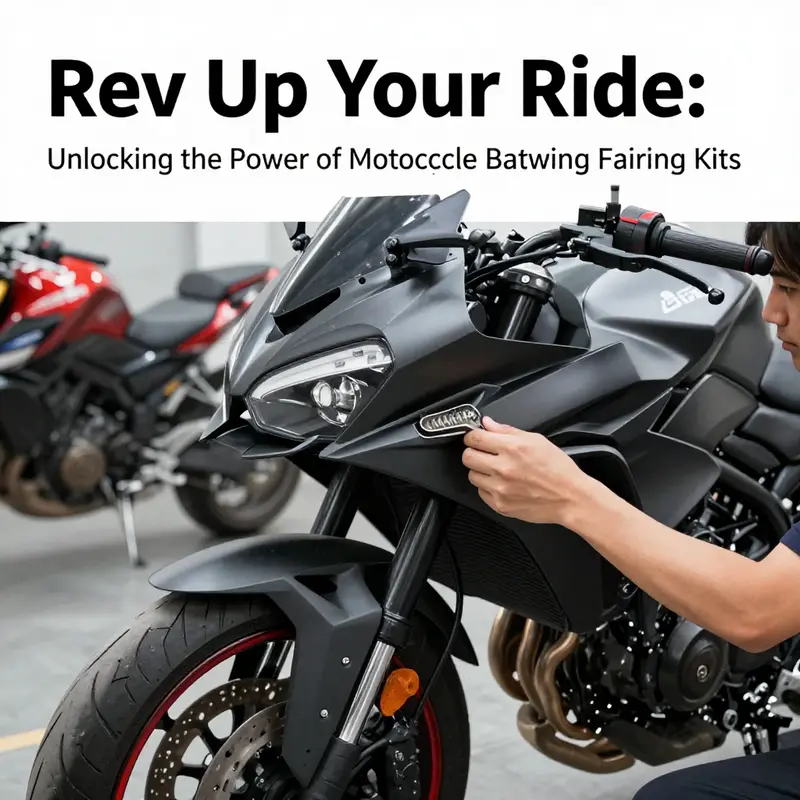
Batwing fairings have long stood as a hallmark of touring motorcycles, channels of air that shape both mood and mileage. They don’t just give a bike a signature silhouette; they reorganize wind patterns around the rider, reducing fatigue on long slabs and smoothing the ride at highway tempos. When a rider decides to upgrade with a batwing fairing kit, the decision hinges on more than a glossy finish or a bold glare in the showroom light. It rests on compatibility, a quiet, practical constraint that determines whether a transformation will look right, feel right, and perform reliably at speed. The conversation around compatibility begins with fitment—whether a kit is engineered for your bike’s frame geometry, steering geometry, and mounting points. In the realm of touring motorcycles, these fairings are generally designed to complement late-model frame layouts that carry a particular windscreen height, a specific instrument cluster placement, and a defined fairing-to-radiator contour. A kit conceived for a batwing-faired touring model will typically assume a certain body-in-white or frame assembly as its baseline. Any deviation from that baseline—an earlier year, a different sub-model, or a nonstandard trim package—can shift the alignment, leaving gaps between fairing edges and existing panels, or worse, creating interference with handlebars, mirrors, or the fairing’s own internal components. This is why compatibility is not a mere checkbox on a parts listing; it is a design discipline that governs the entire upgrade path from appearance to aerodynamics to rider comfort.
Beyond the frame, the installation rests on the presence and integrity of mounting points designed to carry the fairing at speed. A well-engineered batwing kit uses a mounting system that anchors to the bike’s frame at multiple points, often described in practical terms as a four-point setup. The aim is to distribute load evenly, reduce vibration, and preserve the fairing’s positioned geometry as wind forces rise. The impact of mounting accuracy is immediate. A misaligned fairing can introduce buffeting, alter the vehicle’s steering feel, or cause cosmetic misalignment that becomes obvious at the first glance in the rearview mirror. In addition to the primary panels, these kits typically bring along ancillary elements—trim pieces, gauge bezels, windscreen edges, and protective bra materials—that must align with existing components. The elegance of a seamless integration lies in how these ancillary parts mirror the original design language while offering an elevated shielding profile and a refreshed cockpit appearance.
From a practical standpoint, verification of compatibility begins with the model-year and VIN, even before any tool is laid on metal. The exact vehicle configuration—whether it carries a standard batwing shape or a slightly revised form—can influence mounting hole patterns, bracket thickness, and the clearance available for venting features that some kits include. A notable design detail—commonly incorporated as a front-center vent feature—serves both a functional purpose in guiding airflow and a stylistic cue that sets the stage for the fairing’s overall stance. If your bike belongs to a later production batch but carries a near-identical frame, the kit may still fit, yet small variances in trim thickness, LED housing, or bezel size could demand careful alignment or minor adjustments. It is here that the manufacturer’s specifications take on practical meaning: a clear fitment guide that maps exactly which years and model families the kit accommodates, along with any exceptions to that fitment. The rule of thumb is simple: confirm the precise year, model family, and any listed exclusions before ordering. Even minor year-to-year changes can cascade into fitment consequences, and slipping past these details invites a world of alignment woes that no amount of torque can resolve.
Where compatibility grows more complex is in the space between model-specific offerings and universal-fit solutions. Model-specific kits are engineered to integrate with the bike’s existing architecture as if they were original equipment, with precise bracket locations, edge radii, and internal channels for wiring harnesses. In contrast, universal-fit or aftermarket kits trade some precision for broader applicability. They often require additional adjustments, which can range from repositioning brackets to trimming certain tabs or refinishing contact areas to prevent interference. This is not a critique of either approach; rather, it is a reminder that the installation narrative changes depending on the path chosen. For riders who want to preserve as much of the bike’s original geometry as possible, a model-specific kit is usually the cleaner answer. For those chasing a broader aesthetic or a lower budget, a universal-fit approach can still deliver, provided the install is approached with careful measurement, patience, and a willingness to accommodate minor tweaks.
In the flow of an install, the process reads as a careful sequence rather than a single dramatic moment. The rider or technician starts by removing the existing fairing components, a step that clears the way for the new panels to meet the frame where the old ones did. Alignment is the recurring star of the show: the new fairing must sit square to the bike’s centerline, harmonize with the handlebars’ sweep, and maintain a comfortable gap from the instrument cluster. The mounting system comes into clear focus at this stage, as the four-point set of fasteners is aligned with the frame’s mounting posts, brackets, and protective skins. Anti-rattle considerations, seal placement, and the orientation of vented surfaces are all settled during this phase. Once the fairing is secured, the installer proceeds to adjust the edge lines and the panel gaps to achieve a consistent, factory-like flushness along the bike’s silhouette. It is astonishing how small a millimeter can feel in the mirror’s reflection—yet those fractions can dramatically influence aerodynamics, wind noise, and the rider’s visual field when riding at speed.
With the core structure secure, attention shifts to the finer details that can elevate the overall effectiveness of a batwing upgrade. The front vent area, often a signature visual cue and a functional air management feature, needs to be unobstructed and aligned with the fairing’s internal ducts. The gauge trim and bezel kit are installed in concert with the instrument cluster, ensuring the cockpit remains legible and aesthetically coherent. Windshield options, frequently offered in a couple of heights, are selected to tune the deflection of wind and rain across the rider’s torso. The goal is a coherent shield that minimizes turbulence while preserving the rider’s field of view and helmet clearance. Protective inserts, such as a fairing bra, sneak into the routine as a practical defense against road grit, chips, and incidental impacts—one of those accessories that looks simple until it matters on a long or rough stretch of road.
The installation journey also invites a moment of strategic decision: whether to pursue additional trims and finishes that echo the bike’s original styling or to lean into a bolder, more contemporary accent. The choice can ripple through the entire aesthetic, subtly changing the perceived width of the fairing and how its lines meet the bike’s tank, saddle, and side panels. This is where the designer’s eye matters as much as the technician’s hand. A well-executed installation preserves the bike’s existing character while adding a new silhouette that feels like a natural evolution rather than a retrofit. For riders who value this balance, the integration of the vent feature, the bezel and trim kits, and the protective bra should feel like a natural extension of the bike’s line rather than an afterthought.
When it comes to sourcing and selecting, a pragmatic approach to compatibility is essential. It pays to consult manufacturer documentation, cross-check part numbers against the VIN, and read through installation guides that outline exact sequence, torque specs, and reassembly notes. If the project carries any complexity—such as rehoming wire runs, mounting to nonstandard brackets, or aligning with a custom fairing’s nonuniform contours—seek professional help. A trained technician can assess the bike’s frame integrity, wiring harness routing, and the risk of interference between moving parts. The investment in professional knowledge is often repaid in the form of a calmer ride, a longer-lasting installation, and a more predictable wind envelope across the rider’s helmet.
For readers curious about how compatibility plays out across brands and models in the larger aftermarket landscape, consider looking at broader collections that illustrate the range of options beyond a single brand. A representative reference point can be found in the Honda fairings collection, which showcases how aftermarket components are organized for model-specific fitment and universal compatibility. This broader perspective helps clarify why certain kits fit narrowly and others offer latitude. Honda fairings collection provides a concrete example of the universality-versus-specificity tension that pervades fairing upgrades, even as the actual products you install on a touring bike remain tailored to your bike’s unique geometry.
In the end, the path to a successful batwing upgrade hinges on disciplined compatibility checks, precise installation, and thoughtful finishing touches. The journey is not just about swapping panels; it is about preserving the riding experience—its quiet lines, its predictable wind behavior, and its comfortable cockpit—while introducing a new aero profile and a refreshed aesthetic. The difference between a kit that looks right in the shop and one that feels right on the highway often comes down to how faithfully the installation respects the bike’s original geometry and how carefully the components are integrated. As with any substantial upgrade, there is value in documenting the process, noting the exact model year and configuration, and retaining the installer’s notes for future maintenance or potential refinishing. If you approach the project with respect for fitment details and a plan for precise alignment, the batwing fairing kit can transform a tourer’s appetite for distance into a more serene, confident, and controlled ride.
External reference: for authoritative, model-specific fitment information and official guidance, consult the primary parts catalog of the vehicle’s maker. https://www.harley-davidson.com/en-us/parts.html
null
null
Final thoughts
The insights explored in this article highlight the compelling advantages that motorcycle batwing fairing kits provide in terms of aerodynamics, customization, compatibility, and their economic impact. By offering these kits, business owners can cater to the growing demands of riders seeking not only comfort but also a distinctive style. Embracing these products can directly enhance customer satisfaction and drive sales, making batwing fairing kits a valuable addition to any motorcycle business strategy.