
The modern motorcycling landscape thrives on individuality and performance. Motorcycle custom fairings offer an exceptional avenue for riders to express their unique styles while enhancing their bikes’ functionality. Additional layers of protection, aerodynamic advantages, and personalized aesthetics make custom fairings more than just visual upgrades; they are indispensable enhancements for motorcycle enthusiasts. This article examines the intricacies of motorcycle custom fairings—delving into the types and materials available, key design considerations for optimal functionality, reliable suppliers for sourcing, and how these customizations profoundly impact the rider experience. As we navigate through each chapter, business owners will gain vital insights into the immense value and potential of motorcycle custom fairings in their offerings.
Form, Function, and Air: Materials and Types of Motorcycle Fairings
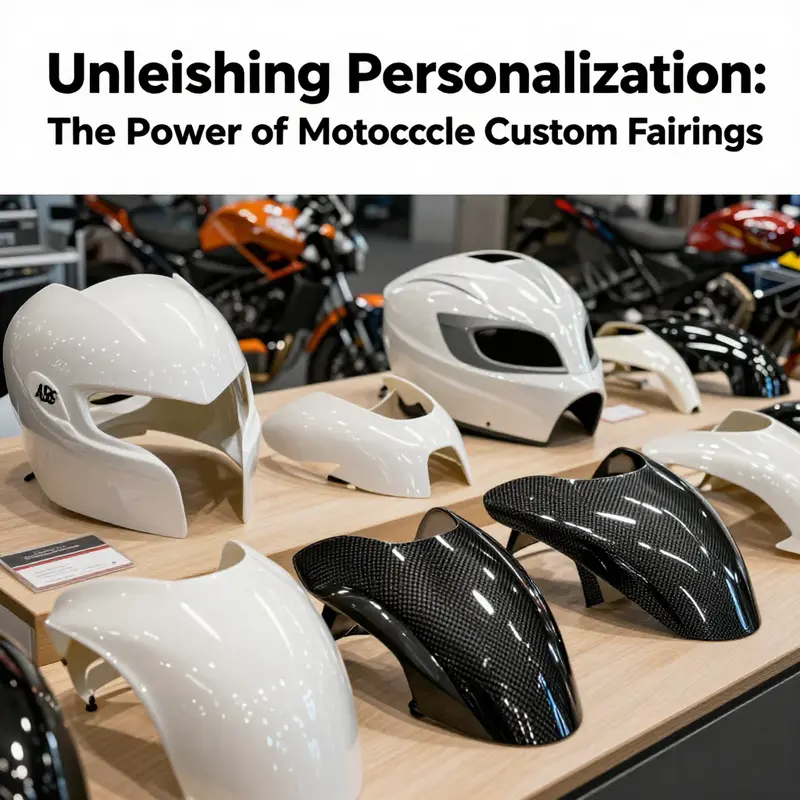
A motorcycle fairing is more than wind protection; it translates physics into sensation, shaping rider posture, handling, and confidence.
This chapter surveys the main types – full, semi, clip-on, and custom – and the materials that bring them to life: ABS, fiberglass, carbon fiber, and polycarbonate.
Each pairing offers a distinct balance of weight, stiffness, durability, and repairability.
Full fairings optimize aerodynamics but add mass and complexity; semi-fairings trade some protection for accessibility; clip-ons emphasize simplicity and immediacy; custom pieces blend performance with personal expression.
Material choice matters: ABS is versatile and repairable; fiberglass saves weight but can crack; carbon fiber delivers best strength-to-weight at higher cost and demanding fabrication; polycarbonate enhances visibility where shields or windscreen sections are transparent.
Compatibility with the bike, fitment precision, and aftermarket support influence real-world results.
The right mix aligns riding goals, climate, maintenance willingness, and budget, ensuring the fairing complements geometry, reduces buffeting, and tells the rider’s story.
A well-chosen setup feels like a seamless extension of the machine, a collaborative partner rather than a separate shell.
null
null
null
null
Streamlined Power and Personal Identity: How Motorcycle Custom Fairings Shape Riding Experience
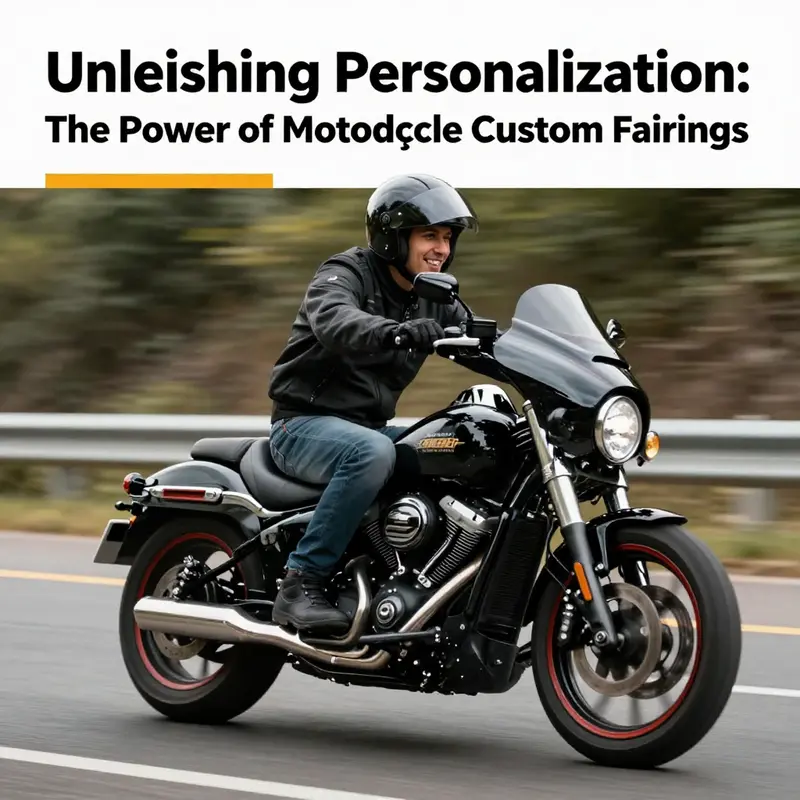
Custom fairings have evolved beyond mere surface decoration in modern motorcycling. They sit at the crossroads of engineering and self-expression, where a rider discovers not only a look but a language spoken through shape, texture, and integration with the bike’s systems. When a rider chooses to replace stock panels with bespoke fairings, the decision often begins with a design sketch in the mind, a vision of how the machine should slice through air and how it should feel when attacked by wind at speed. The journey from concept to ride is a layered process that combines aerodynamic science, material science, and the nuanced ergonomics of a rider’s body and posture. The result is a tangible shift in how the bike behaves, how the rider experiences the road, and how the rider sees the machine as an extension of self. This is the essence of custom fairings: performance that is personal, and personalization that serves performance.
Aerodynamics remains a central thread in this narrative. Custom fairings are not generic upgrades; they are crafted to manage airflow with precision around the bike’s silhouette. The shape of the upper panels, the contour of the side cowlings, and the cut of the windscreen all contribute to a more efficient air path. When airflow is directed smoothly over the rider’s torso and around the shoulders, there is less buffeting at highway speeds and more consistent pressure distribution across the chest and arms. The practical upshot is a calmer cockpit, which translates to reduced fatigue during long rides and more precise control when the pace quickens. In sport and high-performance contexts, this aerodynamic tuning becomes a leverage point for stability at speed. A rider can maintain a confident line through corners and straights alike, because the fairing design supports predictable handling as air loads shift with lean angle and throttle input.
This aerodynamic efficiency is inseparable from the fairing’s protective role. Traditional fairings shield the rider from wind, rain, and road spray, and this protective function is intensified when the panels are designed for specific riding positions and climate conditions. Half fairings and full fairings, for instance, offer different balances of wind deflection, visibility, and accessibility to the engine and cooling gear. A well-conceived half fairing can deflect significant wind pressure without isolating the rider from the environment or complicating maintenance. Full fairings, while heavier, can optimize weather protection and debris shielding for riders who spend extended time on open roads or endurance sessions. In both cases, the rider’s torso and arms experience a more controlled wind profile, which reduces the sensory burden of wind pressure and allows the rider to maintain a more relaxed upper body posture. This ergonomic improvement is subtle but meaningful; it changes breathing patterns, reduces arm stiffness, and helps the rider sustain focus for longer segments of a ride or race.
Comfort emerges as a companion benefit to protection and aerodynamics. The cockpit’s turbulence, or buffeting, can be a culprit behind fatigue by creating fluctuating pressure on the chest and shoulders. Custom fairings that redirect airflow more evenly over and around the rider’s upper body help minimize this turbulence. The result is not simply a smoother ride; it is a more confident sense of control when cornering at speed, when maneuvering through city traffic, or when cruising on fast backroads. The rider perceives this as a reduction in effort needed to maintain the same posture, which, over hours on the saddle, compounds into a more enjoyable and less tiring experience. This ergonomic advantage also interacts with noise and vibration levels. While fairings do not eliminate all wind noise, a cleaner, more stable air boundary around the cockpit can reduce low-frequency gusts that otherwise translate into a strained jaw, tense neck, or rattling teeth on long rides.
Weight is another critical axis along which custom fairings influence the rider’s experience. Using materials such as carbon fiber, fiberglass, and high-grade ABS plastic, engineers balance strength, stiffness, and mass. Carbon fiber, with its exceptional strength-to-weight ratio, offers the lightness that can measurably improve acceleration, braking, and handling. Even modest weight savings at the upper body contribute to a more favorable power-to-weight ratio, easier cornering, and sharper throttle response. In track-focused builds, this is not merely about speed; it is about the rider feeling more connected to the machine through more immediate feedback. Lighter fairings also reduce unsprung mass indirectly through better overall chassis balance, which helps usher a greater sense of agility in the hands of a confident rider. For street setups, ABS plastics and fiberglass deliver durability and cost efficiency, creating an accessible entry point into the world of bespoke aerodynamic form. The material choice thus frames a broader conversation about value, longevity, and the lifestyle of customization as a continuous, iterative practice rather than a one-off purchase.
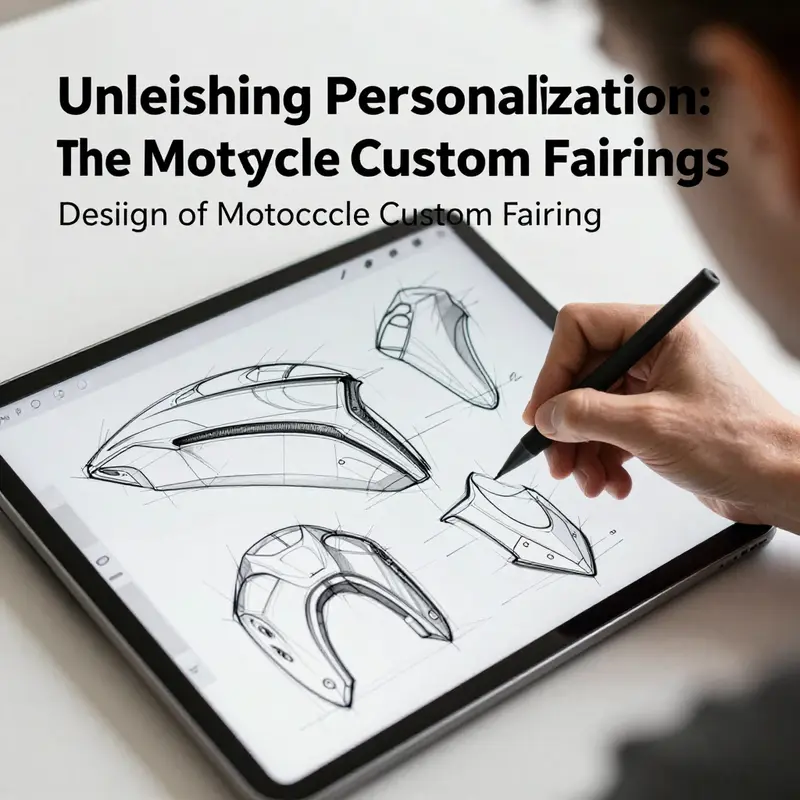
The personal dimension of custom fairings deserves equal attention. Riders are drawn to the idea of turning a machine into a unique expression, a canvas that can carry motifs, color schemes, and contours that echo their identity. Bespoke designs incorporate not only aesthetics but also practical features that speak to a rider’s daily needs or riding philosophy. For some, this might mean subtle curves and color transitions that accentuate the bike’s lines and emphasize its stance. For others, integrated elements such as ventilation ducts, lighting, or phone- or accessory-mounting points fuse form and function in a way stock panels rarely achieve. The design process often begins with CAD modeling and ends with CNC machining that translates a digital blueprint into a precise physical part. This bridging of digital design and physical manufacture is a hallmark of modern customization and a testament to how small-scale artisans and dedicated shops can compete with mass-produced alternatives by offering fit, finish, and a degree of personalization that is both tangible and meaningful.
Crucially, the narrative of customization also intersects with the realities of compatibility and fit. The best custom fairings acknowledge the bike’s original geometry and intended use, aligning with mounting points, fairing gaps, fuel tank transitions, and radiator access. In a world where aftersales products are produced for a range of makes and models, the value of precise fitment cannot be overstated. Here the reputation of the supplier matters, particularly when parts come from established manufacturing hubs known for precision. The process of verification often begins with ensuring compatibility across model, make, and year, and extends to evaluating certifications that speak to safety and manufacturing quality. For a rider investing in a higher-purity product, this due diligence is a core part of the experience, reinforcing confidence that the panels will perform under real-world riding conditions and will resist the wear and tear of road surfaces and weather.
The rider’s journey toward a customized fairing is not simply about the finished shell; it encompasses the ongoing dialogue between design intent and riding reality. A well-chosen set of fairings can change how a rider interacts with wind management, access to the engine for maintenance, and even the sense of rhythm on the bike during dynamic riding sequences. A design that reduces the need for aggressive body positioning, for example, can encourage riders to adopt a more ergonomic posture that minimizes back strain and shoulder fatigue. Conversely, a design that emphasizes aggressive wind channels can support a sportier riding stance and a higher level of engagement with the machine’s performance envelope. This reciprocal relationship between rider and machine, mediated by the fairings, underlines the chapter’s central claim: customization is a practical pathway to amplifying both the rider’s pleasure and the bike’s performance.
In discussing the broader ecosystem of customization, it is important to acknowledge the role of knowledge and community. Riders often rely on a network of peers, shops, and online resources to understand fitment, material properties, and the implications of different design choices. The shared learning in these communities accelerates innovation and democratizes access to advanced manufacturing techniques. Even as the market expands with more options for different budgets and riding styles, careful evaluation of credentials remains essential. A rider should look for traceable quality certifications, verifiable fitment, and reviews that confirm long-term durability. This due diligence is not a hurdle; it is part of the journey toward a more satisfying and reliable riding experience. The result is a practical synergy: the rider expresses personality while also enhancing the bike’s aerodynamics, protection, and overall ride quality.
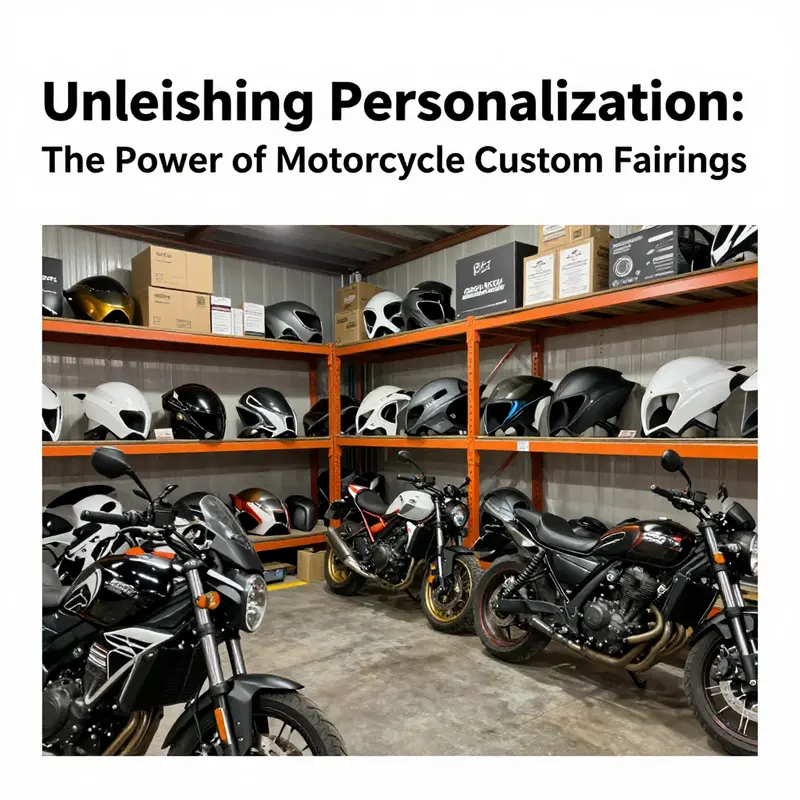
For readers who want to see how these principles translate into real choices, a glance at a curated fairing collection can illuminate the balance between form and function. A well-assembled display demonstrates how the lines of the panels, their intersection with the windscreen, and the spacing around mounting points define both aesthetics and performance. The comparison of a few key design choices—such as the degree of curvature, the height of the cockpit, and the size of the air intakes—reveals how each element contributes to the measurable benefits discussed above. While the specifics will vary with every model and rider preference, the underlying logic remains constant: shape governs airflow, attachment governs durability, and texture informs perception. This is the core idea that unites the practical benefits with the expressive potential of customization.
To connect this discussion to a practical starting point, readers can explore the broader ecosystem of compatible options that exist for a range of makes and models and observe how fitment and finish influence the riding experience. A useful way to begin is to examine collections that group fairings by make or by model family, which often reveal at a glance how designers balance aerodynamic goals with maintenance access and aesthetic coherence. By examining these collections, a rider can learn how design decisions translate into specific handling and comfort outcomes, and how those outcomes align with their own riding priorities. For instance, in assessing a set of panels, one might notice that a particular design emphasizes smoother lines over a vented, aggressive profile; this choice might translate into greater highway stability and a more comfortable long-distance ride, at the expense of a slightly more pronounced rider position during aggressive riding. Conversely, a more segmented and sculpted set might offer sharper steering response and a more aggressive cockpit but require a rider to adopt a firmer posture to stay within the intended air flow regime. The important point is that every design intentionally threads together performance and personality, enabling riders to select a configuration that matches their goals rather than simply following a trend.
In sum, the impact of custom fairings on the rider experience is not a single effect but a rich constellation of improvements. Aerodynamics, protection, comfort, and weight all interact with material choice and manufacturing precision to produce a riding experience that feels both faster and more personal. The rider’s relationship with the machine deepens as well: customizing becomes a craft, a way to learn about one’s bike, and a discipline that rewards curiosity and care. In this light, the decision to pursue a bespoke fairing is less about chasing the latest aesthetic fad and more about establishing a durable, expressive, and performance-minded bond with the motorcycle. The fairings become a language through which the rider communicates intentions to the road and to the bike, and the road, in turn, responds with a more engaging, more controllable, more satisfying ride. As design technologies continue to evolve and manufacturing streams become more accessible, the practice of customization stands as a vivid testament to how riders, machines, and settings come together in pursuit of riding excellence.
For readers seeking a concrete example of how a collection can illustrate fitment and design balance, exploring a dedicated page that groups fairings by model family can offer a tangible reference point. collections/honda-fairings provides a sense of how a single make can inspire a series of design iterations that maintain compatibility while delivering distinct visual identities. This is not a guarantee of universal fitment but rather a window into how the customization ecosystem approaches the challenge of aligning form, function, and rider preference. A thoughtful purchase is one that respects the bike’s original engineering while welcoming the unique requirements of the rider’s goals, whether those goals emphasize speed, comfort, or striking presence on the street. The end result is a riding experience that feels crafted rather than imported, personal yet practical, and above all, deeply integrated with the rider’s sense of control and joy on the road.
External resource for further reading: External resource
Final thoughts
Motorcycle custom fairings present an unparalleled opportunity for riders and businesses alike to enhance performance and individuality on the open road. By understanding the variety of materials and styles available, considering essential design elements, identifying reputable suppliers, and recognizing the profound impact of these custom fairings on the rider experience, business owners can effectively cater to the growing demand in this niche market. Investing in custom fairings not only enriches the riding experience but also builds lasting relationships between businesses and the biking community, ultimately paving the way for future innovations and personalization in motorcycling.