
Motorcycle dustbin fairings represent a unique blend of function and aesthetics that appeal to both motorcycle enthusiasts and casual riders. As businesses within the automotive sector strive to capture the attention of this ever-growing demographic, understanding the potential of dustbin fairings becomes crucial. This article breaks down the advantages of offering these distinctive fairings for sale, analyzes current market trends and their economic implications, and offers deep insights into the technical specifications and uses across various motorcycle models. Each chapter elucidates a different facet of motorcycle dustbin fairings, providing a comprehensive view of their place in the market and their technicality in design and functionality.
Dustbin Form, Fairing Function: A Comprehensive Exploration of the Dustbin-Inspired Motorcycle Fairing in the Aftermarket
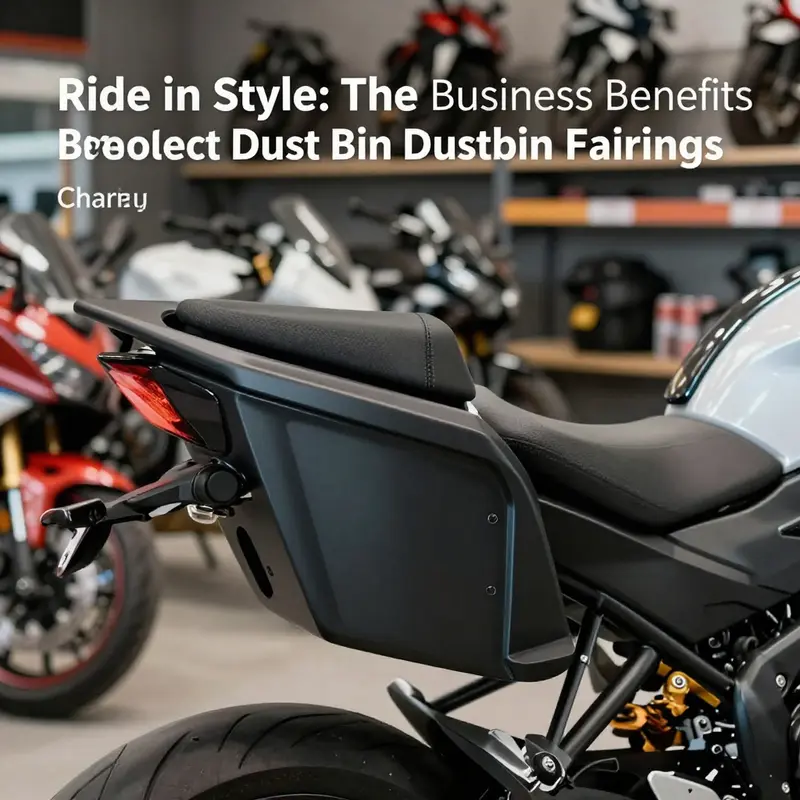
The phrase dustbin fairing evokes a curious juxtaposition: a vessel traditionally used for waste takes on a role in high-speed machines designed for precision and performance. In the world of motorcycle bodywork, terms like fairing, windscreen, cowl, and panel are part of a shared vocabulary that describes how a bike slices through air, protects the rider, and communicates identity. Yet dustbin, as a descriptor, is rarely a formal category in catalogs or manufacturer brochures. It surfaces more often in casual conversations, design studios, or custom-build blogs where riders experiment with shapes, volumes, and visual narratives. This chapter is not about validating a niche label as an established product line. Rather, it uses the idea as a thread to weave together how fairings are conceived, manufactured, bought, and customized in contemporary markets. What determines whether a dustbin-inspired silhouette ever becomes a practical aftermarket option? What does a buyer weigh when they encounter a panel system that promises aerodynamic gains, weather protection, and a personal aesthetic, all at once? The discussion that follows aims to illuminate those questions in a way that remains faithful to the broader topic of motorcycle dustbin fairing for sale while staying grounded in the realities of the current marketplace and design practice.
To begin, it helps to anchor the concept in what fairings are and what they do. A motorcycle fairing is not merely an exterior shell. It is a carefully engineered set of panels that collaborates with the frame, engine, and rider posture to shape airflow, reduce drag, and shield the engine bay from windblast, rain, and road debris. The aerodynamic benefit is not a single number but a spectrum of effects: smoother airflow around the handlebars, reduced fatigue on long rides, and, for racing or sport-oriented setups, a modest gain in stability at higher speeds. In the consumer market, these considerations broaden into a more tactile reality. Riders look for a combination of fit, finish, and function. They consider whether a panel package aligns with the motorcycle’s perceived personality—whether the bike reads as aggressive, touring-minded, or retro-styled—and how the weight distribution shifts when the panels are added, removed, or modified. The dustbin concept, in this sense, speaks to the bold, perhaps unconventional, exploration of form—volumes that stand out not only for their surface gloss but for the way their massing interacts with the rider’s sense of speed and enclosure.
In practice, the word fairing often creates a mental map of expectations: a readily identifiable set of shapes that match a model’s frame, align with mounting points, and interlock with instrument clusters and windshields. Recognizing that, the market divides options into two broad streams. The first is the OEM-like or manufacturer-backed approach, where panels are engineered for a specific make and model, with precise cutouts for headlights, vents, and mounting hardware. The second stream is the aftermarket, where providers offer a range of universal or model-specific panels that can be adapted through minor modifications. Within this latter stream, a user might encounter a design that seems to borrow from the “dustbin” silhouette—perhaps a rounded undercarriage or an exaggerated, bulbous lower area intended to divert air toward or away from the rider’s legs and the engine bay. The result is not merely a visual choice but a statement about how one wants wind to behave around the bike at varying speeds and riding conditions. The decision to pursue such a silhouette involves a balance of practicality, legality, and taste.
The material science behind fairings matters just as much as the silhouette. Most panels fall into a few broad families: acrylonitrile butadiene styrene (ABS) plastics, fiberglass composites, and carbon fiber-reinforced polymers. ABS is renowned for its impact resistance, toughness, and ease of molding; it supports cost-effective production and reasonable durability for everyday use. Fiberglass offers a higher degree of stiffness and a more forgiving fabrication process for complex curves, though it can be heavier and may require more meticulous finishing work to achieve a showroom gloss. Carbon fiber, prized for its stiffness-to-weight ratio and premium feel, appeals to riders seeking performance-oriented results and a distinctive aesthetic. Each material influences the craft of a dustbin-inspired fairing differently. A bold, rounded lower fairing might be easier to reproduce in fiberglass or carbon fiber due to pronounced curves, while a high-gloss ABS shell could deliver cleaner lines at a lower price point. The choice of material also affects repair strategies after a tip-in or a light collision, the long-term color stability under UV exposure, and the degree to which a panel can be repainted or re-wrapped without compromising fitment accuracy.
Manufacturing processes mirror those material tendencies and shape the economics as well as the final tactile experience. ABS panels often arise from injection molding, a process capable of delivering smooth surface finishes and consistent tolerances. Fiberglass panels trade on hand layups or resin transfer molding for more complex geometries, often allowing for lighterweights and greater customization but requiring more finish work. Carbon fiber panels, while lighter and stiffer, demand precision in layup, curing, and surface treatment, revealing a premium price that can be beyond the budgets of casual riders. The dustbin-oriented silhouette—if interpreted as a desire for bold volume, sweeping curves, and a distinctive lower contour—also raises mounting considerations. How a panel interfaces with the frame’s geometry, the fuel tank profile, and the rider’s knee comfort matters as much as the panel’s external appearance. A well-designed fairing must respect the rider’s ability to stay on the bike, operate controls, and access essential components for service or maintenance. A fairing that looks striking but obstructs airflow to the radiator or muffles the rider’s leg position is not a true performance solution; it might be a statement with practical costs. In this sense, the dustbin-inspired form becomes a test case for how aesthetics and engineering meet in the real world.
The aftersales ecosystem for fairings—whether model-specific or universal—also colors the decision-making process. A robust aftermarket market promises modularity: you can swap sections, customize graphics, or change the lower portion to alter both look and airflow characteristics. The ability to customize the panel geometry through cutouts, venting, or extra surface treatment becomes part of the rider’s creative toolkit. But customization is not merely about vanity. It touches on protection levels for the engine, rider insulation from wind chill, and even the quieting of air noise at highway speeds. A dustbin-inspired form, with its pronounced mass at the lower portion, can shift the boundary layer in ways that reduce wind pressure on the handlebars or re-route turbulent air away from shoulder or neck regions. The practical upshot is that such a silhouette must be tested against real riding conditions, ideally across different speeds and road surfaces, to ensure the perceived benefits translate into measurable improvements in comfort and control.
This is where the shopping experience starts to reveal its subtleties. A buyer encountering a dustbin-tinged fairing is, in effect, weighing a blend of fitment certainty, production quality, and the promise of a fresh visual language for the bike. Fitment certainty comes from explicit model compatibility data, precise mounting points, and compatible gaps for headlights, turn signals, and mirrors. With aftermarket panels, the risk of misfit is nontrivial. Small deviations in mounting holes or panel thickness can create alignment problems that ripple into air leakage, rattling, or gaps that collect dust and moisture. Producers often mitigate this through standardized mounting schemes or a detailed compatibility matrix. Enthusiasts who pursue a dustbin-inspired look often lean on survey data from riders who have implemented similar silhouettes on their machines. The communal knowledge gained through forums and user galleries helps prospective buyers set expectations about installation effort, potential need for minor trimming, or the requirement for additional brackets and shims.
Production quality and finish also weigh heavily in the decision. A viewer who admires the bold lower contour might also notice subtle cues: the uniformity of panel gaps, the symmetry of curves, and how the surface responds to light. A showroom gloss, a near-seamless joint, and a durable paint finish signal a panel that will withstand road debris and weather over time. In contrast, a rough surface, visible resin bleed, or inconsistent edge machining can undermine the perceived value of the piece even when the silhouette remains striking. The dustbin motif invites a more critical eye for transitions: how does the lower massing merge with the fuel tank line, how are vents framed to avoid sightline interference, and how does the overall shape maintain its integrity in crosswinds or when negotiating quick lane changes.
The pricing landscape for fairings—whether a conventional, widely available set or a more eye-catching, dustbin-inspired design—reflects a blend of materials, labor, and distribution. ABS-based panels tend to be more accessible, with price points balancing desirability and practicality. Fiberglass and carbon fiber options sit at higher price tiers, reflecting material cost and the craftsmanship required to achieve flawless finishes and precise tolerances. For a rider contemplating a bold, geometry-heavy lower contour, the economics may push toward composite builds that combine a fiberglass subassembly with a carbon or fiberglass skin, aiming to optimize stiffness, weight, and cost. Beyond the base panel, the purchase often involves weather seals, mounting hardware, and protective film or clear bra to preserve the finish. The total package, including paint work and graphics, can scale significantly with desired customization. The important thing is to align the purchase with the rider’s expectations for maintenance and durability. A dustbin-inspired fairing may look arresting in a photo gallery, yet the realities of daily commuting or weekend track days require resilience against UV exposure, temperature swings, and road grime—a reality that informs both the choice of material and the protective strategies employed after installation.
No discussion of a dustbin-inspired fairing should ignore the aesthetic context. The visual language of motorcycle bodywork carries social signals. A shape that emphasizes rounded, continuous lines and a strong lower contour communicates a certain personality: perhaps assertive, utilitarian, or unapologetically retro. The rider who chooses such a silhouette often does so not only for aerodynamics or protection but to craft a mood for riding itself. In a market saturated with high-gloss plastics and razor-edged lines, a generous lower volume stands out. It invites comparisons with vintage-inspired or café-racer aesthetics, yet it remains tethered to modern expectations of weather sealing, rider protection, and aerodynamic coherence. The resulting design becomes a form of storytelling: a way to tell others, and perhaps even tell oneself, that the bike is more than a machine for transport. It is a crafted experience anchored in the tactile reality of mounting panels, adjusting fitment, and, finally, rolling into a space where wind and motion converge.
In this narrative, it is useful to consider how a rider might navigate the market when they feel drawn to the dustbin-inspired idea. First, they examine the fitment and serviceability: does the panel system align with the current subframes, fuel tank width, and fairing mounting points? Do the headlights, indicators, and instrument clusters remain accessible? Next, they weigh finish quality and refinishability: can the surface be repainted or re-wrapped without compromising the panel’s integrity? Are there easy routes to add graphics or badges without undermining the structure? Finally, they assess the long-term value: does the panel hold up to regular exposure to sun, heat, rain, and road grime? Is replacement readily available, or would a break require a custom fabrication route? In the absence of a canonical “dustbin” category, the buyer becomes an explorer in a landscape of common fairing types, where the bold silhouette is just one of many possible outcomes that can be achieved with the right combination of design intent, materials, and installation care.
For readers who want a sense of how this exploration translates into available options, it helps to peek at the broader family of fairings and the ways manufacturers present fitment data. A practical approach to evaluating any dustbin-inspired pursuit is to start with a trusted reference point: a well-documented fairing collection that clarifies model compatibility, material thickness, and finish options. The Honda fairings collection, for example, provides a window into how a major category organizes its offerings, how the panels are styled to balance airflow with rider comfort, and how the lower contours interact with footpegs, knuckles, and knee positions. It is not a direct substitute for a one-to-one dustbin solution, but it anchors the discussion in real-world expectations about fit, finish, and the means by which a rider can customize or extend a bike’s visual and aerodynamic profile. The spirit of such collections is to show how designers solve common problems—airflow management, weather protection, and rider ergonomics—within a coherent system of parts that can be mixed, matched, or swapped as needed. For readers curious about the current landscape of fairing variants, the Honda fairings collection offers a concrete example of how manufacturers and aftermarket suppliers translate engineering constraints into tangible panels, with an emphasis on compatibility and reliability. See here for a representative reference point: Honda fairings collection.
In the final analysis, the question of a dustbin-inspired fairing for sale boils down to how riders interpret form and function in the context of the broader motorcycle ecosystem. The concept challenges conventional silhouettes, inviting designers and builders to push beyond familiar boundaries while still honoring core principles of aerodynamics, protection, and durability. It compels buyers to ask not only whether a panel looks striking but whether it can reliably endure daily riding, how easy it is to install and maintain, and whether the overall package harmonizes with the bike’s geometry. The marketplace rewards clarity of purpose: a panel that fits, finishes well, and offers meaningful benefits in ride quality or weather protection tends to attract a dedicated following. A silhouette that leans heavily into novelty without practical benefit risks becoming a decorative add-on that complicates maintenance, reduces resale value, or undermines safety through poor mounting or airflow misalignment.
As with any significant modification, communication between rider, fabricator, and retailer matters. Clarity about fitment, materials, and finish reduces friction and accelerates the journey from concept to rideable reality. Riders who embrace the dustbin-inspired idea often rely on a collaborative workflow: sharing measurements from the existing bike, selecting a material that matches their budget and performance goals, confirming mounting hardware compatibility, and choosing a finish that suits their color story and protection needs. This collaborative spirit aligns with the broader culture of motorcycle customization where people treat their machines as canvases, laboratories, and companions all at once. The result is not a sterile catalog entry but a living conversation about how air, plastic, and rider form a shared highway of possibilities.
Ultimately, the dustbin-inspired fairing, if it truly exists in a sale-ready sense for a wide consumer audience, would need to prove its value across several dimensions: fitment reliability, protective function, aerodynamic behavior, finish quality, and long-term durability. Until such a product becomes widely cataloged with consistent fitment data and robust aftersales support, what persists most clearly in the market is a continuum of fairing options that demonstrate how designers translate abstract ideas about massing and silhouette into practical, ride-ready panels. The curiosity surrounding the term can act as a catalyst for deeper engagement with the fundamentals of fairing design: how to balance form and function, how to select materials that meet climate and usage demands, and how to navigate the practicalities of installation and maintenance so that a bold, unconventional shape becomes a dependable part of the bike rather than a cosmetic afterthought.
For readers who want to explore current fairing options aligned with the broader themes discussed here, the Honda fairings collection provides a practical reference point for how panels are conceived, refined, and deployed across a family of models. This reference can help translate the intuition of a dustbin-inspired silhouette into measurable criteria for fitment, finish, and performance. To learn more about that kind of approach, visit the Honda fairings collection page here: Honda fairings collection.
External resources offer additional context on protective and cover-oriented products that often intersect with storage and long-term care for parked bikes. While not a direct substitute for a fairing, a well-chosen cover can complement a fairing strategy by protecting the bike when it isn’t in motion, preserving the finish, and reducing the frequency of maintenance cycles during long-term storage. Such options can influence the overall value proposition of any fairing project, including those exploring bold shapes or unconventional silhouettes. For a practical example of a protective cover option, see the external resource here: https://www.alibaba.com/product-detail/Motor-Cycle-Accesorios-PARA-Motos-Motorcycle-Fairing_1603744913392.html
Dustbin Fairings in Focus: Market Trends, Craft, and the Rider’s Road
The dustbin fairing has emerged as a distinctive waypoint in the evolving landscape of motorcycle components. It isn’t merely an accessory tossed onto a bike for a quick visual punch; it represents a pragmatic compromise between protection, aerodynamics, maintenance access, and cost. In the crowded world of fairings, the dustbin silhouette—rectilinear, boxy, and compact—speaks to a particular set of riding demands: urban commuting, predictable weather protection, and a desire for straightforward, serviceable design. This chapter follows the thread from the shop floor to the showroom, and then out onto the street, showing how dustbin fairings weave into broader market forces and rider expectations without losing sight of the tangible realities of buying, fitting, and riding.
To understand why dustbin fairings matter, it helps to ground the discussion in the larger shift toward better aerodynamics and rider comfort as standard expectations rather than niche luxuries. Fairings, in their many forms, reduce wind blast, channel air toward the engine for cooling, and shield sensitive components from the elements. The dustbin variant, with its boxy front end and compact profile, often occupies the middle ground between full, race-oriented fairings and simpler, wind-blocking panels. It is the kind of component that can be designed and manufactured at scale, keeping costs accessible for both original equipment manufacturers and a robust aftermarket ecosystem. In a market that is increasingly defined by speed of availability, modularity, and customization, the dustbin fairing provides a practical envelope for riders who want reliable weather protection and a clean, understated aesthetic without the high price tag of more elaborate fairing systems.
Market dynamics around these fairings reflect a broader trend in motorcycle ownership. Across the globe, more riders are entering the hobby and adopting mid-range models that prioritize economic efficiency and everyday usability. This shift is particularly pronounced in emerging economies where urban mobility is a central concern and where durable, affordable accessories can meaningfully extend the life and utility of a motorcycle. The dustbin fairing—cost-conscious yet functionally effective—fits neatly into this demand pattern. It offers meaningful wind protection and weather shielding for a smaller upfront investment than more complex fairing configurations, making it a popular choice for those upgrading stock components or restoring older machines.
From the standpoint of the market as a whole, the fairing category is experiencing dynamic growth. In 2025, the global motorcycle fairing market earned a substantial footprint, reported at around $15.3 billion, and analysts forecast a robust compound annual growth rate of about 10 percent through 2033. By the end of the forecast horizon, projections place the market at more than $35 billion. This trajectory is driven by a combination of increased motorcycle ownership worldwide, particularly in markets where urban transport remains central to daily life, and ongoing innovations in materials that push the envelope of what fairings can do without inflating price or weight. The dustbin subsegment, while not the flashiest, benefits from both its practicality and its compatibility with a wide range of models, including standard and commuter-focused bikes that prize reliability and affordability above all.
Material science has a decisive say in this story. Advances in high-performance plastics, reinforced composites, fiberglass, and other resin-based materials enable dustbin fairings to be lighter, stronger, and more adaptable in form. These materials support more complex geometries than traditional plastics while maintaining production efficiency and cost discipline. They also improve resistance to impact and weathering, which matters for urban riders who confront potholes, debris, and rapid temperature shifts. The result is a fairing that can endure daily use without requiring special maintenance, while still accommodating color finishes, decals, and other personalization options that riders crave. As with any consumer-driven product in a high-velocity market, the ability to tailor finishes and textures—without sacrificing the integrity of the underlying form—becomes a key differentiator for suppliers in both OEM and aftermarket channels.
The dustbin fairing sits within a spectrum of fairing types, including full and half-fairings. Each category serves distinct purposes, balancing aerodynamics, weight, and access to the bike’s core systems. The dustbin variant, by its nature, emphasizes practicality: a front end that provides wind protection and weather shielding while keeping the upper frame, fuel tank, and engine somewhat exposed for easier access during maintenance. This economy-of-design aligns with the expectations of urban riders and everyday commuters who value simplicity as a virtue. The market, in turn, rewards suppliers who can deliver a combination of fitment versatility, straightforward installation, and reasonable durability. It is not about spectacle; it is about dependable function offered at a price that makes sense for large-scale adoption.
A key economic dimension of dustbin fairings lies in the ecosystem that supports them. Original equipment manufacturers rely on dustbin fairings to elevate ergonomics and appearance on models designed for daily use rather than specialized performance. At the same time, aftermarket suppliers cultivate a thriving segment around restoration, modification, and ongoing maintenance. For many riders, a dustbin fairing can be a practical entry point into customization—an upgrade that improves aesthetics and ride quality without triggering a cascade of additional parts and refinishing costs. In this way, the dustbin fairing contributes to a broader cycle of product turnover and consumer engagement: a virtuous loop in which improved materials and design choices lower the barrier to entry for enthusiasts, while manufacturers and retailers benefit from continued demand for replacement and upgrade parts.
Beyond the factory floor, consumer preferences are shaping what these fairings look like and how they’re sold. The urban rider values efficiency and reliability, but that does not mean a lack of interest in personalization. Riders want something that feels like it belongs on their bike, something that can be matched to color schemes, logos, and textures in ways that reflect their personality. Dustbin fairings, with their more restrained silhouette, offer a versatile canvas for customization. This alignment of practical function and personal expression helps explain why the category has gained traction among a broad spectrum of riders, from daily commuters to weekend tinkers who want their bikes to reflect a particular ethos or style.
For buyers entering the market, the question is not merely whether a dustbin fairing fits a bike, but how it integrates into a larger maintenance and ownership plan. Compatibility matters, as does the ease of installation and the durability of the materials in real-world use. Online catalogs and retailers emphasize fitment notes, but the practical reality is that installers and riders often value a modular approach: a fairing that can be adjusted, removed, and replaced without requiring extensive tools or specialized knowledge. In this sense, the dustbin fairing becomes less a single purchase and more a component of a longer-term strategy for maintaining, upgrading, and personalizing a bike. The best offerings in the category balance precise fitment or easy adjustability with finish options that stand up to daily exposure to sun, rain, and grit from the road.
In considering where to source such fairings, the marketplace presents a spectrum of options. There are manufacturers who prioritize scale and consistency, offering a catalog of dustbin and other fairings designed to fit multiple models with reasonable tolerance levels. Equally important are aftermarket shops that curate a more targeted selection, often focusing on specific maker lines or regional preferences. For a buyer, this means evaluating not only price but also the availability of color-matching paints, warranty terms, and post-purchase support. The ability to obtain a compatible front fairing quickly—whether for a routine replacement, a mid-life upgrade, or a restoration project—has real consequences for rider uptime and total ownership costs. In practice, the most successful purchasing decisions come from combining a clear understanding of model compatibility with a realistic appraisal of how much time and effort a rider is willing to invest in installation and customization.
From a consumer education standpoint, one of the more important considerations is how dustbin fairings relate to fuel economy and wind management. Although fairings are often marketed on the basis of appearance, their aerodynamic profile also influences ride comfort, headwind exposure, and fuel efficiency over longer distances. For urban rides where speed is relatively moderate and traffic density is high, the wind environment at chest and shoulder height can significantly affect rider fatigue. A well-chosen dustbin fairing can channel air in a way that reduces turbulence around the upper body and arms, providing a more comfortable experience on a typical daily commute. This functional dimension helps justify the investment for riders who spend long hours on the bike and seek a stable, predictable ride, even when the weather or road conditions are imperfect.
The shopping journey for dustbin fairings is interactive and evolving. Buyers increasingly rely on online catalogs, forums, and multimedia guides to understand fitment nuances and installation steps. In this context, a practical buyer looks for clear fitment notes, high-quality images that illustrate mounting points, and honest assessments of durability under varied weather conditions. The ability to compare finishes, evaluate color compatibility with existing paint, and review installation videos all contribute to a smoother, more confident purchase. As with any component that touches the rider’s ergonomics and daily routine, the decision often hinges on a blend of objective data and subjective preferences—the tangible benefits of better wind protection and the intangible allure of a bike that reflects the owner’s character.
For riders who want to peek into current online availability and a sense of how these components are marketed today, a convenient point of reference is a dedicated Honda fairings collection. While the dustbin shape itself is not limited to a single brand, the collection demonstrates how retailers organize products for practical browsing, compatibility checks, and color options. This example illustrates how the market translates technical fitment knowledge into accessible consumer paths, de-risking what could otherwise be a confusing purchase. More than a catalog, it is a map of how modern motorcycle components are presented—emphasizing clarity, customization, and the promise of straightforward installation.
Looking ahead, the dustbin fairing market is likely to see continued integration with emerging manufacturing techniques such as enhanced 3D printing workflows for prototyping and pre-shaping, allowing suppliers to tailor fairings to a broader array of bikes without sacrificing production efficiency. Simultaneously, advances in recycled and recyclable materials may expand sustainability options, appealing to riders who want to reduce the environmental footprint of their upgrades. The combination of cost-effective mass production and selective, personalized customization will keep dustbin fairings in the mainstream rather than relegating them to a niche segment. This is not simply a trend in styling; it is a signal of a broader shift toward accessible, practical upgrades that improve daily riding experience while maintaining a clear economic rationale for both OEMs and aftermarket distributors.
The market’s health also hinges on the resilience of the supply chain and the stability of aftermarket ecosystems that sustain compatibility and ongoing support. When riders purchase a dustbin fairing, they are often buying into a broader service network—gloss finishes, color matching, repair services, and replacement parts that keep a bike looking and performing well over many seasons. In regions where motorcycle ownership is rising rapidly, this ecosystem becomes a vital engine of maintenance, repair, and continued use. It is a subtle but meaningful measure of market maturity: a sign that the industry has evolved beyond single-price transactions into a more durable relationship with customers who value reliability, ease of maintenance, and the ability to refresh or customize their rides as preferences evolve.
As chapters in this overarching article on motorcycle dustbin fairings show, the intersection of design, material science, and consumer behavior creates a robust platform for growth. The dustbin variant, with its straightforward geometry and practical advantages, embodies a pragmatic philosophy that appeals to a broad audience. This approach aligns with the realities of urban mobility where price, durability, and ease of use matter as much as style. Yet the appeal of a tidy, boxy front end goes beyond utilitarian function. It offers a cultural shard of motorcycling—the ability to express personal taste within a framework of everyday practicality. The rider’s road can be long and varied, but the dustbin fairing provides a steady, reliable companion: a canvas for the practical, the personal, and the affordable, all in one compact form.
For readers who want to explore the broader market and see how the dustbin fairing fits into an ecosystem of parts, accessories, and service, a deeper dive into market analyses can illuminate regional variations, competitive dynamics, and evolving consumer expectations. A well-rounded view considers both the macro trends and the micro decisions that influence whether a rider chooses a dustbin fairing as a budget-friendly upgrade, a restoration component, or a platform for creative customization. The narrative is not simply about selling a component; it is about recognizing how a simple, boxy front end intersects with urban life, transportation priorities, and the shared dream of a ride that is reliable, stylish, and truly personal.
To connect this chapter to practical resources and ongoing dialogue in the community, consider exploring the broader catalog of fairings available through established retailers. For a look at a curated selection that highlights fitment and compatibility across a range of models, the Honda fairings collection offers a representative snapshot of how retailers present options, guide buyers through compatibility checks, and provide finishes that help riders realize their visions on two wheels. This reference illustrates the balance between technical clarity and aesthetic choice that makes the dustbin fairing a meaningful, widely accessible option rather than a specialized luxury. It also underscores how contemporary commerce in motorcycle components blends design language with user-centric shopping experiences to deliver a product that is both useful and personally resonant.
In summary, the dustbin fairing is a compelling case study of how a seemingly modest design can anchor a broader market narrative. It fuses practical benefits with cost-conscious appeal, while supporting an ecosystem of OEM and aftermarket players that sustain employment, innovation, and opportunity in diverse manufacturing hubs. The ongoing growth in motorcycle ownership worldwide, coupled with ongoing material and manufacturing advances, suggests that dustbin fairings will remain a reliable and attractive option for riders seeking everyday protection, easy customization, and a clean, contemporary look. The road ahead for buyers and providers alike will hinge on balancing fit, finish, and function in a marketplace that rewards clarity, accessibility, and durability as much as it does style. As this chapter has shown, the dustbin fairing is not merely a component—it is a practical gateway to a more satisfying and customizable riding experience, where value and vision meet on the open road.
External reference for deeper market context: Grand View Research provides comprehensive insight into the motorcycle fairing market and its growth trajectory, regional dynamics, and competitive landscape. Grand View Research – Motorcycle Fairing Market
Dustbin Fairings on the Market: A Practical Guide to Boxy Style, Fit, and Value Across Motorcycles
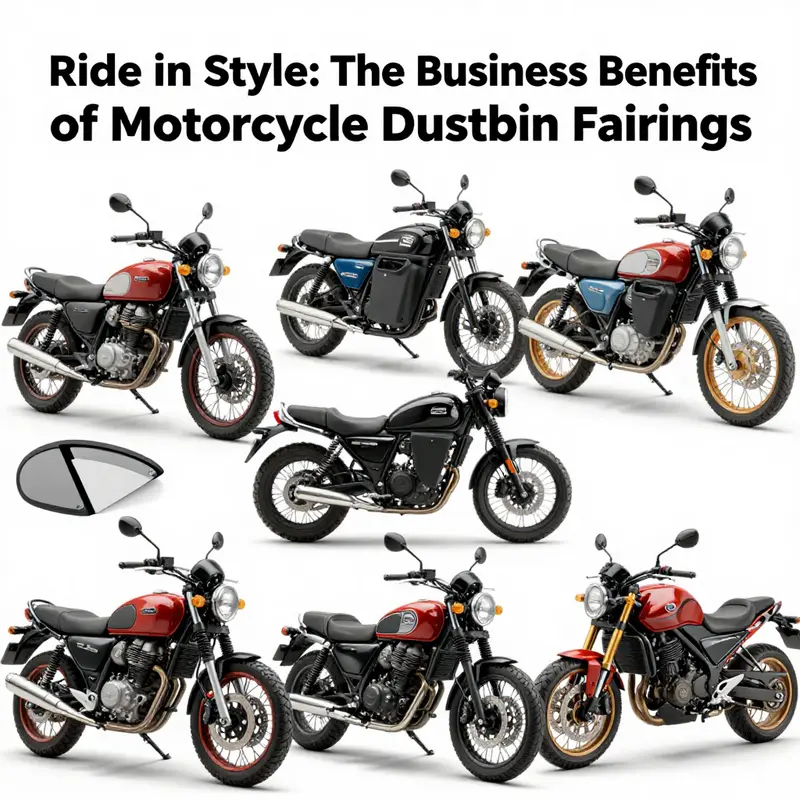
Dustbin fairings, often nicknamed for their boxy, utilitarian silhouette, occupy a distinctive niche in the world of motorcycle customization. They arrive in showrooms and online catalogs as affordable, visually bold alternatives to the curvaceous, aerodynamically optimized fairings that dominate premium models. For riders eyeing a quick transformation without a heavy investment, these fairings promise a striking silhouette, a sense of personal touch, and a degree of weather protection that can be enough to make a daily ride more comfortable. Yet the same boxy geometry that gives them their unmistakable character also invites a careful reckoning of fit, performance, and long-term maintenance. The conversation around dustbin fairings is not simply about aesthetics; it is about the compromises and practical decisions that every rider must weigh when they choose a form of bodywork that sits between function and fashion, between factory perfection and aftermarket improvisation.
From a design perspective, the dustbin fairing speaks in a language of bold lines and straight edges. The front profile tends to present a broad, rectangular or angular plane that prioritizes presence over streamlined airflow. This is not to say that the fairing offers nothing in the way of wind protection; it provides a barrier against rain and road debris and gives the rider a modicum of shelter from wind pressure. The price, however, is a different kind of aerodynamic realism. The same straight lines that project a rugged, utilitarian vibe disrupt the smooth laminar flow around the bike, which means riders may experience more wind noise and fatigue on longer trips. In practice, this is a trade-off many riders accept for the sake of a look that says streetwise, not showroom-perfect.
Material choice in these parts typically centers on cost-conscious plastics. ABS (acrylonitrile butadiene styrene) or polycarbonate composites are common, favored for their light weight and ease of molding. The result is a fairing that can be produced in large volumes at a low price, which resonates with buyers who are shopping by price as much as by design. But the material choice also carries a narrative about durability and resilience. ABS can resist impact to a degree and holds color well, yet it may become more brittle in extreme cold or after prolonged UV exposure. Polycarbonate, where used, bolsters impact resistance and transparency for lighting elements, but it can come at a higher cost and with different mounting considerations. Buyers should weigh these material traits not just in terms of initial paint and finish appeal, but in how the piece stands up to daily riding, seasonal conditions, and the inevitable road grime that grit and heat conjure.
The fitment reality of dustbin fairings is a recurring theme in buyer discussions. Unlike model-specific factory fairings, dustbin designs frequently aim for universal or generic compatibility. This broad scope can be a double-edged sword. On the upside, it means a potential rider with a wide range of bikes—whether a compact commuter, a mid-displacement naked, or a small scooter—can imagine a new look without waiting for a dealer to stock a precise, model-matched panel. On the downside, universal fit often translates into alignment challenges. Gaps between the fairing and the bike’s actual bodywork may occur, and the instrument cluster, headlights, and indicators might require careful tinkering to achieve a reasonable alignment. If a builder wants a clean, factory-like install, the dustbin path often demands a willingness to adjust mounting points, trim edges, or add shims to coax everything into place. In other words, the dream of a bolt-on, plug-and-play solution may be tempered by real-world fitment work, the kind of hands-on effort that transforms a boxy shell into a coherent, road-ready face.
Mounting systems reflect this tension between accessibility and precision. The typical approach involves bolt-on brackets or simple adhesive attachments. Some installations may require drilling or trimming to align with the bike’s lights, fairing mount points, or instrument housings. This is not inherently a flaw; it is a characteristic of an aftermarket product category that prioritizes affordability and rapid customization. When a mounting plan is careful and methodical—marking reference points, dry-fitting before permanent changes, and choosing hardware that minimizes stress on brackets—the end result can be sturdy enough for daily use. Riders should still expect periodic checks for alignment, especially after riding through rough terrain or after a rough transportation route that might jostle the fairing loose from its initial position.
Weather resistance is another practical dimension in this conversation. Dustbin fairings are designed to withstand UV exposure and typical rain cycles, but they are not necessarily engineered for extreme climates or high-speed aerodynamics. The reactivity of the plastic under sun exposure, the potential for color fading, and the risk of cracking in very cold conditions are all factors to monitor over time. Routine maintenance—cleaning, gentle waxing, and inspection of fasteners—helps preserve not only the appearance but also the structural integrity of the mounting system. Riders who live in areas with harsh weather may want to treat these pieces as maintenance items rather than permanent fixtures. The lightness of the material is a benefit here as well; even if the fairing isn’t the apex of aerodynamic performance, its weight contribution is typically modest and can help preserve overall handling when compared with bulkier, heavier alternatives.
In the marketplace, function often intersects with cultural context. Dustbin fairings travel across regions where affordability and ease of access to aftermarket components matter a great deal. They have found a particularly receptive audience among riders who ride small-displacement machines and scooters, where the aesthetic shift is a low-risk, high-visibility customization. The budget-friendly appeal aligns with urban riding cultures that prize style without the premium price tag that comes with high-end factory or boutique aftermarket parts. In many parts of the world, the appeal of a bold new look is amplified by the pace of daily life and the relative ease of sourcing universal-fit components, which means a boxy silhouette might be the most visible, affordable, and influential statement a rider makes about their bike at a market stall or online shop.
The conversation also touches legality and safety in a meaningful way. Many dustbin fairings are not crash-tested to international standards, and some jurisdictions require that lighting and reflectivity regulations be met. This is not a hard rule applied everywhere, but it is a cautionary note that buyers should research local regulations and ensure that the installed piece does not obscure critical lights, signals, or the rider’s visibility. The structure of the fairing, including how it affects cooling airflow for air-cooled engines, becomes relevant here as well. A poorly matched panel can trap heat or interrupt airflow over certain engine designs, potentially influencing performance and reliability. This is less a universal dragon to slay than a reminder to approach installation with a plan—measure twice, drill once, and verify that the final assembly leaves adequate clearance for moving parts and wiring harnesses.
Aesthetics, too, deserve a considered voice. The dustbin shape makes a clear stylistic choice—a statement that blends utilitarian vibes with street-smart bravado. For riders seeking to evoke a particular character—from urban scrambler to minimalist streetfighter—the boxy aesthetic is a canvas as much as a cover. It invites contrast or complement with other bodywork elements, including exhaust, handlebars, and seats, to create a cohesive look. Color and finish can either muddy or elevate the effect. A matte finish can underscore rugged practicality, while a glossy print may produce a more aggressive, sport-forward vibe. In the end, the value proposition rests not only on the price tag but on the degree to which the fairing helps the rider feel connected to the bike’s persona and to their own sense of ride-ready identity.
From a buyer’s perspective, the decision to pursue a dustbin fairing hinges on several practical questions. Is the ride category a commuter, a small-scooter specialist, or a budget streetfighter in the making? How important is immediate, bolt-on aesthetics versus a longer horizon of potential refinements? Will the rider be performing their own installation, or will they rely on a technician to ensure alignment and finish quality? How does the fairing code into a broader customization plan that includes lighting, instrumentation, and protective accessories? The market commoditizes a wide range of options, and the buyer’s approach should be to balance the passion for a distinctive look with a methodical assessment of the bike’s existing geometry and the rider’s own mechanical comfort level.
The decision to explore a dustbin fairing often leads riders to explore catalogs and online shops that emphasize compatibility over exact model matching. In such spaces, real-world feedback, fitment photos, and compatibility notes become vital signals. It is helpful to approach the purchase with a plan for how the piece will be mounted and how it will age over time. A practical approach is to start with a clear picture of the bike’s current wiring and mounting points, then map a plan that ensures the new panel doesn’t put stress on bolts or create interference with steering, brakes, or the fuel tank. In places where resellers provide model-specific variants of otherwise universal shapes, there is a useful middle path: use a boxy shell for the overall look while selecting a fairing kit that offers at least some alignment coordinates or adjustable mounting points. That way, the rider enjoys a blended outcome—bold, affordable style with the confidence of a stable fit.
For riders curious about how these shapes interact with broader styling ecosystems, an approachable way to explore compatible options is to browse model-oriented collections that group fairings by brand families. A practical first step in this exploration is to look at a broader assortment of fairings that align with popular marques and bodywork philosophies. In this sense, the market can be navigated by starting from a brand- or model-centric lens and then broadening to universal fit options. If you are curious about model-specific lines for a familiar brand, a convenient starting point in the online landscape is the Honda fairings collection, which offers a window into how factory-inspired shell shapes can contrast with budget, universal forms. See the collection here: Honda fairings collection.
Delivery and aftermarket ecosystems complete the story. Dustbin fairings are often sold as complete sets or as individual panels for those who want to replace only a portion of their bodywork. The packaging and instruction sheets may emphasize light installation, but many buyers discover that a proper fit requires tolerance checks and, at times, trimming or repositioning mounting brackets. The presence of clear, color-matched paint options matters here as well, because the visual integration with existing bike finishes can either amplify the bold silhouette or reveal seams and color mismatches that break the intended effect. Many vendors provide color-matching services, or at least offer a curated color palette aligned with common bike finishes, to streamline the process of achieving a coherent look. This is especially helpful for riders who are weaving a patchwork aesthetic—their own mix of stock surfaces and upgraded panels—into a single, consistent visual language.
Beyond aesthetics and fitment, there is a conversation about longevity and lifecycle costs. Dustbin fairings typically represent a lower upfront investment than factory or high-end boutique panels. Over time, though, the dollar equation may shift if the rider encounters frequent repairs, touch-ups, or replacements due to cracking or color fading. The decision framework then rotates to insurance of value: does the visual upgrade deliver enough street presence and personal satisfaction to justify the ongoing maintenance and potential replacement costs? Many riders discover that the answer is yes, so long as they approach the choice with a willingness to perform or supervise careful installation, to select appropriate hardware, and to manage expectations about wind protection and aerodynamics. In this balanced view, the dustbin fairing becomes a pragmatic instrument of personal expression rather than a singular, pole-ward pursuit of top-tier performance.
If the chapter is offering a concise set of practical takeaways, it is the blend of affordability, customization speed, and stylistic boldness that defines the dustbin fairing as a category. It is not a mirror of premium aerodynamics, but it is a mirror of the rider’s priorities: speed to market, visual impact, and the flexibility to adapt a bike to changing moods or street cultures. The choice to pursue such a piece, then, is a declaration of intent—an embrace of practicality that does not abandon personal taste. The rider commits to a look and a feel that is recognizably theirs, even if the path to that look involves a bit of tinkering and a willingness to explore fitment options beyond the most obvious, factory-standard approach. In the end, the dustbin fairing on sale represents more than a part; it is a statement about how riders value access, expression, and the ongoing conversation between rider, machine, and market.
For readers who want to dive deeper into how this category fits within a broader ecosystem of motorcycle bodywork, exploring a manufacturer- or brand-aligned catalog can illuminate how different design philosophies translate into real-world fit and finish. A practical path is to inspect collections that group fairings by model families, which helps riders understand how the boxy silhouette can harmonize with existing lines and the bike’s overall stance. You can begin with a broad look at a brand’s fairing collection, then narrow toward the more affordable, universal-fit options that characterize the dustbin approach. This method makes it easier to identify what you gain in style and what you may concede in airflow efficiency—an exchange that is central to the dustbin fairing narrative.
In closing the practical considerations, a rider should be mindful of the learning curve that comes with any aftermarket bodywork. The learning curve is not a barrier but a doorway to a more satisfying ownership experience. It invites riders to engage with their bikes more actively, to understand how panels align, how to protect wires and lighting, and how to maintain a coherent finish across different components. The dustbin fairing is not merely a shell to mount; it is an invitation to participate in the ongoing craft of customizing a ride in a way that is affordable, expressive, and personally meaningful. It is this blend of accessibility, attitude, and hands-on involvement that makes the dustbin fairing a compelling option in the broader market of motorcycle bodywork. For those who value that blend, the journey from catalog to curb appeal can be surprisingly swift and deeply rewarding.
External resource: For a broader perspective on aerodynamics, legality, safety trade-offs, and why dustbin fairings emerged in certain markets, see a comprehensive guide on Chinese motorcycle fairings and the considerations that accompany them: https://www.motorcycle-technology.com/chinese-motorcycle-fairings-guide/.
Final thoughts
In summary, motorcycle dustbin fairings blend enhanced aerodynamics, unique styling, and practical applications that attract bike enthusiasts and casual riders alike. As market data shows an upward trend in their popularity, business owners are well-positioned to capitalize on this growing niche. It is crucial to stay informed about emerging trends, while also educating customers about the technical specifications that serve their needs. By offering motorcycle dustbin fairings for sale, businesses can not only diversify their product range but also create valuable customer relationships based on quality and trust.