
Motorcycle fairing kits represent not only a significant aesthetic upgrade but also crucial functional enhancements for bikes on the American market. With diverse options ranging from full fairings that optimize aerodynamics to customizable kits for personalized expression, understanding the offerings and advantages of these kits is essential for business owners looking to enhance their inventory or service offerings. As we dive into the main types of fairing kits, their performance benefits, purchasing and installation tips, and current market trends and brand recommendations, you will discover how to engage your customers effectively and drive sales in this competitive sector.
Shaped for Speed and Identity: The Mainstream Landscape of U.S. Motorcycle Fairing Kits
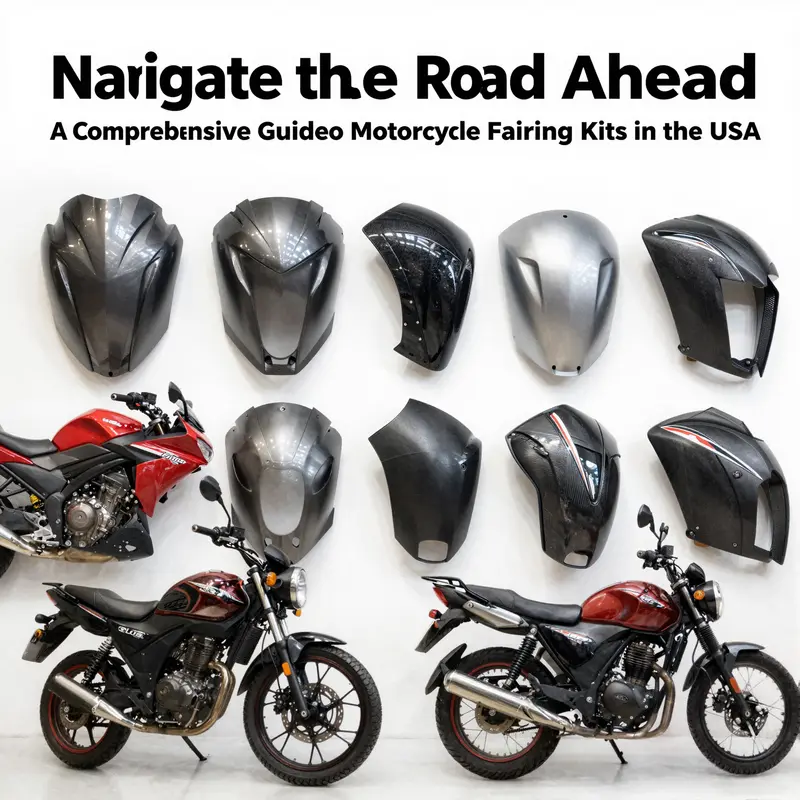
The American market for motorcycle fairing kits has matured into a nuanced conversation about performance, aesthetics, and practicality. Rather than a single best option, riders meet a spectrum of choices that reflect riding style, budget, and the realities of U.S. road conditions. In this landscape, the term fairing kit denotes more than a cosmetic upgrade; it represents a deliberate shift in how a bike interacts with airflow, wind pressure, and the surrounding environment. The result is a culture that values both aerodynamics and personality, technology and taste, efficiency and expression. The most significant takeaway is that mainstream offerings in the United States are defined less by a single shape and more by a decision tree that navigates rider goals, vehicle architecture, and the realities of installation and maintenance. The conversation begins with the most widely adopted category, but it quickly expands into a larger mosaic of options that together define the market’s current rhythm. Among the mainstream categories, half fairings have emerged as the default choice for countless riders who want a balanced package. A half fairing typically covers the upper portion of the bike, from the headlight area through the cockpit, and often reaches down to the upper sides without fully enclosing the motor and the lower chassis. This design delivers a practical union of air management and serviceability. For daily commuting, weekend joyriding, or sport-touring, the half fairing reduces wind pressure on the rider’s torso and head when cruising at highway speeds, while leaving access points to the engine and electronics comparatively straightforward. In the American context, where road surfaces and weather can demand quick adjustments and routine maintenance, that ease of access translates into lower long-term ownership costs and less downtime when repairs are required. The aerodynamic payoff is meaningful, but it’s the combination of performance with everyday practicality that helps explain why half fairings dominate as the most widely adopted option in the market. Beyond half fairings, a more minimalist approach has grown in popularity among riders who prioritize weight, ease of installation, and a clean aesthetic with minimal visual intrusion. Low fairings, sometimes described as lightweight or compact variants, cover only the upper front area near the headlight and front forks. They offer a sleeker silhouette and typically lower manufacturing or replacement costs. In racing and performance-oriented contexts, this family of kits appeals to riders aiming to shave milligrams from the bike’s mass while preserving most of the essential aerodynamic benefits. The installation process is often simpler than full bodywork, and many kits are designed to be modular, enabling targeted changes or quick swaps when a rider wants to pursue a different look or a different airflow profile on a given weekend. The practical impact remains aerodynamic, but with a greater emphasis on nimbleness and a more raw, mechanical appearance that resonates with the appeal of sportier street setups. Full fairings present the more transformative path for riders seeking maximum wind protection and the highest degrees of air management. They envelop front and sides and often include the lower portions of the bike as well, creating a single aerodynamic envelope. In the U.S. market, full fairings are favored by riders who spend long hours in the saddle at sustained highway speeds or who prioritize cornering stability and reduced fatigue on fast, open roads. The payoff comes in the form of improved high-speed stability, lower wind buffeting, and a more contained cabin that can support quieter rides and lower rider fatigue. It is important, however, to acknowledge the operational challenges and trade-offs: full fairings can complicate maintenance access and repairs, and the weight they add—while often offset by materials like composites or lightweight plastics—can influence handling in less forgiving terrain or on older, less robust chassis designs. For this reason, the mainstream market remains balanced, with many riders choosing full fairings for occasional long-distance rides and sport riders reserving them for track days or dedicated highway cruising. A newer but increasingly common category sits on the border between form and function: naked bike-inspired kits. These kits aim to preserve the exposed mechanical appeal of a naked bike while adding a tailored fairing element that provides some wind deflection and the visual drama of a fully enclosed look. They appeal to riders who prize the aesthetic of muscular, minimal electronics and engine exposure but who also recognize the benefits that even a modest amount of shielding can confer. The result is a flexible compromise—an approach that honors the naked-bike ethos while offering a practical layer of wind management for everyday riding and occasional sport use. In many American examples, these kits are constructed from a mix of fiberglass composites or lighter weight plastics, chosen for their balance of cost, ease of assembly, and the ability to achieve distinctive styling without overwhelming the bike’s original character. The market narrative around naked kits underscores a broader trend: riders want customization without sacrificing the purity of their ride’s mechanical narrative. The discussions about mainstream types would be incomplete without touching on customization and fitment philosophy. A core principle in the United States is that compatibility matters first. Motorcycles exist in a wide array of frame designs, mounting points, and electrical architectures, and a mismatch between a kit and a bike’s year, model, or trim can lead to alignment challenges, compromised weather sealing, and unintended interference with controls and sensors. The emphasis on exact-fit compatibility is not merely about fit; it’s about ensuring that the aerodynamics perform as designed and that the installation does not undermine the bike’s safety-critical interfaces. For many riders, this means turning to kits designed for broad model families or opting for brands that emphasize modular, plug-and-play integration. In this context, the language of the market favors precision engineering, standardized mounting points, and a spirit of coordinated design that respects the bike’s original geometry while delivering the transformative effect of fairing upgrades. Materials play a decisive role in shaping the performance envelope and the total cost of ownership. The most common materials—polypropylene (PP), ABS plastics, and carbon-fiber composites—each bring a distinct profile to the table. PP offers a robust balance between stiffness and impact resistance and tends to be an economical choice with decent long-term durability. ABS raises the bar on structural integrity and resistance to impact, especially in the face of trail debris and weathering, while still maintaining a reasonable weight profile. Carbon-fiber composites deliver a premium combination of lightness and rigidity, with a crisp, high-end finish that many riders associate with performance and exclusivity. The trade-offs are clear: carbon fiber represents a higher upfront cost and a more demanding manufacturing process, while ABS and PP present more accessible routes that keep price within reach for a broader audience. In practice, most mainstream options strike a practical middle ground—systems that offer reliable performance and good durability without pushing the price into an extraordinary tier. This pragmatic material approach aligns well with the American market’s broad spectrum of riders, from daily commuters to weekend enthusiasts. From the standpoint of performance, the gains won through well-designed fairing kits extend beyond brochures and spec sheets. Aerodynamic shaping directly reduces drag, which translates into improved stability at speed and, in many cases, a more efficient ride with lower fuel consumption on long highway sections. The wind-load dynamics are not simply about cutting wind; they are about distributing that wind pressure more evenly over the rider’s posture and the bike’s bodywork. That can lessen the perception of buffeting around the helmet and shoulders, contributing to a more comfortable long-haul experience. In addition, a modern fairing kit can improve protection from road debris, rain, and cold air, extending the practical riding window for certain climates and seasons. Beyond these functional elements, the aesthetic transformation—clean lines, integrated lighting, and a cohesive color story—plays a crucial role in the rider’s sense of identity and ownership. A fairing kit becomes a canvas on which a rider can express taste, speed sensibilities, and a personal narrative of how they interact with their machine and the road ahead. Installation considerations are a critical throughline in the mainstream conversation. The truth is that the most transformative benefits come when installation respects both the vehicle’s structure and its safety systems. Full fairings, for example, frequently require careful alignment, torque specifications, and sometimes re-routing or resealing of electrical connections. Given the complexities involved, many riders opt for professional installation or seek out authorized service centers with experience in bodywork and electronics. The modularity trend—kits designed to be assembled in segments or panels that can be swapped or upgraded without tearing the full assembly apart—helps reduce downtime and makes maintenance more approachable. This modular philosophy not only lowers the barrier to experimenting with different looks but also supports ongoing customization as tastes evolve or as new paint schemes and lighting complements come onto the market. It’s a practical, repeatable approach to personalization that sits well with a market that values both durability and adaptability. In reviewing market trends for 2026, several undercurrents shape how mainstream products are evolving. Customization and aesthetics continue to blend with functionality, as manufacturers integrate lighting, instrument integration, and color-matched finishes into the fairing architecture. Riders now expect the option not only to alter the silhouette but also to harmonize with the bike’s electronic displays, control panels, and ambient lighting. Eco-conscious manufacturing is also appearing more prominently. A subset of brands experiment with recycled or bio-based resins and more sustainable production processes. While the performance improvements remain the central hook, buyers increasingly weigh the lifecycle impact of their upgrades, whether through the durability of the materials, the ease of repair after an impact, or the recyclability of the kit at the end of its life. In the realm of distribution, the growth of e-commerce platforms has reshaped how riders discover and purchase fairing kits. Clear fitment data, customer photos, and detailed installation videos have become standard expectations, and buyers often rely on these digital assets to preview how a kit will alter a bike’s lines, weight perception, and overall presence on the road. All of these considerations come into sharper focus when a rider weighs purchase options against real-world constraints. The spectrum of kits and the diversity of bikes in the U.S. market mean that a thoughtful decision hinges on a clear picture of riding goals. For highway stamina, a half or full fairing often makes sense, delivering substantial aerodynamic benefits with manageable maintenance consequences. For those who prize agility and a lighter feel, low fairings or even certain naked-leaning designs can provide compelling advantages. For riders who want maximum wind protection and a highly integrated aesthetic, a full fairing with choices about paint, lighting, and instrument integration can deliver a striking transformation that also preserves, or even enhances, resale value if maintained properly. Across all these paths, the central design questions remain: how much coverage is needed; how will the kit align with the bike’s frame and electronics; what materials prove most durable in the rider’s climate; and how will maintenance be handled over the life of the kit? Answering these questions helps ensure that the upgrade serves not only the rider’s tastes but also the machine’s integrity and the rider’s safety in real-world conditions. To translate these ideas into a practical approach for prospective buyers, consider the decision framework that underpins mainstream choices in the United States. Start with the bike’s purpose: is it a commuter, a sport-treak, a dedicated tourer, or a weekend track enthusiast? The answer guides the scale and scope of the kit. Next, evaluate the riding environment: highway speeds, weather variance, and the likelihood of debris. Climate and terrain influence how critical wind protection and weather sealing become. Then assess the maintenance ecosystem: how accessible are the panels, what tools are required, and how easily can the kit be integrated with existing electrical systems. Finally, consider the budget, balancing upfront costs against the expected durability, potential resale value, and the satisfaction of a tailored look. The mainstream fairing kit market is well equipped to support this kind of thoughtful, values-driven decision-making, offering options that align with a rider’s budget while still delivering credible aerodynamics and a cohesive, polished appearance. For riders who want a compact roadmap to explore options, a single entry point in the catalog of fairings can help establish a baseline. A practical catalog of compatible options is available in the market’s broader collection, where the emphasis is on reliable fit and clear installation guidance. The emphasis throughout is on finding a kit that matches the bike’s geometry and the rider’s ambitions. In this sense, the mainstream landscape in the United States rewards careful integration and a sense of balance between performance gains and practical considerations such as maintenance access and weather sealing. The result is a market that supports a wide range of riders—from the pragmatic commuter who values a clean, protected cockpit to the performance-focused traveler who wants a defined aerodynamic envelope and a bold visual statement. As the conversation moves forward, the role of documentation and guidance remains central. Installers lean on technical manuals and video tutorials that illustrate panel alignment, sealing practices, and the proper reattachment of fasteners and mounting hardware. The best sources emphasize that precision is not a luxury but a necessity for success. In the end, the mainstream product landscape in the United States reflects a mature market that recognizes the interplay between function and form. It offers a spectrum of choices that can be tailored to different bikes, riding styles, and personal aesthetics, while preserving the practical realities of maintenance, repair, and safety. This is the essence of the current fairing-kits ecosystem: a well-developed, diverse, and increasingly intelligent set of options that empower riders to shape both speed and identity on their own terms. For readers seeking to explore specific examples and compatible ranges, a practical door into the catalog is available through a dedicated collection that aggregates fairings across chassis families. While the details of any single kit will depend on the exact year and model, the overarching pattern remains consistent: compatibility, modularity, and a thoughtful balance between cost and durability. This marketplace narrative—where form follows function and customization follows confidence—reflects a broader truth about riding in the United States: the gear you choose should amplify your ride without compromising the fundamentals that keep you safe and on the road. The fairing kit conversation, therefore, is not merely about whether a bike looks faster; it’s about whether the upgrade makes the ride more predictable, more enjoyable, and more personal over time. The result is a thriving ecosystem where riders can pursue speed, comfort, and identity in equal measure. Internal reference for further exploration: Fairings collection. Fairings collection External reference: A detailed external resource that provides compatibility data and technical parameters for contemporary fairing kits can be found at this marketplace page: https://www.alibaba.com/product-detail/Kawasaki-Ninja650-2020-2023-Motorcycle-Fairings_1600794849769.html?spm=a2700.1.w52020.1.7f5b1c4dUvGwQa
Aerodynamic Craft, Rider Comfort, and Custom Identity: The Core Advantages of Motorcycle Fairing Kits in the USA
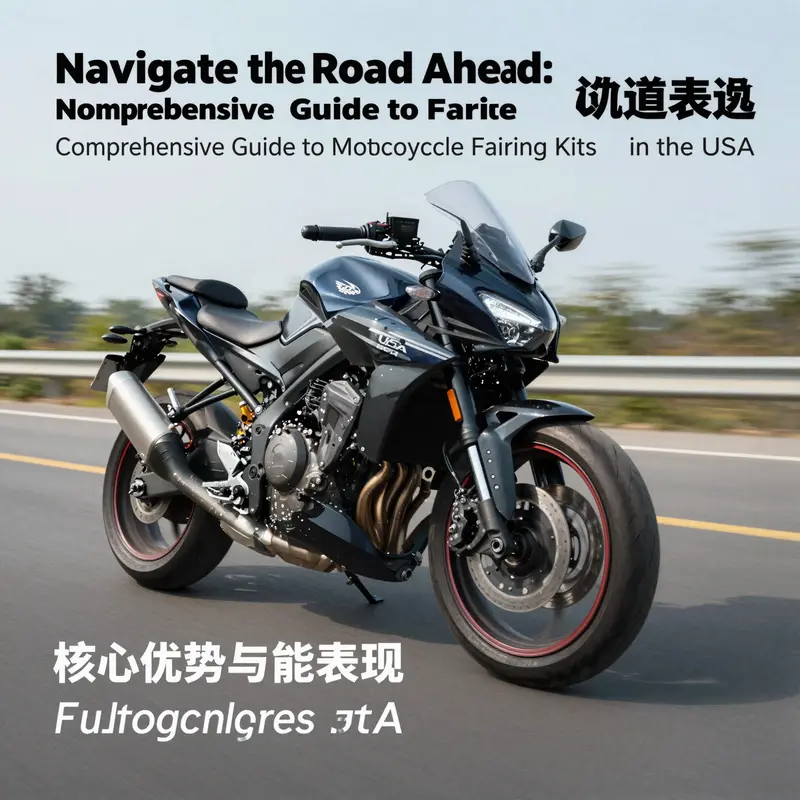
Riders in the United States have grown accustomed to upgrades that combine form and function. In the realm of motorcycling, the fairing kit has evolved from a cosmetic accessory to a comprehensive performance package. Across street bikes and touring machines alike, the kit acts as a sacrament of engineering that channels wind, protects the rider, and signals a rider’s intention through design. The American market has responded with a diverse ecosystem of options that span full fairings, half fairings, and compact quarter fairings, each tailored to different riding philosophies and road realities. The value proposition now extends beyond a simple aesthetic lift; it’s about building a coherent ride that suits long highway hours, tight urban lanes, and sundry weather scenarios. The express demand for higher-quality materials, more precise fitment, and cleaner integration with electronics has pushed suppliers toward standardized fitment data, more realistic mounting systems, and better aftermarket support. In this climate, a motorcycle fairing kit becomes a multi-layer upgrade—airflow management, rider protection, and personal style—woven into a single package that can reshape an entire riding experience.
At the core of any fairing kit is aerodynamics. Designers in the United States craft shapes that minimize drag while guiding air to where it helps rather than hinders. A well-designed full fairing does more than cover the engine; it orchestrates the air around the rider’s torso and hands, reducing the wind pressure that would otherwise sap stability at highway speeds. Modern configurations steer air toward intakes and radiators with intentionally placed vents, balancing cooling needs with aerodynamics. The result is a measurable reduction in drag coefficient, a steadier top end, and a quieter, more productive cruising posture. In practice, riders notice less fatigue after long stretches, since the wind energy that hoists shoulders or jars the helmet is redistributed along a more predictable flow. Some designs even borrow a shark-inspired leading edge to slice through the wind more cleanly, creating a subtle but real difference in how the bike behaves when pressed into a headwind. The key is precision—surface smoothness, alignment with the bike’s existing contours, and a careful transition from the nose to the sides to keep the flow attached rather than separated.
Riders know that comfort is not a luxury but a limiter on safety and enjoyment. A proper fairing kit acts as a wind shield, turning gusty crosswinds and oncoming blasts into a calmer stream that sweeps past the rider rather than colliding with it. Half-fairing configurations offer a balanced approach, wrapping the upper body while keeping access to maintenance and chassis components straightforward. For longer journeys, the ability to fine-tune the windblast with adjustable windshields or venting systems translates into hours of more controlled nerve flow, less crowding of the helmet, and reduced neck and shoulder strain. The fairing also interacts with the rider’s posture; the more it guides the air in a predictable envelope, the less effort is spent keeping a steady line at speed. Additionally, integrated knock-on effects—reduced engine heat perception, quieter cabin-like soundscapes at highway tempo, and fewer conk-out moments in rain or wind—contribute to a riding experience that feels more like a well-tuned instrument than a bare machine. When mounted with careful attention to fitment, these benefits are not theoretical; they translate into real-world comfort that can alter route choices and daily commute patterns.
Beyond comfort, a well-matched fairing kit can improve engine efficiency by lowering the energy drain from wind. In practice, the ride becomes more eager in top gear, as the engine confronts less drag during highway pulls. This translates to modest but meaningful gains in fuel economy on extended trips and reduced cooling demands when air is free of turbulent pockets behind a bulky silhouette. There is also a practical effect on the chassis: by controlling the flow of air around the front and sides, the bike’s handling characteristics—stability in lane positioning, predictability in corner entry, and even feedback through the footpegs—become easier to read and manage. In high-altitude or high-speed environments, the difference can be especially noticeable as the reduced drag allows the engine to hold power with less throttle. The combined effect is a more confident ride at speed and a broader operating window for the bike in everyday conditions, where riders stretch their miles but still want predictable behavior and gentle throttle response.
Materials determine how a fairing kit behaves when confronted with road grit, sun exposure, and temperature swings typical of the American road network. Many kits in the market rely on tough, impact-resistant plastics such as ABS or polypropylene, which offer good rigidity and resilience against stone strikes and minor collisions. For riders chasing maximum lightness and stiffness, carbon fiber composites appear, but at a premium price. The challenge for consumers is balancing cost, durability, and UV stability; a kit that cracks in winter or hazes in the sun erodes confidence quickly. In response, manufacturers increasingly offer UV-stable additives and protective surface finishes that resist scratching and yellowing. Customization follows suit: color-matched finishes, decals, and even textured surfaces that echo a bike’s paint scheme or racing heritage are common. A growing subset of services provides design consultation, allowing riders to preview color palettes, stripe layouts, and emblem placement before committing to a full repaint. This harmonizes the upgrade with the bike’s overall aesthetic and helps preserve resale value by delivering a well-integrated look rather than a mismatched afterthought.
Rising trends in 2026 lean toward integration rather than add-ons. Some fairing kits are designed to work with the bike’s lighting and instrumentation as a single package, reducing the number of separate modification steps. The lighting integration can include flush-mounted LED elements that echo the bike’s design language, while instrument housing is adjusted to accommodate new gauges or displays without forcing a windshield or flaring panel to deviate from the original geometry. The result is a smoother silhouette, fewer creases, and fewer vulnerable junctions where water, dust, or debris could collect. This fusion of aesthetics and electronics not only elevates the appearance but also simplifies maintenance and reduces the risk of misalignment after a street incident. The shift toward modular components—snap-in headlight shrouds, quick-release panels, and gasketed joints—makes installation less invasive and more reversible, a practical advantage for owners who frequently switch bikes or revert to stock during trade-ins. Still, the best outcomes come from professional fitting that respects the original frame geometry and electrical routing, ensuring that airbags, sensors, or torque-sensing features continue to perform as intended.
Market dynamics reflect a broader willingness to treat upgrades as part of the riding identity, not merely as performance tweaks. The wave of customization blends color, texture, and geometry to yield a unique silhouette that still respects the bike’s fundamental proportions. A portion of manufacturers experiment with recycled plastics and plant-based resins to address environmental concerns and comply with evolving regulatory standards. This shift toward sustainability does not necessarily compromise strength; the right formulation preserves impact resistance and weather resilience while reducing the device’s ecological footprint. Consumers expect not only durable parts but also straightforward channels for procurement. E-commerce platforms, detailed installation videos, and clear fitment data empower buyers to compare options, sample finishes, and plan a future upgrade. The ability to order a complete kit or modular components online, with options for color-matching and quick-ship delivery, reduces downtime and makes the upgrade accessible to riders who value speed and convenience as much as performance.
From acceleration to braking, riding demands predictability; everything, including the fairing, must respect the bike’s frame and mounting points. Compatibility remains the guiding principle: a kit must fit the specific model year and chassis before any cutting or drilling is attempted. The modern market favors kits that align with factory bolt patterns and use existing mounting points, minimizing the need for proprietary hardware or patchwork modifications. For many riders, professional installation is prudent when wiring harnesses or electronics are involved, or when there is risk to frame integrity or radiator routing. Some installers provide step-by-step guides and time estimates, along with cautionary notes about possible paint damage or seal leaks if the surface preparation is not precise. The aim is to achieve a seamless transition from old to new, so the final surface is flush, the joints are watertight, and the airflow remains uninterrupted. Budgeting for alignment checks after installation ensures the fairing remains symmetric and that mirrors, headlights, and turn signals remain correctly aimed.
Beyond the ride, fairing kits influence how the bike is perceived in the market. A coherent, factory-like appearance reduces the sticker shock of a major upgrade and signals a rider’s commitment to the vehicle’s ongoing development. When installation is executed with careful attention to fit and color, the result feels intentional rather than ad hoc. Because a fairing kit often covers the same surface area that the original panel did, it can also preserve or even enhance resale value by presenting a refreshed, modern exterior that still looks proportionate to the chassis. Buyers looking for a used machine commonly associate well-fitted aftermarket fairings with careful maintenance and thoughtful ownership. In this way, the fairing upgrade supports a broader ecosystem of parts, services, and communities centered on the sport’s practical and aesthetic dimensions.
Ultimately, the core advantages of motorcycle fairing kits in the USA converge on three pillars: aerodynamic efficiency, rider comfort, and customizable identity. Riders and shops that treat the kit as a holistic upgrade—selecting the right category, material, and finish—tend to see the greatest return in daily riding and long-distance confidence. The market’s ongoing evolution toward modular systems and integrated features underscores a shift from fixed parts to adaptable platforms. For the long run, choosing a kit that respects the bike’s geometry, offers durable materials, and provides robust installation support will yield the most consistent results. This chapter has sketched the landscape; the next chapters will explore installation workflows, and case studies of how different riding styles—from weekend sport riding to extended touring—make the best use of fairing upgrades. Material selection, environmental considerations, and service networks all merit closer inspection as the conversation moves forward. For riders exploring a broader ecosystem, the integrated options available in the Summit collection offer a practical starting point: Honda fairings collection.
For further reference and deeper technical context, readers can consult official industry resources that synthesize aerodynamic testing, material science, and world-market trends in fairing kit design, such as the broader knowledge base maintained by authoritative sources on Motorcycle Fairing & Fairing Kits USA.
Precision in Form and Function: Navigating the World of Motorcycle Fairing Kits in the USA
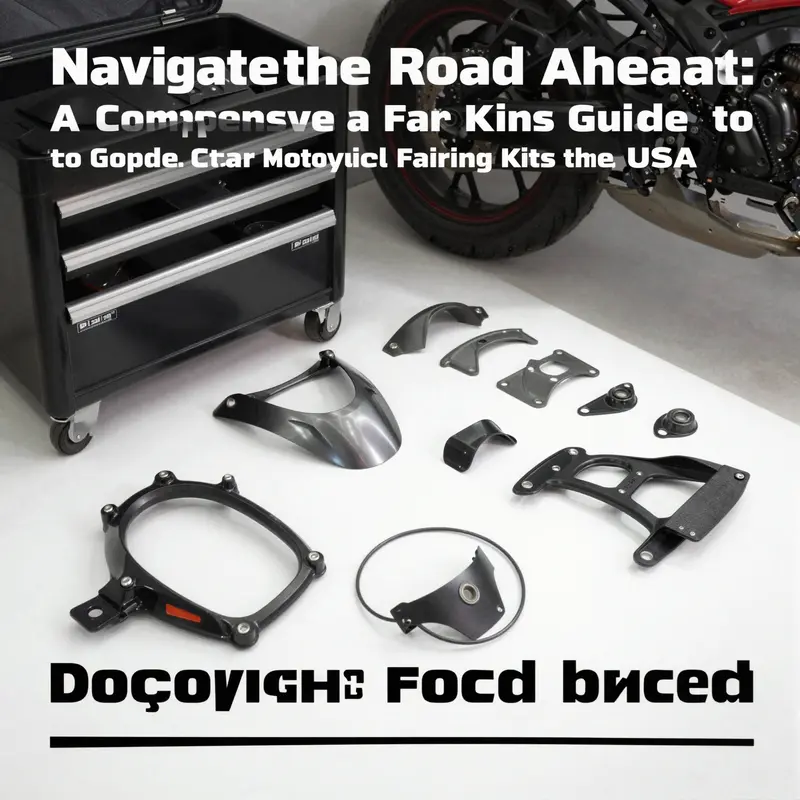
The landscape of motorcycle fairing kits in the United States is more nuanced than a simple swap of panels. It is a careful balance of fit, function, and form that must align with the rider’s goals, the bike’s architecture, and the realities of US roads and regulations. For riders who want to dial in aerodynamics without sacrificing ease of maintenance, or for those pursuing a bolder aesthetic that still respects safety and reliability, the choice of a fairing kit is a decision that reverberates through handling, comfort, and even resale value. In this context, there is no one-size-fits-all solution. Instead, there is a spectrum of options, ranging from lightweight, partial enclosures that improve airflow and reduce wind fatigue for daily riding, to full, race-inspired packages that wrap the entire front and sides of a motorcycle to achieve maximum wind control at highway speeds. Within this spectrum, the real questions become not only what you want to change about the bike’s appearance, but how those changes will influence performance, maintenance, and long-term ownership costs. The path to a satisfying purchase begins with a clear articulation of intended use and a precise understanding of compatibility.
Compatibility stands at the core of every successful installation. Unlike cosmetic decals or decorative bolts, a fairing kit must align with the bike’s frame geometry, mounting points, fuel tank contours, and sensor arrangements. In the US market, most manufacturers deliver a range of options that address different levels of coverage and mounting complexity. There are full fairing kits that seal off the front, sides, and rear of the fairing to create an integrated aerodynamic envelope. There are half-fairing variants that prioritize access to the engine, radiators, and electronics while still delivering meaningful wind protection. And there are quarter fairings and traditional, vintage-inspired pieces that satisfy a niche of riders who value a particular silhouette or a lighter weight profile. In practice, the first conversation you should have with any supplier or installer is about model-year accuracy. The differences between one year and the next can be dramatic enough to render a kit incompatible. A modern, sport-oriented chassis might rely on a different mounting bracket arrangement than an earlier design, and even a few centimeters of misalignment can create gaps, interfere with dashboard or headlight assemblies, or compromise the housing of electrical connectors.
For riders who ride aggressively in open highways or twisty back roads, the aerodynamic payoff of a full fairing kit is substantial. A well-fitted full enclosure reduces drag, stabilizes the helmet’s wind pressure, and lowers the buffeting that can fatigue the neck and shoulders on long rides. The result is not only faster straight-line performance but a calmer, more controlled ride in gusty conditions. Yet the same piece that yields stability on the highway can complicate maintenance and heat management if the design adds bulk around radiators, exhausts, or intake paths. These realities echo throughout the decision-making process: what you gain in wind protection you must balance against serviceability and potential impact on cooling efficiency. For riders who value a cleaner silhouette without diving into a complete overhaul, semi-enclosed or modular designs offer a middle ground. They provide essential wind shielding while preserving access to maintenance points and electronics, which matters when you want to inspect hoses, clamps, or sensors without removing large panels.
Material selection is another decisive thread in the story of fairing kits. In most markets, including the United States, ABS plastics and polypropylene dominate the mainstream offerings. These thermoplastics deliver a favorable mix of rigidity, impact resistance, and cost. A well-made ABS panel with precise tooling can mimic the look of stock parts for a fraction of the price, and its resilience makes it a practical choice for riders who ride aggressively or frequently park in environments where doors and branches can leave scuffs. For enthusiasts who chase lighter weight and a higher-end aesthetic, carbon-fiber composites enter the conversation, offering lower mass and superior stiffness. The tradeoffs, however, are real: carbon fiber pushes price into a higher tier and often necessitates careful handling during installation to avoid surface cracks or damage to the resin system. A less flashy but often overlooked alternative is a high-grade reinforced polymer that blends strength and flexibility, reducing the risk of brittle failure during impact while still delivering a polished finish. In any case, the finish quality—surface smoothness, precise edge radii, and consistent color or clear coat—speaks to overall value. A kit that looks right on the showroom floor but falls apart after a few hot days or a rough highway rut undermines every advantage the buyer sought.
Beyond raw materials, the durability and environment of operation shape the long-term value of a kit. US riders encounter a broad range of climates—from dry, sun-rich western regions to humid, salt-spray coastal environments and the seasonal shifts of the northeast. A fairing kit needs a resin or polymer matrix that resists UV degradation, resists moisture intrusion, and tolerates automotive-grade heat during hot summer commutes. The more robust the finish and the tighter the fit, the longer it will hold its shape and seal against road spray. This is not merely a cosmetic concern; it affects wind protection and noise levels. When edges begin to warp or a seam starts to open, the rider feels the difference in wind pressure and may experience increased fatigue. In practice, a well-chosen kit feels almost invisible on a day-to-day basis because it simply behaves as part of the bike rather than as an aftermarket add-on. The goal is to move from “kit” to “system” where panels, fasteners, gaskets, and mounting brackets function as a cohesive whole.
The installation journey is as much about engineering as aesthetics. A common guideline is to treat fairing mounting as a structural modification, not a cosmetic upgrade. The process often begins with a careful inventory of all mounting points and brackets. Some kits are designed for bolt-on use with existing hardware, while others require drilling or bracket fabrication to achieve a flush fit. Electrical interfaces—lighting assemblies, turn signals, and in some cases data lines to displays or control modules—demand meticulous attention. The best practice is to secure the services of a technician who understands both bodywork alignment and the electrical architecture of modern motorcycles. Even minor misalignments during installation can cause undesirable rattling, wind noise, or misdirected a beam of light that compromises visibility. Some riders opt for a modular approach, where a base fairing is installed first and additional panels or optional components are added later. This strategy can reduce downtime and allow for incremental checks of fit and weather sealing. If you choose this path, insist on a detailed installation guide and factory-recommended torque specifications for all fasteners. A robust guide reduces guesswork and speeds up warranty-safe maintenance in the long run.
From an aesthetics and brand-consistency perspective, the fairing is more than a protective shell. It communicates a rider’s personality and intentions, even when the bike is at rest in a parking lot. In recent years, market trends in the United States have increasingly fused exterior design with electrical integration. The newest designs emphasize smoother lines, integrated lighting, and more cohesive instrument clusters. Think of a design language that unifies shape, material, and function so that the fairing looks like an original extension of the motorcycle rather than a postscript. This trend can influence both perception and resale value, because a well-integrated kit is often judged as a more complete, factory-like modification. Importantly, this emphasis on integrated design also raises expectations for professional installation. A well-executed project should feel seamless—from the line of the headlights to the contour of the side panels and the way the windscreen meets the upper fairing. When done right, the difference is not only about air but about confidence: a rider who feels the bike behaves as a single, refined machine rather than a collection of aftermarket parts.
Economic considerations naturally accompany the technical and aesthetic ones. In the United States, a broad spectrum of kit pricing exists. Entry-level, single-panel or lightweight semi-enclosures can be found in the lower hundreds of dollars, while comprehensive, full-coverage kits generally sit in a broader mid-range band. Carbon-fiber or specially finished surfaces can push price well above that range, sometimes into the high three figures or beyond, depending on the complexity of the kit and whether it includes integrated components such as lighting housings or specialized mounting hardware. It is essential to balance upfront cost with anticipated durability, maintenance costs, and potential resale value. A kit that resists daily wear and holds up during road trips can be more economical over the life of the motorcycle than a cheaper option that requires frequent replacement or retrofit.
The purchasing journey, thus, begins with a disciplined process. Start by confirming the exact model-year fit—this cannot be overstated. A panel that aligns perfectly on one year may sit off by a few millimeters on the next. Once compatibility is established, define the usage profile. A rider who spends long hours on highways will prioritize wind protection and noise reduction, while a rider who toggles between city streets and weekend backroads may value ease of maintenance and a lighter weight. Material choice then comes into play: ABS provides cost efficiency and good impact resistance, while polypropylene can offer superior chemical resistance and a slightly tougher surface for scuffs. Carbon fiber offers weight savings and visual appeal but at a premium price point. The finish and surface quality should be your next checkpoint. A careful inspection of edge radii, matching gaps, and the uniformity of the paint or clear coat signals the care that went into the molding and finishing process.
As you narrow the field, consider the supplier’s ecosystem. A reputable kit is not a one-off product; it comes with documentation, a warranty, and access to supported installation instructions or tutorials. In this environment, online resources become valuable allies. For instance, a widely referenced guide emphasizes how compatibility lists and installation procedures are organized, enabling riders to understand which components are truly plug-and-play and which require professional adaptation. For a practical point of reference, see the collections page that aggregates fitting options for a particular family of bikes. This resource can be a useful starting point for mapping the simplest, most reliable routes to a successful upgrade without compromising safety or reliability. The goal is not simply to buy a panel set but to acquire a harmonized, durable system that feels native to the machine and remains serviceable over time.
When it comes to choosing a channel for purchase, the options in the US are diverse. Online marketplaces offer breadth and price competition, but you should weigh the value of direct supplier or authorized dealer programs that provide warranty protection, return policies, and access to updated fitment information. A productive approach is to estimate total cost of ownership, including shipping, potential import duties if ordering from abroad, and anticipated maintenance costs such as weather sealing or re-adhesive work after exposure to heat and vibration. A well-documented purchase includes a clear breakdown of what is included—panels, fasteners, seals, and any required mounting hardware—as well as what tools or professional services are necessary for installation. In short, the smartest investments are those that combine precise fit, durable materials, thoughtful finish, and reliable after-sales support. The result is a kit that not only upgrades aerodynamics and appearance but also preserves the bike’s structural integrity and value over time.
For readers seeking a practical navigation aid within the broader ecosystem, a representative compatibility hub can be a valuable reference point. There, the focus is on organizing model-year fitment, providing clear guidance on which kits align with which chassis, and offering direct channels to professional installation resources. This kind of resource helps riders move beyond marketing claims and into the realm of empirical fit and performance, where the real differences between options reveal themselves in how a bike handles through wind, on bumpy pavement, and at temperature extremes. In the end, the smartest decision rests on the alignment of three pillars: fit, finish, and serviceability. The chapter-to-chapter continuity of this article rests on that alignment, ensuring that readers progress from an understanding of options to a clear plan for acquisition and installation that makes the most of the US market’s distinctive blend of engineering rigor and consumer choice.
To connect this discussion with practical, real-world references, consider exploring a curated collection that focuses on compatibility and aftermarket options. For example, one resource aggregates a broad set of fairing options for different bike families, emphasizing fit and installation guidance. This is a useful starting point when mapping out the initial search and helping to avoid the common pitfall of selecting a kit that looks right but does not align with mounting points. By anchoring your decision to a compatibility-first mindset, you position yourself to reap the aerodynamic and aesthetic benefits with confidence, knowing that the parts you’ve chosen integrate with the bike’s structure and the rider’s everyday needs.
The decision to upgrade with a fairing kit should also be seen in the context of ongoing market movements. Industry producers are increasingly prioritizing sustainability, with some lines embracing recyclable or bio-based resins and more efficient manufacturing processes. Riders who care about environmental impact can align their purchases with these values without compromising performance. Meanwhile, the rise of e-commerce and direct-to-consumer distribution continues to reshape how kits are sourced and supported. Buyers now expect accessible installation tutorials, straightforward return policies, and clear warranty coverage as part of the purchase proposition. The combination of material choice, compatibility, and supplier support ultimately determines whether a kit becomes a durable upgrade or a short-lived modification. In the sections that follow, readers will find a consolidated approach to assessing these factors, with practical steps to move from decision to installation while keeping a sharp eye on long-term value.
Internal reference: For a practical sense of how compatibility information is organized and accessed, you can review the Honda fairings collection on a prominent aftermarket platform. This page exemplifies how fitment data is structured, highlighting the importance of year-specific guidance and clearly delineated installation notes. collections/honda-fairings
External resource: A complementary technical overview that deepens understanding of fairing kit performance is available at Understanding Aprilia RS 125 Fairing Kit, which delves into technical specifications, material grades, and application techniques. https://www.motorcyclefairingkits.com/aprilia-rs-125-fairing-kit
Riding Custom Fit: Market Trends, Craftsmanship, and Choice in U.S. Motorcycle Fairing Kits
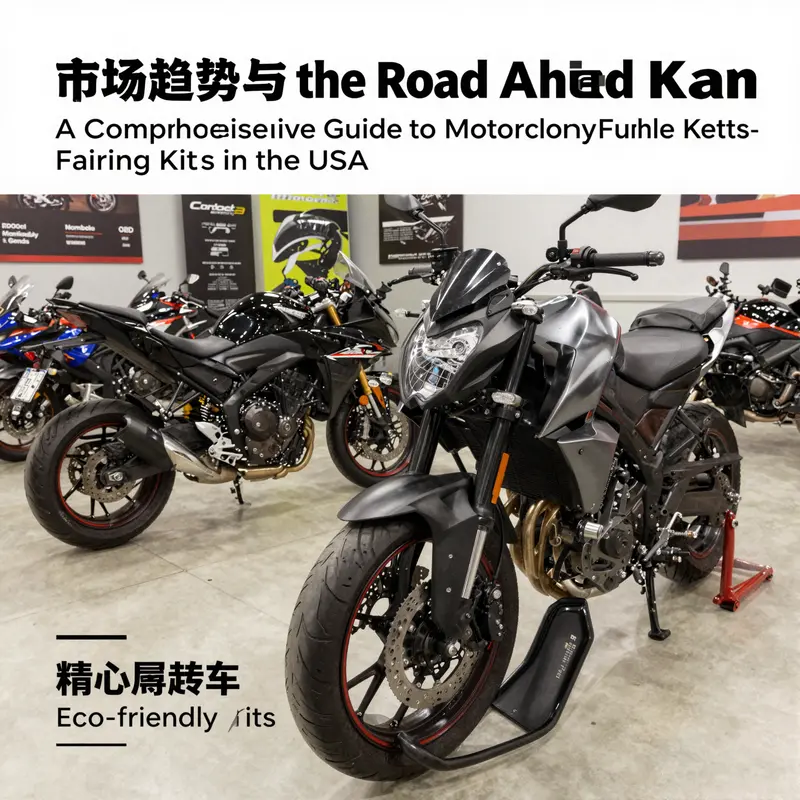
The United States market for motorcycle fairing kits sits at a curious intersection of engineering, personal expression, and evolving consumer expectations. Riders no longer see a fairing kit as a simple aesthetic upgrade or a windscreen replacement; they view it as a modular interface between machine and road. In this landscape, the drivetrain, the chassis, the rider’s posture, and even the vehicle’s electrical architecture all converge around the decision to invest in a fairing system. The result is a marketplace that rewards precision fit, nuanced performance gains, and visually distinctive silhouettes while also prioritizing sustainability, ease of installation, and value over the long term. As a chapter in the broader story of American aftermarket parts, this trend line helps explain why fairing kits have surged from niche accessories to widely adopted, functionally integrated components across a broad spectrum of riding styles.
From the standpoint of design philosophy, the core tension remains consistent: aerodynamic efficiency versus user-friendly maintenance. Full fairing kits, by their very nature, are the most ambitious in this respect. They envelop more of the bike and, as a result, can deliver the greatest wind-resistance reductions, smoother underbody flow, and improved high-speed stability. For riders who rack up miles on highway corridors or who pursue track-like confidence on twisty routes, the payoff is tangible. They experience reduced rider fatigue at high speeds, a calmer wind pressure on the torso and shoulders, and, in many cases, better fuel efficiency at cruising ranges. Yet the very features that make full kits aerodynamic powerhouses can complicate installation and service. Removing and reattaching complex panels may require specialized fasteners, precise alignment, and even integration with electronic elements such as radiator fans or instrument panel housings. Those realities shape a purchasing decision where the rider’s technical comfort, budget, and willingness to invest in professional installation become as important as the estimated aerodynamics gains.
At the other end of the spectrum lie half fairing kits and quarter fairings. These options embody a practical compromise: they preserve the bike’s more accessible serviceability and maintain the character of the original silhouette, while still delivering appreciable aerodynamic improvements and a refreshed appearance. For daily commuting, urban riding, or for riders who value quick paint-to-use capability, these lighter, simpler configurations offer an appealing path to modern aesthetics and improved wind management without the commitment or cost of a full fairing transformation. Even there, the logic has shifted from simply “looking new” to balancing airflow improvements with heat management and ease of access to the engine bay and electronics. The market’s willingness to embrace modular philosophies—where a rider can upgrade or swap parts in stages—reflects a broader trend toward customization and iterative personalization that has become a hallmark of American consumer behavior across various hobbies, sports, and tech domains.
Beyond the form and function, materials play a decisive role in shaping the market. Polypropylene and ABS remain the backbone for many mainstream kits due to their balance of impact resistance, rigidity, cost, and ease of fabrication. They stand up well to the rough-and-tumble realities of U.S. roads, where temperature swings, road debris, and occasional mishaps can test panel integrity. Yet there is a persistent appetite for higher-end materials that offer reduced weight and increased stiffness. Carbon fiber-reinforced composites have made meaningful inroads in performance-oriented builds, where weight savings translate into tangible handling and acceleration benefits. Even so, carbon fiber comes with price points that restrict it to enthusiasts who weigh marginal gains against the budget and who often insist on meticulous fitment and finish. The broader trend, however, is clear: advanced materials are no longer exclusive to elite machines. They are permeating the market, with new manufacturing techniques enabling more accessible composites that strike a practical balance between cost and performance for a wide range of models.
Sustainability increasingly informs material choices and production methods. A segment of the market is turning toward recycled or bio-based resins and recycled polymer blends as a way to align aftermarket upgrades with environmental values and regulatory incentives. This shift is still gathering momentum, but it signals a longer-term trajectory: the fairing ecosystem in the United States is gradually transitioning from a purely performance-driven trade to a more holistic, responsible practice that considers lifecycle impacts, end-of-life recyclability, and supplier transparency. Consumers are starting to ask not only how a kit performs on the bike, but how it was made, what happens to it when it’s replaced, and whether the production process aligns with broader environmental standards.
The business environment for fairing kits is also changing in the way care and information flow to riders. E-commerce has become a critical channel, with multiple platforms offering wide assortments and delivery options while enabling detailed product data, install tutorials, and return policies. This digital shift is not merely about convenience. It also influences how riders educate themselves about fitment, materials, and compatibility. The best kits now come with clear fitment keys by model year, documented mounting procedures, and online resources that reduce the risk of misfitment and subsequent warranty concerns.
In terms of consumer behavior, the American rider’s appetite for personalization has grown beyond mere color schemes and decals. The modern fairing kit is frequently part of an integrated package that includes lighting accents, instrument panel accents, and continuity with the bike’s existing lines. This means a kit can serve as a unifying design cue—an aesthetic statement that ties the headlights, fairing blades, and fairing-mounted graphics into a cohesive look. The evolution of integrated lighting and instrument clusters within the fairing itself helps a rider achieve this sense of unity. As a consequence, the market has seen a rise in modular approaches, where panels and sub assemblies are designed to be swapped or upgraded with relative ease. This modularity is particularly appealing for riders who prize flexibility and who wish to upgrade gradually or align with changing weather or riding seasons.
Riders also increasingly assess the overall ownership proposition. The value of a fairing kit is not only in its immediate wind-cutting capabilities but also in its contribution to vehicle resale value and long-term ownership satisfaction. A well-fitted, correctly colored, and mechanically integrated kit can restore an accident-damaged profile toward its original appearance, offering a practical route to preserving value after a repair. Conversely, a misfit or poorly finished installation can degrade aerodynamics and aesthetics, potentially diminishing resale appeal. These realities reinforce the importance of precise fitment data and professional installation when necessary.
The market’s geographic breadth is another factor shaping the story. Within the United States, enthusiasts in regions with longer winter seasons still chase opportunities to ride, but they require solutions that perform well in a wider range of temperatures and wind conditions. This pushes manufacturers and retailers to emphasize thermal stability, seal integrity, and ease of cleaning and maintenance. Areas with high humidity or significant road salt exposure also push for materials and finishes that resist corrosion and environmental wear. In practice, this means kits designed for U.S. lanes must perform consistently across a broad climate spectrum while maintaining a finish that can withstand repeated cleaning and waxing without sacrificing color depth or gloss.
From a consumer education perspective, the market benefits from more accessible guidance on fitment verification. The best buying experiences now begin with a careful validation of the rider’s specific model year and sub-variant. A pedestrian rule of thumb—match the kit to the exact model year and version—often underpins successful outcomes. This reduces the risk of misfit and subsequent returns, a factor that matters to price-conscious buyers and to sellers who want to sustain high service levels in the aftermarket. As the market moves forward, the emphasis will continue to be on transparent specification data, better install documentation, and more robust post-sale support that helps riders complete a precise, safe, and satisfying upgrade.
To illustrate how this plays out in practice, imagine a rider who has chosen a fairing kit to enhance long-distance comfort and highway stability. The decision process starts with an honest assessment of riding style and the typical speeds reached on their daily routes. It moves to a choice about coverage: a full kit promises the most thorough wind management, but demands careful alignment and potentially more complex installation. A half kit offers a balanced solution with simpler fitment, and a quarter kit provides a cosmetic uplift with easily manageable maintenance. The rider then weighs material choices: a stiff, lightweight carbon fiber option provides a performance edge but at a higher cost, while a more economical ABS or polypropylene solution yields robust impact resistance at a friendlier price. The discussion often returns to a practical need for compatibility verification, because a misalignment can negate the expected gains. The path to resolution typically includes consultation with documentation, and, when necessary, professional installation services that ensure electronic interfaces, such as lighting or instrumentation, remain fully functional. In this mode of thinking, the fairing kit becomes less a purchase and more a system upgrade, a carefully choreographed enhancement that respects the bike’s original architecture while enabling a new expression of riding dynamics and style.
In terms of consumer guidance, it is useful to consider how to approach selection within this ecosystem. One can begin with a clear understanding of the rider’s goals: long-haul comfort, spirited backroad performance, or a striking street-cred silhouette. Next, evaluate the bike’s structural fit and mounting points as documented by the kit provider. Then review the material characteristics and the expected service life, balancing weight savings against cost. Finally, consider installation logistics: whether to rely on an authorized dealer or a trusted independent shop, and whether the kit’s electronics interfaces require professional attention. These steps reduce guesswork and increase the likelihood of a satisfying, durable upgrade that stands up to daily use and the occasional weekend challenge on winding routes.
As the market matures, the ecosystem also broadens in terms of distribution channels and knowledge sharing. Riders can discover inspiration and technical insights through a combination of online tutorials, community forums, and vendor technical notes. The role of education remains critical; it helps ensure riders choose kits that integrate smoothly with their machine’s geometry and electrical architecture, while also encouraging safer, cleaner, and more reliable installations. The result is a market where look and feel matter, where performance benefits are real and measurable, and where the total ownership experience—considering price, durability, and serviceability—has become a decisive factor in making a purchase.
For riders who are exploring their options, digital catalogs and video walk-throughs provide a practical bridge between desire and execution. A well-curated install guide can demystify alignment tolerances, panel gaps, and the sequence of panel attachments, reducing the risk of installing a kit that looks good but performs poorly. A growing portion of the consumer base now expects these resources to be available in multiple languages and to reflect regional ride conditions, such as wet climates or snow-prone roads. The digital layer thus reinforces the physical product by enabling more precise fitment checks, step-by-step assembly, and post-install maintenance routines that keep panels and seals performing well across seasons.
In sum, the U.S. market for motorcycle fairing kits embodies a pragmatic yet aspirational blend of engineering, aesthetics, and owner empowerment. The most successful offerings respond to riders’ dual desires: the pleasure of a more refined riding experience and the pride of a personalized machine that communicates its owner’s tastes. The narrative of 2026 and beyond suggests continued growth for capable, well-supported kits that emphasize precise fitment, responsible material choices, and a balanced approach to performance and maintenance. Riders will increasingly seek makers and retailers who can deliver transparent specifications, dependable installation guidance, and materials that are durable, recyclable, and viable within evolving environmental standards. This is more than a trend; it is a shift in how riders relate to their machines—where upgrading becomes a collaborative, technically informed, and aesthetically satisfying journey.
For readers who want a broader view of how these themes translate into specific, model-agnostic guidance and to explore additional buying considerations, a deeper dive into the practicalities of fairing design and application is worthwhile. The following resource offers technical specifications, grades, and installation techniques that are representative of contemporary U.S. market practice and may help illuminate decisions when evaluating different kit options. Understanding Aprilia RS 125 Fairing Kit: Technical Specifications, Grades, and Application Techniques.
Internal linking note: To see a broad spectrum of compatible configurations that help illustrate the kind of options riders can consider, you can explore the accessible catalog of a major aftermarket retailer’s Yamaha collection: Yamaha fairings collection.
As you weigh your next upgrade, keep in view that the best choice aligns with your bike’s exact year and model, your riding habits, and your willingness to engage in a staged upgrade path. The right fairing kit is not merely a cover set; it is a functional, durable, and expressive extension of the motorcycle itself, capable of shaping the ride and how you feel on it on every mile.
Final thoughts
Understanding the landscape of motorcycle fairing kits in the USA is vital for any business in the industry. By familiarizing yourself with the various types, their advantages, and effective purchasing strategies, you can better cater to your client’s needs while enhancing your inventory. Coupled with insights on current market trends and brand recommendations, you are equipped to navigate this expanding market effectively. Embrace these insights to transform your approach and foster growth in your business.