
The 2006 Yamaha YZF-R1 stands out not only for its exceptional performance but also for its striking aesthetics. Motorcycle fairings play a crucial role in both enhancing the look and improving the aerodynamics of this iconic model. With various options available in the market, understanding the nuances of fairings, their material composition, and customization choices can help business owners better assist their customers. The following chapters will delve into an overview of fairings for the R1, the materials and manufacturing processes, and the market availability along with customization options, providing a holistic understanding of how to best cater to this motorcycle’s aficionados.
Aerodynamics and Identity: Exploring the 2006 Yamaha YZF-R1 Fairings in Context
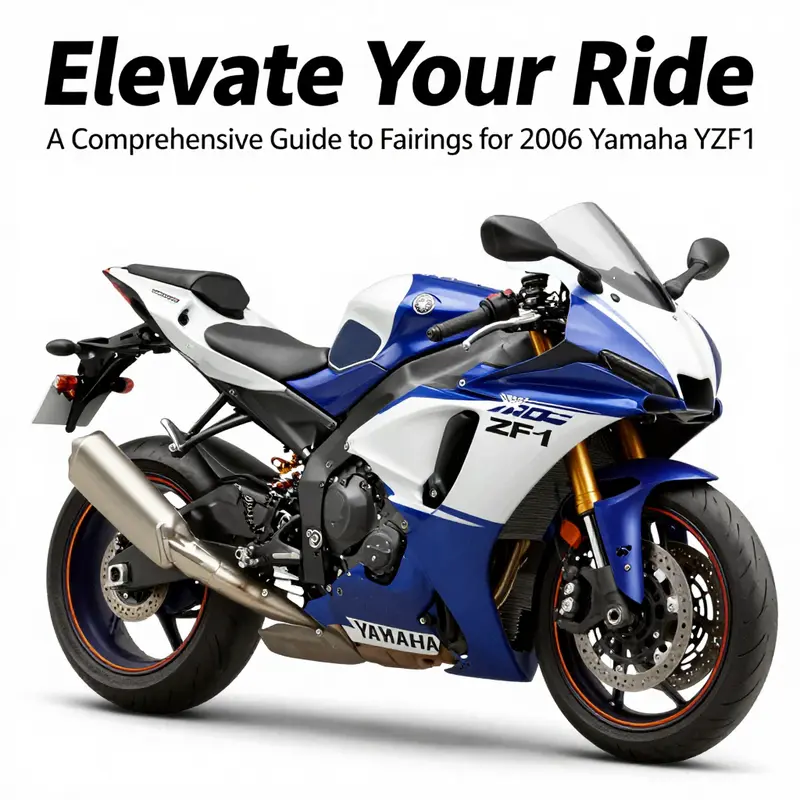
The fairing system of the 2006 Yamaha YZF-R1 is more than a shell that covers the engine; it is a carefully engineered surface that influences how the rider experiences speed, stability, and control. In the 2006 model year, the YZF-R1 stood out not only for its power—approaching a refined crest of 175 horsepower in a package tuned for high-speed precision—but also for the way its bodywork was conceived to work with the chassis. The fairings became a critical contributor to aerodynamic efficiency, cabin-like air management, and the bike’s visual language. This integration mattered as much as the engine tuning or chassis geometry, because at the speeds where sportbikes breathe most freely, every millimeter of surface and every contour can affect stability, front-end lift, and rider fatigue after hours in the saddle. The outward impression—sharp lines, compact side panels, and a compact windscreen—also signaled a bike that was built for track performance, even when ridden on public roads. In that sense, the fairing is both a functional device and a statement about what the rider expects from a flagship machine.
A key feature of the 2006 fairing approach is its use of high-strength ABS plastic, a material that balances rigidity, impact resistance, and light weight. Injection molding processes ensure that each piece can be produced with a high level of dimensional accuracy, which translates into a fit that aligns with the bike’s mounting points and body lines with remarkable consistency. Owners who have replaced or upgraded fairings often highlight the near OEM fit—often described as a 99% match to original equipment parts. That degree of precision matters because a small misalignment can alter the air flow around the headstock, radiator, and fork stops, subtly changing front-end behavior under load. The design intent is to maintain the fairing’s intended rake and setback geometry while accommodating variations that inevitably arise from production tolerances or aftermarket production runs. The result is a family of panels that sit flush, without the gaps and gaps that would otherwise create turbulent air and amplify wind noise or buffeting at triple-digit speeds. In practical terms, this means riders who opt for replacement or upgrade parts can expect a smooth transition that respects the bike’s original aerodynamics, assuming the part is designed for the model year and aligns with the mounting system. In the market, this is not merely about aesthetics; it is about preserving the performance envelope that the engineers tuned in wind tunnels and on the track.
Beyond material choice and fit, the finishing and preparation of the fairings reveal a concern for longevity and appearance. Some aftermarket options are shipped pre-drilled, with holes aligned to the bike’s mounting brackets and fasteners. This detail saves time during installation and reduces the risk of misalignment, which could otherwise compromise both the wind deflection properties and the rider’s line of sight through the windscreen. A three-coat primer approach is common in many aftermarket lineups, intended to promote adhesion and to provide a foundation that resists chipping and weathering. When the primer is followed by a base color and a clear coat, the resulting panels not only look sharp but resist the elements and maintain their gloss under heat and sun exposure. This finishing process matters on a bike that spends significant time at higher speeds where UV exposure and heat cycles can challenge surface coating. The overall aim is to provide a finish that can endure daily riding as well as track-day sessions, with the color and gloss stabilizing even after countless hours in the saddle and the elements.
Colorways and special editions during that period further cemented the fairing’s role in the bike’s identity. In 2006, as part of Yamaha’s broader celebration of its history, a number of editions embraced bold color schemes and branding cues that reinforced the machine’s premium status. A Raven or “ghost black” option offered a deep, satin-like appearance that complemented the bike’s angular lines, while other special runs employed bright accents and gold or silver graphics that signaled performance credentials. These choices mattered to riders who wanted their machine to project a certain persona on the street or on the track, enhancing the sense of ownership that comes with a high-performance motorcycle. While color is a surface attribute, it interacts with the fairing’s shape to emphasize airflow characteristics, cameraderie with the rider’s posture, and the perception of speed even when the machine is stationary. The fairing’s lines were designed to lead the eye along the bike’s silhouette, accentuating the lean angles and the way the front wheel tucks under the rider’s weight during hard braking and line deliveries through corners. It is not accidental; the visual language communicates competence, precision, and the intent to perform. In the broader market, color choices were matched with practical considerations, such as the need for easy touch-ups and the availability of matching paint or wrapping options for riders who wanted to customize without sacrificing resale value or structural compatibility.
From the perspective of a rider looking to replace or upgrade fairings, the landscape in 2006 and surrounding years offered a spectrum of options. OEM parts and high-quality aftermarket alternatives were widely available, reflecting the model’s enduring appeal and the market’s readiness to provide a range of configurations to fit different riding styles and budgets. A complete kit of fairings—covering the front, sides, and tail sections—was popular for those seeking to refresh the bike’s appearance or repair damaged components after a spill or a race-day mishap. An aftermarket kit designed for 2004–2006 models could be purchased in a striking blue color, presenting a compelling balance between aesthetics and price. The kit typically came as an injection-molded ABS assembly, with a price point around three hundred sixty-nine dollars and ninety-nine cents, and often included free delivery. For riders who preferred more measured changes, a half fairing setup—focusing on the upper front assembly that houses the headlight and windscreen—provided a way to refresh the bike’s look without committing to a full-body replacement. This configuration keeps the mechanical components more accessible for maintenance while preserving most of the original aerodynamics and the bike’s iconic silhouette. Finally, a naked-bike approach, in which the majority of fairings are removed, remains a bold stylistic choice. It yields a lighter, airier look and enhances maintenance access, but at the trade-off of reduced wind protection and slightly altered aero handling, particularly at high speeds. For some riders, this is a statement about performance discipline—choosing immediacy of access and a raw, unfettered riding experience over the streamlined, near-aerodynamic perfection of a fully faired machine.
To understand the practicalities of sourcing and fitment, one must acknowledge how the market channels align with the model’s engineering ethos. Numerous listings and catalogs exist that promise compatibility with the 2004–2006 generation, and the emphasis on correct model-year matching remains strong. The existence of platforms hosting a wide variety of parts—from full kits to partial sets to bare components—speaks to the YZF-R1’s enduring popularity and to the importance riders place on matching lines and mounting points. This is not simply about appearance; the correct fairing set preserves the bike’s intended balance of weight distribution and downforce, ensuring predictable behavior at high speeds and through aggressive steering inputs. When upgrades or replacements are contemplated, careful attention to fitment notes, hole patterns, and the alignment of mounting points ensures that the aerodynamics, cooling, and electrical routing all align with the designer’s intent. Misalignment can trigger a cascade of issues—airflow disruption, increased drag, or compromised instrument visibility—that can degrade the riding experience more than the appearance might suggest. Accordingly, many riders seek out listings or catalogs that explicitly note compatibility for the 2004–2006 YZF-R1 family, and they appreciate the ability to verify hole positions, edge radii, and panel curvature against original specifications. In this sense, the fairing becomes a bridge between the rider’s desire for a refreshed look and the machine’s original performance envelope.
As a rider contemplates the broader aftermarket ecosystem, the interconnection between form and function becomes evident. The fairing is not merely a cosmetic shell; it is an integrated component of the motorcycle’s performance profile. The choice between a full kit, a front-half setup, or a naked-bike interpretation reflects a decision about wind protection, weight distribution, and maintenance accessibility. The full kit preserves the track-ready stance, maximizing aerodynamic efficiency and protecting internal components from debris and heat. The front-half approach preserves the main aerodynamic surfaces while reducing installation complexity and weight. The naked-bike route prioritizes serviceability and exposure to air, which some riders value for a more direct feedback through the handlebars and a personal preference for a lighter, more direct riding feel. Each path is consistent with a philosophy that values the rider’s relationship with the machine: the bike is a tool for performance and a canvas for personal expression. That philosophy aligns with the era’s design language, where the lines and the color options helped define a rider’s identity without compromising the mechanical integrity that makes the YZF-R1 a credible performance platform.
Companion to the physical part, the process of selecting and installing fairings also interacts with the consumer journey on online marketplaces and dealer networks. Riders frequently browse listings that guarantee fitment for the 2006 model while evaluating the condition, finish, and fit of a replacement when a crash or fatigue from use requires a refresh. The availability of a complete kit in a striking color, along with the practical option of a pre-drilled front fairing, means that a rider with a modest toolkit and a careful eye for alignment can restore the bike to stock-like appearance and performance with a reasonable investment. In this ecosystem, reliability and fit take on added significance. When a buyer is balancing price against fit and finish, the most important factors tend to be the precision of the mounting holes, the structural integrity of the panels, and the clarity of the finish on both inner and outer surfaces. These details matter because fairings operate at a high level of surface accuracy, contributing to the bike’s aerodynamic coherence and the rider’s confidence at speed. The market’s ability to supply these components, coupled with a shared understanding of model-year compatibility, has helped maintain the YZF-R1’s long legacy. In short, the 2006 fairings reflect a period when performance and appearance converged into a coherent, ride-ready package that encouraged riders to push their machines to the edge of their capabilities while maintaining a practical approach to maintenance and customization.
As we situate the 2006 YZF-R1 fairings within the broader lineage of Yamaha sportbikes, the importance of faithful reproduction and thoughtful customization becomes clear. The fairing’s shape, the curvature of the upper panels, and the integration of light and air channels are all part of a larger story about how high-performance motorcycles communicate their intent. They say, in effect, that speed is not just a matter of horsepower, but of how the machine speaks to the rider through wind, weight, and geometry. The fairing’s role in shaping that dialogue is central to the bike’s enduring appeal. Riders wearing a Raven finish or a milestone edition reuse color cues to signal pride, while those choosing aftermarket sets seek to balance aesthetics with improved access, repairability, or weight reduction potential. In every scenario, the fairing helps define a relationship between the machine and the rider—one that emphasizes precision, resilience, and a shared sense of purpose on the road or the track. For enthusiasts who want to understand not just what the bike looks like, but how it behaves in the most demanding conditions, the 2006 fairing is a perfect case study in how form and function can harmonize to sustain a legacy over time.
For those who want to explore more about available fairing configurations and their fitment across the Yamaha YZF-R1 family, there is a broad catalog of options that reflect the model’s ongoing appeal. To get a clearer sense of the current aftermarket landscape and to compare various options for your build, see the Yamaha fairings collection. This resource offers a snapshot of available styles and configurations that can inform your choice, whether you are chasing a factory-like restoration or a modernized, race-inspired look. Additionally, the market’s flexibility means that, regardless of whether you prioritize full coverage or a leaner silhouette, a well-chosen kit can preserve or even enhance the machine’s handling and performance while delivering the aesthetic that speaks to the rider’s personality. As you navigate the possibilities, remember that the fairing is more than a surface; it is a part of the bike’s physics, its history, and its future on the road and the track alike.
External reference: An online marketplace listing demonstrates the practical availability of replacement fairing options for the 2006 YZF-R1, illustrating how riders access compatible kits and how sellers describe fitment for the model year. See a representative listing for context: https://www.ebay.com/itm/375882297881
From Mold to Mile: The Material Truth and Manufacturing Path of the 2006 Yamaha YZF-R1 Fairings
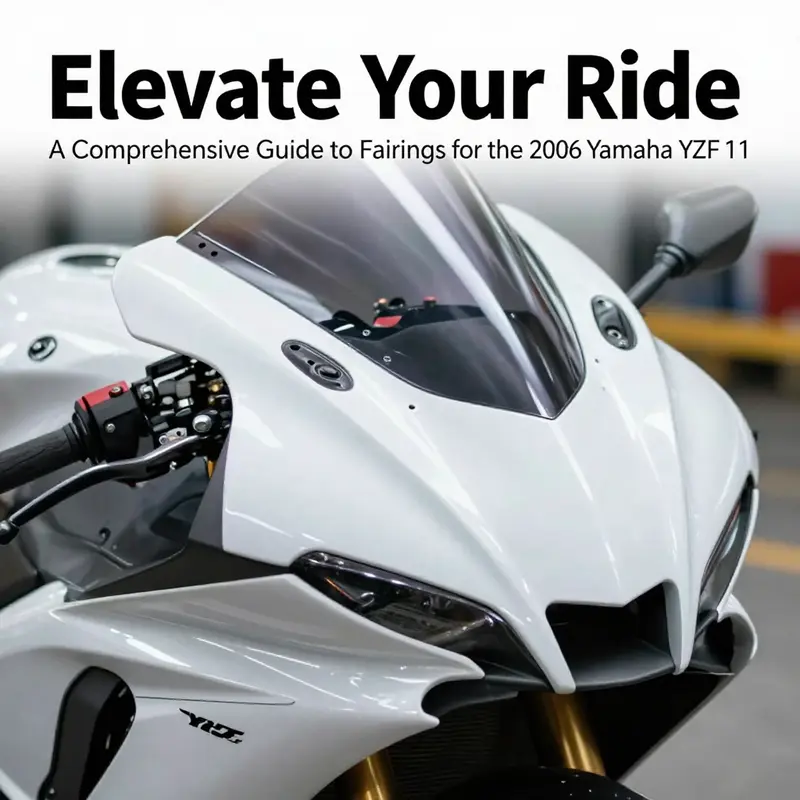
The fairings that cloak the 2006 Yamaha YZF-R1 are more than plastic shells. They are a carefully designed interface between rider, engine, and air. In this year, Yamaha’s superbike line reflects a philosophy that sees every curve, every cut in the panel, as a response to real-world demands: downforce at speed, cooling airflow to the radiators, protection for the rider, and a visual identity that screams high performance. The fairings thus become a living part of the bike’s character, not merely a cosmetic shell. The material choice and the manufacturing process behind those panels matter as much as shape and color because they influence protection, weight, fit, and longevity under the stress of high-speed riding and the rigors of regular maintenance. This chapter traces the material logic and the manufacturing pathways that bring 2006’s fairings from concept to cradle the engine, from the roll of raw resin to the final, mounted piece on a bike that could, in a single ride, push into the upper ranges of acceleration and cornering stability.
A practical motorcycle skin requires a balance of rigidity, impact resistance, and processability. For the 2006 model year, the chosen material for most primary body panels is high-quality ABS plastic. ABS is well-regarded in automotive and motorcycle applications for its toughness and resilience. It resists cracking under minor impacts, maintains shape under load, and supports the injection molding technique that enables the complex geometries that modern fairings demand. The ABS used in these fairings is not just a single-layer skin; it’s part of a designed stack that considers heat transfer, aerodynamics, and the rider’s safety envelope. Because ABS can accept paint and coating systems that yield durable finishes, it aligns with the expectations customers have for performance bikes: a glossy, hard surface that can take light abrasion while preserving a showroom finish through many miles of use.
The choice of ABS also supports a relatively light body compared with alternative thermoplastics, which matters when performance is the ultimate calculator. Every gram saved in the fairing array translates into a small but meaningful improvement in handling and acceleration response. Yet ABS’s weight advantage does not come at the expense of stiffness. The geometry of the panels—how the upper cowl blends into the side panels, how the belly and tail sections taper to manage airflow—depends on a material that will hold those lines under the heat and vibration of a race-inspired powerplant. In the 2006 model, where the engine produces roughly 175 horsepower and the chassis geometry emphasizes quick, confident turn-in, the fairings must support a shaping that preserves stability in cornering and reduces buffeting at high speeds. ABS provides a reliable canvas for this purpose, one that can be married to bold, industrially refined surface finishes.
Manufacturing those fairings hinges on injection molding, a process that has matured to deliver not only consistent dimensional accuracy but also the ability to reproduce iconic curves with high fidelity. Injection molding requires a precisely engineered mold, carefully designed gating, runner systems, and cooling strategies that prevent warping or sink marks on thin-walled sections. The process relies on polymer science—how the molten ABS flows into cavities, how it cools, and how the shear forces inside the mold influence surface texture. In practice, the 2006 fairings emerge from molds designed to accommodate the tight tolerances needed for a near-OEM fit, while still enabling the economics that make aftermarket kits a viable option for riders seeking a look-alike at a lower cost than a factory replacement.
OEM fairings, produced under Yamaha’s rigorous standards, go through stringent quality checks. The fit, finish, and color consistency are measured against a compass of tolerance that keeps gaps even and panel alignments secure across the full range of riding temperatures. The result is a shell that blends into the bike’s frame with a continuity that contributes to the bike’s aerodynamic coherence. For aftermarket kits that mimic the OEM lines, manufacturers often chase that same sense of continuity. They apply similar injection-molding technology and aim for high-fidelity replication of curves and panel transitions. Yet, even with advanced tooling, minor deviations in thickness, edge radii, or detail micro-scratches can appear, especially around critical alignment surfaces like the radiator shrouds, the air intake ducts, and the tail sections that bear the rider’s weight and movement. These differences underscore a central truth of fairing production: although the materials and the process settings may be uniform in theory, the final product carries the imprint of the manufacturer’s tooling, process discipline, and quality control discipline.
A consistent finishing strategy is essential to translate the raw molded shell into a durable, aesthetically pleasing piece. Many 2006 fairings show a surface treatment that follows a disciplined, multi-layer approach. The pre-paint process typically begins with the removal of minor imperfections from the molded surface, followed by a careful application of a primer that ensures adhesion and a uniform base color. In some production lines, the primer is applied in a three-layer sequence—a precursor layer, an adhesion layer, and a finish-adjusting layer—to create a stable undercoat capable of holding a rich and even topcoat. This triple-layer primer is designed to fill microscopic pores and control the surface chemistry so that the final paint finish adheres deeply and evenly across the panel. The paint system then applies in base coats that carry the color and, finally, a clear protective coat that seals the surface from UV degradation and minor abrasion. The resulting finish withstands the daily gnarl of road grime and the occasional stone strike without losing gloss or dimensional integrity.
In the case of the 2006 model year, lithographs of the period also reflect a deliberate synergy between color and form. Special editions, such as anniversaries of the brand, introduced color and detailing that went beyond simple aesthetics. The result was a fairing set that offered both a visual identity and a narrative of performance heritage. Some riders gravitate toward unpainted or factory-matched finishes that highlight the raw lines of the bike; others prefer high-gloss or metallic finishes in darker composites that accentuate the bike’s speed-oriented silhouette. The fairing system thus serves as a canvas for personal expression while delivering the functional and mechanical protections that riders expect from a high-performance motorcycle.
A practical point about fitment becomes immediately evident when comparing OEM and aftermarket options. OEM fairings are produced with the intention of a near-perfect, 99 percent match to the original dimensions and mounting geometry. In practice, this means that the holes, stud locations, and attachment surfaces must align with the frame, fuel tank, and subframes with only minor tolerances. The aftermarket kits, while designed to mimic the same lines, may present slightly different tolerances. Reputable suppliers often pre-drill mounting holes and present a finish that is close to factory standards, a helpful feature for riders who want a straightforward installation. The trade-off, however, is that some panels may require minor trimming, or adjustments at the mounting points can be necessary to ensure even gaps along the blade-like lines of the fairing. The careful rider or technician who confronts these decisions tends to weigh the cost savings against install effort and potential need for additional hardware or minor reshaping. In the end, the goal remains consistent: to deliver a set of panels that can integrate seamlessly with the bike’s existing architecture while preserving the machine’s intended geometry and aesthetics.
This approach to material choice and manufacturing fidelity also shapes the practical realities of maintenance and replacement. A rider who acquires a replacement fairing kit must consider not only the color and finish but also the precise fit around the radiators, air ducts, and the underside features where weight transfer and airflow matter most. The injection-molded ABS, with its stable dimensions and surface qualities, supports predictable repairs and refinishing, should the need arise. Polishing out scratches, repairing minor gouges, or re-spraying a panel can be more straightforward when the base panel remains true to its intended form and thickness. In that sense, the material and process choices of the 2006 fairings contribute to a broader longitudinal story: the lifecycle of a bike that remains collectible, target of enthusiasts, and a candidate for ongoing customization.
For riders and builders, the decision to source fairings—whether OEM, high-fidelity aftermarket, or pre-painted and pre-drilled variants—rests on several practical considerations. First, there is the alignment with the bike’s original geometry, ensuring that windshields and nose sections sit in their proper positions to reduce buffeting. Second, there is the question of finish durability, particularly in hot climates or aggressive riding contexts where the clear coat may degrade faster if UV exposure accelerates. Third, revisiting the production method highlights the value of choosing a supplier that provides transparent specifications and reliable customer feedback. The best practice, as guided by experienced riders and technicians, is to look for kits that supply detailed fitment notes, pre-drilled mounting points, and clear paint-scheme information. This reduces the guesswork during installation and helps preserve the aesthetic coherence that the 2006 model’s design language seeks to project.
In summation, the 2006 YZF-R1 fairings epitomize a synthesis of material science and manufacturing discipline. ABS provides the resilience and shaping capacity required for a performance wheelhouse, while injection molding delivers the dimensional fidelity that keeps the entire bike aligned with its aerodynamic and mechanical purpose. The triple-layer primer and layered paint finish speak to a practical visibility of quality—an unseen yet essential part of the rider experience, ensuring that the panels continue to convey a sense of precision and purpose long after the first mile. The interplay between OEM precision and aftermarket accessibility is a reminder that modern motorcycle culture thrives on both the assurance of factory engineering and the creative energy of enthusiasts who push for personal expression on a machine built for speed. For readers who want to explore how these material choices translate into real-world fit and finish, it is worth tracing the broader ecosystem of fairing design and installation, which you can explore here: Yamaha fairings collection.
External reference for technical details and synthesis on the fairing kit for the 2006 YZF-R1: https://www.motorcyclefairings.com/yamaha/yzf-r1/2006-yamaha-yzf-r1-fairing-kit
From Factory Fit to Personal Flair: Market Availability and Customization of 2006 Yamaha YZF-R1 Fairings
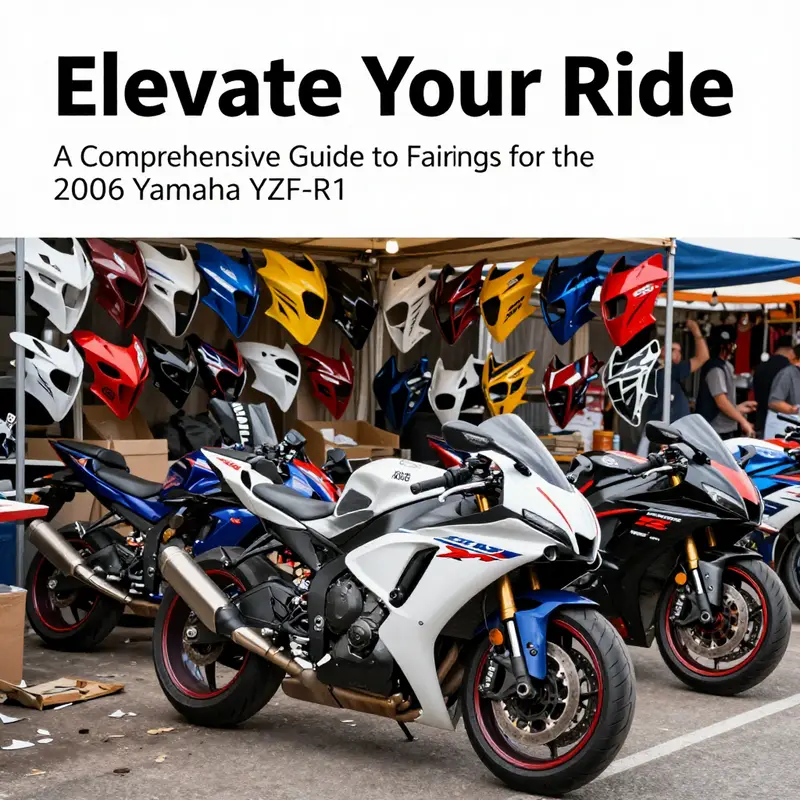
The market for the 2006 Yamaha YZF-R1 fairings sits at a delicate intersection of fidelity, performance, and personal expression. For riders who want their bike to carry the same aggressive silhouette that rolled off the showroom floor, aftermarket options have long offered a practical, cost-conscious path to a near‑OEM fit. Yet what makes this era of fairings particularly compelling is not only how closely they can copy the factory geometry, but how much room there is to tailor the visual language of the bike without sacrificing structural integrity or aerodynamics. The 2004–2006 generation of the YZF-R1 is widely recognized for its refined chassis geometry and a power curve that rewards riders with a lively and immediate throttle response. This combination elevates the importance of the fairing as more than a cosmetic shell; it becomes an integrated part of the bike’s handling character, cooling efficiency, and even ride feel at speed. The aftermarket landscape for this generation reflects that nuance, offering options that range from complete, match‑to‑OEM kits to carefully curated assemblies that focus on individual panels or subcomponents like ram air intake duct covers and ABS fairing kits. In conversations with riders and technicians who have rehabilitated and upgraded these machines, the consensus is clear: the best modern fairing solutions provide a faithful silhouette, a robust mounting interface, and finishes that endure exposure to sun, heat, and road grime without fading or cracking.
The material story behind these aftermarket kits is telling. ABS plastic remains the backbone because it offers a balance of toughness, elasticity, and heat resistance that suits the heat cycles generated by a high‑revving inline‑four. This is particularly important for riders who spend long stints riding in the canyon or on the track, where repeated heat soaking could test the resilience of a cheaper, less forgiving alternative. The injected‑mrotor manufacturing approach behind high‑quality ABS panels yields a surface with enough give to tolerate small impacts and vibrations while preserving the crisp radii and edge lines that define the motorcycle’s aesthetic. The result is a fairing that can be installed with a confidence that the panels will align, the gaps will stay consistent, and the overall look will hold up through typical ownership cycles. In a segment where fit is as critical as finish, the promise of a “fit like OEM” guarantee has become a central selling point for premium aftermarket producers. It signals to buyers that the manufacturer has invested in precise tooling and tolerances calibrated to the 2004–2006 fairing footprint, reducing misalignment issues that used to plague older, less thoughtfully produced kits.
The customization pathways available to owners of the 2006 YZF-R1 are equally robust. Buyers can opt for a complete fairing kit capable of reproducing the full factory lines, or they can piece their upgrade together from individual panels. The latter approach appeals to riders who want to refresh only a portion of their bike—perhaps replacing the damaged left‑side panel after a mishap or upgrading the most visible panels to more modern finishes while keeping the rest of the bodywork intact. A notable feature of many aftermarket offerings is the pre‑drilled hole pattern. This thoughtful pre‑planning means installation can be straightforward, with mounting points aligned to the same positions used by the original factory parts. It also reduces the need for guesswork or on‑the‑fly modifications, which can compromise fit and appearance. The presence of a three‑coat primer on many finishes is another practical advantage; the primer layer helps ensure a durable base that resists abrasion and moisture ingress, while providing a stable platform for the topcoat to adhere and maintain its gloss over time. When combined with modern paints and clear coats, the result is a finish that can mimic the look of the original livery with a high degree of stability, even after frequent washings or exposure to sunlight.
From a customization standpoint, the spectrum of finishes and colorways mirrors the diversity of riders who own these machines. For years, the most iconic look on a 2006 model was a deep Raven black, a shade that absorbs light to emphasize the bike’s geometry and lines. But the color story for these kits has always extended beyond single‑tone schemes. Premium paint finishes are often included as part of the package, allowing owners to align their machine with a personal theme—whether that means a high‑contrast graphic treatment or a subtle, refined tone that complements the chrome, anodized hardware, and the bike’s wheel colors. Some sellers also offer paint options that preserve a factory look while delivering an updated texture or finish, which helps transition a 2006 chassis into a newer visual language without betraying the bike’s heritage. For riders seeking a more raw or classic appearance, there are unpainted options in specific colorways that invite their own customization journey. An unpainted route is not merely a budget choice; it can be a practical way to match a unique color transition on another motorcycle component or to showcase raw, brushed textures under clear coats that highlight the panel geometry rather than a saturated color field.
An example of the market’s openness to customization is the range of finishes and accessory details that often accompany a fairing kit. In addition to the base panels, retailers may include items such as pre‑fitted ram air intake duct covers and ABS fairing kits that exercise a particular emphasis on airflow management and impact resistance. The ram air ducting area is especially sensitive to panel fit, since any misalignment in that region can influence the effectiveness of ram air pressurization and the bike’s intake stability at high speeds. The promise of properly aligned ducts that sit snugly against the airbox and frame not only improves performance but also reduces the chance of rattling or vibration noises that can arise when panels flex during spirited riding. In practice, riders who have patched these areas with aftermarket components frequently report a noticeable improvement in perceived response and a steadier cruise at sustained highway speeds, thanks to panels that hold stable under wind pressure.
The purchase journey for these fairings often blends the lure of OEM fidelity with the practical realities of modern ownership. Shops and marketplaces that specialize in motorcycle aesthetics and performance parts commonly advertise both complete kits and modular components designed to fit the 2004–2006 family. The availability of a complete kit is attractive for those who want a one‑and‑done upgrade that restores the bike’s lines in a way that is visually indistinguishable from factory. On the other hand, some riders prefer the flexibility of updating only individual panels because it allows them to preserve a sentimental or rare original set while refreshing the bike’s exterior in a way that introduces a modern graphic language. In this sense, the aftermarket market becomes a playground for personal expression as much as a toolbox for maintenance and restoration.
From an installation perspective, the promise of easy, DIY‑friendly assembly weighs heavily in favor of the modern aftermarket. Today’s kits frequently come with pre‑drilled mounting points and a hardware kit that mirrors OEM hardware in size and layout, ensuring that the bolts, fasteners, and grommets find their anchors securely. This minimizes the likelihood of misalignment that can lead to unsightly gaps or panel warping when the bike is under load in corners or on rough surfaces. The installation experience is further eased by the presence of a durable, three‑layer primer finish on the interior and exterior surfaces. This triple‑layer approach improves adhesion and reduces the risk of chip damage, especially along high‑stress seams near tank covers and radiator shrouds where torque and heat cycles are most pronounced during aggressive riding. With careful preparation, including cleaning the mounting points and rechecking each fastener to ensure uniform torque, a rider can complete a transformation in a weekend and ride away with a visibly improved silhouette and a more confident ride feel.
The 2006 model year itself carries a narrative that adds depth to this market conversation. Yamaha marked the year with a number of updates that emphasized both performance and branding, including a higher output that reached near 175 horsepower in healthy tune conditions and chassis refinements like a slightly lengthened rear swingarm to improve rear tire contact and stability. These structural tweaks subtly influence how a fairing interacts with the bike’s frame and suspension, reinforcing the value of a high‑quality kit that respects the geometry while enhancing the aesthetic. In some iterations, 50th‑anniversary styling cues and SP variants arrived, introducing design elements that celebrate the brand’s heritage and add a sense of exclusivity to the visual language. Even if a rider chooses a non‑factory finish, the alignment and curvature of the fairing panels must communicate a coherent silhouette that respects this historical context. In practical terms, this means aftermarket suppliers are mindful of ensuring that their products match the aerodynamic geometry and mounting architecture that the 2006 machine embodies, so that wind management remains efficient and vibration is kept within comfortable limits.
For owners seeking a ready‑to‑install experience, it is common to encounter complete kits that promise a straightforward swap of all major fairing sections. These bundles typically include the front cowl, radiator shrouds, side panels, tail section, and sometimes integrated belly pans, all designed to nestle against the bike with minimal modification. The convenience factor is significant, particularly for riders who want to minimize downtime and keep their project within a reasonable budget. The presence of a “pre‑drilled holes” approach and a standardized hardware set reduces the risk of misalignment and helps maintain a consistent panel gap across the bike’s entire bodywork. In practice, the upgrade ceremony—removing the old fairings, cleaning contact surfaces, and installing the new pieces—tends to be a satisfying, almost mechanical process that yields visible results quickly. A truly well‑executed swap can restore the bike’s original aggressiveness and, in many cases, elevate the perceived value of the entire machine because the lines look sharp and the panel fit feels solid in the rider’s hands.
As with any significant cosmetic and aerodynamic upgrade, the question of where to buy comes into play. Official channels and licensed distributors remain the safest path for those who value pristine fit and authentic finishes, but the aftermarket ecosystem has grown to include reputable third‑party retailers that emphasize quality control, return policies, and customer support designed to guide buyers through the selection and install process. It is important, however, for buyers to verify compatibility with their exact frame and subframe configuration, as the 2004–2006 family includes several shared and slightly modified fairing shapes across sub‑models. The risk of buying a non‑matching panel is real if the product description is not explicit about model year compatibility or if the vendor uses ambiguous language about fit. In this context, a careful buyer checks mounting points, panel contours, and the underside textures to ensure that the new pieces align with the bike’s existing hardware and do not create interference with exhaust shields, fuel lines, or the radiator assembly. A well‑conducted check, ideally performed before installation, pays dividends in terms of a flawless finish and a ride that feels as predictable and reassuring as a stock setup once the bike is back on the road.
The literature around these kits often emphasizes not only the mechanical fit but also the aesthetic alignment with broader design goals. A good set of fairings should not merely fill an opening in the frame; it should harmonize with the bike’s mass distribution, wheelbase, and overall stance to maintain the visual balance riders expect from a machine with such a dynamic profile. When a kit achieves this, the rider gains more than a cosmetic upgrade. They gain a sense of cohesion—the sensation that the parts belong to a single, purpose‑built machine rather than a collection of separate pieces. This is precisely the value proposition that sustains a healthy aftermarket market for the 2006 YZF‑R1: the opportunity to marry the tactile engagement of a performance motorcycle with a personalized, visually compelling expression that remains faithful to the machine’s engineering roots.
For readers seeking a concrete entry point into this realm, a recent listing available on a major marketplace showcases a complete aftermarket fairing kit for the 2004–2006 model years. The listing demonstrates many of the features discussed—ABS construction, pre‑drilled holes, and a three‑coat primer finish—along with color options that range from dark, glossy Raven to unpainted green variants suitable for a repaint in a chosen scheme. The price point is representative of the market’s mid‑range offerings and illustrates how a rider can achieve a substantial visual upgrade without venturing into the most expensive end of the spectrum. This example underscores the practical reality that, with careful shopping, a rider can reinvent the bike’s look with a kit that fits well, looks properly finished, and aligns with the vendor’s stated fit assurances. For readers who want to explore this further, the following resource provides a concrete reference point and can help illuminate the scope of what is commercially available today. Internal link: YZF-R1 fairings collection 2009-2012.
In the end, the decision to pursue aftermarket fairings for the 2006 machine rests on a balance of compatibility, durability, and personal preference. The modern market responds to this balance by offering parts that not only fit the bike but also perform in harmony with its sprinting nature and its road‑edge personality. The result is a bike that can feel almost brand‑new in its exterior while preserving the rider’s connection to the bike’s legacy and to the open road or track that motivates this ongoing customization journey. The materials, manufacturing techniques, and finishing processes behind these kits collectively echo a broader trend in motorcycle customization: the shift from simple replacements to considered upgrades that honor original geometry, respect engineering margins, and invite riders to craft a machine that is unmistakably theirs. For enthusiasts who love the 2006 YZF‑R1 not just for its speed but for its character, the fairing market provides a durable, paintable canvas that can carry both the heritage of the era and the personal story of the rider who chooses to ride it that way.
External resource: https://www.ebay.com/itm/354784928799
Internal resource reference (for further exploration): see the catalog page dedicated to fairings in the collection that covers 2009–2012 models, which reflects the ongoing evolution of fit, finish, and mounting accuracy that informs today’s 2004–2006 offerings.
Final thoughts
In conclusion, the market for the 2006 Yamaha YZF-R1 fairings is vibrant and filled with both OEM and high-quality aftermarket options. Understanding the materials used in manufacturing, alongside the plethora of customization choices, allows business owners to cater to the varied preferences of motorcycle enthusiasts. Whether opting for original or specialized designs, ensuring a perfect fit and aesthetic appeal is crucial in enhancing customer satisfaction. As such, investing time in knowing the landscape of fairings can set businesses apart in this competitive market.