
Motorcycle fairings have become an essential component for riders, providing aerodynamic efficiency and protection while enhancing aesthetics. This growth in demand has opened new avenues for business owners in the motorcycle parts market. With a plethora of options available, understanding what motorcycle fairings entail is crucial. The first chapter will delve into the affordability and durability of motorcycle fairings available online, perfectly aligned with the diverse needs of riders. The second chapter will clarify standards, types, and applications to ensure informed purchasing decisions. Lastly, MFS MOTOR will be highlighted as a reliable online source for quality motorcycle fairings and accessories that cater to the modern cyclist’s demands. Together, these sections will equip business owners with the knowledge to thrive in a competitive market.
Fairings for All Rides: Affordable, Durable Online Options That Meet Every Rider’s Needs
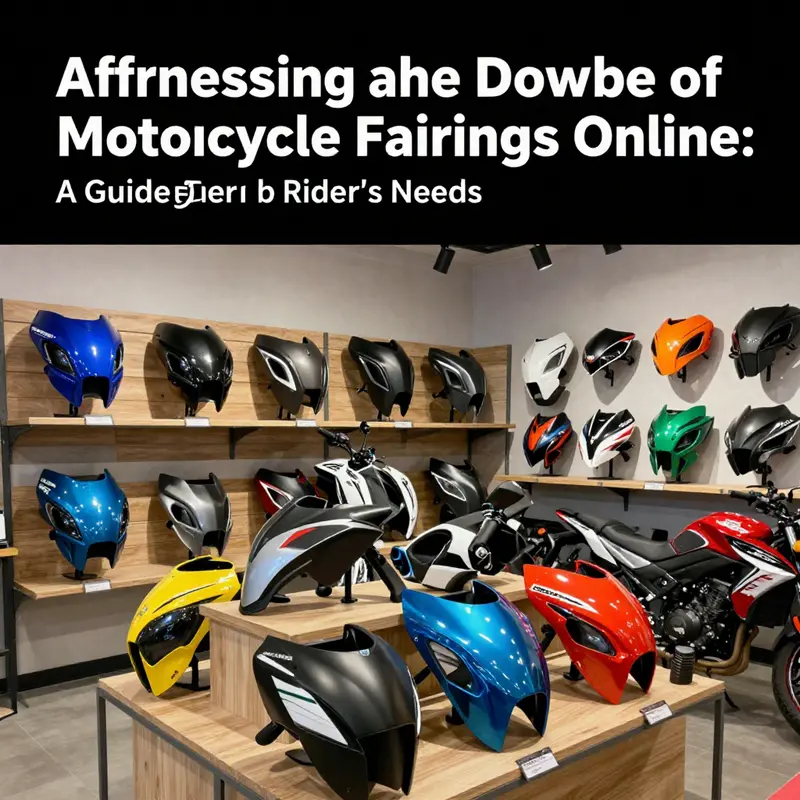
A motorcycle is more than the sum of its parts; it is a living weather barrier, an aerodynamic silhouette, and a canvas for personal expression. The fairing, in particular, sits at the intersection of form and function. It slices through wind, guiding cooling air to the engine and rider, and it shields delicate components from road grit and weather. It also frames the bike’s stance, turning a machine into a statement. Yet for many riders, the reality of upgrading or replacing fairings can feel like a financial squeeze, especially if the goal is to preserve performance while staying within a budget. In today’s online market, those constraints don’t have to lock a rider into compromised protection or a less-than-satisfying look. There are options that blend cost efficiency with durability, enabling a fairing upgrade that actually enhances the ride rather than simply dressing the bike up.
To understand why affordability and durability can coexist in fairings, it helps to view fairings as a system rather than as a single cosmetic panel. Full fairings, which envelop most of the bike’s front and sides, are favorites on sport bikes for their aerodynamic ceiling and the protection they offer to the rider and the engine. Half fairings strike a middle ground, preserving the aggressive lines of naked and standard bikes while still delivering a shield against wind pressure at speed. Quarter fairings cover the most critical area around the headlight while keeping weight low and serviceability straightforward. Then there are aftermarket or custom kits that push in either direction—stripping weight, increasing strength, or delivering bold styling—often using different materials or fabrication processes to achieve a given balance of price and performance. The common thread across these options is clear: a fairing is a long-term investment in comfort, efficiency, and safety, and the best online buys deliver more than a quick visual cue; they reduce fatigue, improve mileage, and keep maintenance costs in check over time.
The core decision for a buyer is not merely “which shape do I want?” but “which combination of fit, method, and material will perform under my typical riding conditions and last through harsh weather and routine wear?” For daily commuters facing variable climates, durability and weather resistance may take priority over aggressive race-inspired styling. A weekend rider chasing twisty backroads may value a snug, high-precision fit and a finish that tolerates aggressive cornering without chipping. A first-time sport rider upgrading from a stock naked bike might look for a kit that presents a clean, fully enclosed look while keeping installation approachable and the total cost reasonable. Across these scenarios, the online market responds with options designed to balance price against structural integrity, with many builders using OEM-like tooling to ensure an accurate fit and a robust mounting framework. That approach helps bridge the gap between low-cost, light-duty plastics and the higher-end, performance-focused composites, offering a pathway to improved aerodynamics without a prohibitive price tag.
Durability hinges on several intertwined factors: the material, the construction process, and how the kit is designed to interact with the bike’s frame and fairing mounts. ABS plastic remains the most common baseline in aftermarket fairings because it delivers a reliable blend of impact resistance, ease of molding, and surface finish. When manufacturers invest in tooling that mirrors original equipment quality, the result can be a close-to-OEM fit that reduces gaps, chatter, and the likelihood of cracks under minor impacts. The market also hosts a variety of alternative materials—fiberglass, carbon fiber, or reinforced composites—each with its own trade-offs. Fiberglass offers lightness but can demand careful finishing; carbon fiber delivers high stiffness and a premium look at a higher cost. The key for budget-conscious riders is discovering a kit that uses well- engineered ABS or a similar grade, with thickness and ribbing that align with the bike’s geometry and the rider’s expectations for longevity. A fairing that is too thin or poorly reinforced can deform after a few drops or even under regular road vibrations, so the purchase choice should factor in anticipated wear, not just initial appearance.
Another critical dimension is the finish and paintability of the fairing. A good online purchase will specify whether the panel comes gel-coated, primed, or ready-to-paint, and what steps are needed to achieve a showroom look. Gel-coated fairings can be a smart choice for DIY painters, as they offer a smoother canvas and a more forgiving surface for clear coats. Primed kits can be a faster route to color-match finishes but may require more labor and time to achieve a durable, weatherproof seal. When riders weigh cost against complexity, it’s helpful to consider the total system: the fairing panels, mounting hardware, sealants, and any required repainting or refinishing. The goal is not merely to save money upfront but to protect the investment with a surface that resists UV degradation, cracking from temperature swings, and chips from highway debris. In the online ecosystem, many sellers emphasize complete kits with mounting hardware, while others offer individual panels for careful, incremental customization. Either path can be cost-effective if it aligns with the rider’s timeline, mechanical skills, and the bike’s model year.
Compatibility is a practical frontier that riders often underestimate until the box arrives at the doorstep. It is tempting to assume that any fairing will fit any bike, especially when the aesthetic seems universal. The reality is more nuanced. A fairing kit is designed for specific makes, models, and sometimes even sub-models or production years. The mounting points, instrument cluster clearance, headlight alignment, windscreen height, and even the contours around under-seat components all influence fit. That is why a careful buyer with a clear understanding of their motorcycle’s exact specification should cross-check model compatibility before placing an order. The online shopping experience has evolved to include detailed fitment charts, user-installed photos, and return policies that recognize the risk of misalignment. When compatible, the result is a clean, cohesive look that preserves the bike’s geometry while delivering the improved airflow and protection intended by the upgrade. The installation experience ranges from straightforward bolt-on procedures with standard hardware to more involved processes that benefit from a helper, a torque wrench, and patience for alignment and seals. In all cases, the lasting value of a well-fitted fairing is evident in the reduced wind noise at highway speeds, the steadier cooling of the engine, and the rider’s diminished fatigue.
The online purchasing journey for fairings can feel overwhelming because of the sheer number of offerings and configurations. Yet it is in that abundance that a practical rider finds real value. A broad online catalog means better competition on price and more options for color-matching, texture, and finish. It also means a greater likelihood of discovering a kit that offers a balance of complete protection and minimal weight. Savvy buyers start with a clear set of criteria: the bike’s exact model year, the expected speed range, the local climate, and the rider’s painting and finishing capabilities. They then look for listings that detail thickness, resin content, surface finish, and any reinforcement features like internal ribs or edge-treated seams that resist cracking. Reading reviews becomes more than a social exercise; it becomes a way to gauge long-term reliability, the usefulness of installation guides, and the responsiveness of customer support when a misfit or missing piece arises. In a healthy online market, there is no substitute for due diligence: confirm compatibility, review the return policy, and assess whether the included hardware aligns with your bike’s mounting points.
For riders who want to explore specific models, there is an opportunity to learn from others who have swapped fairings on the same platform. A well-curated online catalog often groups parts by motorcycle families, easing the search from sport bikes to naked bikes and back again. When a rider knows the series they ride, they gain the confidence to choose a kit that preserves the bike’s geometry and riding dynamics. The right kit should not merely cover the engine bay; it should improve the rider’s experience by shaping a more stable ride, reducing wind fatigue, and offering a surface that can be maintained with standard cleaners and care. In practice, affordable options that are designed with reasonable tolerances, robust mounting points, and durable finishes can deliver a compelling value proposition: a durable shell that protects, a lighter weight that contributes to handling, and a finish that resists sun and rain with minimal upkeep.
The ecosystem around fairings extends beyond the shell itself. Accessories such as mirrors, cap kits, and small aero features can complement a new fairing for safer, more tailored performance. A complete upgrade often includes the right combination of panels and accessories to ensure the most coherent final look and function. These choices can also impact resale value, which is a practical consideration for riders who upgrade in stages or who frequently adapt their bike for different riding events. The online marketplace, with its broad inventory and user reviews, makes it easier to assemble a configuration that balances aesthetic appeal with practical, long-term durability. When buyers keep their goals in view—comfort on long commutes, confident performance on sport rides, or a bold, personalized appearance—the choice becomes less about chasing a single perfect model and more about assembling a dependable system that endures.
For riders who are curious about model-specific opportunities, a quick way to start is to explore the Honda fairings family and consider how a complete kit might align with a given bike’s geometry and aesthetic. A curated collection focusing on Honda fairings—grouped by model families and years—offers a practical path to find parts that fit without extensive trial and error. You can explore such collections to see how different designs approach airflow, weight distribution, and panel alignment, which in turn informs your decision about color, texture, and finish. This approach emphasizes not just price, but the functional harmony between the bike and its new shell, which is the cornerstone of a successful online fairing upgrade. For readers who want a starting point within a broader market, the Honda fairings collection represents a logical step into the wider world of aftermarket panels while preserving the specificity needed to keep a bike’s performance intact.
In evaluating value, the total cost of ownership matters as much as the sticker price. A fairing that is significantly cheaper because it sacrifices structural integrity or fitment reliability may quickly become a false economy once you factor in wind noise, vibration, frequent repairs, or a repaint that is required after a rough ride or a minor drop. Conversely, a mid-range kit backed by solid tooling, tested fitment, and genuine hardware can deliver years of service with relatively low maintenance. The market’s middle tier often represents the sweet spot where durability, installability, and price converge. This is particularly relevant for riders who are restoring a classic bike or who enjoy updating their aesthetic without sacrificing the core protective benefits that fairings provide. The right online retailer will help by offering descriptive specifications, clear photos, and a straightforward return process, along with guidance on compatible year ranges and any known compatibility caveats.
As a practical takeaway, think of an online fairing purchase as a process that begins with a clear sense of your riding life. Are you a daily commuter who values quiet, predictable airflow and minimal maintenance, or a weekend enthusiast who enjoys a more aggressive stance and can handle a bit more installation effort? Do you want a full fairing to achieve a sculpted, race-inspired look, or would a half or quarter kit better suit a bike that you use both on highways and local streets? With these answers in hand, the online market becomes a resource rather than a risk. It lets you select a kit that emphasizes protection, durability, and paintability while staying mindful of price. It lets you balance the practical and the personal—the wind tunnel of everyday life and the rider’s unique sense of style.
If you are curious to see a concrete example of how a particular platform frames compatibility and fit, you can explore the Honda fairings collection and compare the listed models with your bike’s year and version. This approach helps ensure that the kit you order aligns with the bike’s frame geometry, mounting points, and overall silhouette. It also gives you a sense of how complete a kit is—whether it includes the essential hardware and seals or if you’ll need to source additional components elsewhere. While the specifics of each listing vary, the underlying principle remains consistent: a well-supported kit, designed around precise fitment and durable materials, can transform a ride without forcing you into a costly, time-consuming project. In the end, affordable and durable online fairings are not about choosing low quality but about identifying the right balance of cost, compatibility, and resilience that matches your riding life.
For readers seeking a practical anchor in this expansive market, one strategic step is to visit a dedicated fairing collection that aligns with your bike’s family. By starting with a trusted catalog that segments products by model range, riders can quickly discover options that are built to fit their exact motorcycle. The Honda fairings collection, for instance, can be a helpful starting point for those riding Honda platforms, offering a focused view of compatible panels and assembly kits. This approach reduces guesswork, streamlines procurement, and supports a smoother installation workflow, keeping the project within a reasonable budget while delivering durable, long-lasting protection and style.
External reference for broader context and price feasibility: https://www.amazon.com/dp/B0C5XZ6KQY
Internal link to model-compatible collections: Honda fairings collection at Summit Fairings
Smart Savings, Solid Shields: Navigating Cheap Motorcycle Fairings Online Without Sacrificing Safety
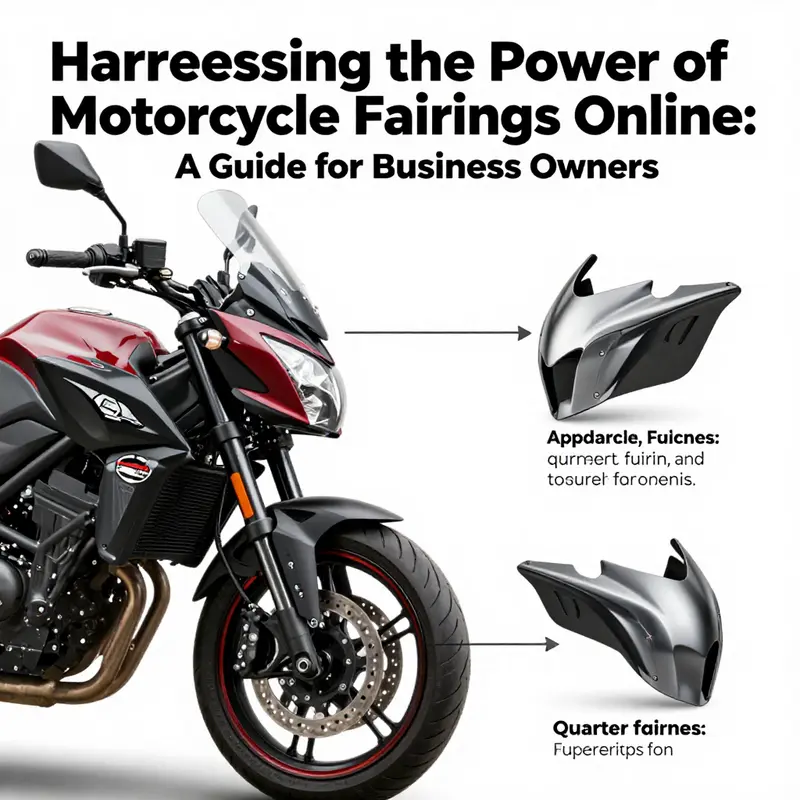
When riders begin to explore cheap motorcycle fairings online, they quickly discover a marketplace that promises both value and velocity. The lure is strong: lower prices, a wider selection, and the possibility to refresh a bike’s look without draining savings. But price is only one axis of quality. Understanding the materials, the different fairing configurations, and the standards that govern safety transforms a shopping trip into a thoughtful engineering decision. Cheap, in this context, does not have to mean flimsy. It can mean sensible, durable, and well-supported by the right knowledge. The challenge—and the opportunity—lies in balancing cost against performance, installation reality, and real-world durability. In a market where online retailers compete on both price and reach, buyers gain access to a broader spectrum of choices than ever before. This abundance, however, requires a disciplined approach. A mechanical shield that protects the rider from wind, rain, and road spray should not become a source of vulnerability after a short impact or a harsh sunbeam. The effective strategy is to start with a clear mental map of what you need from a fairing in terms of protection, aerodynamics, and fit, then align that map with a few objective criteria borrowed from established standards and practical experience. The end result is not merely a cheap part, but a value-enabled upgrade that respects the bike’s design, the rider’s comfort, and the realities of online purchasing. At the heart of this approach is material science. The three most common affordable options—polycarbonate, ABS plastic, and fiberglass—each bring a particular set of strengths and limitations to the table. Polycarbonate is the standout when impact resistance matters most. It resists shattering and remains optically clear even after repeated exposure to sunlight. That means windshields, headlight covers, and other critical transparent components stay readable and resilient in the rain and sun. For fairings, polycarbonate-based shells can offer excellent rigidity without excessive weight, preserving handling and fuel economy while maintaining a crisp surface that does not flex under wind pressure at highway speeds. The trade-off is cost and surface care: polycarbonate can scratch more easily than some other plastics unless it carries a protective coating or is treated with a UV-resistant finish. That coating, while beneficial, adds to the overall price, a reminder that the cheapest option is rarely the most economical when long-term performance and aesthetics are taken into account. ABS, by contrast, is a versatile, cost-effective workhorse. It is the backbone of many mass-produced and aftermarket fairings because it balances good impact absorption with ease of manufacturing. ABS responds well to injection molding and other cost-efficient processes, enabling manufacturers to achieve complex aerodynamic shapes at scale. The downside is UV sensitivity. Prolonged exposure to sunlight can degrade the surface and color over time, unless the material is UV-stabilized or protected with a paint job and protective clear coats. For riders who prize a clean, sharp look without edging into the premium price bracket, UV-treated ABS or ABS with robust surface finishes provides a practical compromise that keeps costs reasonable while delivering reasonable longevity. Fiberglass sits in a different category altogether. It is a composite that attracts builders and riders who want a custom look or higher rigidity without the heavier weight of some fiberglass-reinforced alternatives. Fiberglass is lighter than many baseline plastics and can be tailored to strength requirements with resin content and layup techniques. In the context of affordable fairings, fiberglass is often used for complete or partial shells in budget-friendly kits that still offer a tangible upgrade over stock. The trade-off here is consistency and finish quality. Fiberglass shells may require more sanding, finishing, and prep work to achieve a showroom standard. This is not a flaw so much as a reminder that the final appearance and fit will hinge on how much refinement the owner is willing to invest in prep and paint. With materials understood, it is useful to map how these choices translate into the three broad fairing configurations most riders encounter online: full fairings, half fairings, and quarter fairings. Full fairings are the default choice for sport and sport-touring bikes, designed to enclose the majority of the front of the motorcycle and create a sculpted cockpit around the rider. In a cheap or aftermarket kit, the emphasis is on maintaining the core aerodynamic envelope—smooth lines, mounting points aligned with the bike’s frame, and access panels that can be reasonably sealed and re-sealed after installation. The advantage of a full fairing in this category is the dramatic change in airflow behavior, which reduces wind fatigue on long rides and can improve top-end stability. The caveat is that alignment matters more with a full shell; any misfit can create buffeting, rattling, or gaps where water and spray penetrate. A skilled installer may be required to achieve a seamless result, and that cost should be weighed against the sticker price of the shell itself. Half fairings present a pragmatic compromise for naked bikes or models where sportbike aesthetics are desired without the full enclosure. They deliver a balance of wind deflection, visual impact, and weight savings. From an online sourcing perspective, half fairings often become a go-to price-to-performance option because they preserve the bike’s character while offering substantial protection from the wind blast and road spray. Quarter fairings, typically seen on café racers or minimalist builds, maximize rider visibility and the mechanical appeal of exposed frames. They offer minimal wind deflection but allow for a high degree of customization and a lean, aggressive silhouette. The appeal here is largely aesthetic, and the protection level is necessarily reduced. For cheap fairings, the decision among full, half, and quarter inevitably ties back to the rider’s climate, ride profile, and how much protection versus weight and appearance matters on a given journey. The marketplace’s breadth makes it possible to mix and match, but it also invites careful scrutiny of fitment and standards. Independent retailers and large online marketplaces increasingly emphasize certifications and compatibility notes, reflecting a broader shift toward transparency. Buyers should look for information about compatibility with their motorcycle’s make, model, and year, and they should verify whether the parts share mounting points that align with the frame and the mounting hardware provided. This is where the notion of standards becomes critical. In many regions, motorcycle fairings are expected to meet basic safety and functional standards that protect riders and other road users. Internationally recognized standards such as ECE 22.05 govern safety in many European markets, while FMVSS 108 governs certain lighting and reflective requirements in some other jurisdictions. Reputable sellers will often indicate whether a product carries such certifications or adheres to equivalent performance criteria. A practical approach is to verify that the fairing’s structural integrity and impact resistance are documented alongside compatibility with lights and turn signals. For online buyers, this transparency reduces the guesswork that can accompany a phone call or a chat with a sales rep. It also helps riders anticipate the level of finishing work required to bring a cheap fairing up to their personal standards. It is worth noting that UV exposure is a recurring theme in the life of a fairing. Sunlight can cause color fading, panel warping in extreme heat, and surface cracking over time if coatings are inadequate. The practical takeaway is to favor parts that feature UV-stabilized materials or coatings, especially for regions with high sun exposure. This is not merely about aesthetics; it translates to longevity and the appearance of the bike after years of weather exposure. Installation considerations are equally important. Even a well-made shell can disappoint if the mounting system does not align with the bike’s geometry, or if the hardware is insufficient to keep the fairing rigid at highway speeds. Some online sellers provide mounting kits, while others expect you to supply hardware from your current setup. In either case, it is wise to prepare for a combination of ingenuity and precise mechanical work. A common tactic is to assess whether the kit includes pre-drilled holes, appropriate fasteners, dampers, and known good egress for wiring. The better the fit-out, the more forgiving the result when you ride off the driveway and find yourself negotiating a long curve with gusty crosswinds. Beyond fit and material, the overall value proposition of cheap fairings online is enhanced by support services that accompany the purchase. Good retailers offer guidance on preparation steps before installation, recommendations for sanding and priming, and advice on paint and clear-coat regimen to achieve a durable finish. They may also provide clear warranty terms or a return policy that protects buyers who discover fitment issues or latent manufacturing defects after the first ride. In this sense, shopping for cheap fairings online mirrors many other online consumer experiences: it rewards diligence, verification, and informed choices. As a practical heuristic, buyers should prioritize products that present high-quality images, precise fitment notes, and unambiguous compatibility charts. They should also read customer reviews with a discerning eye for recurring issues—such as misalignment, fitment gaps, or paint peeling—and weigh these signals against price. The market’s competitive dynamics mean that some suppliers lean into a broader ecosystem, offering complete kits or a la carte parts that can be combined to tailor a bike’s appearance and performance. For riders who want to explore model-specific compatibility, the browsing experience can be smoother when the seller organizes parts by motorcycle family. A concrete example of this approach is to explore a curated collection that aggregates parts by a brand or an era, and then verify whether those shells align with the chosen model-year. For instance, a rider seeking fairings for a particular Honda or Yamaha family would benefit from pages that group those parts together, with clearly labeled model years and mounting points. To illustrate how such an approach translates into a practical browsing experience, consider visiting a dedicated Honda fairings collection page such as the Honda fairings collection. This destination demonstrates how the cataloging logic can reduce friction in a crowded marketplace and help buyers assess availability, pricing, and fitment more efficiently. See, for example, the Honda fairings collection as a reference point for how model-specific organization supports a faster, more reliable purchase. While price remains a compelling entry point, the real value emerges when a buyer integrates the knowledge of materials, configuration options, standards, and installation realities into a coherent decision. The resulting outcome is a fairing that not only looks right but behaves correctly at speed, with predictable protection from wind and debris, stable handling, and a finish that endures more seasons than a hurried paint job would allow. For those who want to deepen their understanding beyond hands-on shopping, there are evergreen resources that distill the essentials of choosing the right fairing. A thorough guide on selecting the right motorcycle fairing emphasizes aligning riding style, climate, and vehicle type with material performance and certified safety standards. This approach helps ensure that the affordable choice remains robust in the long run, thanks to a disciplined assessment of how a cheap shell integrates with the bike’s original design cues and structural realities. In practice, this means asking pointed questions during the buying process: What wind protection level does the shell deliver at typical highway speeds? How will UV exposure influence color and finish over the next several seasons? Are there reinforced mounting points at critical stress areas to prevent cracking or looseness after a bumpy road encounter? What maintenance steps are recommended to preserve clarity on polycarbonate windshields or headlight covers? How easy is the kit to assemble, and will it require professional installation or can a capable enthusiast perform the work with standard tools? The answers to these questions often determine whether the cheap fairing becomes a long-term upgrade or a recurring expense. To navigate these realities, online shoppers can leverage a few practical practices. First, verify fitment by cross-referencing the motorcycle’s exact model and year with the product’s compatibility notes. Second, inspect the finish and hardware inclusions—are there pre-installed mounting points, weatherproof gaskets, and hardware that resists corrosion? Third, factor in paint and finish costs; a shell that looks good in the listing can require a full repaint to remove orange peel or to match the bike’s color precisely. Fourth, examine the return policy and warranty terms; a reasonable window for returns or exchanges mitigates risk if the part proves to be incompatible or disappointing after initial mounting. These steps may require a little extra time, but they pay dividends in the form of a ride that feels cohesive and confident rather than a patchwork rebuild. The online market’s growth continues to fuel both innovation and increased affordability. Retailers compete not only on price but on how well they present technical information, how clear their fitment data is, and how effectively they support customers post-purchase. This ecosystem encourages riders to experiment with different looks and performance profiles while staying within a framework that respects safety and reliability. In the end, cheap fairings online can be a smart entry point into upgrading a motorcycle’s aerodynamics, protection, and aesthetics when the buyer commits to due diligence, clear standards, and thoughtful installation. For further reading that expands on how to choose the right fairing based on riding style, climate, and vehicle type, you may consult industry guides that distill best practices into practical checklists and decision trees. External resource: https://www.motorcycle.com/guides/choosing-motorcycle-fairings/
MFS MOTOR: Elevating Your Motorcycle Fairing Experience with Quality and Customization
MFS MOTOR: Elevating Your Motorcycle Fairing Experience with Quality and Customization
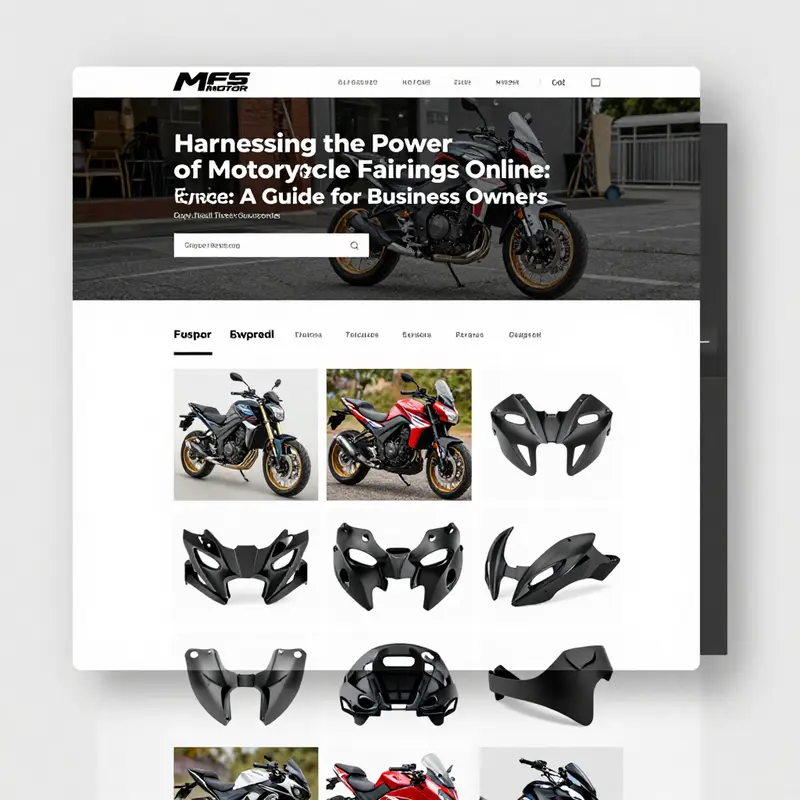
When exploring options for motorcycle fairings online, finding a trusted source that balances quality, affordability, and variety is essential. Among numerous suppliers in the aftermarket scene, MFS MOTOR has carved out a noteworthy reputation since 2009 as a specialized provider of motorcycle fairings and accessories. Based in China but serving a global customer base, this company caters to riders seeking both performance and aesthetic upgrades for their motorcycles, whether for street riding or track racing.
MFS MOTOR’s comprehensive product range reflects the diverse needs of modern motorcyclists. Their inventory includes full fairing bodywork kits designed for complete transformation and protection, alongside a selection of individual parts that allow for targeted repairs or incremental customization. This flexibility means riders can either overhaul their bike’s front-end appearance and aerodynamics or simply replace a damaged section with a compatible component. Moreover, MFS MOTOR supports an extensive variety of motorcycles, from sport bikes rooted in racing heritage to everyday commuter bikes, ensuring nearly any enthusiast can locate parts tailored to their model and style.
Customization lies at the heart of MFS MOTOR’s offerings. Recognizing that personal expression matters as much as functional upgrades, the company presents options ranging from factory-accurate OEM color schemes to vibrant, eye-catching decal and sticker sets. This spectrum allows riders to maintain a stock appearance or boldly distinguish their motorcycle with unique designs. The ability to tailor both the overall design and finer aesthetic details is a compelling advantage, especially for enthusiasts who want their fairings to echo their personal style or team colors.
Competitive pricing is another cornerstone of MFS MOTOR’s market approach. By optimizing manufacturing processes and maintaining strong supplier relationships, the company delivers high-quality fairings at costs affordable for a wide audience. This balance between price and quality helps riders overcome the budget barrier that often hinders fairing upgrades. Furthermore, MFS MOTOR’s commitment to long-term partnerships with clients worldwide reflects a dedication to consistent customer satisfaction and product reliability. Repeat buyers appreciate the predictability and trust fostered by this service-oriented outlook.
A modern online shopping experience complements the company’s product breadth and affordability. MFS MOTOR’s official mobile app, available on major app stores, revolutionizes how customers browse and purchase motorcycle fairings and accessories. The app supports detailed product searches, wishlist creation, and secure checkout processes that riders can execute from anywhere. Additionally, customers benefit from reward programs and can easily share products or engage with reviews, enriching the shopping experience and building community trust. This seamless digital platform ensures that buyers stay informed about new arrivals, seasonal sales, and limited edition releases, which is vital in a fast-evolving market.
Understanding the significance of fit and compatibility, MFS MOTOR provides thorough specifications for all fairing kits and parts. This attention to detail assists riders in selecting items that precisely match their motorcycle make and model, thereby minimizing the risk of installation issues. Whether upgrading a celebrated sportbike or refreshing a classic roadster, precise fitment information empowers buyers with confidence before committing to a purchase.
The product lineup extends beyond fairings, encompassing a variety of racing and street motorcycle accessories. Among these are fairing-mounted mirrors that add both safety and style, alongside other essential components designed to complement fairing sets. These accessories enhance the overall functionality of the bike while allowing continuous customization to meet evolving rider preferences. Such integration of parts and accents contributes to a harmonious motorcycle design that merges appearance with practical benefits.
MFS MOTOR’s approach reflects wider trends in the motorcycle fairing marketplace, where innovation and competitive pricing rise in response to keen consumer demand. By embracing both classic and contemporary design philosophies, the company meets the needs of riders who seek aerodynamic efficiency, weather protection, and striking aesthetics. This dual focus underscores the importance of fairings not just as protective shells but as integral elements shaping the motorcycle’s identity and the rider’s experience.
For enthusiasts interested in exploring specialized options or seeking reliable aftermarket parts for popular sportbikes, the selection from MFS MOTOR complements other dedicated suppliers such as those offering quality Honda fairings, including dedicated collections like the Honda CBR600RR from various model years. Accessing these resources together can empower riders to discover a broad spectrum of fairing and accessory solutions suited to their distinct motorcycles and styles.
In summary, MFS MOTOR stands as a premium, customer-focused online source for motorcycle fairings and related accessories. Their expansive catalog, customization capabilities, competitive pricing, and innovative shopping tools present a compelling one-stop solution for motorcyclists worldwide who demand quality and individuality from their aftermarket upgrades. Riders looking to enhance their motorcycles can find both inspiration and practicality through MFS MOTOR’s offerings, supported by trustworthy service and modern digital convenience.
To explore their extensive selection and take advantage of their mobile shopping app, visit the official MFS MOTOR website here.
For those riding sportbikes and seeking compatible fairings, specialized collections such as Honda CBR600RR Fairings 2013-2020 offer tailored solutions that blend perfectly with MFS MOTOR’s broad array of aftermarket options.
Final thoughts
The motorcycle fairings market offers vast opportunities for business owners looking to cater to a growing demographic of motorcycle enthusiasts. Understanding the balance between affordability and quality, along with the diversity of fairings available, is vital for success. With resources like MFS MOTOR providing extensive options, business owners are well-equipped to meet the demands of riders. As you explore this dynamic industry, remember that knowledgeable sourcing can not only enhance your offerings but can also provide exceptional value to your customers. Embracing this market is not just about sales—it’s about becoming part of a community passionate about the ride.