
Motorcycle headlight fairing kits play a crucial role in combining style with performance, making them a popular choice among bike enthusiasts. These aerodynamic accessories streamline airflow, enhancing speed and fuel efficiency, while also providing essential protection against debris and weather conditions. In this comprehensive guide, we will explore the aerodynamic benefits, protective features, customization options, installation methods, and market trends associated with headlight fairing kits. Business owners in the motorcycle industry will gain valuable insights into how these kits can improve performance and appeal, leading to enhanced customer satisfaction and potential sales growth.
Shaping the Front: Aerodynamic Gains From Headlight Fairing Kits and Rider Comfort
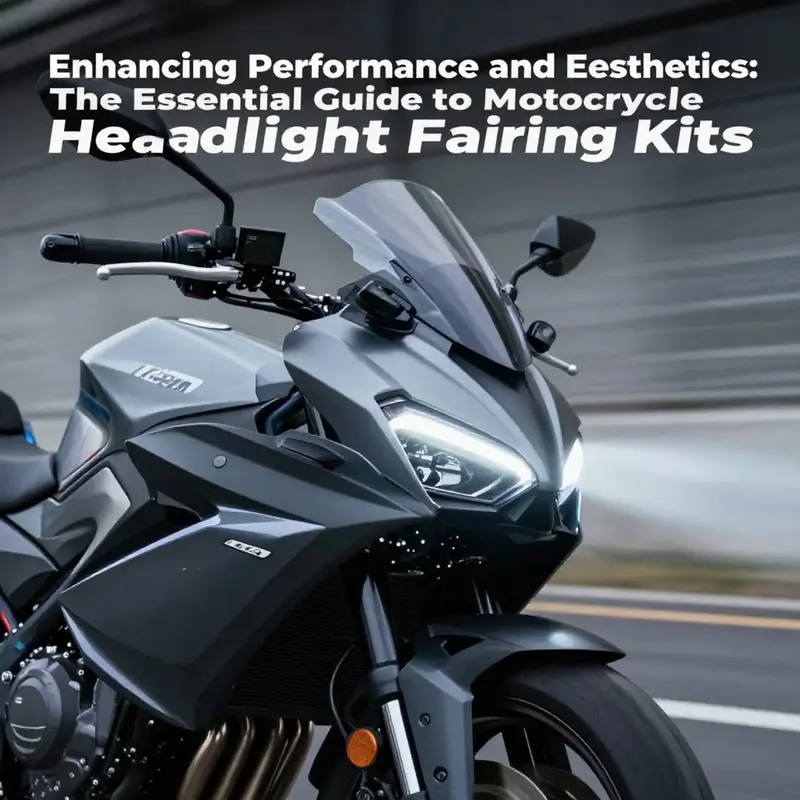
The front of a motorcycle is a dynamic stage where air acts like a restless audience, constantly testing every contour and edge. In this space, the headlight is more than a bulb and a shield; it is a focal point for how air behaves as the bike slices through wind. A headlight fairing kit, modest in scale compared with full fairings, is a precise instrument designed to manage that encounter. It tightens the junction between the bike’s nose and the road, smoothing the flow of air as it meets the headlight and the surrounding surfaces. The result is not just a cleaner silhouette, but a measurable shift in aerodynamics that translates into real-world benefits: less drag, more stable handling, and a quieter, more comfortable ride for the motorist who spends long hours in the saddle at highway speed. The concept is simple in principle, yet the implications run deep for performance-minded riders who want to refine the machine without reconfiguring the whole chassis.
When air streams around a motorcycle, any abrupt interruption—such as the abrupt discontinuity created by a protruding headlight—produces turbulence. This turbulence generates drag, which saps speed and increases the power required to keep pace with the breathing of the road. A headlight fairing kit works by providing a smoother transition in that zone. The fairing forms a gentle ramp from the front of the bike into the surrounding fairing architecture, guiding air to follow the curve of the bike rather than collide with a flat face. In doing so, it lowers overall form drag and reduces the lift that can occur at higher speeds. The practical upshot is a bike that feels more civil at speed: less push on the bars, a more settled front end, and a rider who is less fatigued after hours of highway work.
Real-world impact emerges most clearly in the blend of efficiency and performance. With reduced drag, the engine doesn’t have to chase air as aggressively, and fuel economy tends to improve, particularly on long rides where sustained speeds amplify the drag penalty. Some riders report smoother throttle response at steady cruising and a modest uptick in top speed, which, in the context of spirited weekend rides or sport touring, can be meaningful. But the benefits go beyond outright speed. Lower wind resistance means the rider feels less wind pressure on the upper body and head, which reduces fatigue and makes long days in the saddle more tolerable. A calmer cockpit translates into a steadier line through corners and a more relaxed head and neck posture, especially when the helmet cut through gusts or buffeting from passing trucks. This is not vanity; it is a practical gain in rider comfort that can influence endurance and focus—critical factors when miles of highway loom ahead.
A key feature of many headlight fairing kits is the inclusion of integrated air deflectors or carefully optimized contours that guide air away from the rider’s upper body and helmet. The idea is to minimize buffeting—the oscillation of air that can make a ride feel like a constant buzz in the helmet. When air is directed over or around the rider with intention, wind noise drops and the rider experiences less fatigue from wind pressure. The deflectors are not merely decorative; they are an active element in tailoring the air’s profile at the rider’s line of sight and shoulder height. The perceptible difference is a feeling of more space in the rider’s head zone, a cleaner windstream over the shoulders, and a calmer breathing rhythm as bumps in the air find fewer opportunities to disrupt the ride.
Adjustability adds another layer of refinement. Some designs offer adjustable air deflectors or vents that can be tuned to suit weather and terrain. In hot conditions, opening vents can improve cooling by encouraging airflow toward the rider’s torso and the engine bay, while closing vents can redirect air toward the fairing and reduce noise at the helmet level when conditions are cooler or when solitude and stealth are desired for a night ride. The ability to tailor airflow on the fly means riders can strike a balance between cooling, comfort, and aerodynamics, adapting the front-end behavior to the day’s mood and the road’s demands. This adaptability is particularly valuable for riders who traverse variable climates or who ride through transitions from urban asphalt to open-country straights.
Materials play a meaningful role in how these benefits translate to real-world performance. Most headlight fairing kits are constructed from durable ABS plastic or composite materials. ABS offers a robust, impact-resistant shell that can withstand road debris while keeping weight reasonable. Composites can shave a little more weight and sometimes tailor stiffness to manage deflection forces more precisely. The choice of material affects not only the weight and cost of the kit but also the clarity of airflow. A well-chosen material can hold its shape under wind pressure and temperature changes, preserving a smooth, continuous surface that keeps air from forming new pockets of turbulence as speed increases. The result is a front end that behaves consistently, regardless of whether the bike is rolling off the showroom floor or facing a late-afternoon gust along a coastal highway.
Compatibility is a practical concern that governs how much of the aerodynamic promise a headlight fairing kit can deliver. Because riders come from a spectrum of motorcycles—sport bikes, café racers, and daily commuters—the kits are frequently offered in universal forms or in model-specific lines. The universal variants, especially those designed to slip over the headlight area with minimal modification, appeal to riders who want a quick, aesthetically strong upgrade without lengthy customization. The model-specific options, on the other hand, can align more tightly with the underlying geometry of a particular machine, offering a cleaner integration with mounting points and contours. The installation narrative for these kits is typically straightforward, with hardware, seals, and instructions included to help the rider secure the fairing without compromising access to the headlight or the nearby components. In many cases, the process is a weekend project rather than a big shop undertaking, allowing riders to pursue a more aggressive look and a performance edge without disrupting engine access or service schedules.
The aesthetic dimension should not be overlooked. Aerodynamics and looks often travel along the same road for riders pursuing a factory-race-inspired stance. A headlight fairing kit can sharpen the bike’s front profile, giving it a more menacing, performance-focused face that visually communicates speed even when the bike is at a standstill. The presence of a streamlined fairing near the headlight can subtly alter the perception of the bike’s stance, making it look more agile and capable, which in turn influences how the rider approaches the machine. Such perceptual cues can be integral to the riding experience itself, coloring the moment of mounting the bike and setting the tone for a spirited ride, even before the engine growl fills the air.
For those curious about practical references beyond the page, there exists a spectrum of solutions in the aftermarket ecosystem that illustrate these principles in action. A thoughtful exploration of compatibility and design language can be found in a widely used collection page that showcases a range of headlight fairings and related components. This internal reference provides a sense of how different manufacturers approach fit, form, and function, reinforcing the idea that aerodynamics is as much about the nuances of the front end as it is about the engine beneath the tank. For readers seeking a concrete link to a broader catalog of options, the Honda fairings collection offers a representative view of how a branded line approaches mounting systems, contouring, and finish choices. https://www.summitfairings.com/collections/honda-fairings gives a sense of the design language and mounting considerations that often inform universal options as well.
As with any aftermarket modification, riders should weigh their goals against the realities of installation, weather exposure, and maintenance. A fairing that improves aerodynamics but complicates access to the headlight or the fuse box may erode the value of the upgrade over time. The best outcomes come from kits that integrate smoothly with the bike’s geometry, preserve service access, and maintain or improve lighting performance. In practice, the strongest endorsements come from riders who notice a calmer cockpit, a more predictable front end at high speed, and a sense that the bike is working with them rather than fighting the wind. The headlight area, once a simple observation point for visibility, becomes a subtle but potent organizer of airflow. When a rider understands how that airflow interacts with the machine, they can appreciate why even a small kit around the headlight deserves attention as part of a broader approach to performance and comfort.
The conversation about aerodynamics is ongoing. As technology evolves, so too do the shapes, textures, and materials that riders can choose from when upgrading their front end. The headlight fairing kit sits at an intersection where performance engineering, rider ergonomics, and visual identity converge. It is not a panacea, but it is a practical, cost-conscious step toward a more controlled ride. The best installations respect the balance between functional gains and the bike’s existing character. They acknowledge the rider’s goals—whether that means fewer hours fighting wind fatigue on a cross-country trip, a sharper look that matches a sportier silhouette, or a combination of both—while remaining mindful of maintenance access and durability against the weather and road spray.
External reference: for a practical example of airflow management in aftermarket configurations, see an industry resource that discusses adjustable deflector systems and their impact on balance and comfort under varied conditions. https://www.harley-davidson.com/ie/en/shop/adjustable-air-deflector-dark-smoke/p/57000529
Shielded Beams: The Protective Power of Headlight Fairing Kits
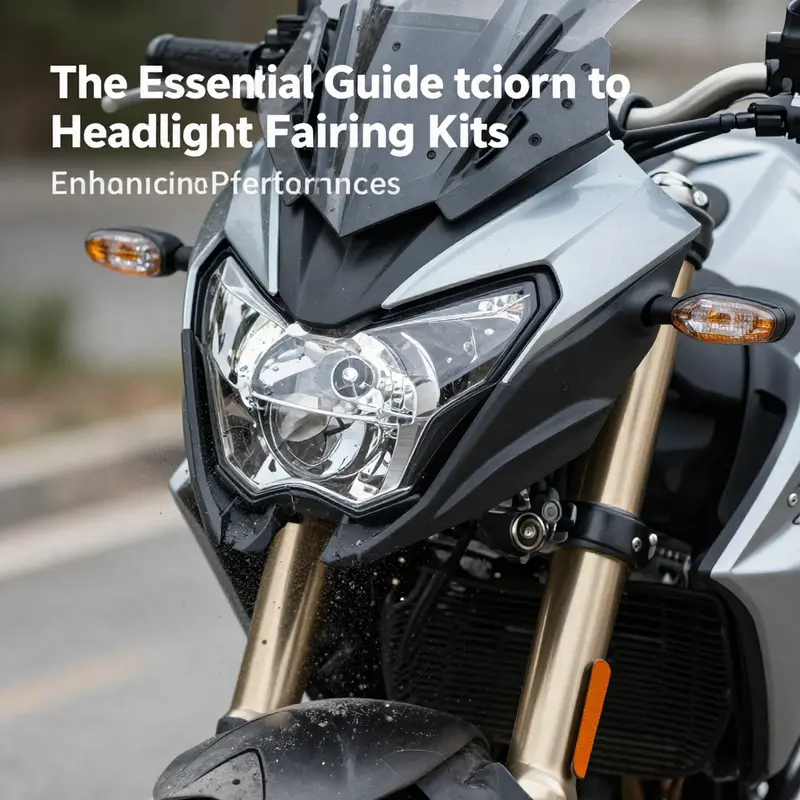
A motorcycle headlight fairing kit sits at a delicate but crucial junction: the place where fast-moving air meets a vulnerable lens. It is more than a styling cue or a quick cosmetic upgrade. It is a protective module that governs how well a bike can endure the hazards of open-road riding while preserving the clarity of the headlight. This chapter weaves together the protective mechanics, material science, and design intuition that turn a simple cover into a reliable shield. In doing so, it reveals why a well-chosen kit matters not only for aesthetics but for safety, longevity, and riding confidence across a wide range of conditions.
The first and most obvious protective function is the physical barrier. The headlight sits at the very front of the machine, where grit, stones kicked up by tires, and weather spray threaten the lens and the housing. A properly shaped fairing acts as a dedicated buffer, absorbing and redistributing impact energy before it can reach the glass or the bulb assembly. In practice, this means fewer microcracks and scratches that compromise light output or create distracting reflections at critical moments. The value is not merely cosmetic; a shielded lens remains bright and uniform, maintaining the rider’s ability to read the road علامات, notice pedestrians, and react to changing light conditions. Over time, this protective effect translates into fewer headlight replacements and less time spent on roadside maintenance.
Material choice is central to how well a fairing resists the everyday onslaught of weather and road debris. The most common options blend a careful balance of stiffness, impact resistance, and resilience to UV exposure. ABS plastic offers a robust platform that can flex slightly under impact, reducing the likelihood of catastrophic cracks. It is also adaptable to various thicknesses and finishing treatments, which helps when a rider wants a trim that can shrug off minor hits without adding noticeable weight. Carbon fiber variants, while more expensive, push the envelope on rigidity and impact distribution while trimming weight. The downside of carbon fiber is typically cost and potential color or finish considerations, but many riders view its high strength-to-weight ratio as a worthwhile trade-off for performance-oriented builds.
The layering of protection extends beyond raw materials to the geometry of the fairing itself. The aerodynamic profile is sculpted to guide airflow in a way that minimizes drag and reduces wind buffeting at speed. When air is channeled smoothly around the front end, it stabilizes the bike and lowers the dynamic pressure acting on the rider. That translates into calmer steering inputs and less fatigue during longer sorties. In this sense, aerodynamic design and protection are inseparable: a fairing that shields the lens but creates turbulent wake would undermine stability; a fairing that reduces drag but leaves the lens exposed would defeat its purpose. The best designs find a balanced compromise, offering a clean front without creating new, annoying wind noises or tremors that could distract the rider.
Lighting performance is another facet of protection that deserves attention. A shield should preserve, and in some cases enhance, the efficacy of the headlight itself. When the fairing edges are well contoured, the distribution of light can stay consistent, avoiding glare that would blind oncoming traffic while keeping the beam aimed where it is needed. Some kits integrate features such as anti-glare surfaces or reflective coatings that help manage reflections and improve overall visibility in rain or mist. The intended outcome is a beam that remains sharp and predictable across the full width of the road, reducing the chances of misinterpretation by other drivers and boosting safety for everyone sharing the lane.
Alongside performance, a fairing’s aesthetic language remains a valuable component of its protective role. Finishes range from transparent or smoked plastics to matte and metallic looks, allowing riders to fine-tune the front-end presence without resorting to a full fairing. The styling is not mere vanity; it communicates an intent for a more purposeful ride. A cohesive front end can also contribute to reduced glare from the sun on bright days and a more integrated silhouette that minimizes distractions for other road users. In short, the visual discipline of a well-chosen fairing reinforces the sense of protection by presenting a clean, controlled appearance that mirrors the bike’s performance characteristics.
Compatibility and installation are practical axes along which protection is delivered. Most headlight fairings are designed for straightforward mounting, often including bolts, screws, and clear instructions. A fairing that fits snugly around the headlight housing helps seal out moisture and reduces the chance that rain will seep behind the bezel during a sudden shower or a damp commute. The appeal of universal designs lies in their flexibility: they provide a reliable path to protection across a broad spectrum of models without requiring extensive fabrication or engine access to modify the bike. The measure of success is a seamless integration that feels like a natural extension of the bike’s front end rather than an add-on that jars the overall balance.
Another practical consideration is maintenance and longevity. A headlight fairing endures UV exposure, temperature swings, and road chemicals, all of which can degrade plastics and adhesives over time. Routine cleaning helps maintain clarity and finish, and periodic inspection for cracks or loosened fasteners keeps the installation solid. Seals around the edges, though often unobtrusive, play a critical role in preventing moisture ingress, which can lead to lens hazing or fogging and, in turn, a dimmer beam. The mindset here is proactive care: treat the fairing as a long-term protective ally, not a one-season accessory. When cleaned and checked regularly, it continues to shield the lens while preserving its appearance and aerodynamic function.
The value proposition for protective headlight fairings extends beyond outright protection. They offer a measured upgrade path for riders who want more control at the front of the bike without the complexity or cost of a full fairing, which can be heavier, more invasive to access, and costlier to repair. For sport-oriented riders, café racer builders, or daily commuters alike, this approach presents a practical, scalable balance of durability, weight, and cost. The kit is a versatile solution that can be tailored to different riding contexts—from wet commutes that demand reliable beam performance to dry weekend blasts that reward an optimized front-end profile with a strong, confident look.
The market for these fairings often emphasizes broad model coverage and flexible installation options. A catalog that aggregates front-end protection across a spectrum of models helps buyers compare fit, finish, and price without committing to a single, fixed configuration. This approach allows riders to preserve their preferred riding stance and wheelbase while adding a shield that respects the bike’s intended lines and ergonomics. The result is a front end that communicates purpose—proof that protection and personality can coexist in a single, thoughtfully designed component.
For readers who want a concrete first step toward exploring options, consider exploring the dedicated front-end protection collections. These pages compile compatible fairings and related accessories, offering a centralized view of the available finishes, materials, and mounting styles. See the collections page for the front-end protective fairings here: collections/honda-fairings.
Ultimately, headlight fairing kits prove that protection is not a compromise between safety and style. When chosen with a focus on shield integrity, material performance, and integration with the bike’s geometry, a fairing becomes a quiet partner in every ride. It guards the lens against the knocks and spray of daily life, steadies the bike’s front end at speed, and helps preserve the beam that keeps the rider oriented and visible. The result is a more confident, more reliable riding experience—one where the beam, not the shield, remains the hero of the front-end story.
External resource for deeper context on high-performance headlight fairing design and protective features can be found here: https://zjmoto.en.alibaba.com/zh_CN/index.html?productId=1601238338384
Shaped for Identity and Performance: Customization in Motorcycle Headlight Fairing Kits
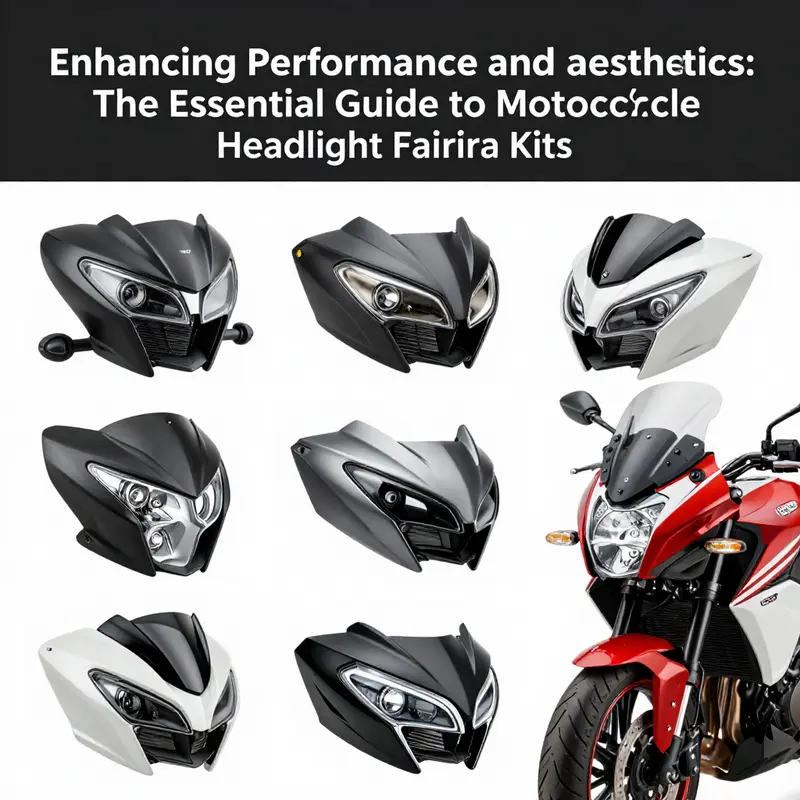
Riders have long used bodywork as a language for their machines, translating taste, intent, and riding philosophy into shape and color. A headlight fairing kit is not just a cover; it is a canvas that sits at the crossroads of airflow, visibility, and personality. When you choose a kit with customization in mind, you are selecting a way to compress the rider’s story into the bike’s frontal silhouette. The headlight area, once a simple aperture admitting light to the road, becomes a charged zone where aerodynamics, protection, and style converge. The appeal of customization here is not merely cosmetic. A well-chosen design can smooth the entry of air, reduce buffeting, and help the bike feel more planted at speed. Yet it remains essential to balance appearance with function, to ensure the kit complements the engine’s breath, the rider’s posture, and the bike’s overall stance. In that balancing act, customization becomes a practical tool rather than a vanity exercise, a means to tailor the ride to the rider’s daily routine as much as to the dream of the weekend track day.
Design and color variety is the most immediate and transformative avenue for personalization. Many headlight fairing kits arrive with options that range from aggressive, racing-inspired motifs to understated, stealthy palettes. The vivid color schemes and racing decals can instantly communicate a rider’s taste, from bold visibility to a more restrained, monochrome aesthetic. Customizable graphics, including subtle line work or bold emblems, allow the bike to echo a rider’s helmet, jacket, or riding club identity without requiring a full fairing overhaul. The upshot is a machine that communicates a clear, cohesive message on the road. The freedom to mix and match colors, graphics, and finishes means each build can be one of a kind. This is where the kit becomes a personal signature piece, a statement sewn into the bike’s front end.
Material composition underpins both the look and the performative potential of customization. ABS plastic remains a common choice because it offers a favorable blend of durability, impact resistance, and ease of shaping. For riders who want sharper angles or intricate graphics, ABS accepts fine detailing and a smooth paintable surface. The material choice also influences weight, cost, and heat tolerance near the headlight housing. A robust fairing will resist small abrasions from road debris while still allowing easy repaint or clear coat applications. The ability to paint or finish a kit to match a bespoke color code or a defined theme makes material selection a practical tool for personalizing the bike without sacrificing reliability or serviceability. In this sense, material composition is the quiet ally of the designer, one that keeps the aesthetic plan intact through everyday riding and occasional weather exposure.
Fitment and compatibility shape how far customization can go without compromising function. A well-designed kit seeks alignment with the motorcycle’s frame, headlight housing, and instrument cluster. Custom-fit options, often tailored to specific models, deliver a seamless, integrated look and reduce the risk of paint chipping or misalignment during installation. Universal kits offer broad compatibility, but their edges may require more careful alignment and minor modifications. The goal is a tight, precise fit that preserves access to the headlight and keeps the wiring and mounting points secure. When fitment is right, the kit strengthens the bike’s visual contour without adding bulk or creating wind-inducing rattles. This makes the pursuit of a custom look compatible with practical maintenance and ongoing reliability, a crucial consideration for riders who log long miles or engage in spirited road sessions.
The spectrum of fairing types within customization options further shapes both aesthetics and performance. Partial fairings, which cover only the upper forebody near the headlight, offer a lighter visual upgrade and a targeted aerodynamic boost. They can lend a sportier, race-inspired profile without the weight and maintenance of full fairings. On the other hand, full fairings provide comprehensive coverage, delivering a pronounced aerodynamic improvement and a smoother fringe of airflow around the front wheel and radiator area. The choice between partial and full reflects a rider’s priorities: a sharper look and easier service versus maximum wind protection and streamlined efficiency. In practice, the two approaches can converge—several riders implement a partial kit with a matching wind deflector or smoked visor package to seal the look while maintaining comfortable everyday ergonomics. This is where customization becomes a cohesive design strategy rather than a patchwork of add-ons.
Windshield integration and visor options extend customization beyond color and shape into acoustics and comfort. Integrated wind deflectors or smoked visors reduce wind noise and buffeting, especially on long rides and at highway speeds. The visual line between headlight cover and windshield can be tuned for a unified silhouette, contributing to the bike’s overall cadence on the road. The choice of tint or translucence influences perceptual protection and glare management, adding another layer to the customization calculus. A well-considered configuration can soften the rider’s interface with the wind while preserving visibility through the headlight and instrument cluster. In short, customization is as much about how the front end feels to ride as how it looks in the saddle or at a stoplight. The sensory feedback—the quiet air, the steady line of sight, the absence of flutter—becomes part of the aesthetic narrative.
Practical considerations shape how riders translate design desires into a working kit. Installation is typically straightforward, with kits that include bolts, screws, and step-by-step guidance. Yet the ease of installation also depends on how well the kit matches the bike’s contours and whether it requires trimming or extra sealing to resist moisture. A good kit anticipates these realities with precise cutouts, robust mounting points, and clear instructions that minimize trial-and-error mounting. Finishing options, such as matte or glossy coats and paint-ready surfaces, empower the user to bring the look to life using familiar spray or airbrush techniques. The maintenance story matters too: a finish that can be washed without dulling, a surface that resists UV fade, and a protective clear coat that guards graphics during trips through rain or road grime. The best customization projects treat maintenance as part of the design plan, not an afterthought.
For riders who crave a tailored fit without compromising interchangeability, a thoughtful approach to fitment, materials, and finish is essential. The customization journey is iterative: you select a design, test fit, confirm alignment, and adjust with minimal disruption to the headlight casing and surrounding components. The result is a front end that reads as a deliberate, cohesive statement rather than a disparate mix of parts. This is why many riders view headlight fairing kits as a pragmatic fashion choice: you get a visible upgrade that also enhances aerodynamics, protection, and comfort. The chapter on customization thus reveals a quiet yet powerful truth—the most lasting aesthetic change comes from a careful blend of quality materials, precise fit, and a design ethic that respects both form and function.
If you are exploring your options, consider how a kit might align with a broader design plan for your bike. Look for clean edge lines that follow the bike’s geometry, color schemes that harmonize with the frame and wheels, and decals that echo the helmet or riding gear without overpowering the silhouette. The interplay between the graphics and the windscreen’s curvature can produce a unified character, while maintaining clear access to the headlight and its protective housing. When customization is approached with attention to fit and finish, the result is more than a new look—it is a refined riding experience that blends style, performance, and durability into one coherent package. A well-executed customization plan makes the fairing kit feel less like a retrofit and more like a natural evolution of the bike’s design language.
To connect these ideas with practical options, some catalogs curate model-relevant sections that mirror the rider’s intended outcome. For example, a dedicated page pathway can be navigated to explore design variations and compatibility notes, followed by paint-ready finishes and wind-deflection features. This approach keeps the conversation practical and future-facing, ensuring that the choice supports both today’s ride and tomorrow’s goals, whether that means more confident highway cruising or a sharper, track-inspired stance for weekend sessions. For riders who want a quick entry point into customization, a balanced starting point is to prioritize fit, then finish, then graphics, letting each choice reinforce the other.
For readers seeking a connected browsing experience that complements this discussion, the design catalog of a respected aftermarket catalog offers a broad range of options. The emphasis remains on balancing looks with rider comfort and mechanical access, ensuring the final setup feels as natural as the bike’s original silhouette.
External resources help illuminate the broader market dynamics, including how retailers present customization options and how riders weigh aesthetics against protection and efficiency. A widely used online marketplace provides access to a vast array of fairing components and finishing options, reflecting the real-world breadth of customization potential. This landscape encourages riders to experiment with color identity, material texture, and graphic language while staying mindful of fit and maintenance. In the end, customization in headlight fairing kits is less about chasing trends than about crafting a personal connection with the bike—an expression of rider identity expressed through careful materials, precise fit, and purposeful design decisions. External resource: https://www.aliexpress.com/w/wholesale-headlight-fairing-motorcycle.html
Precision Fit and Continuous Clarity: Installing and Maintaining Headlight Fairing Kits for a Sleek, Protected Front End
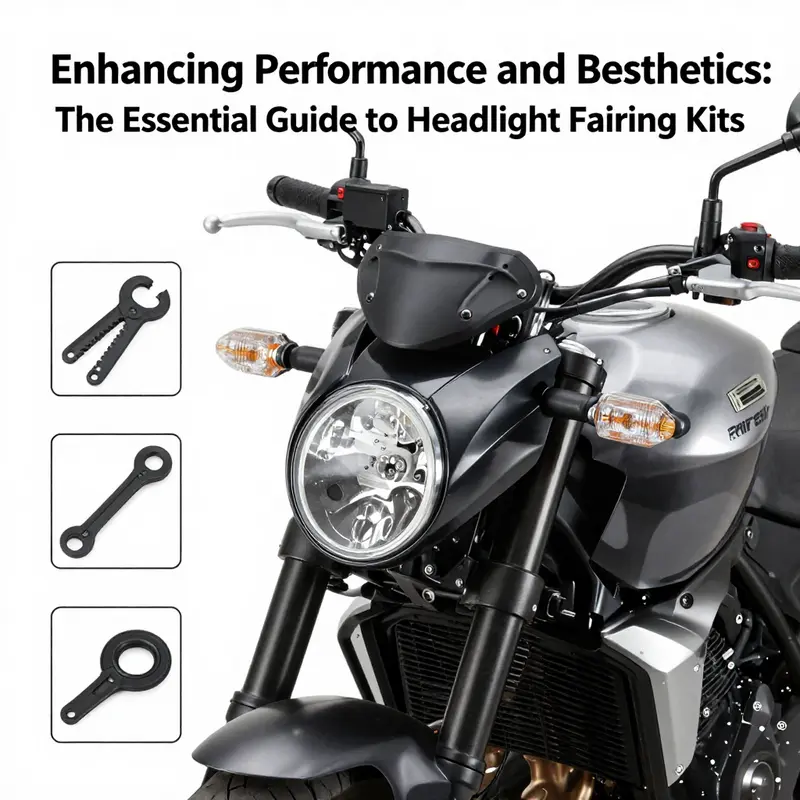
A headlight fairing kit sits at the gateway of a motorcycle’s profile, shaping both the look and the very air that flows around the machine. It is a modest upgrade with the potential to deliver tangible gains in stability, efficiency, and rider comfort. When approached with care, installation becomes a quiet, almost ritual process that respects the bike’s engineering while letting the front end express a rider’s personal style. The kit’s value rests not just in its appearance but in how well it blends into the existing lines of the machine, smooths the airflow, and shields the headlight from the onslaught of road grit, rain, and dust. A thoughtful installation reduces drag, helps maintain stable handling at speed, and supports consistent lighting performance in less-than-ideal weather. The maintenance that follows then becomes a routine of preservation, not a drill of repair, ensuring that the fairing continues to serve both function and form for miles to come.
Choosing the right fairing kit begins with fitment accuracy. A universal kit can offer a quick aesthetic upgrade, but the real performance and safety dividends come from a system that aligns with the motorcycle’s geometry. The alignment of mounting points, the clearance around the headlight assembly, and the way the fairing wraps toward the frame all influence not only the appearance but wind behavior at the very front of the bike. When fitment is off, even slightly, it creates gaps and misalignments that can trap air in unwanted ways, increase buffeting, or introduce vibrations that wear fasteners and degrade appearance. The design ethos of a high-quality kit emphasizes precise dimensions, purposeful contouring, and provisions for secure attachment that respects the original structural anchors. For riders exploring these options, a catalog or collection that groups compatible shapes and mounting strategies can help, guiding decisions toward a fit that is as much about function as it is about style. See the collections/honda-fairings resource as a practical starting point for understanding how a dedicated fairing family aligns with specific frame geometries and mounting conventions.
Preparation is the foundation of any successful upgrade. A clean, organized workspace reduces the risk of losing tiny fasteners or scratching painted surfaces. Before lifting the bike, ensure it is parked on a level surface and supported securely. Gather the typical tools—drivers, wrenches, a torque wrench, and a few basic soft-cloth cloths for wiping surfaces. A clean, dry environment helps prevent grit from becoming a longer-term problem once the fairing is in place. The removal of OEM components—the headlight cover, small fenders, or surrounding covers—should be done with care. These parts often serve as the first guard against scratches and incidental damage to the bike’s finish, so handling them gently preserves the integrity of the paint and the hardware you’ll reuse.
When it comes time to install the new kit, the emphasis should be on alignment and a measured approach to fastening. Reading the manufacturer’s instructions remains essential, even if the kit appears straightforward. Composite materials, such as carbon fiber-reinforced or fiberglass-reinforced plastics, deserve special attention; excessive force can cause micro-cracks or structural deformation that compromises both fit and durability. Begin by loosely positioning the fairing to check lineups along the top edge, the sides, and the lower join with the frame. If a wind deflector or integrated windshield is part of the design, verify that its curvature and mounting points align with the rider’s line of sight and with the turns of the instrument cluster. Use the provided hardware as a baseline, and then tighten progressively in a sequence that maintains even pressure and alignment. The aim is to achieve consistent gaps around the entire perimeter, with particular attention paid to any corners or tight radii where slight misalignment can magnify wind flows in unexpected ways. In practice, this means a slower, more deliberate tightening process rather than a rapid, all-at-once torqueing of every fastener. A controlled approach helps preserve the integrity of the mounting points and safeguards the fairing against early fatigue.
After the kit is secured, a careful inspection follows. Check every connection point for security and ensure the fairing’s gaps are even across the motorcycle. If any offset is detected, back out the offending fasteners, re-align, and re-tighten. Pay attention to how the fairing intersects the headlight housing; you want a clean seal against moisture ingress without binding the headlight’s movement or the bulb’s heat path. Given the headlight is a critical safety component, any unintended pressure or misalignment around the lamp can influence beam pattern and light output. If the kit uses an integrated windshield or a smoke visor, confirm that the windstream is not redirected in a way that introduces noise or buffeting at typical riding speeds. In this step, riders often discover that minor adjustments to the fairing’s angle relative to the headlight and the frame can yield noticeable improvements in aero comfort and clarity of vision at high speeds or in crosswinds.
Beyond the initial fitment, the conversation turns to sealing, finish, and long-term durability. A well-sealed edge protects the headlight from rain and splash, while a glassy, well-finished surface maintains aesthetics and resists UV degradation. If the kit carries a matte or gloss finish, consider a protective coating or wax that is formulated for textured or smooth surfaces alike. The coating should offer UV resistance and be compatible with the fairing’s material, whether ABS plastic or a composite. For many riders, this step translates into a quiet weekend project that rewards in the form of a brighter, longer-lasting headlight and a front end that continues to look sharp after miles of exposure to sun, rain, and road salt. In the long view, regular inspection of the mounting bolts and clips is advisable. Looseness can be a silent culprit, allowing small rattles that accelerate wear or degrade alignment. Re-torque to manufacturer-recommended values after the first few rides and then on a periodic basis, particularly after occasional off-road exposure or heavy road use. This habit preserves the kit’s integrity and ensures that the fairing remains a coherent part of the motorcycle’s aerodynamics rather than a loose appendage.
Maintenance emerges as a companion practice to installation. It begins with regular cleaning—gentle washing with mild soap, plenty of water, and a soft cloth. Abrasive cleaners or stiff brushes can mar the surface, dull the finish, or scar the edges, undermining both the visual appeal and the protective barrier. For coatings or finishes with color or texture variance, a compatible cleaner recommended by the finish manufacturer helps retain that look over time. Periodic inspection of sealants along the edges is also wise; a compromised seal invites moisture that can fog the headlight or undermine the fairing’s edge integrity. If the kit employs a clear or tinted windscreen, wipe from the center outward to avoid streaks, and use a microfiber cloth to minimize micro-scratches. A light touch with a soft cloth is often more effective than aggressive scrubbing, and it helps preserve the visual clarity riders rely on when the sun is low or rain is present.
From a performance perspective, the fairing’s impact is subtle but meaningful. When fitment is precise, the front of the bike behaves more predictably at highway speeds, and the rider experiences smoother airflow around the helmet and upper chest—reducing wind noise and buffer across a larger swath of the ride. The fairing acts as a shield, not only for the headlight, but for the rider’s comfort by dampening erratic gusts that otherwise would jostle posture and breathing during long commutes or spirited sessions on country roads. The aerodynamic advantage is complemented by practical resilience: the headlight remains protected from debris and minor impacts, helping to preserve brightness and beam quality over time. A 2024 industry snapshot underscored this synergy by noting that streamlined front-end components can contribute to measurable improvements in overall ride dynamics, which translates into steadier handling and, in some cases, modest gains in efficiency as the engine works against less air resistance.
For riders who want to maximize the continuity between the bike’s look and its performance, a practical habit is to revisit the installation after the first long ride or after a season of operation in varied climates. Temperature swings, road debris, and vibrations from rough pavement can gradually shift fitment in small ways. A quick check of gaps, a visual inspection for hairline cracks at the mounting points, and a re-torque of fasteners where needed can prevent small problems from becoming larger ones. This mindset—treating installation as a living part of the bike’s maintenance schedule—supports both the aesthetic and the functional goals of the upgrade. When it is time to replace the kit or upgrade to a different design, the same approach—careful fitment, patient tightening, and thoughtful sealing—will ensure that the next front-end upgrade yields consistent benefits rather than a sporadic mix of performance and appearance.
Internal linking to model-specific fitment guides can further support a rider’s decision process. For those seeking a direct path to compatible configurations, the collections/honda-fairings page offers a structured view of how front-end fairings map onto common frame geometries and mounting strategies, helping a rider anticipate potential alignment challenges before purchasing. This context supports a smoother transition from curiosity to installation readiness and helps ensure that a chosen kit delivers the intended aerodynamics and protection without undue modification. Beyond the hands-on work, maintenance remains the quiet keeper of the upgrade’s value; a small, regular ritual of cleaning, sealing, and fastener checks preserves the front end’s clarity and integrity for years to come.
External resource: For readers who want to explore a broad marketplace of fairing options and accessories, a widely used e-commerce hub aggregates listings and customer feedback that can inform a future upgrade. https://www.aliexpress.com/w/wholesale-headlight-fairing-motorcycle.html
Riding the Front: Market Trends, Materials, and Choices in Motorcycle Headlight Fairing Kits
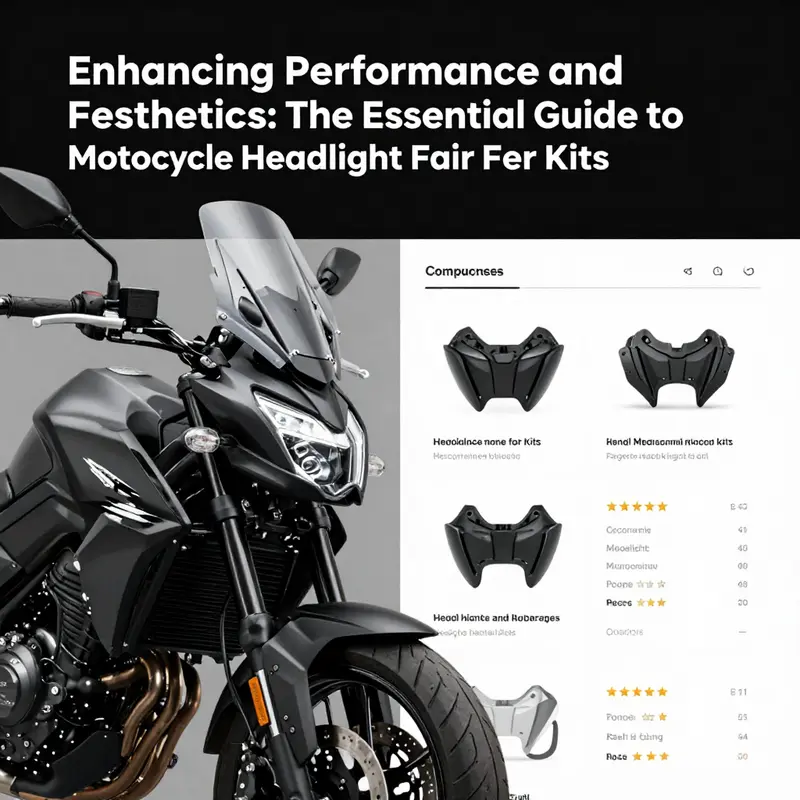
In the fast-evolving world of motorcycling aesthetics and efficiency, the headlight fairing kit sits at an intersection of form and function. Market data from 2025 shows the global motorcycle headlight bracket market as a robust segment within the broader aftermarket, valued at about 13.09 billion dollars and expanding at a healthy CAGR of 15.27% through 2033. That growth isn’t just a reflection of style; it signals riders’ increasing willingness to invest in components that shave drag, stabilize handling, and elevate the visual language of their bikes. The headlight fairing kit, positioned as a streamlined cover that hugs the front edge above the forks, offers a comparatively lightweight path to aerodynamic gains without the complexity and cost of a full fairing. For riders who want a minimalist, race-inspired look, this is a compelling middle ground.
Materials and construction stand out as early discriminators in this space. Fiberglass remains a popular option for those who want a balance of stiffness, ease of fabrication, and cost. Aluminum alloys bring greater rigidity with a modest weight penalty but can yield a premium feel and durability for aggressive riding. The choice of material often defines the performance delta a rider can expect. In the market, price bands reflect these trade-offs. A typical glass-fiber kit intended for universal fitment can be found in a broad range, roughly from a few hundred to over six thousand yuan, depending on finishes, wind deflectors, and whether a smoke windshield is included. This spectrum is further widened by manufacturers who integrate additional features such as integrated windshields, sharpened edges for improved airflow, and mounting hardware that aims to simplify installation for DIY enthusiasts. The result is a spectrum that accommodates beginners looking for an affordable entry and seasoned riders seeking a more premium appearance and robust protection.
The aerodynamic rationale behind these kits is straightforward, but its effects are nuanced. A well-designed headlight fairing smooths the flow of air above the front wheel and across the fork crowns. That smoother flow translates into reduced drag, which can contribute to maintained high-speed stability and a more comfortable riding experience. Riders often report less buffeting at highway speeds, a calmer helmet shield, and a stamina boost on long trips. Importantly, these gains are not purely theoretical. Contemporary analyses angled toward performance upgrades in the aftermarket space point to measurable improvements in ride dynamics when the fairing integrates cleanly with the headlight housing. This improvement in dynamics is not just about speed; it translates into better fuel economy, because the engine can sustain a given pace with a slightly lower throttle input when air resistance is trimmed. It is no accident that the segment’s growth is tied to both aesthetics and practical efficiency.
On the protective side, the fairing functions as a first line of defense for the headlight itself. Debris, rain, road grit, and minor impacts common on open roads can diminish lamp clarity and shorten bulb and lens life. A well-executed kit shields the glass and helps maintain optimal illumination through varying weather conditions. A 2025 report on universal headlight fairings underscores this protective dimension as a core value proposition, not simply a cosmetic enhancement. For riders who ride year-round or in urban environments with frequent debris, that added layer of protection translates into less maintenance and more consistent lighting performance. The reliability of the headlight directly influences visibility, which remains a key safety consideration. When the headlight shines clearly, the overall perception of the motorcycle’s front end improves, contributing to better visual coherence and rider confidence at dawn, dusk, or night.
As shoppers move beyond the concept of protection and aerodynamics, customization becomes the compelling force behind many purchases. The modern kit market embraces a spectrum of designs, from the clean, minimalist front plate to configurations that echo the linework of modern sport bikes. A prominent design choice is the density and clarity of the cut, which aims to preserve engine access and serviceability while still delivering a tighter profile at the front. Some universal options focus on a round or projector LED headlight configuration, aligning with contemporary lighting trends that emphasize sharp cutoffs, brighter center beams, and more even distribution. The projector LED approach is favored for its efficiency and the quality of the beam pattern, which helps riders with safer night visibility and more precise localized illumination. This, in turn, can influence rider behavior and confidence in low-light conditions.
The market’s breadth is driven not only by the products themselves but also by the fluid ecosystem of purchasing platforms and service support. Buyers encounter a range of configurations, from basic covers to more elaborate kits that integrate wind deflectors, smoked visors, or tinted laminates designed to reduce glare and wind noise. The installation story is often a strong selling point. Many offerings emphasize a straightforward fit, with included hardware and step-by-step guidance that invite confident DIY installation. For those who want extra assurance, manufacturers frequently provide customer support channels to assist with fitment questions and mounting concerns. The idea is to empower riders to upgrade their front end without requiring a full teardown or repaint, shaping a frictionless entry into visual customization.
In practical terms, the purchasing landscape is broad enough to accommodate varied budgets and ambitions. Basic universal kits—crafted from fiberglass or light alloys—tend to anchor the lower end of the price spectrum, making them accessible to riders who want a fresh visual without a heavy financial commitment. At the upper end, premium finishes, anodized aluminum accents, and integrated features such as high-grade wind deflectors and engineered sheltering shapes can push the investment into the higher ranges. This tiered structure aligns with the broader aftermarket philosophy, where the objective is to deliver value by balancing weight, rigidity, and price. For riders who have never installed a fairing kit, the process is typically straightforward. The included mounting kit usually features labeled fasteners and clear instructions. The step-by-step sequence—removing the old piece, aligning the new fairing with the front frame, and tightening the hardware—remains a familiar DIY workflow, albeit with the nuance of ensuring a clean seal around the headlight and a precise alignment with the forks. The overall experience underscores a practical benefit: a relatively quick transformation that can alter the perceived character of the motorcycle without a prohibitively long downtime or expertise barrier.
Looking across the retail horizon, the purchasing decision is influenced by more than just price. Rhythm of the season, promotions, and return policies shape buyer confidence. The research landscape notes that many retailers offer a generous window for returns on unused, undamaged items, a feature that eases the risk of selecting a wrong fit or design. Seasonal promotions can further improve affordability, especially for riders who are still experimenting with how a headlight fairing integrates with their overall chassis setup. The net effect is a marketplace that rewards informed comparison—materials, finishes, fitment, and the presence of wind-deflecting accessories—while giving shoppers the space to test fit and aesthetics in the context of real-world riding.
To connect these threads to a practical path forward, riders should approach the purchasing decision with a few guiding questions. What is the intended riding context—daily commuting, weekend twisties, or long-distance touring? How much aerodynamic benefit is sought, and where does that trade-off in weight and cost sit on the priority list? How important is the appearance of a minimalist front end versus a more aggressive, full-fairing look? And what is the planned maintenance routine? The answers help steer choices toward kits that emphasize straightforward installation, robust mounting hardware, and finishes that resist the elements. Alongside those reflections, riders can browse broad universal options that emphasize fitment versatility and compatibility across models, while also considering more model-specific lines that ensure precise alignment with the vehicle’s frame geometry.
In this context, the market’s growth and the breadth of purchasing options suggest a healthy degree of confidence for anyone considering a headlight fairing kit as a mid-range upgrade. The value proposition is not merely cosmetic. The kits offer a practical route to improved aerodynamics, reduced rider fatigue, and protective advantages for the headlight assembly. They also enable a degree of personalization that lets a rider articulate a unique look—tighter lines, a race-inspired silhouette, and a front end that visually communicates the rider’s commitment to performance without the burden of a full fairing overhaul. The chapter’s thread through this topic is simple: the headlight fairing kit is a strategic, accessible entry point into high-value customization, one that respects the balance between performance gains and practical constraints such as installation effort, weight, and cost.
For those who want to begin exploring today, a brand-agnostic catalog approach can be useful. While brand-specific options exist, a well-chosen universal kit can be paired with a rider’s existing components to produce a cohesive aesthetic and measurable performance benefits. As you navigate the catalog, consider the finish options, whether wind deflectors are included, and the ease of attaining a clean seal around the headlight. It is also helpful to review real-world fitment notes and installation guides that accompany the product pages of the catalog. If you are curious about how these kits translate into a structured lineup for a specific chassis family, you can take a closer look at the Yamaha fairings page to observe how a catalog can adapt to various bike geometries while preserving the rider’s preferred silhouette. That insight illustrates how the catalog approach blends with the broader customization ecosystem, letting riders decide what balance of performance, protection, and style they want.
In sum, the market trajectory for headlight fairing kits reflects a broader desire among riders for upgrade paths that deliver both utility and personality. The convergence of aerodynamic performance with simple, DIY-friendly installation makes these kits particularly appealing to sport-bike enthusiasts, café racers, and everyday commuters who want a sharper front end without the cost and commitment of a full fairing. The purchasing landscape remains diverse, with material options and design configurations that let riders calibrate weight, stiffness, and aesthetics. And as these kits continue to mature, the line between function and flair grows increasingly seamless, inviting riders to experiment with looks that align with their riding goals and the evolving visual language of modern motorcycling.
If you want to explore catalog options that highlight front-end styling across multiple chassis families, start with a collection focused on a specific brand’s fairings and branch outward from there. For those curious about brand-focused catalogs, the Yamaha fairings page provides a representative snapshot of how a single catalog can reflect compatibility across different models while preserving a cohesive design language. This approach keeps the ownership experience straightforward and gives riders a dependable source for fitment guidance and style alignment.
External resources can provide broader context. A comprehensive listing of headlight fairing options is available on a major global marketplace that serves riders around the world, with thousands of listings spanning universal and model-specific fits. This external resource helps verify current availability, prices, and user feedback as you compare options in real time. The address is included below for reference and further exploration.
[External resource: https://www.aliexpress.com/w/wholesale-headlight-fairing-motorcycle.html]
Now, this includes an internal link to a brand-focused catalog and an external link to a marketplace.
Final thoughts
Motorcycle headlight fairing kits offer a critical balance of improved aerodynamics, enhanced protection, and aesthetic customization for riders. Their influence on performance and style can lead to increased customer satisfaction and loyalty, making them an attractive product for business owners in the motorcycle industry. By understanding the ins and outs of these fairing kits—from their aerodynamic advantages to the various customization options available—business owners can position themselves to meet the diverse needs of their customers. Embracing these innovative products can ultimately lead to greater sales opportunities and a stronger brand presence in the competitive motorcycle market.