
Motorcycle LED fairing lights have surged in popularity among riders looking to improve both safety and style. With an increasing number of motorcyclists prioritizing visibility and customization, this accessory not only serves practical purposes but also allows for expression of individuality on the road. Each chapter of this guide delves into crucial aspects of motorcycle LED fairing lights, from enhanced visibility in low-light conditions to their energy efficiency and longevity. Additionally, we explore customization trends in styles and designs that cater to diverse rider preferences, alongside insights into market dynamics and the quality standards that ensure reliability and performance. Business owners in the motorcycle accessory sector stand to benefit from understanding these trends and products, providing opportunities for expanded inventory and customer satisfaction.
Seeing the Road Ahead: How LED Fairing Lights Elevate Safety and Style on Motorcycles
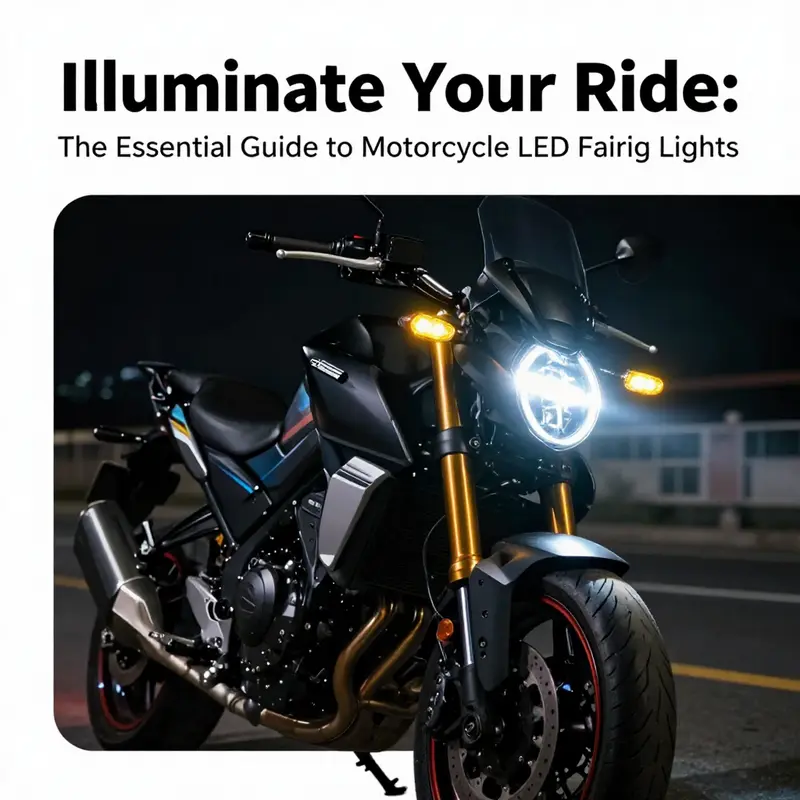
When riders choose to upgrade their motorcycles with LED fairing lights, they are not merely chasing a sharper look. They are embracing a practical enhancement that alters how the bike interacts with its environment. The fairing, as a critical piece of the machine’s silhouette and aerodynamics, becomes a canvass for light that can extend the rider’s visibility to other road users while deepening the machine’s personality. In the dim hours of dusk or the damp chaos of rain, an extra layer of light radiates along the lower edges of the fairing, outlining the bike’s form and casting a quiet halo of awareness around it. This is not mere decoration; it is a tangible safety feature. LED technology delivers bright, broad illumination with a fraction of the power draw of traditional bulbs, making the rider’s presence more pronounced without sacrificing efficiency or burdening the electrical system. The result is a more forgiving interaction with courtesy drivers who are navigating the same imperfect visibility that shadows every ride at night or in inclement weather. The visual impact is real, but the functional benefits run deeper. A motorcycle’s presence in traffic is unevenly distributed. Cars and trucks can forget a motorcycle in the complexity of a lane change or a moment of lane-sharing. LED fairing lights fill the gaps in that perception. They illuminate not only the bike’s frontal area but also the periphery—corners of the rider’s field of vision that alert other drivers to the motorcycle’s dimensions, speed, and trajectory. This emphasis on peripheral visibility supports safer lane positioning and can reduce the frequency of sudden braking or swerving reactions from nearby motorists who previously failed to register the bike in time. The technology’s efficiency matters on longer rides and touring expeditions, where battery reserves, alternator output, and overall reliability are part of the day’s calculus. LEDs draw considerably less power than traditional lamps yet deliver more light. When a kit is designed for longevity, it can outlast many typical bulb replacements, offering a steady return on investment in both safety and aesthetics. The durability of robust waterproof housings—often rated IP65 or higher—means that rain, road spray, dust, and grit do not degrade performance. A solid seal around the LED strip or halo ring preserves light quality and prevents corrosion from salt and moisture. It is no accident that these lighting systems emphasize heat management as a core design feature. LEDs generate heat, and without effective heat dissipation their brightness can fade or their lifespan diminish. High-quality kits incorporate heat sinks, and some even integrate active cooling in high-output configurations. The point is not merely to sparkle; it is to sustain brightness, color stability, and efficiency under the demanding conditions of real-world riding. The ability to customize color and pattern adds another layer of nuance to how these lights influence perception and style. Static white running lights provide a clean, modern look that respects the bike’s lines. RGB strips open a world of color options that can be controlled via remote or app, allowing a rider to tailor the lighting to mood, riding conditions, or simply personal taste. Some setups offer dynamic patterns—soft color shifts, color-changing cycles, or pulsing effects—designed to be visually striking while avoiding distraction for other road users. For the tall riders and long-haul travelers, a dual-beam concept can be appealing: a long-range spot beam for forward visibility and a wide-angle flood to illuminate the bike’s immediate surroundings. This combination improves situational awareness on winding roads and in city traffic alike. The broader point is that lighting is not a single-function accessory. It interacts with the bike’s existing lighting system, the rider’s decisions, and the environment in which the machine travels. The practical advantage lives in the clarity with which others perceive the motorcycle’s presence and orientation. In daylight, when the sun’s glare can wash out high-contrast elements, well-placed lights maintain a consistent visual signature that contributes to predictable behavior from other drivers. The result is a calmer, more confident ride, where the rider’s position in the lane is less ambiguous and the forward momentum of the bike is more legible at a glance. Installation hands are often the first consideration. A plug-and-play approach makes a difference, especially for riders who want to preserve original wiring integrity or minimize downtime. Many LED fairing lights are designed to mount with adhesives or simple brackets that align with existing contours and mounting points. This means a rider can install the kit with basic hand tools and a careful eye for clean routing. Yet some modern motorcycles, with advanced electrical architectures, may require a CANBUS adapter to prevent dashboard error messages or unused indicators on the instrument cluster. A cautious approach is to test fit the lights away from hot engine components first, then route power lines along protected channels rather than letting them bear the brunt of vibration and heat. The alignment of the lights is as important as the lights themselves. Improperly aimed fixtures can create glare for oncoming traffic, defeating safety goals and inviting complaints from other road users. A thoughtful setup will aim the beams slightly downward to illuminate the road surface in front of the bike while maintaining a soft halo around the rider’s eye level. In this sense, the lights function like a second set of eyes for the rider, enhancing awareness of the ground, curbs, and potential obstacles that would otherwise be obscured by the bike’s own silhouette. Beyond the purely mechanical, the regulatory landscape shapes how these upgrades can be used on public roads. In many jurisdictions, aftermarket lighting must comply with general lighting standards to be legal for road use. This often means adhering to color and intensity guidelines, avoiding flashing patterns that could be mistaken for emergency signals, and ensuring that the primary headlight and turn signals remain clearly discernible. A careful rider will select configurations that comply with local rules while still achieving the desired aesthetic and safety effects. The balance between personal expression and responsibility is part of the decision-making process that accompanies every fairing-light upgrade. The kind of lighting described here—lower-fairing LED strips, halo rings, and RGB underglow options—embodies a philosophy of visibility that respects the road’s shared space. The designs come with varied mounting options, including low-profile channels that hug the fairing’s lines and floating mounts that preserve the bike’s aerodynamics. Heat dissipation, waterproofing, and durable seals remain central design considerations, because a kit that fails in rain or during high-speed cruising undermines the rider’s confidence and safety. There is a strong alignment between this practical safety function and the rider’s desire for a personalized, distinctive appearance. A well-chosen kit can transform the motorcycle’s street presence without compromising performance. The visual language—glow in a defined spectrum, controlled brightness, and deliberate beam patterns—speaks to the rider’s relationship with the bike. It signals attention to detail, a careful approach to maintenance, and a readiness to adapt to changing conditions. For riders who want to explore model-specific fitment options, resources that map light kits to particular fairing designs can be especially helpful. In that context, a dedicated Yamaha fairings collection provides a useful reference point for how lighting integrations can be harmonized with factory styling while preserving the bike’s original lines and dimensions. See more on Yamaha fairings through this collection: Yamaha fairings collection. This kind of resource helps ensure that the upgrade respects fitment while delivering the expected lighting performance. While aesthetics and safety are the core motivators, the practical realities of electrical load, heat, and weather exposure shape the final choice. A responsible rider will assess the kit’s IP rating, verify CANBUS compatibility, and confirm that the selected layout does not interfere with the bike’s cooling system or steering geometry. The best installations are invisible in operation yet obvious in effect: the bike looks ready for night rides, winter commutes, and highway cruises, while motorists and pedestrians respond to the glowing outline with a clear sense of the motorcycle’s presence. For those who want deeper technical grounding, the conversation around LED lighting often points to how headlights themselves improve night visibility through improved beam control and color temperature. While the LED fairing light is not a primary headlamp, it shares the same ethos: high-contrast, directed illumination that enhances forward perception without blinding others. Riders who study this relationship tend to choose kits that emphasize beam shaping, color stability, and durable construction rather than raw brightness alone. In the end, the decision is about choreography—how light, rider, and road interact. The lights choreograph a safer, more confident rhythm to the ride. They reinforce a rider’s situational awareness by mapping the bike’s motion with a visible signature that complements the rider’s experience, time, and place on the road. The evolution of LED fairing lights mirrors a broader trend in how riders personalize motorcycles: the fusion of function and artistry. As more riders seek to express personal style while prioritizing safety, the demand for adaptable, durable, and regulation-conscious lighting will continue to grow. The road is a shared theater, and LED fairing lights help the motorcycle take its place on stage with clarity, presence, and responsibility. External resource: https://www.motorcycle.com/led-headlight-guide
Enduring Glow: LED Fairing Lights for Safer Night Riding
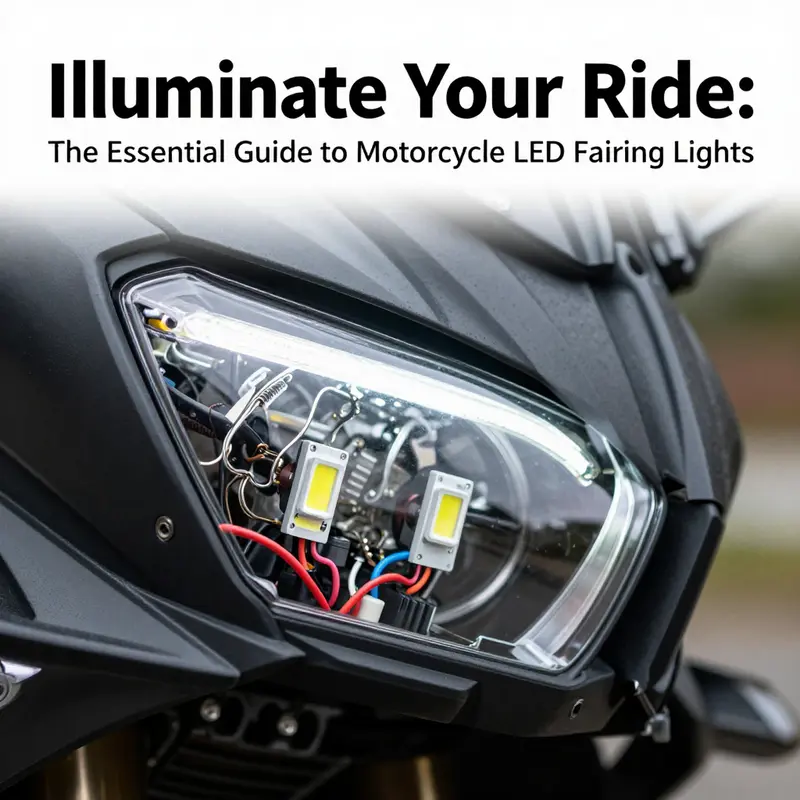
LED fairing lights have become a pragmatic upgrade for night riding. They deliver bright, focused illumination while reducing load on the electrical system. LEDs convert more energy into light and less into heat, meaning lower current draw and longer battery life. This translates into fewer watts used during long rides and more margin for other accessories.
Beyond efficiency, LED modules offer longevity: thousands of hours of operation, reduced maintenance, and rugged housings that resist vibration and weather. Properly sealed units with IP65 or higher ratings keep moisture out and beam stability intact through rain, spray, and cold starts. Customizable beam patterns and color temperatures help riders tailor visibility and reduce eye strain in changing light.
The installation can be integrated into the fairing design for a factory like finish, with CANBUS compatible modules to avoid dashboard warnings. While higher upfront cost exists, the total cost of ownership often favors LEDs thanks to longer life and lower replacement frequency. For riders who value reliability and a clean aesthetic, LED fairing lights offer a practical upgrade that improves safety without adding complexity.
For more context, see the examples of LED lighting applications in modern motorcycles and the evolution of heat management and optics.
Shaping the Road’s Gaze: How LED Fairing Lights Are Redefining Motorcycle Style and Safety
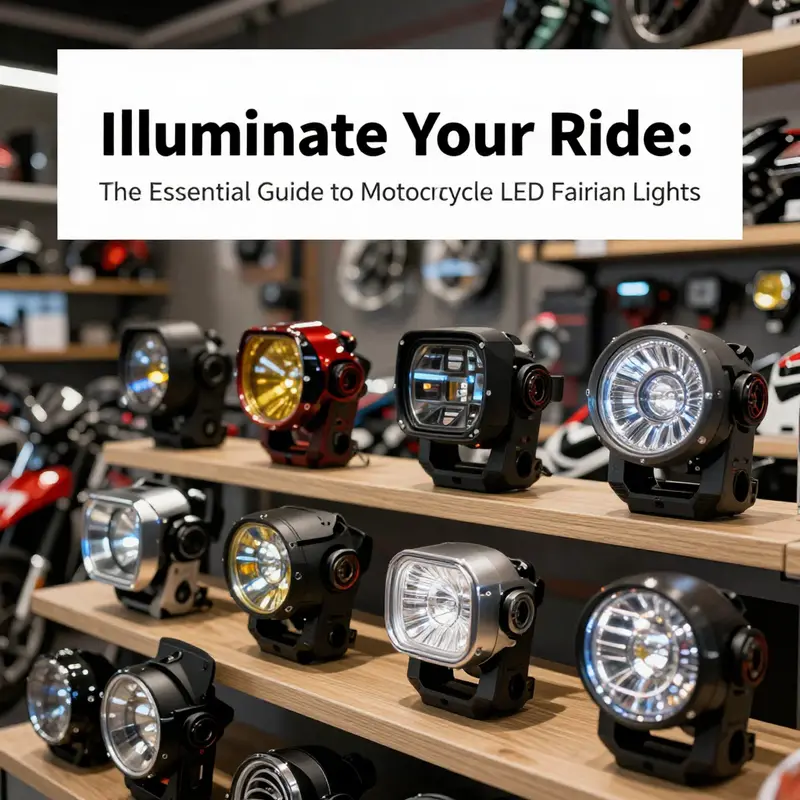
LED fairing lights have evolved beyond safety gear. They are a canvas for riders to express personality. The fairing is the frame; light follows its lines. The result is a bike that looks alive after dark. Riders now choose plug-and-play kits. These kits install with minimal fuss and no major modifications. They include integrated turn signals and bright LEDs. Minimalist designs favor subtle glow along the lower edges. These lights fit with the bike’s existing lines. The result is a cohesive look rather than a stray add-on. Aggressive styling embraces bracket-mounted LED kits. They mount on the front fairing with precision brackets. This approach blends rugged looks with strong illumination. Technical aspects matter. IP65 waterproof rating protects against rain and dust. Heat management keeps high-output LEDs cool, extending life. CANBUS compatibility prevents dashboard errors on modern bikes. Many kits include heat sinks or small fans. Color options have grown. RGB LEDs let riders shift moods with app or remote control. Color choices raise questions of legality and safety. Integration with running lights and turn signals is common. Quality matters; trusted manufacturers emphasize durability, heat management, OEM/ODM capabilities. Market trends show demand for cohesive integration. Riders install and customize themselves; adhesive-backed strips or mounting brackets simplify DIY. For inspiration on integrating lighting with a fairing style, see Honda fairings collection at Summit Fairings. This shift toward harmony brings electronics into the craft of styling. A modern LED setup respects the bike’s geometry, tracing the curves without overpowering them. The most successful designs balance brightness with the machine’s silhouette. Riders often start with a subtle glow at the lower edge, then add a halo around the headlight or under the chin of the fairing. The psychology of color plays a role; white light can create a focused, professional look, while RGB options invite playful changes for events or night rides. Yet even as color becomes a tool for expression, the practical benefits remain central: better conspicuity in rain or fog, quick recognition by other road users, and the resilience of LEDs that endure many seasons with minimal maintenance. The engineering behind these kits matters as much as the aesthetic, because deployment on a moving vehicle demands reliability. Waterproof seals must resist dust, water spray, and road spray from tires. The best units use robust IP ratings, sealed LED housings, and heat-dissipation paths that avoid hotspots. Designers also consider thermal drift, which can shift color temperature or brightness as the ambient temperature changes. A calm, slowly changing glow can be more legible to other drivers than flashing patterns that may look theatrical but distract. Attribution to science comes via the choice of LEDs, drivers, and heat sinks that keep lumens steady. The growing demand for customization has also pushed the market to offer OEM-compatible modules that drop into existing fairing profiles with minor tweaks. This makes installation friendly for riders who do not want to modify the bike’s core structure. The trend toward integration is also visible in the way lighting schemes share the bike’s lines with other features such as auxiliary vents, sculpted fairing faces, and even the chrome or matte hardware that frames the lights. The result is a coordinated composition, not a hodgepodge of glowing elements. In practice, riders begin by assessing their bike’s electrical system and the legal constraints in their region. They consider how the new lights will be powered, whether they should be on a separate circuit or piggybacked onto the existing running lights. They also plan for switches, remotes, or smartphone controls that feel intuitive while not distracting from the ride. Then comes the question of fit. Will the lights attach to the lower fairing, to the inner edges, or across the top of the headlight housing? The answer is highly dependent on the bike’s geometry and the rider’s preference for visual weight. Some opt for passive mounting with adhesive backing to preserve the fairing’s finish, while others choose bracketing systems that mount into factory holes or attach to existing mounts. Each approach has trade-offs in terms of heat management, water ingress, and vibration resilience. The best installers treat the process like any other modification: plan, measure, and test. They verify that the lights do not interfere with sensor or exhaust routes, that the wiring is safe from chafing, and that the color temperature aligns with the rider’s other lighting cues. The community often shares tips about cable routing along the inner fairing channels, using loom protectors to prevent chafing from steering movements. Such practical wisdom helps new buyers avoid common pitfalls and ensures a clean, professional result. The trend toward minimalism does not eliminate flair; it reframes it. Lights become a language aligned with the bike’s design ethos, rather than a loud caption tacked onto the sides. Lights form a quiet beacon that complements the engine’s presence. For those chasing a bold, high-contrast look, bracket-mounted systems or halo rings around the headlamp can deliver an unmistakable stance. The best outcomes come from a thoughtful approach that blends form and function. The rider’s choices are not about putting on a costume but about extending the bike’s personality in a way that enhances safety. The road becomes a canvas and the light is the brush. This philosophy guides not just individuals but the shops that support the community, pushing for solutions that are reliable, maintainable, and future-proof. As technology evolves, the lines between lighting and motorcycle aesthetics blur further. New materials, lighter LEDs, and smarter drivers enable bolder shapes and more dynamic effects without sacrificing efficiency. The result is a landscape in which the motorcycle and its lights tell a synchronized story from showroom to midnight ride. External resource: https://www.bajadesigns.com
Guiding Brightness: Market Dynamics and Quality Standards of Motorcycle LED Fairing Lights
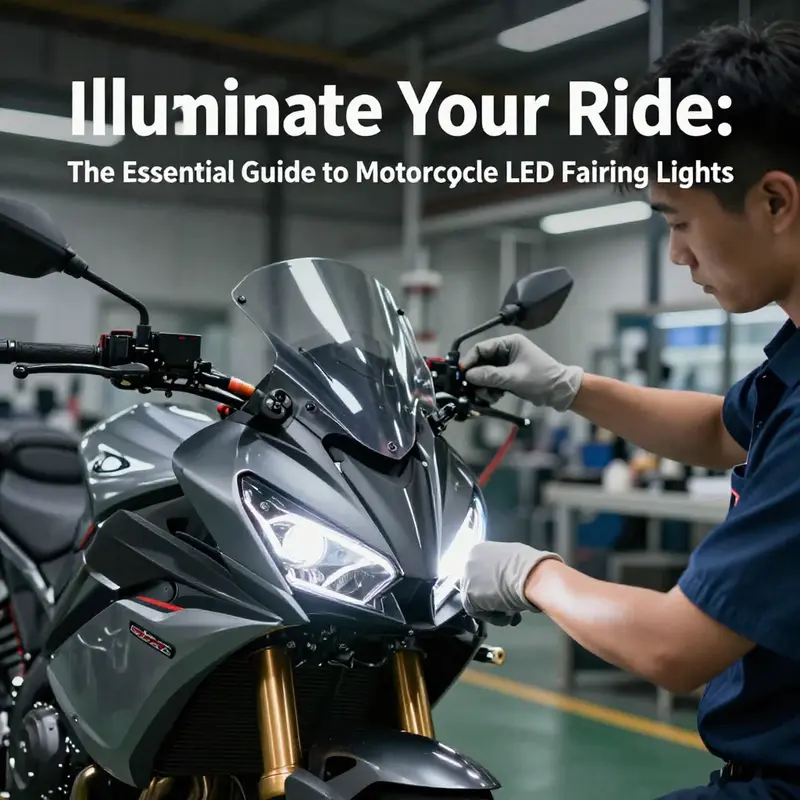
Across modern motorcycles, LED fairing lights have evolved from novelty to a core element of visibility and style. Market dynamics drive this shift: riders want energy efficiency, long life, compact form, and the ability to tailor a bike’s presence at night. Manufacturers respond by delivering higher lumen outputs, better thermal management, and flexible form factors that fit the curves of fairings without adding bulk or drag. The result is a broader ecosystem of kits that can hug the lower edge of the fairing, trace the lines along the panels, or glow along the inner lip—each arrangement aiming to preserve the bike’s silhouette while expanding its safety envelope. This dynamic is not simply about brightness; it is about an integrated lighting language that communicates presence to other road users and mood to the rider. As technology matures, the line between accessory and essential equipment grows thinner, and the rider’s decision now includes not just whether to install LEDs, but which style, brightness, and control scheme best complements the bike’s character. The market’s pulse is strongest when performance marries personality with practical reliability, and that convergence shapes how lighting kits are designed, tested, and marketed.
Demand growth is driven by a confluence of factors that extend beyond raw lumens. Urban and suburban riding often exposes motorcyclists to variable weather, low-light corridors, and the unpredictable actions of other drivers. LED solutions promise faster detection thanks to brighter, more uniform output, yet the value proposition is amplified when those outputs remain stable across temperature swings and vibration. Riders increasingly expect lights to perform consistently from dawn patrol to late-night touring, even after many miles and seasons on the road. In response, manufacturers invest in high-luminosity LEDs that retain color purity under load and in efficient thermal pathways that keep brightness steady and color temperature constant. The chemistry of a kit’s success also includes form-factor versatility: slim strips tucked into curved fairing facets, halo rings seating around headlights, or discrete modules that integrate with signal lamps. Each arrangement offers a different narrative about how light interacts with the bike’s geometry, and riders gravitate toward configurations that harmonize with the machine’s essence while delivering essential visibility.
From a safety perspective, the market recognizes that lighting is a partner to riding skill rather than a decorative afterthought. Better lighting expands a rider’s visual footprint on dark roads and in adverse weather, but it also increases predictability for other motorists. This dual benefit—improved self-visibility and enhanced conspicuity for the bike—helps justify investment in higher-quality components that resist wear, corrosion, and moisture ingress. The industry’s attention to reliability translates into two practical outcomes for buyers: longer intervals between replacements and fewer service calls for failing LEDs. And because many bikes today operate with compact electrical systems under the fairing, manufacturers prioritize compact thermal solutions that dissipate heat without creating bulk that could interfere with airflow or steering geometry. In short, the market rewards designs that deliver bright, durable light in a package that respects the bike’s dynamics and the rider’s needs for ease of installation and long-term performance.
Quality standards anchor this evolving landscape, guiding both makers and buyers toward trustworthy outcomes. Waterproofing remains a baseline expectation; IP67 or higher is often cited as a mark of resilience against rain, mud, and spray. The ruggedness of motorcycling environments means that even the best LEDs require reliable seals, robust connectors, and corrosion-resistant finishes to hold alignment over thousands of miles. Voltage compatibility is a practical necessity, with the standard 12V DC systems on most motorcycles dictating how lighting modules connect and what extra components, if any, are required to achieve seamless operation. Regulatory certifications, though regionally varied, still serve as a meaningful signal of compliance with safety norms. Marks such as E-mark, DOT, ARAI, or DGT signal that a kit’s brightness, color temperature, and beam pattern have been considered against established standards. Although the precise test procedures differ by jurisdiction, these certifications collectively reassure riders that the lighting will perform as advertised without compromising legal obligations or road safety.
Beyond formal certification, pre-shipment inspections have become a practical norm for manufacturers and distributors who service bulk buyers and installation shops. Thorough checks on light output, beam angle, waterproofing integrity, and connector reliability help ensure uniformity across production lots. This attention to quality is not merely a production line matter; it protects reputations and reduces warranty costs by catching defects before items leave the factory floor. In tandem, advanced LED architectures emphasize heat management as a design criterion, not a secondary feature. Heatsinks with optimized geometry, thermal pads, and, in some high-output configurations, small cooling fans, all work to preserve lumen stability and color fidelity under sustained load. The upshot for a consumer is a kit that remains bright and consistent under the rigors of highway speeds, rain, and long stints on the bike, rather than a flashy impulse that dims after a few months of use. The synthesis of waterproofing, voltage alignment, certified safety, and robust thermal design creates a dependable baseline that supports more ambitious aesthetic and functional ambitions for riders.
Quality standards also intersect with the consumer’s decision-making process in meaningful ways. Verification of claims becomes a task of due diligence. Buyers should look for independent testing data or third-party certifications that corroborate the manufacturer’s brightness and durability statements. Clear specifications for lumen output, color temperature, and beam pattern help riders compare products the way they compare headlamps and fog lights. The practical impact of a reliable kit extends to everyday riding: consistent white or warm-white illumination reduces glare while preserving the rider’s night vision, and properly chosen beam patterns minimize glare for oncoming traffic while maximizing forward visibility. CANBUS compatibility is increasingly recognized as essential in modern motorcycles, where the motorcycle’s computer system may flag or even disable accessory lighting if it detects mismatched load or nonstandard wiring. This consideration translates into smarter wiring, standardized connectors, and controller logic designed to communicate cleanly with the bike’s electrical architecture.
As the market grows, many manufacturers highlight their OEM and ODM capabilities, which signals an appetite for both end-user installs and professional opportunities. Builders recognize that a one-size-fits-all approach rarely yields the best fit for every fairing geometry. The most successful offerings provide modular, scalable solutions that can be tuned to different fairings, from sport-oriented shells to touring-focused shapes. The result is a spectrum of configurations: low-profile strips that align with fairing edges, more prominent halo accents that emphasize the headlight aperture, and subtle RGB options that let a rider shift moods without changing the bike’s fundamental silhouette. The design challenge is to maintain air efficiency and maintain solid structural mounting while accommodating vibration, road debris, and the heat cycle of high-output LEDs. In practice, this means connectors that lock securely, seals that stay watertight after repeated flexing, and mounting hardware that won’t damage delicate fairing surfaces during installation. The overarching goal is to deliver lighting that feels native to the bike, rather than an add-on that looks tacked on in a late-night garage session.
For readers who want a practical frame of reference, exploring existing fairing ecosystems can illuminate how lighting integrates with common bike layouts. The Honda fairings collection provides a snapshot of how aftermarket lighting can be balanced with panel gaps, mounting points, and the overall silhouette of a bike. This kind of reference point helps buyers imagine where LED modules might sit relative to turn signals, windscreen posts, and engine guards, without sacrificing clearance or airflow. Honda fairings collection
The regulatory landscape further shapes how lighting is designed, distributed, and used on the road. Some jurisdictions impose color-temperature limits for front-facing lights, while others permit programmable or color-changing accents only in restricted configurations or off-road contexts. This patchwork of regional rules means engineers must design with adaptability in mind, so a kit can be tuned for a given market without requiring a complete hardware redesign. Beam cutoffs, reflector geometry, and the alignment of auxiliary lights with the headlamp all influence performance and legality. The result is a disciplined design mindset: build reliability, verify compliance, and provide clear documentation so installers understand the limits and capabilities of a kit within their local regulatory framework.
For a broader, outside perspective on how to evaluate LED motorcycle lighting, an independent buyer’s guide can be a valuable complement to manufacturer specs. This external resource offers a structured approach to brightness, color temperature, waterproofing, and electrical compatibility, helping riders separate hype from real-world performance. External resource: https://www.bikeexif.com/motorcycle-led-lights-guide. By engaging with such guidance, buyers can approach upgrades with confidence, ensuring their choices enhance safety as much as style. The next chapter will turn from standards and market dynamics to installation practices and rider experiences, tying together how the guarantees of quality translate into a smoother, safer, and more enjoyable riding journey.
Final thoughts
Understanding the intricacies of motorcycle LED fairing lights can significantly impact businesses in the motorcycle accessory sector. From improved visibility and safety to energy efficiency and extensive customization options, these lights not only enhance the riding experience but are also a smart investment for business owners looking to expand their offerings. By keeping abreast of market trends and quality standards, entrepreneurs can ensure they provide products that meet customer expectations while contributing to rider safety and satisfaction.