
Motorcycle parts fairings are more than just eye-catching designs; they serve crucial functions that impact performance, safety, and aesthetics. Business owners in the motorcycle industry must understand the significance of these components, from their material composition to their role in aerodynamics. This article explores the intricate dynamics of global supply chains, how fairings enhance motorcycle performance, and strategic sourcing methods that can improve procurement outcomes. Through a comprehensive examination of these aspects, we provide insights that empower business decisions and optimize product offerings.
Layered Integrity: The Material Grammar Behind Motorcycle Fairings
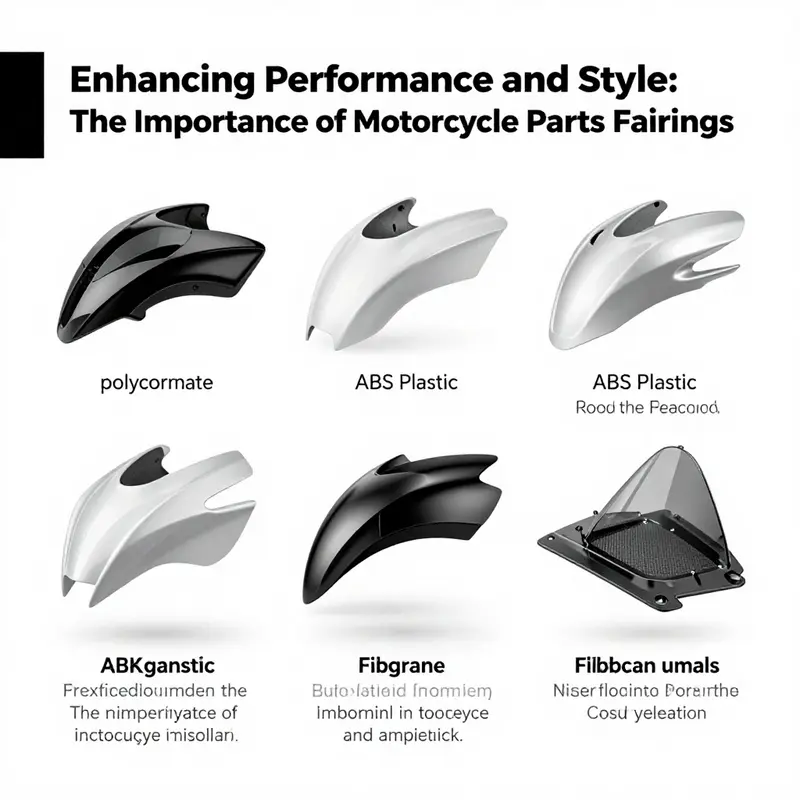
Material integrity is more than skin when a motorcycle is pushed toward the edge of its performance envelope. The fairing, that sculpted external shell, must do triple duty: cut wind resistance, shield delicate engine and electrical systems from debris and heat, and survive the onslaught of speed, weather, and abrasion. This chapter delves into the material composition that makes those duties possible, tracing how choices at the bench translate into real-world ride quality, durability, and cost. The story is not simply about what the fairing is made of; it is about how each material’s inherent properties shape the aerodynamics, fit, and longevity of the entire bike experience. In the end, the material grammar of a fairing reveals why some shells feel light and reactive, while others promise resilience and long-term visual appeal even after miles of highway glare and track heat.
At the core, most standard fairings rely on a handful of thermoplastics and composite systems that balance stiffness, impact resistance, and weight. Acrylonitrile butadiene styrene, or ABS, is the workhorse of mass production. Its strength lies in its toughness and its ease of shaping through injection molding. ABS can be formed into complex, aerodynamic strands with tight tolerances, which is essential for a seamless bodywork silhouette that reduces drag without creating unpredictable gaps or alignment issues. The material is relatively forgiving in production environments, tolerates rapid cycles, and remains cost-efficient at scale. But ABS carries a caveat: while it handles impact well and accepts paint and decals readily, it can degrade under prolonged exposure to ultraviolet light unless protected by coatings or UV stabilizers. For riders in sunny climates or vehicles that spend more time on stage setups than in shade, this is a practical consideration that can drive maintenance routines and replacement intervals.
Polycarbonate, the cousin to ABS in the thermoplastic family, offers noticeably higher impact resistance and clarity. When used in windshields, headlight covers, or opaque fairing panels that must resist cracking under stress, PC demonstrates superior resilience. It is tougher under peak loads and less prone to shattering, a characteristic that can translate into safer, longer-lasting shell segments in the event of a tip or collision. The trade-off, however, is cost and processing complexity. Polycarbonate tends to be pricier and more challenging to mold than ABS, particularly for highly complex geometries or very thin sections that must maintain consistent wall thickness. For premium or performance-oriented applications, PC is favored precisely because its structural integrity and optical quality hold up under demanding conditions. A protective coating or multi-layer finish is often essential with PC to guard against scratching and UV-induced yellowing, maintaining the panel’s appearance across years of exposure.
Beyond these foundational plastics lie composites, which embody the next leap in performance-focused fairings. Fiberglass, a widely used fiberglass-reinforced polymer, offers a favorable blend of strength and weight. It remains a practical choice for custom builds and mid-range aftermarket segments where rigidity and crack resistance are critical without the up-front cost of carbon fiber. The fibers provide reinforcement, while the resin matrix binds the structure and helps distribute impact energy. In high-performance contexts, carbon fiber takes center stage. Carbon fiber-reinforced polymers (CFRP) deliver exceptional stiffness-to-weight ratios and fatigue resistance. The resulting panels respond with a brisk, precise feel at speed and can contribute to marginal aerodynamic gains through improved surface smoothness and reduced flutter. Yet CFRP’s advantages come with a high price tag and a manufacturing complexity that demands specialized processes. Vacuum bagging, resin transfer molding, or even autoclave curing are common in carbon workflows, and quality control steps must be meticulous to avoid voids or misalignment that could compromise strength or finish.
There are also elastomeric and flexible options that occasionally find a place in fairing design. Polyurethane and thermoplastic elastomers offer a different set of benefits, particularly when flexibility or impact absorption is prioritized in specific zones of the panel. These materials can absorb micro-movements and resist crack propagation in areas prone to flexing, such as around mounting points or contour transitions. They can also enable more forgiving interactions with other components, vibrations, and thermal cycling. Finish compatibility remains important here, as coatings and decals must adhere reliably to flexible surfaces without cracking or peeling.
Coatings and finishes deserve attention as a separate yet inseparable layer in the material story. The base polymers and composites rely on protective layers to preserve aesthetics and mechanical performance. Paints, clear coats, and vinyl wraps each contribute to UV protection, abrasion resistance, and color stability. Advanced finishes may incorporate carbon-fiber visual effects or metallic flecks that demand precise color matching and a consistent gloss across the entire surface. UV stabilizers become important allies for ABS and PC, slowing color fade and reducing surface embrittlement over time. Clear coats protect against light scratches and environmental hazards, while vinyl wraps can offer an additional layer of protection and creative flexibility for riders seeking personal style changes without permanent repainting.
From the perspective of engineering design, the choice of material directly informs how a fairing behaves at speed. Stiff, high-modulus composites minimize deflection under aerodynamic load, preserving a clean, low-drag profile. A shell that maintains rigid geometries reduces gaps that might generate parasitic vortices and unsettled turbulence. Conversely, some structural acceptance of minor flex in select areas can be beneficial for absorbing road shocks and dampening high-frequency vibrations that could loosen fasteners or compromise fit over time. The balance among stiffness, toughness, and weight is not simply a matter of raw numbers; it translates into ride feel, steering responsiveness, and the rider’s confidence when slicing through crosswinds or riding on imperfect pavement.
Manufacturing methods mirror the material choices, with cost, scale, and precision guiding the path from concept to finished fairing. Injection molding remains a pillar for ABS-based panels due to its speed, repeatability, and ability to deliver thin, accurate walls that minimize weight. The process yields consistent thicknesses, which helps engineers fine-tune stiffness and impact resistance across thousands of units. For polycarbonate, manufacturing may involve more complex tooling and process controls to ensure uniform wall thickness and to prevent optical distortions in clear panels. When composites enter the frame, the build becomes a more delicate art. Fiberglass layups can be hand-applied or infused with resin in controlled environments to achieve predictable thickness and fiber orientation. Carbon fiber, with its nested demands for resin systems, layup patterns, and curing cycles, often requires a skilled hand in layup work or a precisely controlled automated process. In all cases, the final surface treatment—paint, clear coat, or wrap—needs to harmonize with the base material, ensuring adhesion, flexibility, and resistance to environmental stress.
Standards and testing play a quiet but critical role in translating material properties into real-world safety and reliability. Industry guidelines and automotive plastics standards help define expected performance in terms of impact resistance, heat cycling, and long-term color stability. In high-end or aerospace-adjacent applications, carbon fiber composites are expected to meet rigorous quality controls during manufacturing, including checks for resin cure, void content, and fiber alignment. For those who want to quantify performance at the bench, standardized impact testing and environmental exposure tests provide a framework for comparing ABS, PC, fiberglass, and CFRP on a like-for-like basis. The goal is not merely to pass a test; it is to predict how a panel will behave in a wide range of riding conditions—from urban stop-and-go to sustained highway speeds where thermal gradients and UV exposure can accumulate quickly.
As the conversation about materials expands beyond the bench to the showroom, supply chain realities begin to shape the options available to buyers and builders. The global fairing market remains heavily concentrated in a few regions that have evolved into mature, vertically integrated hubs. A major portion of aftermarket fairing production is centered in specific coastal and inland manufacturing corridors, where polymer injection molding, UV-resistant coatings, and automated painting lines form efficient, end-to-end workflows. These hubs enable shorter lead times and easier coordination across design, testing, and distribution. For buyers seeking high-quality, OEM-compatible parts, strategic sourcing from these regions can optimize procurement costs, ensure consistent finish, and support timely delivery, all of which matter when life on two wheels depends on a well-fitted, aesthetically precise shell.
When it comes to model compatibility, the landscape favors modular and precision-fit design. Modern suppliers often present a spectrum of options, from fully integrated fairing systems to modular panels that can be swapped or reconfigured with different decals and trim. This modularity is especially valuable in performance-oriented builds where weight, stiffness, and visual customization intersect. It also helps explain why some buyers gravitate toward universal-fit ideas that still promise reliable alignment and a clean finish once installed. In practice, those choices come with trade-offs in weight, fit precision, and the potential need for additional hardware or reinforcements. For buyers who want a concrete sense of fit, catalogs and online collections increasingly emphasize exact compatibility with specific frame types and fairing shapes, sometimes aided by digital tools or fitment guides. To illustrate the breadth of options while keeping the focus on material strategy, consider the broader ecosystem that supports these decisions—an ecosystem where precision, resilience, and finish quality converge in the final product. For a representative look into model-specific compatibility without venturing into product naming, explore the Honda fairings collection, which exemplifies how modular design can accommodate a wide range of model lines while maintaining structural integrity and surface quality. Honda fairings collection.
The material composition of fairings is not a fixed equation but a spectrum shaped by the rider’s needs, the bike’s role, and the expectations placed on longevity and aesthetics. A rider who prioritizes track performance and aggressive aerodynamics may accept higher costs and more intricate manufacturing to gain the weight savings and stiffness of CFRP layups. A commuter who values long-term color retention and impact resistance against road debris might lean toward a robust ABS with UV-stabilized coatings. A custom builder chasing a particular mass and silhouette might opt for fiberglass with a tailored resin system to balance ride feel and appearance. Across these choices, the interplay between base material, coating, and finishing treatment defines the user experience. It is this layered integrity—the careful alignment of base polymers, composites, finishes, and protective measures—that ultimately shapes how a fairing performs on the road or the track.
The interdependence of material science and practical riding becomes particularly evident when considering maintenance and renewal cycles. UV exposure can dull color and degrade surface clarity, especially on lighter or translucent panels. A well-applied protective layer, whether a paint system or wrap, can mitigate such effects, preserving both appearance and structural integrity. Scratches and micro-abrasions are less damaging when the surface is coated or protected by a resilient film, and the underlying material’s resistance to impact remains a fundamental factor in how quickly a panel shows wear after a collision or a tumble. In environments with temperature extremes, materials that resist thermal expansion and contraction maintain tighter tolerances and reduce the risk of fastener loosening or seam separation. The total ownership equation, therefore, hinges on material choice, protective strategies, and the ability to source consistent, high-quality panels in a timely fashion—an ecosystem increasingly supported by regional manufacturing centers, standardized testing, and transparent supplier practices.
To summarize, the material composition of motorcycle fairings is a nuanced blend of polymers and composites engineered to meet a spectrum of performance criteria. ABS offers affordability and molding versatility suited to mass production. Polycarbonate delivers enhanced impact resistance and optical stability for premium applications. Fiberglass provides a practical middle ground with respectable strength-to-weight, while carbon fiber sets a high bar for stiffness and weight reduction at a premium. PU and TPE add flexibility where needed, and coatings finish the job by protecting and beautifying the surface. The manufacturing pathway—whether injection molding, resin infusion, or autoclave-cured composites—must align with the chosen material and the intended use, supported by testing standards and quality controls that guarantee safety and reliability. Finally, global supply chains and modular design philosophies shape the options available to buyers, making the choice of material not only a technical decision but a strategic one that influences cost, lead times, and long-term performance. For those navigating this terrain, a careful reading of material properties, guided by standards and supplier capabilities, offers a practical route to achieving the right balance of aerodynamics, protection, and personal expression on the road.
External resources for further reading on material standards and performance can be found at https://www.motorcycleindustry.org. This resource provides broader context about how plastics and composites are evaluated and controlled in the motorcycle industry, complementing the detailed material discussions presented here.
Wind, Wired Networks, and the Wheels: Tracing the Global Flow Behind Motorcycle Fairings
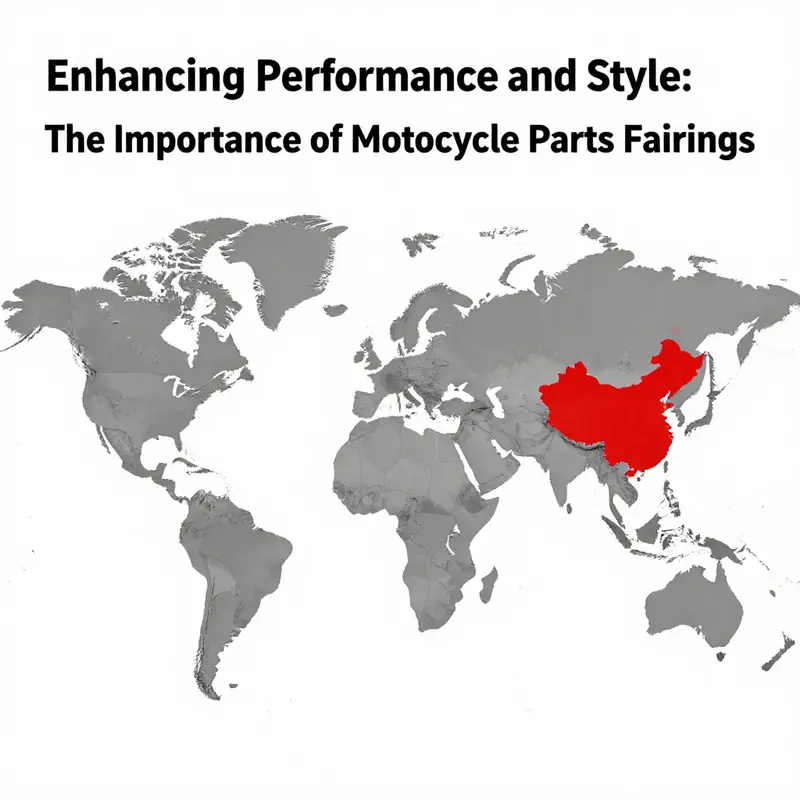
The fairings that cloak a motorcycle are more than a stylistic flourish or a simple shield against the wind. They are the visible tip of a vast, tightly wired supply network that moves with precision through time zones, ports, and factory floors. In this chapter, we step beyond the surface of the product and into the arteries of the world’s most concentrated machinery for producing and delivering parts. The global supply chain for motorcycle fairings rests on a cluster of specialized regions that have fused manufacturing prowess with logistics infrastructure, creating an ecosystem that can deliver complex, precisely engineered pieces at scale. The story is not about a single plant or a single port, but about how regional strengths—one around high-volume aftermarket components and the other around OEM-grade fit and durability—tie together to form a resilient, if concentrated, system.
From the outset, two regional engines dominate the landscape. One is a coastal province renowned for its high-volume, standardized aftermarket components. The factories in this area have grown accustomed to the rhythms of mass production, where a modular approach to design and rapid tooling can churn out identical panels in large quantities. The other engine sits inland, where factories emphasize precision engineering and durability, producing components that must meet exacting tolerances to guarantee fit and long-term performance. This dichotomy is not an accident; it reflects a deliberate division of labor within a broader industrial cluster that prioritizes both speed and reliability. Together, these regions operate as a seamless, two-actor system: one streamlines volume and customization for the aftermarket, the other ensures OEM-grade consistency that original manufacturers and serious builders rely upon.
The logistical backbone of these regions is equally instructive. Proximity to major shipping hubs makes nearby ports an asset with direct, tangible value. The clustered networks leverage bonded warehouses near principal gateways, enabling Delivered Duty Paid (DDP) logistics that reduce the friction for buyers across North America, Europe, and Australia. The effect is not merely convenience; it is a strategic capability. Shorter, more predictable lead times become a competitive differentiator in markets that demand both speed and quality. When a supplier can promise a lead-time advantage of up to 45 percent relative to a more dispersed sourcing approach, buyers gain a meaningful hedge against demand volatility and currency swings, especially in a market where orders can swing with riding seasons and shifting regulatory landscapes.
Within this landscape, the performance metrics that buyers monitor take on heightened importance. On-time delivery rates consistently exceed the high-water mark of 97 percent, a statistic that is not accidental but the result of heavily invested process discipline, integrated planning tools, and strong supplier relations. Reorder rates surpass 30 percent, signaling a steady demand flow that these clusters can sustain without compromising efficiency. And perhaps most telling for procurement teams, rapid response times—typically within six to eight hours—reflect a mature supplier ecosystem that can pivot quickly in the face of design changes, quality findings, or urgent customization requests. These KPIs do not merely signal reliability; they describe the operational maturity that underpins a continent-spanning market for fairings.
But there is more to the dynamics than numbers. The supply chain’s architecture—dominated by these two Chinese regional hubs—creates a concentrated yet highly effective value network. The vertical integration that characterizes these hubs shortens the distance from raw material processing to final assembly and export. When a cluster can coordinate polymer processing, coating technologies, and molded panel assembly within a single, geographically compact ecosystem, the result is lower lead times, more consistent quality, and easier traceability. For buyers, this means fewer bottlenecks and greater visibility into production status. For manufacturers, it means a robust control environment that supports rapid scaling without sacrificing performance. Yet concentration also introduces risk. A large share of global capability in a single geographic corridor heightens exposure to regional disruptions—from port congestion and regulatory changes to energy price spikes and local skill shifts. The most successful buyers are not chasing the cheapest price; they are building resilience through visibility, diversification, and contingency planning that can absorb shocks without eroding performance.
A closer look at market structure reveals how this concentration translates into practical procurement strategies. The regions’ ecosystems are designed to support a large volume of parts with varying levels of customization, from standard panels to more complex, high-precision assemblies. For aftermarket components, the emphasis is on rapid changeovers, flexibility in tooling, and the ability to support a wide catalog of panel shapes and sizes. For OEM-grade parts, the emphasis shifts toward fitment accuracy, long-term material consistency, and durable finishes that withstand UV exposure and environmental wear. The suppliers operating within these clusters tend to maintain a network of capabilities that can flex between these two ends of the spectrum—an attribute that reduces the need for buyers to seek and vet a second tier of suppliers elsewhere. Importantly, this flexibility is supported not only by equipment and processes but by streamlined regulatory compliance and established export frameworks that guide how goods flow across borders and through ports.
In practice, strategic sourcing in this context means more than comparing unit costs. It means evaluating suppliers on a holistic set of performances: proven technical capability, responsiveness, reliability, and the ability to sustain long-term relationships. Buyers increasingly favor partners who can demonstrate consistent quality across multiple production runs, who can provide transparent lead-time data, and who can scale capacity to meet growing demand. The evaluation framework shifts from a pure price-based comparison to a more comprehensive assessment of supplier performance over time. This shift aligns with what the data show: forward-looking procurement success relies on credible evidence of stability, capacity to absorb demand surges, and willingness to invest in process improvements that yield better quality and lower defect rates over the product life cycle.
Supply chain professionals also recognize the importance of digital tools and collaboration platforms that knit these regional clusters into a coherent global operation. Real-time production monitoring, preventive maintenance schedules, and integrated logistics planning allow buyers to see where potential delays might arise and adjust plans preemptively. Although the clusters are geographically compact by global standards, the scale of their output means that even small inefficiencies can ripple across the entire network. In response, leading buyers now require suppliers to share performance dashboards, adherence to quality management protocols, and clear documentation of any deviations with corrective action plans. The emphasis is on predictive visibility rather than reactive firefighting. When such transparency is present, the promise of a tightly woven supply chain becomes more than a theoretical advantage; it becomes a practical capability that supports aggressive ramp-ups, rapid design iterations, and the kind of customization that keeps riders engaged in an ever-evolving marketplace.
The market outlook further reinforces the case for this regional concentration. The fairing market is valued in the tens of billions of dollars and is projected to grow at a rate just above ten percent annually through the next several years. Growth is driven by riders seeking higher quality, more personalized aesthetics, and, crucially, faster access to components that fit a wide range of models. The demand for customizable, rapidly deliverable fairings underscores why the two-region model has endured: it aligns with the need for both scale and precision. Buyers who understand this dynamic are better positioned to align procurement strategies with the realities of global production. They recognize that the efficiency gained through a unified value chain can be reinforced by a disciplined sourcing approach that emphasizes supplier capability, reliability, and long-term viability.
This is where the act of sourcing becomes an ongoing dialogue between buyer and supplier. Rather than a single purchase decision, buyers engage in a continuous partnership that seeks to optimize the entire value chain. The preference for proven technical capability surfaces as a criterion not only for initial supplier selection but for ongoing collaboration. Suppliers that can demonstrate consistently low defect rates, predictable material performance, and robust process control are rewarded with longer-term commitments and the security of repeat orders. Responsiveness, too, is a nonnegotiable trait. In a market where a product may undergo rapid design refinements, a supplier that can adjust tooling, adapt to design changes, and deliver updated panels within hours rather than days provides a competitive edge. Long-term viability, finally, is the thread that ties the relationship together. It encompasses financial stability, investment in plant and process upgrades, and a demonstrated ability to withstand market cycles without sacrificing quality or delivery performance.
As buyers navigate this terrain, a practical touchstone emerges: the importance of aligning supplier capabilities with specific procurement needs while maintaining a clear view of risk exposure. Concentration in a few regional hubs offers substantial efficiency gains, but it also requires a proactive stance on resilience. Diversification, where feasible, can mitigate risk without eroding the gains from scale. Complementary sourcing strategies—such as maintaining a small, trusted second-tier network, or leveraging near-shore options in compatible regions—can provide a buffer that preserves lead-time advantages even when disruptions arise. The successful path blends the strengths of concentration with disciplined risk management, a synthesis that supports not only current demand but future growth and innovation in product customization.
For buyers seeking concrete routes to practical sourcing decisions, the literature on strategic sourcing offers a structured approach. It highlights how to measure supplier performance with consistent criteria, how to balance cost against risk, and how to design procurement processes that are responsive to changing product specifications. While the specifics of a given model or fairing line may vary, the underlying discipline remains constant: demand clarity, supplier transparency, and a governance framework that rewards reliability and collaboration. In the end, the global dynamics of motorcycle fairings reveal more than a supply chain story; they reveal a system that must be both tight and adaptable, a balance that is achieved when regional strengths are matched with rigorous, forward-looking procurement practice.
As a practical touchpoint for readers who want to explore concrete examples while preserving a broader view, consider examining a dedicated catalog page that aggregates fitment and design options accessible through a single interface. The page emphasizes how buyers can filter panels by coverage and style, then proceed to a streamlined procurement workflow that aligns with the cluster’s capabilities. This approach mirrors the wider value proposition of the supply chain: a coherent, end-to-end experience that preserves speed, quality, and flexibility across a global marketplace. For a direct route to such curated collections, you can explore the Honda fairings collection, which illustrates how modular design and standardized interfaces enable rapid customization within a robust, regionalized production ecosystem. Honda fairings collection.
The external landscape also shapes how these supply chains evolve. Trade policies, environmental regulations, and evolving material standards influence how factories invest in coatings, UV resistance, and process controls. As standards converge and as buyers demand greater transparency, the clusters’ integrated approach becomes even more valuable. The very idea of a single, monolithic supply chain gives way to a more dynamic, multi-layered network in which regional strengths are continually refined to meet the needs of a diverse, global customer base. The result is a world in which the journey from resin pellets to a finished, DDP-ready fairing is smoother, faster, and more reliable than ever, even as designers push the boundaries of form and function. In this environment, the choice of sourcing partners becomes a strategic decision that informs product development, cost management, and delivery performance across the lifecycle of a bike’s appearance and protection.
For readers who want to deepen their understanding of how strategic sourcing translates into tangible procurement outcomes, the literature highlights a structured, evidence-based approach. It emphasizes evaluating suppliers on proven technical capability, responsiveness, reliability, and long-term viability. It also stresses the value of structured metrics, such as on-time delivery, quality performance, and lead-time predictability, as a common language to compare and manage supplier relationships across regions. The aim is not to minimize the importance of price but to optimize the entire buying ecosystem so that cost becomes a byproduct of efficiency, reliability, and strategic alignment with product goals. This perspective is especially pertinent in the motorcycle fairing market, where the balance between speed and durability is delicate and where even small improvements in lead time or defect rates can translate into meaningful competitive advantage for producers and riders alike.
External resource for further insights: https://www.supplychaininsights.com/strategic-sourcing-motorcycle-fairings-china/
Carving the Wind: How Fairings Shape Performance and Aerodynamics in Modern Motorcycles
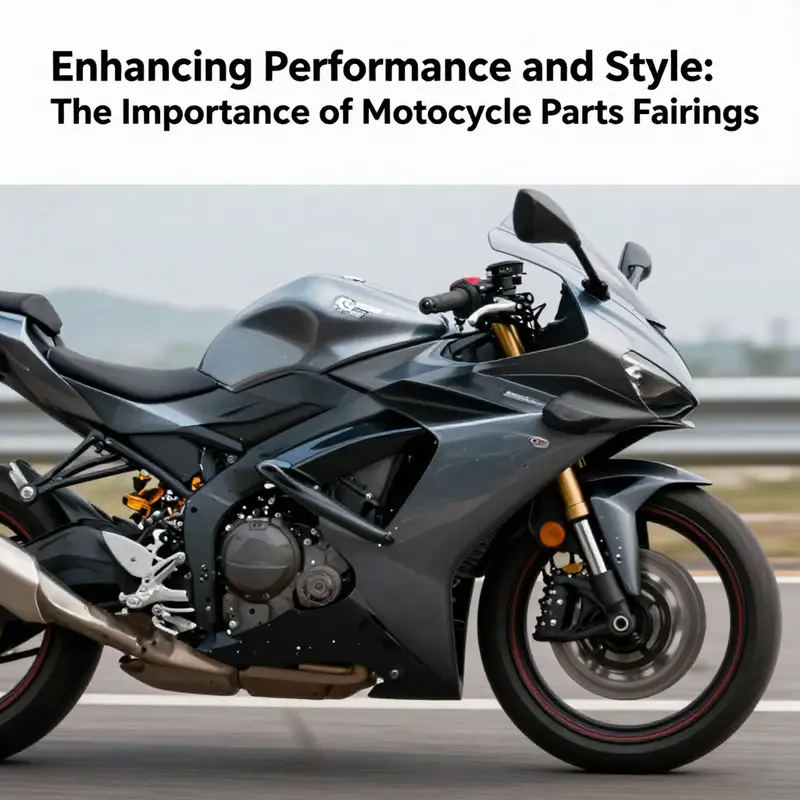
Fairings are more than stylish skins on a motorcycle; they are active components of performance, engineering, and rider experience. From the moment a rider throttles open on a straightaway, the fairing begins its quiet work, shaping the air that surrounds the bike, guiding it along a controlled path, and reducing the gusty resistance that unsettles stability. In high-speed riding, every curve of a fairing matter. The smoothness of its surface, the precision of its gaps, and the way it interacts with the rider’s position all contribute to how efficiently a machine can slice through air, how much energy the engine must expend to push forward, and how little fatigue the rider must endure over hours of riding. The chapter that follows considers these threads in a cohesive weave, showing how material choices, manufacturing realities, and aerodynamic design converge to determine what a modern fairing contributes to performance, efficiency, and ride quality. It is a story of form meeting function, where aesthetics and engineering align to produce velocity with restraint rather than flamboyance without control.
Drag reduction is the most immediate and measurable effect of a well-designed fairing. Above certain speeds, air does not merely buffet the rider; it encroaches on the motorcycle’s overall profile, pushing against the bike and creating a thrust that must be overcome by engine power. A properly contoured fairing reduces pressure drag by guiding the airflow smoothly around the front, sides, and rear with minimal flow separation. The result is lower aerodynamic drag, which translates into higher top speed potential and improved fuel efficiency for a given power output. This is especially meaningful for racing machines and long-distance machines alike, where even small improvements in drag coefficient can yield meaningful gains in sustained speed and in rider comfort, as the bike remains in a steadier, more predictable air regime. The language of aero comes alive not just in numbers but in the feel of the bike as it breathes with less resistance, allowing the rider to harness more of the engine’s potential without pushing the machine to unnerving torque spikes or abrupt tailwinds that amplify buffeting.
This aerodynamic performance sits on a foundation built from material choice and manufacturing precision. The common fairing materials—polycarbonate, ABS plastic, and fiberglass—each carry distinct trade-offs that echo into the bike’s aero behavior. Polycarbonate is celebrated for its impact resistance and optical clarity, a quality that makes it a natural fit for windshields and headlight covers. When treated with UV-resistant coatings, polycarbonate surfaces maintain a smooth, clear surface that minimizes roughness, a critical factor for laminar flow and reduced drag. However, polycarbonate can be more scratch-prone if coatings are absent, which in daily riding can incrementally degrade the aero profile over time. ABS plastic is lighter and easier to mold, enabling mass production of complex shapes. Its use in many OEM and aftermarket fairings supports widespread availability and consistent fit across a broad range of bikes. Yet prolonged exposure to sunlight can degrade its surface properties, sometimes altering surface texture and micro-roughness, which can nudge the boundary layer toward less favorable flow characteristics if not properly finished. Fiberglass, a composite option, offers stiffness and crack resistance that can translate into a more rigid, stable fairing shell. Its higher rigidity can support tighter tolerances and crisper edge definitions that help keep gaps small and consistent at speed. In high-performance or custom applications, fiberglass provides a platform for finely tuned aerodynamic details, though it tends to be heavier and demands careful fabrication to maximize its aero advantage.
Beyond material selection, the surface quality and dimensional precision of the fairing contribute directly to air behavior. A fairing that sits flush against mount points, with tight, even gaps along the edges, minimizes unwanted airflow leakage that could generate drag or create turbulent wakes behind the bike. The relationship between surface finish and drag is not purely cosmetic; a smooth, well-polished surface reduces skin friction drag and helps maintain a stable boundary layer along the bike’s silhouette. Finished surfaces also reduce micro-scratches that might act as micro-turbulence sources, especially at higher speeds where even small imperfections can escalate into noticeable buffeting. When designers seek to optimize aero performance, they often consider how each seam, screw, and bond line contributes to or detracts from a continuous, smooth surface. In racing contexts, every stroke of the engineering brush seeks to minimize flow separation at the shoulder line behind the front wheel and along the fairing’s flank, where the air tends to detach and form swirling vortices that can influence stability and perceived wind pressures on the rider.
Rider protection and comfort intersect with aero in meaningful ways. Fairings are shield barriers that shelter the rider from wind pressure, weather, and debris. A well-damped wind stream around the rider’s torso and arms reduces fatigue on long rides, allowing the rider to sustain a more efficient posture and maintain higher concentration with less muscular strain. The design philosophy thus becomes a balance: keep the air off the rider while shaping the machine’s silhouette to minimize drag and buoyant forces that disrupt stable racing or cruising lines. The interplay between rider position and fairing curvature is nuanced. A riders’ lean, knee contact, and cockpit posture influence the effective frontal area and how air streams wrap around the bike. By adjusting the fairing’s contours to cooperate with typical riding postures, designers can lower peak pressure on the rider and direct airflow toward cooling intakes or around the engine bay in a way that improves overall thermal management without compromising aero efficiency.
The visual and tactile language of a fairing also communicates a subtle aerodynamic message: a sculpture that looks fast tends to behave fast. The modern fairing speaks through its lines, its tapering, and the way it harnesses vertical and horizontal surfaces to guide air along a carefully choreographed path. Aesthetics are not merely skin-deep in this sense; they are a functional grammar that encodes wind behavior. The decision to incorporate sharp, cantilevered edges versus softer, rounded transitions is not mere style; it marks a design decision about where the boundary layer will detach, how soon, and at what angle. In practice, this is why a track-focused fairing tends to feature a tighter fairing line with deliberate vortex generators or defined chines to keep air attached longer at high speed. On a sportbike meant for aggressive canyon carving, the same principles apply but are tuned to emphasize abrupt transitions that still maintain clean flow at the rider’s preferred lean angles. These are not arbitrary shapes; they are aerodynamic instruments calibrated for a particular riding geometry and use case.
The chapter of fairing design that touches the realities of the global supply chain and manufacturing realities is essential to understanding performance today. The global production ecosystem for motorcycle fairings remains highly concentrated in certain regions, with sophisticated molding, coating, and painting capabilities that yield consistent, repeatable results. These supply chains enable rapid development cycles, high-volume production, and reliable delivery to markets that demand timely availability of both OEM and aftermarket parts. In the context of performance-minded riders, such capabilities mean that aerodynamic refinements can be tested, prototyped, and scaled quickly, translating conceptual shapes into track-ready, mass-produced assemblies with predictable tolerances. Tight tolerances matter for aerodynamics, because even the smallest gap can influence local flow patterns and drag. When a hub or plant maintains bonded warehouses near major ports, lead times improve and the ability to respond to demand spikes—whether for a racing season or a style refresh—becomes a tangible advantage. This reality underscores how technology, logistics, and engineering converge to deliver not just a look but a viable, tested aerodynamic solution that a rider can depend on across thousands of miles.
Designers are not merely chasing the perfect shape in isolation; they are iterating within a framework of modularity and customization that recognizes diverse riding needs. Many fairing systems adopt modular panel designs that allow for winglets, ducts, or other aero features to be swapped or tuned without rewriting the entire fairing assembly. This approach supports personalization while preserving the aero baseline. The idea is to give riders the option to adjust drag characteristics, improve airflow to cooling zones, or tweak the visual silhouette without sacrificing structural integrity. In practical terms, a modular approach can translate into easier field maintenance, simplified repair after a crash, or the ability to adapt a bike for different events or weather conditions. Such flexibility is valuable for enthusiasts who want to balance performance with personal expression. It also underscores a broader philosophy: aerodynamic optimization should be accessible, adaptable, and resilient, rather than a single, monolithic solution that fits every rider and every track.
In the end, performance and aerodynamics become a story of integration. The fairing is not a separate piece that attaches to a bike; it is part of a cohesive aerodynamic system that includes the windscreen, the cockpit geometry, the front-end mass distribution, and the rider’s posture. The shape dictates how air moves around the bike at different speeds, while the materials and finishes dictate how smoothly that air can glide across surfaces. The manufacturing precision and the supply chain’s efficiency determine whether those aerodynamic advantages can be realized consistently at scale. And the modular approach to panel design offers adaptability that aligns with evolving riding preferences and gearing needs. The result is a practical, real-world expression of aerodynamics: a balance of drag reduction, stability, rider comfort, and cosmetic appeal that together shape the experience of speed.
For readers who want to see how these principles translate into real-world form, a visual reference to a comprehensive collection of fairings can illuminate the breadth of design approaches in the market. Explore a broad fairing collection page that showcases modular designs and finish options, which embodies the practical fusion of aero engineering and customization. Such a page demonstrates how a single concept—reducing drag while protecting the rider—can be expressed through many different shapes, lines, and surface qualities, each tuned for a specific bike and riding style. This is not merely about choosing a surface skin; it is about selecting a carefully engineered interface between rider, machine, and air. The fairing, in this light, becomes a performance instrument as much as a cosmetic update, turning wind into a cooperative element of speed rather than an adversary.
External resource: For a broader perspective on how fairings influence aerodynamics and fuel efficiency, see this external source: https://www.motorcycle.com/motorcycle-fairings-aerodynamics-fuel-efficiency/
Sourcing the Skyline: Strategic Pathways for Motorcycle Fairings
Fairings are more than skin on a bike. They shape aerodynamics, shield critical systems, and signal identity at a glance. In the marketplace for motorcycle parts, sourcing fairings is not simply a procurement exercise; it is a negotiation between engineering intent, production realities, and the pressures of global logistics. This chapter threads a single throughline: the way you source fairings determines how faithfully a design translates into performance, how reliably a fleet of bikes can be supported, and how resilient the supply chain remains under stress. The journey from concept to customer begins with the material decision, travels through the manufacturing ecosystem, and ends in delivery terms that affect cost, speed, and risk. Understanding that continuum helps buyers align their purchase programs with the realities of modern fabrication while preserving the artistic and protective functions that fairings promise on two wheels.
At the heart of any fairing choice is material discipline. The commonly used polymers and composites—polycarbonate, ABS plastic, and, in some niches, fiberglass—each carry a distinct bundle of advantages and trade-offs. Polycarbonate is celebrated for its impact resistance and clarity, attributes that make it ideal for windshields and headlight covers. It performs well against shattering forces, resists UV damage when properly treated, and offers durability under dynamic riding loads. Yet its higher cost and tendency to scratch without a protective coating push buyers to implement surface treatments and consider long-term maintenance implications. ABS plastic presents an appealing counterpoint: it is lighter, easier to mold into complex geometries, and more cost-effective for mass production, which makes it a staple in both original equipment manufacturing and aftermarket programs. Its rigidity and impact absorption are solid, but prolonged UV exposure can degrade its surface properties, and it does not match the stiffness profile of fiberglass in high-performance setups. Fiberglass, a classic composite, holds a niche status in custom and performance builds where rigidity, crack resistance, and weight savings are valuable. It demands skilled layups and precise curing but can yield tailored performance characteristics that mass-produced plastics sometimes struggle to match. The material choice, then, becomes a sourcing signal: it hints at the intended application, the expected lifecycle, and the production workflow that a supplier can realistically support. When a program calls for a balance of cost, weight, and durability, modular designs that permit easy panel swaps or decals can help manage variability across models while preserving a common core platform.
Material decisions do not exist in a vacuum. They pull the sourcing strategy into the broader manufacturing ecosystem, and here the geography of production becomes a guiding force. The global supply chain for motorcycle fairings remains heavily concentrated in China, with Guangdong and Zhejiang illustrated as the primary engine rooms. Guangdong, anchored by cities such as Guangzhou and Foshan, has matured into a highly integrated manufacturing hub. The region’s strengths lie in advanced polymer injection molding, UV-resistant coating technologies, and automated painting lines that can scale to high volumes. This is not merely a tale of cheap labor; it is a narrative about process capability, quality control, and the ability to weave supply chains with bonded warehouse networks near major ports like Nansha and Shekou. The net effect for buyers is meaningful: lead times shrink because components, coatings, and assemblies can move through tightly coupled steps in a single geographic corridor. In practical terms, a B2B buyer can benefit from vertically integrated pipelines that reduce total lead time by tens of percentage points, sometimes cited as up to forty-five percent in optimized flows. The implications extend to delivery terms such as Delivered Duty Paid, which align well with North American, European, and Australian markets that depend on predictable import logistics.
These manufacturing dynamics influence not just speed but risk. Sourcing strategy must account for concentration risk and supply chain resilience. When a market’s supplier base is geographically clustered, disruptions—whether due to port congestion, tariffs, or pandemic-related interruptions—propagate quickly. A robust sourcing approach, therefore, looks to balance the advantages of Guangdong’s integrated lines with diversification strategies that may include secondary hubs, different material mixes, or alternative finish technologies. The goal is not to sever ties with the dominant ecosystems but to create a tiered supplier architecture that preserves cost and quality while softening exposure to single-point failures. For buyers operating in the aftermarket space, the ability to source from multiple channels—OEM-aligned suppliers, independent fabricators, and modular-design specialists—becomes a core competency. The emphasis is on building a procurement backbone that can adapt panel-by-panel to model families while maintaining consistent standards across coatings, fit, and durability.
In the real world, model compatibility matters as much as material performance. Model-specific fit is often achieved through precision manufacturing and rigorous engineering validation. Platforms that connect buyers with manufacturers frequently showcase precision-fit fairings designed for diverse models, including popular sportbike archetypes. The practical upshot is that buyers can pursue a modular strategy: standardize core attachment points and outer panels while allowing for model-specific subassemblies or decals that personalize appearance without multiplying SKUs. This approach supports scalable procurement and easier after-sales support, since the same core components can be used across a family of models with only targeted panel changes. It also dovetails with the aftermarket economy where rider customization remains central to value perception. For buyers seeking a close alignment with a particular brand’s aesthetics while retaining independent sourcing flexibility, a balanced approach that honors compatibility and performance is critical. A tangible way to explore model options and fit is to review the Honda fairings collection as a reference point for modular and compatible designs (Honda fairings collection).
Beyond fit and finish, the sourcing playbook emphasizes supplier evaluation and relationship governance. In a B2B procurement cycle for fairings, supplier capabilities matter almost as much as the raw materials. Buyers should assess production capacity, process control, and the breadth of finishing capabilities—from pre-mincing to UV coating and final assembly. Certifications matter, too. Quality management systems such as ISO 9001 or industry-specific standards help ensure consistent outcomes across batches. Responsiveness and transparency in communication are not cosmetic; they translate into shorter response times, clearer change-management, and fewer rework cycles. For larger programs, a supplier audit or a vendor-rating framework can help quantify reliability, defect rates, and the supplier’s ability to sustain supply during peak demand periods. In practice, this means looking for evidence of a supplier’s capacity to scale, maintain uniform color and gloss across panels, and provide consistent tolerances that preserve fitment across a model year update. The sourcing dialogue should also examine coating integrity, including UV resistance, chemical resistance to fuels and solvents, and adhesion performance under varying temperatures. When these criteria align, the buyer gains not only a piece of the puzzle but a dependable partner who can adapt to evolving design requirements and regulatory environments.
The market for fairings also rewards a sophisticated view of cost and risk. Procurement teams must weigh the benefits of vertical integration against the costs of maintaining multiple supplier channels. The Guangdong-Zhejiang corridor offers exceptional cost-to-capacity ratios, but it benefits from deliberate diversification. Smart buyers build a primary source anchored in a factory with the strongest balance of process capability and quality control, while establishing secondary sources to protect against disruptions and to provide competitive tension that sustains performance. This translates into a procurement cadence that blends long-term framework agreements with more agile, project-based sourcing for special editions, limited runs, or brand collaborations. The modular design concept helps here as well: by standardizing attachment interfaces and core plast/finish systems, a company can swap suppliers for certain panels without retooling the entire platform, saving time and money when responding to market trends or regulatory shifts.
Another practical dimension of sourcing strategy centers on the channel mix. Direct-from-manufacturer procurement offers the advantage of pricing transparency and closer alignment with production realities but requires strong supplier due diligence and robust logistics arrangements. E-commerce platforms and international marketplaces expand reach, enabling buyers to tap into a broader ecosystem of OEM-compatible parts and aftermarket enhancements. In many cases, buyers consolidate orders to achieve volume discounts while leveraging contract terms that support cross-border shipping and customs clearance. Yet, the complexity of cross-border sourcing demands careful attention to product warranties, compatibility documentation, and after-sales support. Ensuring that the supplier’s documentation clearly maps to model ranges, paint codes, and finish specifications reduces the risk of misfit or miscolor and shortens the iteration cycle during early production runs.
As buyers navigate these choices, the value of targeted model-specific reference points becomes clear. For instance, a look at a broad Honda fairings collection can illustrate how consistent attachment interfaces and paintable surface areas enable efficient module-based customization. By focusing on these shared design attributes, sourcing teams can negotiate terms that deliver both scale and personalization without proliferating SKUs, helping to control logistics complexity while expanding the line’s reach. And while model-specific references offer concrete anchors, buyers should also remain vigilant about technical details: panel thickness tolerance, edge radii, mounting hardware compatibility, and the durability of attachment points under vibration and heat. The long-range payoff is a smoother production ramp, fewer field returns, and a faithful representation of the intended brand expression in every panel.
Given the intricacies of fairing production, buyers must also anticipate the realities of coatings and finishes. A robust sourcing arrangement requires a clear specification of UV protection, color-matching processes, and surface hardness that can withstand abrasion and chemical exposure from fuels and cleaning agents. The interplay between substrate and coating quality can be decisive for long-term customer satisfaction. A well-planned procurement program includes testing protocols, batch traceability, and corrective action procedures to address any deviation in color, gloss, or adhesion. When these elements are in place, the supply chain can deliver not only parts that fit but parts that endure.
In practice, the sourcing strategy begins with a clearly defined specification package. This includes material choice, surface treatment requirements, finish options, model compatibility notes, and delivery expectations. It also includes a risk register that identifies potential supply disruptions and mitigation steps, such as dual sourcing for critical components, increased safety stock for peak seasons, or the use of alternative materials when necessary to preserve continuity. For buyers operating across multiple markets, harmonizing requirements across regions helps minimize complexity. A well-documented specification sheet supports seamless communications with suppliers and accelerates the verification process during pre-production samples and initial qualification runs.
To close the loop between design intent and delivery, buyers should cultivate collaborative relationships with suppliers that extend beyond price and lead time. A true sourcing partner participates in design reviews, provides feedback on manufacturability, and contributes to value engineering discussions that can lower total cost of ownership without compromising performance. The best partners share data-driven insights about process improvement, defect reduction, and yield optimization. They also understand the rider’s experience—the need for a protective shell that remains reliable across weather and road conditions and a fit that minimizes vibration and wind noise. When collaboration becomes a core competency, a sourcing program can adapt quickly to revisions, model refreshes, and competition-influenced design shifts, preserving continuity for customers who rely on consistent parts availability.
For readers exploring model-specific pathways, the Honda fairings collection offers a useful case reference for modular and compatible design strategies. Exploring such collections can illuminate how standardized interfaces and modular panels translate into scalable procurement while still honoring a bike’s unique silhouette and brand language. The ultimate objective is not to chase novelty for its own sake but to harmonize manufacturing capabilities, material behavior, and logistics to deliver a coherent, durable, and aesthetically compelling product line.
External resources and industry guidance help anchor these considerations in current practice. In addition to vendor assessments and supply-chain optimization, professional associations and industry groups provide frameworks for best practices in sourcing, compliance, and quality management. For further reading on procurement standards and market governance, professional bodies offer guidelines that can inform both strategy and execution. External resource: https://mic.org
Final thoughts
Understanding the multifaceted role of motorcycle parts fairings is essential for business owners aiming to enhance product offerings and optimize operations. With a firm grasp on material compositions, global supply chains, and strategic sourcing practices, businesses can improve their competitive edge in the motorcycle market. Embracing advancements in materials and supply logistics alongside effective sourcing can not only boost performance but also reliability and customer satisfaction. As the motorcycle industry continues to evolve, staying informed and adaptable will be key to success.