
The motorcycle accessory market is rife with brands and product names that can often lead to confusion among buyers, especially when legendary figures like Ozzy Osbourne are involved. A prevalent misconception is the existence of an official ‘Ozzy Motorcycle’ or branded fairings attributed to the rock star. While Ozzy’s custom motorcycle built by Count’s Kustoms embodies his iconic aesthetic, there is no mass-produced counterpart. This article delves into this myth while guiding business owners through the intricacies of aftermarket fairings that draw inspiration from Ozzy’s style. Each chapter will clarify the context around Ozzy motorcycle fairings, delve into aftermarket designs, discuss compatibility considerations, explore manufacturing materials, and provide insights on evaluating potential suppliers in this niche market.
Debunking the Ozzy Motorcycle Fairings Myth: From a One‑Off Legend to the Aftermarket Kaleidoscope
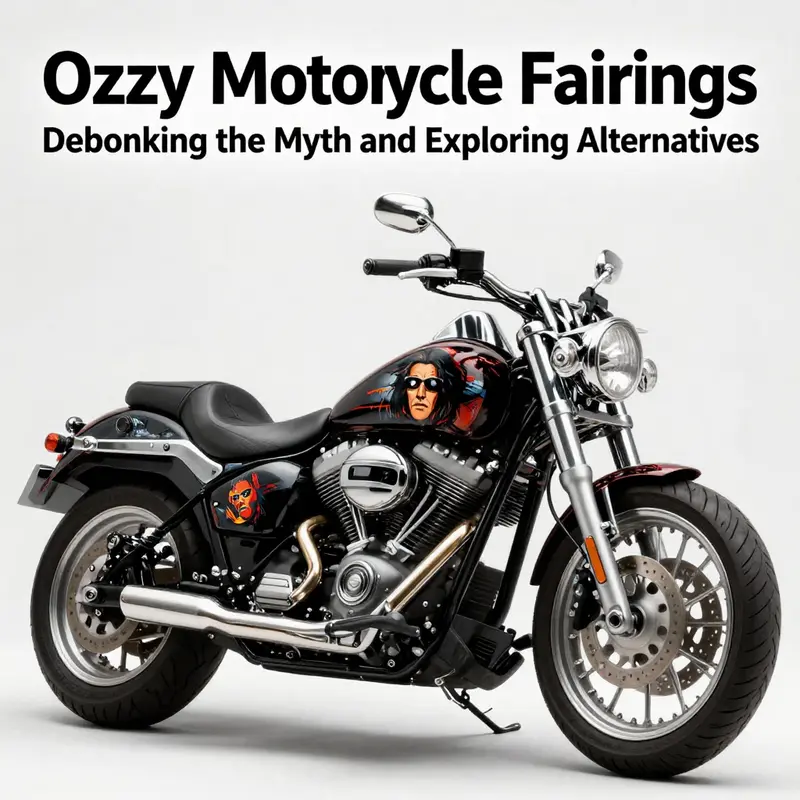
A myth has lingered in motorcycle culture long after the music videos and red-carpet appearances faded: that there exists an official, mass‑produced “Ozzy Motorcycle” with branded fairings crafted for wide commercial distribution. The truth, grounded in verifiable history, is far more nuanced and far less dramatic. Ozzy Osbourne did own a remarkable custom bike, a one‑of‑a‑kind creation born from the hands of a renowned custom shop. It was not a factory model, not a line of standardized parts, and certainly not something sold as a public product. This distinction matters because it frames how riders understand the role of fairings in modern motorcycles. Fairings are not mere costume pieces; they are engineered components that influence aerodynamics, rider protection, engine cooling, and even the perception of a machine’s personality. Yet the allure of a skull‑etched silhouette or a dark, ominous palette can spark a desire to imitate that iconic look. The result is a thriving aftermarket ecosystem that markets “Ozzy” inspired designs, typically sold as after-market fairings or cosmetic panels. These items can evoke the visual mood that fans associate with Ozzy’s aesthetic, but they remain non‑official goods created by third‑party manufacturers. The important takeaway for enthusiasts and buyers is straightforward: if a product is labeled Ozzy or Ozzy‑themed in a way that suggests official licensing or mass production, it is almost certainly not official. The consistent thread in the fairing market is authenticity of fit and materials, rather than the backstory of inspiration alone. The modern market rewards those who approach such upgrades with a clear plan for compatibility, durability, and performance, rather than with a wishful claim about provenance.
Nevertheless, the Ozzy motif continues to inspire a broad range of aftermarket offerings. Skulls, dark motifs, and high‑contrast graphics can be applied onto fairings through multiple routes—from vacuum‑formed panels to full replacement sets. Each option comes with trade‑offs. Cosmetic panels can dramatically alter the bike’s look on a weekend project, but they may not be optimized for aerodynamics or for long‑haul riding comfort. Full replacement fairings, while offering a more cohesive appearance, can add weight and create fitment challenges if the panels do not align perfectly with the bike’s subframe and mounting points. The key for riders who pursue these designs is to prioritize quality that matches the bike’s intended use. Aesthetic drama should not eclipse structural integrity or reliability.
To appreciate the difference between a true, built‑to‑order masterpiece and a mass‑market cosmetic kit, it helps to consider what a fairing does. A motorcycle fairing is not simply a stylish skin. It is a structural element that shapes airflow, reduces drag, channels cooling air to the radiator and engine, and shields the rider from wind and debris. On a sport bike, the fairing can influence high‑speed stability and cornering feel by smoothing the flow around the rider and chassis. On a touring or adventure platform, fairings can contribute to rider fatigue reduction on long rides by managing wind pressure and reducing turbulence. Different design philosophies produce distinct outcomes: a fully enclosed fairing package emphasizes clean aerodynamics and aggressive stance, while a smaller, modular set may favor weight savings and easier access for maintenance. The choice between these approaches is often a matter of balance—between performance and practicality, between the visual narrative one wants to project and the mechanical realities of the bike.
In practice, the market has grown sophisticated enough to support both the performance‑driven rider and the style‑craving enthusiast. The manufacturing hubs that power high‑quality aftermarket parts—particularly in manufacturing clusters along the coast and inland industries of Asia—have developed vast capabilities in fiberglass, ABS, and composite molding. Guangdong and Zhejiang provinces in China, alongside nearby coastal manufacturing centers, have built ecosystems that can produce panels with tight tolerances, smooth finishes, and reliable fitment at scale. The quality of a fairing set hinges on several factors: how the panels are formed, how evenly the surface takes paint, the weight and rigidity of the chosen material, and the precision of the mounting hardware. ABS plastic panels tend to offer impact resistance and ease of repair, while fiberglass and carbon fiber options can lead to lighter weight and stiffer performance but require more careful handling and more specialized installation. These material choices matter far beyond the color and texture of the surface. They determine how a rider feels the bike under acceleration, how the panels respond to heat and vibration, and how well aftermarket solutions hold up under daily riding or track use.
Beyond material science, sound procurement practices are essential. For buyers, it is not enough to find a visually striking set of panels; one must also assess production capability, supply chain reliability, and the consistency of fit. Reputable suppliers will be able to demonstrate a track record of on‑time delivery, clear communication about compatibility, and honest disclosures about the limits of their parts. This is where the broader industrial landscape becomes relevant. The same regional ecosystems that support high‑quality fairings for a range of sport, touring, and even standard street bikes rely on skilled craftsmanship in laying up fiberglass, precision trimming, and reliable bonding surfaces. It is a reminder that the aesthetic value of an aftermarket kit matters, but only if it can be installed with predictable results and withstand the rigors of real riding. To navigate this landscape, buyers should approach the market with a strategy focused on compatibility and durability, not merely appearance.
For those who want to explore manufacturer and model‑specific fitment while still maintaining a critical eye toward quality, some practical steps help ensure a successful upgrade. Start with a clear plan of the bike’s intended use: daily commuting, weekend rides, or aggressive track sessions. If the goal is street riding with a visually bold stance, a balanced approach that prioritizes weather seals, panel alignment, and protective coatings can deliver a lasting result. If the aim is track use, durability under stress and precise fitment become non‑negotiable, and it makes sense to weigh materials like carbon fiber or high‑density composites against the cost and repairability. In all cases, demand documentation that confirms the manufacturing process, material specifications, and warranty terms. Perhaps more importantly, seek feedback from the rider community—owners who have already installed similar kits can offer real‑world perspectives on fit, finish, and performance.
For readers who want to connect the discussion to a broader web of resources and examples, a practical entry point can be found by browsing dedicated collections that group fairings by model families. These collections provide a window into how the industry organizes compatibility and design language across dozens of bike platforms, highlighting the shared challenges and opportunities involved in aftermarket fabrication. In particular, exploring the Honda fairings collection offers a useful benchmark for generic fitment considerations, panel mating, and finish quality. This reference point helps frame expectations about what a well‑executed aftermarket kit should achieve and why precise mounting hardware and finish work matter as much as bold graphics. Honda fairings collection
The Ozzy myth, then, becomes a case study in how branding, fantasy, and engineering intersect in a very real marketplace. The absence of an official “Ozzy motorcycle” line does not erase the cultural impact of his imagery. It merely clarifies where official licensing ends and where aftermarket artistry begins. For builders and riders, that distinction matters. It sets a boundary within which high‑quality, reliable performance parts can be chosen without surrendering the authenticity of the riding experience. The visual drama of skulls and dark motifs can still be achieved, but the wise buyer will insist on proper engineering, proven materials, and a fit that respects the bike’s structural realities. And when it comes time to select a kit, the decision should rest on a clear assessment of how the fairing behaves as part of a complex system—not only how it looks on a showroom wall.
For readers seeking a broader, more technical overview of fairing types, properties, and their practical impact on industrial performance, an external resource offers a detailed synthesis of the topic. This guide provides a structured look at materials, fiberglass and carbon fiber reinforcement, and how different fairing configurations influence aerodynamics and rider comfort across use cases: https://www.example.com/motorcycle-fairing-guide.
In sum, the Ozzy fairing story is less about a single product and more about the space where artful design, engineering discipline, and consumer demand intersect. The one‑off legend serves as a reminder that true provenance matters, but so does the ongoing innovation that allows riders to tailor character and performance through carefully chosen, well‑made aftermarket parts. When the goal is to blend personal style with credible engineering, the path forward is clear: select materials and construction that match the bike’s purpose, verify fitment with reliable suppliers, and approach the marketplace with a practical eye for durability, compatibility, and the quiet confidence that comes from knowing the part will perform as advertised on two wheels rather than in a storefront display.
Ozzy-Style Aftermarket Fairings: Design Sparks, Quality Variability, and the Quest for True Fit
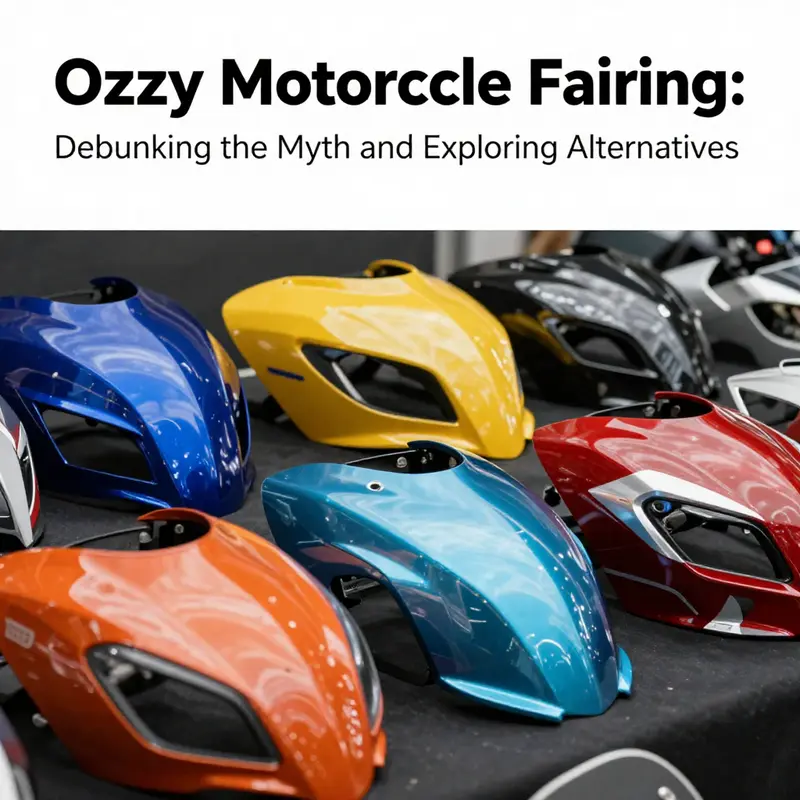
The myth versus the market is a quiet undercurrent in the world of motorcycle styling: there is no official Ozzy Motorcycle produced by a major manufacturer, and no licensed line of factory Ozzy fairings riding off the brand’s original stamping. Yet the cultural impact of Ozzy Osbourne’s skull-laden, dark-edged imagery has carved a lasting niche in the aftermarket scene. The name Ozzy—whether invoked as a mood, a rebellious emblem, or a nod to stage theatrics—has been reimagined as a design brief for a wide range of aftermarket fairings. The result is a curious tension: riders who want the eye-catching drama of that aesthetic with the confidence of tested fit and solid durability, and makers who promise a quick route to a dramatic look. The reality, though, is nuanced. Aftermarket Ozzy-inspired fairings are, by and large, custom or novelty pieces rather than factory-authorized parts. They can deliver striking visuals, but their origins, materials, and tolerances vary as widely as the finishes on a guitar amp. In this sense, the Ozzy look is less a single product category and more a design ethos that travels through different suppliers, sometimes with surprisingly reliable results and other times with disappointments that reveal the true cost of style without performance guarantees.
Beyond the initial impulse to chase a dramatic silhouette, the chapter of design ethics and practical engineering begins with the choice of materials. The material ecosystem for aftermarket fairings often ranges from basic, cost-conscious ABS plastics to fiberglass composites and, in premium lines, carbon fiber or carbon-fiber-reinforced plastics. ABS remains the workhorse, prized for its balance of impact resistance, lightness, and cost. It tolerates paint and decals well, which matters when a skull motif or dark, high-contrast graphics are on the agenda. However, not all Ozzy-inspired fairings carry the same resilience. Some cheaper options may suffer from fast UV degradation, brittle edges after impact, or color fade that undermines the all-important contrast that makes the rebellious look pop. Conversely, carbon fiber variants provide stiffness and a premium aesthetic, yet they can demand careful installation and a higher price tag. The best outcomes often come from vendors who publish clear material specifications and who can demonstrate a consistent resin-to-fiber ratio, indicating a manufacturing discipline that translates into predictable performance if the bike should encounter a summer heat cycle or a small but vexing tumble in a parking lot. In short, the material story behind these designs is the first practical signal of whether the look will endure beyond a glossy shelf dip.
Aesthetics are essential, but fit and finish determine the long arc of ownership. Proper fit ensures reliable mounting points, alignment of body lines, and keeping the rider’s stance and aerodynamics uncorrupted by a panel that wants to sit twice on the wrong bolt. The Ozzy look tends to emphasize bold contours, extended line work, and dramatic cutouts—features that demand tight tolerances. In practice, this means buyers should expect some variability from run to run. Some factory-inspired or boutique aftermarket setups are molded to align with generic frame geometries and standard mounting points, but many require minor, careful trimming, smoothing, or re-drilling during installation. This is especially critical for models with stacked fairings or integrated windshields, where even a millimeter of deviation can push the panel away from its ideal seating and invite rattles, gaps, or chafing against the fairing stay. Even with a precise model-year fit, riders should anticipate the need for heated tools, liquid solvents, or specialty clips that were not part of the original bike’s assembly manual. The practical implication is clear: chasing the Ozzy aesthetic without budget for expected adjustments can lead to a less secure fit and a compromised ride quality.
Sourcing considerations add another layer to the conversation. In a global market where many aftermarket parts are produced in large, diverse supply chains, the true variable is not merely design but the reliability of the supplier. China remains a central hub for mass-produced fairings, benefiting from scalable tooling, rapid prototyping, and competitive pricing. The challenge for buyers is to separate the wheat from the chaff: the parts that arrive with consistent thickness, precise mold lines, and a paint finish that resists chipping, from those that arrive warped, mismatched, or with gloss that quickly dulls. Evaluating a vendor’s capability becomes a mix of assessing stated material specs, the reported manufacturing processes, and the availability of after-sales support. A disciplined buyer asks for photomicrographs of cross-sections, details about UV-stabilizers used in pigments, and evidence of impact testing. They also seek information about turnaround times, resin cure cycles, and the supplier’s documentation for warranty and returns. While this sounds meticulous, it is the prudent path in a market where the price advantage can tempt a buyer away from durability and fit.
The practical upshot for someone pursuing the Ozzy-inspired look is not merely finding a panel that looks right, but securing a product that forms a reliable part of the bike’s skin without compromising safety or performance. The installation experience matters as much as the finish. If a fairing’s inner structure is hollow or lacks attention to the screw bosses and mounting flanges that replicate OEM geometry, the result can be a cosmetic enhancement that never truly nests into place. In this context, the most responsible vendors publish fitment data that aligns with specific model ranges and provide technical support for the installation process. For buyers who crave a robust, long-horizon outcome, the best approach combines a clearly defined look with a transparent outline of what it takes to achieve a secure, durable fit. The risk of ending up with a visually dramatic piece that is unreliable in the wind or in a low-speed collision is precisely the reason that a careful sourcing strategy matters as much as the design itself.
Within this landscape, informed decisions hinge on a clear set of criteria: material composition and finish, demonstrated fit for specific model families, and credible evidence of testing and warranty terms. Buyers should seek vendors who can discuss bonding methods, surface coatings, and post-finishing processes. They should also ask for references or testimonials from technicians who have performed professional installations and for photos of panel lines that reveal the quality of molds and the smoothness of the gel coat. In the end, the Ozzy look is a visual language that can be achieved with a serious commitment to quality and fit. It’s a look that rewards those who treat the fairings as more than just a decorative shell and recognize them as a component that must move in concert with the bike’s chassis, its ergonomics, and its speed envelope.
For readers who want a practical trail map through the marketplace, a focused example of how to navigate the options is to explore the broader category pages that host a variety of fairing designs. This approach helps evaluate stylistic fidelity against engineering robustness, offering a sense of how the market translates a recognizable silhouette into a functional product. It also invites a broader comparison across model families and across price bands, which can be especially instructive when the aim is to achieve a coordinated look without sacrificing reliability. If you’re considering a ride that nods to that unmistakable Ozzy aesthetic, it pays to treat the journey as a careful fusion of art and engineering rather than a single moment of visual impact. The best outcomes arise when a buyer aligns the look with proven fit, transparent materials data, and a sourcing plan that anticipates the essential, sometimes costly, steps of mounting, sealing, and testing the fairings under real riding conditions. Those steps may not be glamorous, but they are indispensable to preserving the balance between style and safety on the road.
For readers who want to explore a practical, category-focused starting point in the broader aftermarket world, you can examine a dedicated collection page that curates fairings by body style and mounting approach. Honda fairings collection
As a concluding note for this chapter, the Ozzy-inspired look remains a powerful design lever for riders seeking personality without sacrificing performance. The key is to navigate the market with eyes wide open: demand clear material specs, insist on documented fitment for your model, and prefer suppliers who publish as much of the production and testing story as possible. In doing so, fans can enjoy a bold, skull-tinged aesthetic while still trusting the skin that wraps their machine to perform as well as it looks. The dialogue between design and durability is the real throughline in aftermarket Ozzy fairings, and it is a conversation that rewards diligence, curiosity, and a willingness to look beyond the surface gloss. External resource: https://www.motorcycleparts-sourcing.com/china-supplier-guide
Riding the Edge: Compatibility, Craft, and Caution in Ozzy-Inspired Motorcycle Fairings
Among motorcycle aesthetics, Ozzy Osbourne’s rebellious aura has inspired a niche of aftermarket fairings. The plain truth is that there is no officially licensed Ozzy motorcycle fairing line; what exists are aftermarket, non-official pieces that echo Ozzy’s mood with skull motifs, dark finishes, and dramatic graphics. These parts vary in fit and quality, and compatibility with a given bike is never guaranteed. This chapter treats compatibility as the backbone of any purchase: a practical map through fitment, material choices, and safety considerations.\n\nFirst, understand that Ozzy-inspired fairings are typically designed for broad frame families rather than a precise model. Mounting tabs, bolt patterns, and subframe interfaces can differ, so a listing that looks right in photos may require adapters or even panel reshaping. The number one buying tip is to treat compatibility as a prerequisite and to study the vendor’s fitment data, diagrams, and stated bike categories rather than the visuals alone. If details are missing, you should seek a vendor with verified fitment information or avoid the purchase.\n\nBeyond mounting points, watch for engine clearance, radiator routing, wiring harness access, and instrument placement. A panel that sits too close to the head or hoses can disrupt airflow, heat management, or service access. Some designs clip onto existing hardware; others require more invasive modifications. Plan for an install that preserves the bike’s design language while accommodating the new look; consider professional installation if you’re not confident in trimming and alignment.\n\nMaterial choices matter. ABS plastic is common: affordable, impact-resistant, and easier to work with for amateur fitters. Carbon fiber offers stiffness and weight savings but demands higher precision in mounting and clamps. Fiberglass can be cheaper but may flex or crack if not braced properly. Factor in UV resistance, paint adhesion, and hardware quality when weighing long-term durability.\n\nLegality and originality come into play. Using a design influenced by a rock icon walks the line between style and trademarks. While private owners generally won’t face direct enforcement, it’s prudent to avoid visibly using protected logos or exact reproductions marketed as licensed. Ask the seller for a generic, “inspired by” design and any licensing statements. If in doubt, choose a look that captures the mood without copying protected imagery.\n\nA smart purchasing approach focuses on data, not just aesthetics. Request fitment diagrams, mounting templates, hardware lists, and any required tools. Ask about warranties and returns; read reviews from riders with similar bikes. When a vendor provides a measured tolerance range, you can assess whether slight fitment gaps can be closed with shims or minor trimming without compromising safety.\n\nFinally, align expectations with your riding goals. If you prize a bold silhouette over factory-perfect fit, you may accept a longer install or light modification. If you want a seamless, factory-like finish, you may be willing to skip certain bold graphics or choose a kit known for precise fitment. The beauty of Ozzy-inspired styling is the attitude; the responsibility is ensuring a safe, durable mount that won’t require compromising the bike’s safety systems or reliability.\n\nFor further guidance on evaluating legality and styling, see industry resources and vendor fitment guidance. Example: a specialist Honda fairings collection can illustrate how aftermarket parts communicate fitment expectations and materials. See here: https://www.summitfairings.com/collections/honda-fairings/
null
null
Sourcing Ozzy-Style Fairings: Strategic Insights for Custom Chopper Craft
The notion of an Ozzy-style motorcycle fairing is a bold, personal statement forged through artistry and engineering. Since these fairings are often one-off or small-batch builds, there is no universal spec sheet to guide procurement. The buyer’s challenge is to assemble a team of makers who can translate a rider’s concept into a functional, cohesive shell that fits a unique chassis. Sourcing becomes a collaborative venture, relying on the ability to articulate a vision through sketches, mood boards, or digital renders and to develop a plan that respects form and fabrication realities. The process rewards dialogue, iteration, and trust in craft as much as in price or lead time. The result is a true piece of kinetic art that endures riding realities and projects personality on every ride.
To navigate this niche, buyers should elevate supplier evaluation beyond traditional criteria toward an art-informed judgments. The first criterion is proven expertise in custom choppers or boutique fabrication. A robust portfolio matters less for volume than for range and courage of design. Look for shops that push the boundaries of proportion, line, and surface treatment while solving practical issues like aerodynamics, mounting points, and fuel-system access. The work should show fluency with exaggerated rake or dramatic body language, but never at the expense of reliability. The best partners treat each project as a dialogue with the rider’s intent, offering design input that challenges and refines the concept rather than merely executing a sketch.
Material and fabrication mastery is the second pillar. Ozzy-inspired fairings demand a toolkit that blends lightness with resilience and a finish that reads at speed. A capable supplier should be fluent in multiple fabrication modalities: traditional fiberglass or advanced carbon-fiber molding for sculpted silhouettes; thermoformed or hand-built panels for complex geometries; and metalwork for brackets and edge detailing that require high strength. Finishing is decisive: multi-layer paint schemes, airbrushed graphics, and precise masking reveal intricate storytelling when seen in sun or showroom lighting. Surface preparation, adhesion, and weatherproofing ensure the art survives daily riding, not just quiet display. Materials matter, but so does knowledge of how those materials behave when bonded to a living, vibrating machine.
The collaborative process is the third compass point. Custom builds thrive when the supplier acts as a co-creator rather than a mere producer. The ideal partner engages in early feasibility assessments, translates rough concepts into build-ready panels, and participates in iterative prototyping. In the best relationships, the shop presents alternatives—different layups, weights, or finishing approaches—rooted in cost, durability, and performance. Communication flows both ways: riders learn what is technically feasible, and fabricators gain insight into daily realities and ambitions. This collaboration reduces risk, speeds decisions, and yields a final fairing suite that feels inevitable in execution.
Reputation and portfolio provide the fourth compass. In the world of custom fairings, reputational signals come from visible, repeatable excellence rather than certifications or mass endorsements. Seek shops that publish a thoughtful gallery, show at curated events, or maintain active communities where curious riders view and discuss their work. Platforms that curate high-quality builds—where detail shots, process notes, and finished surfaces are on display—are especially valuable because they reveal the shop’s approach to geometry, fitment, and finish. If possible, speak to previous clients or request references to understand reliability, after-sales support, and the shop’s willingness to stand behind their craftsmanship.
The reality of production scales matters as well. Ozzy-inspired fairings sit between bespoke artistry and practical manufacturing. While top-tier shops often operate at a boutique scale, buyers should understand lead times, batch sizes, and the supplier’s capacity for consistent quality across multiple panels. A one-off can be a thrilling gamble; a small but steady capability stabilizes ongoing maintenance, color matching, and future revisions. Trustworthy suppliers will provide a transparent plan for prototyping, test fittings, and a clear warranty that covers finish integrity, alignment, and structural mounts.
Compatibility and measurement are not afterthoughts but constraints that influence every decision. Unique frame geometries, unusual rake angles, or unconventional ergonomics can demand bespoke mounting hardware and refined tolerances. The supplier must be comfortable with a data-driven approach to fitment—collecting measurements from the chassis, verifying clearances at key interference points, and validating panel indices before final cure or paint. The more a shop asks for precise dimensions, the more likely the project arrives on schedule and with a result that looks intended rather than improvised.
Regional dynamics subtly shape how buyers approach vendor selection. The most compelling Ozzy-style builds often come from boutique studios that blend regional craftsmanship with global influences. While skilled fabricators exist in many places, the collaborative, art-driven vibe of North American and European studios tends to yield the most original and durable outcomes in this niche. The emphasis is on artistry, material nuance, and long-term relationship-building rather than price wars. Buyers should be prepared to invest in the relationship that will carry the project through design refinements, test fitting, and final tuning.
From a procurement perspective, the rule is straightforward: the value of the result hinges on delivering a truly unique, high-quality, and visually compelling product that embodies the rider’s vision. This means selecting a partner who demonstrates creative courage, fabrication precision, and a collaborative workflow. The sourcing approach should include a design brief that outlines intent, mood, and performance considerations; a staged development plan with milestones for concept validation, prototype, and final fit; and an evidence pack—photos, measurements, and references—that substantiates the shop’s capabilities. While cost and lead time matter, they should be weighed against the payoffs of a piece that resonates with the rider’s persona and rides true over time.
To locate the right collaborators, consider platforms and channels that celebrate custom motorcycle artistry and provide authentic, portfolio-driven insights. Look for shops that publish detailed process stories, before-and-after galleries, and rider testimonials. This is not a search for off-the-shelf parts but for creative partners who treat a helmet-to-tail fairing package as a singular art commission and a technical system at once. As a practical next step, request design concept boards and provisional CAD or renderings to anchor the discussion, then move toward small-scale prototyping and test fits before committing to full production. The trajectory from concept to finished panel should feel inevitable—the product of shared vision, technical mastery, and mutual trust.
For riders seeking inspiration beyond the portfolio, industry resources that document the craft can be invaluable. A trusted online showcase that chronicles remarkable custom builds offers a window into the standards of craftsmanship and the storytelling that accompanies a truly successful project. This reference point helps set expectations and informs conversations with potential partners, ensuring the dialogue stays anchored in feasibility, aesthetics, and lasting quality. For further inspiration on custom builds and motorcycle customization, explore the broader community and its recent work here: https://www.bikeexif.com. The journey from concept to iconic fairings is as much about the relationship between rider and maker as it is about the final panels themselves.
Final thoughts
Navigating the landscape of motorcycle fairings can be overwhelming, especially with the myths and varied offerings in the aftermarket. Business owners must be clear on the distinctions between official products and inspired designs, ensuring informed decisions are made based on compatibility and quality. By understanding the intricacies of Ozzy motorcycle fairings, from the debunked myths to the sourcing of suppliers, businesses can cater to a niche market while ensuring customer satisfaction with high-quality, customized options.