
The Reckless Motorcycles 2-Speaker Batwing Fairing is designed to elevate not just the aesthetics of Harley-Davidson motorcycles, particularly the Softail Slim, but also enhance the auditory experience for riders. Crafted with a fiberglass body and stainless steel finish, this aftermarket accessory merges style with robust performance. The first chapter delves into its unique design features, illustrating how it maintains the motorcycle’s aggressive look while adding functional benefits. The second chapter will explore the performance enhancements provided by this fairing, making rides more enjoyable and immersive. Finally, the third chapter covers installation and compatibility, ensuring that business owners understand how the fairing integrates effortlessly with specific motorcycle models, which is crucial for customer satisfaction.
Sound, Shape, and Speed: Inside the Design of Reckless Motorcycles’ 2-Speaker Batwing Fairing
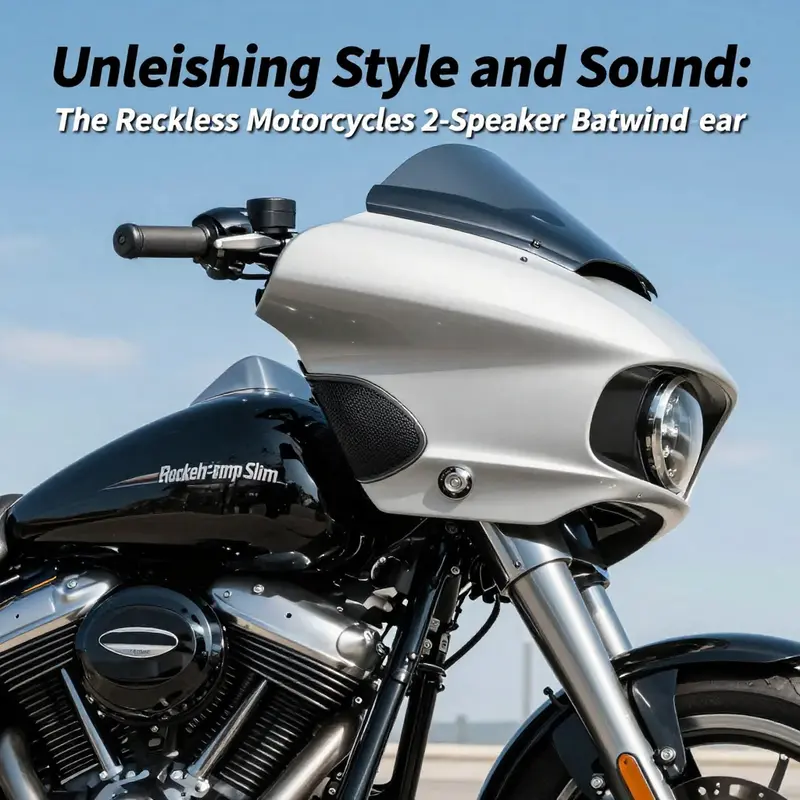
The road has long been a stage for sound, speed, and symmetry. When a rider chooses an upgrade that sits at the intersection of acoustics and sculpture, the journey becomes not just about getting from point A to point B, but about crafting an experience that travels with the bike as a single, cohesive voice. The Reckless Motorcycles 2-Speaker Batwing Fairing sits at this frontier, a deliberate blend of engineering and aesthetics that treats a touring motorcycle as both an instrument and a sculpture. Its design narrative begins with a practical premise: to deliver a robust, immersive audio environment without turning the bike into a tangle of cables and clamps. But the story rapidly expands beyond function, into the language of form, weather resilience, and rider comfort that underwrites every mile of the ride. In this design-focused chapter, we travel through the core decisions that shape this batwing’s character, from the materials that cradle its sound to the aerodynamic discipline that quiets the wind and the mounting philosophy that promises a straightforward, reliable upgrade for specific Harley-Davidson touring platforms. The result is a fairing that reads like a single, confident statement: sound should accompany speed without shouting over it, and style should amplify the bike’s inherent aggression without overshadowing its silhouette.
At the heart of the fairing’s approach to sound is the integration of two high-performance speakers within the batwing’s own envelope. The decision to mount speakers directly into the fairing achieves a clean, factory-like finish that rewards riders with a spacious stereo field without the visual clutter of external enclosures. The dual-speaker arrangement is more than a nod to stereo novelty; it reflects a careful attention to the acoustic path from the speaker cone to the rider’s ears. The enclosure geometry, the internal bracing, and the surrounding surface treatments are all optimized to minimize damping losses and preserve speaker clarity at highway speeds. This is not a case of tacking on a couple of drivers; it is a deliberate acoustic architecture that treats the batwing as a listening chamber. When the volume rises, the system remains composed, with a controlled midrange and a firm low end that fills the rider’s lane without bleeding into the wind noise that envelops a moving motorcycle.
The materials and finish of the fairing anchor both its durability and its visual impact. The construction rests on a durable composite body—light enough to maintain the bike’s overall balance, yet stiff enough to resist the daily tests of road spray, gravel, and abrasion. The exterior finish, with its stainless steel motif, lends a tactile and reflective quality that catches light along the bike’s lines. This two-layer strategy—fiberglass or composite core with a stainless steel exterior finish—combines the best of both worlds: resilience and a harsh, reflective glare that suits the bike’s aggressive stance. The aesthetic is not merely surface-level; it informs the fairing’s sense of weight and presence, shaping how the bike sits in the wind and how the rider perceives speed. The stainless skin cues a durability narrative, while the underlying composite material absorbs and dissipates vibration, reducing the risk of speaker enclosure resonance that can color the listening experience. The result is a visual and tactile integrity that riders come to trust on long rides where miles become measured not just in time, but in the quality of the soundscape and the steadiness of the ride.
Aerodynamics is another critical axis in the design logic. The batwing form is not a stylistic flourish alone; it is an aerodynamic instrument engineered to manage the air that surrounds rider and machine at speed. The silhouette is refined to direct airflow in a way that mitigates turbulent eddies that can buffet the rider’s helmet and shoulders. A well-tuned profile reduces wind noise in the cockpit, which in turn makes the sound system more intelligible and enjoyable at higher speeds. The fairing’s contour also contributes to stabilizing the front end, supporting a sense of planted solidity even when the bike leans into corners or breaches a crosswind. This attention to airflow is complemented by careful edge work and surface smoothing that minimize abrupt pressure changes along the fairing’s face. The ultimate payoff is a calmer rider, able to absorb the highway’s white noise without sacrificing dynamic feedback from the audio system or the bike’s own mechanical symphony. In practical terms, the fairing’s aerodynamic discipline translates into longer, more comfortable rides where the audio system remains responsive and the rider remains engaged with the road rather than fighting the environment.
Fitment and installation lie at the practical core of any aftermarket fairing, and this design keeps that core tight. The batwing fairing is presented as a direct-fit replacement for specific Harley-Davidson touring platforms, including the Electra Glide, Street Glide, Ultra Limited, and Tri Glide families. The packaging includes mounting hardware, alignment guides, and a well-considered wiring pathway that aims to keep the installation straightforward rather than invasive. This approach respects the geometry of the host machine and minimizes the need for intrusive modifications. For riders who value a clean, professional-looking upgrade, the direct-fit philosophy matters as much as the acoustic and aesthetic choices. It means a rider can swap out a factory fairing and, with a measured installation, arrive at a finished result that looks like an intentional factory option rather than a DIY afterthought.
Beyond the initial fit and finish, the design embraces customization as a core principle. The fairing is offered in multiple color finishes and trim packages, enabling riders to align the audio-visual statement with the bike’s broader customization scheme. This flexibility matters because a touring bike is often a gallery of personal decisions—the windshield style, the handlebar and dash configurations, and the choice of trim accents. The batwing fairing acts as a pivot around which these elements can cohere. It can harmonize with windshield trims and other add-ons that sit along the rider’s field of view, supporting a cohesive aesthetic rather than a patchwork of disparate pieces. The design team understands that many riders curate a “brand identity” for their bikes, one that reflects a blend of performance intent and personal taste. The batwing’s palette and trim options empower this, letting the owner express a mood that ranges from surgical, darkly aggressive to glossy, high-contrast bespoke—without forcing a single stylistic path.
The design language also respects the practical rhythms of touring. Durability is a recurring theme, not a one-off boast. The fairing is conceived to endure weather insults, road debris, and the everyday indignities of long-distance riding. Protective graining, weather sealing, and robust mounting points all contribute to a system that remains reliable after rain, sun, and salt-seasoned roads. The integrated speakers are buffered by internal damping materials that isolate them from the vibrations of the engine and chassis, reducing the risk of speaker fatigue or performance drop-off on extended rides. The electrical architecture is treated with the same reverence as the structural elements: protected connectors, clean routing paths, and strain reliefs ensure that the wiring harness remains intact under the rigors of road trips. The result is a product that does not merely add audio capability; it preserves the integrity of the motorcycle’s electrical and mechanical systems while delivering consistent, repeatable performance.
From a rider’s-eye view, the batwing fairing contributes to a sense of immersion that is as much about psychology as physics. The two speakers frame a stereo field that broadens the rider’s sonic horizon without creating a diffuse wall of sound. The placement of the drivers—carefully anchored within the batwing’s inner contours—allows sound to project forward and outward in a controlled arc that emerges from the fairing rather than from external housings. The acoustics are not a trick of marketing language; they emerge from an engineering discipline that treats space, enclosure, and source as a single system. The rider perceives a crisp upper-register detail during passing stretches and a tactile low end during highway drone, all without the need to crank the volume to levels that would invite fatigue. It is a listening environment designed for endurance, where every mile adds to the sense of synergy between rider, machine, and sound.
The design also respects the broader ecosystem of touring customization. The batwing fairing does not exist in isolation; it is positioned to complement other accessory lines, including windshields and handlebar-mounted enhancements. The matching or contrasting trim packages invite a cohesive build, ensuring that the upgrade does not disrupt the bike’s lines but rather extends them. This integrative mindset matters when a rider builds a narrative around a motorcycle that might already carry other aftermarket elements. The fairing’s architecture anticipates these combinations, providing consistent fitment tolerances and alignment markers that reduce guesswork during installation. The result is a finished look that feels deliberate, not improvised, and a sound experience that is as consistent with the bike’s silhouette as it is with its road manners.
In terms of maintenance and long-term ownership, the design anticipates routine care without demanding constant attention. The materials resist the elements, and the stainless exterior finish shows humidity and road spray less aggressively than clear-coated metals alone might. Cleaning routines can be straightforward yet respectful of the speaker drivers and the internal bracing. A simple wash and light wax can preserve both the surface sheen and the enclosure’s acoustic integrity, ensuring that the fairing remains handsome and acoustically pristine through seasons of riding. The dual-driver arrangement benefits from occasional inspection to confirm the sealing integrity and to verify that all fasteners remain snug after vibration and road endurance tests. Routine checks, rather than dramatic overhauls, are the path to preserving the fairing’s character and function.
The outcome of this design approach is a product that communicates a clear design philosophy: sound is an element of the bike’s identity, not an add-on. The batwing fairing is a manifestation of this belief, a piece that speaks to riders who want their motorcycles to speak with a richer voice and a stronger stance. It respects the lines of the motorcycle, it answers the rider’s need for a more personal audio environment, and it offers a practical path to upgrade that does not require a wholesale rebuild of the bike’s front end. For enthusiasts who want a tangible sense of cohesion between sound, form, and function, the Reckless Motorcycles 2-Speaker Batwing Fairing presents a compelling case study in design-driven modification.
To situate this discussion within the wider landscape of motorcycle fairings, it is useful to consider how other brands approach the balance between aesthetics and engineering. Fairings across many segments share a common set of design pressures: protect the rider from wind and weather, support the bike’s aerodynamics, accommodate electrical components, and provide a stage for a rider’s personal expression. The Yamaha fairings collection, for example, illustrates how manufacturers balance these concerns across diverse platforms and markets. While the aesthetic language and installation specifics differ from one brand to another, the underlying design principles—integrated functionality, durable materials, and an eye toward the rider’s comfort—remain constant. See the Yamaha fairings collection as a reference point for understanding how modular elements can be integrated into a larger system without sacrificing the bike’s identity. Yamaha fairings collection
As the design philosophy behind the batwing fairing shows, a successful upgrade does more than add features. It elevates the riding experience by aligning sound, form, and function into a coherent whole. The two speakers, housed in a durable composite shell with an estate-like surface and stainless steel skin, become more than a technical novelty; they contribute to the rider’s sense of place on the bike. The wind, once a potential enemy of long-distance comfort, becomes a manageable element when it is integrated into the fairing’s aero profile. The bike’s silhouette, long a symbol of power and independence, remains intact and perhaps even more pronounced because the upgrade follows and respects the machine’s original architecture. In this way, design is not just about adding something new; it is about enriching the relationship between rider and machine, a relationship built on sound, shape, and speed working in harmony.
For riders seeking to understand the full scope of what this design achieves, a deeper dive into the official product documentation and demonstrations can be valuable. The engineering and fitment details, after all, are the practical measures by which theory becomes experience. A detailed look at the specifications, installation steps, and compatibility notes will confirm what the eye and ear sense: a carefully considered upgrade that honors the bike’s purpose while expanding its expressive range. External resources provide context for how such a design ethos translates into real-world performance and long-term ownership benefits. External reference: https://www.recklessmotorcycles.com/products/batwing-fairing-with-stereo-dyna
In sum, the design features of the Reckless Motorcycles 2-Speaker Batwing Fairing reflect a philosophy that treats sound and style as co-conspirators in the riding experience. It is a design that understands the rider’s needs—clarity of audio at speed, durable construction in all weather, straightforward installation, and a level of customization that lets the bike tell its own story. It is a design that respects the machine’s lines and the rider’s rhythm, and it is a design that invites continued exploration by anyone who believes that a motorcycle ride can be more musical, more comfortable, and more visually compelling without demanding compromise between one element and another.
Sound and Air: Performance Dynamics of a Two-Speaker Batwing Fairing for Cruisers
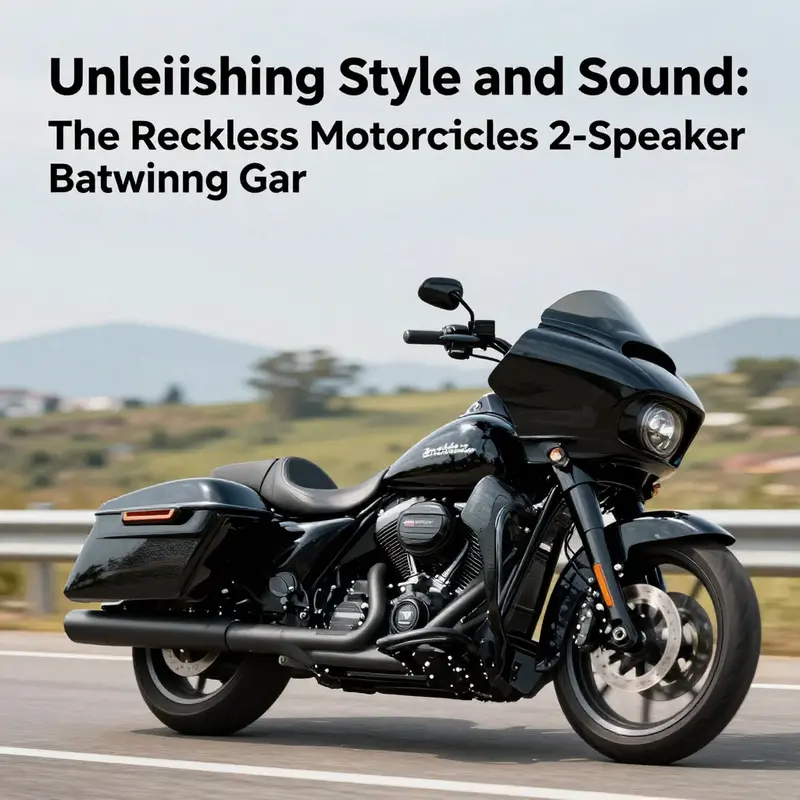
On the open road, riders chase a balance between presence and quiet—the way a machine moves through air and the way music travels from a pair of speakers to the ears behind a helmet. The two-speaker batwing fairing, positioned as an aftermarket upgrade for mid-sized cruisers, sits squarely at this intersection. It promises more than the roar of the exhaust or the thrill of wind on skin. It offers a controlled auditory environment that blends with mechanical rhythm and road texture. What makes this accessory interesting is not just its ability to pump sound outward, but the way it tries to mold that sound within a carriage designed to slice through air with a certain decisiveness. The fairing’s dual-purpose design aims to respect the rider’s line of sight and posture while delivering a richer social soundtrack to the ride—an acoustic companion that travels with the bike as it threads through scenery, traffic, and lanes carved by the day’s weather and the rider’s choices. From a design perspective, the fairing is built around a fiberglass core with a stainless steel exterior, a combination that signals durability and a certain tactile premium. The fiberglass keeps the shell light enough to avoid dramatically altering the bike’s handling characteristics, while the steel finish provides a resilient, assertive surface that catches light and attention in equal measure. The aesthetic is essential here; the batwing silhouette is meant to echo the aggressive stance of a modern cruiser without appearing bulkier than the bike’s geometry allows. The result is a silhouette that looks like it belongs to the machine even before any audio components are engaged. The intention is not to obscure lines or create a clumsy addition but to extend the machine’s visual language while offering an integrated space for electronics. It’s the same instinct that drives manufacturers to blend form and function in a way that feels inevitable once you see the bike parked or in motion. The heart of the unit, beyond its shell, is the dual speaker system. The idea is straightforward: two relatively compact drivers provide a stereo image for riders who want more than the standard hum of the chassis and exhaust. The reality, however, is more nuanced. In the absence of a formal, published set of performance metrics—no wind tunnel data, no quantified reductions in wind noise, and no independent testing to prove improvements in handling or top speed—the claim of performance enhancement rests more on experiential value than on measurable gains. What riders can reasonably expect is a broader, more engaging soundscape that can make long rides feel shorter and more entertaining. The sound quality is influenced by multiple variables: the degree of integration with the bike’s electrical system, the type of audio source, the volume and balance settings, and the rider’s own tolerance for wind and road noise at highway speeds. When the hardware is installed properly, the system can deliver a convincing stereo ambience that feels appropriately scaled to the bike’s size and riding posture. When it isn’t, it can devolve into a localized buzz or a compressed muddiness that competes with, rather than complements, the road’s natural soundtrack. A practical aspect often hidden in glossy images is how installation influences both performance and perception. The fairing is described as a model-specific fit, which in theory helps preserve aesthetics and preserve the motorcycle’s aerodynamics. In practice, fitment matters as much as the materials and the speakers themselves. Compatibility helps ensure that the fairing does not introduce unintended drag or misalignment with the mounting points. But even the most carefully engineered fit can be compromised by missing hardware or an unusual mounting approach, especially if the surrounding accessories—gloves, windshields, and crash bars—are in play. The documentation notes that the unit can arrive in used condition with scratches and paint flaws, and crucially, without a front windshield and installation hardware. These details are not mere cosmetic footnotes. They signal real-world constraints that influence performance outcomes. Scratches and paint imperfections may not directly affect sound, yet they can hint at a fallible integration process or aging components that could change the acoustic chamber’s resonance. The absence of a windshield can alter wind patterns around the fairing, potentially changing both the rider’s acoustic environment and the fuel-conomy calculus if the rider values drag reduction at speed. Wind dynamics, in particular, are a tricky measure. Aerodynamics are not simply about how a fairing channels air away from the rider; they’re about how that air interacts with a rider’s helmet, glasses, and torso at various speeds and head positions. A batwing shaped fairing promises to redirect flow in a way that reduces buffeting and creates a calmer cockpit. The dual speakers occupy a defined volume within that structure, and their placement determines how much air interacts with their housings and whether any resonance or vibration is audible at higher speeds. The absence of published wind-noise reduction numbers means riders must rely on subjective impressions. Some riders may notice a modest softening of wind noise at cruising speeds, while others may find the change barely perceptible or even offset by the new acoustic path created by the fairing. The reality is that the interaction between airflow and sound is not merely additive; it’s an acoustic ecosystem where the fairing, the mounting hardware, the rider’s geometry, and the helmet all play parts in shaping what travels into the helmet and what remains outside. The experiential value of this kind of upgrade tends to land in the realm of personal preference and riding style. Those who prize a richer, more individualized experience—someone who wants their music to feel like a companion on the road rather than a peripheral amenity—may find the dual-speaker setup a meaningful enhancement. The fairing’s construction, with its clean lines and a rugged exterior, supports an image of controlled power and custom refinement. Even for riders who do not rely on their bike for daily commuting, the sense of personalization—the ability to tune volume, adjust balance, and create a personal soundtrack to a scenic ride—can be as compelling as any numeric performance metric. In some ways, it is the sensory complement of performance: not speed, torque, or fuel efficiency, but the quality of an auditory environment that feels crafted, integrated, and purposeful. This emphasis on experience over metrics is significant because it frames how riders evaluate investments like this fairing. The available documentation does not provide authoritative data confirming substantial improvements in handling, top speed, or fuel efficiency. It does assert an intention to fit the bike architecture and preserve an aggressive, sleek aesthetic. For many owners, that combination—sound, style, and a degree of compatibility with the bike’s silhouette—offers a sense of value that goes beyond measurable performance. It shifts the conversation from “how much faster am I going?” to “how complete is the ride?” The rider’s sense of immersion and satisfaction can be the deciding factor, even when third-party tests would say the impact on performance is modest at best. When a rider leans into a long ride with a soundtrack that aligns with the bike’s posture and the landscape’s tempo, the ride becomes a narrative rather than a simple journey from point A to point B. At the same time, the condition and completeness of the kit matters for any claim of performance or experiential improvement. A used fairing that arrives without a windshield and essential mounting components invites a practical calculus: is the money spent justified by the likely improvements one might experience when the installation is finished? The presence of cosmetic flaws may not erode function, but they do raise questions about longevity and resilience under the vibrations and stress of highway speeds. The absence of official performance data invites a cautious, pragmatic approach. Riders who seek verifiable improvements should consider objective measures—wind noise tests, acoustic clarity at varying speeds, and long-term durability—before committing. Yet even in the absence of solid numbers, the concept of an integrated, dual-speaker cockpit remains appealing. When paired with a thoughtful installation, it enriches the sensory dimension of riding by weaving sound into the bike’s physical presence without demanding sacrifices in style. Beyond the individual rider’s preference, there is a broader context to consider: aftermarket fairings as a family of adaptations. The two-speaker batwing is one member of a larger ecosystem of wind deflection, audio augmentation, and aesthetic personalization. The claim to compatibility with specific platforms underscores a key industry practice: matching form to function through engineered fit. This approach helps maintain the bike’s intended proportions and ensures that the fairing does not disrupt the operator’s control inputs or the steering geometry. The result can be a more coherent riding experience where the fairing feels like a natural extension of the bike rather than an add-on. And yet, the absence of a windshield in our particular reference point serves as a reminder that not all assemblies come with every other component. The integration process becomes part of the performance equation—how well the entire system works together, including any additional accessories a rider might decide to add in later. In reflecting on what this kind of upgrade can deliver, it is helpful to acknowledge the balance between fantasy and reality that accompanies any aftermarket modification. The fantasy speaks to a dream of a more immersive ride, where sound becomes a personalized soundtrack that rides along with you. The reality, anchored in the physical constraints of used hardware, incomplete installation, and unverified performance data, grounds the choice in practicality. The rider who navigates this space often adopts a phased approach: secure the core structure, ensure safe mounting, then evaluate audio quality and wind behavior on a few test rides. Only after hearing the system in a variety of conditions can a rider form a grounded opinion about whether the experience has meaningfully shifted from “nice-to-have” to “essential for this ride.” Even if the measurable gains are modest, the personal payoff—an enhanced sense of control over the ride’s ambiance—can be a strong motivator for some riders. To place this discussion within a larger narrative about cruising culture and customization, the two-speaker batwing fairing represents a broader impulse: to tailor the riding experience to one’s own senses and sensibilities. It is a statement about how riders want to inhabit their machines, how they want to be heard and heard by others, and how they want their bikes to present themselves at a glance and in motion. The decision to pursue such an upgrade is rarely driven by a single number. It is driven by a philosophy of ride—an equation that weighs aesthetics, acoustic comfort, and personal satisfaction against cost, durability, and install effort. That philosophy, in turn, informs future choices about other enhancements—perhaps a different wind deflector, upgraded speakers, or an improved electrical harness—that together craft a more cohesive and expressive ride. For readers who are curious about a broader spectrum of aftermarket fairing options, a comprehensive catalog can be a practical resource. It offers a way to compare fit, materials, and stylistic profiles across a range of manufacturers and models without becoming overwhelmed by choices. The catalog approach invites a measured, incremental exploration of how different fairings respond to the wind, the road, and the rider’s expectations. In this sense, the dual-speaker batwing is not just a singular product; it is a gateway to a family of design choices that articulate the rider’s voice as clearly as the convoy’s cadence. As a chapter in the broader story of customization, it illustrates how riders blend sound, form, and function to craft a more personal, more expressive road experience. In closing, the allure of a dual-speaker batwing fairing lies less in what can be proven in a lab and more in what can be felt on the highway. The fairing signals an intent to merge audio immersion with a bold silhouette, to offer a controlled acoustic environment that complements the bike’s mechanical presence, and to empower riders to shape their own sonic landscape. The current evidence—limited as it is—emphasizes experiential value over quantifiable gains. For riders who prioritize mood, atmosphere, and style alongside the practicalities of fit and maintenance, the upgrade may deliver meaningful returns in how they perceive and enjoy every mile. For others, it will remain an appealing option to explore after securing a more complete hardware setup that includes windshield, mounting hardware, and tested wind management. Either path reinforces the central truth of modern cruising: that sound, sight, and motion are not isolated features but a single, evolving experience that grows richer the more a rider engages with it on the road. External reference: For a deeper look at fairing options and how catalogs approach compatibility and aesthetics, you can explore the broader fairing collections here: https://www.ebay.com/itm/185437029642 Internal resource: A broader catalog of fairing options can be browsed in one accessible collection that organizes models by manufacturer and style, giving readers a sense of how the two-speaker batwing concept fits into a broader spectrum of aftermarket wind deflectors. You can explore a general fairings catalog here: Honda fairings collection.
Tuning the Ride: Fitting a Two-Speaker Batwing Fairing to Modern Cruisers
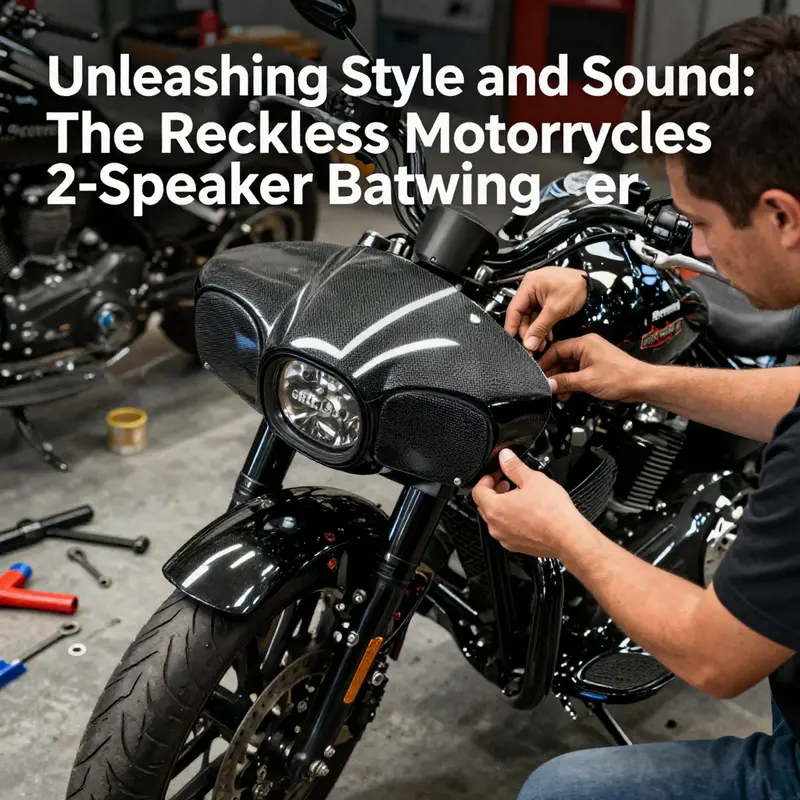
The allure of a two-speaker batwing fairing goes beyond mere aesthetics. It is a confluence of sound engineering, wind management, and visual stance that transforms long rides into immersive experiences. When a rider chooses an aftermarket batwing setup, the promise is clear: a sculpture-like fairing, crafted to cradle two speakers, that not only completes the bike’s silhouette but also elevates the auditory landscape to meet the demands of modern touring. The result is a ride where wind becomes a controllable element of the rider’s environment and music becomes a companion that travels with the bike as if it were born with the wind in its own lungs. The fairing’s design language speaks in sharp lines and deliberate curves, a visual metaphor for speed and purpose, while its inner architecture speaks in a quieter, almost engineering-focused tone about longevity and weather resistance. In practice, this means a fiberglass core shaped to integrate with the motorcycle’s frame while a stainless-steel exterior shell offers a brushed, resilient finish that resists the wear of road salt, rain, and the occasional stone picked up along a remote highway. The combination of these materials is not a mere stylistic choice; it is a statement of intent about durability under the demanding conditions of long-distance riding. The fiberglass body provides the needed rigidity without excessive weight, and the stainless shell adds a layer of protection that helps keep the surface pristine even after many miles of exposure to sun, rain, and road grime. The fairing’s actual purpose—housing two speakers—speaks to a broader philosophy: audio quality on the move should not be an afterthought, nor should it demand a heavy aftermarket amplifier to overwhelm the rider with loudness. Instead, the architecture is intended to create a balanced stereo field, with speakers positioned to deliver a coherent stage that folds around the rider and, when the helmet is on, surrounds the listening experience with a sense of space that feels natural and integrated. That sense of integration extends to the way the fairing aligns with the motorcycle’s existing lines and the rider’s posture. A successful installation recognizes that the fairing is not a separate add-on but a continuation of the bike’s design language. The mounting points must merge with the chassis where the original structure expects load paths and wind management considerations, and the fairing must not intrude upon the rider’s knees, the instrument cluster, or the handlebar controls. In the context of touring motorcycles that feature a batwing configuration, the goal of compatibility is not simply to bolt on a separate piece of plastic and call it a day. It is to respect the geometry that defines a comfortable ride, ensuring that the fairing’s profile does not alter steering behavior, that wind pressure is distributed evenly across the front end, and that the cockpit remains a clean, uncluttered space. The audio system—the heart of the two-speaker setup—must be wired so that power is reliable and weatherproof, and the signal path to the speakers must minimize interference without sacrificing fidelity. This often means careful routing of speaker wires within the fairing cavity, shielding from the elements, and connecting to an audio source that can deliver clean, consistent output even at highway speeds where wind and engine vibration can otherwise distort faint high frequencies. In practical terms, the design aims for a direct, no-frills integration. The installation process is built around a philosophy of preserving factory lines and avoiding invasive modifications to the frame or fairing structure. The fairing is intended to adopt a set of mounting points that mirror the bike’s own engineering choices, allowing for a straightforward removal or upgrade path should the rider decide to go back or swap to another fairing style in the future. This approach also tends to reduce the risk of rattles and misalignment, which are common culprits when aftermarket parts do not fit as snugly as factory components. The aesthetic payoff is equally meaningful. The batwing silhouette framed by the new fairing’s brush-polished profile presents a striking, aggressive stance while maintaining the bike’s inherent sense of purpose. The two speakers, discreetly housed within the fairing’s interior, contribute to the appearance by reducing extraneous hardware that can spoil the clean lines. The result is a cohesive expression of power and taste, a statement that speaks to riders who want their machines to be expressive without being ostentatious. When considering installation and compatibility, a rider should also contemplate how the new fairing will interact with the windscreen, or wind deflectors if those are part of the bike’s current configuration. The windscreen is not merely a shield against the elements; it is a partner in how sound travels and how air flows around the rider’s head and shoulders. A well-matched combination can improve overall riding comfort by controlling buffet and by shaping the way sound carries toward the rider’s ears. In some configurations, the fairing’s geometry and the windscreen’s curvature co-operate to reduce turbulent wind patterns that can otherwise blur audio clarity at higher speeds. In this sense, the two-speaker batwing fairing becomes a holistic upgrade rather than a single accessory: it is a small, integrated ecosystem that adds musical presence, a refined front-end silhouette, and an expected level of resilience against weather and road use. The installation narrative extends beyond the physical fitting of the fairing to the electrical and acoustic considerations that determine the success of the upgrade. A dedicated harness, weatherproof connectors, and a clean junction with the bike’s existing audio system are the essential backbone of a reliable setup. The electrical route must avoid sharp bends, heat sources, and areas where moving parts could abrade the wiring over time. The goal is to preserve the reliability of the rider’s power supply and ensure that the speakers receive clean, uninterrupted audio signals, even as ambient noise from the road remains a constant challenge. The sound stage created by two well-placed speakers typically yields a more immersive listening experience than a single, centralized speaker arrangement. The stereo field can be tuned so that high frequencies remain crisp without becoming piercing, midrange remains present enough to convey voice and detail, and bass presence is felt without overwhelming other essential riding cues. A rider who prioritizes clarity over sheer loudness often ends up with a listening environment that feels natural, as if the music were playing in a well-tinished room rather than a car or an enclosed cabin. As with any aftermarket modification, the commitment to compatibility requires careful pre-purchase assessment. The consumer should verify that the chosen batwing fairing is designed for the specific windscreen geometry and mounting framework of their touring platform. The presence of a Batwing windscreen often denotes a particular alignment of mounting points, fitment tolerances, and clearances around the instrument cluster and cowl area. In some years and trims, changes to the windshield assembly or to the fairing’s attachment hardware can complicate installation or require adapters. With this in mind, buyers and installers alike must consult the installation manual and, if possible, reference guidance from technicians who have executed similar upgrades on the same chassis. The manual’s guidance typically covers the exact sequence of disassembly and reassembly, the order in which hardware is tightened, and the recommended torque values for the various fasteners that secure the fairing to the frame and to the mounting plates. While the words “direct replacement” can feel like an invitation to a quick bolt-on procedure, the reality is more nuanced. A successful installation often involves a careful alignment routine that begins with visually matching the fairing’s centerline to the front axle and engine axis. This alignment ensures that the fairing’s face is evenly oriented with respect to the headlamp and the rider’s line of sight. Even a minor misalignment can lead to rattles, increased wind noise, or subtle handling biases that become noticeable after hours on the road. Once alignment is confirmed, the hardware is snugged in sequence to preserve the integrity of the mounting points. The final checks after installation include verifying that the windshield clearances are preserved and that the speaker grilles remain unblocked by any other components. It is wise to perform a test ride in a controlled environment first, listening for any unexpected noises or vibrations and ensuring that the audio system remains stable under load. Beyond technical fitment, the upgrade invites riders to consider the long-term relationship between the bike’s power delivery, its ergodynamics, and the added weight of the fairing assembly. While the fairing is designed to be sturdy, it does introduce a new moment of inertia and a slightly altered airflow pattern at the front of the machine. The rider might notice a marginal change in steering effort or front-end feel at very low speeds, particularly if the bike is already loaded with luggage or a passenger and if the windscreen height differs from the stock configuration. These are not flaws but rather aspects of the bike’s evolving character as it adapts to a new front-end sculpture and an expanded audio ecosystem. In the broader context of customization culture, this kind of upgrade is often best pursued with a clear sense of purpose. Some riders want the aesthetic refinement of the batwing silhouette, others seek the enhanced audio presence on long rides, and many want both. The decision to pursue such a modification typically rests on a simple premise: the bike should feel like a natural extension of the rider’s intentions, not a mismatch that calls attention to itself in a negative way. When all the design, fitment, and audio considerations come together, the result is a bike that speaks through its stance and its sound. The rider perceives a front end that communicates intent through its clean lines, breathes with a wind-cutting profile, and carries sound with a precision that rewards careful listening rather than raw volume. It is, in short, a balanced upgrade—the kind that makes hours on the highway feel less like a task and more like a shared dialogue between rider, machine, and music. For riders who value aftercare and longevity, the maintenance story matters as much as the initial fit. The fairing, with its combination of fiberglass and stainless steel, invites routine cleaning and protective care to keep it looking as sharp as it sounds. Wipe-down routines that respect the finish, use mild cleaners, and avoid abrasive pads can preserve the surface’s luster. Checkpoints during maintenance should include a visual inspection for micro-cracks in the fiberglass, corrosion resistance on the stainless shell, and an occasional check of the mounting hardware to confirm that nothing has loosened through vibration or road exposure. Weather sealing around the speaker cavities is another area to monitor. If dampness or condensation begins to appear inside the fairing, it may indicate compromised seals or drainage paths that need attention. Addressing such issues promptly helps preserve the integrity of the electrical connections and the longevity of the loudspeakers themselves. For riders contemplating the functional and sonic benefits of this upgrade, it is worth considering how the two-speaker setup can be integrated with other audio components that may already exist on the bike. In some configurations, an aftermarket amplifier or a head unit interface is used to optimize signal distribution and to preserve fidelity under the stresses of wind and engine vibration. The interplay between source, processor, and speaker is central to achieving the intended listening experience. Any approach that introduces additional complexity—such as new signal routing or power management—should be planned with careful attention to weatherproofing and to compatibility with the bike’s existing electrical system. In the end, the installation and compatibility story for a two-speaker batwing fairing is a story about harmony. It is a narrative of how form and function meet a rider’s desire for a more immersive soundscape and a more purposeful front-end design. It is a reminder that great riding culture thrives not only on horsepower and speed but on the silent conversations that occur when a machine and a rider are in tune with each other. The right fairing, when properly installed, can become a catalyst for that synergy, offering a sense of confidence born of a front end that looks ready for action and a soundscape that feels tailored to the rider’s ears. For those who crave certainty, it is essential to consult the installation manual and to work with a technician who understands the nuances of batwing configurations and the peculiarities of a touring motorcycle’s frame geometry. The goal is not simply to attach two speakers to a shell; it is to create a cohesive system that respects the bike’s lines, preserves its performance characteristics, and enhances the rider’s journey with sound that feels intimate and expansive at the same time. As with any meaningful upgrade, patience pays off. Rushing the alignment, neglecting a proper weatherproof seal, or underestimating the importance of a clean electrical path can undermine the experience and undermine the investment. A well-executed installation yields a front-end that looks like it belongs to the bike, a wind flow that feels natural, and a stereo image that sits with the rider rather than fighting against the environment. The chapter that follows will further explore how riders assess options, select components that meet their listening preferences, and balance the aesthetics of a bold front-end with the practical realities of long-distance riding. For those who want to verify warranty terms or understand post-installation support, the official policy offers guidance on coverage and service expectations after purchase. Official warranty terms can be found here: Harley-Davidson warranty policy.
Final thoughts
The Reckless Motorcycles 2-Speaker Batwing Fairing offers motorcycle enthusiasts the perfect blend of style and auditory enhancement. With its innovative design, performance features, and straightforward installation process tailored for specific models, it provides a compelling product for business owners who cater to Harley-Davidson riders. Investing in this fairing allows businesses to satisfy customer demands for both aesthetics and functionality, ensuring riders experience the thrill of the open road fully immersed in their favorite tunes.