
As the electric motorcycle industry accelerates into the mainstream, the importance of motorcycle fairings increasingly captures the attention of both enthusiasts and business owners. Fairings, particularly those of ZERO Motorcycles, serve not only as protective safety elements but also as vital components in optimizing performance and aesthetics. This article delves into the intricacies of ZERO Motorcycle fairings, investigating their design and aesthetic appeal, aerodynamics and performance benefits, market availability, and customization options. Each chapter offers unique insights that contribute to a holistic understanding of how fairings can elevate the riding experience and enhance the market appeal of electric motorcycles.
Zero-Style Fairing Design: Aerodynamics, Identity, and the Quiet Drama of Electric Performance
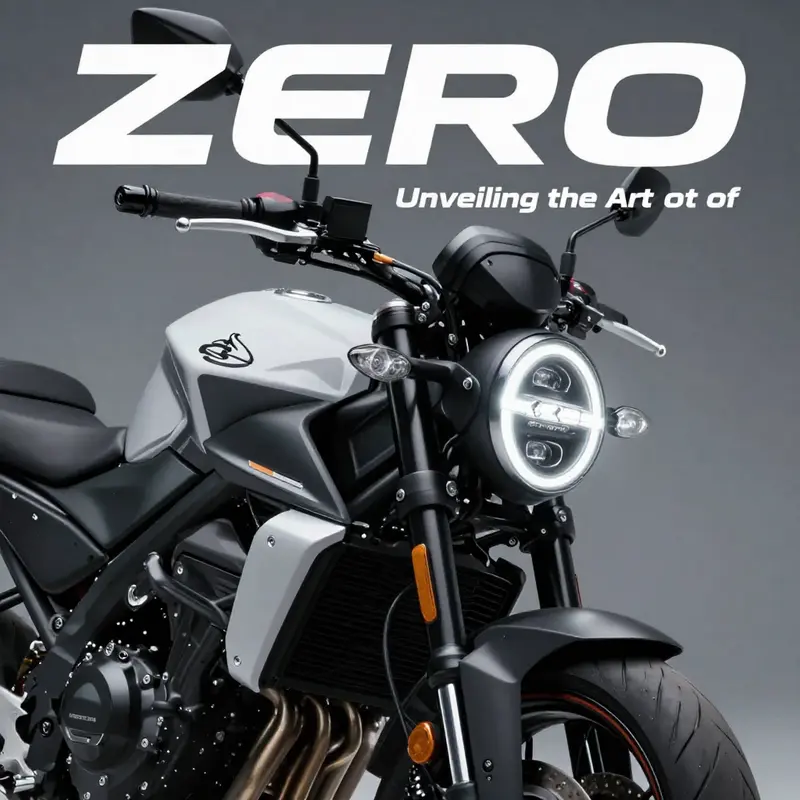
The fairing on an electric performance machine is more than a shield against wind. It is a language carved in light and air, a sculpture that translates speed into perception. In the best designs, the fairing does not merely enclose components; it orchestrates a conversation between technology and human perception. The shaping of a fairing becomes a study in how form can reveal function while preserving mystery. In such machines, the fairing frames a narrative about power, control, and restraint, a narrative that unfolds as the rider moves from standstill to highway speed. The design task is not simply to reduce drag or to cover equipment; it is to create a visual signature that communicates both a forward gaze and a respectful nod to engineering craft. When we examine a high-end electric performance machine through this lens, the fairing emerges as the central character in a broader story about how an electric powertrain is seen, felt, and interpreted by riders who demand both efficiency and identity from their machines.
The aesthetic philosophy behind the fairing of a leading electric model rests on a paradox. It seeks to minimize visible complexity while maximizing perceived capability. The bike presents a front that feels heavy in posture yet is refined in substance. A deliberately low, front-biased silhouette gives the sense that air is being coaxed around the rider and the drive system with surgical precision. The sense of speed is not merely about how fast the bike can go; it is about how quickly it can cut through atmosphere while keeping the rider protected from weather, wind buffeting, and noise. The visual weight toward the front is balanced by a sculpted taper that draws the eye along a continuous line toward a compact tail. This balance between front dominance and rear lean is not accidental. It is a calculated expression of a design language that wants to read as urgent, capable, and contemporary, without sacrificing a touch of timeless craft.
Color and lighting play a crucial role in this language. The headlamp cluster becomes a focal point, framed by a perimeter of clean LED elements that promise day and night visibility. The surface contouring around the lights is no accident; it defines a daytime silhouette that reads clearly from a distance and at close range. Subtle color accents, often a distinctly shaped line running along the fairing, help carve a sculpture in space. In some configurations, that accent line curves into a sharp contour that suggests a blade or a fin, reinforcing the impression of a vehicle that slices through air rather than simply riding on it. In lower light, this contour becomes a guiding line for the rider’s eye, helping to orient the vehicle within the surrounding urban or rural landscape. The lighting scheme is not only functional; it is a visual signature that supports the bike’s sense of character. The taillight unit, thin and luminous, echoes the same design vocabulary, creating a continuity of form that travels from nose to tail with almost invisible seams.
Material choices amplify this visual language. Aluminum detailing appears as a deliberate counterpoint to the bodywork’s smooth, painted surfaces. Polished edges catch light in a way that suggests machined precision, while matte recesses provide contrast and depth. This material strategy gives the fairing a sense of premium tactility—one can imagine the feel of a well-executed edge or corner when the rider’s hand travels over the surface. The use of metal accents also serves practical purposes: increased rigidity in certain zones, a tactile cue for the eye about where structural elements begin and end, and a subtle nod to industrial aesthetics that resonate with a design philosophy of honesty and efficiency. The overall effect is a frugal yet refined palette: minimal ornament, maximal perception, a form that communicates strength through clean geometry rather than flamboyant embellishment.
The adoption of a seamless, one-piece appearance is another pillar of the design approach. Rather than a mosaic of panels with conspicuous seams, the best fairings forge a continuous surface that reduces turbulent wake and visual clutter. This seamless execution relies on precision in molding, careful alignment of components, and a clever management of junctions. The result is a surface that appears to have grown from the bike itself rather than being added to it. The eye travels along uninterrupted curves, following natural grip points and predictable lines that guide the rider’s gaze without distraction. In a market where aftermarket parts often introduce sharp transitions and visible fasteners, the original composition demonstrates how restraint can become a form of expressiveness. The integration is not merely aesthetic; it is a discipline that favors airflow efficiency and rider comfort as inseparable from style.
A striking design decision in this lineage is the deliberate exposure of certain mechanical elements. Rather than bury the drive train and its associated components inside a cloaked chassis, the design allows some functional elements to be seen—subtly, artfully. This choice communicates a sense of mechanical honesty: the bike’s propulsion is visible, not hidden, and its engineering appears as a feature rather than a secret. The exposed aspects are carefully curated so that they read as intentional, almost sculptural details, rather than as remnants of a hurried packaging job. It is a form of deconstructed futurism, where the beauty of engineering is celebrated as a component of the bike’s overall aesthetic equation. The linked visual language creates a tension between concealment and revelation, a tension that mirrors the rider’s own negotiation between protective gear and the exhilaration of open air.
Suspension architecture further informs the fairing’s character. The front end often features a robust inverted fork, whose geometry is tuned to contribute to the bike’s aggressive stance while preserving smooth turn-in and precise steering feel. The rear is typically restrained by a side-mounted shock, a detail that visually elongates the chassis and underscores a street-wise persona. These elements don’t merely serve ride quality; they become key visual cues. The way the fork tubes intersect the lower fairing, the angle of the fork crown, and the line of the rear suspension all work together to create a cohesive silhouette. The fairing therefore communicates not only the rider’s top speed but the ride’s personality: controlled, unapologetic, and ready for the urban campaign or the long highway run alike.
Aesthetic language and material language converge in what designers often call the “design DNA” of a model. The minimalism that characterizes the surface treatment—machine-sculpted edges, tightly controlled gaps, and restrained color use—gives the bike a high-end feel. Yet minimalism here is not a lack of detail; it is a discipline of precision. Each line is intentional, each junction is a point of restraint rather than a canvas for excess. The design avoids deliberate showmanship in favor of a quiet confidence. This is not to say the bike is shy. It is instead a statement that performance and beauty can coexist in a way that feels inevitable, as if the form has always stood in this exact place. The end result is a fairing that communicates authority, speed, and sophistication with equal parts warmth and inevitability.
From a practical viewpoint, the fairing is also a tool for rider comfort and safety. Its aerodynamics help reduce fatigue on long rides by smoothing the wind around the torso and arms, lowering drag, and minimizing buffeting. A well-shaped screen or a carefully sculpted wind-flow path can cut through the air so that rider input remains precise, even when the machine is pushed toward the higher end of its performance envelope. At night, the blend of lighting and contouring enhances visibility for the rider and makes the bike legible to other road users. When the rider looks ahead, the fairing’s contours guide the eye along the arc of the ride, from entry to apex, to exit. In this sense, form serves function as an ally rather than a decorative shell.
Beyond the core design cues, there is an ecosystem of customization and compatibility that shapes how fairings live in the real world. OEM and certified accessories are part of a structured approach to maintaining performance and safety while offering personalization. If a rider seeks to refresh the bike’s appearance or refresh its wind protection after miles of service, authorized parts and certified upgrades provide assurance that the new pieces will align with the original engineering intent. At the same time, a thriving aftermarket ecosystem offers opportunities to explore alternative aesthetics and slight aerodynamic tweaks. The balance between official parts and aftermarket options is not simply a retail decision; it reflects a careful negotiation between preserving the integrity of the propulsion system, the rider’s experience, and the bike’s visual identity.
For readers exploring the broader universe of fairing design, a related gallery of fairing collections reveals how different brands translate similar aerodynamic constraints into distinct stylistic signatures. For example, a gallery focused on a well-known line of sport fairings shows how contours, line weight, and detailing interact with color schemes to create legibility and presence on the road. Viewing such ranges helps illuminate how a single design language can be adapted across models and even across brands by tweaking line thickness, surface texture, and the rhythm of panel transitions. It is a reminder that while each bike is unique, the shared vocabulary of fairing design—flow, balance, exposure, and refinement—forms a universal code that designers decode anew with each project.
Within this broader conversation, a look at a specific brand’s design approach can illuminate the tension between function and art. The front heavy, low stance is not merely a visual trick; it is a response to the realities of air flow and rider consciousness. The way color and light define the silhouette demonstrates how a surface can be both sculpture and compass. The realizing of this balance depends on a clarifying decision: to let a line do the work of multiple functions, to let negative space guide the eye, and to ensure that every visible detail communicates quality. The resulting fairing becomes a charter of the brand’s design priorities—a demonstration that modern electric performance can be both effective in the wind and eloquent in the eyes of its riders.
In practice, this design philosophy translates into a coherent user experience. The rider interacts with the bike’s shape through sight, touch, and awareness of how air moves around the body. The face of the bike reads as a computed arrangement that responds to the rider’s position and the bike’s speed. The lines that define the intake, the side panels, and the tail are not simply decorative; they cue the rider and onlookers to the level of engineering refinement behind the vehicle. The result is a recognition of a design language that feels confident rather than ceremonial, ready for the street yet capable of sustained performance in the controlled environment of a race track. The fairing, in short, is where the story of the bike’s speed is told first, before the rider pulls away and the road becomes the real test of both aerodynamics and aesthetics.
A practical invitation for readers is to consider how this design approach translates into the experience of customization or replacement parts. There is a spectrum of choices—from OEM-inspired fairings focused on precise fit and safety, to aftermarket designs that offer bolder lines and alternative materials. The important takeaway is that a well-conceived fairing does more than change appearances; it preserves or enhances aero efficiency, protects electronics, and upholds structural integrity under load. The craftsmanship seen in the integrated form and the attention to how every edge interacts with the wind are the traits that separate a good-looking shell from a truly advanced one. When the design is executed with an eye toward both beauty and engineering discipline, the fairing becomes a lasting element of the bike’s identity rather than a temporary update.
For readers who want to explore examples of how different brands translate the same aerodynamic challenge into unique visual outcomes, a widely cited reference gallery demonstrates the range of possibilities. It reveals how curves, angles, and surface treatment can each be tuned to evoke a sense of speed, even when the bike is stationary. These explorations reinforce the sense that fairings are not just protective enclosures; they are expressive instruments, capable of narrating a rider’s aspirations as clearly as any engine sound or shift pattern. The aesthetics of the fairing, then, are not peripheral; they are central to how the machine is perceived, remembered, and chosen by riders who want more than mobility—they want a statement about how speed should look and feel in an electric era.
Internal linking to related content can deepen understanding. For readers curious about how this design language compares with other brands’ approaches to fairings, a curated collection of fairings from a major manufacturer offers a useful touchstone. See the Yamaha fairings collection for a broader sense of how similar constraints yield diverse visual outcomes while maintaining aerodynamic integrity and functional compatibility. Yamaha fairings collection.
Ultimately, the chapter on fairing design and aesthetics in this electric performance context is about more than how a shell shields a bike. It is about how a form can speak, how a line can guide, and how a surface can carry a philosophy. The fairing becomes a bridge between engineering precision and human perception, between the clarity of function and the poetry of form. In this bridge lies the essence of the Zero-style approach to fairings: a disciplined, refined, and unapologetically contemporary expression that respects the rider’s need for wind protection and clarity of visual language while inviting the imagination to ride ahead into a future where speed, efficiency, and beauty are inseparable.
External resource: Zero Motorcycles SR-X design page
Harnessing the Wind: Aerodynamics, Range, and Identity in Zero’s Motorcycle Fairings
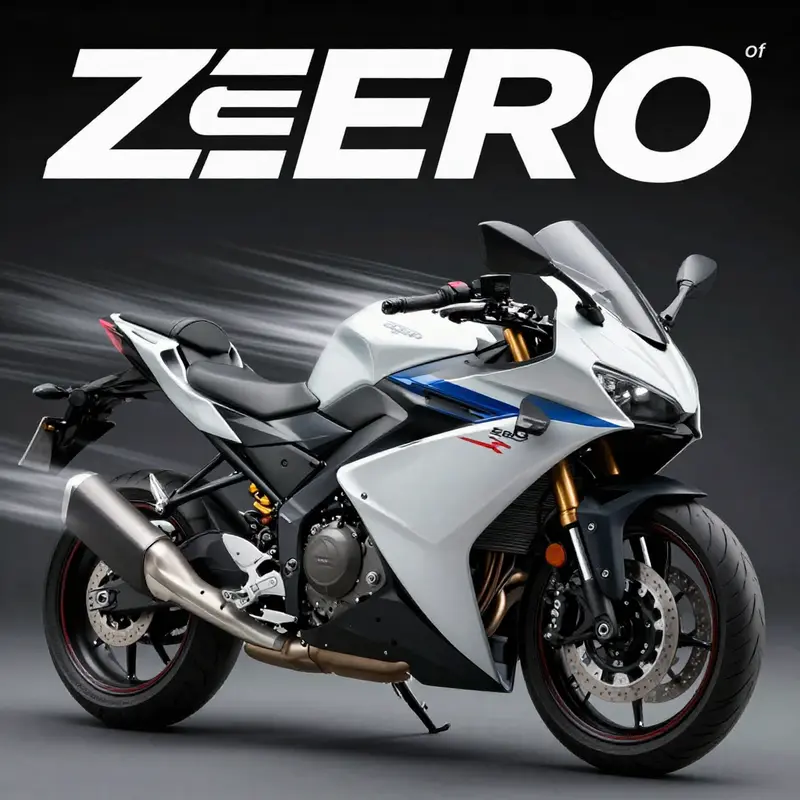
Wind is the silent coauthor of every electric ride. In the world of Zero Motorcycles, the fairing is not merely a cosmetic shell but a carefully tuned system that choreographs flow, shields the rider from gusts, and squeezes efficiency from a powertrain that runs on stored energy. The design language underlying these fairings blends a forward-looking geometry with a nod to classic aesthetics, creating a silhouette that is at once modern and unmistakably rooted in rider-centric ergonomics. A popular model in the lineup demonstrates this philosophy through a cohesive integration of curvature, line, and lighting. The result is a single, fluid surface that guides air as if it were a living current, while the rider remains calm and centered behind a wind-sculpted shield. It is a rare moment when form and function converge so seamlessly that you feel the wind as a collaborator rather than an adversary. This is not mere styling; it is an aerodynamic argument made visible in steel and composite, a practical philosophy translated into the riding experience.
The fairing’s shape is the outcome of purposeful iteration. The continuous, unbroken lines are designed to capture air early in the flow and encourage a smooth transition around the rider and the powertrain. The floating round headlamp, a signature detail in the brand’s design lexicon, sits within an integrated contour that helps keep the front of the motorcycle clean and uncluttered by unnecessary turbulence. In practice, this translates to more stable lift and downforce characteristics at speed, which means steadier feedback through the handlebars and more predictable behavior when gusts arrive from the side. It is a quiet engineering achievement that hides in plain sight; riders feel the difference in confidence and composure, not as a dramatic splash of speed but as a reliable partner for highway cruising and long-distance rides.
From a performance standpoint, the aerodynamic package is targeted at reducing drag without compromising cooling, wheel clearance, or rider protection. A clean, low-drag profile lowers the parasitic losses that sap range and throttle response. In electric motorcycles, where every watt-hour counts, even modest drag reductions can translate into meaningful gains in efficiency over hundreds of miles of riding. The engineering logic is simple: softer airflow over the upper body and around the underbody reduces the energy that the motor must supply to sustain highway speeds. When combined with a lightweight chassis and a powertrain designed for high torque at low to mid RPMs, the aerodynamic envelope becomes a multiplier for range and performance alike. The rider experiences steadier performance as the wind pressure around the chest and helmet subsides, allowing a more relaxed posture and a more economical ride.
A key dimension of the fairing’s impact is stability. At speed, the wind can introduce alternating pressure zones that unsettle the machine’s steering feel. A well-integrated fairing mitigates that problem by shaping the wake in a way that smooths the pressure distribution along the front and sides of the chassis. The result is reduced buffeting, especially near the rider’s torso and shoulders, which in turn lowers fatigue over longer sessions. For riders who aim to cover long distances on an electric platform, fatigue is often the invisible limiter. The ability of the fairing to minimize wind-induced strain means riders can maintain a more relaxed posture for longer periods, conserving energy not only in the cells but in the rider’s own stamina. This ergonomic benefit feels subtle at first, but after hours in the saddle, it becomes a decisive factor in how much range can be extracted on a single charge.
The relationship between aerodynamics and power in electric bikes is not purely about top speed. It is about how efficiently energy is converted into forward motion across a spectrum of speeds. In the brand’s flagship electric sport model, aerodynamic optimization supports both performance and endurance, delivering a package where the peak power and torque are complemented by a lower aerodynamic penalty as speed rises. In practical terms, the high-performance variant demonstrates a balance where the airfoil-like curvature, the rider’s position, and the bodywork together reduce the drag coefficient enough to extend cruising range and enhance acceleration performance. This is not about forcing the bike to go faster; it is about making each watt more effective at every point along the ride. The broader implication is clear: a well-executed fairing adds stability and confidence at speed, improves efficiency, and contributes to a more predictable and controlled riding experience in a category where electricity economics matter as much as acceleration.
In the broader ecosystem of the brand, the fairing is part of a coherent design language that pairs futuristic geometry with subtle retro cues. The intent is to craft a visual signature that communicates both speed and sophistication without demanding an overly aggressive stance. The fairing works with the frame, wheels, and contact surfaces to deliver a ride that feels cohesive from the moment the rider sits on the seat. There is also a practical dimension to this design: the fairing protects electronic components and wiring from road debris and environmental exposure, contributing to long-term durability. This protective function is an essential, though often overlooked, benefit. When a rider travels through diverse weather and road conditions, the fairing’s enclosure helps shield sensitive electronics, contributing to reliability and reducing maintenance demands over the lifecycle of the motorcycle.
The business side of fairings is also meaningful. Official factory options provide a guaranteed fit and tested compatibility for specific model families, which is vital for riders seeking reliability and performance parity with factory specifications. Compared with the aftermarket alternatives, these official solutions are designed to preserve the intended aerodynamic balance and the integrated electronic architecture. They deliver peace of mind in terms of fit, finish, and protection, even as the rider enjoys personalization through color, finish, and detailing. The presence of third-party ecosystems further enriches the landscape, offering a broader spectrum of materials, finishes, and styling cues. These aftermarket pathways allow riders to tailor the aesthetic and aerodynamic profile to their own preferences while still respecting the original design intent. In practice, riders swap or upgrade fairings to address cosmetic wear, to refresh the bike’s appearance, or to pursue a slightly different stance that better suits their riding style. The balance of authenticity and customization is a defining feature of modern motorcycle design, and fairings sit at the intersection of form, function, and identity.
For riders who crave longer journeys, the aerodynamic advantages are not theoretical but experiential. A well-sculpted fairing reduces the wind pressure on the chest and helmet, lowering the rider’s perceived wind resistance and enabling a more relaxed breathing rhythm at speed. In turn, this reduces physiological fatigue, which translates to improved concentration and safer handling across long rides. A calm rider is a better rider, and a calm rider is able to maintain speed more efficiently through turns and straights alike. The fairing’s wind-protective envelope thus becomes a personal buffer that supports endurance riding, even as the motorcycle’s battery pack and motor deliver the goods without forcing the rider to chase more energy or higher speeds. This synergy—the handshake between wind, rider, and powertrain—exemplifies how aerodynamic design extends beyond mere numbers on a spec sheet. It shapes the reality of how a rider experiences the road and how far they can travel before recharging.
From a practical standpoint, the availability of compatible fairings through both official channels and reputable aftermarket providers ensures that riders can preserve performance while pursuing personal expression. For someone who values reliability and performance, choosing factory-supplied fairings minimizes risk and preserves the delicate balance of aerodynamics, rider protection, and electronics integration. For those who seek a broader canvas, the aftermarket ecosystem offers opportunities to explore different silhouettes, finishes, and even weight considerations, all without sacrificing core performance attributes. In either path, the goal remains the same: to harness wind in a way that makes the ride feel effortless, controlled, and efficient, even as speed climbs and road textures vary.
If you are exploring the world of fairings beyond this brand, a practical entry point can be a general catalog focusing on sport and naked bikes. These collections reveal how fairing geometry, cross-section shapes, and mounting interfaces influence handling, rider comfort, and maintenance access across a wide range of motorcycles. For enthusiasts who enjoy the mechanical storytelling of motorcycle customization, the journey through different models and their corresponding fairings becomes a kind of design anthropology, illuminating how small changes in curvature, edge sharpness, and surface finishes produce tangible differences in airflow. The lessons learned in this exploration are transferable to the electric realm, where weight and energy efficiency take on renewed importance.
For readers curious about aftermarket pathways that share a spirit of performance-oriented design, consider exploring catalogs that present a broad spectrum of fairings with emphasis on fit and finish. In particular, a dedicated collection of Yamaha fairings offers insights into how standardized mounting systems can support a wide range of models while allowing for customization in look and aero profile. While this reference is centered on another brand, the underlying principles—fit integrity, wind management, and rider protection—are universal and applicable to any modern motorcycle fairing project. To explore this broader landscape, you can view the Yamaha fairings collection here.
As the sport and technology evolve, fairings remain a tangible expression of how manufacturers translate wind into advantage. The aerodynamic envelope is the quiet engine that powers confidence, endurance, and even the emotional pull of riding fast with control. The best fairings do more than reduce drag; they invite the rider to feel the air as a collaborator rather than a force to be tamed. They support the bike’s identity, the rider’s comfort, and the journey’s practicality, all in one elegantly sculpted shell. This fusion of aesthetics, engineering, and experience is at the heart of why aerodynamic fairings matter—and why riders care about how wind becomes a part of the ride, not an obstacle to overcome.
For readers who want a deeper dive into performance figures tied to aero optimization, the manufacturer’s official specifications for the brand’s high-performance model provide concrete context for how much drag reduction and stability contribute to overall capability. These sources offer a concise window into how wind management translates into measurable gains in power delivery, torque utilization, and energy efficiency. Such data helps frame the practical value of a fairing beyond style, linking it to range, reliability, and rider confidence on the road. External resources can illuminate how the same design ethos plays out across different platforms and model families, reinforcing the idea that wind engineering is a universal lever for performance.
External resource: https://www.zeromotorcycles.com/en-us/models/sr-s
Internal link: Explore the broader catalog of fairings that exemplify how different brands approach wind management and protection here: Yamaha fairings collection
Finding and Securing Zero Motorcycle Fairings: Where to Buy, What to Expect, and How to Choose
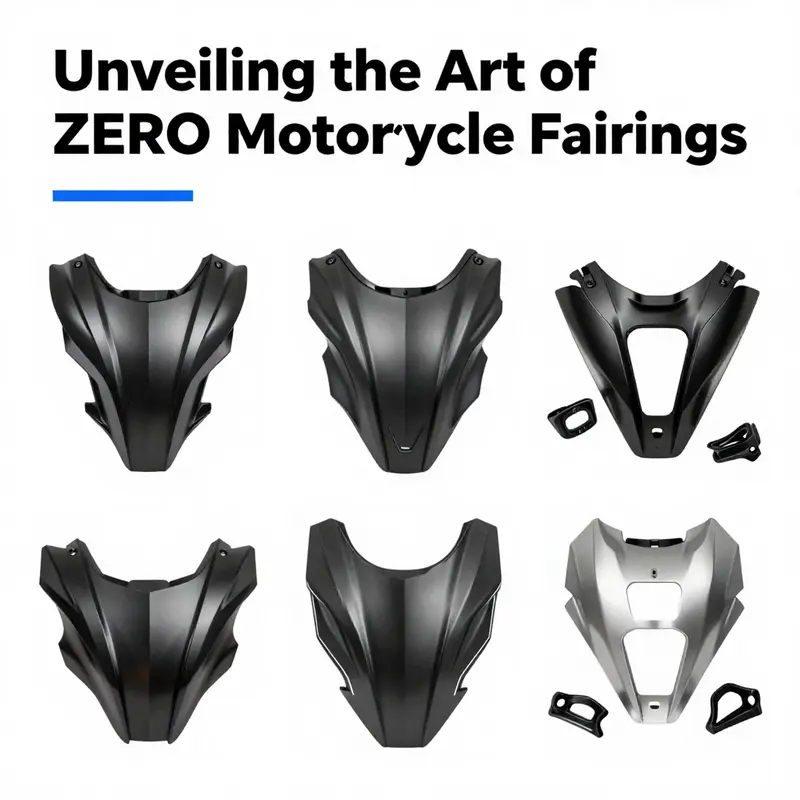
Availability for fairing parts for Zero motorcycles sits at the intersection of factory control and open-market variety. For owners and shops, that means two distinct paths lead to replacement or upgrade parts. One path goes straight to the manufacturer, promising the tightest fit and the most current revision of a part. The other opens onto a broad online marketplace where competition drives price and variety, but raises questions about fitment, finish, and warranty coverage. Understanding how these channels operate, what each delivers, and how to decide between them reduces uncertainty and shortens downtime when you need a fairing, a windshield, or a full bodywork assembly.
Factory-sourced fairings offer clear advantages when accuracy matters. Ordering through the manufacturer’s parts channel generally ensures the most up-to-date tooling revisions. That matters because fitment tolerances for modern electric motorcycles are tight and often integrate with electronic housings, wiring harnesses, and mounting brackets. Factory parts are produced to match those tolerances, so the pieces align without forcing or modification. Lead times through factory lanes reflect not only stock levels but also a special-order process that can provide the newest design iterations. For riders prioritizing factory fit and finish, this is the safest way to preserve original aerodynamics and protective function. It also simplifies provenance for warranty or insurance claims since the component can be traced directly to an OEM source.
On the other side of the ledger, third-party marketplaces and specialty shops deliver options that can be compelling for cost-conscious riders or those seeking different visuals. Online platforms host a wide range of fairings and bodywork—from OEM-equivalent panels to aftermarket full kits, and even remanufactured pieces salvaged from damaged bikes. The variety covers materials, colors, and styles, which makes it easier to find an alternative when a factory item is discontinued or on long backorder. Marketplaces often feature compatibility tools that match model years and variants, helping buyers identify parts that should fit without deep knowledge of part numbers. That utility speeds decisions and reduces wasted purchases, but it is not a substitute for measured verification.
When sourcing from open marketplaces, several practical checks protect your investment. First, confirm fitment using more than a title. Look for clear listings of compatible model years and variants, and review photos for details such as mounting points and vent geometry. If the platform offers a guaranteed-fit program, use it—those services reduce the risk of receiving an incompatible component and can ease returns. Second, review return policies carefully. Shipping large molded parts is expensive, and restocking fees or buyer-paid returns can erase any apparent savings. Third, examine seller feedback and look for recent, detailed reviews that confirm successful installation on the same model. A product that fits one rider’s bike may fail on another if there were mid-cycle revisions that altered attachment points.
Price differences deserve attention beyond the sticker. Aftermarket fairings can offer considerable savings, but those lower prices sometimes conceal compromises: thinner plastic, less consistent paint adhesion, or mismatched fasteners. Any cost benefit should be weighed against the time and additional expense required to adapt a part that doesn’t fit precisely. If you plan to paint or customize a piece anyway, the surface finish and construction quality remain important because prep work can escalate into a full refinish project. For structurally critical components, such as inner panels that shield electronics, prioritize material integrity over color match.
Lead time expectations vary wildly between channels. Factory orders often mean waiting for current production runs or special-ordered revisions. Typical lead times can run from days to a couple of weeks, with the special-order process ensuring the piece sent reflects the latest updates. Marketplaces may have immediate shipment options for stocked items, but popular or custom-colored items can introduce their own waits. If timing matters—say, to get a bike back on the road before a trip—clarify expected ship dates and transit windows before committing. Plan for contingencies; hold a few days in reserve in case a part arrives damaged and needs to be resent.
Documentation and part identification reduce confusion. Whenever possible, reference the exact part number or an equivalent identifier when communicating with vendors. Even if you are not familiar with the numbers, a dealer or a knowledgeable seller can cross-reference model numbers to confirm compatibility. If the bike has had prior aftermarket changes, document those before ordering. Changes to mounting brackets or previously modified bodywork can affect compatibility even for identical model years.
Warranty and legal considerations differ between factory and third-party purchases. OEM-sourced fairings commonly carry the manufacturer’s parts warranty and are supported through official service channels. This coverage can matter if a part fails prematurely or if an installation reveals a hidden defect. Third-party items may include a seller warranty, but coverage can be less comprehensive and harder to enforce internationally. If the replacement part is intended to preserve safety or protective function, weigh warranty protections accordingly.
A practical approach to sourcing fairings balances urgency, desired outcome, and budget. If the goal is an exact, maintenance-free replacement that preserves original aerodynamics and electronic protection, factory channels are the safest route. If the objective is a visual change, a cost-effective repair, or a custom project where surface work is already planned, a reputable aftermarket supplier can provide viable options. In either case, try to obtain physical measurements or reference a trusted fitting chart before purchase. Many experienced installers recommend keeping the old part until the new one is test-fitted. This allows a direct comparison of mounting tabs and hole locations before final painting or permanent fastening.
Installation considerations tie closely to supply choices. Factory panels tend to align with original fasteners and clips, so installation time is predictable. Aftermarket panels can require additional trimming, reinforcement, or adapter brackets. If you are confident with basic bodywork and have access to proper fastening hardware, adapting an aftermarket piece is often straightforward. For those less experienced, investing in professional installation pays off: it avoids stress cracks from improper torque, misaligned seams that collect water, and improper shielding that exposes wiring and battery housings to debris.
For riders seeking broader inspiration or alternative suppliers, dedicated fairing collections showcase styles and vendor options that may spark ideas. These resources group bodywork parts across models and manufacturers, helping owners compare materials and photos quickly. Use such collections to learn what others have successfully fitted to similar bikes and to assess finish and color match options before ordering.
Finally, communication with the seller or dealer is decisive. Ask direct questions about revision history, backing hardware, and whether the item is new, remanufactured, or salvaged. Request extra photos of mounting points and edges. Confirm shipping terms and insurance for transit damage. Clear communication reduces return friction and helps ensure the solution you order meets your expectations.
Sourcing fairings for modern electric motorcycles requires balancing fit, finish, and timing. Factory channels deliver revision-accurate parts and stronger coverage, while third-party marketplaces provide variety and potential savings. By confirming fitment, verifying return policies, and clarifying lead times and warranties up front, riders can make an informed choice that minimizes downtime and expense. When in doubt, lean toward the source that protects the bike’s critical components and supports reliable installation.
For additional comparisons of aftermarket bodywork and visual references across makes, explore a curated collection of fairing options.
External resource for up-to-date availability and part details:
https://www.zeromotorcycles.com/parts
Wind, Light, and Identity: Crafting Custom Fairings for Zero Electric Motorcycles
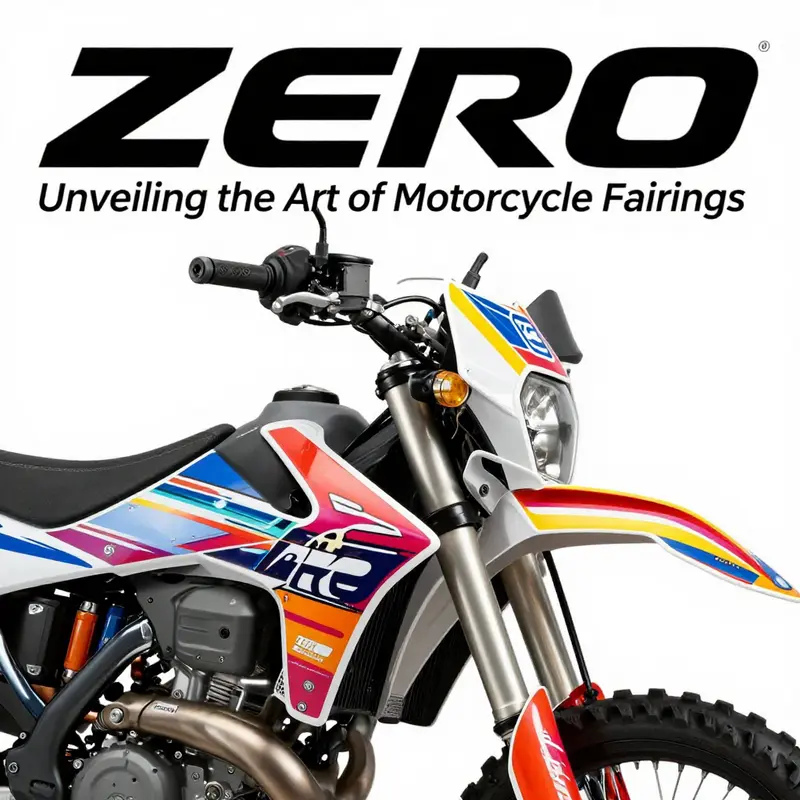
A motorcycle fairing is more than a protective shell; it is a carefully engineered interface between rider, machine, and the air that surrounds them. In the world of electric motorcycling, where the drive is quiet and the rider’s focus sharp, the fairing becomes a canvas for aerodynamic efficiency, rider protection, and personal expression. The chapter of custom fairings is not merely about swapping one piece for another; it is a dialogue between form and function that reflects how a rider chooses to move through space. When a rider looks at a bike through the lens of a fairing, they are evaluating how the wind will behave around the shoulders, how the windscreen will shield the chest and eyes, and how the lines of the bodywork will project a certain mood as the motorcycle leans into a corner or cruises on a long stretch of road. The fairness of the wind is a conscious choice, and so is the statement the bike makes about its rider’s taste and pace.
To understand the spectrum of customization, it helps to start with the two broad pathways available to most riders: official factory options and aftermarket or third-party offerings. Factory options sit at the intersection of reliability and performance, designed to fit precisely, protect sensitive electronics, and preserve the bike’s intended handling characteristics. They are the guaranteed, hand-fitted cousins of the original design. In practice, this means selecting a front fairing that follows the same aerodynamic profile, aligns with the mounting points without forcing alterations, and integrates with the bike’s electrical system in a way that preserves weather sealing and ride quality. The advantage of these official versions is not merely fit; it is the assurance that everything remains within the safety and performance envelope established by the manufacturer. For riders who value a clean, predictable upgrade path—especially when the goal is to keep the bike close to its stock behavior—OEM parts provide a solid foundation. They are especially attractive when a rider seeks a refreshed look without inviting unknown variables into the bike’s electrical or structural integrity.
Yet, the modern fairing landscape also invites experimentation and personal branding through aftermarket options. The marketplace opens up a spectrum of shapes, finishes, and features that may not exist in the factory catalog. A fairing can be chosen for its distinctive silhouette, its ability to visually elongate the bike’s profile, or its finish—whether a matte, gloss, or graphic treatment that captures a rider’s theme. For some riders, the allure lies in a color-matched finish that harmonizes with the bike’s bodywork, while others chase bold graphics that announce a stance on the street or at a track. In this milieu, the fairing becomes a communication channel as much as a component. It tells a story about speed, restraint, or rebellion before the rider twists the throttle or eases into a corner. The availability of third-party fairings also brings practical considerations into sharper focus: some options come with guarantees of fit, others rely on the seller’s or manufacturer’s stated compatibility across model years. The rider must weigh the trade-offs between the breadth of choice, the certainty of fit, and the potential impact on warranty and service.
Among the practical concerns, fitment sits at the top of the list. A slightly misaligned fairing can intimate vibrations, rub against tires, or interfere with the handlebars and dash. The modern electric bike’s electronics—battery management, motor controllers, and display instrumentation—are particularly sensitive to misfit, because the fairing can influence heat management and sensor clearances as well as airflow patterns that affect cooling. The best approach, therefore, is to begin with a clear picture of how the fairing is expected to behave in real-world riding: the rider’s height, riding posture, typical speeds, and climate where the bike will live. A fairing that channels air cleanly can reduce drag and help stabilization at highway speeds, which in turn can extend range and improve rider comfort on longer journeys. Conversely, a design that looks striking but creates turbulence or heat buildup may detract from both performance and comfort over time.
Within the official options, the design language often emphasizes a sleek, aerodynamic front profile that complements the bike’s overall silhouette while preserving the signature cues that identify the model family. An electrode in the modern design—where the front fairing forms a corridor for air to follow toward the windshield and around the rider—works in tandem with a streamlined form that reduces buffeting. These choices are not incidental; they are the result of aerodynamic optimization and rigorous testing, where even the curvature of a fairing’s edge can shift how air separates from the surface at various speeds and angles of attack. For riders who are after a look that closely matches the perceived intent of the original engineering, the official front fairing offers a straightforward path to a cohesive appearance and predictable performance. It is a choice that recognizes the value of consistency, especially for those who ride in a range of conditions—city streets, highways, and periods of damp or windy weather.
On the other side of the spectrum, aftermarket fairings invite riders to explore more expressive themes. A fairing that integrates lighting features, for instance, can reconfigure how visibility and aesthetics are balanced. A design with integrated turn signals can streamline the front end, reducing the number of exposed components and presenting a cleaner, more compact visual line. The logic here is as much about safety as it is about style. Integrated lighting can keep the fairing lighter at the interface with the wind, potentially reducing drag, while giving the rider a practical advantage in visibility. Yet, as with all aftermarket choices, the rider must verify that the integration does not compromise seals, wiring harness routing, or the bike’s overall electrical safety. The charge of the decision, then, is to harmonize aesthetics with function so the fairing remains a reliable shield against wind and weather while continuing to project a personal vision.
Another practical avenue in the customization conversation is the possibility of sourcing alternative fairings through established marketplaces. In these spaces, riders encounter a variety of finishes, textures, and brand philosophies. The marketplace model allows for exploration beyond the factory’s own lineup, often including color-matched options, specialty finishes, and limited-edition graphics that can help a bike stand apart in a crowd. It is important, however, to assess fit guarantees and the vendor’s reliability when purchasing from third-party channels. The realities of fitment, warranty, and post-purchase support are not merely academic concerns; they translate into real-world peace of mind on the road. A well-chosen aftermarket fairing can deliver a compelling blend of looks and performance, provided the rider has confidence in the source and understands the installation implications.
For riders who crave a sense of ownership that goes beyond aesthetics, consideration should also be given to finish durability and maintenance. A graphic-laden finish might look spectacular at first glance, but it requires careful maintenance to prevent fading or cracking under UV exposure and thermal cycling. In some cases, a simple protective clear coat over a graphic can extend its life, while in others, a more robust paint system might be necessary. The climate in which the bike is ridden—rain, salt, humidity, and abrasive debris—also informs the choice of materials and coatings. Some finishes offer better resistance to stone chips or weathering, which is a practical consideration for riders who log many miles on fast, open roads. The trade-off between a premium finish and long-term durability is a recurring theme in customization decisions, and it underscores the importance of balancing personal aspiration with pragmatic maintenance.
The conversation about fairing customization is also a conversation about the rider’s identity on the road. A fairing’s color, texture, and graphics can reflect a rider’s aesthetic—whether they favor a minimalist, monochrome look that emphasizes the bike’s engineering virtues or a bold, graphic treatment that makes a high-contrast personal statement. This is not vanity; it is a form of self-expression that sits on the bike as a wearable design language. The rider who chooses a color-matched finish may find that the bike reads as a single, cohesive form, while the rider who selects a high-contrast graphic might perceive a sharper, more aggressive stance during acceleration and through corners. In both cases, the chosen fairing becomes part of how the rider experiences the ride, mirroring the way the chassis, suspension, and powertrain interact with winds and weather to shape the day’s journey.
From a maintenance perspective, the decision to upgrade or replace a fairing calls for attention to mounting hardware, seal integrity, and the potential need to recalibrate protective components such as gaskets and windshields. Even if a fairing is designed to fit a handful of model years, the subtle changes in mounting geometry across iterations can create misalignment if not matched precisely. The rider who engages in a fairing swap must approach the task with method and care: verify that mounting points are clean and undamaged, ensure that electrical connectors are re-seated with proper routing, and confirm that any weather seals align to prevent water intrusion. When done thoughtfully, a fairing upgrade preserves the bike’s core virtues—creature comfort, handling stability, and electronic reliability—while enabling an elevated sense of personal ownership that resonates with daily riding and weekend escapades alike.
The broader narrative of customization also invites riders to consider future opportunities. While the current landscape may emphasize OEM options and a spectrum of aftermarket offerings, the evolving ecosystem hints at the possibility of color-matched or performance-tuned variants becoming more accessible over time. For riders who delight in anticipation, staying engaged with authorized dealers and the brand’s official channels ensures they are ready to explore new finishes, graphics, or limited-edition kits as they become available. The path from a stock appearance to a personal fairing signature can be gradual and rewarding, aligning evolving personal taste with the machine’s enduring design language. In this sense, fairing customization is less a one-off alteration and more a continuous dialogue between rider aspirations and machine capability, a dialogue that matures with every ride and every mile completed.
As the chapter closes, the practical and the poetic coalesce. The fairing is where aerodynamics meet aesthetics, where protection meets personality, and where the rider’s preferences meet the bike’s engineering discipline. It is a space where choices are not merely about looks but about how a machine communicates with the wind, the light, and the road ahead. The ability to choose from official parts or to explore curated aftermarket options offers a spectrum of pathways through which riders can craft a bike that feels both part of a lineage and wholly their own. In the end, the right fairing is one that respects the bike’s design intent, enhances ride quality, and carries a signature that is unmistakably personal—without compromising safety, performance, or reliability.
Internal link reference: for riders interested in broader fairing options beyond the brand’s own catalog, a curated collection of fairings from other manufacturers can provide a comparative perspective on fit, finish, and integration. See the Yamaha fairings collection for a sense of how different design philosophies approach the same challenge of shielding the rider and shaping airflow. Yamaha fairings collection.
External reference: for an official overview of front fairing design and installation considerations from the manufacturer, see the dedicated product page. https://www.zeromotorcycles.com/products/80-02967-1
Final thoughts
In summary, ZERO Motorcycle fairings play a critical role not just in enhancing the aesthetics of electric motorcycles but also in improving their performance. Their aerodynamic design significantly contributes to reduced drag, making them more efficient for rides. The diverse availability of fairing parts and the options for customization ensure that riders can maintain their unique style while benefiting from superior performance. As the electric motorcycle market continues to expand, understanding and enhancing the features of fairings will undoubtedly remain a focal point for both manufacturers and riders alike.