
The 2006 Kawasaki Ninja ZX-6R, also known as the ZZR600, stands as a significant model in the lineage of sport bikes. Its iconic design and performance make it a favorite among enthusiasts and riders alike. Ensuring that the fairings of this model are compatible, aesthetically pleasing, comprehensive in coverage, and of high quality is paramount for maintaining the motorcycle’s performance and visual appeal. This article delves into the critical elements business owners must consider when selecting fairings for the 2006 Ninja motorcycle, guiding them through compatibility, aesthetic options, components, and quality assurance to ensure they make informed purchasing decisions.
Between Generations and Gaps: Decoding the Compatibility of the 06 Ninja ZX-6R/ZZR600 Fairings
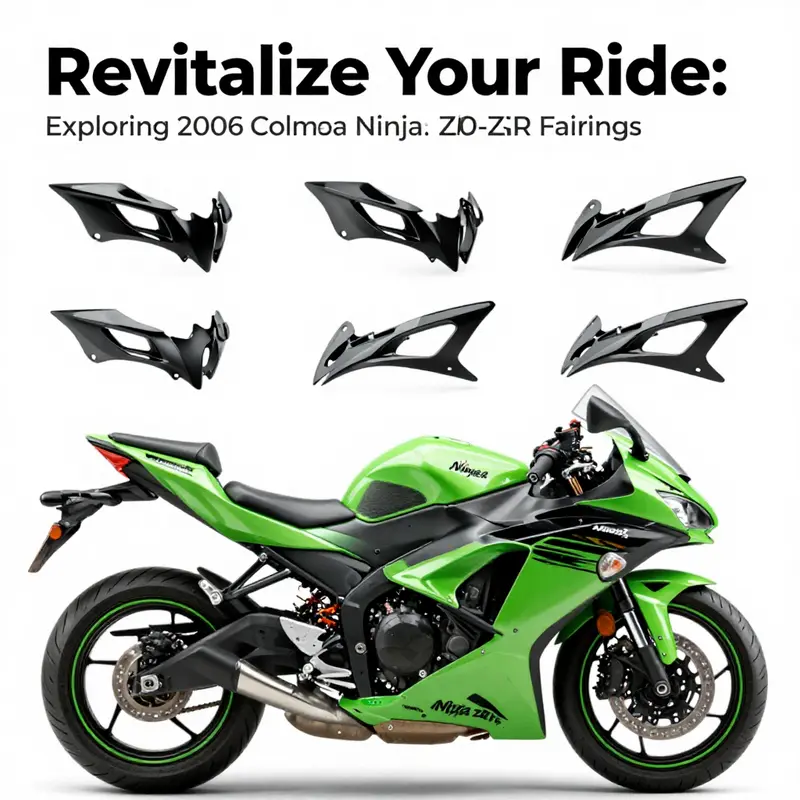
The fairings of a sportbike do more than dress the machine in a glossy shell. They define its silhouette, aerodynamics, cradle critical components, and influence the rider’s sense of connection with the motorcycle. When the subject is the 2006 Kawasaki ZZR600, fitment becomes a careful dialogue between design intent and practical reality. This chapter follows that dialogue, tracing how fairings from the mid-2000s ZX-6R/ZZR600 family were conceived, how they relate to other models in the same era, and how riders navigate the subtle yet consequential differences that separate a tidy, well-fitted shell from a misaligned, performance-draining one. The core message is simple but rarely obvious: model-year specificity matters, even when the platform appears to be shared across multiple bikes that seem visually compatible at a glance.\n\nThe ZZR600 line, produced from 2005 through 2008, occupies a unique space in Kawasaki’s sportbike lineage. This generation balances razor-sharp aesthetics with the practical realities of street and track use. The fairings that cover this model are designed to cradle a very particular geometry: the curves of the headlight housing, the shape of the fuel tank, the integration of the rear fender, and the precise mounting points that align with the chassis and subframes. To anyone who has tried a cross-check with another Kawasaki sportbike of the era, the first realization is that the ZZR600’s bodywork does not simply marry to a different model by swapping panels. The lines, gaps, and angles are tuned to the 2005-2008 frame, and even small deviations in mounting points can produce misalignments that ripple through the entire assembly.\n\nWithin a generation, fairings are often marketed as interchangeable. The reality, however, is more nuanced. The 2006 ZZR600’s fairings share a family resemblance with siblings in the 2005-2008 span, but that resemblance does not guarantee universal compatibility with other Kawasaki machines such as the Ninja ZX-6R line or models outside the ZX-6R family. The difference is not merely cosmetic. The ZZR600’s powertrain enclosure, air intake interfaces, and even the minor placards and fuel-tank intersections can interact with the fairing contour in ways that affect fitment. Differences in frame geometry, mounting hardware locations, and the staggering of components underneath the skin can create subtle but meaningful gaps or tight fits that alter aerodynamics and, in the worst cases, create clearance issues with tires, clocks, or fairing edges that contact the wheel or brake lines at full steering lock.\n\nWhen we talk about aftermarket claims of compatibility, it is vital to translate marketing language into real specifications. A kit may advertise compatibility with multiple models—perhaps listing fitment guidance for 2005-2008 ZZR600 and earlier ZX-6R configurations—but those claims require validation against exact mounting points, bolt patterns, and panel radii. The practical pathway to such validation is in the fitment guides provided by manufacturers and the test data from reliable suppliers who publish model-specific listings. The presence of this data is more than a sales aid; it is a guide to the structural integrity of the assembly. The danger in assuming cross-model compatibility lies in the subtle misalignment of the headlight opening, the tank cutouts, and the rear subframe attachments. If these anchors do not align, the result is not merely cosmetic misalignment; it can impair airflow for engine cooling, disrupt wind protection, or introduce unwanted vibrations and rattles that escalate over time.\n\nA core dimension of the 2006 ZZR600 fairing ecosystem is the breadth of the kit itself. A complete fairing package typically encompasses the full front fairing, side panels, and rear sections that jointly achieve the aerodynamic envelope and the visual language of the model. The front piece interacts with the headlight assembly in a precise way; the side panels must tuck into the tank tunnels and align with the belly pan or lower fairings; and the rear panels must mesh with the tail and seat area so that the seating position and rider posture are not compromised. The installation requires attention to hardware: the bolts, fasteners, and brackets that accompany an aftermarket kit are not a mere afterthought. A proper kit for the 2006 ZZR600 is structured to include the bolts and mounting hardware intended for that exact model, reflecting a careful consideration of the engineering tolerances that Kawasaki designed into the bike’s assembly.\n\nThe practical upshot for riders is straightforward. If you want a fairing shell that fits cleanly on a 2006 ZZR600, the safest path is to pursue parts that are explicitly designed for that model year within the 2005-2008 generation. This approach minimizes the risk of misalignment, unsightly gaps, or aerodynamic inefficiencies that occur when panels are forced onto a frame with slightly different geometry. It also reduces ambiguity when ordering parts from aftermarket sources that maintain model-specific compatibility charts. For the discerning rider, compatibility becomes a matter of confidence: you want a system that has been engineered to fit with a known set of attachment points and that acknowledges the unique interface with the bike’s electrical routing, radiator shrouding, and under-fairing components. When a listing or kit clearly states compatibility with the 2005-2008 ZZR600, or with ZX-6R platforms that share that era of bodywork, it is not merely a claim; it is a certification that takes installation realities into account.\n\nAs a rule of thumb, the integrity of fit is enhanced when a fairing kit presents itself as a complete system rather than a partial surface solution. Front, side, and rear panels that are intended to function in concert reduce the likelihood of mismatches. The synergy of a full kit supports the rider’s objective of an aerodynamic, weather-sealed, and visually cohesive bodywork package. The material choice adds another layer of consideration. ABS plastic, which is common in aftermarket fairings for mid-2000s sportbikes, offers a practical balance of durability, impact resistance, and ease of repair. A gloss finish can lend a vibrant, showroom-like appearance, while matte black or other finishes provide stealth aesthetics and practical scrubbing resistance. The finish choice is not purely cosmetic; it can influence heat absorption, UV resilience, and the ease with which a damaged panel can be touched up or repainted if the rider wants a bespoke colorway that aligns with personal taste or club livery.\n\nFor those who tune their bikes for the street or track, the discussion broadens to color-matching and panel continuity. The 2005-2008 design language of the ZZR600 fairings supports varieties of colorways, including darker, more aggressive blends that emphasize the bike’s lines. Yet, as with any aging model, color palettes that are too bright or mismatched can highlight the age of the panels or break the visual continuity with the rest of the bike’s components. The subtle interplay of color and finish matters not only for aesthetics but also for the perceived alignment of lines and edges, which can influence how a rider’s eye perceives the bike’s stance at speed. The practical takeaway here is that color options, while tempting, should be pursued with an eye on proper fit and overall finish. A well-fitted set with a color that harmonizes with the frame, wheels, and exhaust can elevate both the performance impression and the real protection provided by the panels.\n\nFrom a purchasing perspective, the emphasis is on verification and documentation. A well-documented listing will articulate the model-year compatibility, the included components, and a clear note about mounting hardware. The best practice is to cross-check with the manufacturer’s fitment guides and to solicit confirmation from reputable suppliers who maintain model-specific listings and installation data. This due diligence can save time, prevent misfires, and avoid the frustration of returning ill-fitting parts after they arrive. It also signals to the seller that the buyer understands the importance of precise fitment and is not simply chasing a generic aesthetic upgrade. The search for the right fairing kit can be a careful process, but it is best navigated with a clear understanding that the 2005-2008 ZZR600’s bodywork is not interchangeable with every other model simply because a panel looks close to the right shape.\n\nIn practice, the practicalities of fitment guide a rider toward a few non-negotiables: ensure the listing specifies compatibility with the 2005-2008 ZZR600 (or a clearly defined ZX-6R platform that shares the generation’s panels), confirm that the kit includes the required mounting hardware, and confirm the panel radii align with the bike’s mounting points. If possible, seek a source that provides installation notes or a fitment diagram so you can map the mounting points to your bike. Even with careful sourcing, the possibility of minor discrepancies exists; in those cases, some riders opt for professional installation to ensure that the panels align precisely with the bike’s architecture and that no gaps or pressure points develop over time.\n\nTo support the reader who wants to broaden their context beyond a single model, consider exploring the larger ecosystem of Kawasaki’s sportbike fairings as a reference frame. A consolidated collection of Kawasaki fairings can illuminate the broader family’s shared features while also highlighting the distinctions that matter when narrowing compatibility to the 2005-2008 ZZR600. For a broader view of Kawasaki’s fairing family, you can explore the Kawasaki fairings collection, which aggregates an array of panels and styles across models and years. This resource can be especially helpful for riders considering a color or finish that aligns with the brand’s design language while staying mindful of fitment specifics. In closing, the journey to a properly matched set of 06 ZZR600 fairings is as much about method as it is about materials. It requires reading the fine print on compatibility, understanding the underlying frame geometry, and verifying mounting hardware and panel geometry against credible fitment guides. The message that emerges from the available evidence is consistent: fairings made for the 2005-2008 ZZR600 are designed for that cluster of bikes, and while cross-model shares exist within the same generation, the best outcomes come from models and kits that explicitly declare fitment for the 2006 ZZR600—or at least a clearly defined 2005-2008 ZX-6R platform that aligns in a documented way. With patience, careful sourcing, and attention to installation particulars, a rider can achieve a seamless, protective, and visually cohesive fairing installation that honors the bike’s original intent while enabling a personal touch that makes the ride all the more satisfying.
Shaped for Speed: Aesthetic Dialogue and Engineering Harmony in the 2006 Ninja ZX-6R Fairings
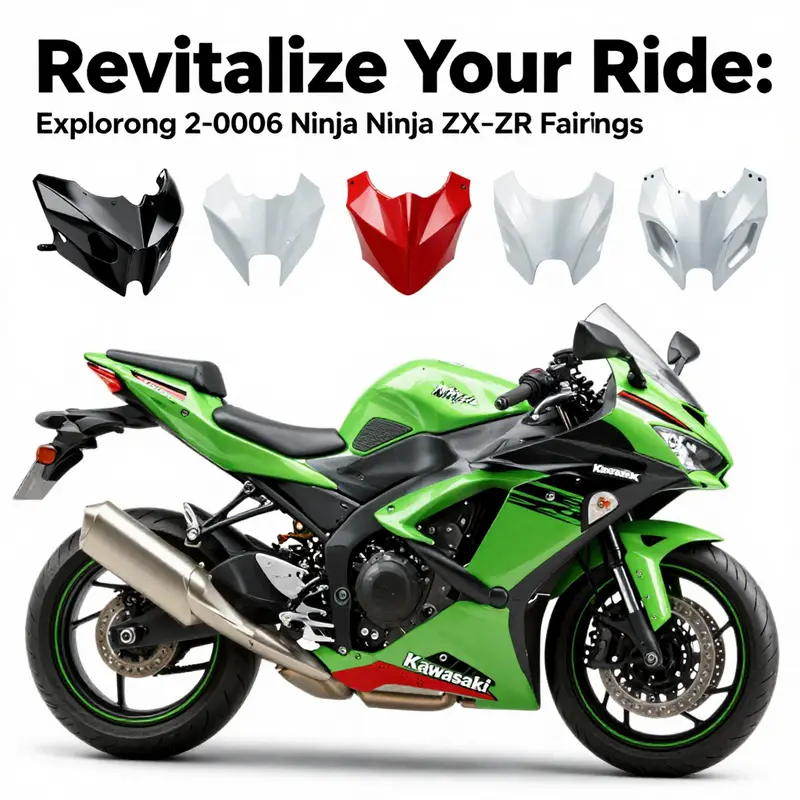
The fairing that drapes a motorcycle is more than skin. On a bike like the 2006 Kawasaki Ninja ZX-6R, the full fairing is a carefully tuned system where form and function meet at the leash of aerodynamics, cooling, and the rider’s own sense of identity. The original bodywork presents a silhouette that is instantly recognizable to seasoned riders: a smooth, aerodynamic profile that folds the bike into a single, aggressive line. The headlight housing is integrated with the upper lane of the fairing, the side panels sweep back into a compact midsection, and a rear cowl completes the curve, all of which contribute to the iconic Ninja look that has defined the platform for years. And yet, beneath this visual compactness lies a dialogue between engineering constraints and aesthetic expression. The shapes, the angles, and even the gaps all carry a reason beyond mere appearance. They are about managing air, reducing drag, and guiding cooling air to the heart of the machine without compromising rigidity or rider comfort. When riders talk about modifying this shell, they are really talking about tuning this conversation to their own tone of speed and style.
To appreciate what changes are feasible, it helps to understand the baseline compatibility that makes aftermarket options viable. The ZX-6R’s generation that includes the 2005 through 2008 models shares a core fairing architecture. This is not a single rigid template, but a family of parts designed to work together across a short window of model years. That shared backbone means aftermarket suppliers can offer complete or near-complete fairing kits intended to fit directly onto the 2005–2008 ZX-6R, and often with cross-compatibility to other bikes on the same platform such as earlier ZX-6R variants and related models from the same era. This is a practical boon for builders and collectors who want a cohesive look without the misalignment risks that can come from mixing parts. The goal is not just to cover the bike; it is to recreate or reinterpret the bike’s defining lines while preserving the essential fitment points where the fairing must meet the headlights, the windscreen, the fuel tank rendezvous, and the mounting brackets that keep everything solid at speed. A well-matched kit respects those points, and that respect translates into a cleaner finish and more predictable handling.
Color and finish—these are the first levers riders pull when they want to imprint their personal signature on the ZX-6R’s silhouette. The stock fairing’s default palette is typically understated: black or metallic tones that emphasize the bike’s lines. Yet the vast landscape of aftermarket options opens up a spectrum that ranges from deep, satiny blacks to bold, glossy platelets of color, to matte textures that absorb reflections in a different way. Matte black, for instance, has grown into a language of its own: it speaks of stealth, durability, and an almost industrial clarity that highlights the fairing’s architecture as much as its color. In other combinations, glossy finishes catch light in a way that accentuates the bike’s curvature and edges, turning the ZX-6R into a stage for gloss and shadow. This is not mere vanity; the finish can influence perceived angularity and perceived speed. Gloss can sharpen lines, whereas a matte surface can soften reflections to emphasize the silhouette’s flow rather than its highlights. The color choices also interact with the bike’s existing livery and the rider’s preferred stance—whether they want a minimal, aggressive look or a more flamboyant, track-ready presence.
Materials, too, carry the conversation forward. The most common construction is high-impact ABS plastic, which provides a smooth, factory-like finish and practical durability. ABS is forgiving enough to resist minor scrapes while offering a reasonable cost-to-performance ratio. Beyond this, carbon fiber replicas enter the discussion. Carbon fiber conveys a premium, lightweight aesthetic with a visible weave that instantly signals performance intent. The look is compelling—the weave pattern adds texture that catches light differently as the bike moves. However, carbon fiber comes with a steeper price and, in some cases, a stiffness and rigidity profile that requires careful mounting and finishing practices to avoid fan-out or chafing at the mounting points. Availabilities like pre-preg or multilayered laminates may offer better rigidity without excessive weight, but the trade-offs are real: weight reduction, cost, and the degree to which the weave is visible can all influence how the fairing looks on the street versus how it performs on the track. For most riders, ABS remains the default choice for street bikes, with carbon fiber-like aesthetics offered as an aspirational option, balancing appearance with practical considerations.
Design variations in the aftermarket space reflect the broader evolution of how riders imagine their machine in motion. Some kits eschew stock’s softer lines for a more angular stance that evokes a race-ready chassis. The surfaces present sharper edges and more aggressive contours, which can visually sharpen the ZX-6R’s profile and align with the rider’s desire for a “factory racer” aesthetic. Other designs soften the lines perhaps to reduce visual mass or to harmonize with aftermarket exhausts, seats, or tail sections that alter the bike’s balance and stance. A particularly appealing direction for enthusiasts who want more performance cues is the integration of vents and air dams. These aren’t just cosmetic additions; when engineered correctly, they can influence cooling airflow and downforce dynamics at speed. The race-inspired variants are more than a visual nod to the sport; they are a re-sculpting of the bike’s air-handling choreography. When done well, they create a sense that the bike breathes more freely, with the intake paths and outlet routes optimized to keep temperatures in check during spirited acceleration or on a warm day at the track.
One of the practical advantages of this era’s ZX-6R fairings is the availability of comprehensive customization kits. Rather than chasing a mosaic of individual components, riders can opt for a full kit that includes the front fairing, side panels, and rear sections, often with a matching front fender, tail piece, and the necessary bolt hardware. A cohesive kit achieves a visual integrity that is hard to realize with piecemeal replacements. In addition to a unified look, these kits tend to simplify installation. With consistent mounting points and a shared design language, alignment across the entire shell is more predictable, reducing gaps and misalignments that can otherwise become a maintenance headache. The end result is a transformed machine that looks coherent from every viewing angle and feels visually integrated, from the windscreen to the tail, with every touchpoint aligned as if the bike had rolled off the line with that configuration from the start.
Yet transformation is not merely about aesthetics. Effective fairings must coexist with engine cooling, aerodynamics, and rider ergonomics. The ZX-6R’s performance envelope benefits when fairings contribute to clean airflow that reduces drag without obstructing the radiator, oil cooler, or intercoolers (where applicable). Even subtle modifications to venting or air intake geometry can improve how air travels around the engine bay at speed, contributing to steady engine temperatures and consistent performance. The rider’s position and line of sight also matter, because the fairing’s shape shapes how wind interacts with the rider’s torso and helmet at typical highway speeds or during aggressive riding. A well-designed fairing delivers a balance: it looks purposeful yet remains comfortable to ride, minimizing fatigue on longer sessions while still delivering a visual cue that the bike is predicated on speed and precision.
As soulful as the design discussion sounds, practical fitment considerations underscore every aesthetic choice. It is essential to select a kit specifically designed for the ZX-6R’s 2005–2008 window or the ZX-6R family that shares the platform’s core geometry. The fitment must align with the bike’s mounting points, fuel tank contours, and the headlight assembly, preserving the integrity of the original weather seals and the rider’s access to service points. Some kits provide a true plug-and-play experience, while others may require minor trimming of mounting tabs or the use of bracket adapters. In all cases, the goal is to preserve structural rigidity and ensure that the fairings behave as intended at speed. Proper installation also matters for the bike’s aerodynamics; ill-fitting pieces can create gaps that degrade the very airflow performance that the design sought to optimize. Therefore, a cautious approach—careful measurement, dry-fitting, and, when necessary, professional installation—helps maintain both the aesthetic appeal and the functional benefits that come with a well-fitted fairing.
For readers who want a concrete roadmap to visualizing and sourcing the ZX-6R’s fairing pathway, the design conversation is enriched by looking at specific platform references. A practical step is to examine collections that showcase the Kawasaki Ninja ZX-6R fairings designed for the 2007–2008 timeframe. These references provide a lens into the range of shapes, detailing, and fitments that emerged when the ZX-6R family was evolving toward more aggressive aesthetics and refined aerodynamics. They also serve as a helpful visual map for aligning your own styling with a kit that respects the bike’s essential proportions. For a more tangible sense of how these shapes translate into a finished bike, explore the Kawasaki Ninja ZX-6R fairings collection (2007-2008) that curates the era’s design vocabulary and fitment logic. This reference helps connect the theory of aerodynamics with the actual pieces that a rider can install to achieve a cohesive look while preserving performance. You can view it here: Kawasaki Ninja ZX-6R fairings collection (2007-2008).
In parallel with the aesthetic and engineering considerations, the broader ecosystem of aftermarket options offers a spectrum of opportunities for customization. Some builders emphasize the tactile feel of the shell and the sense of ownership that comes with installing a personal touch on one’s machine. Others highlight the value of a complete, factory-like finish that matches the aesthetic cues of the original design while rendering them in new colors or textures. Either direction benefits from careful attention to surface preparation, adhesion and sealing methods, and clear-coat applications that protect the finish from road grit, fuel spills, and UV exposure. Even when opting for carbon fiber-like appearances, the underlying substrate remains a durable ABS shell in most cases, so the care and maintenance practices stay consistent with what owners already perform for their bikes. Cleaning routines, wax choices, and routine checks should remain aligned with the bike’s existing maintenance plan, ensuring that the new fairings age gracefully and retain their visual impact over time.
The journey from stock to sharply styled fairings is not merely a cosmetic experiment. It is a careful negotiation between appearance, aerodynamics, and the practicalities of ownership. The ZX-6R’s 2005–2008 window offers a well-supported platform for transformation, with widely available kits that respect the bike’s geometry and the rider’s expectations for performance. For enthusiasts who want to explore beyond color and texture, the option to integrate vents, air dams, and more angular lines can yield a more track-ready presence that still remains street-legal and rideable on longer journeys. The balance of function and fashion here is not superficial; it is a design discipline—a way to honor the bike’s lineage while writing a new chapter of its appearance.
As you step into this conversation, the question becomes not which single piece is best, but how the pieces come together to form a coherent, expressive whole. The fairings set the stage for the bike’s personality, but they also set boundaries and opportunities for airflow, cooling, and rider comfort. The 2006 ZX-6R’s fairings are therefore a compelling example of how aesthetics and engineering can align when the intent is to celebrate speed without sacrificing reliability. A well-chosen kit respects the bike’s original proportions, reinforces its aggressive stance, and invites the rider to inhabit a body that seems attuned to every throttle pull and each lean angle on the road. In this way, the 06 Ninja ZX-6R’s fairings are not merely a cover story for the engine—they are a living expression of the bike’s character: a seamless blend of lines, materials, and finishes that speaks to a rider’s desire to move with intent while looking unmistakably aggressive in motion.
External resource and further exploration can broaden the horizon beyond the immediate scope of the ZX-6R. For broader options, see the external marketplace resource: https://www.aliexpress.com/w/wholesale-cheap-motorcycle-fairing.html
Under the Skin of Speed: The Anatomy and Coverage of the 06 Ninja ZX-6R/ZZR600 Fairings
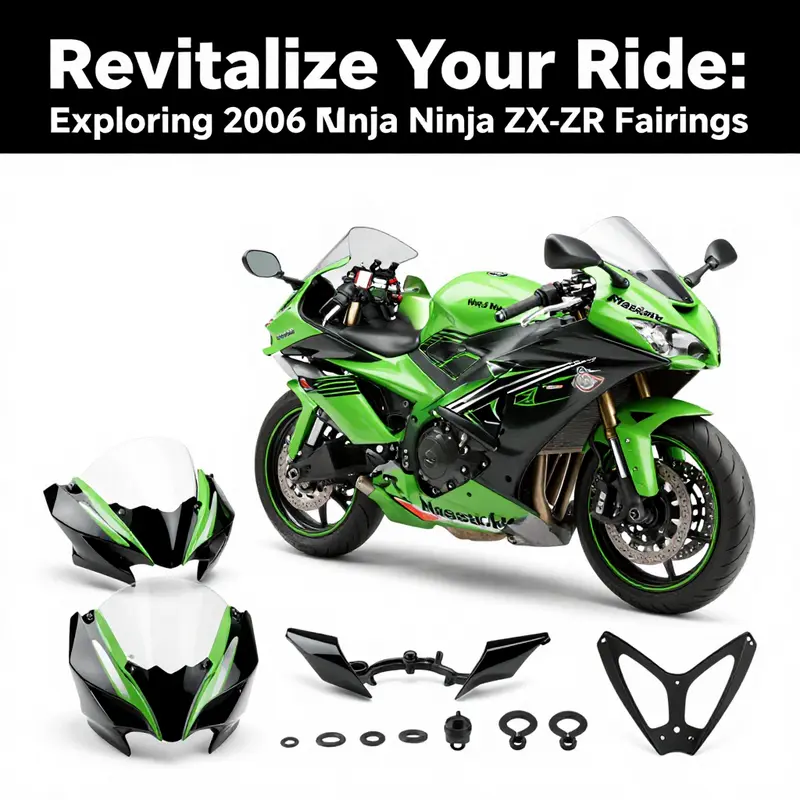
The fairings of the 06 Ninja ZX-6R, commonly spoken of in markets as the ZZR600, are more than a cosmetic coat. They are the aerodynamic backbone and the first line of protection for the rider and the bike’s most vital components. When you slide into the cockpit of this machine, the sense of purpose is immediate: every curve, cut, and contour is engineered to slice through air with minimal resistance while shielding the engine, radiator, and rider from the elements at high speed. The fairing system for this model typically comprises a few well-defined pieces that work in concert to wrap the bike in a protective shell, redirecting flow and reducing turbulence that would otherwise sap precious performance. The front fairing forms the immediate coast around the handlebars and headlight, creating a streamlined silhouette that governs how air flows over the bike at sportbike speeds. Its aerodynamic profile is not merely about speed; it also influences stability, especially when the tires are loaded with cornering forces or when wind speed and direction shift abruptly on a highway. The front piece is the anchor of the entire fairing assembly, and its shape frames the rider’s line of sight, ensuring that the headlight and instrument cluster are both accessible and well integrated into the visual language of a machine designed for aggressive, confident riding.
Lining the sides of this central shell are the side fairings, or side panels, which extend down the engine bay and along the frame’s length. These panels do more than just outline the bike’s muscular stance; they trap a layer of fast-moving air that helps guide cooling and reduces wind pressure on the rider’s torso. The ZX-6R/ZZR600’s engine sits at the center of this airflow choreography, and the side panels are shaped to maintain smooth transitions around the engine’s contours, contributing to a cohesive silhouette that looks deliberate from every angle. When you ride close to the bike’s own wake, these panels also help manage the wake left behind, reducing drag and smoothing the overall ride feel in several speed ranges. The finish and fit of these panels matter because gaps, misalignments, or loose fasteners can alter airflow, creating flutter or vibration that escapes the rider’s notice until it becomes tiresome at highway speeds or on longer rides.
The rear fairing, often referred to as the undertail or plastic cowl, closes the cycle by covering the rear section of the bike’s chassis and engine. This piece completes the protected envelope around the bike’s vulnerable areas and also houses practical elements such as the license plate area in many markets. Beyond aesthetics, the rear fairing plays a role in directing airflow off the tail, which helps manage drag and contributes to stability at higher speeds. The rear section also interacts with the undercarriage area, where riders often notice that a well-designed undertail reduces the formation of uncomfortable eddies near the rear wheel—eddies that can make the bike feel unsettled as speeds climb.
Integral to the front face of the machine are the headlight buckets and mounting points, which secure the lighting array while contributing to the overall geometry of the front fairing. These mounts must maintain precise alignment for nighttime visibility and proper beam pattern, but they also must tolerate the stresses of vibration, heat, and occasional minor impacts without warping or loosening. A well-executed fairing system uses hardware that resists loosening under vibration and temperature fluctuations, preserving both function and appearance over the life of the bike. The mounting hardware, bolts, brackets, and fasteners all come as part of a complete kit in many aftermarket offerings or OEM replacements, enabling a clean, secure installation that preserves panel alignment and reduces air leaks that could compromise aerodynamics.
The scope of coverage provided by a full fairing setup is extensive. When the entire front, sides, and rear are in place, the bike gains a holistic shield that protects the engine and exposed components from road debris, weather, and rain—a practical advantage for riders who navigate varied conditions. The benefit extends to aerodynamics as well. A properly contoured fairing system reduces drag, enabling smoother airflow over the bike at highway and track speeds. That improved airflow translates into more stable handling, reduced rider fatigue on long rides, and a more predictable throttle response as speed climbs. For sportbike enthusiasts who push for precision and response, this integration of protection and performance is part of the fundamental design language of the ZX-6R lineage: a machine that blends blistering performance with a compact, protective skin that stays in place under demanding riding conditions.
The options for replacement or upgrade of the fairings reflect a community of riders who value both fit and expression. In markets where the ZX-6R and the ZZR600 share a development platform, aftermarket and OEM-grade kits are frequently marketed as compatible across a range of model years. For example, a full fairing kit advertised as suitable for 2005–2008 ZZR600—or for the earlier ZX-6R models in the same platform family—is a nod to the modular, shared design that underpins these bikes. The reality, however, is that precise fitment matters. Each generation, and even each sub-model within a platform, can have subtle differences in mounting points, fuel tank interface, and tail geometry. Therefore, it is prudent to confirm the product description explicitly lists compatibility with 2005–2008 ZZR600 or the ZX-6R family when planning a replacement. The goal is not merely to cover the bike but to preserve the intended aerodynamics and rider protection without introducing misalignment or gaps that could degrade performance or comfort.
Beyond painted, color-matched, or factory-finish sets, there are unpainted plastic fairing kits that provide a budget-friendly path for riders who want to customize or repair their machine without incurring the cost of fully finished panels. These unpainted kits allow for personal color work or branding and can be an attractive option for riders who ride the bike in a track-ready or street-legal configuration where aesthetics still matter but the budget is a constraint. The broader market often includes complete fairing bundles that cover front, sides, and rear, designed to simplify installation and ensure that all pieces align with one another the way Kawasaki’s engineers intended when the bike rolled off the assembly line.
For a rider considering a replacement or upgrade, the practical approach is to start with a kit that clearly states compatibility with the 2005–2008 ZZR600 or the ZX-6R family. This helps ensure that the mounting points, fairing contours, and attachment hardware align with the frame, gas tank, and subframe. The installation process, while straightforward for those with some mechanical confidence, benefits from a careful, patient approach: remove the old panels with deliberate attention to the fasteners’ locations, note any wiring harness routing or sensor positioning that might cross paths with new panels, and work through the reassembly in a systematic sequence. A well-planned swapping of fairings minimizes the risk of misalignment, scratches, or cable interference that could creep in if one attempts to force-fit panels. Individuals who prefer not to risk damage often seek the expertise of a shop familiar with sportbike fairings, especially when considering painting, finishing, or additional protective films that preserve the life of the panels against impact and stone chips.
From a design and engineering perspective, the synergy of these components—the front fairing, side panels, rear cowl, headlight buckets, and mounting hardware—reflects a philosophy of modular continuity. Each element is crafted to be part of a cohesive system that balances aesthetics with function. The lines of the panels echo the bike’s overall silhouette, but they also serve tangible roles: channeling air to cooling channels, guiding airflow around the engine and radiator, and reducing turbulence around the rider’s torso. The result is a ride that feels both taut and confident, a machine that communicates its intent with every gust of wind and every lean into a corner.
For riders who are curious about where to source compatible fairings, there are multiple avenues in the broader market. A well-curated collection dedicated to Kawasaki fairings offers a range of panels designed to fit the ZX-6R and the ZZR600 platforms. These sources emphasize compatibility and fit, allowing enthusiasts to select front, side, and rear pieces that align with the frame geometry and the motorcycle’s distinctive ergonomics. When exploring options, one practical strategy is to seek a complete set rather than piecemeal purchases. A full kit minimizes the risk of mismatches in color, material, and mounting points, and it often streamlines the installation process. It also preserves the visual language of the bike, ensuring that the front, middle, and rear sections align with consistent gaps and panel radii that keep the bike looking pristine and performing as designed.
Those who want to explore a curated path for Kawasaki fairings can visit the Kawasaki fairings collection, which provides a structured gateway to compatible pieces and a sense of how these panels fit into the broader aesthetic and functional landscape of the ZX-6R and ZZR600. Kawasaki fairings collection offers a practical starting point for riders seeking a fitment that respects the bike’s original geometry while enabling customization and restoration.
As with any significant cosmetic and protective upgrade, the key is to treat the fairings as a system rather than a single part. The front, side, and rear panels influence each other’s aerodynamics and structural integrity, and the way they attach to the chassis affects the bike’s overall stiffness and vibration behavior. A well-chosen kit integrates with the bike’s electrical and mechanical contours, allowing the headlight assemblies, turn signals, and sensors to sit precisely where intended. The result is not just a look; it is improved airflow management, efficient heat dissipation, and a rider experience that feels both secure and exhilarating on a sunlit boulevard or a twisty mountain road.
For readers seeking a broader understanding of how fairings contribute to a sportbike’s identity, a general overview of the ZX-6R’s design philosophy can be found in established automotive and motorcycle reference resources. This background helps explain why the fairing system is integral to performance beyond mere protection. The ZX-6R lineage demonstrates how manufacturers balance aesthetics, aerodynamics, and rider ergonomics in a compact, race-inspired package. As you study the form and function of these panels, you can appreciate the precision that goes into every cut, every mounting point, and every line that ties the fairing system to the bike’s dynamic repertoire. External resources illuminate how these choices translate into real-world performance, reinforcing the idea that fairings are as much about experience as they are about engineering.
External resource: https://en.wikipedia.org/wiki/KawasakiNinjaZX-6R
Choosing Reliable Fairings for Your 2006 Ninja 600: Material, Fit, and Supplier Assurance
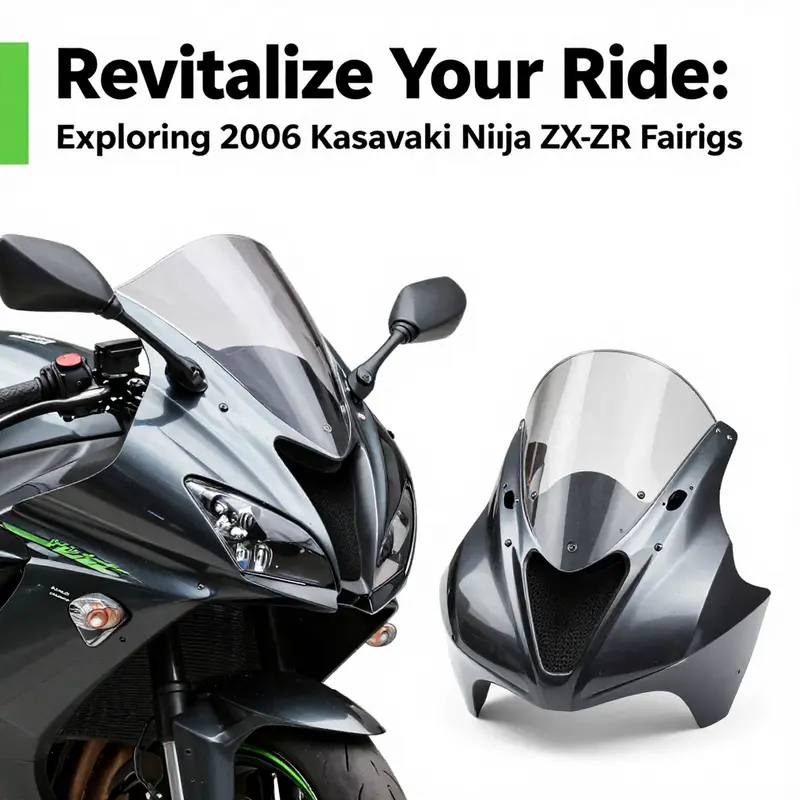
Selecting fairings for a 2006 Ninja ZX-6R/ZZR600 demands more than picking a color or style. Quality fairings protect mechanical components, preserve aerodynamics, and influence rider safety. They also shape the bike’s visual identity. A wrong choice can lead to poor fitment, stress fractures, and frustrating installation sessions. This chapter walks through the practical checks and decision points that separate durable, well-fitting fairings from substandard covers that compromise performance.
Begin with the material. The most dependable aftermarket fairings for this platform are made from injection-molded ABS plastic. Injection-molded ABS delivers consistent wall thickness, accurate mounting-point geometry, and superior impact resistance compared with cheaper thermoformed or low-grade vacuum-formed alternatives. Because injection molding produces parts from a controlled cavity, the pieces return to their intended shape after minor flexing and maintain alignment at bolt points. That stability matters: fairings that don’t line up will stress tabs and fasteners, accelerating failure. When a seller lists injection-molded ABS, treat that as a positive indicator, but verify it with images and description details. If possible, request close-up photos of mounting holes and the inner surfaces so you can confirm a clean, uniform finish rather than rough edges or inconsistent thickness.
Beyond the base polymer, pay attention to construction details. High-quality kits use reinforced mounting tabs or metal-lined inserts at key attachment points. These reinforcements prevent repeated screw tightening from stripping plastic and reduce stress concentration that causes cracks. Look for mention of flanges around bolt holes, consistent ribbing on internal surfaces for rigidity, and evenness in seam lines. Surface finishing also speaks volumes about manufacturing discipline. A smooth matte or gloss topcoat that hides no sink marks, bubbles, or paint runs suggests careful molding and finishing. Conversely, visible paint runs, uneven grit coat, or misaligned decals suggest rushed or low-standard finishing.
Fitment and dimensional accuracy are the next kernel of quality. The 2006 Ninja platform shares much of its fairing architecture with neighboring model years, but small differences in mounting brackets or headlight openings are common. Choose parts explicitly described as compatible with the 2005–2008 ZZR600/ZX-6R family when sourcing replacements. Descriptions that list a wide range of unrelated years without clarifying model differences should raise caution. Compatibility statements that include explicit model codes or clear year ranges usually reflect an understanding of the platform. When possible, compare part images to your own bike: check the shape and placement of headlight apertures, indicator recesses, and belly pan cutouts. If the seller provides template dimensions or a fitment guarantee, that is a strong sign they have tested the pieces on real bikes.
Customer feedback is a practical and revealing test of real-world quality. Seek reviews that mention fitment during installation, long-term durability, and how true the finish was to the listing images. Reviews that include installation photos are especially valuable. Patterns to watch for in feedback: repeated reports of misaligned mounting holes, recurring paint flaking, or cracked tabs within a short period point to systemic problems. Positive reviews that mention direct replacements with minimal trimming and a fit that lines up with original mounting hardware indicate a reliable kit. Also check whether the seller responds to fitment complaints and offers replacements or technical guidance; a responsive vendor reduces risk and often reflects an established quality process behind the scenes.
Supplier credibility ties all of these elements together. Established manufacturing hubs that control production processes generally produce more consistent fairings than anonymous sellers with no visible factory capabilities. Suppliers who can describe their molding process, quality-control steps, and where finishing takes place demonstrate higher accountability. Many reputable factories operate with vertically integrated workflows—handling molding, painting, and packing in-house—which reduces the chance of variable quality creeping in between subcontracted steps. When a vendor can explain the grade of ABS used, the thickness tolerances, and whether mounting points include inserts, you gain confidence that the kit was engineered rather than simply assembled.
Kits that include hardware simplify installation and reduce the need to hunt down missing pieces. A complete kit should provide the full suite: upper cowl, side panels, lower belly pan, tail section, and all associated screws, clips, and brackets. When hardware is included, confirm the screw types and lengths match factory specifications, and that any clips are compatible with the motorcycle’s original mounting points. Missing or incorrect hardware is a common pain point that adds time and cost, and can lead to improper attachment that undermines vibration resistance and longevity.
For business buyers or installers, additional layers of assurance matter. Request sample parts to confirm color matching and fit before committing to larger orders. Ask for QC documentation such as material certificates, batch inspection reports, and photographs of inspection checkpoints. Suppliers willing to provide technical drawings and sample testing results are more likely to maintain consistent batches. If volume is a consideration, establish acceptable defect rates and arrange for pre-shipment inspections. These practices reduce surprises and align expectations between buyer and supplier.
When reviewing listings, be cautious about overly broad claims. Sellers who promise universal fit for many different bike families without clarifying model-specific adjustments are often glossing over fitment realities. Likewise, extremely low prices can reflect poor-quality materials or omitted reinforcements. That said, mid-market kits from conscientious factories can offer excellent value—especially when they use injection-molded ABS and include full hardware. The best path is to triangulate: confirm material, review images of mount points, read multiple customer reports, and evaluate vendor responsiveness.
Installation considerations are also part of assessing quality. Even a well-made fairing can appear flawed if installed poorly. Ensure you have the correct tools and a clean workspace. When replacing a full bodywork set, remove parts in a logical sequence and label fasteners if they are mixed sizes. Check all threads and clip slots on the frame for wear or damage before bolting new pieces on. If tabs or brackets on the bike are bent or misaligned from previous incidents, consider repairing them before fitting the new fairings; otherwise, you risk overstressing the new plastic. When lightly test-fitting, avoid overtightening screws until all panels are aligned. Tighten progressively and check alignment throughout the process.
Aesthetic considerations should not come at the expense of function. Many buyers choose custom colors or two-tone schemes to refresh a bike’s look. High-quality paintwork and decal application require proper surface preparation and controlled curing. Ask whether the paint is baked or air-cured, and whether clearcoat protection is applied. Matte finishes need a different approach than gloss when it comes to cleaning and scratch resistance. If color matching to existing panels is important, small sample panels or accurate color codes can avoid disappointment. Keep in mind that repainting or redecoration is often easier when the base plastic is uniform and free of blemishes.
Finally, make practical risk-reduction choices. Choose vendors offering reasonable return policies or limited warranties. Keep documentation of the purchase, photos of the pieces upon receipt, and any correspondence about fitment questions. If possible, work with sellers who provide explicit fitment guarantees or offer technical support during installation. For larger purchases, negotiate pre-shipment photos or third-party inspections to verify the condition and completeness of kits before shipping.
By weighing material, construction details, supplier transparency, and customer feedback together, you form a reliable picture of a kit’s quality. Injection-molded ABS with reinforced mounting points, consistent finishing, included hardware, and clear compatibility claims is the configuration most likely to match the original fit and function of a 2006 Ninja ZX-6R/ZZR600. Combine those product attributes with responsive vendors and practical installation preparation, and you minimize surprises and protect the investment.
If you want to compare available options in a broader marketplace that covers material choices and supplier evaluation frameworks for this platform, see the sourcing guide linked below.
For related Kawasaki fairing parts and collections, consider exploring this Kawasaki fairings resource for reference: https://www.summitfairings.com/collections/kawasaki-fairings
External resource for further reading on manufacturing standards and sourcing: https://www.aliexpress.com/w/wholesale-cheap-motorcycle-fairing.html
Final thoughts
Selecting the right fairings for the 2006 Ninja motorcycle 600 ZZR goes beyond mere aesthetics; it’s about performance, compatibility, and quality assurance. Understanding compatibility helps in maintaining the bike’s integrity. Aesthetic choices allow riders to personalize their rides, while comprehensive coverage ensures protection and enhances performance. Ensuring quality can drastically impact the longevity and appearance of the motorcycle. As business owners, prioritizing these elements will enhance customer satisfaction and ultimately drive sales as consumers seek both style and functionality. Keep these insights in mind, and elevate the riding experience for enthusiasts everywhere.