
As the motorcycle industry evolves, aftermarket ABS motorcycle fairings have gained immense popularity among riders seeking enhanced performance and aesthetics. These fairings not only improve a motorcycle’s visual appeal but also contribute to its overall efficiency and durability. For business owners in the motorcycle market, understanding the nuances of aftermarket fairings is critical. This article delves into optimizing performance with these components, economic considerations of their procurement, and the future landscape of motorcycle fairings. By the end, you’ll grasp how incorporating aftermarket ABS fairings into your inventory can benefit your business significantly.
Shaping Speed: How Aftermarket ABS Fairings Deliver Real Performance Gains
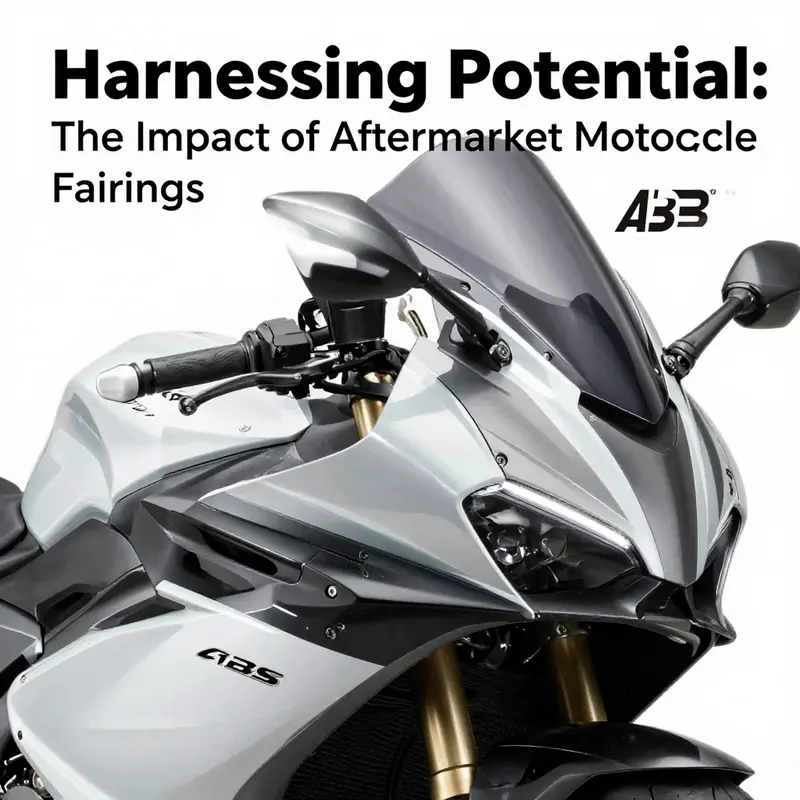
Upgrading motorcycle bodywork with injection-molded ABS fairings changes more than appearance. Well-designed aftermarket panels alter airflow, weight distribution, component protection, and rider comfort. Each of those changes affects measurable performance. When riders pursue visible upgrades, the best outcome is improved dynamics and lower lifecycle costs. This chapter lays out how aftermarket ABS fairings produce those results, what to look for, and how to evaluate real-world benefits.
The most immediate advantage of a quality ABS fairing is aerodynamic refinement. Factory bodywork often balances looks, manufacturing cost, and generalized wind protection. Aftermarket designers, however, can focus on specific goals: lower drag, cleaner airflow into cooling systems, or targeted wind deflection for the rider. Injection-molded ABS offers the precision needed to reproduce subtle curves and tight tolerances. That precision reduces turbulence by smoothing the path airflow takes across the front end and down the flanks. Reduced turbulence lowers aerodynamic drag coefficient, which yields two obvious gains: higher potential top speed and reduced fuel consumption at cruising speeds. The improvement at highway speeds can be surprisingly tangible. Even small reductions in drag translate to lower engine load and steadier speeds with less throttle input.
Equally important is how fairings shape local airflow for engine cooling and component protection. Aftermarket kits often integrate optimized ducting or repositioned inlet and outlet areas. Those design choices guide air toward radiators and away from hot exhaust headers. Better-directed flow helps maintain consistent operating temperatures under load. Consistent temperatures improve performance since engines run most efficiently within a stable range. The fairing’s role here is not passive. Carefully formed scoops, channels, and exit vents can increase the volume of air passing through critical paths while reducing back pressure. That means a rider pushing the engine hard will see more predictable cooling, and the risk of heat soak to electronics and ancillary parts decreases.
Weight matters in every performance metric. ABS plastic balances strength and lightness. Compared with heavier materials, an ABS fairing can lower unsprung or rotating mass when properly designed. Lighter body panels make the bike easier to change direction and more responsive at the limits. Yet weight savings must be realistic. Structural reinforcement at mounting points adds necessary strength but may add mass in concentrated areas. The best designs optimize where material is used. Reinforce the load paths, but thin sections where aerodynamic shaping is paramount. This creates a fairing that resists impact and vibration without undermining handling.
Mounting integrity is a frequently overlooked performance factor. Poorly located or weak mounting points let panels flex under aerodynamic load. Flex increases drag and can create low-frequency vibration. Both reduce rider confidence and, in severe cases, cause misalignment that affects stability. Aftermarket ABS fairings made with attention to mounting geometry reduce flex. Designers use reinforced boss locations and precision-fit tabs to align panels with the chassis. That approach keeps the bodywork stable at speed. Stability in the aero surface is as important as the surface shape itself.
Rider comfort and control are linked to aerodynamics. Buffeting at the helmet and torso creates micro-movements that tire the rider. Fatigue reduces focus and performance on long rides. Properly shaped fairings deflect airflow away from the rider and dampen wake turbulence. The result is less constant steering correction and reduced energy expenditure over time. For sport riding, that steadier body posture helps the rider plant weight exactly where needed during cornering. For touring, it preserves stamina across long days. These are performance benefits beyond pure speed numbers.
Durability and impact resistance play a role in long-term performance economics. ABS is resilient to impacts and resists cracking. It also accepts paints and finishes that adhere well and last. That durability reduces the need for frequent replacements after minor drops or road debris hits. For riders who push their machines, the spending calculus changes: a fairing that survives repeated low-speed incidents and continues to function saves money and downtime. It keeps protective functions intact, which preserves the motorcycle’s essential operating parts.
Fitment precision is the bridge between product design and real-world performance. When fairings are manufactured from accurate digital scans of original panels, the fit becomes close to seamless. That tight interface reduces gaps that disrupt airflow and collects less dirt and moisture. Consistent mounting also ensures the fairing’s aerodynamic profile is what the designer intended. A poor fit can offset any aerodynamic gains the shape provides. Thus, choose fairings made with 3D-scanned reference geometry or exacting molds that mirror factory dimensions.
Material choice matters beyond a single property. ABS combines impact resistance, ease of finishing, and thermal stability. Compared to cheaper alternatives, ABS tolerates cyclical stresses better. This reduces the chance of brittle failure around fasteners or edges. Injection molding creates repeatable parts with consistent wall thickness and built-in ribs where needed. Those ribs increase stiffness without adding excessive weight. A properly executed injection-molding process also reduces residual stress pockets that can later cause warping. These manufacturing traits lead to a final product that behaves predictably under load.
Customization potential is another performance lever. Many aftermarket fairings include features that support accessory integration. Mounting bosses for lighting, mirror systems, and navigation mounts allow riders to add utility without modifying the structure on the fly. When accessories are mounted at engineered points, the added mass and drag are minimized. Conversely, accessories attached to weak points or via adhoc brackets can create new vibration modes. Engineered integration keeps the aerodynamic profile intact and ensures accessories don’t compromise stability.
Evaluating performance gains requires controlled comparison. Start with a baseline: weight, top speed, fuel consumption, and rider comfort at set speeds. Use reproducible conditions for testing. Small gains in top speed can be measured with GPS-based logging over consistent gradients and wind conditions. For aero effects at cruising speed, record fuel flow and throttle position for long runs. Thermocouples or infrared checks on cooling system components indicate whether ducting improvements deliver more effective heat rejection. Ride quality and rider fatigue are harder to quantify, but subjective measures from consistent riders over repeated runs provide useful signals. A properly instrumented evaluation shows which fairing changes translate to measurable benefits.
Not all aftermarket ABS fairings offer the same performance lift. Cheap replicas may match shape superficially but omit engineered ducts, reinforced mounts, and precision tolerances. Those shortcuts produce panels that look right but perform poorly under aerodynamic stress. Conversely, fairings manufactured with attention to structural reinforcement, accurate mold tooling, and integrated airflow channels deliver the best balance of form and function. Prioritize kits that clearly document manufacturing processes and fitment specifications. Inspection of parts on arrival helps catch issues early. Check mounting points, tab alignment, and wall thickness where reinforcement is expected.
Installation practice matters for realized performance. Even the best-designed fairing suffers if installed with misaligned fasteners or uneven torque. Slow, precise alignment during installation keeps panel seams flush. Use thread-locking compounds on metal-to-metal fasteners where appropriate, and consider replacing worn mounting hardware to regain factory clamping force. When modifying fairings for custom accessory routing, avoid cutting structural ribs or mounting bosses. If you must trim, reinforce the altered area with epoxy and fiberglass or additional ABS patches to maintain stiffness.
Fitment also affects vibrations that can loosen adjacent components. Ensure wiring is routed away from flex paths and that harnesses have adequate slack for suspension travel. Vibration-proof mounts for lights and electronics reduce the chance of intermittent faults. The fairing should be a protective shell, not the load-bearing structure for electrical modules. Respecting these installation details keeps the motorcycle reliable and preserves the performance improvements a good fairing provides.
Paint and finish choices influence durability and thermal behavior. High-quality paint systems with proper UV protection prevent fading and embrittlement. Thicker clear coats can slightly alter heat absorption, a consideration if cooling ducts sit behind dark panels in hot climates. Paint also interacts with repair options. A well-finished fairing accepts localized repairs without losing structural characteristics. Avoid thick fillers that hide thin wall areas; they add weight and can mask stress-prone zones.
When choosing a kit, match the fairing to riding goals. Streamlined full-fairings suit high-speed stability and long-distance efficiency. Partial fairings can improve rider comfort and aesthetics without the weight or complexity of full setups. Track-oriented designs prioritize airflow and heat rejection, while touring-focused panels emphasize rider protection and accessory mounts. Selecting the right geometry for how the bike is used avoids compromises that sacrifice comfort for marginal speed gains.
Regulatory and safety considerations also shape choices. Fairing modifications must not obstruct lighting, change headlight aim beyond legal limits, or cover mandated reflective elements. Keep systems accessible for routine checks. Designing airflow improvement should never compromise the ability to inspect or service critical components. Adhering to these constraints preserves safety while delivering aerodynamic benefits.
Cost-per-performance is a practical way to measure value. A higher initial outlay for a well-engineered ABS kit can be offset by reduced maintenance, fewer replacement parts after drops, and improved fuel economy over thousands of miles. For fleet or multi-bike purchases, bulk ordering reduces per-unit cost substantially. Careful procurement from reliable manufacturers often delivers consistent parts that fit without modification. That consistency lowers installation labor and returns predictable performance gains across several machines.
In field use, monitor the fairing periodically. Look for stress cracks around fasteners and check for loosening tabs after the first few hundred miles. Environmental exposure can affect fasteners and bushings. Re-torque bolts and replace worn rubber grommets as needed. Small maintenance steps keep the aerodynamic and protective functions at peak levels.
A final practical note concerns comparison across models. A fairing optimized for one chassis will not translate its performance benefits to another without redesign. The interaction between bodywork and chassis geometry is specific. For those interested in exploring model-specific options, reviewing available fairing collections is helpful. One resource shows a focused selection for popular sport models, including options tailored for mid-range supersport bikes: Kawasaki ZX-6R fairings collection (https://www.summitfairings.com/collections/kawasaki-ninja-zx-6r-fairings-2013-2015).
These considerations coalesce into a clear takeaway: aftermarket ABS fairings are more than cosmetic upgrades when engineered correctly. They shape how air moves, how heat is managed, and how the rider experiences the machine. The real-world payoff depends on product quality, accurate fitment, proper installation, and alignment with riding needs. Measurable improvements in top speed, fuel economy, cooling efficiency, and rider endurance are achievable. The most successful projects start with a careful selection of materials and design intent, followed by rigorous testing and attentive setup.
Further technical guidance and comparative analysis of fairing materials and aerodynamic strategies appear in specialized aftermarket guides. See a consolidated overview of modern fairing materials, manufacturing techniques, and practical testing approaches at this external resource: https://www.carinterior.com/aftermarket-motorcycle-fairings-guide-2024/.
Cost, Value and Long-Term Returns: Economics of Aftermarket ABS Motorcycle Fairings
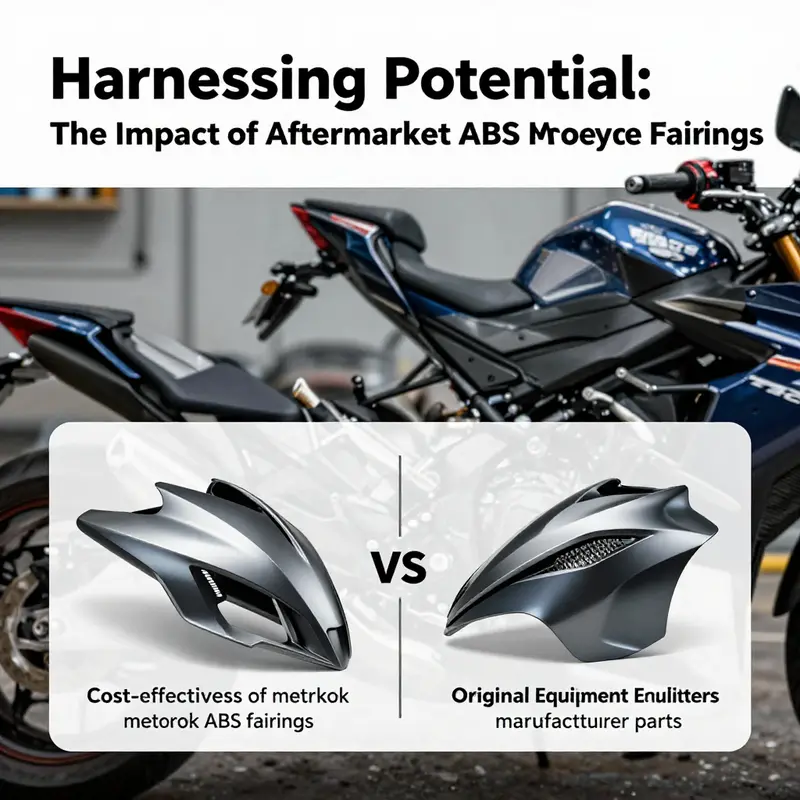
Economic value of aftermarket ABS fairings
Choosing aftermarket ABS fairings is as much a financial decision as it is an aesthetic one. Riders who weigh cost, durability, and long-term value find ABS an appealing compromise. It offers strong impact resistance at a lower price than fiberglass or carbon fiber. It is also lighter than many traditional alternatives, which can reduce shipping and handling costs. These characteristics shape how buyers and shops evaluate price and return on investment.
Upfront purchase price is the most visible factor. Aftermarket ABS fairings typically cost far less than OEM panels when sold as full sets. That difference is most pronounced for single purchases. A rider replacing one damaged side panel will often pay a fraction of the OEM cost for a comparable aftermarket piece. For repair shops and resellers, bulk pricing changes the math. Buying dozens of sets reduces unit cost dramatically, making aftermarket kits an attractive stock item. This volume advantage can produce wholesale prices that are a small portion of a single OEM set.
Beyond the sticker price, fitment and finish affect total cost. Modern manufacturers employ 3D scanning and precision molds to replicate original geometry. That reduces the need for trimming and filler during installation. A kit that fits tightly saves shop time, which lowers labor bills for the buyer. When fitment is poor, installation labor and extra parts can erase initial savings. Buyers who expect the lowest price must account for the possibility of extra hours of cutting, sanding, or mounting hardware purchases.
Durability and maintenance shape long-term expenses. ABS resists impact and flexes under stress, reducing catastrophic cracking. Properly painted and treated ABS resists UV damage, which preserves the finish and prevents frequent repainting. In practice, a well-made ABS kit will match or exceed the longevity of OEM panels when given basic care. The economic benefit appears over several seasons, as fewer replacements or touch-ups are needed.
Some aftermarket offerings tout performance benefits, such as better aerodynamics or improved fuel economy. These claims can influence buyer perception and justify a higher price. However, real-world testing shows mixed results. Independent logs and rider reports sometimes reveal no measurable improvement in fuel use. Because aerodynamic gains are difficult to quantify on street bikes, buyers should evaluate such claims with skepticism. The correct approach is to prioritize measurable benefits, like stronger mounting points or integrated cooling ducts, over vague percentage claims.
When comparing OEM and aftermarket fairings, warranty and liability matter. OEM parts often come with manufacturer warranties that cover defects and fit problems. Aftermarket vendors sometimes offer limited guarantees, but terms vary widely. Buyers should read warranty details closely. Even a modest warranty can offset risk and enhance the economic case for aftermarket parts. Conversely, no warranty increases the likelihood of additional, unplanned expense.
Shipping and customs are frequently overlooked costs. Fairings are bulky, and overseas shipping can add a substantial amount to the final price. Import duties and brokerage fees further increase landed cost. For small orders, these charges may make an international aftermarket kit nearly as expensive as a domestic OEM replacement. Buyers who source parts from established manufacturing hubs should factor in expedited shipping options and consolidation strategies for larger orders. For businesses, ordering by the pallet often reduces per-unit freight dramatically.
Insurance and resale impact decisions too. Replacement with aftermarket panels sometimes affects insurance claims. Policies differ, but some insurers prefer OEM parts for total loss valuations. When a bike uses high-quality aftermarket panels, resale value can remain strong if the panels are well installed and professionally finished. Conversely, visible mismatches or poor paint work can reduce resale price. Investing in proper fitment and a factory-quality finish often preserves or even enhances a motorcycle’s market appeal.
Procurement strategies alter the economic outcome. Private buyers often shop retail or through large marketplaces. Repair shops and resellers buy wholesale or through B2B channels. For dealers and fleet owners, supplier reliability matters more than the absolute lowest price. Consistent fitment reduces rework, returns, and warranty handling. Doing a small trial order before committing to large quantities is a prudent approach. Evaluating lead times, production consistency, and a vendor’s ability to match paint codes provides economic security over many transactions.
Customization adds another financial layer. Custom paint and special finishes increase cost, sometimes substantially. But they can add perceived value that exceeds the expense. A high-quality paint job shields the ABS substrate and prolongs lifespan. It also increases the desirability of a bike on resale markets. Riders should weigh the cost of custom finishes against potential resale gains, personal satisfaction, and the reduced need for future cosmetic work.
Installation and modification costs vary with the kit. A direct-fit kit that requires only bolt-on installation minimizes labor and extra parts. Kits that need trimming, drilling, or bracket fabrication consume more time and demand additional materials. Labor rates differ by region, but shop time is usually the single largest soft cost after the part price. Riders with mechanical experience can reduce total expense by installing parts themselves, but they must be honest about their skill level. A botched installation can create expensive downstream problems.
Repairability is a practical economic advantage for ABS. Unlike fiberglass, ABS can be repaired using plastic welding, solvent bonding, or adhesive-backed patches. These repairs are often cheaper and faster than fiberglass restoration. In the event of a crash or tip-over, an ABS panel can sometimes be salvaged with minimal cost. That potential to repair rather than replace keeps long-term ownership expenses lower.
Quality control matters for durable value. Reputable manufacturers control wall thickness, mounting reinforcements, and surface prep. Reinforced mounting points and thicker stress zones reduce the chance of cracked tabs during regular use. Buyers should request or inspect production photos or sample parts before ordering large quantities. Items that look thin or exhibit inconsistent surface texture often lead to returns and added cost. When sourcing from established hubs, vetting a supplier’s QC process avoids repeat losses.
Price transparency also affects economic decisions. Vendors that provide clear breakdowns of included components reduce the risk of surprises. Full kits, partial kits, and single panels should state what fasteners, clips, and brackets are included. Hidden costs for hardware or paint matching can make cheap parts unexpectedly expensive. Choose vendors that disclose these details and provide clear return policies.
Value is measured differently by individual riders. For commuters, cost per mile and low maintenance matter most. Track enthusiasts prioritize impact resistance and rapid replacement. Touring riders value wind protection and longevity. Recognizing personal priorities clarifies whether an aftermarket ABS kit is economically sensible. A commuter might prefer an inexpensive, durable kit that can be replaced easily when scratched. A weekend racer may invest in a higher-end ABS kit with reinforced mounts and aerodynamic refinements.
Market dynamics influence pricing trends. Increased competition among manufacturers has driven prices down while improving fitment. Advances in manufacturing, including more accurate 3D scanning and better molds, reduce waste and allow firms to offer better products at lower prices. Buyers benefit from this competition but must remain vigilant. Low-cost offerings from unknown sellers can contain inconsistent quality. Look for consistent reviews, verified photos, and clear communication before purchasing.
Return policies and dispute resolution are part of the economic picture. A liberal return policy lowers buyer risk. Inexperienced vendors or sellers without a reliable return procedure create potential for sunk costs. Marketplace platforms with buyer protection reduce this risk. B2B buyers should negotiate clear terms for defective batches and lead times for replacements.
Environmental and regulatory factors can affect cost indirectly. Local regulations on imported goods, taxes, and recyclable materials influence the final price. Additionally, choosing paint systems that meet emissions or VOC standards can add to initial costs. For businesses, compliance with local regulations avoids fines and legal costs. Riders who plan to resell should consider regulations that affect aftermarket modifications in their jurisdiction.
The economic argument for aftermarket ABS fairings is strongest when a buyer focuses on total ownership cost. A low price with frequent replacements is a poor value. Conversely, a slightly higher upfront cost for a well-made, well-finished kit yields better long-term economics. The tactic is straightforward. Buy from vetted suppliers, confirm fitment, account for shipping and installation, and protect the finish. These steps reduce surprises and improve return on investment.
Small business buyers follow the same principles at scale. Consolidating orders, negotiating payment terms, and auditing initial samples can cut per-unit cost. Shipping consolidation and local warehousing reduce lead-time risk and improve responsiveness to customers. A smart procurement process turns aftermarket ABS kits into reliable profit centers rather than unpredictable inventory items.
At the point of sale, communicate value clearly. Explain the cost savings of ABS over other materials, discuss the repairability, and highlight warranty terms. Buyers who understand the reasons for lower prices accept aftermarket parts more readily. This transparency reduces post-sale friction and supports long-term reputation.
Finally, measure outcomes. Track repair frequencies, return rates, and customer feedback. Use those metrics to refine supplier choices and purchasing strategies. Over time, this data-driven approach transforms one-off savings into sustained economic advantage.
Further reading: How to Choose Aftermarket Motorcycle Fairings: A Practical Guide
For someone shopping for parts for specific models, a curated parts collection can simplify decisions. See the Kawasaki fairings collection for examples of model-specific options: Kawasaki fairings collection.
Shaping Tomorrow’s Ride: How ABS Aftermarket Fairings Will Transform Motorcycles
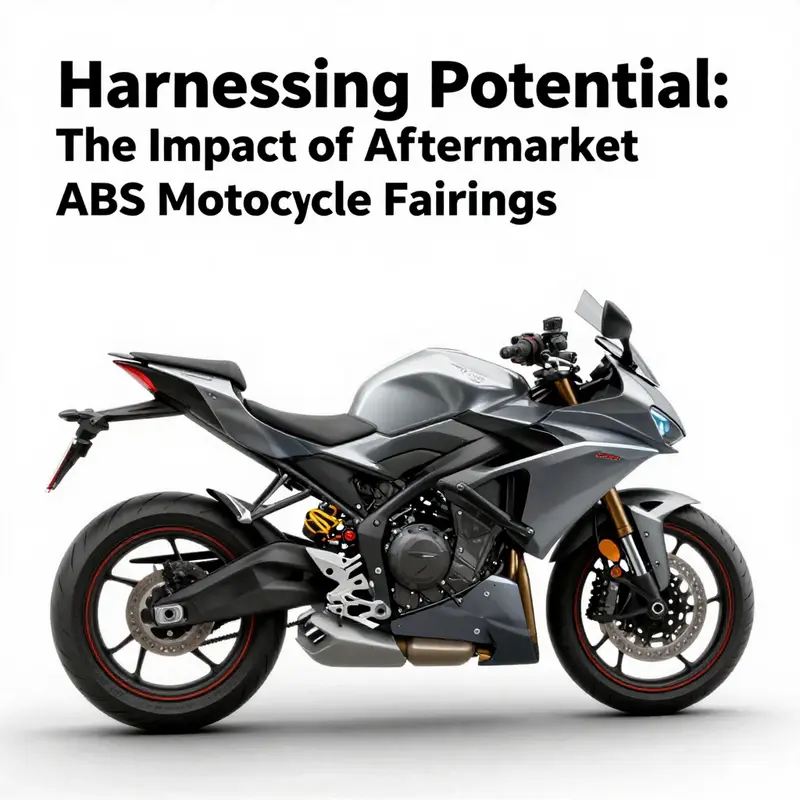
The evolution of aftermarket ABS motorcycle fairings will be shaped by three overlapping forces: material science, digital design and manufacturing, and rider expectation. Each force pushes the market toward parts that are lighter, stronger, and more functional. Together they will deliver fairings that do more than look sharp. They will change how motorcycles handle, how safe they are, and how riders express themselves.
ABS plastic sits at the center of this change. Its blend of impact resistance and light weight is already valuable. That balance reduces unsprung mass and overall weight. Lighter fairings improve fuel economy and agility. They also maintain structural resilience where it matters most at the mounting points. Advances in ABS formulations are enhancing heat tolerance, UV stability, and finish adhesion. These gains let manufacturers produce panels that stay true to color and shape under real-world stress. As a result, aftermarket ABS parts will close the gap with, and sometimes surpass, OEM components in durability.
Digital tools will accelerate that progress. High-resolution 3D scanning captures original body geometry to micron-level accuracy. That scan data becomes the baseline for redesigns that assess fit and clearance before any mold is made. Computational fluid dynamics (CFD) lets designers model airflow across the bike and rider. CFD helps identify opportunities to reduce drag and manage cooling more efficiently. It guides the placement of ducts and vents that move air where engines and electronics need it. The same models inform aesthetics. Designers can shape surfaces that look aggressive while contributing measurable aerodynamic benefit.
Additive manufacturing will change how prototypes and small production runs are made. Rapid 3D printing enables iterative testing of form and fit without costly tooling. It shortens development cycles and encourages experimentation. Manufacturers can trial novel air channels, sacrificial crash features, and modular mounting interfaces. When a design proves out, production moves to molded ABS with refined geometries and integrated reinforcements. The combined workflow—scan, simulate, print, mold—produces fairings with near-perfect fitment and performance enhancements that were formerly reserved for high-cost OEM development.
Personalization will be a defining expectation. Riders increasingly view their bikes as extensions of personal style. Aftermarket suppliers will answer with modular kits and swappable panels. Color-matched sets will no longer be limited to basic palettes. Custom finishes, multi-stage paints, and textured surfaces will be engineered for adhesion to ABS and long-term durability. Interchangeable front cowlings, belly pans, and tail sections let riders change a bike’s character in hours. Those modular systems also accelerate repairs after a fall. Instead of replacing large assemblies, damaged modules can be swapped in the shop or garage.
Beyond aesthetics, fairings will incorporate functional modularity. Integrated mounts for luggage, auxiliary lighting, and protective sliders will be part of OEM-style designs. Concealed channels will route wiring for lights or sensors without cutting panels. Mount points will be reinforced to avoid stress concentrations and reduce the risk of cracking under load. Such features will next move into higher-volume aftermarket kits as manufacturers adopt injection mold inserts and multi-material molding techniques.
Smart integration is emerging as a realistic possibility. As motorcycles adopt more electronics, fairings will double as platforms for sensors and auxiliary systems. Built-in mounts for cameras, environmental sensors, and aerodynamic sensors will be integrated into panel architectures. Small wiring ducts and water-resistant cavities will make it easier to install electronics without compromising the fairing’s integrity. Intelligent lighting, adaptive venting, and sensor-assisted aerodynamic tweaks may arrive in production or accessory-level parts. The key is designing these features to protect electronics from heat and road debris.
Safety enhancements will follow naturally from these trends. Improved impact-resistant ABS compounds can absorb and redistribute forces in a crash more effectively. Panel geometry can be engineered to break away predictably, reducing torque transferred to critical frame points. Reinforced mounting racks or sacrificial shear elements will protect the bike’s structure while being inexpensive to replace. These design choices lower repair costs and downtime for riders who crash at low speeds. When aftermarket fairings mimic or surpass OEM crash strategies, they will help keep bikes on the road and riders safer.
Sourcing and quality control will become more transparent. Riders and shops will demand traceability for materials and manufacturing processes. Suppliers that publish test data on impact strength, heat tolerance, and UV resistance will stand out. Certification protocols will evolve to cover aftermarket fairings, covering fitment accuracy and safety performance under defined loads. Buyers will learn to evaluate suppliers by their willingness to share manufacturing data and their adherence to measurable standards.
Global supply chains will remain central to cost management. Manufacturing hubs will continue to offer competitive scale. However, a movement toward nearshoring and regional production for higher-end or customized runs will gain traction. Nearshoring reduces lead time. It also enables tighter collaboration between designers and production. For large-volume procurement, economies of scale will keep unit prices low. For low-volume custom work, local producers will command a premium for shorter turnaround and closer quality control.
Environmental considerations will shape material choices and lifecycle thinking. ABS is recyclable in principle, but recycling systems must be designed for vehicle-grade polymers. The next wave of aftermarket suppliers will offer programs for take-back, remanufacturing, or recycling of used fairings. Recycled ABS blends with consistent mechanical properties will become more common. At the same time, research into bio-based or hybrid polymers will produce alternatives that lower embodied carbon without sacrificing durability. Regulations and consumer demand will encourage manufacturers to disclose lifecycle data for aftermarket products.
Maintenance and repair practices will evolve alongside the parts themselves. Shops will adopt repair techniques tailored to ABS, including plastic welding methods and specialty adhesives. Service manuals for aftermarket kits will include torque specs and mounting sequences to prevent stress-related failure. Kits will be designed for compatibility with standard mounting hardware, keeping installation predictable. This professionalization of aftermarket parts will reduce do-it-yourself guesswork and improve long-term ownership satisfaction.
The distribution landscape will adapt. Online marketplaces will remain essential, particularly for commoditized parts sold in volume. But direct-to-consumer channels offering configuration tools and virtual previews will grow. Buyers will be able to upload photos or select a model to preview custom paint and modular layouts. Augmented reality tools will help visualize fit and finish on a specific bike before purchase. These experiences will reduce returns and increase buyer confidence, especially for full-body kits purchased sight unseen.
Fleet operators and rental services will see particular value in modern aftermarket fairings. For fleets, durability and repairability reduce total cost of ownership. Easily replaceable modules minimize downtime after minor incidents. Color-matched replacement panels encourage professional presentation for rental fleets. For adventure and touring operations, fairings engineered for improved cooling and wind management enhance rider comfort on long trips. As the aftermarket proves its ability to meet these needs, B2B demand will increase alongside retail sales.
Regulatory and insurance perspectives will evolve as aftermarket parts become more technical. Regulators will seek evidence that aftermarket fairings do not compromise crash performance or create hazards from sharp fragments. Insurance companies will ask for data showing that aftermarket parts reduce claim severity or lower repair costs. Suppliers that can provide third-party testing and clear documentation will build trust with insurers and regulators. That trust will translate into wider acceptance in formal contexts, such as rental fleets or professional racing classes.
The economic contours are favorable. Market forecasts show robust growth in accessory markets, reflecting both rising motorcycle ownership and increased spending on personalization. Growth will stem from commuter, adventure, and touring segments. Each segment values different attributes: lower weight and streamlined shapes for commuters, ruggedized panels for adventure bikes, and aerodynamics plus comfort for touring machines. Manufacturers that segment their offerings to meet these needs will capture more of the market.
This segmentation will influence design language. Urban commuter fairings will emphasize slim profiles, improved airflow for engine cooling at low speeds, and integrated storage or utility mounts. Adventure fairings will prioritize robustness, reinforced mounting, and dust-protective channels. Touring fairings will favor wind deflection and rider comfort, with integrated ducts that reduce buffeting. Designers will reuse successful platform components across segments, balancing commonality and specialization to control costs.
Collaboration between OEMs and aftermarket suppliers will increase. OEMs will see value in validated aftermarket kits that extend the life of older models. Aftermarket firms will gain from closer access to factory data and materials. Where interests align, co-developed offerings could emerge that carry OEM-approved fitment or warranty extensions. Such collaborations would reduce buyer hesitation and increase adoption among riders who remain skeptical of generic parts.
For the individual rider, the future will offer more choices and clearer signals of quality. A well-made ABS kit will be easy to fit, match the bike’s lines, and improve performance in measurable ways. Transparent testing data and clear installation guidance will make decision-making straightforward. For shops, standardized interfaces and modular designs will speed repairs and reduce parts inventory complexity. For designers and manufacturers, digital workflows will deliver more ambitious shapes backed by engineering evidence.
The most visible change will be in how motorcycles look and feel on the road. Fairings will no longer be mere cosmetic overlays. They will be engineered systems that influence cooling, aerodynamics, and crash behavior. Riders will choose parts not only for color and shape but for validated performance improvements. The aftermarket will earn credibility by demonstrating that tailored designs can improve handling, lower repair costs, and increase safety.
As this shift continues, buyers should learn to evaluate offerings with an engineer’s eye. Request material data sheets. Ask for fitment tolerances and test reports. Favor suppliers who describe manufacturing methods and quality checks. When considering custom paint or modular components, confirm that finishes are formulated for ABS. For those who prefer model-specific solutions, explore dedicated collections that target particular platforms, such as the Kawasaki fairings collection that lists compatible options and styles.
The next decade will see aftermarket ABS fairings become more integrated with the motorcycle. They will bridge style and substance, bringing performance improvements once limited to high-end models. Riders who value customization, improved performance, or smarter repairability will benefit the most. The aftermarket will shift from a place to buy replacement panels into a hub of innovation that reshapes how motorcycles perform and appear.
For further insight into projected market trends and growth rates, consult the latest industry analysis. https://www.marketresearchfuture.com/reports/motorcycle-fairing-market-1457
Final thoughts
Incorporating aftermarket ABS motorcycle fairings into your business strategy can significantly enhance both performance and profitability. By understanding their benefits—from improved aerodynamics to cost-efficiency—you can better serve your customers and differentiate your offerings. As motorcycle technology continues to evolve, staying updated with market trends, such as integrating advanced fairing designs, will keep your business at the forefront of the industry. Embrace the potential of aftermarket solutions, and watch your motorcycle business thrive in the dynamic landscape ahead.