
Aftermarket fairings for Indian motorcycles provide an opportunity for customization, enhancing both the look and performance of these iconic bikes. Business owners in the motorcycle aftermarket can significantly benefit from understanding the nuances of these fairings—from the various types and materials available to the direct benefits they offer riders. Each chapter in this guide delves deep into essential aspects, such as the differing types and materials of fairings, their advantages, crucial compatibility considerations, a cost analysis comparing aftermarket fairings with OEM options, and the most popular retailers where these products can be sourced. With this comprehensive resource, business owners can make informed decisions that meet the evolving needs of motorcycle enthusiasts.
null
null
Wind, Weight, and Style: Reframing the Ride with Aftermarket Fairings for Indian Motorcycles
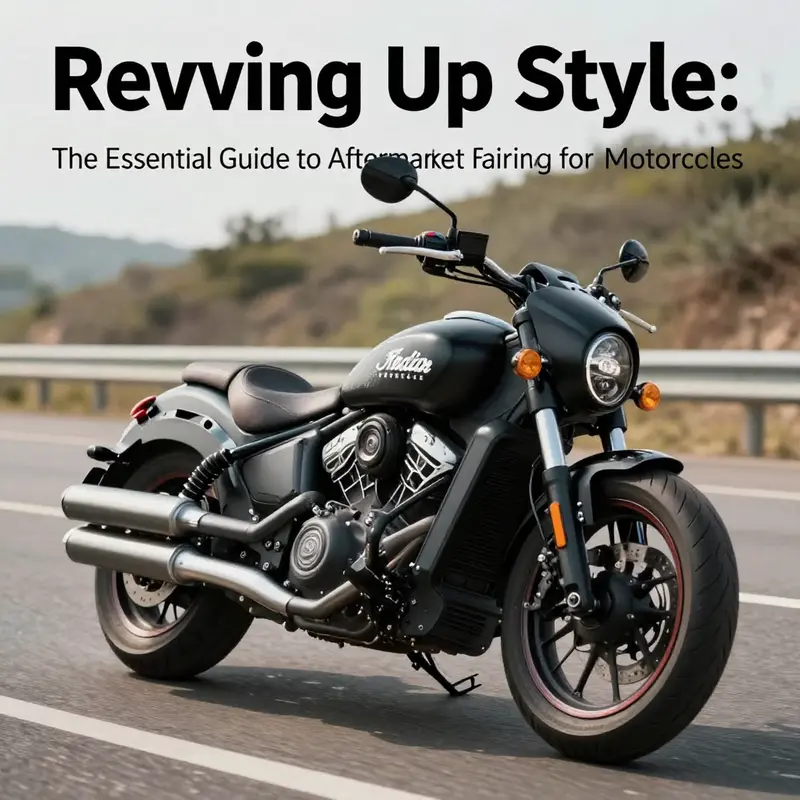
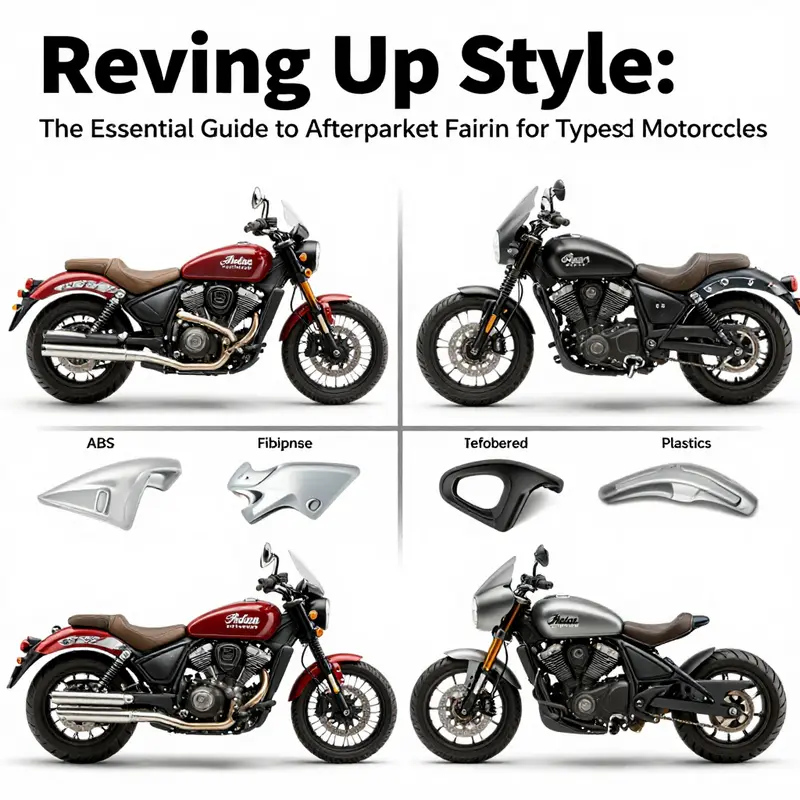
A motorcycle is more than a machine that moves you from point A to point B; it’s a dynamic relationship between rider, road, and engineering. When riders turn to aftermarket fairings for Indian motorcycles, they do more than change the look of their bike. They invite a realignment of aerodynamics, comfort, protection, and personality. The decision to swap or upgrade a fairing is not merely cosmetic. It is a careful balancing act between fit, function, and form, guided by how a rider spends most of their miles. For many, the payoff is substantial: wind management that reduces fatigue, a cockpit that shields essential components from road debris, and a silhouette that mirrors a rider’s vision of speed and sophistication. The path to a successful upgrade begins with a clear understanding of compatibility. Aftermarket fairings come in a range of styles and materials, each with its own set of trade-offs. ABS-derived skins, reinforced composites, and even carbon fiber variants offer different levels of rigidity, impact resistance, and weight. The key is to select a kit designed to fit the exact make, model, and year of the bike. A better fit yields more predictable handling and easier installation, while a mismatched fairing can create misalignment, mounting issues, and performance penalties. This is where the value of a well-matched catalog becomes evident. As riders explore options, a reliable source can provide detailed compatibility notes, mounting diagrams, and installation guidance that minimizes guesswork. A broad catalog helps you compare entry points in weight, cost, and aesthetic style, and it often reveals the nuanced differences between full fairings, half-fairing configurations, or sport-oriented belly-pan accents. The spectator’s eye is drawn to the aggressive lines of a full fairing, but the practical rider will value the balance between wind protection and accessibility. Half fairings, for instance, can deliver much of the wind management without obstructing access to the dash or the engine with the same degree of enclosure. The more aggressive you become with a design, the more you’re trading ease of maintenance for aerodynamic efficiency. This is not a debate of right or wrong so much as a conversation about what you want the bike to do well and how you ride it. A thoughtful approach to style begins with the rider’s daily rhythm—city sprints, highway commutes, or weekend canyon carving—and ends with a coordinated ensemble of parts, fasteners, and protective edges that harmonize with the bike’s existing geometry. It’s essential to verify compatibility not just by year or model, but by the precise sub-variant and optional equipment that can influence fairing fitment. When riders encounter a kit that promises a near-perfect alignment with their Indian motorcycle, installation becomes more predictable and the wind-management benefits more tangible. Materials communicate much of the story. Fiberglass and reinforced ABS are common choices for mainstream aftermarket kits because they strike a balance between cost, rigidity, and weight. Fiberglass can be molded into complex shapes with excellent stiffness, which supports clean air separation and stable forward posture at speed. Reinforced ABS brings improved impact resistance and durability without a heavy penalty in weight. For riders chasing a lighter, race-inspired outcome, carbon fiber options exist in the market, though they usually command a premium. The benefits of lighter weight are not merely about acceleration. Lighter components can improve steering response and cornering feel, particularly when the fairing is part of a broader aerodynamic package that includes carefully tuned wind deflection channels and a sculpted nose. The visual payoff is equally meaningful. A well-chosen fairing communicates intention—the rider is pursuing performance, precision, and a modern, streamlined look. It’s a signal that the bike, while rooted in classic design, is ready for the wind at speed and the camera’s gaze on a weekend ride. For many riders, a fairing is the most impactful single upgrade they can pursue. It changes the silhouette, alters the relationship between rider and wind, and gives a sense of personal ownership that extends beyond simple aesthetics. At the same time, the upgrade invites a rethinking of the cockpit’s ergonomics. Wind exposure can influence posture, helmet lift, and shoulder tension over long hours in the saddle. An effectively designed fairing reduces buffeting, channels air more smoothly around the rider’s torso, and helps maintain a comfortable, stable riding position. This translates into reduced fatigue on long highway sections and improves overall riding enjoyment. It is a practical refinement that supports endurance, not just style. Beyond wind management and weight considerations, aftermarket fairings add protective value. They shield the engine and other critical components from road grit, water spray, and incidental impacts. By deflecting debris away from vulnerable areas, a well-fitted kit can reduce maintenance intervals and potential cosmetic damage that might otherwise require more frequent touch-ups or repairs. The protection angle is particularly relevant in variable conditions—dusty back roads, sudden rain, or gravel-strewn stretches—that can compromise reliability over time. The decision framework for choosing between full fairings and more minimalizing designs should also take into account maintenance and serviceability. A full fairing offers maximum wind protection and a cohesive, race-inspired appearance, but it can complicate routine maintenance, radiator access, and electrical inspections. A half-fairing or a more modular approach often strikes a better balance for riders who want wind control without compromising ease of service. In practice, many riders approach the upgrade as a staged process: start with a style-first, mid-range kit to gauge fit and ride feel, then pivot toward a more aggressive or full-enclosure design if the aerodynamics prove advantageous and the maintenance conversation remains manageable. Installation is the decisive stage where theory meets reality. Even the best-looking kit can deliver suboptimal results if mounting points aren’t aligned or fasteners aren’t torqued to the manufacturer’s specifications. Proper alignment ensures that the fairing sits flush against the bike’s lines, leaves space for moving components, and ensures no interference with the throttle, handlebars, or wheel travel. Hardware quality matters too. Cheaper mounting hardware can corrode or loosen under vibration, compromising aerodynamics and safety. Many riders choose to have a professional handle the final bolting and alignment, particularly when the kit introduces new brackets or requires trimming and shaping of certain sections. A cautious, deliberate installation process protects the investment and preserves the structural integrity of both the fairing and the bike’s original integrity. It’s also prudent to confirm that the kit includes or can be paired with appropriate seals, gaskets, and protection edges to prevent chafing and to preserve paintwork. The journey to a customized look and enhanced performance is best supported by solid information. Compatibility data, installation guides, and rider reviews create a practical map for decision-making. For readers seeking a broader sense of what installing a fairing can achieve, RevZilla’s Motorcycle Fairing Installation & Benefits Guide offers a reliable, reader-friendly reference that can augment personal research. Practical considerations, such as budget alignment, anticipated riding conditions, and your own mechanical comfort level, will shape the ultimate choice. A well-chosen aftermarket fairing can turn an Indian motorcycle into a more efficient, comfortable, and expressive ride while preserving the fundamental character that drew riders to the model in the first place. In the end, the best outcome is a blend of improved aerodynamics, durable protection, and a look that resonates with the rider’s vision. For those who want to explore a broad catalog that illustrates how different shapes and materials translate into real-world performance, a broad catalog like the Honda fairings collection provides insight into how designers balance form and function. Honda fairings collection is a useful reference point for comparing how profiles, curves, and mounting strategies influence both fit and performance. As with any significant upgrade, patience and careful planning pay dividends in performance, confidence, and enjoyment on every ride. For a deeper dive into installation and benefits, see RevZilla’s guide: https://www.revzilla.com/blog/motorcycle-fairing-installation-benefits
null
null
The Price of a New Face: Cost, Craft, and Compatibility in Aftermarket Fairings for Indian Motorcycles
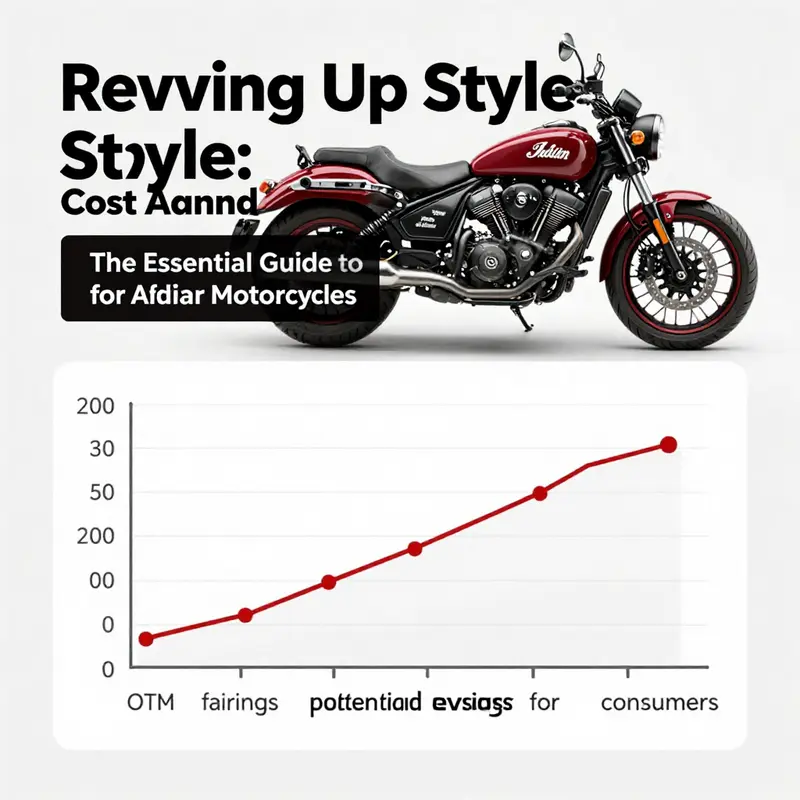
Riders who choose to replace or refresh the fairing on an Indian motorcycle often pursue a new look, a refined ride, or even a subtle improvement in aerodynamics. Yet beneath the surface of color and contour lies a concrete question: what will this swap cost, and what will it cost in the long run? A thoughtful cost analysis is more than a dollar figure. It is a practical map that guides decisions about materials, fit, warranty, and the real-world effort needed to install and enjoy a new silhouette. The chapter that follows treats this decision as a craft problem as much as a budget problem. It asks how the balances between OEM reliability and aftermarket flexibility play out on Indian bikes, where model year, trim, and intended use can tilt the scales toward one path or the other. In doing so, it stitches together the economics of production with the tactile realities of fit and finish, creating a narrative that is anchored in value rather than mere price.
First, it is essential to anchor the comparison in what each option promises—and what it requires. OEM fairings, produced to the exacting standards of the manufacturer, come with a guarantee of fit and finish that aligns with the bike’s engineering and color palette. The alignment points, mounting hardware, and surface geometry are tuned to insure clean panel gaps and a seamless integration with the dash, fuel tank, and frame. That precision comes with a premium. A complete OEM fairing system can span a broad range, often cited in the realm of six hundred to two thousand dollars depending on model complexity and whether one seeks a whole-body package or a more modest, partial kit. Entry-level ABS kits may be closer to the lower end of that range, while premium or full-coverage configurations can push beyond the obvious budget line. The premium attribute here is not merely a look; it is predictable fitment, a factory warranty tether, and a consistency of finish that makes paint matching and panel alignment predictable for professionals and hobbyists alike.
Aftermarket fairings introduce a spectrum of possibilities that can dramatically alter the economics of a build. At the base, aftermarket offerings begin around the six-hundred-dollar mark, with complete ABS-based kits sometimes available under eight hundred. That baseline represents a payoff: you gain cost savings and, in many cases, a broader design language—sports, touring, retro, or race-inspired—without the premium tag. The trade-off is not just price; it is variability in fitment and a spectrum of material choices. Some brands emphasize cost efficiency through standard ABS or reinforced variants, while others push into higher-performance materials like fiberglass or carbon fiber. These choices influence weight, rigidity, impact resistance, and, crucially, the aesthetic and tactile feel of the final shell. Carbon fiber, for example, is prized for an advantageous strength-to-weight ratio and a refined appearance, but it arrives with a steeper price tag and a different set of handling considerations during installation and repair.
Material choice matters for more than just bragging rights. ABS is renowned for its impact resistance and ease of repair, making it a practical baseline. Reinforced ABS improves rigidity and crash resistance without a dramatic price spike. Fiberglass is lighter than most ABS while maintaining workable resilience, though it typically requires more careful finishing and paint work to achieve a showroom-like look. Carbon fiber occupies the high-end tier: lighter, stiffer, and with a distinctive weave that many riders want visible. But because carbon fiber sheets and laminates can be more brittle in sharp impacts, the overall durability profile shifts. The decision matrix thus expands beyond sticker price to consider how the fairing will be used. A daily rider commuting through varied weather might prize repairability and cost of replacement parts, while a track-oriented rider might accept higher cost for weight savings and improved aerodynamics.
It is equally important to weigh installation realities. OEM fairings provide a straightforward path: the parts drop into place with factory mount points, often requiring no modification beyond the usual paint and prep work. Aftermarket kits, while designed for broad compatibility, demand attention to mounting points, alignment with headlights and instruments, and possible rework of inner panels or radiator shrouds. The line between a flawless installation and a fiddly, time-consuming job often hinges on the level of pre-fit documentation and the seller’s guidance. A reputable aftermarket source will include compatibility charts by make, model, and year, installation guides, and, ideally, customer support during the initial fit and paint process. The more transparent the seller is about fitment and installation, the lower the risk of misalignment, gaps, or fit issues that extend the project beyond a weekend wrench session.
When one weighs the cost against long-term value, the equation becomes more nuanced. The sticker price can be misleading if it does not capture labor, paint, and time. A do-it-yourself installation can curb labor, but the total cost of entry—considering potential touches like wired turn signals, horn relocation, and re-sealed panels—can still rise. A professional installation adds to the upfront cost but pays off in predictable fit, finish, and warranty support. In some cases, the aftermarket option may deliver not only a price break but also more ambitious customization opportunities—the ability to swap in a particular curvature or a sharper windscreen profile that enhances comfort or performance in a rider’s specific climate or riding style. Likewise, the broader ecosystem around aftermarket fairings—custom paint schemes, auxiliary wind protection, and integrated storage solutions—can tilt the equation toward aftermarket in ways that are independent of base price alone.
Another dimension of the cost analysis is the total cost of ownership. If a rider weighs future replacement or repair, aftermarket fairings can provide easier replacement parts or more widely available repair materials than aging OEM panels. On the other hand, OEM components often maintain stronger resale confidence and easier insurance approval, especially if the bike is still under coverage or if the owner intends to retain the original look for a longer period. Here, risk tolerance enters the frame: those who plan to keep the bike for a short term or who want a conservative investment may favor OEM for its predictable support, while those who value customization and a tailored aesthetic might accept aftermarket risk for greater aesthetic flexibility and potential performance gains.
The overall value picture also benefits from the assurance that compatibility checks and documentation can provide. The best aftermarket options come with explicit compatibility notes and, ideally, a return policy that accommodates a rider who discovers misfit after the box is opened. The reality is that fitment can hinge on factors such as the bike’s color, trim level, and even subtle production-year tweaks. The prudent approach is to verify compatibility before ordering, to read installation guides thoroughly, and to acknowledge that some projects may require a touch of iteration—slight trimming, re-drilling of mounting points, or careful alignment during paint curing—to reach a seamless finish. In the broader narrative of aftermarket fairings for Indian motorcycles, this is where the craft of choosing aligns with the craft of riding: a choice that honors the rider’s budget, skill set, and vision for the machine.
To illustrate the breadth of how online catalogs frame these choices, consider how a category page might present fairing options. The catalog approach—listing models by year, compatibility, and material—helps riders compare options quickly, but it also highlights the arm’s-length reality of aftermarket supply. A well-structured listing can reveal whether a given kit emphasizes weight savings, improved aerodynamics, or a more aggressive profile. It can also surface practical details such as mounting hardware, required modifications, and paint-ready surfaces. In this light, the decision becomes a blend of measurable savings and intangible values: the pride of a look that matches a rider’s identity, the tactile satisfaction of a factory-like silhouette, and the quiet confidence that comes with a well-executed aesthetic upgrade.
For readers seeking a concrete example of how aftermarket fairings are documented and compared, a useful reference is the broader cataloging approach used by major aftermarket platforms. See the Honda fairings collection for a representative example of how compatibility, material, and finish information are organized and presented to riders who plan more than a casual upgrade. Honda fairings collection documents how panels are grouped and how essential mounting considerations are conveyed to customers. This approach mirrors the kind of transparency riders should expect when evaluating Indian-fit aftermarket options, even as the specific model lines diverge in their geometry and mounting points.
In sum, the choice between OEM and aftermarket fairings for an Indian motorcycle boils down to a blend of budget discipline, use case, and willingness to engage with install and finish details. OEM remains the benchmark for fit, finish, and warranty, often justifying its higher price for riders seeking certainty. Aftermarket, by contrast, offers a spectrum of materials, customization, and potential cost savings, paired with the responsibility to vet compatibility and be prepared for a step or two of finishing work. The smartest decision naturally aligns with the rider’s goals: if reliability and a showroom finish are paramount, OEM stands tall; if customization, weight considerations, and a tailored aesthetic are the aim, aftermarket serves as a gateway to a more personal and, at times, more capable machine.
External resource: https://www.example.com/triumph-carbon-fairing-guide
Where to Buy Aftermarket Fairings: Choosing Retailers That Fit Your Indian Motorcycle
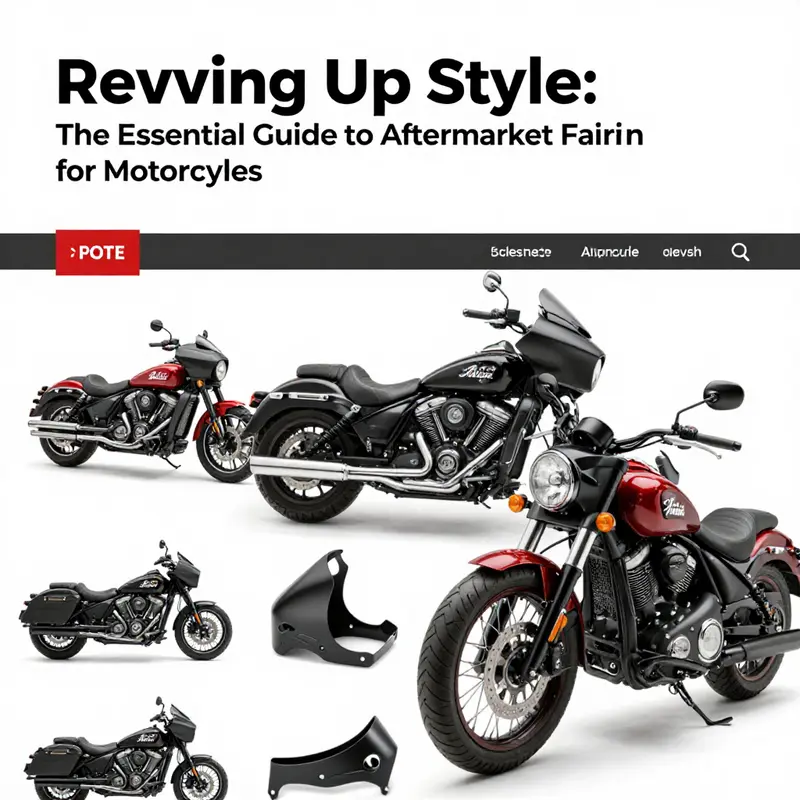
Finding the right retailer matters as much as choosing the fairing itself. Aftermarket fairings for Indian motorcycles vary widely in fit, finish, and support. Retailers range from specialist shops that focus on motorcycle bodywork to broad marketplaces where many sellers list parts. Each option brings trade-offs in price, reliability, and convenience. Knowing what to look for in a seller will save time, reduce installation headaches, and protect your investment.
Start by prioritizing compatibility and documentation. A trustworthy retailer lists exact model and year fitment, not broad categories. They will include clear photos of the part, measurements, and notes on any modifications required. Look for listings that state whether mounting brackets are included, and whether holes are pre-drilled for stock hardware. When fitment notes are vague, contact the seller before purchasing. Ask for part dimensions, mounting point spacing, and pictures showing the inner side of the fairing. A seller who responds quickly and with detail is more likely to support you when problems arise.
Materials and finish are another area where retailers differ. Some focus on factory-grade reinforced ABS and offer painted, ready-to-install pieces. Others sell fiberglass or unpainted resin kits aimed at customizers. Read the description carefully and confirm whether paint, primer, and hardware are included. Retailers that cater to painters and custom shops often provide fibreglass or gel-coated options. Those focused on replacement parts will usually stock ABS kits with stronger impact resistance and closer tolerances. If you need a pre-painted match to a factory color, pick a retailer that offers color codes and paint options, or provides professional paint services.
Warranty and return policies separate reliable retailers from risky sellers. A clear return window, restocking terms, and damage policies are essential. Fairing panels can arrive scratched, warped, or incorrectly fitted. Retailers that accept returns and offer damage claims simplify resolution. Avoid listings with “no returns” unless the price and seller reputation justify the risk. Check whether the retailer pays return shipping for damaged goods or if you will be responsible. For international purchases, confirm who handles customs, duties, and return logistics.
Customer feedback is invaluable. Look for sellers with multiple positive reviews, ideally mentioning fairings for the same or similar models. Photos from buyers show real-world fit and finish. Review threads on motorcycle forums and social groups often identify sellers who consistently deliver accurate fitment. Prioritize retailers with detailed product pages and active customer Q&A sections. When reviews mention easy installation and direct fit, they likely followed model-specific tooling or templates during manufacturing.
Shipping speed and packaging quality matter more than they first appear. Fairings are bulky and fragile. Reliable retailers pack parts with foam, reinforced corners, and sturdy crates when needed. Ask about packaging methods before ordering if the listing lacks details. Faster shipping options may be available for a premium. Some retailers offer local pickup or drop-shipping to a shop near you, which can eliminate damage risks that arise in long transit. If you live outside the retailer’s country, clarify shipping timelines and tracking options.
Price is important but shouldn’t be the only deciding factor. Extremely low prices can mean inconsistent fit, thin materials, or missing mounting hardware. Balance price with documentation, seller responsiveness, and warranty coverage. Some retailers bundle hardware and templates with the fairing; that often offsets a slightly higher price. Others offer variable pricing tiers for unpainted, primed, or fully painted pieces. Decide whether you will paint the fairing yourself or have a shop do it, and pick retailers accordingly.
Support resources set top-tier retailers apart. Look for detailed installation guides, diagrams, and videos. Retailers that publish step-by-step guides or offer phone and chat support can help you prepare tools and estimate labor time. If you plan to install the fairing yourself, verify whether the seller provides fastener kits, bushings, and brackets. Some sellers sell mounting kits separately. If you will have a shop install the fairing, ask the retailer whether their pieces are known for straightforward installs or if custom trimming is typical.
Seller specialization is another key factor. General marketplaces host many sellers with mixed quality. Specialist shops focus on bodywork and typically provide better fitment accuracy. They may also offer custom services for unique models or trim options. If you own a less common Indian model or a recent release, find a retailer that explicitly lists that model. Specialist retailers often have archives and part templates that improve fit.
Don’t overlook classifieds and local shops. Private sellers sometimes offer gently used fairings at attractive prices. Inspect used parts carefully for cracks, repairs, or poorly matched paint. Local bike shops and salvage yards can supply OEM brackets and compatible hardware. Buying locally can save on shipping and allow in-person inspection before purchase.
International sellers expand choice but add complexities. Duties, taxes, and longer returns processes apply. Choose retailers who provide HS codes and estimated duty amounts, or who offer DDP (delivered duties paid) options. That removes surprise fees at the border. If a seller cannot provide clear cross-border shipping terms, consider a domestic alternative, even at slightly higher cost.
Finally, arm yourself with a simple checklist before you hit purchase. Confirm exact model and year fitment. Verify the material and finish. Ask whether mounting hardware and brackets are included. Read warranty and return terms. Check shipping methods and packaging standards. Review prior buyer photos and installation notes. When in doubt, ask targeted questions and expect a helpful reply. A strong seller will treat fitment inquiries as normal and provide the information you need.
If you want an example of how parts collections are presented by specialized retailers, see this Yamaha fairings collection for layout inspiration and information style: Yamaha fairings collection. For a broad marketplace option to compare shipping and auction listings directly, evaluate a major online auction and storefront site at https://www.ebay.com
Selecting the right retailer reduces surprises. It also makes installation smoother and preserves the value of your Indian motorcycle. Choose sellers that provide clear fitment data, strong packaging, helpful support, and fair warranty terms. That combination delivers both peace of mind and a better finished result.
Final thoughts
In the competitive landscape of motorcycle accessories, understanding the aftermarket fairing options available for Indian motorcycles is essential for business owners looking to cater to passionate riders. By delving into the types and materials of fairings, recognizing the benefits they bring, ensuring compatibility with specific models, conducting a thorough cost analysis, and knowing where to purchase them, businesses can position themselves favorably in the market. Riders are consistently seeking ways to personalize their bikes not only for aesthetics but also for improved performance and protection. By focusing on these key areas, you can effectively meet customer demands and enhance their overall riding experience, ultimately driving business growth.