
For business owners in the motorcycle industry, offering quality aftermarket motorcycle fairings is crucial for meeting customer expectations and promoting safety. Proper fairings can enhance the aesthetic appeal of motorcycles while improving aerodynamics and protection. This article will dive deep into five critical aspects of aftermarket fairing reviews. By understanding compatibility, material quality, manufacturing processes, cost-effectiveness, and the importance of user feedback, you can make more informed purchasing decisions that benefit both your business and customers. As we explore these topics, you’ll gain insights that can help optimize your offerings and enhance your reputation in the market.
Fit First: Navigating Compatibility in Aftermarket Motorcycle Fairing Reviews
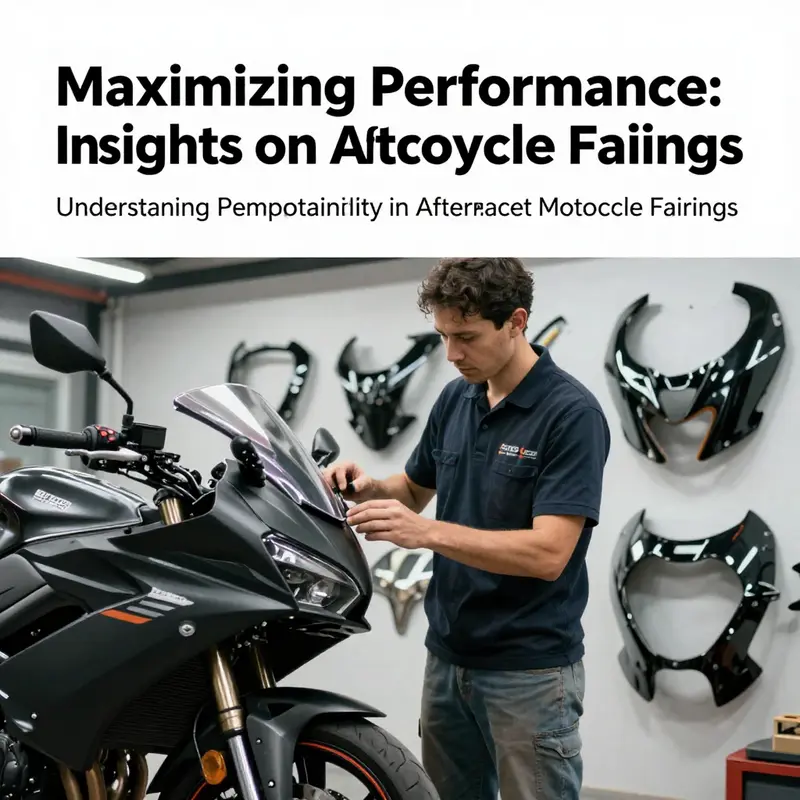
Compatibility sits at the center of every meaningful review of aftermarket motorcycle fairings. It is the quiet throttle that decides whether a piece will simply look the part or actually perform when it matters. In practice, compatibility means more than a casual verse of “fits most bikes.” It means a precise alignment of the fairing’s mounting points, the bike’s frame geometry, and the overall dimensions from nose to tail. When reviews surface claims of universal fit or generic compatibility, the prudent reader should pause. A fairing that cannot be mounted without modification risks not only poor aesthetics but also compromised structural integrity and safety concerns. The most reliable signals come from verified owners who specify the exact make, model, and year of their machine and then describe how the part actually behaved on the bike. A comment that reads, “fits my bike like it was made for it, no drilling needed,” carries far more weight than generic assurances about appearance alone. If a reviewer notes the need to drill new holes, file mounting points, or rewire components, that is a red flag about fitment accuracy. It is here that the quality of the review becomes a practical guide rather than a marketing pitch. For a grounded sense of where to start, consider the path of professional guidance that insists on bike-specific compatibility checks before purchase, and consult official schematics or VIN-based verifications when possible. The aim is not to discourage exploration but to ensure the upgrade preserves handling, alignment, and the rider’s confidence in the bike’s protective envelope.
As readers weave through various feedback, one recurring truth emerges: exceptional compatibility makes even a finely crafted fairing look seamless on the motorcycle, as if the two were designed together. Conversely, a well-made fairing that refuses to align compromises the rider’s trust in the whole upgrade. That is why the most persuasive reviews emphasize exact compatibility rather than broad statements of fit. They will frequently call out the specific year range or generation of the model, sometimes even noting the presence or absence of a wiring harness that accommodates integrated signals or LED lighting. Such details matter because fairings are rarely standalone shells; they interact with the bike’s electrical system, mounting hardware, and, increasingly, rider visibility through windshields and airflow geometry. When compatibility is achieved, the fairing does not just bolt on; it integrates with the bike’s existing hardware and aesthetic cues, preserving the line of sight, the rider’s posture, and even the way air flows around the instrument cluster.
To translate this into practical steps, a buyer should begin with a clear, model-specific target. Gather the exact make, model, and year and compare those criteria against the product description, the supplier’s compatibility chart, and any official schematics the seller can share. VIN-based verification can be an invaluable late-stage check, especially for older or less common variants where universal claims are less trustworthy. Guides and professional recommendations often reiterate this approach, underscoring the need to confirm compatibility before committing to a purchase. In the spirit of this discipline, a diligent reader will cross-check the information with credible sources and seek reviews that reference a close, real-world match to their machine. For a broad sense of options and to get a feel for how different collections frame compatibility, one can browse the versatile catalog of a dedicated parts house that aggregates fairings across multiple brands. For a hands-on sense of the options, explore the Honda fairings collection.
Beyond fitment, the substance of the review should illuminate how well the fairing respects the bike’s existing features. Some riders rely on integrated turn signals or LED lighting that rely on the fairing’s original wiring harness. In reviews, questions about whether the harness plugs in cleanly or whether an adapter is required reveal critical compatibility dynamics that transcend mere cosmetic alignment. Similar considerations arise for windscreen adjustments, headlight gaps, and the way a new shell interacts with mirrors and dash visibility. In a well-structured narrative, reviewers point to these subtler, tangible touchpoints—how the windscreen angle shifts Rider’s field of view, whether mounting points sit flush against the frame, and if the lower edge clears the radiator shroud without rubbing under compression. These are the details that separate a visually convincing fairing from a practical one.
Material science also threads through the compatibility conversation, though never as a substitute for correct fit. The material choice—whether standard ABS, modified ABS, PC/ABS blends, or reinforced composites—affects weight, impact resistance, and long-term resilience to sun exposure. A fairing that is perfectly aligned but made from a brittle or poorly UV-stabilized material will deteriorate quickly in the sun and heat, leading to color fading, cracking, or loss of shaping integrity. Reviews that address both fit and material performance provide the most actionable insight: a part that mounts cleanly and retains color and stiffness over time offers genuine value. The marketplace has seen a shift toward alternatives that balance strength with lightness, all while maintaining resistance to fading through UV-protective coatings. The careful reviewer will note whether the product’s claims about material choices translate into real-world durability under typical riding conditions.
From a manufacturing and supplier perspective, another layer surfaces in the reviews: reliability of the source. Factory ecosystems in major manufacturing hubs have evolved to deliver high-precision, repeatable results. When a seller can point to a controlled production environment, consistent tolerances, and a robust quality assurance workflow, reviewers tend to place more trust in those products. For B2B buyers, that reliability becomes even more crucial. With a vertically integrated supply chain, a supplier can cut lead times and reduce friction in international logistics, sometimes offering favorable terms like door-to-door delivery. The advantage—especially for fleets or shops purchasing in bulk—means fewer delays and more predictable inventory. The thread of reliability in the supply chain often shows up in reviews as fewer reports of misaligned parts or inconsistent finishes across batches.
The final thread in the compatibility tapestry is value. It would be easy to equate compatibility with the lowest price, but the wiser assessment weighs long-term protection and fit against upfront cost. A fairing that looks good in product photography but requires extensive modification or rework is rarely a bargain in practice. Conversely, a higher-quality option that fits smoothly, respects wiring and mounting schemes, and maintains its finish over time offers real, lasting value. When readers seek evidence for this, they gravitate toward reviews that go beyond surface appearance and document fitment stories, supported by photographs, measurements, and notes about any alterations required. In this way, the reader can triangulate the claim of compatibility with observed outcomes: installation ease, integration with existing features, and durable performance.
To close the loop, consider how these compatible fitment insights weave into the broader craft of evaluating aftermarket fairings. Compatibility is not a single checkbox but a dynamic interaction of fit, materials, manufacturing quality, and supplier dependability. The most trustworthy reviews describe a chain of outcomes: precise bolt-on alignment, a material that holds its shape and color under sun exposure, manufacturing consistency that prevents late-stage surprises, and a clear sense of value that matches the rider’s needs over the long term. When such narratives converge, they illuminate not only whether a fairing can be installed but whether it will continue to perform as a protective shell and as a component of the bike’s visual language as the rider logs miles and seasons. For readers who want a concrete initial step, the related collection page offers a curated gateway to compatible options, setting the stage for a more informed, model-specific inquiry.
External resource: https://www.nhtsa.gov/road-safety
Armor That Stands Up: Material Quality and Long-Term Durability in Aftermarket Motorcycle Fairings
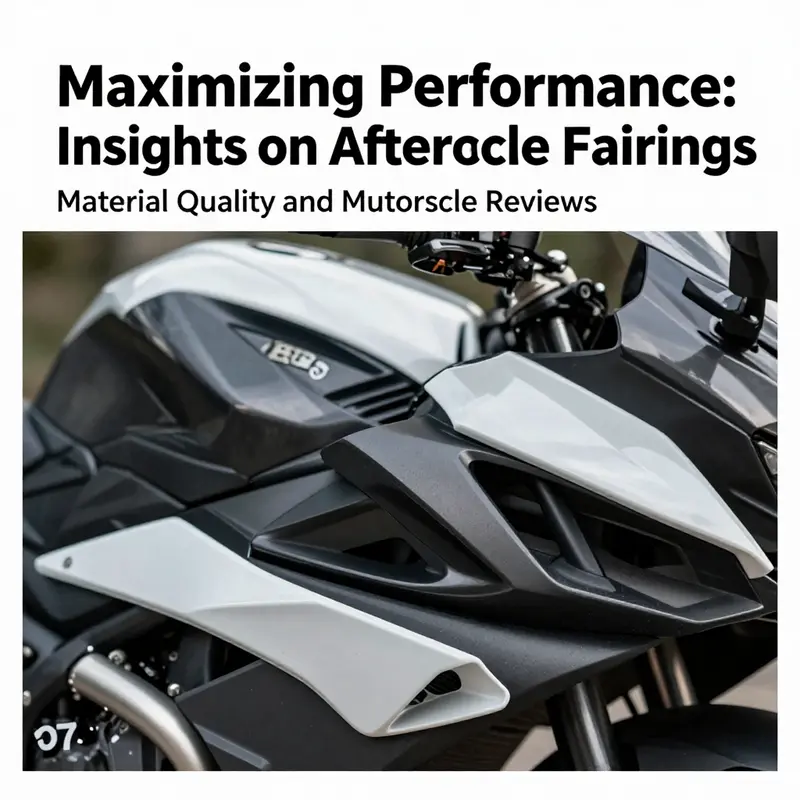
Choosing aftermarket motorcycle fairings is more than a matter of color and style. It is a careful assessment of how a component will perform under wind pressure, sustained vibration, and the occasional encounter with debris on the road. Because fairings are a rider’s first line of defense against heat, wind, and weather, their material quality directly translates into durability, maintainability, and value over the life of the bike. In practice, riders and procurement professionals weigh several intertwined factors: compatibility with the bike’s geometry, weight, ability to absorb impacts, resistance to UV light, and the ease with which damage can be repaired. When these elements align, the result is a fairing that not only looks right but behaves reliably through miles, seasons, and occasional mishaps.
At the core of durability lies the choice of material. The most common baseline is ABS—acrylonitrile-butadiene-styrene—a robust, mold-friendly thermoplastic that dominates both OEM and aftermarket fairings. ABS has earned its status because it blends strength with good impact resistance and processability. It forms well in mass production through injection molding, yielding consistent walls and predictable tolerances that ensure a snug fit and stable panel alignment. For riders, that predictability matters: a well-made ABS fairing is less prone to warping after heat exposure and tends to maintain its shape and color better through the long hours of sun and rain that a motorcycle endures. ABS’s balanced properties also mean that trims, fasteners, and mounting points stay aligned, reducing the risk of rattles or misfit over time.
Yet material quality is not a one-size-fits-all story. In the push for lighter bikes and higher performance, some manufacturers experiment with modified ABS formulations, or with PC/ABS blends that enhance toughness and UV resistance without a dramatic rise in cost. These blends aim to preserve the molding stability of ABS while improving long-term colorfastness and resistance to sun-induced yellowing. For riders who rack up high mileage or park in direct sun, such enhancements can translate into a fairing that maintains its finish longer, requiring fewer refinishing steps and less frequent replacement due to cosmetic wear. While ABS remains the backbone for most mainstream options, the evolution of blends offers meaningful gains in durability without tipping the scale toward premium prices for everyday riders.
Beyond purely thermoplastic choices, high-end or specialized applications may turn to composite materials, including carbon fiber-reinforced variants. Carbon fiber-based fairings provide impressive stiffness-to-weight ratios and exceptional overall rigidity, which can contribute to better aerodynamics and a slightly sharper steering feel by reducing flex. The trade-off, however, is significant. Composites tend to carry higher price points and are more challenging to repair after an impact. Cracks or delamination may require specialized repair work that is not as readily DIY as with ABS. For most riders, the practical middle ground remains high-quality ABS or ABS blends, which deliver robust performance, easier repair, and a more favorable total cost of ownership over the life of the bike.
Durability is not only about the base material; how the part is manufactured and finished plays a crucial role as well. Injection molding precision, wall thickness control, and wall-to-wall consistency determine how well the fairing resists flexing and stress cracks during riding. A fairing that is too thin in one area or that has inconsistent wall geometry will be more susceptible to impact damage and stress fractures. Manufacturers can also apply UV-protective coatings to protect color and surface integrity. Without UV protection, even a visually appealing finish can fade or chalk after extended sun exposure, which, in turn, makes repairs or color matching more difficult and costly. A durable surface finish reduces the likelihood of micro-scratches evolving into visible wear marks and helps preserve the fairing’s aesthetic appeal as the bike ages.
The actual performance of a material in the field is influenced by the operating environment. Highway speeds generate substantial wind pressure, and the fairing must retain its shape to minimize buffeting and noise. Vibration from the engine, road irregularities, and mounting hardware all contribute to long-term fatigue stresses that can cause seam separation or panel looseness if the material and its bonding are not up to the task. In this sense, the quality of adhesives, seals, and the method of attachment matter as much as the resin or blend used. A well-chosen material paired with precise tolerances and robust mounting hardware increases the fairing’s resistance to flex, reduces panel gaps, and preserves the overall integrity of the assembly over years of use.
Industry analyses consistently highlight ABS as the dominant material in both OEM and aftermarket fairings for this reason. A well-regarded study on performance and fit notes ABS’s ongoing popularity, particularly when balanced with quality manufacturing practices and protective finishes. While more exotic materials can push performance gains in theory, they bring cost, repair complexity, and potential maintenance considerations that many riders prefer to avoid. In other words, for most riders, high-quality ABS alloys provide the best mix of durability, weight, and repairability at a realistic price point. This conclusion resonates with the broader sentiment in the aftermarket community: the best value often comes from a thoughtfully engineered ABS solution rather than from chasing the most advanced composite under the sun.
From a lifecycle perspective, durability also includes ease of maintenance and the ability to restore or refresh the fairing after minor incidents. ABS is notorious for its reparability; light scratches and small dents can often be fixed with common plastic repair methods, sometimes without repainting. The ease of repair translates into lower downtime and lower maintenance costs after a tip or a minor encounter with road debris. This capability matters more than glossy aesthetics alone, because a fairing’s protective function is preserved even when cosmetic work is needed. Color matching, surface preparation, and coating choices all influence longevity. A fairing that holds its color and resist cracking through simple refinishing steps is, in the end, a more durable investment.
The market context also shapes durability expectations. The supply ecosystems in major manufacturing hubs—regions renowned for their integrated tooling, coating, and automation capabilities—enable consistent quality across batches. A vertically integrated supply chain can shorten lead times and maintain tighter control over tolerances, which reduces the likelihood of misfits that force customers to modify or replace panels prematurely. When a distributor or manufacturer can offer reliable compatibility across model ranges and years, it minimizes the risk of installation challenges that would otherwise compromise structural integrity and long-term durability. This reliability, in turn, supports a more predictable maintenance cycle and helps riders keep their bikes in peak condition with fewer surprises.
For riders navigating the market, the practical takeaway is straightforward. Prioritize materials known for stable performance under sun, heat, and impact, and look for manufacturers who emphasize precise fitment and durable surface finishes. Where possible, verify that the provider uses UV-protective coatings and consistent wall thicknesses that minimize flex without adding unnecessary weight. The decision is rarely about chasing the lightest option; it is about selecting a material and a manufacturing standard that together deliver durable protection, lasting aesthetics, and sensible repair options. If you are exploring the broader category of fairings for your ride, you can start with a reference point on a well-curated catalog that showcases a range of models and compatibility, such as the Honda fairings collection. Honda fairings collection.
Ultimately, while carbon fiber composites and advanced blends will continue to push the envelope, the current consensus among riders, repair specialists, and procurement professionals remains clear: high-quality ABS-based fairings offer the most reliable balance of durability, weight, cost, and ease of maintenance for the majority of use cases. This assessment aligns with the practical realities of ownership and supports informed decision-making when evaluating compatibility, finish quality, and the expected lifecycle value of aftermarket fairings. For readers seeking a broader perspective on how fairing materials influence performance and fit, a detailed external analysis provides additional context and comparisons. https://www.motorcycle.com/best-motorcycle-fairings-performance-fit
Molded for Performance: How Manufacturing Precision and Supplier Reliability Shape Aftermarket Motorcycle Fairings
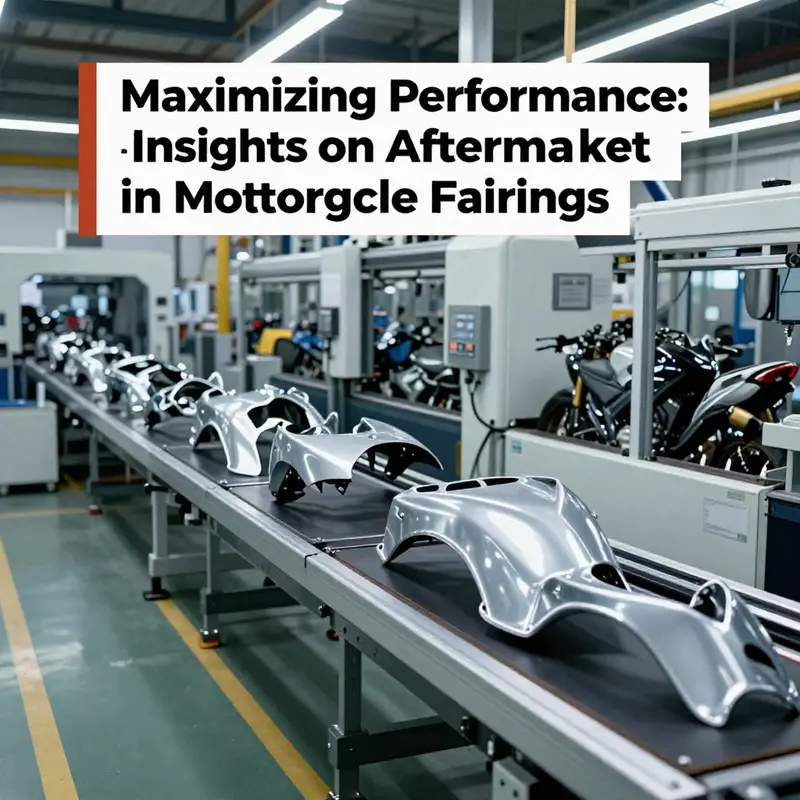
The quality and performance of aftermarket motorcycle fairings hinge on two interwoven strands: the manufacturing processes that shape the part and the reliability of the suppliers who deliver it. Taken together, these factors determine whether a kit will install cleanly, hold its alignment under wind pressures, and endure the sun, rain, and road debris that riders confront every mile. A fairing that looks right in photos but shows up with warped panels, mismatched mounting points, or a brittle surface is a poor investment, regardless of how attractively it’s priced. In this chapter, the focus is on the hands that press, mold, and finish the plastic and the hands that stand behind every lot of parts. The result is a narrative about precision, consistency, and accountability that riders and procurement professionals alike can use as a benchmark when weighing options for fit, durability, and long-term value.
At the core of any reliable aftermarket fairing is the manufacturing method. Injection molding is widely recognized as the superior technique for high-volume, high-precision parts. It delivers tight dimensional control, uniform wall thickness, and an uninterrupted surface finish that can be locked in with minimal post-processing. When fairings are produced with injection molding, the geometry aligns more predictably with the bike’s original mounting points and line constraints, which translates to smoother installation and a more aerodynamic profile with less need for improvisation or drilling. The material most commonly associated with this process is ABS and its high-grade variants, chosen for their blend of stiffness, impact resistance, and lightness. But the story doesn’t stop with a single plastic family. In today’s market, many manufacturers push further by using modified ABS blends, PC/ABS alloys, or reinforced composites. These materials may retain the responsive feel of standard ABS while improving UV resistance and color stability, a boon for riders who ride through prolonged sun exposure or who park their machines in bright climates. The end result is a fairing that not only looks right but resists yellowing and cracking that can creep into cheaper substitutes over time.
In contrast, compression molding—often adopted by lower-cost kits—tends to introduce challenges that can undermine long-term performance. Warping risks, inconsistent material distribution, and uneven wall thicknesses can lead to panels that flex under load, misalign with the headlight or fuel-tiller line, or fail to mate cleanly with the other bodywork pieces. For buyers who demand durability, especially in models that rack up miles or endure track sessions, the difference between injection molding and compression molding becomes visible quickly. The emphasis, then, is on seeking products produced via injection molding or, at minimum, kits that clearly demonstrate tight tolerances and robust post-mold finishing. The surface finish matters as well; a factory-like gloss or satin that holds its hue under UV exposure signals thoughtful tooling and protective coating work, two indicators of a mature supply chain rather than a rushed, off-brand fabrication line.
Material choice and processing quality feed directly into fit and longevity. Beyond the mold itself, attention to UV protection coatings, color matching, and the consistency of surface textures across batches is essential. A panel may appear visually correct in a showroom photo but can diverge after exposure to sun and rain if the coating system is under-protected or if a pigment variance exists between runs. This is why reputable suppliers emphasize not only the raw material specification but also the finishing steps—surface sealing, clear coats, and moisture barriers—that preserve gloss and resist micro-cracking. When combined with precise injection molding, these steps yield components that stay true to the OEM aesthetic while delivering reliable impact resistance and kept weight within expected ranges.
The reliability of a supplier is the second pillar supporting strong aftermarket performance. A supplier who can deliver consistent results across multiple production runs demonstrates more than technical capability; they show operational discipline and a systematic approach to quality. Several indicators help buyers assess supplier credibility in real-world terms. Reorder rate, for instance, serves as a practical proxy for customer satisfaction and product acceptance. A rate above a modest threshold suggests that buyers repeatedly return for successful parts, a signal of reliable performance under real-world riding conditions. Responsiveness is another critical metric. When design changes or fitment questions arise, a supplier that can respond within a half-day window—roughly six to eight hours—tends to keep projects moving and reduces downtime in assembly lines or workshop schedules. In the global ecosystem that surrounds aftermarket fairings, suppliers who demonstrate both high repeat purchase rates and rapid communication are typically backed by robust quality control processes, disciplined production planning, and an integrated logistics network.
Regionally, the market’s landscape is shaped by a mature manufacturing cluster in provinces known for plastic processing, molding innovation, and coating technology. This ecosystem, often centered in parts of southern China, enables factories to offer advanced molding capabilities, UV-protected coatings, and automated painting lines. The benefit for buyers is not solely faster turnaround times but the potential for vertically integrated supply chains that can shorten lead times and simplify the procurement process. A shorter, more predictable delivery cycle reduces the risk of project delays and helps maintain stock levels for critical models. The same regional strengths contribute to the ability to offer precise fitment across model years, provided the vendor has aligned their tooling and quality checks with the target bikes. When a supplier is able to demonstrate consistent batch-to-batch performance, it becomes easier to forecast milestones, manage inventory, and guarantee that a given fairing set will align with a specific brand and year, such as a known GSXR or CBR lineage.
For buyers, this is where compatibility and manufacturing excellence converge. A well-made part still must fit your bike’s exact geometry and mounting scheme. Compatibility remains the primary filter, because a superbly molded panel that does not align with the original installation points can create gaps, pressure points, or even safety concerns. Therefore, the best decisions balance proven manufacturing methods with verified fitment data and real-world user feedback. Independent reviews that confirm color accuracy, trim alignment, and continuity of the finish from fairing to fairing across model years are invaluable. In practice, buyers should seek documentation that links a specific kit to tested model years and to a verifiable set of mounting points. That documentation, when combined with an injection-molding pedigree and a track record of reliable fulfillment, offers a compelling case for long-term value over lower upfront costs.
For riders exploring options that align with their Suzuki GSXR 1000 or other capable platforms, the available fairing collections reflect the industry’s emphasis on compatibility, precision, and finish. See for instance the Suzuki fairings collection to gauge how different vendors approach fitment across generations and to compare how surface treatment and panel alignment are executed in practice. Suzuki GSXR-1000 fairings collection serves as a useful reference point for evaluating how a vendor translates tooling investments into a reliable, model-specific solution.
In practice, mature buyers will approach each purchase as a balance of three elements: manufacturing rigor, supplier reliability, and model-specific compatibility. This triad explains why some kits, though affordable, fail to deliver durable performance, while others that carry a higher upfront cost prove to be more economical in the long run through better fit, longer life, and fewer replacement cycles. It also clarifies why a B2B buyer may favor vendors with transparent material specifications, documented UV protection strategies, and a demonstrable history of meeting delivery promises. The overarching message is clear: the most successful aftermarket fairings are not merely cosmetic upgrades but engineered components that respect the bike’s original design language and performance envelope. They are the product of precise molding, conscientious finishing, and dependable partnerships that keep projects on schedule and riders safely and aesthetically satisfied.
External resource: For a broader view of how these considerations play into market guidance and professional assessments, see the Aftermarket Motorcycle Fairings Guide 2024 at CarInterior, which synthesizes industry insights into practical evaluation criteria. https://www.carinterior.com/aftermarket-motorcycle-fairings-guide-2024
Beyond the Sticker Price: Long-Term Value in Aftermarket Motorcycle Fairings
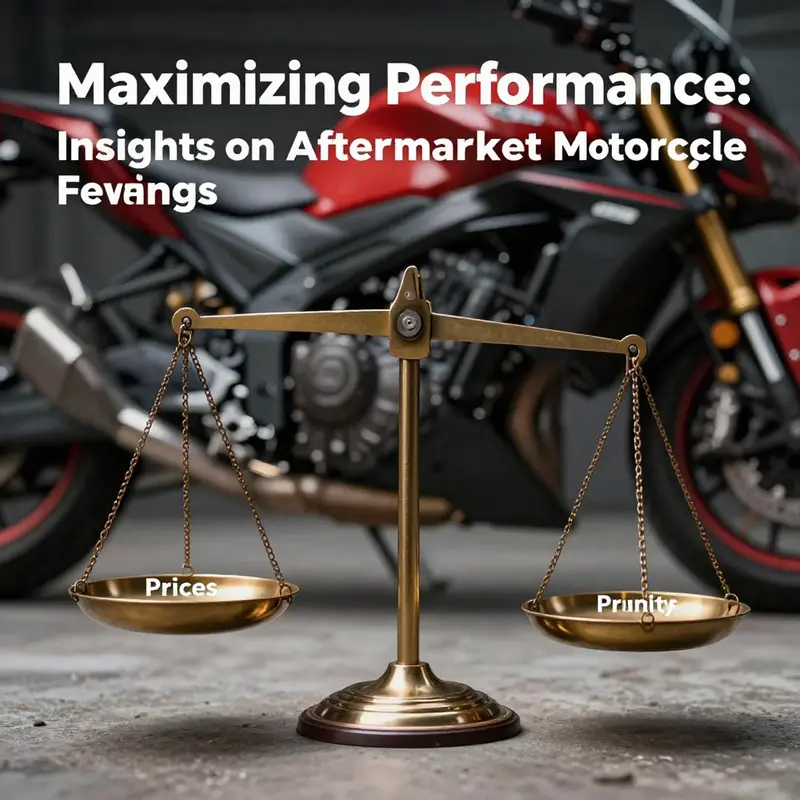
Value in aftermarket motorcycle fairings rarely reveals itself at first glance. The sticker price can mislead if it anchors perception too early in the decision. A holistic assessment of cost-effectiveness and long-term value requires tracing how a fairing performs through time, not merely how it costs at the moment of purchase. The most durable choices tend to be those that balance reasonable upfront expense with dependable fit, resilient materials, and reliable production practices. In the marketplace, these factors are not isolated; they interact to shape total ownership costs. When a buyer weighs options, the right choice feels less like a bargain hunt and more like a careful investment in aerodynamics, protection, and aesthetics that persist under sun, rain, and road stress. In short, true value emerges when a part maintains performance and appearance across seasons, miles, and years, while still aligning with a realistic budget for ongoing maintenance and replacements. It is this integrated perspective that separates smart purchases from quick wins that fade quickly in the rearview mirror.
Central to that integrated view is compatibility. The most consequential cost driver after price is the ease and accuracy of installation. A fairing that is designed for exact mounting points, consistent geometric dimensions, and precise point alignment minimizes the risk of misfit, vibration, and unintended aerodynamic changes. When fitment is off, even subtly, it can cause panel gaps, increased wind noise, or, more critically, interference with other bodywork or mounting brackets. In practice, this means that buyers should verify that the chosen fairing is specified for their brand, model, and year, rather than relying on generic claims of compatibility. A model-specific design helps ensure that all fasteners, radii, and attachment points line up as intended and that the final assembly maintains the intended silhouette and aerodynamic profile. The payoff is not only a cleaner install but also a reduction in the likelihood of costly modifications that add to total ownership cost over time.
Material choice then underpins the long-term story. The raw feel of a fairing’s composition translates directly into weight, stiffness, impact resistance, and resistance to environmental exposure. Original equipment manufacturers often employ high-grade ABS plastic, renowned for its balance of toughness and formability. Yet a growing cadre of aftermarket producers uses optimized variants—modified ABS, PC/ABS blends, or reinforced composites—that aim to improve rigidity without a prohibitive weight penalty. These materials typically bring better resistance to warping under heat and UV exposure, helping the color stay true and the surface finish resist fading after long hours in the sun. Importantly, the most cost-effective options typically deliver a range of performance over the life of the part: a fairing that holds its shape after an impact, maintains a consistent surface for paint, and resists discoloration will save the owner time and money that would otherwise be spent on paint touch-ups, refinishing, or panel replacement.
Beyond materials, the sophistication of manufacturing and the reliability of suppliers matter just as much. In mature production ecosystems, a cluster of factories specializes in injection molding, UV-protective coating, and automated spray-finishing. Regions with dense industrial ecosystems can offer not only competitive prices but also more consistent quality control and shorter lead times. The practical effect for buyers is twofold: faster turnaround for timely builds and fewer quality surprises that disrupt schedules and inflate costs. A vertically integrated local supply chain often translates into shorter production cycles and clearer communication, which helps buyers predict delivery windows with greater accuracy. The practical implication is straightforward: when a supplier can guarantee a higher level of process consistency and faster after-sales responsiveness, the risk of a misfit or a warranty claim declines, further strengthening long-term value. In this sense, the reliability of the supplier network becomes a hidden quality signal, signaling that the product is backed by repeatable manufacturing discipline rather than sporadic production bursts.
Another axis to consider is the overall life-cycle cost, which includes durability, maintenance, and potential resale value. Cheaper items may tempt buyers with a low initial price, but they frequently require more frequent replacement due to cracking, fading, or brittle edges that age poorly in exposure to heat and sun. Higher-quality aftermarket fairings, especially those engineered with stronger materials and tighter tolerances, tend to resist impact and weathering better. This resilience reduces the frequency of replacements, trims the cumulative maintenance burden, and preserves the appearance of the bike. In addition, if the fairing finish is designed for easier repainting or easier color matching at the time of future customization, it lowers accessory costs when the bike evolves or when an owner decides to refresh the look. The long view here is not simply about surviving a season but about sustaining performance, aesthetics, and value across multiple riding years. To that end, conscientious buyers often look for products backed by visible QA processes, transparent material specifications, and a documented track record of consistency in both fit and finish across batches.
A model-specific approach continues to pay dividends in the long run. When a fairing is tailored for a particular bike design, the installation tends to be more straightforward, with fewer necessary modifications or hacks. The result is fewer tool marks, tighter seams, and less risk of interference with other components such as mirrors, bodywork fasteners, or under-fairing hardware. The improved fit translates into better aerodynamics and handling characteristics, as well as reduced maintenance friction over time. For buyers who are weighing alternatives, prioritizing model-recognized fit can be a decisive factor in total cost of ownership. A well-matched panel system decreases the chance of vibration, paint cracking at mount points, or the need for repainting due to rubbing or misalignment. These are subtle but real costs that accumulate after the initial purchase, underscoring that compatibility is as much a value strategy as a compatibility check.
In practice, the smartest buyers combine a clear view of material performance with evidence of reputable manufacturing practices and model-specific fit. The result is a balanced equation: a fairing that is affordable relative to its durability, maintains its appearance under sunlight and weather, and installs cleanly without costly modifications. Where possible, evaluating independent reviews and professional assessments can provide a grounded sense of how a given option performs in real-world conditions. A fairing with consistently positive feedback on fit, finish, and service responsiveness tends to deliver better long-term value than one that only shines in product photography. For readers looking to explore options across brands while maintaining a focus on value, a practical step is to explore the Suzuki fairings collection, which illustrates how manufacturers balance cost with compatibility and finish across a broad range of models. This can help frame expectations about what a reasonable long-term investment looks like across various categories of aftermarket panels.
External perspectives can further illuminate what to expect in terms of long-term value. A thoughtful external resource on the economics of aftermarket fairings highlights the trade-offs between price and durability, offering grounded guidance on avoiding the pitfalls of ultra-cheap options that often fail to deliver expected performance. By reading widely and comparing accounts of fit, finish, and service, buyers can triangulate toward reliable suppliers and products that maintain their value over time. For a broader sense of where value originates in aftermarket fairings, readers may consult the external discussion that analyzes why some cheaper options end up costing more in the long run than sturdier, better-engineered alternatives. This broader context reinforces the takeaway that cost-effectiveness is a multi-faceted attribute, built from materials, manufacturing discipline, compatibility, and the willingness of a supplier to stand behind the product.
To grounding this discussion in a practical, browsable context, consider exploring a dedicated collection of fairings for Suzuki, which provides a concrete sense of how different lines balance price and quality while remaining faithful to the model-specific geometry that supports long-term value. This kind of model-focused catalog illustrates how manufacturers approach fit and finish, enabling buyers to compare options side by side and identify the configurations that deliver consistent, reliable results over years of use. In the end, the most meaningful measure of value is how well a fairing maintains its performance, resists the creep of time, and remains a visually compelling upgrade that does not demand continuous, costly attention. For readers who want a concise reference point on where to start, the Suzuki fairings catalog serves as a useful microcosm of broader market practice, highlighting how good compatibility, material choices, and manufacturing reliability converge to create lasting value.
External resource: How to Choose Cheap Motorcycle Fairings, Why Are They So Expensive? provides additional context on the tricky balance between initial price and long-term cost, offering perspectives that complement the discussion above. External resource
Rider Voices and Rigorous Evaluations: A Closer Look at Aftermarket Motorcycle Fairings
Rider feedback and professional evaluations together form a reliable compass for navigating the aftermarket fairing landscape. The most immediate impressions come from real-world use: how easy it is to install, whether the pieces align with existing mounting points, and if the overall look and fit feel true to the bike’s original design. Riders also notice practical details that tests may overlook, such as subtle wind noise or buffeting at highway speeds, how the fairing interacts with mirrors and wind screens, and whether the finish holds up after months of sun, rain, and road debris. These everyday, lived experiences provide a wealth of nuance that helps separate glossy promotional claims from actual performance on the road. Yet alone, user feedback can be variable, reflecting different riding styles, climates, and maintenance practices. This is why professional evaluations—conducted by engineers, material scientists, and track testers—are essential to balance subjective impressions with objective data. When the two sources converge, riders gain confidence that the aftermarket option not only looks right but behaves predictably under dynamic load and high speeds.
Fitment is the most tangible pain point for many riders. Compatibility is not merely a matter of color or emblem; it hinges on precise geometry, hole patterns, thread sizes, and the way the new fairing interacts with the bike’s radiator shrouds, airbags, and under-tair components. A misaligned panel can introduce rattles, misfit gaps, or added vibration that compounds over miles and seasons. Professional assessments often document these fitment nuances with meticulous measurements and standardized fit checks across model years. As a result, buyers who rely on both forums and formal reviews tend to set lower risk on models with consistent real-world fitment and higher confidence in those with clear, data-backed fit reports. This approach echoes practical purchasing wisdom: verify compatibility against your exact year, model, and trim level before committing.
Material science undergirds the durability and performance riders expect from a fairing. OEM pieces have long set the standard with durable ABS formulations, but the aftermarket sector has pursued competitive alternatives. Modern aftermarket options commonly use modified ABS blends, PC/ABS alloys, or reinforced composites. These families offer a triad of advantages: resilient impact resistance, reduced weight, and improved UV stability to minimize color fading after prolonged sun exposure. In the arena of track days and aggressive street riding, even marginal weight reductions can translate into more responsive handling and quicker chassis reactions. Yet weight alone does not determine quality; the way a material absorbs energy during a collision and how it recovers after impact also matters. When tested under controlled impact scenarios, some aftermarket composites demonstrate energy absorption comparable to OEM plastics, while maintaining the cosmetic and aerodynamic integrity riders expect. This convergence of performance and value is precisely why material selection merits careful reading of both marketing materials and independent tests.
From the manufacturing and supplier side, the reliability of the supply chain shapes what riders experience as consistency over time. The major production corridors in regions known for high-volume injection molding and precision finishing contribute significantly to this consistency. Factories with established processes for multi-shot molding, UV-protective coatings, and automated painting can achieve tighter tolerances and more uniform color across batches. For businesses purchasing at scale, vertical integration within these regional ecosystems can shorten lead times and improve delivery reliability. The ability to offer streamlined logistics—sometimes with door-to-door delivery and simplified import processes—reduces total ownership costs and lowers the barrier for professional teams to specify aftermarket parts in race prep or fleet upgrades. When buyers have access to transparent production standards and clear supply assurances, they gain confidence that the fairings they install will not only fit today but remain dependable across multiple seasons of riding.
Price is a consideration, but it should be weighed against long-term value. Some aftermarket fairings sit well below OEM pricing, yet deliver convincing aesthetics and protective capabilities. The defining question is whether the lower price means compromised fit, reduced impact resistance, or a finish that fades or chips within months. Experienced buyers frequently triangulate judgments by cross-referencing user feedback with independent test reports and the manufacturer’s technical documents. In the modern landscape, credible sources report that high-quality ABS-based aftermarket fairings can rival OEMs on visual accuracy and fit, offering substantial cost savings without sacrificing essential performance. For riders who push their machines on the track, more exotic options—such as carbon fiber or glass fiber composites—are available. These materials can reduce mass and sharpen throttle response and steering input, yet they demand careful consideration of cost, long-term durability, and repairability. The higher price and heightened sensitivity to impact damage make them best suited for racers or dedicated enthusiasts who monitor maintenance rigorously and practice precise handling.
The most trustworthy purchasing path blends what riders share in communities with what professional evaluations reveal in controlled settings. When a fairing’s performance aligns across both audiences—meaning riders report reliable fitment and pleasant day-to-day usability, and engineers confirm material robustness and aerodynamic efficiency—the product earns lasting credibility. The growing depth of both user experiences and standardized testing helps buyers distinguish between fleeting aesthetics and durable performance. For readers who want concrete examples of how aftermarket sets can meet OEM-inspired standards while offering compelling value, consider exploring a wider catalog that demonstrates the breadth of compatibility and finishes available, such as the Honda fairings collection, which provides a representative reference point for fitment and styling across generations. This kind of resource can help prospective buyers cross-check model-specific details and judge where a given option sits on the spectrum of fidelity to the original and practicality for daily riding. Honda fairings collection offers a tangible glimpse into how aftermarket lines are organized around compatibility and aesthetics, reinforcing the idea that credible reviews should be anchored in the specific bike you own and the riding you do.
For a broader industry benchmark, readers can consult independent testing and reviews that synthesize user feedback with laboratory measurements and track results. A robust, up-to-date reference is available from Motorcycle.com, which curates a comparison between aftermarket fairings and OEM components, weighing fit, protection, materials, and pricing in a single, coherent evaluation. This external resource highlights how the market has evolved toward balancing cost competitiveness with performance integrity and underscores the value of triangulating multiple information sources before making a purchase.
In sum, the synthesis of rider feedback and professional evaluations yields the most reliable compass for aftermarket fairings. Compatibility, material quality, manufacturing reliability, and thoughtful price-to-performance assessments together illuminate which options offer real long-term value. The optimal choice respects your bike’s exact specification, aligns with your riding demands—whether daily commuting, spirited canyon carving, or track work—and stands up to the test of time, in both aesthetics and protection. When these elements converge, the aftermarket fairing not only complements the machine’s silhouette but enhances its behavior on the road and on the racetrack. External benchmarks and credible internal references should be read side by side to ensure the final selection truly earns its place on the bike you ride.
External resource: https://www.motorcycle.com/aftermarket-fairings-review-2026
Final thoughts
By comprehensively reviewing aftermarket motorcycle fairings through the lenses of compatibility, material quality, manufacturing processes, cost-effectiveness, and user feedback, business owners can enhance their product offerings and ensure customer satisfaction. Each of these factors plays a vital role in driving decisions that affect your bottom line. Embracing this knowledge paves the way for informed choices that not only benefit your store but also resonate with the motorcycle community, ultimately enhancing your business’s credibility and growth potential.