
For business owners in the automotive and motorcycle sectors, understanding the intricacies of aftermarket motorcycle fairings for the Honda CB500F can open new avenues for product offerings and customer satisfaction. With a broad range of materials, varying sources of supply, and exciting custom design options, the aftermarket fairing market is booming. Each chapter will enlighten readers about material considerations, popular sources, and the potential of custom designs to attract more customers, ensuring businesses stay ahead in the competitive landscape.
Built to Last: Choosing the Best Fairing Material for Your CB500F
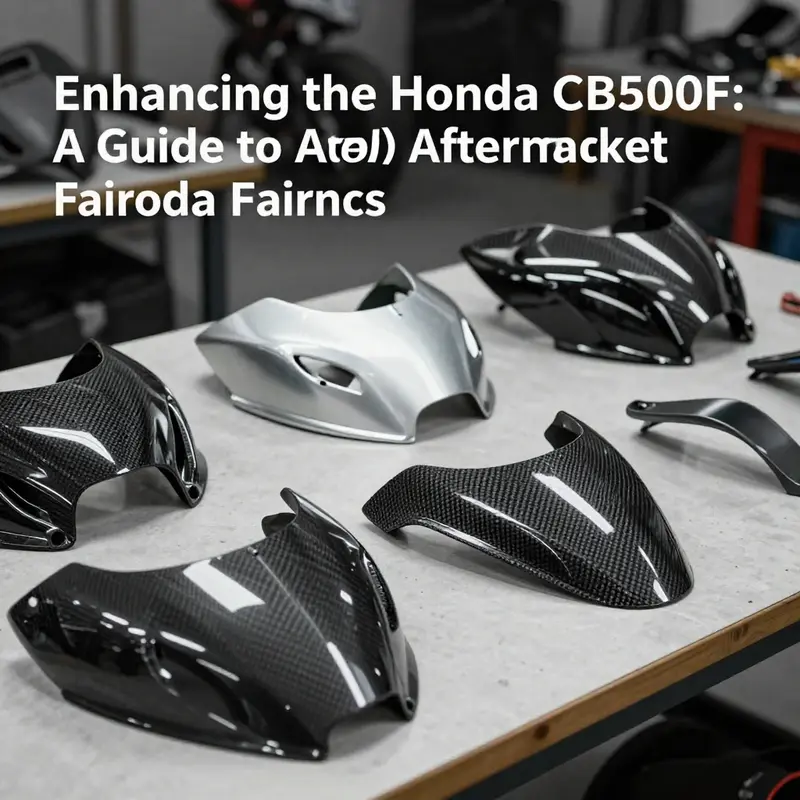
Material shapes more than looks on a CB500F. The fairing you choose determines durability, repair options, finish quality, and how the bike behaves after a tip‑over. For riders focused on upgrading or replacing fairings, material selection is the single most important decision. It influences everything from day‑to‑day resilience to long‑term cost. This chapter walks through the practical realities of the three common choices. It explains why injection‑molded ABS often makes the most sense for CB500F owners, and when fiberglass or carbon fiber might be the right pick.
Injection‑molded ABS frequently leads the list for aftermarket fairings. Its appeal is simple and measurable. Injection molding produces consistent thickness and precisely formed mounting points. That means panels that line up with the CB500F’s frame and stay aligned after installation. ABS itself blends strength with flexibility. Under a low‑speed slide, a quality ABS panel will flex and return to shape. It absorbs knocks without shattering, which keeps repairs minor. ABS is also forgiving during installation. Tabs and screw bosses made from ABS allow bolts to bite without splitting as easily as more brittle materials.
Cost and finish are also strong reasons to choose ABS. It is significantly cheaper to produce than carbon fiber and less labor‑intensive than hand‑laid fiberglass. That lower cost translates to accessible replacement panels. Many ABS sets come pre‑finished from the factory in a smooth surface ready for paint. When paint is required, ABS accepts automotive flexible primers and topcoats well, provided the surface is properly prepared. A proper sanding and the right adhesion promoter are essential. Done correctly, the paint will bond and flex with the panel, reducing chance of cracking at screw holes and edges.
Durability in real world riding matters more than spec sheets. ABS resists road debris, UV exposure, and continuous vibration. It holds up under the daily knocks that commuter and sport riders encounter. ABS repairs are straightforward. Minor cracks can often be repaired with plastic welding or special two‑part adhesives, then reinforced internally. Because of this ease of repair, ABS is the most practical option for riders who want a long‑lasting, serviceable solution without frequent trips to a body shop.
Fiberglass has a place, but it plays a different role. It is lighter and easier to shape. Builders and custom shops favor fiberglass when they need to alter fit, reshape surfaces, or create one‑off pieces. For a rider who wants a unique silhouette or needs to adapt panels to custom brackets, fiberglass allows more hands‑on modification.
However, fiberglass panels have trade‑offs. They tend to be more brittle than ABS. A direct impact can crack fiberglass where ABS would flex. The failure mode is different: instead of deforming, fiberglass breaks into sharper fragments. Repair is possible; patches of woven cloth and resin restore structure. But the process is more time consuming and heavier after repair than ABS fixes. Fiberglass also demands more finishing work. Many aftermarket fiberglass pieces arrive with a gelcoat surface that requires sanding and multiple coats of primer to achieve a smooth, durable finish.
Carbon fiber promises the most dramatic gains in weight savings and aesthetics. The visual appeal of visible weave and gloss clear coat is undeniable. For racers chasing every gram of savings, carbon fiber can trim weight and add stiffness. On a stripped‑down track machine, that can matter.
For street riders, though, carbon fiber introduces considerations worth weighing. High‑quality carbon fiber panels command a premium price. The material is more fragile under localized impact. A small point load can split the resin matrix, creating delamination that is costly to repair. Repairs require specialized materials and techniques; a quick patch is rarely sufficient. In some aftermarket carbon options the visible weave is simply a thin cosmetic layer over a cheaper substrate. Those hybrid pieces may offer the look of carbon but not the structural benefits.
Beyond the raw material properties, manufacturing method is critical. Injection molding yields uniform pieces with repeatable tolerances. When a supplier uses proper molds, the fitment across a kit will be consistent. Thermoforming and vacuum forming can produce acceptable parts too, but they often result in variable thickness. That variability affects how the fairings hold up around mounting points and edges. If you want the best chance of straightforward installation and long‑term fit, prioritize parts described as injection‑molded ABS.
Thickness and flex characteristics matter within each material class. Thicker ABS panels resist deformation and stand up better to repeated stress. But extra thickness increases weight and can make panels stiffer, which transfers force to mounting hardware. A balanced thickness that provides resilience while still allowing controlled flex is ideal for the CB500F. For fiberglass, adding a backing layer or using woven instead of chopped strand mat improves impact tolerance. For carbon, the layup schedule and resin system determine stiffness and toughness more than the visual weave.
Paint and finish are frequently overlooked factors that affect satisfaction. Pre‑painted kits can be tempting. They offer a ready‑to‑install look out of the box. But paint quality is widely variable. Low‑cost painted sets can show orange peel, uneven coverage, or weak clear coats. Poor paint adhesion often stems from inadequate surface prep at the factory. Raw panels require prep work. On ABS, an adhesion promoter followed by flexible primer and several thin top coats yields the best outcome. For fiberglass and carbon fiber, proper sanding and a compatible primer system are essential to avoid cracking and delamination under normal flex and vibration.
Mounting hardware and the state of the fasteners play a big role in preserving fairing life. Using the correct grommets and bushings prevents stress concentrations. Replace worn rubber grommets and brittle plastic washers. Consider stainless fasteners for corrosion resistance. Avoid over‑torquing bolts. Over‑tightening can create stress risers that lead to cracks, no matter the fairing material.
Shipping and packaging influence the condition of aftermarket fairings upon arrival. Panels can be damaged in transit, causing cracks or deformed edges that compromise fit. Reliable suppliers use reinforced corners, foam blocks, and sturdy boxes. Ask sellers about packaging standards and look for photos from recent customers documenting how parts arrived. If possible, choose vendors with a clear returns policy for damage in shipping.
Year‑specific fitment is another essential check. The CB500F underwent styling updates across model years. Slight changes to the headlight area, brackets, or side profile affect whether a given fairing will bolt on cleanly. Confirm the part fits your exact year and trim. If a listing references a range of years, request clear photos of the mounting patterns. Small mismatches in hole placement will require drilling and modification. If you prefer a plug‑and‑play swap, insist on verified fitment.
Aesthetics and functional design can overlap. Aerodynamic shape, venting, and panel joints affect airflow and cooling. Some aftermarket fairings change how air reaches the radiator and engine. Verify that vents and ducting align with the stock cooling layout. The wrong design can reduce airflow or change pressure balance, increasing engine temperatures. If you plan to use the bike for spirited riding or warm climates, choose a fairing that preserves proper cooling paths.
Practical considerations also include repairability and long‑term costs. ABS is easiest to repair with basic tools. Proprietary adhesives and plastic welding kits make field repairs practical. Fiberglass repairs require resin, cloth, and finishing materials. Carbon fiber repairs often need specialist epoxy systems. When assessing total ownership cost, include the likelihood and expense of repair after a drop.
For riders seeking a middle ground between durability and appearance, hybrid approaches work well. An ABS kit with a carbon fiber wrap or bonded carbon aesthetic panel gives the look without the fragility. Alternatively, selective use of carbon fiber for upper cowls or tail sections keeps weight savings in key areas while relying on ABS for lower panels that face more debris and contact.
Buying advice distilled into action items helps you avoid common pitfalls. First, always confirm the listed material. If a seller’s description is vague, ask directly whether pieces are injection‑molded ABS, fiberglass, or genuine carbon fiber. Second, request pictures of the inner surface and mounting points. Look for reinforced bosses, consistent wall thickness, and clean mold lines. Third, check what hardware is included. Some kits omit key grommets or bolts, increasing your installation cost. Fourth, read customer photos and reviews. Real installation images reveal fitment and finish details that product shots hide. Fifth, verify return and warranty terms. A fairing that ships damaged can still be an acceptable purchase if the supplier offers prompt replacement and covers shipping.
Installation planning will save time and frustration. Test‑fit all panels before painting. Ensure alignment across the front cowl, side cheeks, and tail sections. Mark and test each screw hole. If minor trimming is required, do it gradually. Use masking tape to protect adjacent surfaces. When drilling new holes, back the drill with a scrap block to prevent breakout on the inside surface. Use proper torque settings and replace damaged clips immediately. Small errors during installation compound into rattles and stress points later.
Environmental factors also influence material choice. UV exposure degrades polymers and resins over time. ABS can yellow under intense sun. Choose a quality UV‑stable paint and clear coat system. Fiberglass gelcoat can chalk and fade. Carbon fiber clear coats protect the weave but may require UV inhibitors to prevent ambering. If you park outside frequently, prioritize UV resistance and consider protective care products.
Weight and performance differences between materials are often smaller than expected for street use. The CB500F is not a naked race chassis where every ounce matters. The practical benefits of lighter panels are most felt in competitive settings where repeated aggressive maneuvers make a difference. For daily riding, durability and cost tend to be more meaningful gains than minor weight reductions.
Finally, think long term. A fairing is more than cosmetic. It becomes part of your bike’s structure and affects maintenance access. Prioritize panels that preserve service points and allow simple removal for routine checks. Choose materials that match your riding style. If you ride daily in urban conditions, choose durability. If you build a show bike or track mount, choose the lightest or most aesthetic option that fits your budget.
For riders who want a straightforward recommendation, injection‑molded ABS offers the best overall balance for the CB500F. It provides reliable fitment, strong impact resistance, cost efficiency, and straightforward repair paths. Fiberglass works when customization or shaping is required. Carbon fiber suits specialized use cases where cost and repair complexity are acceptable trade‑offs for weight savings and looks.
When researching suppliers, look for clear descriptions about materials and manufacturing methods. If you want to browse a range of Honda fairing options before deciding, the Honda fairings collection can be a useful place to compare styles and construction techniques.
For more technical guidance on what to look for in motorcycle fairings, see this motorcycle fairings guide. (External reference: https://www.carinterior.com/motorcycle-fairings-guide-what-to-look-for/)
Navigating the Market for CB500F Aftermarket Fairings: A Rider’s Guide to Sources, Fit, and Style
The Honda CB500F invites riders to rethink its naked-road identity through the look and feel of its fairing assembly. The fairing is more than a cosmetic shell; it shapes the bike’s aerodynamics, protection, and how the rider connects with the road. In the aftermarket landscape, the search for a set that fits well, lasts, and reflects a rider’s personal mood can feel like navigating a bazaar of options. This chapter travels through the most influential sources, what makes each source reliable, and how to balance aesthetics with function, so a CB500F owner can move from browsing to a confident upgrade without getting lost in the blur of choices. The journey begins with the broad terrain of online marketplaces where fairings surface in abundance, then narrows to the specialized stores that frame compatibility around specific model years and configurations. It is not merely a matter of ownership, but of alignment—alignment of materials, fit, finish, and the mechanical realities that underlie precise installation. A well-chosen aftermarket kit can elevate the CB500F’s stance, create a more integrated wind profile, and deliver a surface worthy of a rider’s pride, yet it must be matched with care to the bike’s structural points, mounting hardware, and paint compatibility. The market’s complexity is a feature, not a flaw, because it compels a buyer to understand what truly matters when upgrading a machine that thrives on balance, maneuverability, and a practical, sport-touring persona. Within that complexity, three core ideas emerge as touchstones: material integrity, precise fit, and a coherent aesthetic that remains harmonious with the bike’s original lines while still allowing a personal statement to register in the saddle and on the street. The first consideration is material consistency. The most durable aftermarket assemblies for a CB500F tend to rely on injection-molded ABS or other high-quality plastics that mirror the stiffness, impact resistance, and surface behavior of factory panels. ABS, when properly processed and finished, offers the best combination of rigidity, light weight, and resilience to common riding hazards such as gravel, nails, or a light scrape at a stoplight. It also accepts paint and clear coats with predictable adhesion, gloss, and color retention when prepared with correct primers and base coats. For a rider who intends to ride daily and occasionally push toward the edge of performance, material quality translates directly into longer service life and fewer repaint cycles. The second core idea—fit and installation—turns on the relationship between the panel geometry and the bike’s mounting points. The CB500F’s mid-size chassis presents a frame with position-sensitive screw patterns, multiple clip points, and sometimes subtle variances between model years that affect how a fairing kit aligns with the headstock, radiator guards, and side panels. A kit described as a direct replacement should, on paper, align with the same mounting tabs, grommets, and fastener points as the stock pieces. In practice, the most reliable options come from retailers and brands that publish explicit year- and model-specific compatibility lists. Even then, some fine-tuning is almost inevitable: aligning gaps to achieve uniform seams, ensuring that the lower panels do not rub the front tire at full lock, and confirming that the windscreen’s angle and height do not introduce new air-bleed paths that alter buffeting. Those details matter not only to aesthetics but to the rider’s comfort and the bike’s overall handling. The third guiding thread—finish and attention to color match—also deserves careful attention. A visually coherent kit avoids the jarring effect of mismatched hues where a panel slides into view during cornering or braking. The paint quality should be stable under UV exposure and temperature cycling, with clear coats that resist hazing and peel. In practice, this means looking for canvases that have been prepared to accept durable top coats, with surfaces that respond evenly to sanding and polishing. The end result is a surface that remains vibrant through miles on the road, rather than one that reveals wear long before the bike accumulates its first full season’s worth of road scuffs. With these fundamentals in mind, the market reveals itself as a tapestry of sourcing options, each with its own strengths and caveats. Large general marketplaces host broad inventories, including a mix of new and used panels. The sheer volume is a relief for price-sensitive riders who want to compare options quickly, but it also requires diligence. When shopping in that kind of venue, a rider should filter for compatibility with the CB500F, verify return policies, and scrutinize photos for signs of wear, fitment issues, or non-standard attachments that might complicate installation. The risk here is not only a potential misfit, but a mismatch in material quality—an off-brand plastic that looks similar in a photo but fails to hold its shape after a few highway miles or a cold morning start. In contrast, specialized motorcycle parts retailers tend to curate their listings around models and years, offering more precise fitment data, paint-ready finishes, and, in some cases, direct replacement kits that promise straightforward installation. These retailers can present carbon-fiber options or composite shell sets that balance weight, rigidity, and cost. The climb in price often tracks to the sophistication of the materials, the degree of surface finish, and the availability of mounting hardware that aligns with the bike’s original engineering. For riders who value originality, carbon fiber or carbon-inspired panels can deliver a performance-driven aesthetic—an impression of speed and precision without altering the fundamental ergonomics of the machine. It is in these specialist channels that one can expect to find clear compatibility notes for the CB500F across different production windows. These notes help riders discern whether a kit was designed for the early 2013–2015 frames or the later 2016–2018 revisions, and whether the set includes the full upper fairing, side panels, lower fairings, or half-fairing configurations that some sport-touring enthusiasts favor. The availability of half-fairing configurations, for example, signals a shift toward balancing aerodynamics with practical access to the engine and radiator during maintenance. It also speaks to a broader trend in the riding community: many riders are seeking not just a glossy exterior, but a modular aesthetic that can be adapted over time as styles evolve and riding needs change. Another facet of the sourcing conversation centers on information and education. Reputable sources provide more than product images; they deliver application guides, measurements, and installation tips that help a prospective buyer anticipate how the panels will align with existing hardware and whether any modifications will be necessary. Detailed technical overviews, like those found in independent rider-focused publications, help set expectations about performance implications and aesthetic outcomes. They might discuss how a particular kit changes the bike’s profile at speed or how it affects cornering clearance, not in speculative terms, but with measured observations gleaned from testing and rider feedback. Such reviews encourage buyers to weigh the value of a kit not only by its visual impact but by its contribution to the bike’s daily practicality and long-term reliability. In this landscape, an important but often overlooked thread is the role of installation ease and the quality of included hardware. Some kits are engineered as direct replacements with pre-drilled mounting points and factory-style fasteners, while others require a bit more hands-on alignment, possibly with solution-driven short-cuts like self-tapping screws or alternative mounting brackets. A thoughtful buyer will examine whether the kit includes looms for electrical connections, considerations for fairing stay adjustments, and alignment references that confirm the panels sit flush against the frame once torqued to spec. The value of a precise fit extends beyond the eye; it reduces rattling, preserves paint integrity, and minimizes hotspots where vibration could contribute to long-term panel fatigue. One of the practical realities in this space is the existence of year-specific differences. The CB500F, like many mid-displacement sport bikes, saw incremental refinements across model years. Some fairing sets are designed to be universal within a narrow year band, while others claim broader compatibility but produce variable results in real-world installation. The prudent approach is to confirm the exact year and sub-model compatibility, and to seek confirmation from the retailer about any known fitment quirks or required adjustments. This approach is not a sign of pessimism; it is a pathway to predictability, ensuring that investment yields lasting satisfaction rather than a fleeting, mismatched aesthetic. Beyond the mechanics of material and fit, the philosophical dimension of selecting an aftermarket fairing kit centers on how riders want their CB500F to speak to the world. The naked bike’s original silhouette is balanced and compact, and the fairing choice should complement that balance while offering room for personal expression. Some riders gravitate toward a clean, factory-aligned look that preserves the bike’s understated lines, while others experiment with more aggressive angles, higher windscreens, or carbon textures that conjure a race-inspired character. Either direction is valid as long as the choice aligns with the rider’s daily use, maintenance habits, and tolerance for upkeep. It is also worth acknowledging the role of community knowledge in making informed decisions. Riders often exchange notes about their experiences with specific kits, detailing what to expect during installation, how the paint held up after a season of mileage, and whether the panels required refinishing due to sun exposure. This tacit knowledge—gained through hands-on use—can prove more valuable than glossy product pages and can save a buyer from common errors. The modern rider has a broader range of sources than ever before, yet the core of a satisfying upgrade remains consistent: choose materials that behave well under stress, verify fit against the exact bike year, and select a finish that stands up to the realities of daily riding. One practical way to navigate these choices is to visualize the entire upgrade as a single journey rather than a series of separate purchases. Start by mapping the exact year of your CB500F and the intended riding style. Decide whether you want a complete fairing set or a partial kit. Consider whether a carbon-fiber option or a high-grade ABS variant better suits your goals for stiffness, weight, and finish longevity. Then, when you browse, target retailers who publish explicit fitment data and provide installation guidance. In the end, the objective is a cohesive upgrade that respects the bike’s geometry and preserves or enhances the riding experience. An appropriate final step is to engage with the sources that frame the CB500F’s aftermarket ecosystem. The chapter’s guiding thread is to identify robust, reputable channels that consistently deliver accurate compatibility information and high-quality materials. The broad marketplaces can be fertile ground for initial exploration, but the most reliable, year-specific options generally emerge from specialist catalogs that treat the CB500F with the attention it deserves. These catalogs frequently present a choice spectrum—from cost-conscious, paint-ready ABS kits to premium carbon alternatives—while keeping the installation straightforward for riders who are documenting the upgrade themselves. It is in this synthesis of access, accuracy, and quality that the value of the best sources is finally measured. Riders who invest the time to study compatibility notes, assess material properties, and understand the installation requirements often conclude that the upgrade is less about a single panel and more about achieving a unified aesthetic and performance package. One practical takeaway from the broader market is to treat the fairing selection as a step in a larger project—one that might include adjusting plastics, rechecking air flow around the radiator area, or even considering a windscreen that integrates with the new profile. In this sense, the process mirrors a well-planned refurbishment: it starts with a clear objective, builds on precise data, and ends with a result that harmonizes styling with function. For readers who want a point of entry into the landscape of CB500F fairings, a considered approach is to begin with a catalog that focuses on Honda-compatible sets, and then expand to sources that share detailed fitment notes and real-world installation guidance. The path from curiosity to confidence hinges on choosing sources that acknowledge the bike’s year-specific nuances and that present a transparent picture of what the kit includes and what may require additional hardware or refinishing. As with any significant rider modification, the final decision rests on a blend of practicality and personality. The CB500F remains a versatile platform; its fairing system offers a canvas that can reflect a rider’s daily grind as well as weekend enthusiasm. The best sources recognize this dual purpose and present options that respect both the pragmatic realities of maintenance and the expressive aspiration of the rider. When cross-checking options, it can be helpful to review a few essential questions: Will the kit align with my bike’s frame anchors and mounting points? Does the finish align with the current color and tone of the rest of the bike? Is the total package compatible with my maintenance routine, including access to the engine, radiator, and other core components? And finally, does the source provide clear guidance about painting, prep work, and any required alterations to maintain full wind protection and highway stability? The answer, for many CB500F enthusiasts, lies in a balanced mix of careful material choice, precise fitment, and thoughtful aesthetics, guided by sources that respect the bike’s design language and the rider’s expectations. For readers who want to explore further, a practical starting point in the online landscape is a catalog that curates Honda-compatible fairings, offering a focused view of the options that matter most to the CB500F community. This option often presents a straightforward path to comparing different finishes and configurations without wading through unrelated compatibility notes. By engaging with such a resource, a rider can develop a clearer sense of which direction suits their bike—whether that means a clean, stock-like appearance or a bolder, carbon-textured statement that signals sport-touring intent. A final reminder remains relevant: the best choice is not the most expensive or the most visible option, but the one that preserves the CB500F’s reliability, fits well, and aligns with the rider’s goals. The journey to a more personal, capable bike benefits from patient research, careful assessment of materials, and an understanding of how a fairing assembly interacts with the mechanical realities beneath the surface. In this way, the CB500F’s aftermarket fairing market becomes not just a shopping trip but a thoughtful progression toward a bike that better reflects who the rider is while maintaining the steady, well-balanced core that makes the CB500F appealing in the first place. For those who want a concrete starting point within the broader ecosystem, a visit to a focused catalog can serve as a useful compass on the map of choices. The catalog organizes options around fitment, material type, and finish quality, guiding a rider toward a category that best matches their aims—whether a simple restoration, a modest styling update, or a more aggressive, performance-oriented profile. In exploring sources, riders should remember that the report of a fairing’s success is not simply measured by its gloss under showroom lights but by its behavior on the road: the way it preserves the bike’s balance, the ease with which it can be maintained, and how it endures the miles that shape a rider’s relationship with the machine. A good source will translate those rider experiences into reliable expectations, offering practical tips, common pitfalls, and real-world data about fit and finish. The CB500F community thrives when information is precise and accessible, enabling riders to move from curiosity to confidence with a sense of shared understanding. The end goal remains an upgraded machine that feels like it always belonged to the rider, with the fairing acting as a functional, protective, and expressive shell that respects the bike’s heritage while inviting personal interpretation. For readers who want to test the waters further, the next step is to compare a few carefully chosen options from a source that emphasizes year-specific compatibility and straightforward installation. A careful evaluation of the kit’s hardware, included instructions, and the presence of any necessary adapters will often reveal the most practical path forward. In this sense, the aftermarket world for the CB500F continues to offer a balanced blend of accessibility, craftsmanship, and customization potential, inviting riders to participate in a process that respects the bike’s core virtues while inviting a new surface language to speak for the road ahead. External resource: https://www.motorcycle.com
Internal link for further exploration: Summit Fairings Honda fairings
Tailoring the Look and Fit: Custom Design Strategies for CB500F Aftermarket Fairings
Tailoring the Look and Fit: Custom Design Strategies for CB500F Aftermarket Fairings
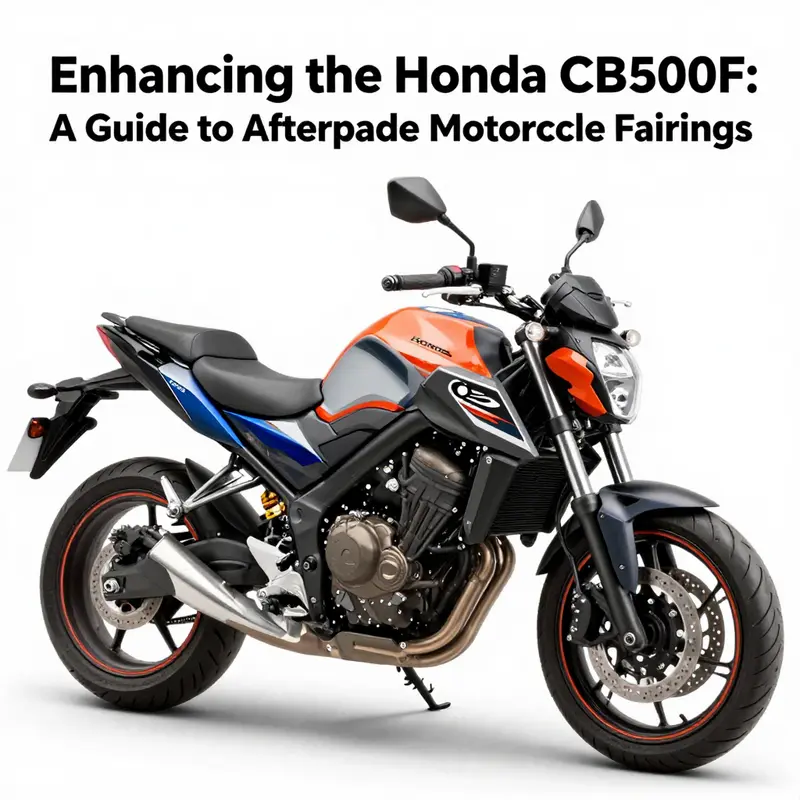
Choosing a custom design for aftermarket fairings on a Honda CB500F is part aesthetic decision and part engineering judgment. The right custom option transforms the bike’s presence on the road while preserving ride quality, cooling, and rider ergonomics. A successful change starts with a clear goal. Do you want a near-factory appearance, a bold track-inspired makeover, a lightweight race-style conversion, or a one-off visual statement? Once the goal is set, decisions about materials, fit, finish, and installation follow in a logical sequence.
Materials determine much of the outcome. Injection-molded ABS remains the most reliable option for street-focused riders. It balances toughness with flexibility and resists cracking from small impacts and vibration. When panels are injection-molded from ABS, fitment tends to be predictable. Edges align with factory tabs and mounting points are generally consistent. That makes installation simpler and reduces the need for trimming or filler. Some suppliers use hybrid composites that blend plastic resins with reinforcing fibers to reduce weight while maintaining impact resistance. These blends can offer a noticeable drop in mass and a sportier feel, but confirm the exact composition before purchase. Pure carbon fiber panels are available for those focused on weight and show. They can be very strong and light, but quality varies. Layup technique, weave consistency, and resin saturation affect both appearance and strength. In many cases, carbon panels are best suited to cosmetic use rather than high-impact environments unless produced to high standards.
Fitment is where many custom projects succeed or fail. Custom fairings should match the CB500F’s mounting locations, body contours, and clearances. Accurate fit hinges on two things: precise molding and clear specifications from the vendor. Look for sellers who publish fitment diagrams, mounting point details, and notes on whether the panels are direct replacements or require modification. A snug fit reduces aerodynamic flutter and prevents rubbing against the tank, frame, or radiator. Poorly fitting panels can trap heat or interfere with steering. If you plan to alter handlebars, mirrors, or indicators, check how the new fairing interacts with those elements. Consider the placement of vents, openings, and access panels so routine maintenance remains easy.
Surface finish and paint options shape the visual result. Some manufacturers offer full paint customization as part of the purchase. That saves time and ensures color consistency across all pieces. If you prefer to paint locally, require panels in a primed, smooth state and ask for consistent primer thickness. Smooth priming significantly reduces prep time and yields an even base for color. When painting fairings, the usual steps yield the best result: clean and degrease the panel; wet-sand primer to remove imperfections; apply base coats in thin, even layers; and finish with several coats of high-quality clear. Wet-sanding between clear coats and a final polish restore gloss and remove orange peel. For complex graphics, consider layering vinyl decals or wraps over a high-quality base coat. Vinyl allows for reversible styling and protects paint from chips.
Beyond paint, the choice between painted panels and pre-made graphics influences durability. Painted finishes bonded with automotive-grade clear coat resist UV and road debris. High-quality clear reduces yellowing and helps maintain the original shine. Conversely, inexpensive clear coats can crack or dull quickly. Graphics printed on film are less prone to cracking but can lift at edges if not professionally applied. Consider edge sealing and marine-grade adhesives for long-term adhesion.
Installation hardware matters as much as the panels themselves. Some kits ship with complete fastener sets, rubber grommets, and brackets. Others omit small parts, requiring the reuse of OEM clips or the purchase of adapters. A proper mounting kit reduces stress on plastic tabs and prevents cracking at screw holes. For secure attachment, replace old rubber grommets and washers with fresh ones. They cushion the fairing and reduce vibration transfer. When mounting, tighten fasteners to snug torque only. Over-torquing creates stress points that cause cracks. Use thread locker for critical fasteners exposed to vibration, but avoid applying it to plastic threads where it may increase the difficulty of future removal.
Airflow and cooling must guide cutouts and vent placement. Aftermarket fairings sometimes alter the airflow path. That can influence radiator performance and engine temperatures. Ensure intake ducts and radiator openings match the original effective area. If a custom design reduces airflow, consider adding louvers or secondary vents. Keep clearances for the exhaust and heat shields in mind. Thin fiberglass or non-heat-resistant plastics near the exhaust can deform. Where necessary, add heat shields or reflective tape behind panels that sit close to hot components.
Weight and balance influence handling and rider feedback. Lightweight panels improve acceleration and nimbleness. However, ultra-light materials that sacrifice structural support may flex under load, changing steering feel. The best compromise is a lightweight construction that retains rigidity at mounting points. Reinforced inner ribs, thicker flange sections, or strategic fiber layers can provide that support. When comparing options, evaluate both the total kit weight and the mass distribution. A change in front-to-rear weight balance can subtly alter steering geometry and rider confidence.
Durability considerations span daily commuting to occasional track days. Street riders benefit most from panels that resist chips and scuffs. ABS performs well for this purpose. For riders who expect higher speeds and track use, thicker composite or layered carbon may offer better performance. Confirm UV stability of the material and coatings. Inexpensive resins can yellow and become brittle under sunlight. An additional UV-resistant clear coat can extend the life of pigments and substrate.
Custom design also encompasses modularity. Many riders appreciate panels that allow easy removal of specific sections for maintenance. Removable center sections, quick-release panels, and simple access points for oil checks and filter changes save time. If a custom kit doesn’t include these features, plan modifications in non-structural areas. Reinforce cut edges to prevent cracking when adding access points.
Matching the bike’s lines keeps the conversion tasteful. Custom fairings should complement the tank, seat, and tail profile. A seamless visual flow from nose to tail makes the whole conversion look intentional. When selecting a design, hold mockups or templates against the bike. A paper or cardboard template helps visualize contours and assess potential interference points. Many sellers supply templates or CAD images. Use these templates to check headlight alignment, fork clearance, and tank-to-fairing gaps.
Practical considerations include shipping, returns, and warranty. Custom panels often ship from overseas. Expect longer transit times and potential duties. Inspect packages immediately upon arrival for shipping damage. Small cracks or stress fractures are easier to repair before paint. A documented return policy and warranty give leverage if pieces arrive damaged or don’t fit. Ask vendors for photos of the exact product you’ll receive. If the seller cannot provide clear photos or specifications, treat the order cautiously.
Finishing details define perceived quality. Edge treatment, inner surface texture, and flange thickness matter. Smooth, radiused edges resist chipping. Inner support ribs and molded bosses around fastener holes reduce stress. Some kits include reinforcing plates or metal inserts where screws engage. Those features reduce the risk of stripped threads and provide repeatable torque points during reassembly. Small touches like pre-drilled holes for indicator mounts or integrated mirror bosses save time and maintain factory alignment.
Electrical integration deserves upfront planning. If your fairing design includes openings for turn signals, lights, or dash mounts, confirm dimensions and locations. Wiring harnesses must be routed with slack to avoid strain. Use heat-resistant sleeves where harnesses pass near hot components. For integrated lighting, check connector types and ensure sealed housings. Poor sealing leads to moisture ingress and eventual failure.
On the topic of paint and graphics, consider long-term maintenance. Matte finishes hide small scratches but show oils and fingerprints. Satin and gloss finishes are easier to clean and polish. Choose clear coats rated for automotive use and those specifically formulated to resist road chemicals and insect impacts. For high-contrast graphics, use printed films with overlaminate for added protection. If you choose to paint yourself, follow a consistent workshop process: clean, scuff, prime, sand, base coat, clear coat, wet sand, polish. Each step reduces defects and prolongs the finish’s life.
When it comes to choosing a vendor for custom fairings, prioritize transparency. Vendors who list material types, weight, molding methods, and paint processes reduce surprises. Avoid suppliers who cannot confirm whether panels are vacuum-formed, injection-molded, or hand-laid. Also inquire about the source of fasteners and any included gaskets. A reputable seller will explain which parts are included and which are not. If they provide fitment guides, templates, or technical drawings, you can plan the installation before the kit arrives.
Modification and repair strategies matter for long-term ownership. Even high-quality fairings will sometimes need small repairs after minor tip-overs. Look for materials that can be patched or reinforced with compatible resins and fibers. ABS panels are repairable with solvent welding or epoxy systems. Carbon and fiberglass require more careful layups for a cosmetically invisible repair. Stock up on edge protection tape and small hardware spares if you ride in environments with debris or frequent urban hazards.
A well-chosen custom fairing can also improve aerodynamics. Subtle reshaping of the nose and side pods reduces turbulence around the rider. Well-placed vents channel air to cool the radiator and rider. However, radical aerodynamic changes should be validated, ideally with experienced feedback or CFD data. Small adjustments may tweak high-speed stability, but dramatic redesigns can cause unwanted lift or unpredictable steering.
Cost is a practical constraint. Fully painted, precision-molded kits cost more but save you time and yield consistent visual results. Raw panels and printed graphics cost less but require time and skill. Factor in shipping, painting, hardware, and potential minor modifications. Balancing price against warranty, fitment accuracy, and finish quality ensures the best long-term value.
When considering used or salvaged fairings, inspect mounting ears, inner ribs, and painted surfaces. A kit with cosmetic wear may still be structurally sound. Problem areas include cracked tabs and sun-warped sections. A clear photo set and honest description will help you evaluate a used option. If possible, request measurements for critical mounting points to confirm compatibility.
Finally, think about the rider experience. Custom fairings change wind pressure on the torso, affect peripheral visibility, and alter control feel. If you ride long distances, prioritize comfort and venting. For short, spirited rides, emphasize aesthetics and lightness. Keep ergonomics in mind when choosing windscreen height and angle, and test the configuration in a safe environment before committing to long trips.
For a broad selection of replacement fairings and body kits that cover many Honda models, review a reputable parts collection to compare shapes and fitment options. This reference can help you visualize how different styles will sit on the CB500F and identify components compatible with your bike.
For current market offerings and example listings, see: https://www.ebay.com/sch/i.html?_nkw=Honda+CB500F+Fairings+2022
Final thoughts
In the ever-evolving motorcycle market, aftermarket fairings for the Honda CB500F present a valuable opportunity for business owners. By focusing on quality materials, reliable sources, and exciting custom design options, companies can meet the diverse needs of their customers. This not only enhances rider experience but also sets businesses apart in a competitive landscape. Understanding these elements will empower businesses to offer superior products that resonate with motorcycle enthusiasts.