
In the vibrant commercial hub of Hong Kong, the aftermarket motorcycle fairings market presents unique opportunities for business owners. Although not a primary manufacturing site, Hong Kong serves as a pivotal distribution point for a variety of motorcycle parts, particularly those sourced from mainland China. This article delves into critical aspects every business owner should consider when engaging with this market, tackling procurement channels, quality and compatibility issues, material performance, local service providers, and the intricacies of international trade. Each chapter will collectively equip you with valuable insights necessary for successful operations in the aftermarket motorcycle fairings domain.
Bridging Factories and Roadways: Hong Kong as the Gatekeeper for Aftermarket Motorcycle Fairings
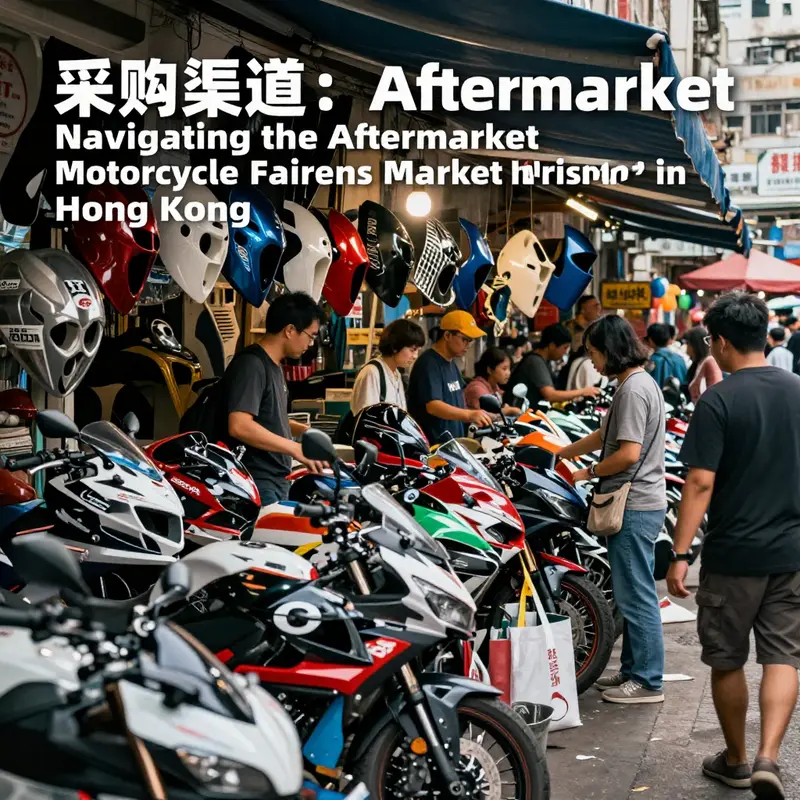
Hong Kong sits at a deliberate edge of the global supply chain. It is not the forge where fairings are moulded into reality, but the city that shapes and speeds the journey from factory floor to street-ready bikes. The result is a procurement ecosystem that privileges speed, reliability, and clarity—especially for buyers seeking aftermarket fairings that must align with specific frame geometries and mounting points. In this context, Hong Kong acts as a strategic conduit, coordinating suppliers from mainland production bases with riders and retailers scattered across Southeast Asia, the Middle East, Europe, and North America. The city’s strength lies less in making parts than in orchestrating the flow of parts through a system that prizes transparency, risk management, and flexible logistics.
One of the most critical roles Hong Kong plays concerns the channels by which buyers access aftermarket fairings. First, there are the cross‑border trade agents and distributors. Many manufacturers located in nearby industrial belts operate through Hong Kong offices or partner with local trading houses that understand both the speed demanded by buyers and the regulatory rhythms of international shipping. These Hong Kong-connected entities provide an end‑to‑end service: from initial samples and technical confirmation to order processing, customs clearance, and final delivery. For a buyer who wants a single point of coordination, this setup reduces the friction that often accompanies sourcing from multiple inland suppliers. The agent’s familiarity with export documentation, currency handling, and freight terms becomes a tangible asset when time is of the essence.
Then there are the trade fairs. Hong Kong’s status as an international commercial hub makes it a natural venue for industry exhibitions where a wide swath of suppliers congregate. While the city hosts events across manufacturing and consumer goods, the automotive and motorcycle accessories segment benefits from a dense ecosystem of exhibitors who travel from mainland production sites to meet potential buyers from around the world. For a buyer, these gatherings offer a rare, hands‑on chance to compare fit, finish, and fixture design side by side, and to conduct in‑person checks on surface styling, gaps, and paint matching. The atmosphere of direct negotiation—alongside the ability to verify sample quality on the spot—can shorten lead times and reduce the risk of miscommunication that sometimes accompanies remote purchasing.
A third channel lives in the digital arena. Alibaba’s global marketplace and other large B2B platforms have become essential for buyers who want to scan a broad range of options from suppliers anchored in Hong Kong or using HK as a credible façade for their cross‑border trade. In practice, these platforms let buyers filter for suppliers who explicitly offer Hong Kong delivery or cross‑border logistics services. The advantage is twofold: you gain access to a wider catalog, and you benefit from platform‑level assurances that help with payment terms, dispute resolution, and traceable shipments. The caveat is that quality and fit can vary widely among listings, so careful due diligence remains a must. A prudent buyer will look for suppliers with clear OEM‑compliant notes, robust QC processes, and evidence of post‑purchase support, while also requesting samples before committing to a full run.
The fourth channel—bonded warehousing and accelerated delivery—plays to Hong Kong’s geographic and logistical advantages. The city’s proximity to Shenzhen and Guangzhou creates a seamless bridge to production lines in the Pearl River Delta, yet benefits extend beyond mere distance. Bonded warehouses in or near Hong Kong provide a staging ground where pre‑stocked fairings can be held and released quickly when orders hit. In practice, this arrangement translates into shorter lead times and more predictable delivery schedules for buyers who must replenish inventory on tight timelines or fulfill urgent replacements after a crash or customs delay elsewhere in the supply chain. For many businesses, the bonded‑warehouse model reduces stockouts and improves responsiveness to seasonal demand swings, while preserving cost controls through bulk procurement and consolidated shipments.
Beyond the mechanics of sourcing, the Hong Kong pathway to aftermarket fairings emphasizes a careful balance between price, fit, and long‑term value. The core material choices for aftermarket fairings typically fall into two broad camps: reinforced ABS engineering plastics and more advanced composites such as carbon fiber or hybrid materials. ABS offers a reliable blend of toughness, impact resistance, and weather stability at a cost‑relative price point that suits volume procurement. In contrast, carbon fiber or composite options promise weight savings and a premium feel, appealing to riders who chase performance and aesthetics. The material selection has a direct bearing on the rider’s experience: weight reduction can influence handling dynamics and braking response, while resistance to UV exposure and impact fatigue under real‑world conditions affects durability and resale value. Responsible buyers will weigh these factors against their budget, their bike’s intended use, and the environmental conditions where the fairings will ride.
Quality control in this HK‑driven ecosystem often centers on compatibility and finish. Buyers should insist on OEM‑compliant designs that guarantee mounting points, screw hole alignment, and panel gaps while preserving the integrity of original frame lines and fairing mounts. A practical approach is to request pre‑production samples and technical drawings or CAD files that specify exact thickness, reinforcement ribs, and attachment points. For buyers with a discerning eye, even the texture and paint coat deserve scrutiny: a surface that appears uneven or a color match that deviates by more than a shade can be a sign of inconsistent production standards or sub‑par finishing processes. In many cases, the discussion with a supplier can illuminate whether a product line is designed as a direct replacement or as a more generic, universal fit for a wider range of models. In either case, precise compatibility testing remains essential before a full order is placed.
The strategic importance of Hong Kong also extends to service and after‑sales support. Local modification shops and aftermarket parts retailers in the city can offer fast customization services to suit specific aesthetic goals or riding styles. Quick turnarounds for paint, decals, or minor structural refinements can be especially valuable when a rider is pursuing a distinct look or seeking to restore visual cohesion after a minor repair. In practice, this means a rider can couple a procurement channel with a local finishing service, thereby achieving a polished result without long waits for shipments or external processing. When seeking these services, a practical path is to search for local shops that specialize in motorcycle fairings and customization and to verify their recent work and turnaround times. The goal is a seamless blend of globally sourced parts and locally executed finishes that preserve both fit and finish.
In choosing how to source, a mindful buyer will blend the channels described above into a workflow that aligns with risk tolerance and speed requirements. A typical Hong Kong–anchored procurement approach begins with an initial scoping of suppliers on a platform, followed by a targeted outreach to those with HK delivery notes and transparent QC policies. Parallel to this, a planned visit to a trade event or a scheduled sample request can validate fit and finish before any large commitment. Finally, if the business case warrants it, establishing a small stock of commonly used fairing panels in a bonded warehouse can create a buffer that keeps sales channels robust even when production schedules encounter delays elsewhere in the supply chain. The combination of these elements—trustworthy trade partners, on‑the‑ground inspection opportunities, digital transparency, and strategic stockholding—constitutes Hong Kong’s distinctive value proposition as a gateway for aftermarket fairings.
For readers seeking concrete starting points, a practical approach is to begin with a broad online search that targets Hong Kong delivery and cross‑border logistics capabilities. Filtering for suppliers with clear OEM‑compliant language, reasonable minimum order quantities, and visible lead times helps narrow the field to viable candidates. When in doubt, request samples and a formal quotation that itemizes unit cost, freight terms, lead time, and any duties or taxes. The process can be iterative but, with the right partners, the path from factory to road becomes more predictable and scalable. The combination of Hong Kong’s logistics infrastructure, its experience with international trade, and the proximity to major manufacturing hubs creates an ecosystem that is uniquely suited to the needs of riders who demand reliable, well‑finished fairings that fit precisely and perform as expected on the streets and tracks they ride.
For a sense of product variety and to explore different design options, you can browse the Honda fairings collection. This example, drawn from a curated catalog of accessible designs, demonstrates how a broad range of visuals and engineering approaches can be presented to a single audience through a Hong Kong‑based procurement framework. By examining the available options, buyers can better understand what is technically feasible and how different materials and finishes translate into price, weight, and durability. The key is to treat the Hong Kong purchasing path as a way to contrast options, not just a means to acquire them. A well‑informed buyer uses the hub to compare fitment accuracy, surface quality, and long‑term value across suppliers and material choices, then aligns those choices with the intended life cycle of the bike and the rider’s performance expectations.
In sum, Hong Kong’s role in the aftermarket fairings market is not about producing the parts. It is about curating a reliable, transparent, and fast channel through which riders and retailers access choices that are otherwise dispersed across vast production ecosystems. The city’s strengths—efficient cross‑border logistics, experienced trading networks, and proximity to major manufacturing belts—create a rare, robust bridge between factory and road. For buyers who prize a precise fit, predictable delivery, and the flexibility to tailor finishes to their bikes, Hong Kong remains an indispensable gateway to the world of aftermarket motorcycle fairings. As the market continues to evolve, the ability to navigate this gateway with discernment and due diligence will determine the real value that the procurement process offers to riders and retailers alike.
External reference: https://www.alibaba.com
Internal link reference: Honda fairings collection
Quality and Compatibility in Hong Kong’s Aftermarket Motorcycle Fairings: Navigating a Global-Local Pipeline
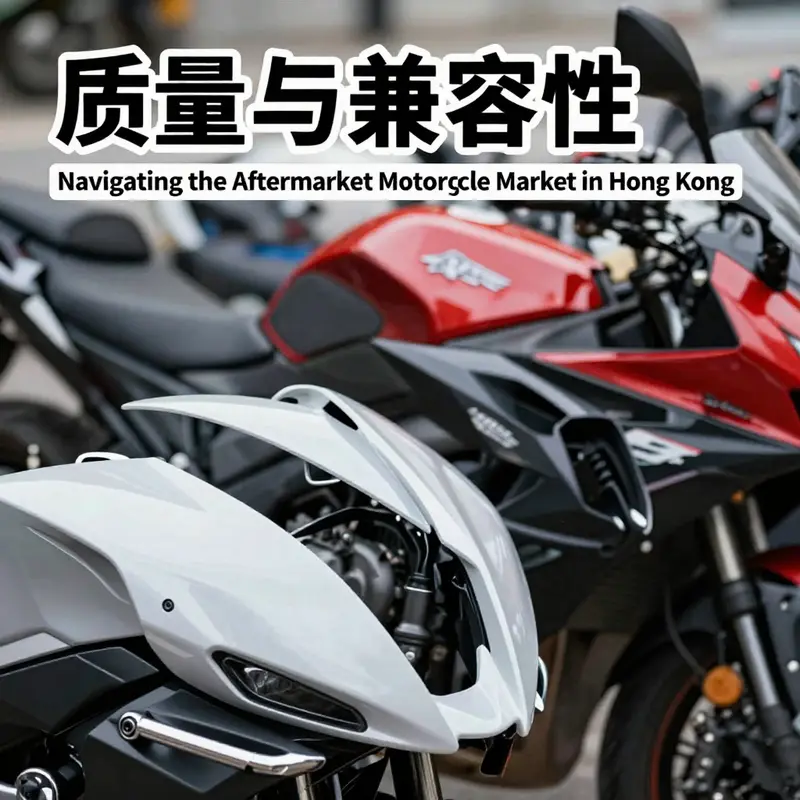
Quality and compatibility are the quiet engines behind every reliable aftermarket fairing purchase in Hong Kong. The city’s role as a global logistics hub makes it possible to source from manufacturers across the mainland and beyond, but it also raises the stakes for buyers who must ensure that what arrives fits and lasts. In practice, quality and compatibility are not abstract ideals—they are the variables that determine comfort on a long ride, the risk of installation problems, and the long-term value of an investment that is, by definition, subject to weather, road debris, and occasional impacts.
The Hong Kong market sits at a crossroads: local shops and fitters can offer quick turnaround and customized finishes, yet most of the best options come through a broader supply chain that flows from manufacturing centers in the Pearl River Delta and other industrial regions. The efficiency of this cross-border flow is not incidental. It is anchored in established production standards, export packaging norms, and the ability to coordinate logistics that deliver to Hong Kong with predictable timelines. Buyers considering this route should appreciate how these networks translate into real-world outcomes: more consistent fit, better surface finish, and cleaner packaging that reduces the risk of transit damage.
Compatibility begins with a simple but decisive question: will this fairing set align with the bike’s mounting points, frame geometry, and the intended routing of cables and connectors? The answer is never generic. It depends on precise design data, including fixture locations, joint tolerances, and clearance around critical components. For anyone shopping from overseas marketplaces that serve Hong Kong, it is essential to confirm that the supplier offers what is described as model-specific or “OEM-compliant” fitment for a given year and variant. The reality is that a fairing that looks similar can still require sanding, shimming, or discreet trimming to achieve a secure, aesthetically pleasing install. To avoid such friction, a buyer should demand a clear compatibility list, preferably with model-year references and installation notes. In the absence of that information, the risk of misfit increases, and the extra labor cost can erase any perceived savings.
Quality, meanwhile, is a function of material choice, molding processes, and quality-control practices. The majority of mainstream aftermarket fairings rely on ABS engineering plastics, prized for their resilience, impact resistance, and weathering performance. For riders seeking lighter weight or a sportier feel, carbon fiber or composite blends may be offered, delivering stiffness with additional weight savings. Each material choice carries its own trade-offs in durability, UV resistance, and price. The latest industry commentary stresses that material selection has a direct bearing on weight, longevity, and the long-term value of the part. A fairing’s performance under real-world conditions—heat cycling from engine bay temperatures, exposure to rain and road salt, and occasional scrapes on gravel—that performance is the final proof of quality. The selection of a manufacturer with robust tooling, established calibration of molds, and a documented quality-control regime becomes the most practical safeguard for buyers who need predictable results.
Within the Hong Kong context, it is especially prudent to look for suppliers that provide a transparent materials bill and traceability data. A robust specification sheet that lists the base polymer, any reinforcements, filler materials, and additive packages will not just aid a compliant purchase; it helps a workshop plan the finishing steps, from primer adhesion to topcoat compatibility and clear-coat performance. A credible supplier will present test results or third-party certifications that speak to heat resistance, impact strength, and environmental aging. Even if a buyer does not read mechanical test data every day, knowing that the parts were manufactured with a disciplined process reduces the risk of brittle fractures or surface delamination after installation or a minor collision.
The purchase pathway for Hong Kong buyers is as important as the product itself. The city’s ecosystem includes a number of B2B platforms that connect overseas manufacturers with Hong Kong-based buyers, and the best-informed purchasers use these channels to compare ranges, confirm delivery capabilities, and request samples. The recommended approach is to treat this purchase as a multi-step process: identify a shortlist of suppliers with verifiable production histories, confirm model-specific compatibility, and then test with samples before committing to a full order. When possible, request detailed specifications for the exact fairing panels, including the number of pieces, weight, mounting hardware included, and any modifications required for optimal fit. A supplier should also outline their packaging standards, shipping methods, and the steps they take to protect fragile parts during transit. A shadow of risk persists if a seller cannot provide direct evidence of their manufacturing capacity or a recent order history, especially when face-to-face inspection is not feasible. The ability to verify a supplier’s track record—production capacity, on-time delivery, and packaging standards—can be as decisive as the price.
Logistics and services available within or through Hong Kong add another layer of practicality. Local malls of car and bike enthusiasts can offer in-store stock of selected items, but the more robust momentum comes from coordination with suppliers who understand international export requirements and can offer cross-border logistics solutions. For buyers who want speed or tailored aesthetics, local fitters and customization studios may provide a fast-turnaround option, especially for color-matched finishes, edge refinishing, or the replacement of broken mounting hardware. In many cases, a hybrid approach works best: a customer procures the base fairing kit from a trusted Mainland supplier with a strong export record, then leverages a local workshop for fitment checks and finish work to meet exacting standards.
An integrated approach to quality and compatibility thus combines three strands: model-specific fitment data, material and process transparency, and delivery reliability. It also means adopting a disciplined testing mindset. Where possible, ordering a small batch or a single-panel sample can reveal critical information about how the parts align in the real world. A sample can reveal whether the alignment tabs truly align with the frame brackets, whether the panel curves match the tank line, or whether the edge radii clear fasteners and fairing stays without interference. In practice, buyers build confidence through a blend of direct supplier communication, seller-provided data, and independent evaluation by qualified workshop staff who know what to look for when mounting and finishing.
To anchor these principles in a practical plan, buyers should demand three elements from any supplier: a clear compatibility matrix with model-year references, verifiable material data and test results, and robust post-sale support. Compatibility is not earned by appearance; it is earned by numbers and documented proofs that the product will seat cleanly and hold up under stress. The more a supplier can show about their tooling, process controls, and capacity to deliver consistent batches, the higher the likelihood of a successful purchase. In that light, obtaining references from other customers or third-party attestations can offer the extra reassurance that a supplier’s claims align with actual outcomes. This is not merely about satisfying a checklist; it is about establishing a reliable baseline for future orders, ensuring that the same standard of quality can be reproduced with the next shipment.
In this market, the interplay between global suppliers and Hong Kong’s local service ecosystem creates a distinctive pathway for value. Buyers who understand the balance of price, fit, and finish can leverage the advantages of both worlds—competitive manufacturing costs and the convenience of a sophisticated distribution network. The emphasis on three pillars—explicit model compatibility, transparent material and process data, and dependable logistics—helps buyers navigate the complexity with greater clarity. For those who want to visualize how model families are structured and how fitment lists translate into real-world installation, a practical reference point is the Yamaha fairings collection. It offers a window into how manufacturers segment products by model family and how a well-documented catalog supports accurate ordering and easier installation. See the collection here for a sense of design conventions and how alignment details are described in catalog data: Yamaha fairings collection.
The global nature of the supply chain remains an essential context. Hong Kong’s role as a gateway means buyers can access both the breadth of Mainland production and the specialized services of local partners. The key is to treat the procurement as a careful collaboration: verify fit with your bike, confirm the supplier’s track record, secure samples, and align with a capable local workshop for final finish and installation. The cost considerations extend beyond the sticker price; they include potential differences in packaging integrity, shipping insurance, and the risk of post-shipment rework. A robust outcome is one where the final fit is seamless and the surface finish resists aging well, so that the vehicle continues to present as designed for longer periods, maintaining both appearance and protection.
In sum, for buyers pursuing aftermarket fairings in Hong Kong, quality and compatibility serve as the twin anchors of a successful purchase. The city’s logistics prowess, combined with the manufacturing strength of adjacent provinces, enables access to a wide spectrum of options—provided buyers use a disciplined approach. By insisting on model-specific compatibility, requiring verifiable material data, and engaging suppliers who demonstrate reliability, buyers reduce the chances of misfits and returns. They also position themselves to benefit from rapid local support, customization options, and streamlined cross-border processes that keep the bike’s appearance and performance aligned with expectations. As the market evolves, the savvy purchaser will continue to cultivate relationships with suppliers who can prove consistency across orders, deliver on time, and offer clear post-sale assistance when needed.
External resource: Alibaba’s motorcycle fairing supplier guide for cross-border sourcing can be a useful starting point for evaluating supplier claims and understanding industry benchmarks. Access it here: https://www.alibaba.com/trade/search?fsb=y&IndexArea=product_en&CatId=&SearchText=2003%20GSXR%201000%20motorcycle%20fairing
Shaped by Supply: Materials, Fit, and the Hong Kong Pathway for Aftermarket Motorcycle Fairings
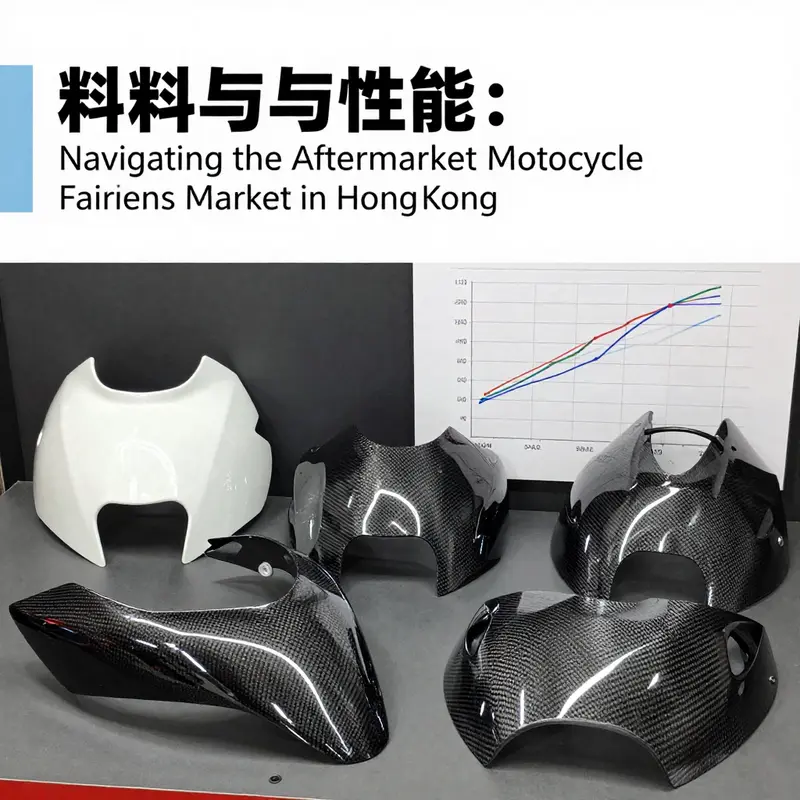
Hong Kong’s role in the motorcycle aftermarket is less about producing fairings and more about orchestrating a reliable, speed-driven flow from raw injection tooling to rider-ready packages. The city functions as a sophisticated gateway where cross-border logistics, financial controls, and business networks converge. In practice, a buyer in Hong Kong who needs aftermarket fairings will often interact with suppliers located in the mainland or nearby manufacturing hubs, then rely on Hong Kong’s freight corridors, warehousing, and one-stop procurement services to compress lead times and reduce risk. This arrangement is not about creating a single best-in-class product; it is about weaving a resilient supply chain that can deliver precision-fit, material-grade fairings to a diverse set of riders who demand both performance and appearance. The procurement path typically begins with a clear sense of what must be delivered, then moves quickly through verification, sampling, and a logistics plan that aligns with local customs, maintenance cycles, and road use patterns.
At the heart of any meaningful conversation about aftermarket fairings in this market is material choice. The most common base is an ABS engineering plastic, prized for its balance of impact resistance, heat tolerance, and weather durability. When a manufacturer markets a product as “100% new, non-OEM, and made from high-quality ABS,” the claim is signaling a designed-for-life-cycle commitment: it should resist cracks under impact, endure sun exposure, and maintain color and gloss through seasons of riding. ABS remains the go-to for those who want a reliable, cost-conscious option that can withstand routine street wear and occasional gravel encounters. For riders who chase lighter weight and a higher top-end feel on the track, carbon fiber or composite skins become an option, though they typically come at a steeper price and with different installation expectations. The material choice, in short, affects not just weight and performance but also long-term value, including how well a fairing ages after exposure to heat, moisture, and road salt.
The relationship between material and fit is more than a matter of absolute dimensions. Fairings are engineered around the silhouette of a bike, including the lines that define the engine nacelle, the fuel area, the fairing’s ventilation paths, and the tail section. For riders seeking high-performance or just a clean aesthetic, the fit must preserve air flow, cooling, and rider comfort. Poorly matched components can create wind gaps, rattling, or even misalignment with mounting points, diminishing both safety and the tactile experience of riding. In practice, manufacturers and distributors emphasize compatibility through explicit model ranges and precise mounting hole patterns. Even with careful drafting, buyers should anticipate a need for minor adjustments during installation—the kind of service task that a well-connected Hong Kong supplier or local workshop can facilitate quickly, without forcing a long wait.
The supply chain geography behind these products is as important as the materials themselves. Guangdong and Jiangsu provinces stand out as core production ecosystems. Their well-developed injection-molding infrastructure, surface-finishing capabilities, and established export logistics underpin the ability to produce mass quantities while maintaining tight tolerances. The regional setup supports not only standard shapes but also customized requests, which can be crucial for riders who want a specific look or a tailored performance profile. The advantage for buyers in Hong Kong is access: a palm-sized portfolio of options, combined with the ability to request samples, verify material certifications, and negotiate terms that reflect both regional distribution needs and international quality expectations. A good supplier will provide technical data, surface finishing options, and clear certification statements that reassure buyers about durability and safety on the road.
Beyond material and fit, the broader purchasing environment in Hong Kong favors a blend of local service and cross-border procurement support. Local shops and aftermarket specialists can offer stock for immediate needs, while others focus on customization, color-matching, and bespoke finishes. This dual approach suits riders who want quick replacements after a mishap, as well as those pursuing a unique aesthetic or aerodynamic setup for weekend rides. The synergy between local service providers and mainland manufacturers can shorten the cycle from order to delivery. For buyers who are newer to this space, it is useful to adopt a two-tier approach: confirm the baseline product’s material and fit with a cataloged reference, then validate the final option through a quick sample or two before committing to a larger order.
For buyers who approach this market from a supply-chain management or procurement perspective, several practical steps help stabilize the process. First, define the scope of the purchase in terms of compatibility with a given riding profile and vehicle geometry. If a fairing is intended to protect key components and reduce weather-related wear, it should be designed to align with the rider’s daily usage—whether that means weather resistance for night commutes or higher impact resistance for spirited weekend rides. Second, verify the supplier’s logistics capabilities. A credible mainland producer with Hong Kong shipment experience can offer cross-border logistics, warehousing, and a clear lead-time window that aligns with project schedules. Third, examine the material and process details: confirm the base plastic, any surface treatments, and the finishing process. This is where the supplier’s description of “OEM-compliant” or “OEM-style” substitutes can become meaningful. The terms indicate that the part is designed to fit within established mounting schemes and maintain the necessary tolerances for safe installation.
Within this context, the selection of a procurement channel matters. B2B platforms can be a practical starting point, especially for buyers seeking a broad range of options and direct supplier engagement. When using such platforms, it is prudent to filter for sellers who indicate Hong Kong delivery or cross-border logistics support, and to prioritize those with transparent lead times and documented quality checks. The process typically involves requesting a sample, negotiating a price for a production run, and aligning on packaging and shipping terms. The goal is to strike a balance between cost efficiency and reliability, knowing that fairings live at the intersection of aesthetics, aerodynamics, and structural integrity. The ascent from inquiry to delivery benefits from a well-planned risk checklist: confirm compatibility, review material data, verify the supplier’s capacity for volume orders, and ensure that after-sales support is available in the region, should a mounting challenge arise.
In pursuing these pathways, a practical touchpoint for those who want to visualize the breadth of available aftermarket fairings is to explore a representative catalog that showcases diverse shapes, finishes, and mounting options. For a sense of the catalog breadth in a real-world scenario, a vendor’s collection featuring a well-known fairing series provides a reference point for fit and finish across models and years. See, for instance, one of the larger catalogs that lists fairings for a variety of sportbike silhouettes and offers a view into the kinds of paint, textures, and assembly approaches that an importer might manage locally. This exploration helps anchor expectations about what is feasible in Hong Kong’s market and how a rider’s preferences might translate into a practical purchase.
Among the channels that Hong Kong buyers frequently consult, internal references to catalogs maintained by regional distributors can be a useful guide. For a concrete sense of what is available through one well-known catalog, consider the Kawasaki Ninja ZX-14R fairings (2012-2021) collection. It provides an example of how a global supplier segments a product range by year and model, illustrating the degree of specificity that a buyer in Hong Kong may demand to ensure proper fit and appearance. Internal links such as this, when used judiciously, can help a reader picture the expected level of detail and model specificity that serious riders expect from aftermarket components. A reviewer or buyer should remember to verify the alignment between catalog claims and the actual vehicle’s mounting geometry, since even small deviations can impact installation quality and ride safety.
Hong Kong’s market also benefits from a steady flow of information and a pragmatic approach to due diligence. Buyers who want to deepen their understanding of supplier capabilities can consult global supplier guides, which summarize evaluation criteria, minimum order quantities, price ranges, and delivery cycles. The guidance helps shift the decision calculus from a single price quote to a holistic evaluation of how a supplier will perform across design, manufacturing quality, packaging, and after-sales support. In practice, this means paying attention to how well a supplier communicates technical parameters, how consistently it ships samples, and how transparent it is about any customization options. These signals are especially important in a market where speed matters and where riders insist on a reliable fit for every purchase.
External resources can complement local due diligence. For researchers and practitioners, a well-curated supplier guide published on a major global platform offers structured insights into sourcing from production centers and exporting regions. This resource can help a Hong Kong buyer understand the typical lead times, the balance between cost and quality, and the expectations around sample availability and quality testing. By combining the practical, on-the-ground experience of Hong Kong’s distributors with the broader knowledge embedded in such guides, buyers can chart a procurement path that is both efficient and resilient in the face of market fluctuations and regulatory considerations.
External Resource: https://www.alibaba.com/product-detail/Motorcycle-Fairing-Supplier-Guide-for-2003-GSXR_1601578433979.html
Internal Resource: a representative catalog entry that mirrors the breadth of aftermarket fairings available to Hong Kong buyers can be explored through one of the brand catalogs, for instance, the collection linked here: Kawasaki Ninja ZX-14R fairings (2012-2021). The anchor text for this link would reflect the catalog segment and model years, providing a concrete reference point for fit and finish expectations when evaluating suppliers and samples in the city’s marketplace.
Local Service Partners and the Hong Kong Aftermarket Fairings Network: Bridging Global Production with Riders’ Demands
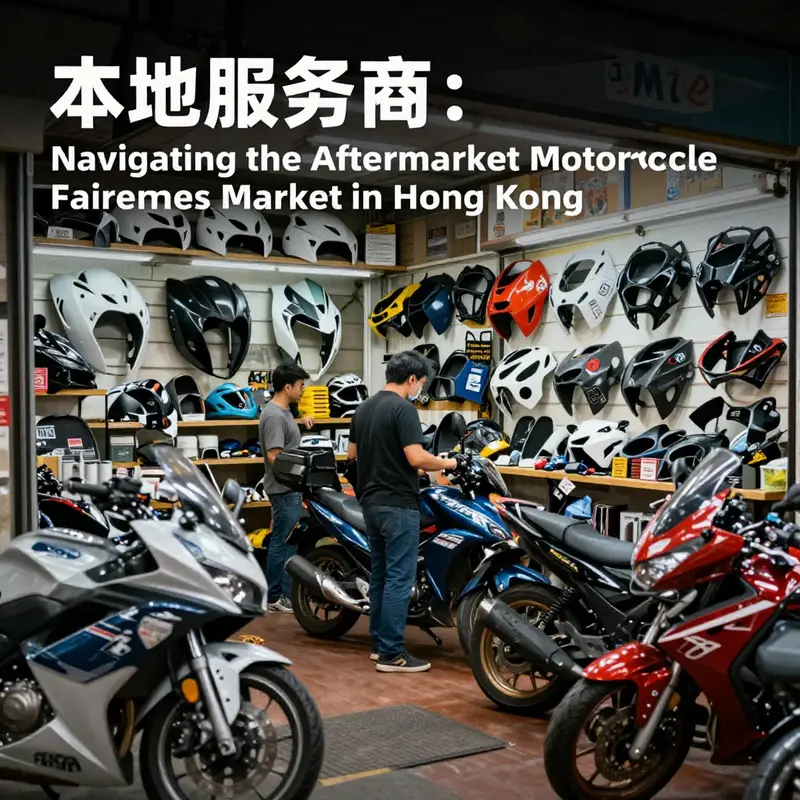
In the landscape of aftermarket motorcycle fairings, Hong Kong operates less as a factory floor and more as a sophisticated nerve center where global production meets local demand. The city’s strength lies not in mass production but in the orchestration of complex supply chains, logistics, and specialized services that bring a wide range of fairings from distant manufacturing hubs to riders who crave fit, finish, and speed at a moment’s notice. The logic is simple on the surface: reliable, affordable panels must travel from plants in nearby manufacturing clusters to the doorstep of performers and hobbyists who want to customize their bikes. What makes Hong Kong indispensable is the speed and reliability of that transit, backed by a mature network of distributors, transit hubs, and skilled shops that can translate flat-pelted boxes into transformed motorcycles with the precision of a bespoke garment.
Hong Kong’s geographic position propels its role as a gateway. It sits at the crossroads of southern China’s industrial heartland and the broader Asia-Pacific market, with the port and the airport handling a steady stream of parts, kits, and bodywork from mainland factories. This proximity to production centers translates into shorter lead times and more flexible procurement. For buyers, this means the possibility of sourcing OEM-compliant or aftermarket fairings with more predictable delivery schedules than far-flung suppliers. It also means that the most responsive sellers are those who can bundle procurement with logistics services, offering consolidated shipments, customs-ready documentation, and even direct-to-shop delivery that minimizes handling and risk during transit. For riders and teams working on tight race-season timelines or a tight budget, that consolidation is more valuable than any single price advantage a distant supplier might offer.
Beyond transit, Hong Kong’s real edge is the ecosystem of local service providers who can turn a purchase into a finished product. The city hosts a cadre of motorcycle customization shops and parts dealers who bring more than inventory to the table. They provide compatibility checks, installation, paint, and finishing, along with technical support that helps a rider choose the right fairing style, correct mounting points, and proper sealing to handle wind, rain, and vibration. This is not merely about selling a fairing; it is about delivering a complete, road-ready package. In practice, that means a shop can verify whether a chosen fairing will align with a machine’s brackets, fuel tank contours, and fairing stay geometry. It means they can advise on surface finishes—whether to opt for a high-durability ABS plastic or a lighter, more performance-oriented composite—while clarifying the trade-offs in price, weight, and longevity. For the discerning rider, that advisory layer is a decisive factor, because a wrong fit or a poor finish can ruin the aesthetics, aerodynamics, and safety of a build.
From a buyer’s perspective, the procurement path often travels through a few well-trodden channels. A practical starting point is to use B2B platforms that host Chinese mainland manufacturers with Hong Kong-facing logistics. The core idea is to identify suppliers who explicitly offer Hong Kong shipping or cross-border fulfillment, then verify their ability to export and to provide samples or final products within a reasonable time frame. When exploring these channels, it helps to look for firms that demonstrate a complete chain—from production to export and finally to local delivery—so buyers can rely on consistent quality control and documentation. The emphasis on a complete chain aligns with the practical needs of a Hong Kong-based buyer who may be coordinating a small pilot order or testing a new supplier for a larger batch later on.
A central consideration in this process is compatibility. The market for fairings is driven by the need to match specific brands, models, and years, ensuring that mounting points align, gaps remain even, and the aerodynamics meet the rider’s expectations. The emphasis here is not just on appearance but on precise interfaces. For a sane purchasing path, ask suppliers to confirm fitment data and to supply CAD or at least specification sheets that show mounting hole locations, bracket points, and any required modification. In this regard, OEM-compliant or OEM-inspired products often offer an extra layer of security, since they are designed to align with original interfaces. That alignment reduces the risk of fit issues, rattles, or the need for emergency modifications after installation.
Material choice is another crucial dimension. The majority of aftermarket fairings are produced from ABS engineering plastics, which combine impact resistance with weathering endurance at a reasonable price. In higher-end ranges, composites and carbon-fiber alternatives are marketed for weight savings and enhanced stiffness, though their costs rise accordingly. The material decision affects not just weight and performance but also long-term value and repairability. For riders who log miles in varied climates, the choice between a robust, cost-effective ABS option and a lighter, premium composite is a balance of budget, durability, and the kind of riding they expect to do most often. A well-informed local shop can explain how these materials age under sun, rain, and heat, and can advise on protective coatings or paints that maximize longevity. The knowledge of a local specialist is often the deciding factor when two otherwise similar products compete on price.
While the market remains global, the needs of a Hong Kong buyer crystallize around three practical pillars: quick access to a range of styles and sizes, reliable local support for installation and refinishing, and a transparent path from order to delivery with clear post-purchase service. The first pillar rests on the capacity of outbound suppliers to present a catalog or fitment matrix that covers a broad spectrum of common bodywork configurations. The second pillar—the local support—depends on the willingness and ability of a shop to handle everything from mounting hardware to paintwork and surface finishing. It also hinges on the availability of skilled technicians who can diagnose mounting misalignments, tighten fasteners correctly, and ensure that radii and edge details meet a rider’s standards. The third pillar, post-purchase service, is where the real value emerges in a dense market like Hong Kong. A reputable service partner will stand behind the fit and finish, offer guidance on maintenance, and provide a straightforward path for returns or exchanges if a part is found to be defective or incompatible.
To navigate these layers, riders often begin by identifying suppliers that can export to Hong Kong and then vetting them through a simple test: request a small sample or a detailed quote that includes lead times, MOQs, and shipping costs. Given the flexibility of the Hong Kong market, many shops and distributors will accommodate small-batch orders, enabling a new relationship to prove itself before any larger commitment is made. When you place a request for information, the response quality is itself a signal. Prompt, precise, and data-rich replies—specifying compatible models, mounting hardware lists, and estimated delivery windows—serve as a practical gauge of a supplier’s professionalism and reliability. In parallel, local shops can be approached with a similar level of specificity: share your bike’s year, model, and a clear vision for finish—whether you want a race-inspired look, a street-ready aesthetic, or a stealthy matte treatment—and ask for a quote that includes labor for any necessary installation and the painting or finishing workflow.
The broader narrative of Hong Kong as a hub is reinforced by the fact that many buyers will use the city as a launch point for regional distribution or cross-border fulfillment. This is not just logistics chic; it is a reflection of how a mature ecosystem can compress the time between decision and deployment. A rider who orders a new fairing kit from a mainland supplier and chooses a local shop for installation can expect to move from decision to ride faster than one who relies on an overseas seller with a more extended shipping arc. The synergy of procurement and service within a single urban framework—where warehouses, customs brokers, paint booths, and skilled fitters sit within convenient proximity—transforms a transaction into a streamlined project. For this reason, the value proposition for Hong Kong-based buyers lies in the ability to combine purchase certainty with service certainty: you buy with confidence that the product will ship promptly, fit correctly, and be finished to a high standard by technicians who understand the nuance of fairing aesthetics and performance effects.
As buyers move through the decision journey, a practical strategy emerges. Start with a clear determination of what matters most: price, speed, fit, or finish. Then map those priorities to a channel that can deliver on them. If speed and local support are your primary needs, seek a Hong Kong shop that can quote a complete package—product, installation, and finish—within a fixed time window. If you value breadth of options and cost efficiency, use a reputable B2B platform to compare multiple mainland suppliers who explicitly advertise Hong Kong delivery and export-ready documentation. In either path, insist on a clear, written specification sheet that confirms model compatibility and installation requirements, plus a sample or a small trial order to verify quality before committing to a larger purchase. The strength of this approach rests on transparency, concrete trade documentation, and a mutual understanding of the post-purchase service expectations.
In this ecosystem, one broad takeaway stands out. Hong Kong’s advantage is not simply the presence of shops that stock or customize fairings; it is the combination of a sophisticated logistics framework with highly skilled service providers who can translate a piece of plastic into a finished, road-ready component. For riders who want to preserve the aesthetic and performance of their bike while expanding its personality, the city offers a compelling, practical pathway. It is a place where procurement is not just about obtaining a part but about assembling a whole project—one that begins with a choice of fairing and ends with a polished, well-fitting result on the street or track. This is the heartbeat of the Hong Kong aftermarket fairings network: a seamless integration of global manufacturing reach with local craftsmanship that can honor both budget and ambition.
For readers seeking a tangible reference to the breadth of model coverage and finish options in the broader aftermarket fairings market, an indicative overview can be found through dedicated catalog pages that aggregate model-specific variations and finish types. As you explore, consider how your own project will balance fit, finish, and function, then engage with suppliers who can demonstrate a clear understanding of your bike’s interface needs and a willingness to support you through installation and after-sales refinement. In short, Hong Kong’s value lies in being a capable, trusted intermediary—one that brings together the best of global production with the nuance of local expertise, so riders can focus on what they love most: riding.
Internal link reference for further context on model-aware fairings coverage: Kawasaki fairings.
External resource for additional industry context: https://www.alibaba.com
Harbors, Hubs, and Hulls: Hong Kong’s Role as the Global Bridge for Aftermarket Motorcycle Fairings
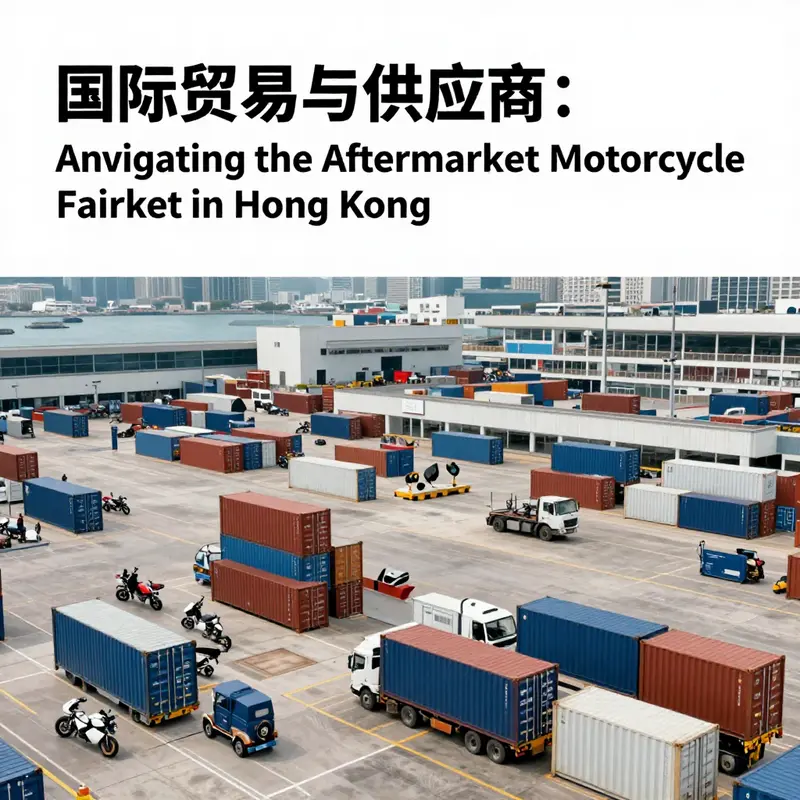
Hong Kong sits at an unlikely crossroads where maritime precision meets market appetite. It is not the place where most motorcycle fairings are fabricated, but it is the city that coordinates, clarifies, and accelerates the journey from factory floor to rider’s garage. The charm of Hong Kong’s role lies in its ability to knit a seamless supply chain between mainland producers, regional distributors, and a worldwide base of buyers who demand both reliability and speed. In this chapter, we trace how the city’s geographic advantage, financial ecosystem, and mature logistics infrastructure transform a fragmented set of small-batch manufacturers into a disciplined, responsive network capable of meeting diverse requirements for aftermarket fairings. The story is less about one village workshop and more about a choreography: materials, certification, shipping lanes, and a procurement mindset tuned to the realities of cross-border trade.
The first truth to grasp is Hong Kong’s identity as a global logistics hub rather than a production center. The city’s port and airport, backed by a mature customs regime and world-class financial services, create a corridor through which parts and composites can travel quickly and predictably. Suppliers in the nearby provinces—regions renowned for plastics, composites, and sheet metal components—rely on this corridor to export their products to Europe, the Americas, and Oceania. What looks on a map like a simple supply route is, in practice, a carefully managed pipeline. Goods arrive at Hong Kong facilities or bonded warehouses, undergo inspection and documentation, and then depart for customers who expect consistency in both lead times and quality. That expectation is particularly acute in a product category like fairings, where fit, finish, and appearance hinge on precise tolerances and durable finishes.
From a buyer’s perspective, the Hong Kong channel can drastically reduce total landed cost and risk. The city’s business environment supports complex cross-border transactions in multiple currencies and languages, which matters when negotiating terms with suppliers who may be cross-border firms themselves. It also facilitates the critical middle steps: sampling, quality checks, and the administrative work of customs clearance. A typical workflow leverages Hong Kong as a staging ground for samples and small orders before large-scale shipments. This approach helps buyers verify that a given fairing line fits their intended motorcycle model and year, a task often underestimated in the heat of a purchase decision. For the uninitiated, this is where the distinction between a generic body panel and a true OEM-compliant replacement becomes decisive. The geometry and mounting points must align with the chassis and subframe, ensuring not only aesthetics but rider safety and handling characteristics.
Another subtle but essential factor is the network effect of Hong Kong’s supply chain ecosystem. As a regional distribution hub, the city allows buyers to consolidate multiple component requests from different mainland suppliers into a single, managed order with consolidated freight. This consolidation reduces unit costs and simplifies logistics planning. It also gives procurement teams a practical way to diversify supplier risk. If one mainland producer runs into a temporary constraint, the buyer can pivot to another local partner that already operates through the same Hong Kong intermediary or logistics provider. In effect, Hong Kong makes the risk of dealing with many smaller producers more manageable by providing a centralized governance layer—documentation, quality assurance, and a trusted path to international shipping lanes. Some buyers find it advantageous to work with Hong Kong-based trading houses that maintain a broad roster of approved factories, all vetted for quality controls and export readiness. The benefit is not just speed; it is the confidence that documented processes support repeatable outcomes across orders with different models or fabrication methods.
To understand the practical choices buyers face, it helps to think in terms of procurement channels rather than a single supplier. Large B2B platforms host a wide array of mainland manufacturers, many of whom maintain a Hong Kong presence or a ship-to option that explicitly marks Hong Kong as a destination. In these environments, buyers should look for suppliers that advertise a complete export chain—from production to packaging to freight—ticking the key boxes of reliability and international logistics capability. It is common practice to request samples first, using the Hong Kong gateway to handle the implicit risk of surface finish, fit, and material integrity. The sampling step is more than a formality; it is an engineering check that can reveal subtle manufacturing variances that would not be visible in a photo or description. It is precisely during this stage that the value of a well-connected intermediary becomes clear: what starts as a small order for a handful of fairings can, with careful coordination, evolve into a recurring supply arrangement that covers multiple models and even upgrades in materials.
If the assessment of fit and finish raises questions, buyers often turn to material choices as a reliable differentiator. The mainstream option for aftermarket fairings remains ABS engineering plastic, prized for impact resistance and weather durability. ABS panels can withstand the rigors of road use while offering a surface that’s conducive to paint and decals, a practical blend for most riders seeking an affordable yet presentable aesthetic. For riders who chase weight savings and performance, composites such as carbon fiber-reinforced materials appear as a tier above the standard fare. These higher-end options promise stiffness and weight reduction, albeit at a premium. The material choice directly influences not just the weight and handling but the long-term value of the fairings, since more advanced composites can demand more careful maintenance and higher replacement costs after crash damage. A broader industry narrative, including recent industry commentary, connects these material decisions to rider outcomes and market segmentation. The upshot is clear: material selection is a meaningful lever for buyers who want to tailor performance, appearance, and cost to a specific riding context.
The knowledge base that supports these decisions is increasingly accessible through a combination of supplier catalogs and industry reports. Buyers commonly rely on cross-border platforms that highlight geographic shipping options, minimum order quantities, and lead times. The Hong Kong route is not a guarantee of lower price alone; it is a premium channel for due diligence, rapid prototyping, and reliable logistics. It allows buyers to compare quotes with a clear sense of total landed costs, including insurance, duties, and freight. In practice, a buyer might search for fairings tailored to a particular class of bikes in a general sense—without naming any specific model in public discourse—yet with the expectation that the supplier can confirm compatibility for a defined year and chassis configuration through a direct inquiry. The negotiation often centers on the MOQ, the price per unit, and the time to sample, with the added complexity of ensuring that the supplier has the capacity to scale up if demand increases. A well-structured Hong Kong–based procurement setup routinely expresses these needs in terms of quality assurance protocols, packaging standards, and precise delivery windows.
A practical illustration of the procurement mindset can be found by examining how buyers navigate product selection and supplier evaluation. A reader might consider using a targeted approach to identify manufacturers that explicitly support Hong Kong delivery. Filtering by “Hong Kong shipping” or “cross-border logistics” flags vendors who have built an export-ready capability. From there, buyers can request a formal quotation, a sample, and—in parallel—verification of the manufacturer’s technical capabilities, such as fitment data, paint compatibility, and surface finishing options. The procedural rigor here is not mere bureaucracy; it translates directly into reduced warranty disputes, fewer post-purchase modifications, and a more predictable maintenance cycle for riders. In this framework, the role of Hong Kong is less about a single purchase decision and more about establishing a durable, repeatable pathway for sourcing improvements, replacements, and cosmetic upgrades that align with rider preferences and regional regulations.
For readers exploring the visual and aesthetic side of aftermarket fairings, the search for compatible forms benefits from exploring cataloged collections that demonstrate how shapes and lines translate across models. To ground this exploration in a real-world context while maintaining a neutral stance, consider a reference point that showcases a curated range of fairings. You can explore a practical example through this collection page: Honda fairings collection. This link serves as a tactile illustration of how a robust supplier can segment offerings by design language, material, and finish while still accommodating rapid inquiries for Hong Kong delivery. It is worth noting that the presence of such curated catalogs provides a benchmark for evaluating other suppliers’ presentation quality, technical data, and after-sales support. While the fidelity of the visuals does not replace an in-person inspection or a certified material test, it does offer a baseline for discussing fitment concepts, color matching, and finishing quality with potential partners.
In sum, Hong Kong’s value in the aftermarket fairing ecosystem derives from its ability to convert global demand into reliable, controllable supply. It is a place where a buyer can test a concept through samples, align on fit and finish through direct dialogue with exporters, and then scale up to larger orders with a clear understanding of cost and timing. The process is facilitated by the city’s multi-lingual business environment, standardized logistics channels, and the existence of established trading channels that condense paperwork, risk, and transit time into manageable, predictable steps. This is not about a single transaction; it is about building a durable bridge that connects distant manufacturing floors with riders who care about performance, appearance, and the feel of their machine under the ride light. The chapter that follows will build on this bridge by turning to the practical considerations of maintenance, compatibility, and long-term value, tying together the threads of supply chain acumen and rider-centric design in a way that keeps the conversation anchored to the wider topic of aftermarket fairings in Hong Kong’s global context.
External resource: https://www.alibaba.com
Final thoughts
Understanding the dynamics of the aftermarket motorcycle fairings industry in Hong Kong can empower business owners with critical insights for their operations. From exploring procurement channels and verifying quality and compatibility, to recognizing the importance of material performance and local service offerings, every aspect plays a vital role in navigating this competitive market. Moreover, acknowledging the intricacies of international trade will further enhance your business strategy, positioning you for success in the evolving landscape of motorcycle aftermarket components.