
For motorcycle enthusiasts and business owners in the UK, the world of aftermarket motorcycle fairings provides an opportunity to enhance performance, aesthetics, and protection. Understanding the nuances of compatibility, material selection, supplier navigation, compliance, and purchasing strategies is essential. This guide delves into the vital aspects of choosing aftermarket fairings, emphasizing how each chapter will equip readers with the knowledge needed to make informed decisions in the competitive motorcycle parts market.
Perfect Fit: Why Compatibility Is Non-Negotiable for Aftermarket Motorcycle Fairings in the UK
Why compatibility matters more than you think
Choosing aftermarket fairings is not simply a styling decision. A correctly fitted fairing becomes an integral part of the bike’s structure and behaviour. When dimensions, mounting points, and clearances match the original design, the fairing protects vulnerable components, channels airflow predictably, and preserves the motorcycle’s handling balance. When parts are mismatched, even small misalignments can amplify vibrations, change steering response, and create aerodynamic lift or drag at speed. Those problems are more than annoyances: they reduce rider confidence and can increase the risk of mechanical failure under stress.
Fit is a technical matter. Each model and year of motorcycle has specific mounting geometry, cable and hose routing, and clearance requirements around lights, instruments, and brake lines. Aftermarket manufacturers create panels that either mirror OEM specifications or use universal designs that require modification. In the UK market, riders must weigh the convenience of lower-cost universal kits against the safety and performance advantages of model-specific parts. Prioritising compatibility avoids costly trial-and-error and reduces the likelihood of needing custom trimming or additional brackets.
Compatibility also affects regulatory compliance. UK road regulations demand that modifications do not impair essential systems or the rider’s view. Ill-fitting fairings can obscure indicators, jam cables, or obstruct screens and mirrors. They can also place undue stress on original mounts, causing fastener fatigue or sudden detachment. Choosing parts that list explicit fitment to your motorcycle’s make, model, and year helps maintain legal conformity and protects you from avoidable roadside inspections or insurance disputes.
How poor fit changes real-world performance
A misaligned fairing will not behave benignly. At moderate speeds, gaps and uneven surfaces create unpredictable turbulence. That turbulence manifests as wind noise, buffeting, and sudden shifts in aerodynamic balance when you change lane or crouch for a corner. Over time, repeated vibration at mismatched mounting points can crack mounting tabs or wear paint, turning a cosmetic upgrade into a mechanical liability. Poorly routed panels may sit close to hot exhaust headers or restrictive bends, which increases heat transfer to plastics and weakens them prematurely.
Misfit can also mask underlying issues. When a panel rubs a hose or cable, it slowly abrades protective sheaths. A small, unnoticed abrasion can eventually expose wiring or weaken brake lines. Similarly, a bodywork piece that sits too close to a wheel or swingarm can contact moving parts under load, producing friction and wear that accelerates component failure. These are not hypothetical concerns; they are common failure modes observed when riders install non-specific fairings without thorough checks.
Material choice cannot substitute for fit. High-density ABS offers resilience and impact resistance, while composite and carbon options provide weight savings and stiffness. But even the best material cannot restore stability to a poorly fitting part. Rigid materials may transmit more vibration if they do not align correctly, while more flexible plastics can sag and contact chassis components. Compatibility ensures that the chosen material interacts predictably with the motorcycle’s geometry.
Verifying fit before you buy
Start with the basics: confirm the exact year, model, and variant of your motorcycle. Small visual differences or mid-year updates often change mounting locations. Use the seller’s fitment chart or part number cross-reference to check compatibility. Reputable suppliers provide photographs of mounted panels, diagrams showing mounting hole positions, or even downloadable templates. If those assets are not available, ask the vendor for them before committing.
Use advanced filtering tools on specialist marketplaces. These filters allow you to restrict search results to parts listed as suitable for your specification. Where possible, cross-check those listings against independent community resources. Established rider forums and owner groups often publish photos and measured fitment feedback that reveal recurring issues with particular aftermarket ranges. Peer feedback can highlight quirks invisible in product listings.
Request detailed photos that show inside faces and mounting points. External images hide critical information. A front view will not reveal whether the rear mounting tab matches the original bolt pattern. Ask for close-ups of the areas around indicators, headlamp apertures, and steering stops. A legitimate supplier will willingly share these details; an evasive seller may be shipping lower-quality universal kits.
Measure where you can. If a seller provides a template, compare it to your bike. Simple checks include measuring the distance between known mounting holes, overall height and width, and the clearance above the exhaust and wheels. These measurements help you anticipate if trimming, reinforcing, or additional brackets will be necessary.
Check return and warranty policies. UK buyers should prioritise suppliers with clear return terms that cover fitment issues. A fair returns policy mitigates risk when a part does not match expectations despite seemingly accurate listing data. Warranty coverage that includes fit-related breakage is another sign the manufacturer trusts their design.
When to choose professional fitting
Some installations are straightforward; others are not. If the fairing interfaces with instruments, heated grips, or electronic steering dampers, professional installation is advisable. Experienced fitters can adapt mounting points without compromising structural integrity. They also recognise when additional reinforcement is needed for lighter, high-performance materials. Many authorised workshops and custom shops offer fitting services and will confirm fit before final assembly.
A professional will also spot subtle misalignments that a home install might miss. They will torque fasteners to specification and route cables to OEM routing paths. This attention preserves the chassis’ original load paths and reduces the chance of stress concentrations that lead to failure.
Sourcing with compatibility top of mind
The UK market sources fairings from local small-scale manufacturers and larger Asian factories. Many well-regarded catalogues list model-specific sets with verified fitment. When shopping, value suppliers that provide fitment data, clear images, and part numbers. Use specialist platforms with filtering tools to narrow options to items listed for your exact specification. When browsing collections and catalogues, looking at genuine model-specific collections can be helpful; for example, consider a dedicated motorcycle fairings collection tailored to a given model year to compare shapes and mounting styles. For reference, see this Suzuki GSX-R1000 K3 fairings collection that illustrates how model-specific options are presented.
Prioritise compatibility over a small price saving. A cheaper universal set can look appealing, but the time, material cost, and safety risks associated with adapting it usually outweigh the initial discount. When a supplier provides verified fitment resources, buyer reviews that confirm correct installation, and a reasonable returns policy, that vendor is more likely to deliver a safe and durable result.
Steps to take after installation
After fitment, perform a methodical road-test. Check for rattles, wind buffeting, or unusual steering behaviour across a range of speeds. Inspect underbody clearances after the first ride, ensuring fasteners remain secure. Monitor for fresh marks or rub points that indicate unseen contact. If you detect issues, address them promptly: loose fasteners, misrouted cables, and tiny gaps are easier to fix than a broken mounting tab.
Keep documentation of the part number, supplier, and any measurements you took. That record simplifies returns, warranty claims, and future upgrades. It also helps other riders in your community when you document fitment notes and photos.
Compatibility is not merely a purchasing checkbox. It is the foundation of safety, performance, and long-term durability. Treat fitment as a technical requirement as much as a stylistic choice. Confirm model-year specifics, verify mounting patterns, consult community feedback, and, when in doubt, use professional installation. Those steps protect your investment and keep the motorcycle behaving as its designers intended.
For practical, expert guidance on matching aftermarket fairings to specific models, refer to the industry guide here: https://www.mcn.co.uk/motorcycle-accessories/aftermarket-fairings-guide-2026
Weatherproofing Performance: Material Choices for UK Aftermarket Motorcycle Fairings
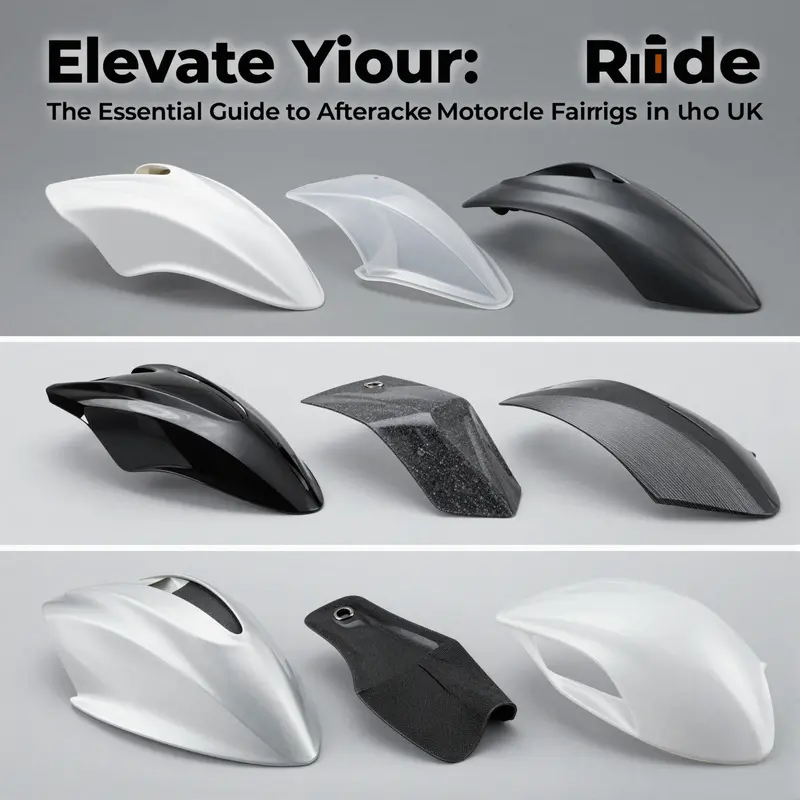
When riders in the United Kingdom consider aftermarket fairings, the choice of material becomes a practical decision as much as a visual upgrade. The UK’s mix of damp roads, salty winters, sudden showers, and long stretches of highway means that durability, weather resistance, and repairability are not afterthoughts. The broad market converges around a few core materials, each with its own trade-offs in weight, strength, and cost. In many ways, the material you select will shape how a fairing behaves in wind and rain, how easy it is to maintain its finish, and how confident you feel when you press the throttle on a damp country lane. Within this landscape, high-grade ABS plastic has earned its place as the default for most riders who want a reliable blend of performance and value, while carbon fiber, though significantly pricier, offers measurable gains in weight and rigidity for those pursuing higher-end performance. Fiberglass sits in the middle, offering a balance of stiffness and affordability but demanding more careful handling and repair if you push it hard on rough UK surfaces. The story of material choice in the UK is really the story of balancing performance, longevity, and the realities of road use across a changing climate.
ABS plastic dominates because it can absorb impact, stand up to rain and road spray, and respond well to painting and finishing processes that recreate OEM-like precision. Injection-molded ABS parts reproduce complex geometries with repeatable accuracy, which matters when mounting points must align with a specific model’s framework and subframes. For riders considering compatibility, the emphasis remains on selecting fairings explicitly designed for your bike’s model year. A model-specific fit helps ensure that the mounting holes line up, the tail sections attach cleanly, and the overlapping panels create a seamless silhouette rather than gaps that collect water or loosen under vibration. In the UK, that means a practical first filter is choosing products marked as suitable for your exact model, and then validating fitment through the expected mounting points and hardware alignment. This approach reduces the risk of misfit that can compromise aerodynamics, safety, and even visibility from mirrors and dash areas.
ABS’s popularity also ties to its forgiving nature when it comes to paint and repair. In the harsh climate and opportunistic shopping environment of UK retail, the ability to repaint or touch up a fairing without dramatic changes to color consistency is valuable. ABS accepts standard automotive and motorcycle coatings, which helps keep maintenance affordable and straightforward for riders who want to refresh a panel after a season of UV exposure or a few drips of road salt. In practice, this translates into a more predictable process for DIY enthusiasts and shop technicians alike. The material’s toughness supports day-to-day riding, offering a practical cushion against small impacts from gravel, curbs, or a light mid-air bounce off uneven asphalt. The trade-off, of course, is weight. ABS is heavier than carbon fiber, and for riders who chase every gram for improved handling or track performance, that extra mass can be a consideration. Yet for most UK riders who value reliability and repairability in variable weather, ABS remains the sensible baseline.
Carbon fiber represents the premium end of the spectrum. When carbon fiber fairings are mounted on a bike, the stiffness-to-weight ratio improves, and the overall aero profile can benefit from reduced parasitic weight. In sport-touring and track-focused setups, carbon fiber can deliver a more responsive feel and a sharper, more aggressive aesthetic. However, carbon fiber is not without its caveats in the UK context. It tends to be more brittle than ABS and fiberglass, especially at the edges, and minor impacts or improper mounting can lead to microcracks or more significant damage that is expensive to repair. The finish on carbon fiber also requires careful protection. UV exposure, though less of a threat compared with some plastics, can alter resin integrity over time if the coating is not properly maintained. Temperature swings and road salt can exacerbate any imperfections, so many riders who opt for carbon fiber invest in additional internal bracing, protective coatings, or clear bra materials to preserve surface integrity. The higher cost also means buyers often evaluate long-term maintenance and resale value in tandem with performance gains, ensuring that the investment aligns with riding style, frequency, and expected miles.
Fiberglass offers a middle path that can be attractive where budget, stiffness, and finish are concerns. It is generally stiffer than ABS and can be designed to approximate OEM fits quite closely, but it carries a higher risk of cracking under stress when subjected to high-velocity impacts or repeated flexing. The resin matrix in fiberglass can be more sensitive to repair work, requiring careful sanding, filler, and gel-coat finishing to restore a surface that looks and feels smooth. Surface finish can be a vital factor in the UK market, where road grit and salt complicate the long-term appearance of a fairing. Fiberglass can be a cost-effective solution for riders who want improved rigidity and a solid feel without the premium price of carbon fiber, but those choosing fiberglass should plan for more meticulous installation and potentially more frequent maintenance if the bike spends considerable time on rough or poorly maintained roads.
Choosing among these materials is rarely a matter of one-size-fits-all advice. It is a decision that reflects how you derive value from your motorcycle, your riding environment, and your willingness to invest in maintenance. For many UK riders, the most practical route is to begin with a robust ABS-based kit designed for their exact model. This choice provides a reliable baseline for weather resistance, impact absorption, and compatibility. If the riding style moves toward aggressive wind-in-the-face touring or occasional track days, a carbon fiber option might be explored as a strategic upgrade. It is essential, however, to recognize that carbon fiber requires careful handling, more precise mounting, and budgeting for potential repairs. In this light, fiberglass can function as a mid-range alternative for those who want a lighter, stiffer feel without the higher cost, while acknowledging that it demands conscientious installation and maintenance to avoid cosmetic or structural issues over time.
Beyond the material itself, the broader considerations of fit and safety play an equally critical role in the UK. Road safety regulations mandate that any modification should not obstruct essential instruments, dashboards, or visibility. The fairing’s design must preserve the rider’s awareness of the road and the vehicle’s instrumentation, even as panels are added or altered. Some advanced materials may require additional structural support or certification for certain high-performance configurations to ensure that ride dynamics remain predictable at highway speeds and over long distances. In practice, this means a diligent buyer looks for evidence of engineering alignment with the bike’s original geometry, including matching mounting points, supported fasteners, and a finish that can endure the damp and salty environment. A careful assessment also considers how the selected material behaves under temperature fluctuations, from the damp chill of a northern pensioner dawn to the heated grip of a summer ride along sun-drenched highways.
Replicating OEM aesthetics while maintaining performance is a common objective. The market’s shared experience is that the most satisfying aftermarket kits are those that faithfully reproduce the geometry and contour lines of the original design. This fidelity is not merely cosmetic; it affects aerodynamics, mounting stability, and handling feel at speed. A key practical step is to confirm fitment against the exact model and year you own before purchase. This reduces the risk of misaligned holes, mismatched radiuses, or panel gaps that invite moisture intrusion or wind noise. To riders who are curious about how shape and fit translate into performance, the connection between material choice and exact fit becomes clear: the wrong panel for the wrong model will not only look off, it can create management challenges when it comes to installation and trajectory under acceleration.
For shoppers in the UK, the purchase journey often begins with a mix of online browsing and in-person consultation at specialized retailers and customization shops. While international manufacturing remains a significant part of the supply chain, UK buyers often rely on platforms that aggregate compatible options and provide customer feedback to gauge a part’s performance in real-world riding. When evaluating options, it helps to examine the panel’s thickness uniformity, the presence of consistent paint adhesion, and the ease with which panels can be aligned during installation. These tactile cues—how a piece sits in your hands, how smoothly the mounting hardware coalesces with the bike’s subframe—reveal much about a fairing’s long-term resilience in the UK’s climate.
An informed approach also benefits from looking at the broader ecosystem of available options. Riders often explore kits that are specifically designed for certain models, grasping how different materials respond in similar weight ranges and under comparable usage patterns. For those who want to see concrete examples of fitment norms and panel contours, browsing a dedicated collection that groups fairings by model family can be instructive. This kind of exploration helps illustrate the subtleties of material behavior—how an ABS kit may reproduce a precise OEM silhouette with forgiving impact resistance, or how a carbon fiber kit can refine aerodynamics without compromising structural integrity. By focusing on model-specific compatibility and the material’s inherent strengths and limitations, UK buyers can make more confident choices that align with their riding goals and maintenance capabilities.
For readers seeking a practical starting point in understanding fitment and material performance across models, consider exploring a model-focused collection that demonstrates how fairing geometry is aligned with mounting bosses and wind-tunnel-inspired shaping. While the specific model you own will guide the decision, this approach clarifies how material selection interplays with engineering design to deliver a seamless aesthetic and dependable on-road behavior. To illustrate a broader path for model-specific exploration, you can browse the Honda fairings collection, which provides a clear sense of how compatibility considerations translate into real-world fitment decisions and what to expect in terms of panel alignment and finishing options. This kind of reference helps anchor the discussion in tangible outcomes rather than abstract material properties. (https://www.summitfairings.com/collections/honda-fairings)
In summary, the UK market rewards a nuanced approach to material choice. ABS remains the reliable baseline for most riders, offering durability, ease of painting, and straightforward repair. Carbon fiber brings undeniable performance enhancements at a premium price, with careful attention to mounting and maintenance. Fiberglass offers a cost-conscious middle path that demands meticulous installation and finishing. Regardless of the material, the overarching priorities are clear: fit, safety, and long-term resilience in a climate that tests every panel through rain, salt, and temperature swings. When you combine a model-specific fit with a thoughtful material selection, you unlock a fairing that not only looks the part but also behaves with the confidence a UK road demands. External and internal checks—careful mounting, test-fitting, and a willingness to assess long-term maintenance—round out a buying process that respects both performance and regulation.
External resource: For a broader guide on choosing the right fairing material and understanding how different composites perform in real-world riding, see CarInterior’s Motorcycle Fairings Guide. (https://www.carinterior.com/motorcycle-fairings-guide/)
From UK Shops to Global Workshops: Navigating Local and International Suppliers for Aftermarket Motorcycle Fairings in the UK
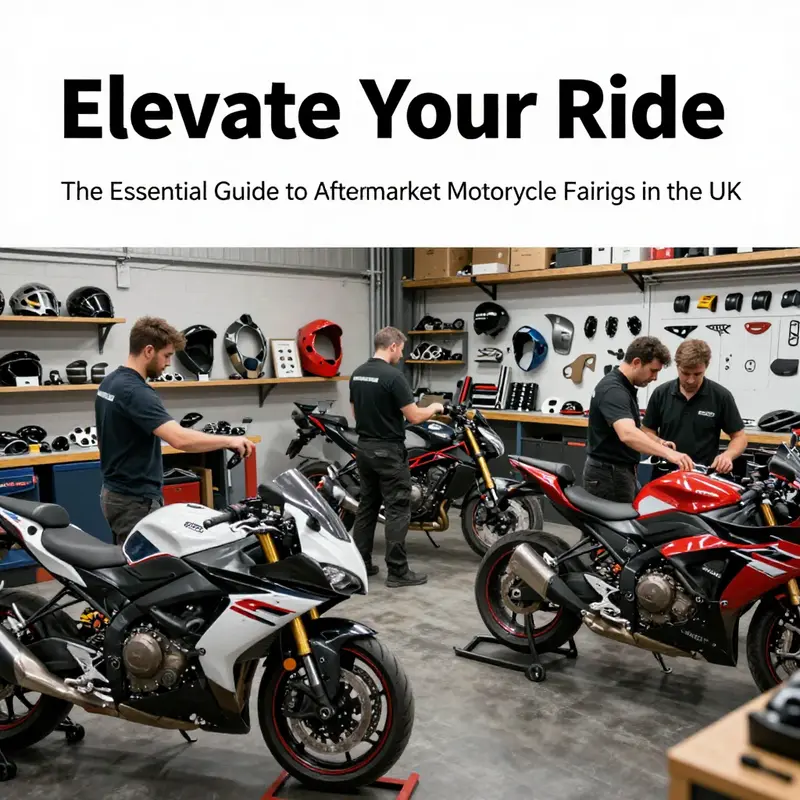
Across the UK, the pursuit of aftermarket fairings sits at the intersection of style, protection, and legal clarity. Riders who want a sharper look, a lighter weight, or better heat management confront a marketplace where the options multiply quickly—from compact, UK-made panels to full carbon copies sourced through international factories. The key is not simply choosing the flashiest set or the lowest price, but building a chain of decisions that preserves fit, safety, and road legality. Local shops often stock fairings that have been tested on British roads and refined for British weather, understanding the quirks of headlight heights, screen angles, and the geometry of popular models. At the same time, international suppliers open doors to a broader spectrum of styles and cutting-edge materials, with participants in the trade presenting competitive prices thanks to scale. The challenge is to balance these advantages against concerns that are particularly acute in the UK: precise compatibility with your frame, accurate mounting points, and compliance with the rules that govern aftermarket bodywork on two wheels. In this landscape, a thoughtful approach to sourcing becomes a practical craft rather than a gamble, guiding riders toward a result that looks right, fits right, and keeps them compliant on the road.
Before any decision, compatibility is the hinge on which the door to satisfaction swings. A fairing that claims to fit your model only does so if every cutout, mounting hole, and brace location aligns with what the bike expects. Even the best-looking panels can become a headache if the dashboard blocks, the ignition digits misalign, or the mounting pegs refuse to meet their anchors. The recommended approach is to treat fit as a non-negotiable test. Cross-check the model designation printed on the packaging with your bike’s frame number and the manufacturer’s part diagrams, and confirm that the kit includes all required hardware or clearly states a post-purchase mounting solution. In practice that means reading the product description twice, and if possible, talking to a seller who can confirm a model match down to the sub-variant. A cautionary note from the UK market is that some global suppliers may advertise broad universality, but the truth is that small tolerances in a commuter bike can ripple into a misaligned windscreen or a mispositioned headlight—exact alignment is the measure of a dependable upgrade.
Material choice matters almost as much as the design. In the UK the market favors high-density ABS for its balance of stiffness, impact resistance, weather tolerance, and cost. ABS panels can resist scuffs from road debris and perform well in damp seasons, a practical advantage when bikes spend more time outdoors than in, even with careful storage. Yet ABS is not the only path. Polycarbonate, fiberglass reinforced composites, and carbon fiber blends find a following among riders seeking lighter weight or a premium finish. The material story has its own subplots. Carbon fiber, for example, can deliver a stiffness-to-weight advantage and a high-end aesthetic, but it may require additional internal supports and a certification check if the fairing is structurally critical. UK suppliers often present a spectrum of choices—budget ABS sets that keep prices friendly, mid-range constructions tuned for durability, and lighter, carbon-oriented options aimed at race-inspired builds. What matters is not simply the raw material but the overall balance of weight, impact performance, UV resistance, and the way the panel’s finish holds paint and decals under British weather.
Then there is the question of who makes and ships the parts. Local and UK-based suppliers bring a tactile advantage: shorter lead times, easier returns, and a customer service point that can walk you through paint-matching and mounting steps. They also tend to understand regional tastes—from café racer silhouettes to aggressive sport lines—and a growing cadre of artisans can offer customization, including detailed paint schemes and integrated lighting or under-panel accents that echo the bike’s personality. In the research landscape, local shops often rely on a mix of fiberglass, ABS, and light carbon fiber options, aligning with the typical service life of a kit and the realities of on-British-roads usage. On the other hand, international suppliers—most notably from Asia but with reputable European and American manufacturers in the mix—bring scale advantages that translate into broader catalogues and often lower per-unit costs. The trade-off is not merely price but reliability of finishes, consistency across batches, and the willingness of the vendor to stand behind a warranty if the piece arrives damaged in transit or requires adjustment after fitting.
Quality, warranty, and after-sales support become the triad of risk management when shopping abroad. A factory that can supply dozens of thousand units a month can offer you a price that competes with domestic rivals, but the long tail of the buyer’s risk shifts toward shipping delays, customs handling, and returns that can cost more in time and effort than the savings on sticker price. Import duties and VAT add a real tax on the final bill, and for a kit that might require professional fitting or bodywork alignment, the total invested price often ends up higher once service time is included. The design language of international kits may also diverge from UK regulations in subtle ways: reflectors’ placement, wheel arch clearances, windscreen curvature, and even the profiles around mounting brackets can affect compliance. This is where the careful buyer’s due diligence becomes essential: verify that the kit is explicitly labeled for your model and year, request clear dimensional drawings, and confirm compatibility with your screen height and instrument cluster geometry. Where possible, ask for high-resolution photos of the kit installed on a bike like yours, and evaluate whether the finish and gaps look even across all edges. A well-chosen international kit can deliver a striking look and decent protection, but it should come with transparent warranty terms and a clear flow for returns or replacements if the parts prove unsatisfactory after a test fit.
Practical strategy begins with a tested checklist. Start by identifying a fairing set that explicitly states suitability for your exact model and year. If there is any doubt, seek confirmation from the seller in writing, ideally with part diagrams that reference your frame. Then evaluate the hardware: Are all mounting points present, and do they align with the bike’s existing fasteners? Check the instruction sheet for paint specifications and surface preparation steps—some paints and clear coats require a specific primer or base layer to resist UV and road salt. If a dealer offers installation support, consider taking advantage of it; a little professional touch can save hours of fiddly work and potential misalignment. When it comes to customization—the vibrant paint schemes, stripe options, or integrated lighting that many riders crave—budget additional lead time and budget for possible reassembly work after a repaint or add-on. Remember the practicalities: how easy is it to source a replacement panel if you damage one or crash and crack a corner? How robust is the resin or laminate when it’s exposed to rain and road grit on a British winter ride? These questions shift the calculus toward models with consistent batch quality and documented fitments rather than the glitz of a marketing video.
Among the design choices that matter, lower fairings deserve a note. These are mounted on the lower sides of the engine or frame and are prized for their aerodynamic efficiency and component protection rather than rider wind protection. They can reduce crossflow beneath the engine and shield vital heat exchangers and exhaust components from spray as you ride through damp lanes or spray from a trailing vehicle. But because they help shape airflow rather than shield the rider, their impact is often subtle and most effective when blended with a complete fairing package rather than as a stand-alone improv. The elegance of a well-integrated system is that you gain functional protection from debris and weather while maintaining clean lines and a coherent aesthetic. The UK market’s appetite for these elements reflects a broader trend: riders seeking both practicality and personality through bodywork that respects engineering realities and the bike’s original intention.
Given the stakes—safety, legality, performance—many riders adopt a blended sourcing approach. They use local specialists for compatibility checks, paint-matching, and fitment assurance, and then supplement with carefully chosen international panels for style and cost efficiencies. The best outcomes come from clear communication with vendors, honest expectations about lead times, and a willingness to negotiate on warranty terms and post-sale support. For those who want to see tangible options without long guessing games, a curated hub of model-specific catalogues can help. For instance, model-focused collections that align with popular brands and variants can guide what to ask for when you contact a seller. In this context, a well-chosen internal reference point can be a dedicated Yamaha collection that helps you compare the precise geometry and finish you desire. See the Yamaha fixtures here: Summit Fairings Yamaha collection. The aim is to build a path that respects both regional tastes and universal standards of safety and fitment.
To close the loop on safety and compliance, keep an eye on official guidance. In the UK the Vehicle Certification Agency and the Department for Transport publish recommendations on how aftermarket bodywork should interact with the motorcycle’s structure and electrical systems. These aren’t just bureaucratic hoops; they are practical guardrails that keep riders secure and machines road-legal on busy urban roads and open highways alike. When you combine local know-how with international options, you create a procurement process that values reliability as much as aesthetics and cost. The result is a bike that wears its new skin with confidence, and a rider who can service, maintain, and inspect the fairing without fear of misalignment or legal trouble. For formal guidance, see the official technical resources accompanying post-market bodywork guidance. External resource: https://www.gov.uk/government/publications/vehicle-certification-agency-technical-guidance-on-aftermarket-bodywork-for-motorcycles
Staying Legal and Safe: UK Rules Every Aftermarket Fairing Buyer Must Know
Understanding your responsibilities when fitting aftermarket fairings in the UK
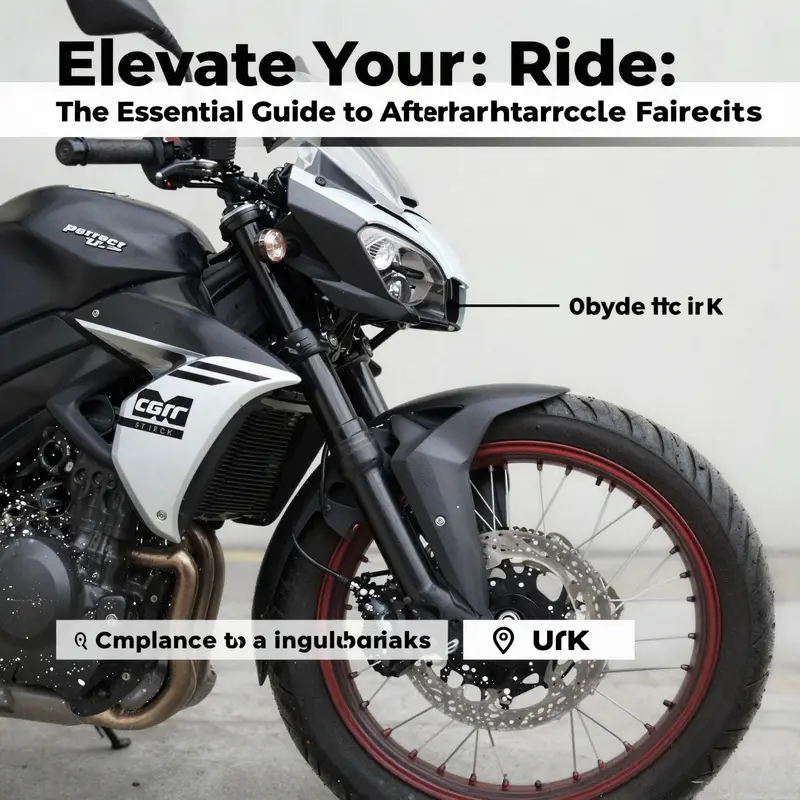
Fitting aftermarket fairings changes more than just the look of a motorcycle. It alters surfaces, weight, and how the bike behaves in airflow. In the UK, those changes interact with legal rules, insurance terms, and safety inspections. Riders who treat fairings as cosmetic add-ons alone risk MOT failures, voided insurance, and real safety hazards on the road. This chapter explains what to check, how to document changes, and practical steps to keep a modified bike both legal and safe.
Any replacement fairing must respect the original type approval of the motorcycle. Type approval, or homologation, is the official set of standards a manufacturer met when the bike was certified for sale. Replacing panels can alter dimensions, conceal lighting, or change where forces travel in a collision. Therefore, when shopping for fairings, prioritise items made specifically for your model year and variant. Parts labelled explicitly “suitable for [your model]” reduce the risk of size mismatches and misaligned mounting points. If a fairing requires drilling, trimming, or brackets that differ from the OEM layout, expect additional scrutiny during an MOT and plan to produce clear evidence that the work preserved safe function.
Certification marks matter. An E-mark or ECE certification indicates a component was tested to recognised European safety standards. While not every aftermarket fairing carries an E-mark, it is a strong signal that the manufacturer considered regulatory requirements. When a fairing lacks such marks, the tester may examine how it affects visibility, lighting, and structural integrity. Keep invoices, certificates, and supplier correspondence to show examiners and insurers if needed. If the supplier can provide technical drawings or test reports, keep those too. These documents are often decisive in borderline MOT queries.
Insurance providers require transparency. Policies often include clauses about modifications that affect value or safety. Adding a complete fairing, changing material type, or fitting carbon components can all be considered material changes. Contact your insurer before fitting major aftermarket panels. Describe the product, how it mounts, and whether professional fitting will be used. Insurers may request photographic evidence or copy certificates. Not informing them risks declined claims or policy cancellation after an incident.
Physical safety checks should guide every purchase and every fitting. Ensure the new fairing does not obstruct lights, indicators, or reflectors. Confirm mirrors sit clear of any panel edges. The rider’s field of view must remain unimpaired; even subtle changes to the dash cowling can create blind spots at certain lean angles. On models with integrated instrumentation, ensure vents and sensors remain exposed as needed. During and after installation, test all lights and switches and verify indicator operation from typical riding positions.
Mounting integrity is as important as material choice. Cheaper kits sometimes use plastic push clips where steel bolts are advisable. Use correct fasteners, lock washers, and threadlock where torque specs demand them. A loose fairing can snag at speed, change airflow around the rider, and create dangerous noise or resonance. After a fit, perform a static check for movement at every mount point and then a low-speed ride to feel for vibration or rubbing. Recheck fasteners after the first 50 miles and again after 200 miles. Retorque bolts to recommended values when available.
Materials influence behaviour after impact and under load. High-density ABS is common because it balances flexibility and impact resistance. Fibreglass can be bulky and brittle; carbon fibre is strong but transfers more force to mounts and the frame. If a fairing uses carbon or thin composites, consider reinforcing mounting points and, if needed, adding sub-frames or brackets. Professional fitters often weld small mounts or use steel inserts to distribute loads. Document any reinforcement work to present to testers or your insurer.
Aerodynamics and weight distribution change when panels differ from OEM design. Even small alterations to the nose profile or belly pan can affect high-speed stability. Track riders should be particularly cautious; modified aerodynamics can alter wheel loads under braking and cornering. For road use, watch for lift or buffeting at motorway speeds after installation. If you detect instability, consult a specialist for trimming or reshaping options rather than riding in a compromised state.
MOT examiners focus on safety-critical elements. They will look for anything that blocks lighting, interferes with steering, or impedes the rider’s view. Items that could detach and endanger other road users will fail. If your fairing replaces an element that previously held mandatory reflectors or required a particular spacing from the ground, verify that regulations remain satisfied. Some high-performance aftermarket parts require additional structural supports or accreditation; prepare documentation for the MOT station to smooth the inspection.
Selecting suppliers requires more than price comparison. Many reliable fairings come from reputable factories overseas. When dealing with international suppliers, ask for details: material specification, production tolerances, route to customer service, and returns policy. Reputable vendors will supply template drawings, mounting diagrams, and practical fit notes. If procuring through local distributors or specialist fitting shops, ask whether they have experience fitting the same kit to your model. That experience avoids wasted time and unexpected custom work.
Professional fitting provides two clear benefits. First, fitters know where to add reinforcements and how to align panels without distorting mounting points. Second, a documented fitting job gives both MOT testers and insurers confidence. A reputable workshop will provide a job sheet listing parts fitted, torque values, and any modifications made. Keep that record with the rest of your vehicle paperwork.
A practical pre-MOT checklist helps avoid surprises. Confirm lamps and indicators operate and remain visible from usual rider positions. Check that handlebars turn freely through full lock without panels catching. Ensure fairing edges do not protrude dangerously beyond the tyre line or footrests. Verify that vents and engine cooling paths remain unobstructed. Test ride the bike at normal road speeds to listen for rubbing or fluttering. Finally, photograph the finished installation from multiple angles and file the images with receipts and certification.
Documentation is your best defence in disputes. Keep supplier receipts, technical specifications, fitment notes, and any certification together. If you import parts, retain customs paperwork and correspondence confirming the product matches your model. If an MOT station raises concerns, a single folder of clear evidence often resolves issues quickly. If an insurer asks for proof of safe fitting after a claim, this same file can prevent cover disputes.
When choosing a source for a model-specific kit, consider reputable online collections that list fitment per year and variant. For example, the Suzuki fairings collection provides specific model fitment references and can simplify checking compatibility prior to purchase: https://www.summitfairings.com/collections/suzuki-fairings. Use those references as a starting point, but still verify mounting hole patterns against your bike and request confirmation from the supplier.
Finally, consult official guidance when in doubt. Government resources explain how modifications affect MOT and roadworthiness. Refer to the authoritative guidance for clarity on what changes require notification or certification: https://www.gov.uk/guidance/vehicle-modifications-and-mot
Being thorough when buying and fitting aftermarket fairings protects you and other road users. Treat modifications as engineering work rather than mere styling changes. Collect paperwork, choose fitment-specific parts, notify insurers, and use competent fitters. Those steps keep your motorcycle legal, insurable, and safe on UK roads.
The Right Fit, Right Ride: Navigating UK Aftermarket Motorcycle Fairings with Confidence

Choosing to upgrade a motorcycle’s look or aerodynamics with aftermarket fairings is not merely a cosmetic decision. In the UK, where roads demand respect for safety and legality, a fairing is part of the motorcycle’s envelope of performance. The right fit protects you from road debris, supports predictable handling, and preserves important visibility and instrument access. The wrong fit can introduce flutter, add excess weight in the wrong places, or interfere with gauges and cables. The journey from curiosity to a confidently installed set of panels begins with a clear map: verify compatibility, insist on quality materials, understand the installation path, and weigh the value offered by the supplier’s service and warranty. This is not about chasing the lowest price; it is about ensuring that the fairings you choose integrate with your bike’s geometry, your riding style, and the regulatory environment you ride in day to day.
Compatibility sits at the heart of the decision. It is the gatekeeper that determines everything else. When a buyer in the UK searches for aftermarket fairings, the first test should be model specificity. A fairing labeled for a particular brand and year reduces the guesswork. If a kit claims to fit a 2003 GSX-R 1000, for instance, it should specify that exact model and year, with mounting holes, bracket points, and air intake alignments verified for that bike. The risk of using a mismatched panel is not merely cosmetic. It affects aerodynamics, which in turn influences stability at speed, braking balance, and even the bike’s center of gravity. In British weather, where rider safety hinges on predictable behavior in wind gusts and variable temperatures, a poor fit can magnify small handling quirks into meaningful performance issues.
Across the UK market, the retailers and marketplaces that simplify this process share a common expectation: ensure compatibility before purchase. A robust compatibility filter in reputable online catalogs can turn a sprawling catalog into a curated shortlist. For riders who want a navigable path through the sea of options, the emphasis should be on kits that explicitly declare suitability for the exact bike and year. It is worth noting that even within the same model line, cabs and fairing shapes can vary by submodel, trim, or even regional manufacturing differences. Asking pointed questions—does this kit align with my year of manufacture? Are the mounting points identical to the factory arrangement? Does the kit require shims or custom brackets?—saves time and reduces the likelihood of post-purchase surprises. In the UK context, where road owners frequently pair aftermarket bodywork with performance tuning, this insistence on precise fit is a practical safety measure as well as a cosmetically pleasing one.
Material quality underpins durability and performance. The UK market has long leaned toward ABS plastics and polycarbonates for fairings because of their impact resistance, weather resilience, and cost effectiveness. ABS, when formulated to a high standard, offers a compelling blend of stiffness and flexibility, absorbing small impacts without cracking, while resisting UV exposure that can fade paint or warp panels over time. Polycarbonate, known for exceptional transparency and impact resistance, is often favored for fairing screens or outright carbon-look panels where weight savings are desirable. The key is to read product descriptions carefully and to consider how the material behaves after exposure to typical UK conditions: brine-laden sea air on coastal rides, the damp air of rolling hills, and the occasional sudden downpour. Even if a fairing is cheaper at the initial purchase, its long-term value depends on whether the material resists cracking after a few encounters with road debris or winter grit.
The UK consumer should also weigh the practicalities of installation. Aftermarket kits frequently require mounting brackets, hardware, or minor trimming to align with the bike’s profile. Some sets arrive with everything needed, while others require sourcing extra fasteners or brackets. The more straightforward the kit, the smoother the installation process, but it is essential to read the instructions line by line. If the kit demands cutting or drilling, that is a signal to proceed with caution or to seek professional installation. A competent installation preserves aerodynamics, reduces noise from loose panels at speed, and ensures that the fairings do not obstruct the rider’s view of dashboards, mirrors, or indicators. In some UK operations, where weekend workshops and bicycle shops double as motorcycle upgrade hubs, professional installation is a common route to confirmed alignment and secure mounting. The time invested in a careful fit is repaid through improved stability, a quieter ride, and a longer service life for the panels.
From the perspective of consumer experience, monitoring customer feedback and the supplier’s qualifications matters as much as the fit and the material. Online reviews accessible on major platforms, including broad marketplaces and specialized forums, offer a window into real-world performance. Negative feedback about poor fit, paint quality, or a panel that does not align with the stated model can be revealing. In contrast, multiple reports of reliable fit and robust construction help build trust in a particular kit or seller. This is not to say that every negative review should derail a potential purchase; rather, patterns in what riders report—such as discrepancies in bracket quality, paint chipping after a few rides, or issues with rain sealing—can guide a more informed decision. A responsible buyer uses reviews as a diagnostic tool, cross-checking them against the product description and the supplier’s stated warranty and return policies. In a market that includes both well-established retailers and more nimble export-oriented suppliers, the ability to assess credibility is a valuable skill for UK buyers who want to avoid counterfeit or substandard items.
The purchasing journey benefits from a thoughtful approach to source selection. While a handful of UK-based manufacturers offer high-performance aftermarket parts, most of the global supply of fairings comes from factories in Asia. This reality shapes the buyer’s expectations around cost, color fidelity, and available finishes. The UK consumer should prioritize suppliers with transparent product imagery, clear compatibility statements, and explicit warranty terms. A strong warranty signals that a seller stands behind the product, which is particularly meaningful for fairings that are subject to weather exposure and road debris over time. Alongside warranty, a clear, responsive customer service channel matters—especially if the kit requires technical support during installation or if a return is necessary. The best buyers complement their own mechanical confidence with post-purchase support that helps diagnose fitment or alignment issues and provides a straightforward path to resolution.
Another layer of consideration comes from the broader regulatory environment. UK road safety rules require modifications not to impair essential systems or visibility. Fairings should not obscure dashboards or reduce cockpit awareness. In some cases, higher-end or carbon fiber variants may present additional structural considerations. Financial and regulatory prudence aligns with the practical reality that the aesthetic upgrade should not compromise safety or compliance. Buyers should assess the fairing’s impact on heat management, air intake routing, and cable routing, ensuring these elements do not become chokepoints or hazards when riding in varied weather conditions. When in doubt, consult a professional who can verify that the installation will maintain the bike’s aerodynamics and that the revised bodywork works in harmony with windscreen height, mirrors, and cockpit ergonomics.
Real-world pathways to acquiring the right kit are diverse. The UK market hosts specialized e-commerce platforms that curate compatibility filters and offer installation guidance. Marketplaces like general retailers also carry an expansive array of options, so careful evaluation of reviews and seller reputations becomes essential. Authorized dealers and customization shops can bridge the gap between online shopping and practical, on-bike results by offering installation support and post-purchase checks. These channels reduce the risk of receiving a component that looks right on a photo yet fails to fit due to minute measurement differences. The endgame is a cohesive transformation: the fairings should not merely cover the frame but integrate with the bike’s silhouette, maintain or improve its aerodynamics, and allow riders to enjoy the new look without compromising safety.
For riders who want a tangible starting point on the model-specific front, one practical route is to explore collections that group fairings by bike families. For example, dedicated pages cataloging Honda fairings or Yamaha fairings can help a rider narrow down choices and compare finishes and fitment with greater confidence. A broader option is to click through a brand-assembled collection that aligns with your bike’s engineering family. This approach helps fleets of riders avoid the uncertainty of generic, ill-fitting panels. Within the UK ecosystem, a considered combination of compatibility checks, material awareness, installation readiness, and supplier reliability can transform a purchase into a durable upgrade rather than a time-consuming trial. As a guideline, look for products explicitly marked suitable for your exact model, read through related user experiences, and confirm the inclusion of necessary hardware or the availability of compatible mounting brackets. The aim is a seamless integration that preserves the bike’s identity while elevating its performance envelope.
To help navigate the selection with a model-centric mindset, consider exploring a dedicated collection that aggregates options for a specific bike family. For riders focused on Honda models, a consolidated Honda fairings collection can be a useful starting point to compare styles, finishes, and compatibility notes in one place. For convenient access, a curated page of such a collection is available here: Honda fairings collection.
Ultimately, the purchasing journey is about informed trust. A productive strategy blends explicit compatibility, high-quality materials, and a clear path to installation with credible feedback and solid after-sales support. It is also prudent to factor in warranty terms and return policies, which offer a buffer if the fit proves less than ideal or if paint and surface finishes do not meet expectations after a few miles. With a careful approach, UK riders can achieve a balance between aesthetics, performance, and safety, turning an aftermarket fairing upgrade into a confident, long-lasting enhancement of the machine. In this landscape, the right choice relies on precise fit, robust construction, and a supplier ecosystem that values rider safety as much as style.
External resource for broader technical context: external retailer resource.
Final thoughts
In conclusion, navigating the market for aftermarket motorcycle fairings in the UK involves meticulous attention to details such as compatibility, material properties, supplier credibility, and compliance with safety regulations. By focusing on these areas, motorcycle enthusiasts and business owners can ensure they make informed decisions that enhance both the performance and aesthetic appeal of their rides. Investing time in understanding these factors will not only lead to better purchase decisions but also contribute to safe and enjoyable riding experiences in the long run.